History · Mauritius
Mauritius: The Made Society
An uninhabited island where the Dutch killed the dodo, the French built a slave-sugar economy, and the British filled it with indentured Indians — now Africa's most prosperous democracy, still seeking the return of Chagos
By Worldlore Editorial · 19 September 2026
A country assembled from scratch
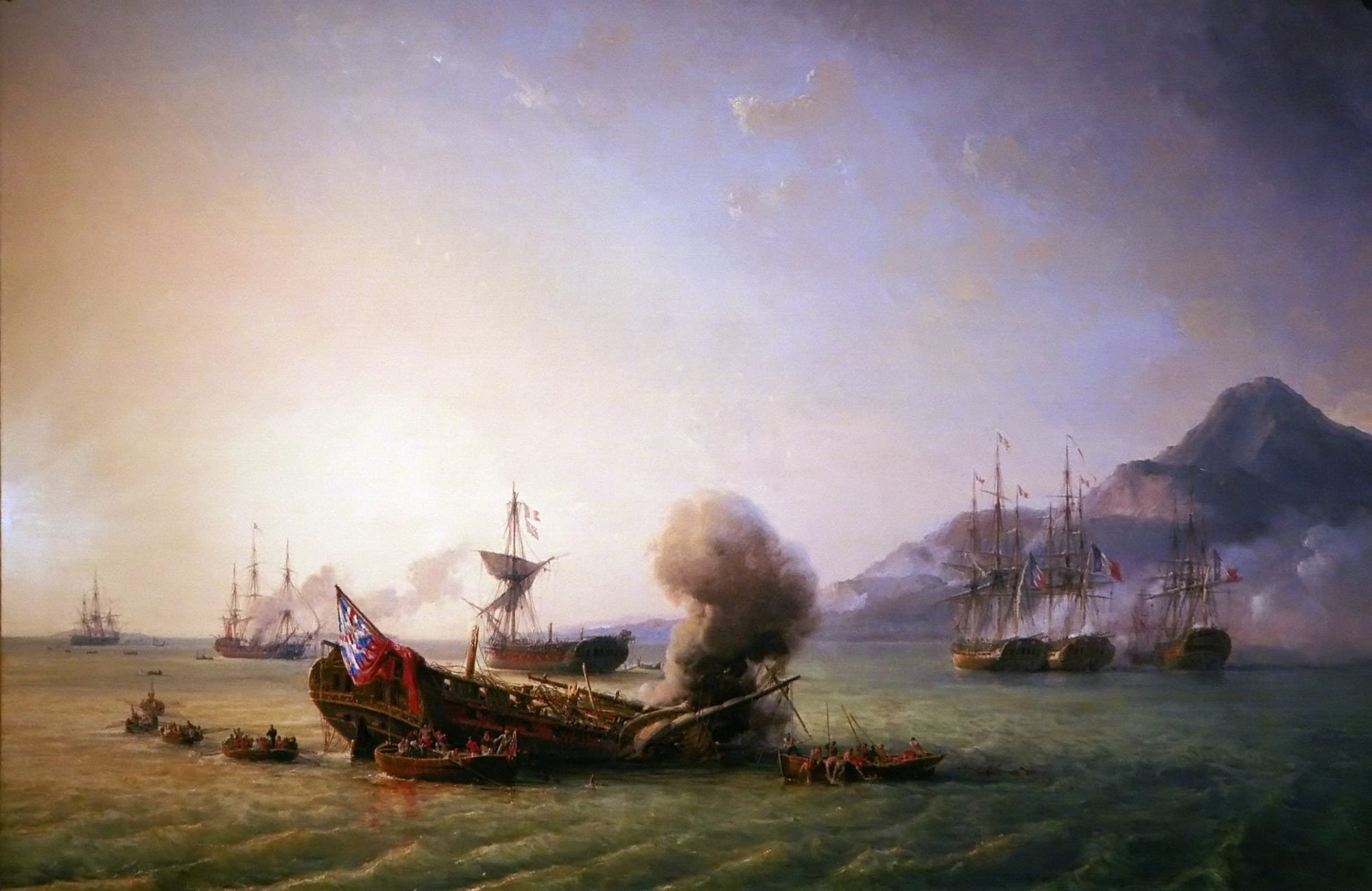
Mauritius is an island in the Indian Ocean, east of Madagascar, with about 1.3 million people. Nobody lived there until the 17th century — there is no indigenous Mauritian people. Everyone on the island descends from someone brought there, willingly or not, in the last four hundred years: French settlers, enslaved Africans and Malagasy, indentured Indians, Chinese traders. Out of that deliberately assembled society, Mauritius has built the most prosperous democracy in Africa — against confident predictions, at independence, that it would fail.
A short history
- 1598
The Dutch
Land, name the island, and later drive the dodo to extinction.
- 1715
Isle de France
France claims the abandoned island.
- 1735–1746
La Bourdonnais
Port Louis is built; the slave-sugar economy grows.
- 1810
British conquest
Britain takes the island and keeps the French planters' rights.
- 1835
Abolition
Around 66,000 enslaved people are freed.
- 1834–1920
The great indenture
Some 453,000 Indian labourers arrive.
- 1965
Chagos detached
Britain separates the archipelago as a condition of independence.
- 1968
Independence
Mauritius becomes sovereign, then a republic in 1992.
The Dutch, and the dodo
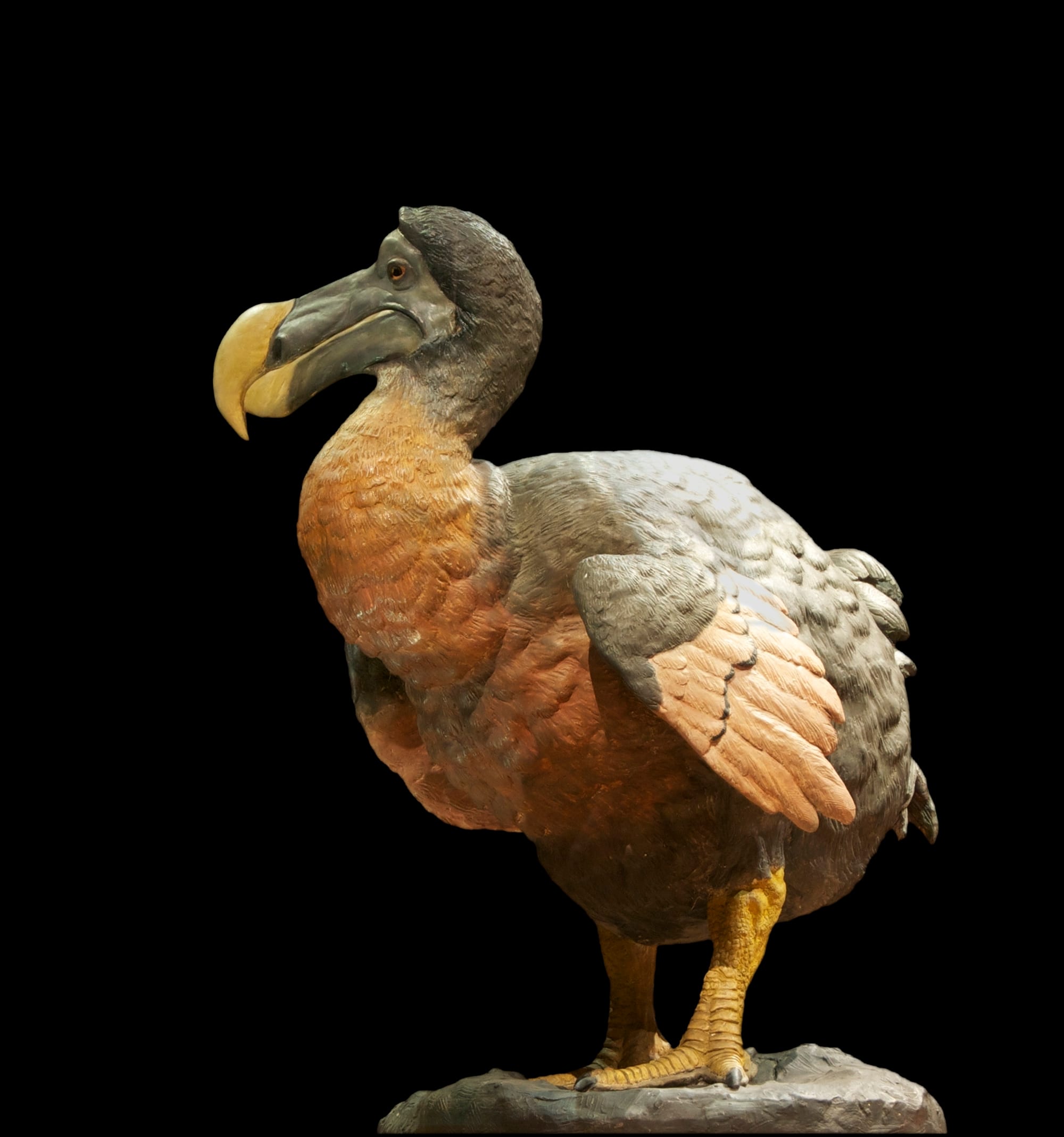
Arab and Portuguese sailors knew the island; the Dutch settled it twice between 1638 and 1710, introducing sugar cane and cutting the ebony forests — and, through hunting and introduced pigs and rats, driving the flightless dodo extinct by about 1680. Then they left.
What the island lost, and gained
French sugar, British rule
France claimed the island in 1715 as Isle de France, and under the governor La Bourdonnais it became France's key naval base in the Indian Ocean — a haven for privateers preying on British shipping, and a plantation economy worked by enslaved people from Madagascar, Mozambique and East Africa. By 1810 they were about four-fifths of the population.
Britain took the island in 1810 and kept it in 1814, restoring the name Mauritius but letting the French settlers keep their language, their Napoleonic legal code, their religion — and, for a time, their slaves. When slavery was abolished in 1835, the roughly 66,000 freed people mostly refused to keep working the plantations.
Indenture, and independence
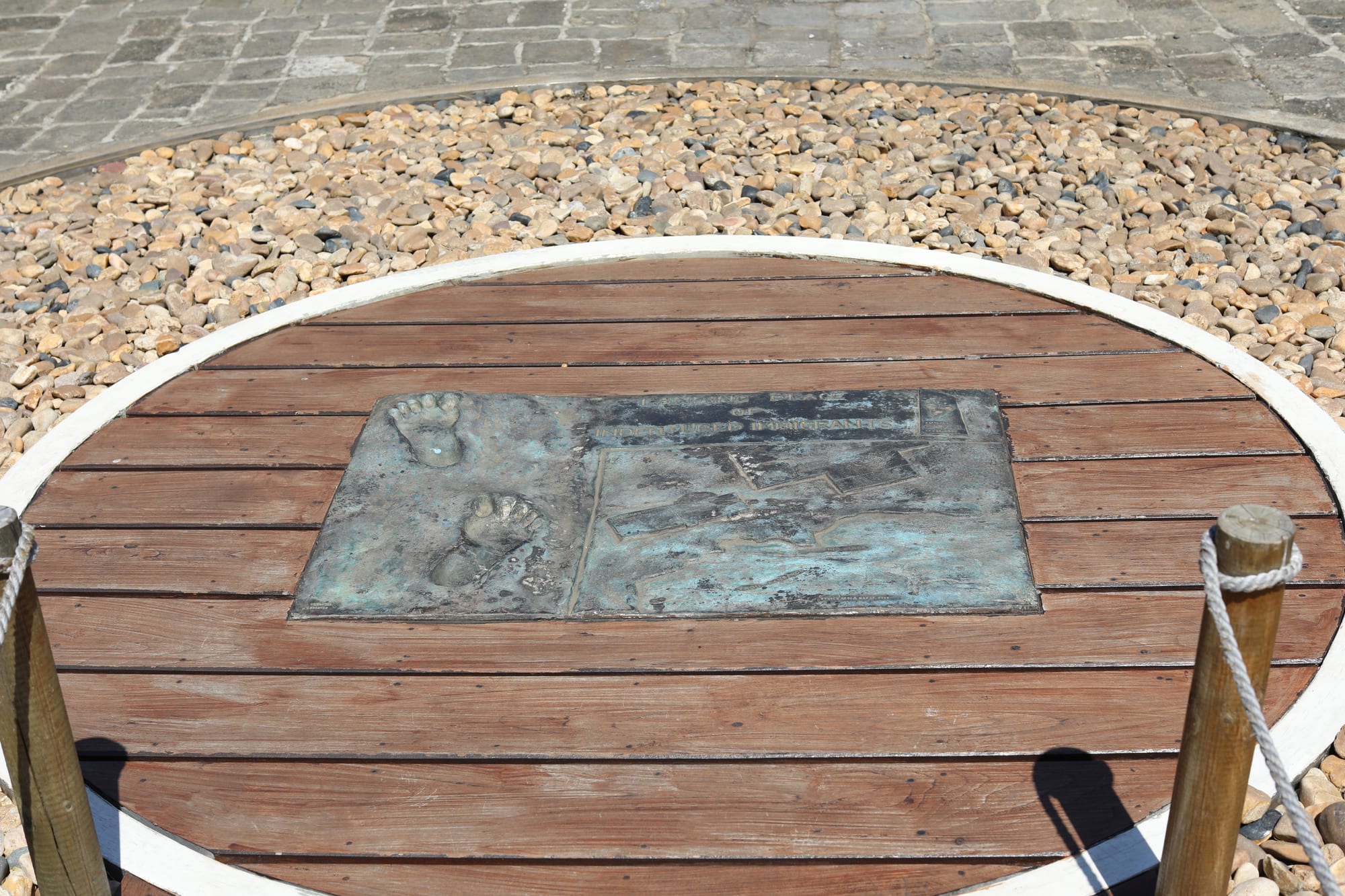
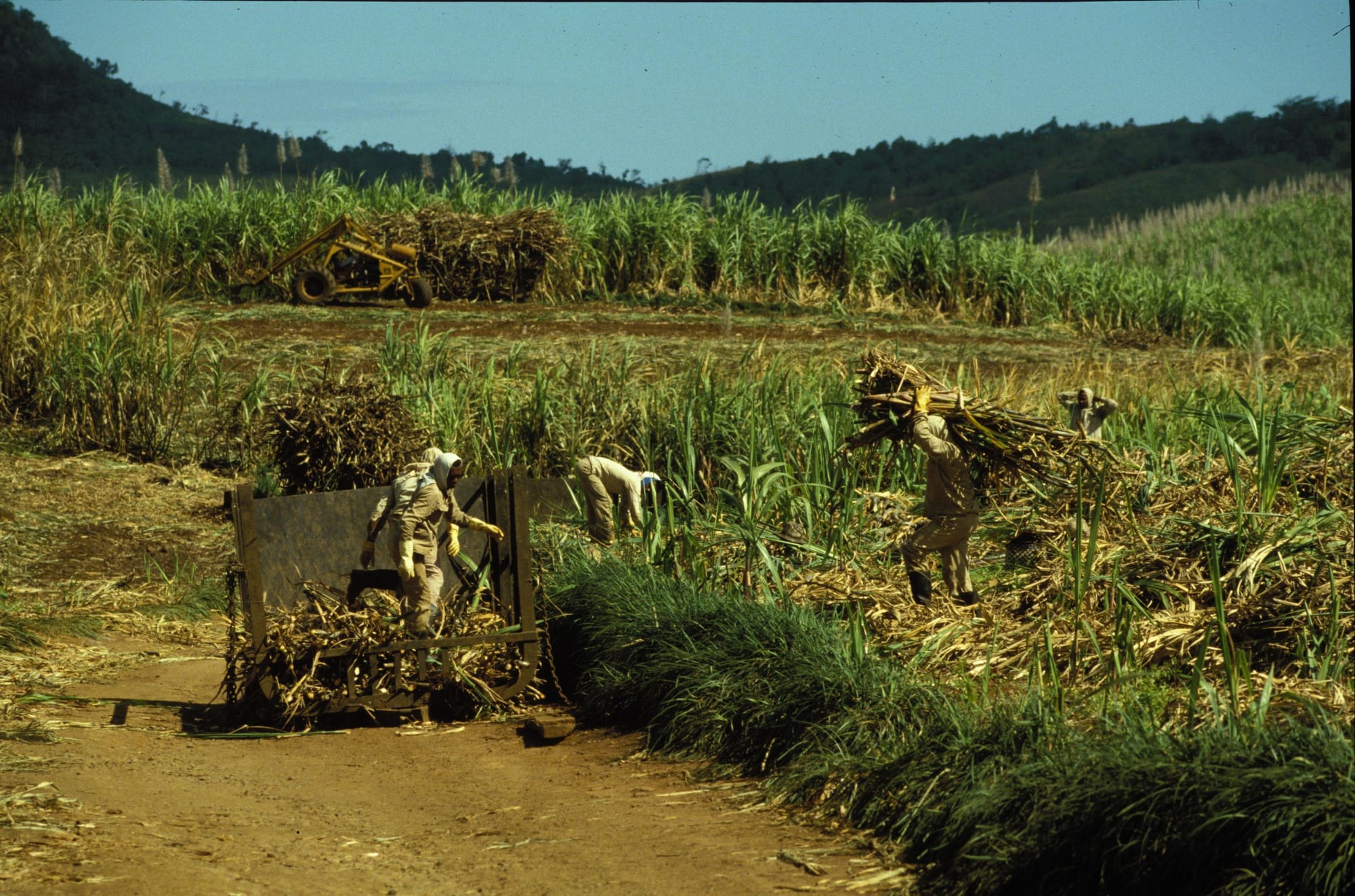
To replace the freed labour, planters imported indentured workers from India on a scale seen nowhere else — Mauritius was the first and largest destination of the global Indian indenture system. Between 1834 and 1920, about 453,000 Indians arrived, most staying, and by 1871 Indo-Mauritians were the majority.
Independence was contested along ethnic lines: minorities feared domination by the Indo-Mauritian majority, and communal riots hit Port Louis in early 1968. Mauritius became independent on 12 March 1968 under Seewoosagur Ramgoolam's Labour Party, and a republic in 1992.
Chagos, and success
As a condition of independence, Britain detached the Chagos Archipelago in 1965 to create the "British Indian Ocean Territory", then expelled its entire Creole population between 1968 and 1973 and leased the main island, Diego Garcia, to the United States for a military base.
Mauritius now
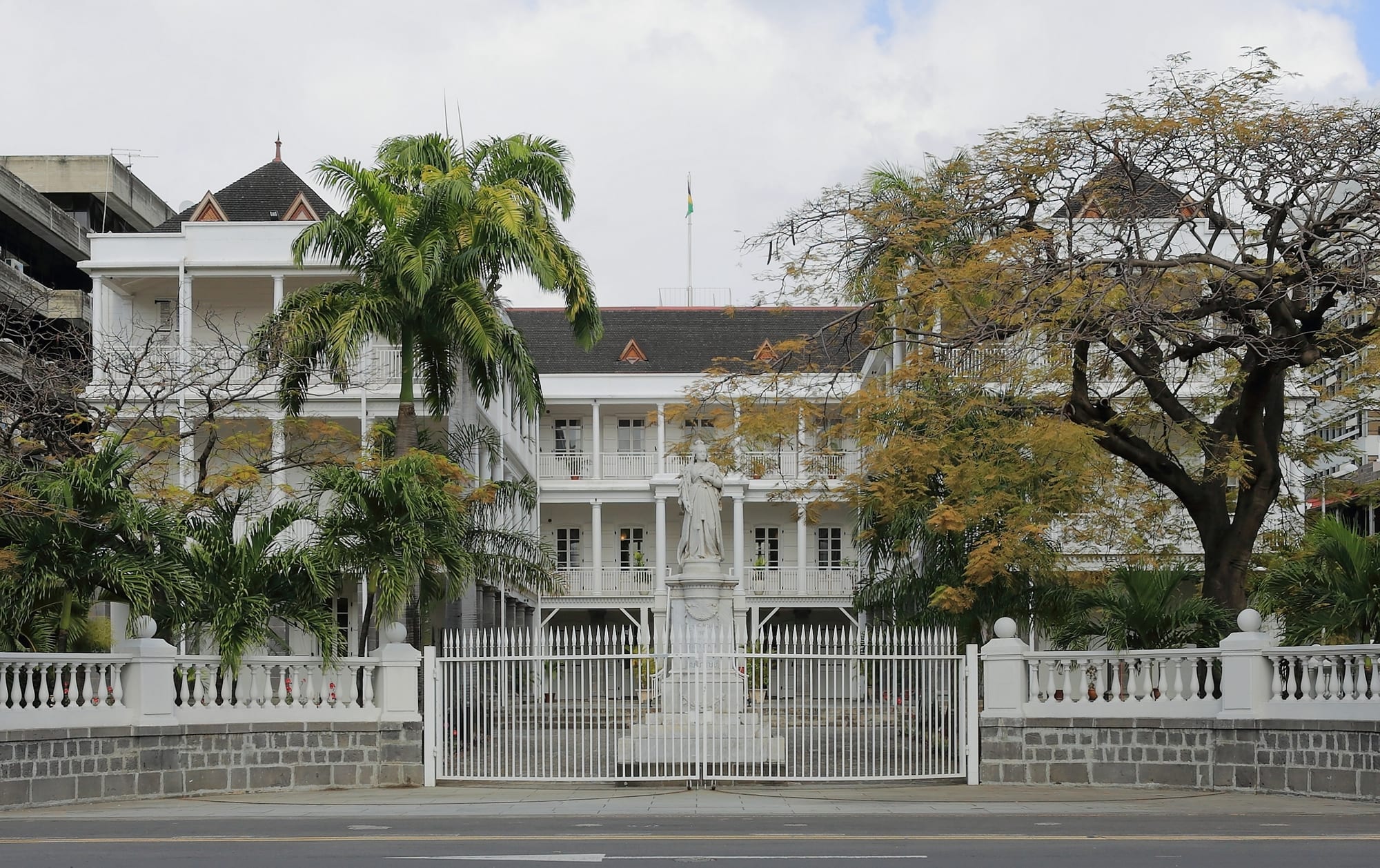
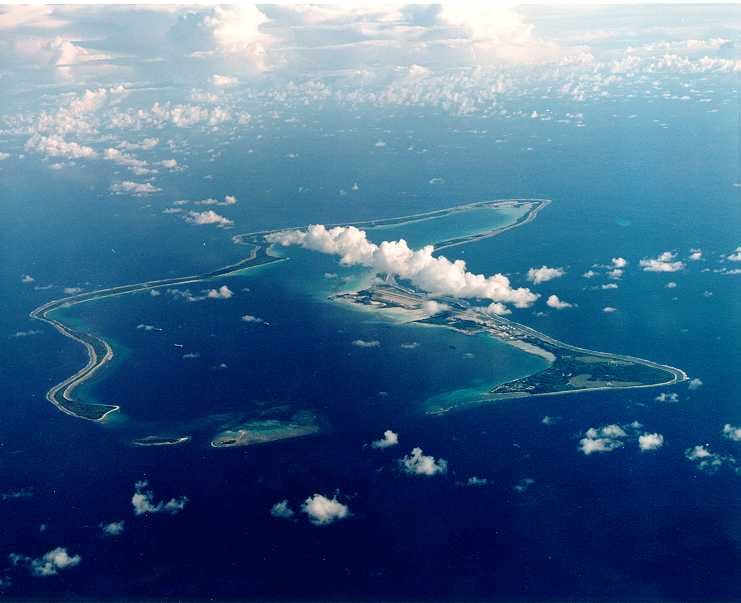
Mauritius has kept a stable multiparty democracy with regular changes of government, invested heavily in free education and health, and avoided the instability many expected — though its reliance on the offshore-finance model, an ageing population, and periodic governance concerns remain live issues.
What Mauritius carries
Mauritius is a country with no "before" — its whole population and its whole society were built on an island that started empty, through settlement, slavery and indenture. That origin could have produced permanent communal conflict; instead it produced a functioning plural democracy and a rare African development success. The Chagos wound, and the Chagossians still waiting to go home, is the piece of that story not yet finished.