Food · Mauritius
Mauritius: Food and the National Dish
A thin split-pea flatbread sold from street stalls across an Indian Ocean island where Indian, Creole, Chinese and French cooking genuinely share the same table
By Worldlore Editorial · 16 September 2026
An island where four cuisines genuinely share the table
Mauritius, an Indian Ocean island with a population majority descended from 19th-century Indian indentured labourers, alongside Creole, Chinese and French communities, has developed a food culture where all four traditions are eaten daily side by side rather than staying separate. That genuine blending, more than any single ingredient, defines Mauritian cooking.
The street food icon: dholl puri
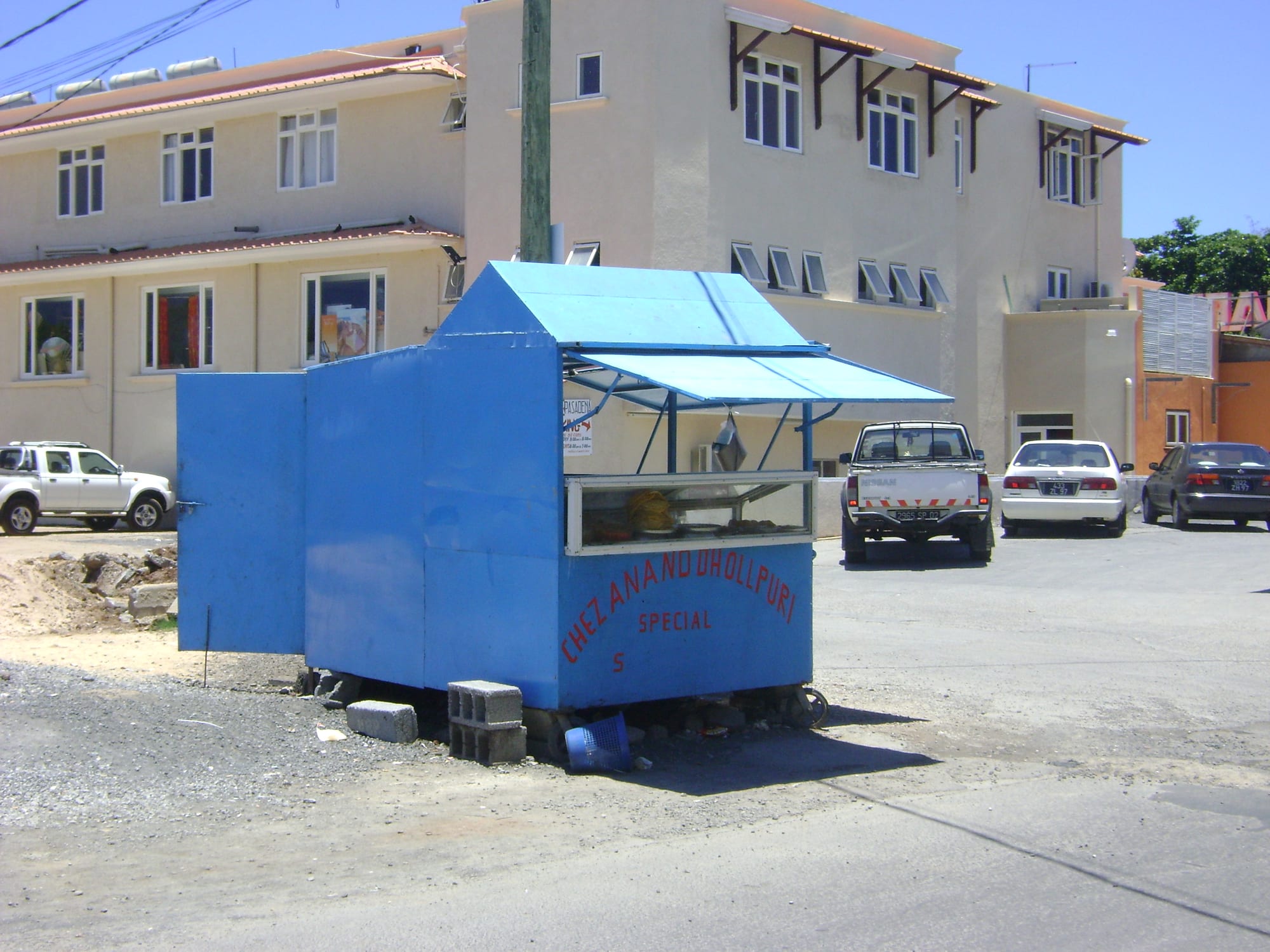
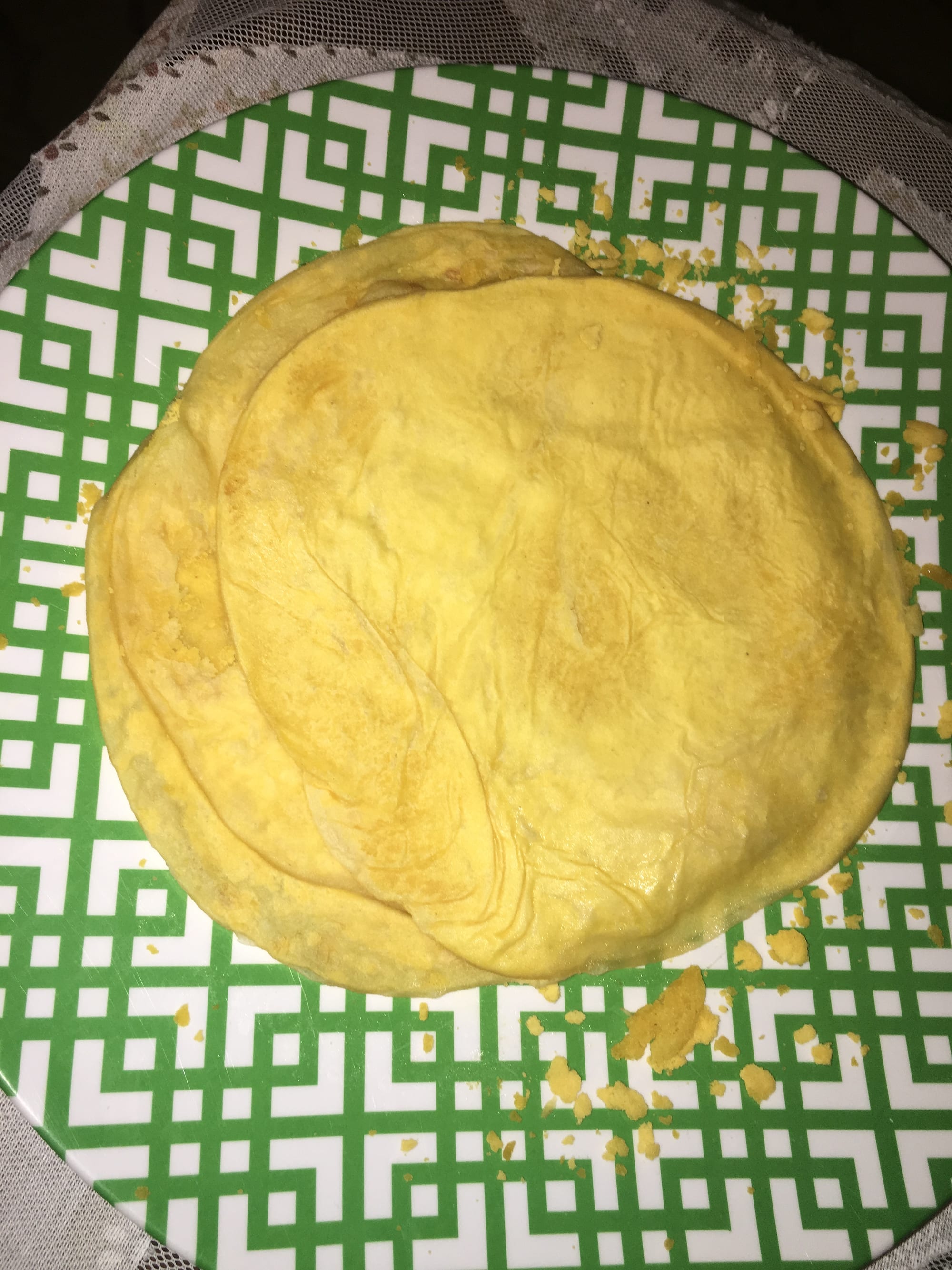
Dholl puri, a thin flatbread made from flour stuffed with ground, spiced yellow split peas and cooked on a griddle, is Mauritius's most iconic street food and its closest claim to a national dish. Sold from countless roadside stalls, it's typically served folded around curry, pickled vegetables called achard, and a tomato-based chutney, eaten by hand as a quick, genuinely everyday meal rather than a special occasion food.
Curry, rougaille and a genuinely blended pantry
Indian-style curry spices, Creole rougaille (a tomato, onion and garlic sauce used as a base for fish, meat or vegetables), and Chinese- Mauritian stir-fried noodles all sit comfortably on the same everyday table. Fresh seafood, thanks to the island's location, and a wide range of tropical fruit round out a pantry shaped by every community that has settled on the island.
History behind the mix
Indian indentured labourers, brought to Mauritius from 1834 onward following the abolition of slavery to work the island's sugar plantations, form the largest single population group today and brought the curry and flatbread traditions that now define much of Mauritian street food. Earlier African and Malagasy heritage from the island's slavery-era population shaped Creole cooking, while French and later British colonial rule, and a smaller Chinese immigrant community, each added their own layer without displacing what came before.
Dishes to know
Five more to recognise across Mauritius:
- Rougaille — a Creole tomato, onion and garlic sauce, used as a base
for fish, sausage or meat.
- Mine frite — Chinese-Mauritian fried noodles, a widely eaten everyday
dish.
- Gateau piment — small deep-fried split pea and chilli fritters, a
popular street snack.
- Ourite curry — octopus curry, reflecting both the island's seafood
access and its Indian-influenced spicing.
- Mauritian biryani — a spiced rice and meat dish, cooked for
celebrations and Sunday family meals.
Drinks
Rum, distilled from the island's sugarcane, is a genuine point of Mauritian pride, produced by several distilleries with growing international recognition. Tea, grown in Mauritius's highlands, and alouda, a rose-flavoured milk drink with basil seeds, round out the island's distinctive drinking traditions.
Eating as a traveller
Vegetarians eat well in Mauritius, thanks to the island's strong Indian- influenced vegetarian cooking traditions, including vegetable curries and dholl puri itself. Tap water is generally safe in most areas. Trying dholl puri from a well-known roadside stall, rather than a restaurant version, is the most authentic way to taste Mauritius's everyday food culture.
What to take from the table
Dholl puri, folded, filled and eaten on the go, is the dish that best represents Mauritius's food identity — a genuine, everyday product of an island where several food cultures never stopped sharing the same table.