Food · Martinique
Martinique: Food and the National Dish
Land crabs stuffed back into their own shells, prepared most of all around Easter, on a French Caribbean island with a distinctly its-own Creole table
By Worldlore Editorial · 16 September 2026
A Creole table shaped by Africa, France and India
Martinique's food draws on the same layered Creole tradition found across the French Antilles: West African cooking technique carried by enslaved ancestors, French culinary structure from the island's status as part of France, and Indian spice blends brought by 19th-century indentured labourers. That mix produces a cuisine genuinely Martinique's own, even while sharing many dishes with neighbouring Guadeloupe.
The signature dish: crabe farci
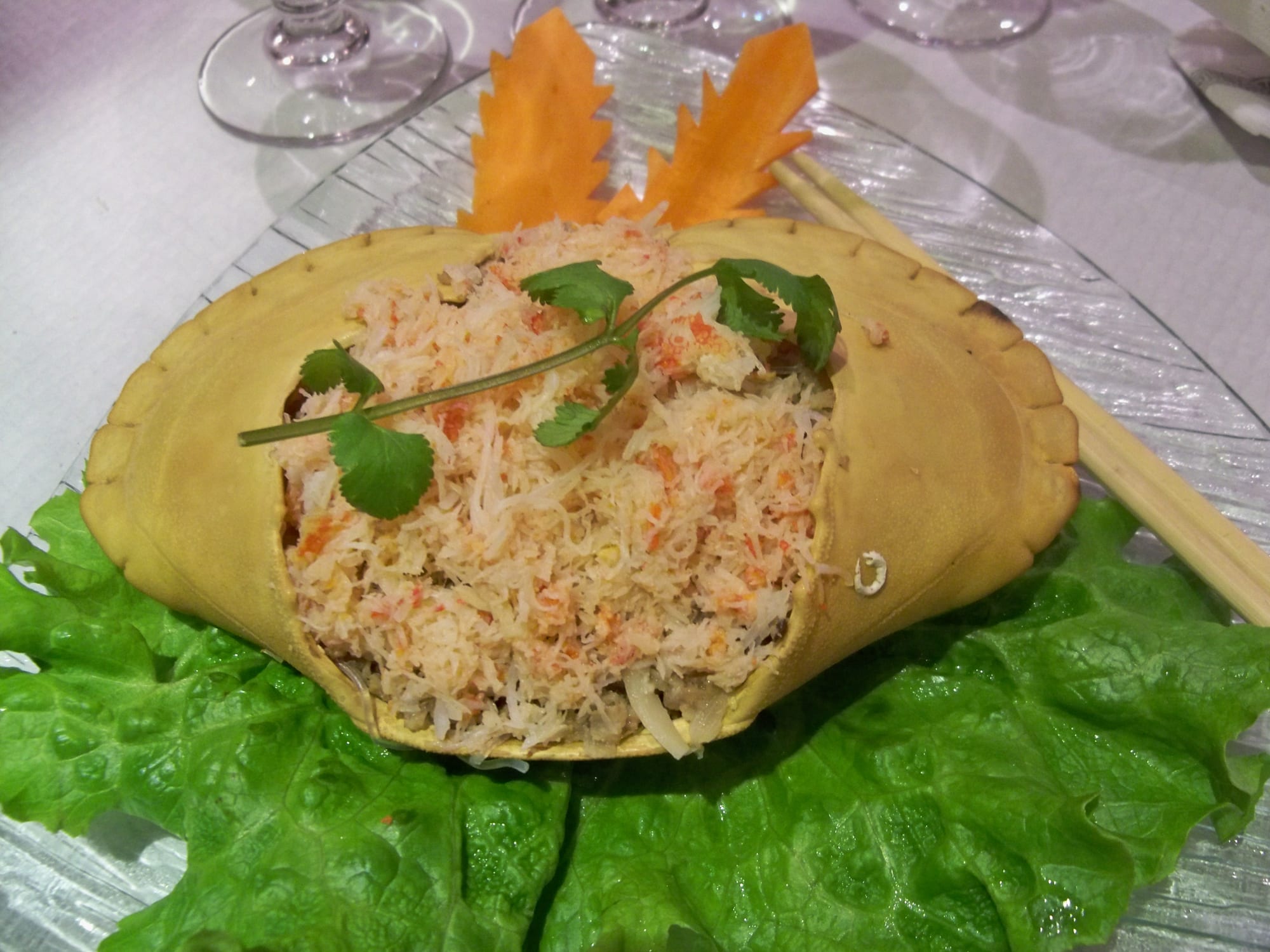
Crabe farci, land crab meat seasoned with herbs, breadcrumbs and spices and stuffed back into its own cleaned shell before baking, is one of Martinique's most distinctly loved dishes, prepared especially around Easter and Pentecost, when land crabs are traditionally in season and gathered by hand. The related dish matoutou de crabes, crab cooked in a rice-and-tomato stew, is served alongside crabe farci at the same seasonal gatherings, together forming the island's most significant annual food tradition.
Rum, spice and the Creole pantry
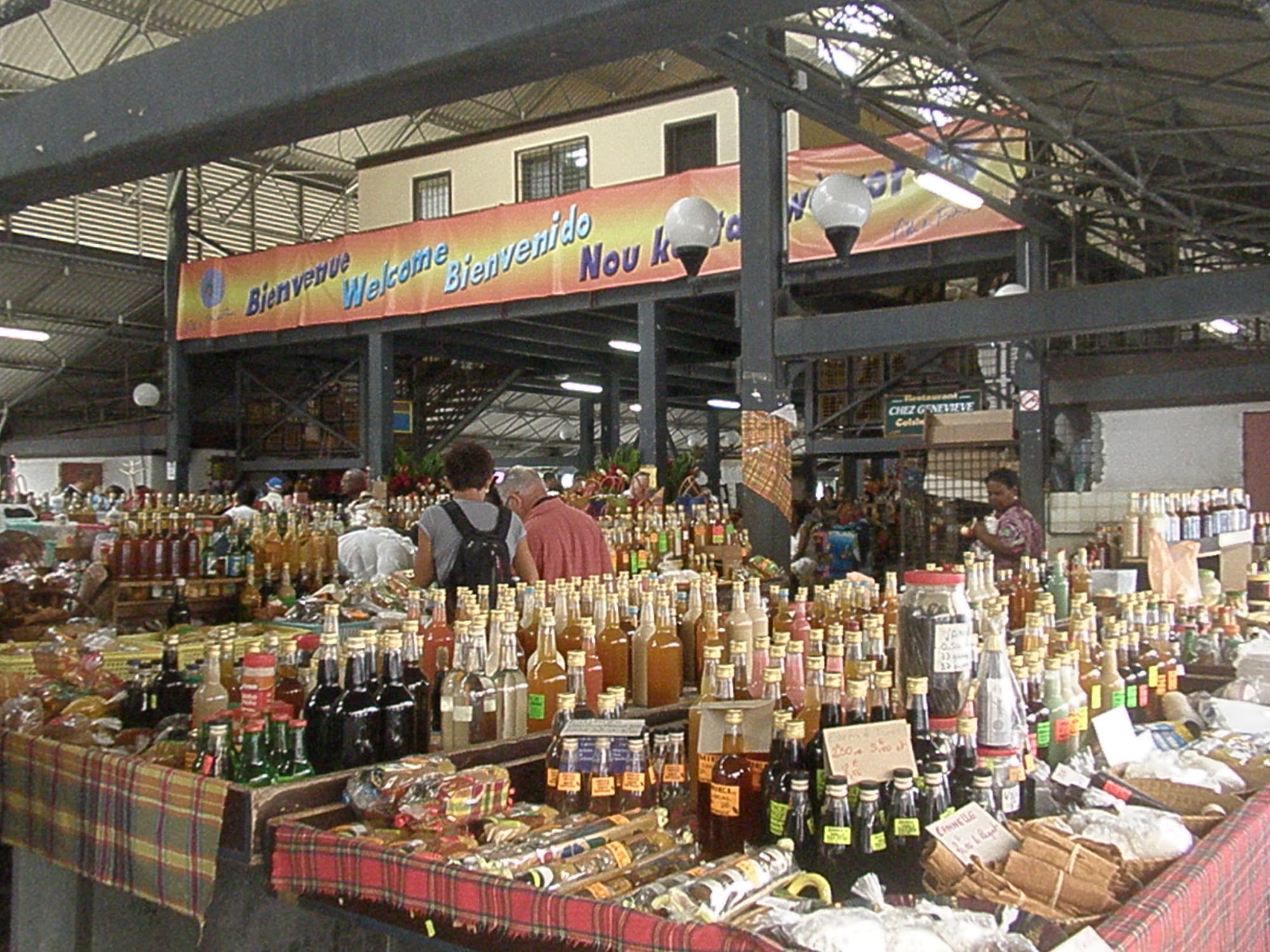
Rhum agricole, distilled directly from fresh sugarcane juice rather than molasses, is a genuine point of Martinican pride and holds its own protected designation of origin, a rare status for rum anywhere in the world. Colombo, a turmeric-based curry stew reflecting the island's Indian-indentured-labour heritage, and accras, deep-fried saltfish fritters, round out the everyday Creole table shared closely with Guadeloupe.
History behind the crab tradition
The Easter and Pentecost land-crab tradition traces to a period when Catholic dietary rules restricted meat during certain religious periods, making crab, not classified as meat under those rules, a practical and eventually beloved seasonal choice. That religious-calendar origin has since become a genuine cultural event in its own right, with land crabs gathered, sometimes even raced for entertainment, in the lead-up to the holiday.
Dishes to know
Five more to recognise across Martinique:
- Matoutou de crabes — land crab cooked in a rice-and-tomato stew,
served alongside crabe farci during the Easter season.
- Colombo — a turmeric-based curry stew, reflecting Martinique's Indian
indentured-labour heritage.
- Accras de morue — deep-fried saltfish fritters, a beloved everyday
snack and starter.
- Boudin créole — a spiced Creole blood sausage, often served at
gatherings.
- Ti-nain morue — green banana served with saltfish, a genuine everyday
Martinican dish.
Drinks
Ti-punch, a simple mix of rhum agricole, lime and cane sugar syrup, is Martinique's everyday drink, typically mixed to each drinker's own taste rather than a fixed recipe. Planteur, a fruit-juice-and-rum punch, is a common festive alternative, and Martinican rhum agricole more broadly is internationally respected.
Eating as a traveller
Vegetarians will find plantain, bean and vegetable-based Creole dishes manageable, though seafood and meat dominate most traditional cooking. Tap water is safe throughout the island. Visiting around Easter, when crabe farci and matoutou de crabes are prepared everywhere, is a genuine way to see Martinique's most significant food tradition in full swing.
What to take from the table
Crabe farci, seasonal and deeply tied to Easter tradition, is the dish that most distinctly represents Martinique's food identity — and a glass of rhum agricole alongside it is a direct taste of the island's own protected spirit.