Daily Life · Martinique
Martinique: A French Day at Caribbean Speed
A covered market whose iron-and-glass hall dates from 1901, a school system copied line for line from mainland France, and an island growing older fast as its young people leave for Paris and beyond
By Worldlore Editorial · 30 September 2026
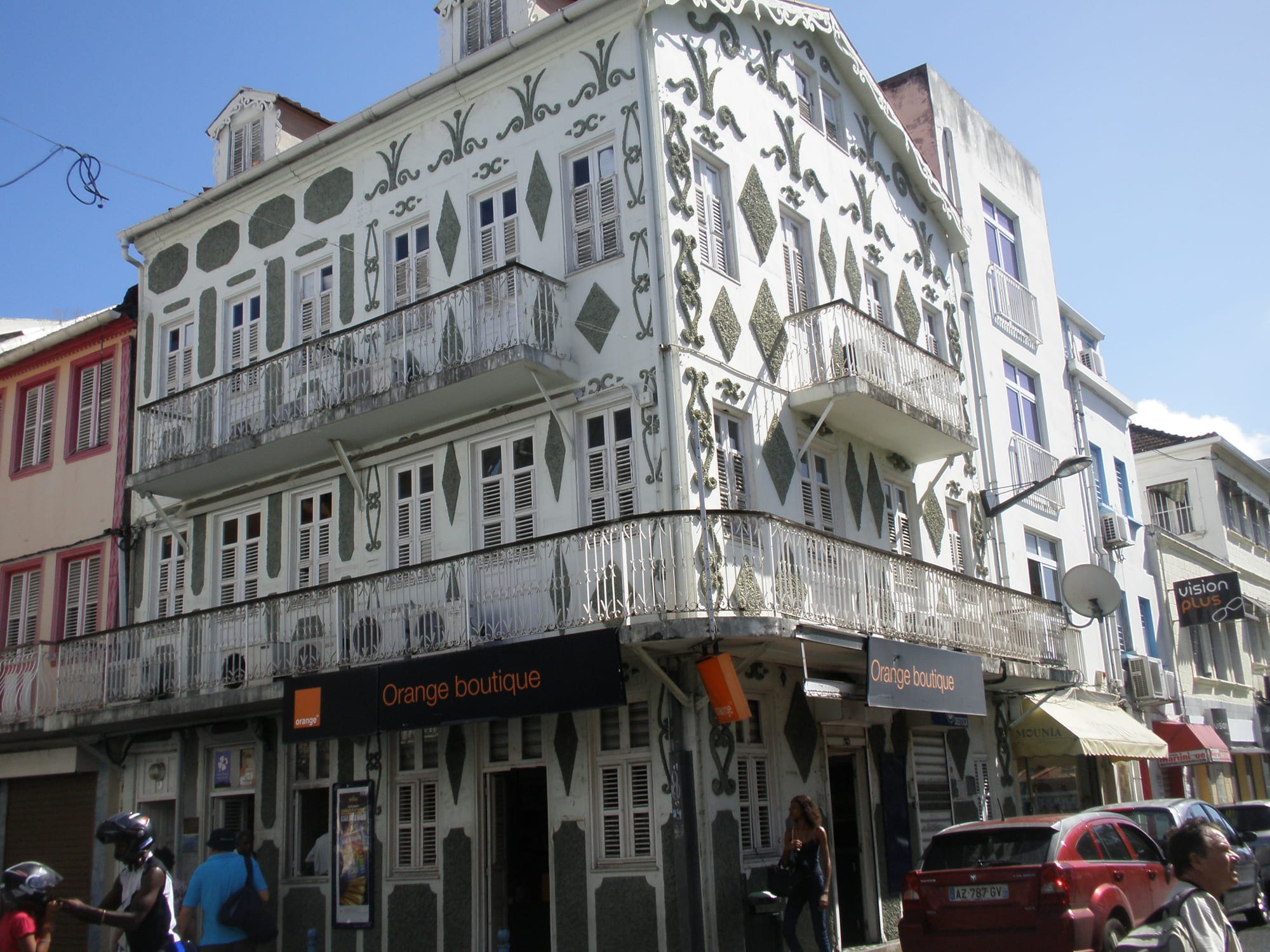
An ordinary day in Martinique runs on two clocks at once. One is French: children in structured schools by around eight, government offices opening early, a legal system, currency and school curriculum identical to Marseille or Lyon. The other is Caribbean: the heat that slows the afternoon, the sea always in view, and a household rhythm built around the extended family rather than the office. Nowhere is this double life clearer than in the covered market at Fort-de-France, whose present hall dates from 1901, or in the growing concern, discussed on the radio and at the dinner table, that the island's young keep leaving for mainland France just as its population grows older.
Family and home life
Martinican households do not follow one fixed shape. A home may hold a single parent and children, three generations under one roof, or a shifting mix of relatives depending on who needs housing and who can provide it at a given time — neither the strict nuclear family nor the large extended one is the norm, and either can be found next door to the other. Children are often at the centre of household life, and it remains common for grandparents to take a hands-on role in raising them, particularly as more working-age adults commute or relocate for jobs. Housing in the towns runs from colonial-era wooden and stone townhouses with wrought-iron balconies to modern apartment blocks and, further out, single-storey family houses with a garden for fruit trees and a small vegetable patch.
Work, school and the rhythm of the day
Because Martinique is a French overseas department, its school system runs on the same calendar and structure as mainland France: most children start preschool at three, move into primary school at six, then spend four years in collège before lycée. The school day starts early in the morning and runs into the afternoon, and many offices also open early to make use of the cooler hours, and the working week and paid leave follow French labour law rather than any separate island standard. Even so, small shops, roadside grills and market stalls keep looser, longer hours than any office, opening and closing around the sun and the flow of customers rather than a fixed schedule.
Community life and public spaces
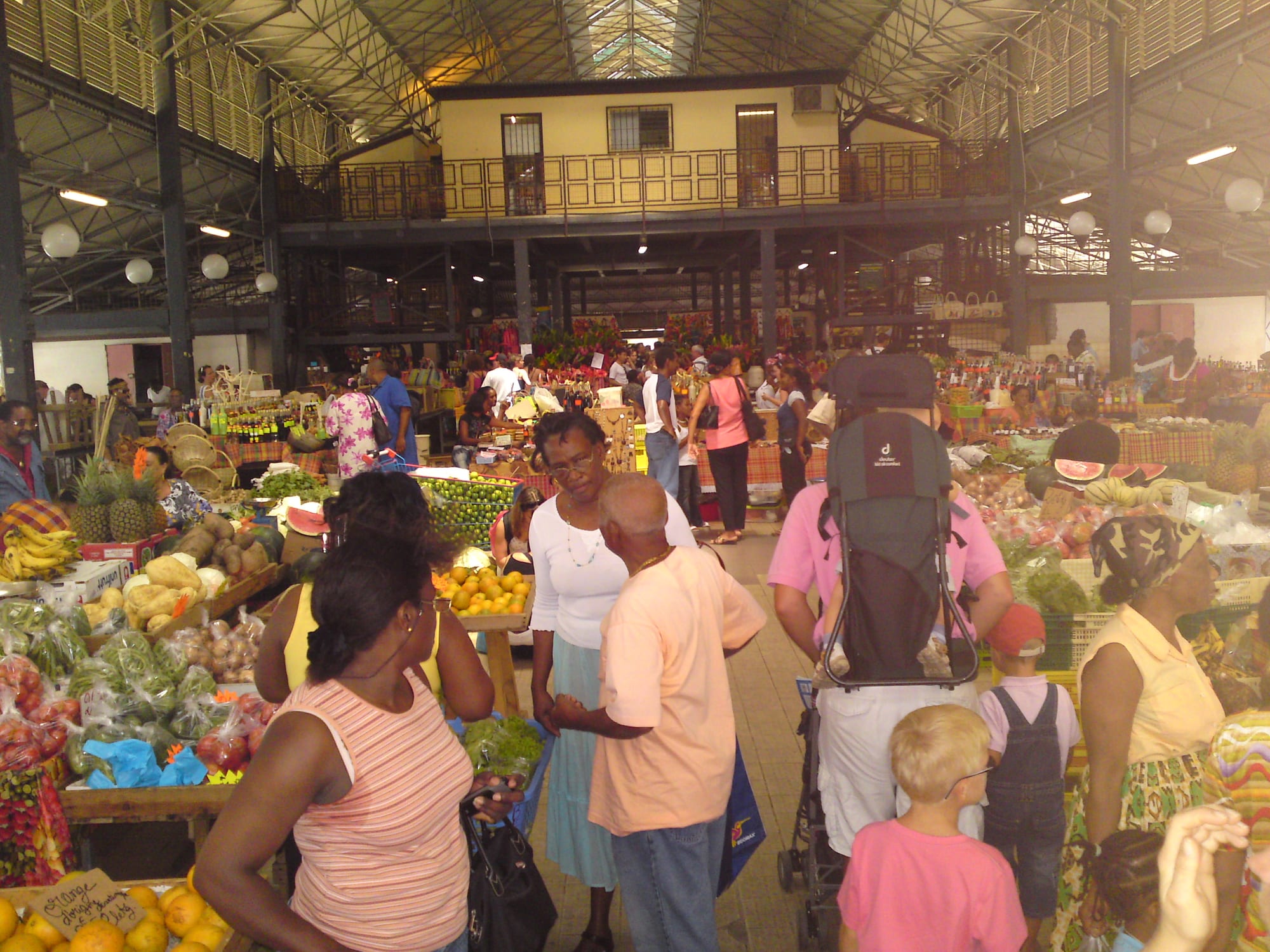
The Grand Marché in Fort-de-France, a large glass-and-iron hall rebuilt in 1901 after its 1880s predecessor was lost to fire and cyclone, is the clearest public gathering point on the island: fruit, vegetables, spices, vanilla and bottled rum punch laid out under one roof, with lunch counters serving Creole food to shoppers and market workers alike. Smaller communal markets operate in other towns on their own weekly rhythm. Getting across Fort-de-France's own bay is often done by boat rather than road: small passenger ferries cross regularly between the capital and the resort areas of Les Trois-Îlets, such as Pointe du Bout and Anse Mitan, a short hop that many people use as a matter of routine rather than a scenic detour, avoiding the traffic that otherwise clogs the roads around the capital. Church squares, town markets and waterfront promenades remain the places where an ordinary day's contact with neighbours actually happens, more than any single indoor venue.
Free time and weekends
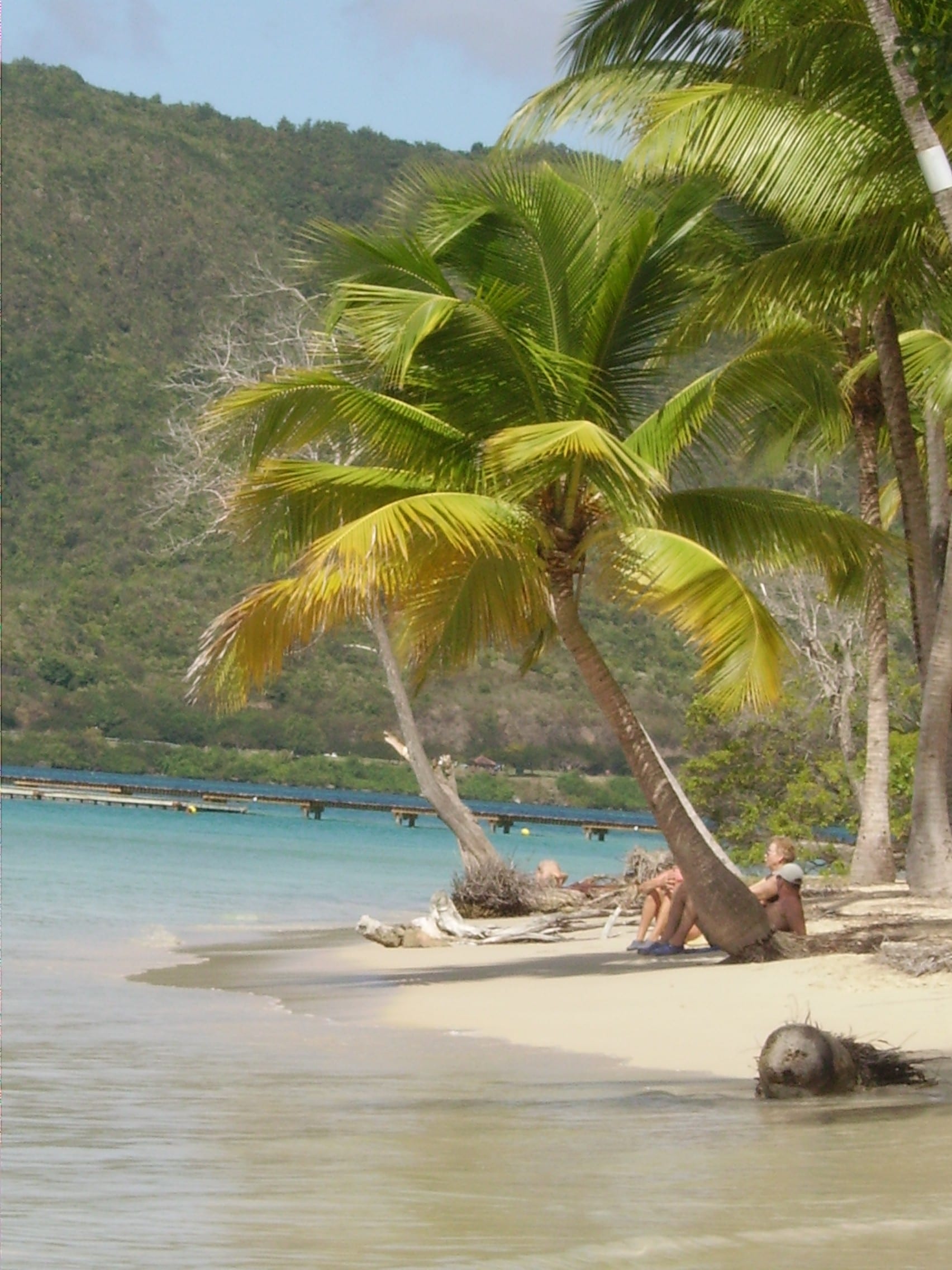
Weekends draw people toward the water. Beaches such as Pointe Marin near Sainte-Anne, with its sheltered water, are popular family destinations, often busy with groups sitting in the shade of the palm trees along the sand rather than out swimming. Rum distilleries across the island, some of them open for weekend tours and tastings, are a common outing as much for the grounds and the history as for the rum itself. Sunday is still typically kept for a long family meal, and, further out from Fort-de-France, weekend time often means simply less structure rather than a packed schedule: a visit to relatives, a trip to the beach, or an afternoon that starts and ends without much planning.
A visitor's ordinary day
Martinique uses the euro, and cards are accepted almost everywhere in towns, though markets and small roadside stalls often expect cash. A hire car is the practical way to get around outside Fort-de-France, since bus routes are limited and mostly useful within towns rather than between them; the bay ferries are a cheap, quick alternative to driving around to the southern resorts. Shops generally open by mid-morning and, especially outside the capital, some close for a stretch around midday in the hottest part of the year before reopening later. Government offices and banks tend to keep shorter public hours than shops, generally mornings and early afternoons on weekdays, so errands needing an office are best done before lunch.
What to take away
What shapes an ordinary day in Martinique is less any single custom than the overlap of two systems that don't quite match: a French clock of schools, offices and paperwork, running inside a Caribbean day of heat, sea and family that was never really built to keep French office hours.