Daily Life · Lithuania
Lithuania: Small Households, Deep Forests
A country of shrinking apartments and near-empty family tables, a workday that ends by early evening, and an autumn ritual that sends whole families into the woods to compete over mushrooms
By Worldlore Editorial · 30 September 2026
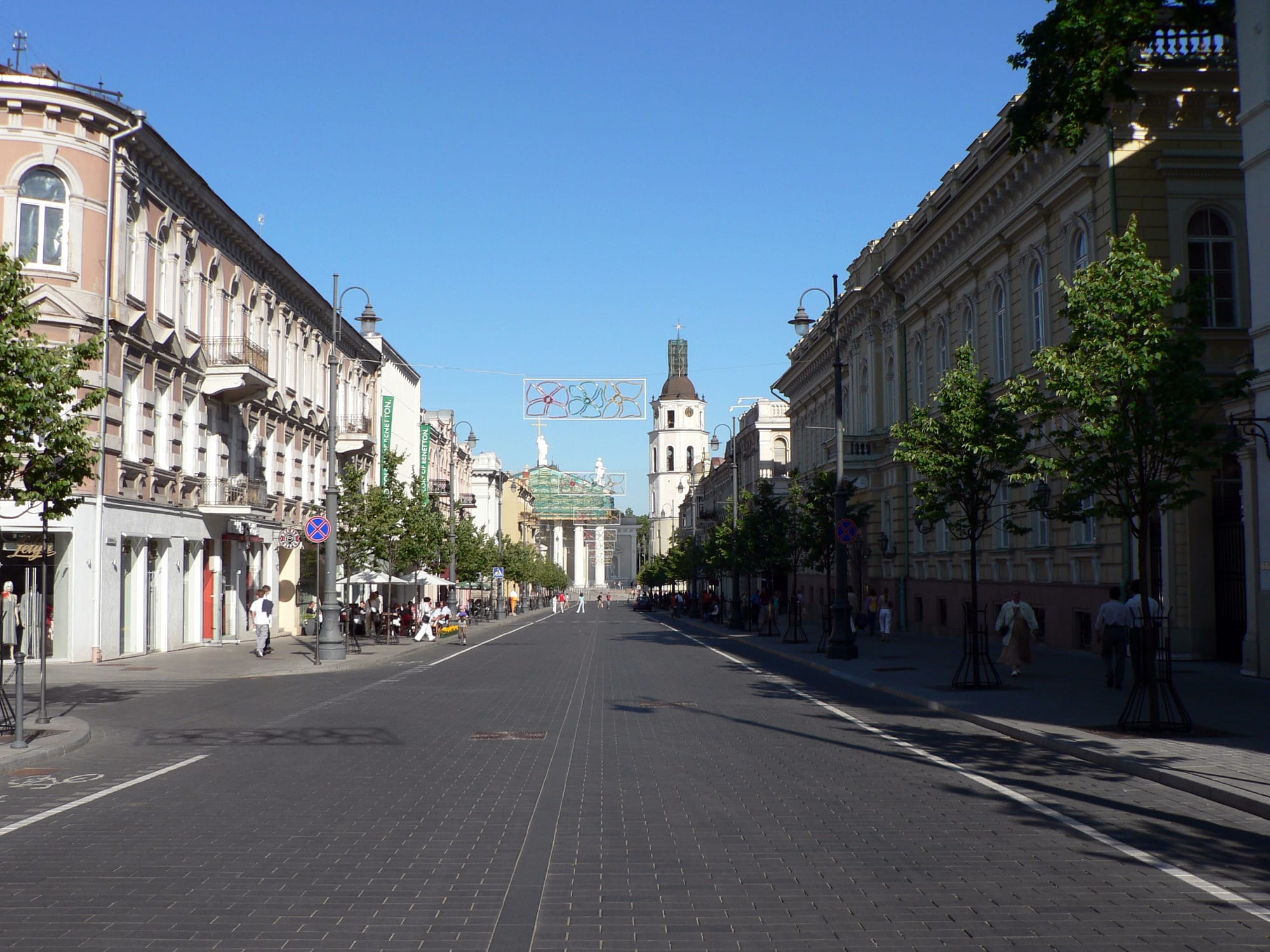
An ordinary day in Lithuania starts quietly and ends early. Most people are at a desk or a counter by eight, home again by early evening, and the household waiting for them is, on average, a small one: just over two people, in a country where more than a third of all households now consist of a single person living alone. The rhythm picks up again outdoors rather than indoors — a walk, a pickup basketball game, and, come autumn, a near-universal pilgrimage into the forest that has nothing to do with scenery and everything to do with mushrooms.
Family and home life
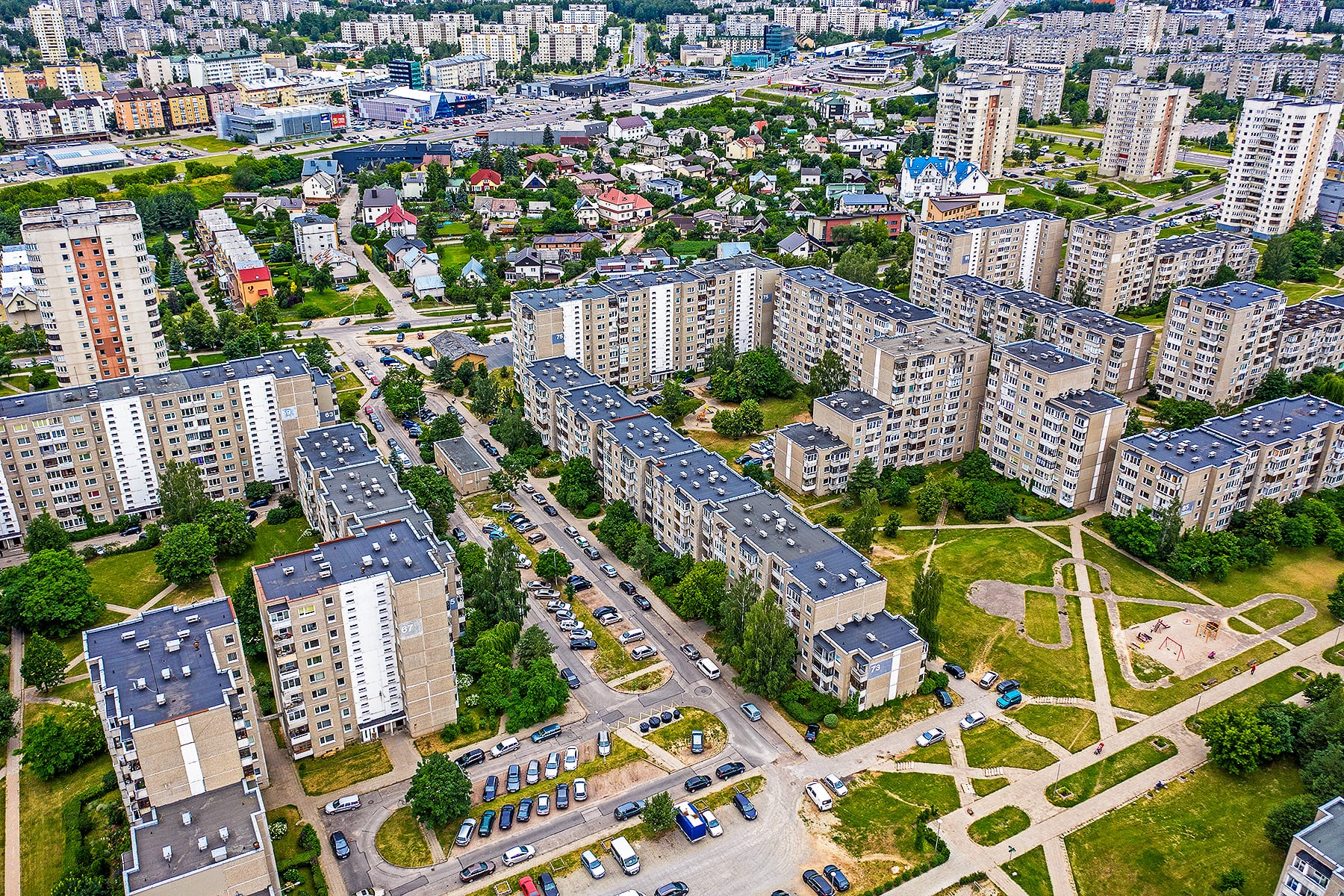
Lithuanian households have shrunk sharply in recent decades: the average fell from 2.38 people in 2011 to 2.29 in 2021, according to the national statistics office, while the share of single-person households rose to 35 per cent. Emigration since EU accession in 2004, an ageing population, and a falling birth rate all fed into this. Even so, extended family still matters in practice: grandparents frequently help raise grandchildren, particularly while parents work, and it remains common for adult children to stay in close contact with parents even after moving out. Many people, especially in cities and larger towns, live in apartment blocks built during the Soviet period, since renovated to varying degrees.
Work, school and the rhythm of the day
The standard working week is Monday to Friday, roughly eight until five, including an hour for lunch, and relatively few employees work unusually long hours. Most people are home again by around six in the evening, free to spend the rest of the day on chores, hobbies or family time. Primary school begins at around seven, and many children, once a little older, make their own way to school on foot or by public transport.
Community life and public spaces
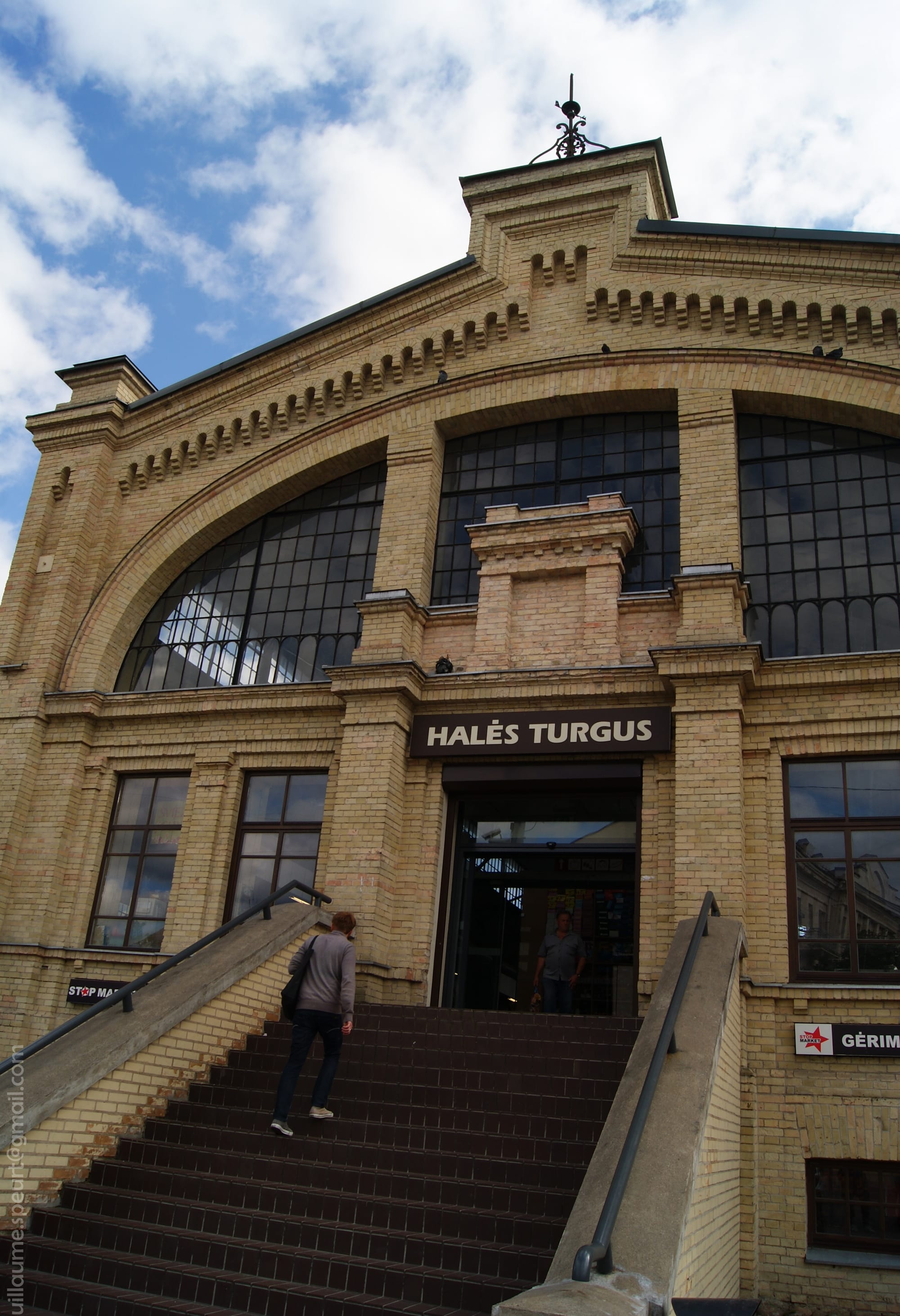
Market halls remain a genuine gathering point in Lithuanian towns and cities, Vilnius's Halės Turgus, in a hall built in 1906, among the best known, where stalls sell produce, cured meats, cheese and flowers much as they have for generations, alongside the supermarkets that now handle most routine shopping. Basketball courts function almost as public squares in their own right: pickup games appear outside apartment blocks, at summerhouses and beside lakes nationwide, an expression of a sport so central to national identity that it is often called the country's second religion.
Free time and weekends
Where a family has access to a sodyba, a countryside cottage, often with its own sauna and a stretch of lakeshore, weekends and the long June daylight draw people out of the cities entirely, especially in the lake-studded Aukštaitija region in the east. The sauna itself, pirtis, is taken seriously, a ritual of heat, steam and herbal whisks rather than a quick wash. Closer to home, weekends still mean basketball, whether played casually or watched, and, from September, the forest.
A visitor's ordinary day
Lithuania is part of the eurozone and card payment is near-universal, though it is worth carrying some cash for markets and rural buses. Shops generally open from morning into the evening on weekdays, often with shorter hours at weekends. Intercity buses are frequent and inexpensive, and trains connect the main cities; a rental car is more useful for reaching the coast, the Hill of Crosses or the national parks. Petty theft in the busiest parts of Vilnius's Old Town is the main thing to watch for, rather than anything more serious.
What to take away
Lithuania's ordinary day is a quiet, small-household one indoors and a determinedly outdoor one the moment work ends — on a basketball court, at a lakeside sauna, or, every autumn, somewhere in the forest with a basket.