Culture & Customs · Lithuania
Lithuania: A Place Laid for the Souls
A Catholic country with deep folk roots, where oak crosses stand at the roadside, the Christmas Eve table is left uncleared for the dead, and a whole nation gathers every four years to sing
By Worldlore Editorial · 30 September 2026
On the evening of 24 December, a Lithuanian family waits for the first star to appear before sitting down. Beneath the white tablecloth lies a layer of hay; on it stand the dishes of Kūčios, the Christmas Eve supper, traditionally twelve of them and all without meat, dairy or eggs. The meal opens with thin Christmas wafers, broken and shared with a wish for each person at the table. If someone in the family has died during the year, their place is still remembered, and when the meal is over the table is traditionally not cleared, because the souls of the dead are believed to come in and eat while the living sleep. In that single evening sit many of the things Lithuanians hold close: the Church calendar, older rural beliefs beneath it, the household as the heart of life, and a steady, unembarrassed bond with those who have gone before.
Faith, identity and values
Lithuania is a predominantly Catholic country. At the 2021 census, 74.2 per cent of the population identified as Roman Catholic, and the Orthodox, at 3.8 per cent, formed the next largest community. Smaller groups include Old Believers, Lutherans, Evangelical Reformed Christians, Jews, Muslims and Karaites, alongside communities following the old Baltic faith. Christianity came late to Lithuania, and folk custom has never entirely let go of what came before: many of the year's great occasions blend a Christian feast with rituals tied to the seasons, the harvest and the dead.
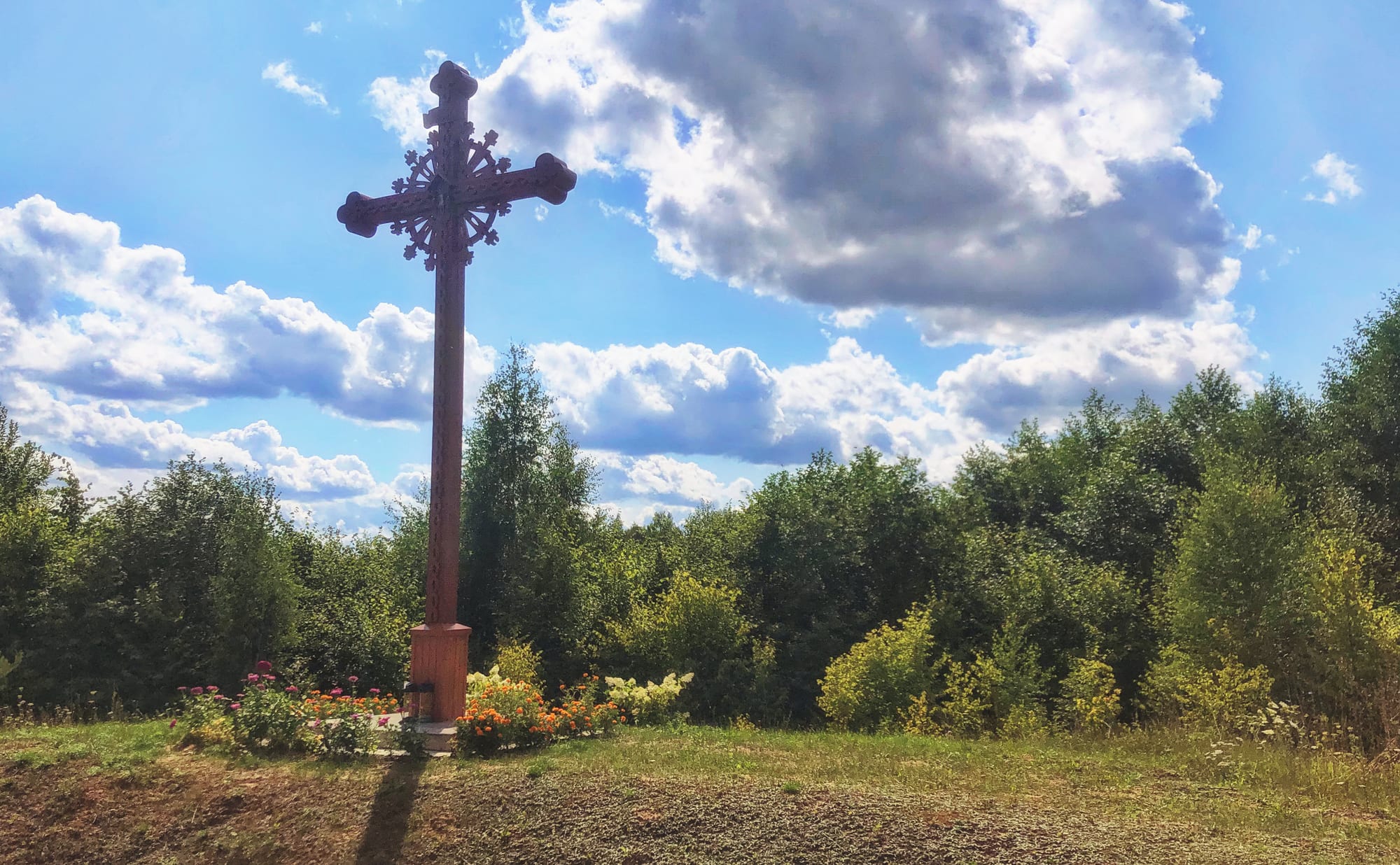
Faith is most visible in the landscape. Across the country stand carved oak crosses and roofed wooden pillars, one to five metres high, decorated with floral and geometric patterns and sometimes with small figures of the Virgin Mary and the saints. They are raised by roadsides, at the entrance to villages and in cemeteries, in honour of the dead, of God or a saint, or to ask for mercy and protection. People still leave offerings at them, from rosaries and money to scarves and aprons. Under Soviet rule crosses were suppressed and the Hill of Crosses was bulldozed several times, and they became a symbol of national as well as religious identity; the Hill of Crosses, with its countless crosses left by visitors, is the best-known ensemble of all.
The dead hold an honoured place in Lithuanian life. Traditionally, late October and early November were regarded as a season of souls, when the dead were believed to return to visit the living and ask for their prayers. Remembering them, by tending graves, lighting candles and keeping their memory at family tables, remains one of the most widely shared customs in the country.
In everyday manner, Lithuanians tend to be reserved at first. Speech is measured and restrained, excessive enthusiasm or emotional display is avoided, and relationships begin formally before warming as trust grows. Family ties are strong, and extended family gatherings are common.
Greetings and meeting people
The usual greeting, between men and women alike, is a firm handshake with direct eye contact and a smile. People are addressed by their title and surname until they suggest moving to first names, and it is best to wait for that invitation rather than presume. Calm, unhurried professionalism carries more weight than a show of confidence.
One old belief still shapes the moment of arrival: shaking hands across a threshold is considered bad luck, so a greeting at the door waits until both people are on the same side of it.
Hospitality and being a guest
Guests invited to a Lithuanian home usually bring a gift, and wine, flowers or sweets are all suitable. Flowers carry particular rules. They should always be given in an odd number, because even numbers are laid on graves, and chrysanthemums, which are associated with funerals, are best avoided. Gifts are usually opened when they are received.
At the table, the host normally proposes the first toast and a guest is expected to reply with one of their own. When glasses are raised, people look each other in the eye. Hosts like to see guests try everything that is offered, and it is considered rude to refuse a second helping. Hands stay visible on the table rather than in the lap, and a shared meal is often the moment when a formal acquaintance starts to become a personal one.
In restaurants, a tip of around ten per cent is a fair way to reward good service, rather than an obligation.
Festivals and life's big moments
The ritual year runs from Christmas Eve through a chain of feasts that mix the Church calendar with the rhythm of farm life. Kūčios, on 24 December, is the most intimate of them. Traditionally the bathhouse was heated and the family bathed and dressed in festive clothes before the meal; after it, pieces of hay were drawn from beneath the tablecloth, and the straws drawn were read as signs for the year ahead. A joint nomination of the Christmas Eve celebration by Lithuania, Poland and Ukraine is under consideration for UNESCO's list.
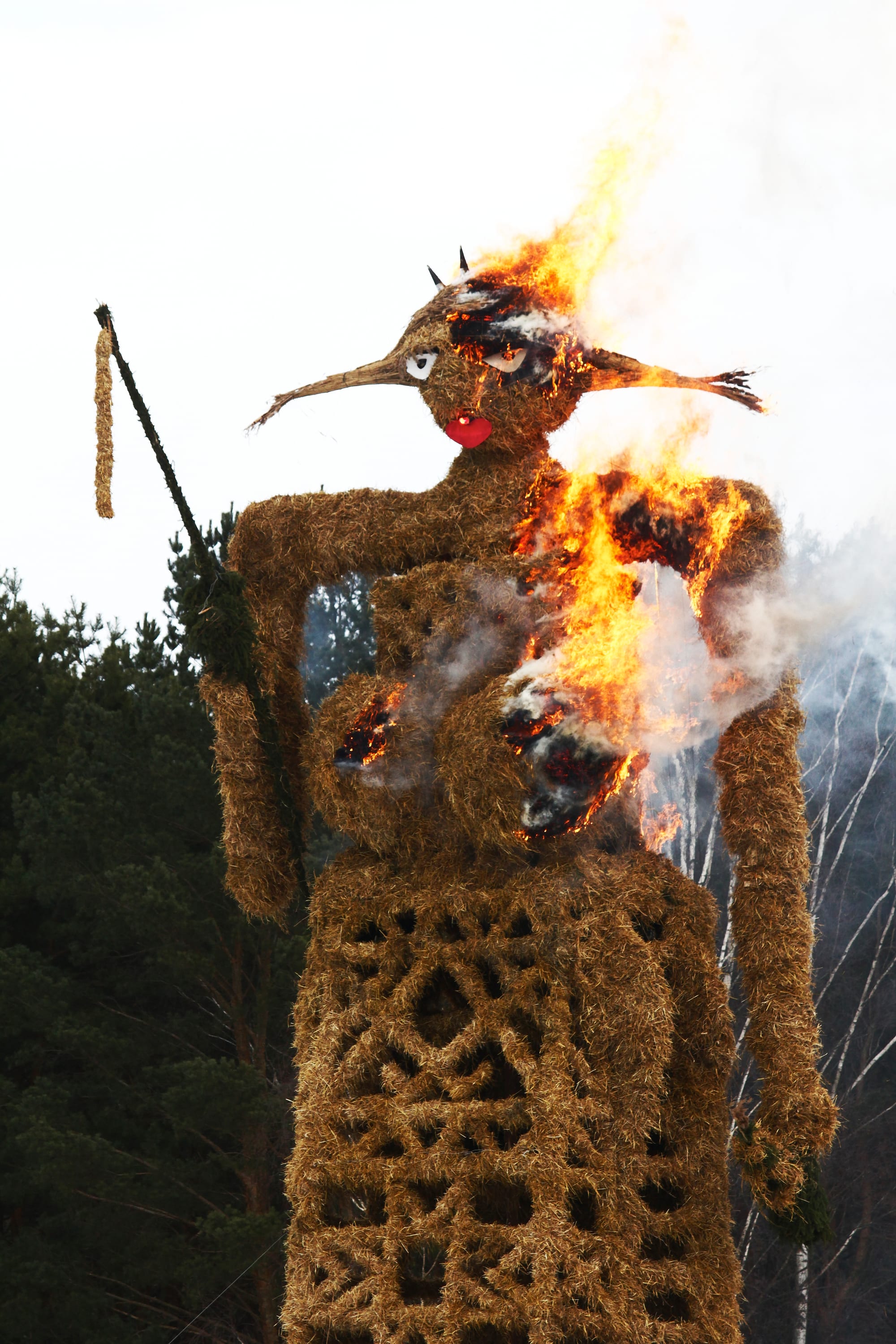
Užgavėnės, the carnival before Lent, falls seven weeks before Easter and is meant to see off the winter. Masqueraders in frightening masks, once made from bark, sheepskin or animal skulls, go about as beggars, animals, devils and witches. The central drama is a fight between two characters: Lašininis, a fat man standing for meat and overeating, and Kanapinis, a thin one standing for fasting and modesty, who always wins. At the end of the day a straw figure called Morė, representing winter, is burned. It was customary to eat many times that day, and young people went sledding.
Midsummer, the feast of St John on 24 June, keeps some of the oldest customs of all. Bonfires are lit on hills and riverbanks, and people jump over the flames for strength in the summer's work. Young people weave wreaths of flowers and ferns and set them on the water to read their chances of marriage, girls once washed their faces in the morning dew for beauty, and women gathered herbs believed to protect the house and heal the sick.
In autumn comes Vėlinės. On 1 and 2 November, All Saints' Day and All Souls' Day, families travel to the graves of their relatives, tidy and decorate them, pray and light candles. In folk belief, the candles light the way for souls wandering in darkness. Both days are now public holidays: parliament added 2 November in 2019, calling it an old tradition that deserved recognition, and noting that a second day off would ease the traffic jams that build up around the country's cemeteries.
Weddings were traditionally great community events, unfolding in three stages: matchmaking, in which a matchmaker introduced the young couple and negotiated the dowry with the bride's parents; the wedding itself, with its rituals at the bride's home, at church and at the groom's; and a return visit by the newlyweds to the bride's family. Many of these elements, much changed, survive today. A large straw ornament may be hung above the wedding table, as it may above a baby's cradle, to wish the couple fertility and the child happiness.
Funerals follow long-standing customs too. In the past the dead lay at home for three days or more, with family watching day and night and neighbours gathering each evening to sing hymns and pray. At the graveside handfuls of earth are thrown onto the coffin, and those who have come to the cemetery are usually invited to the funeral meal afterwards. Close relatives traditionally observed a year of mourning, avoiding celebrations during that time.
Arts, crafts and music
Lithuania has four entries on UNESCO's lists of intangible cultural heritage, and each says something about the country. Cross-crafting is the most visible. More than 200 cross-crafters are active today, and the tradition covers the whole life of a cross: choosing its purpose and its maker, carving it, raising and consecrating it, visiting it, and even the ritual burning of one that has collapsed. The skills pass from master to apprentice outside formal schooling.
Sutartinės are a singular form of song. Usually sung by women in the north-east of the country, they are built on very simple melodies of two to five notes, sung in parallel by two singers, in strict canon by three, or by pairs alternating a main text and a refrain. There are almost forty ways of performing them, and the songs deal with work, the calendar, weddings, family, war and daily life. Movement is restrained: singers may walk in a circle or a star, arms linked, stamping their feet.
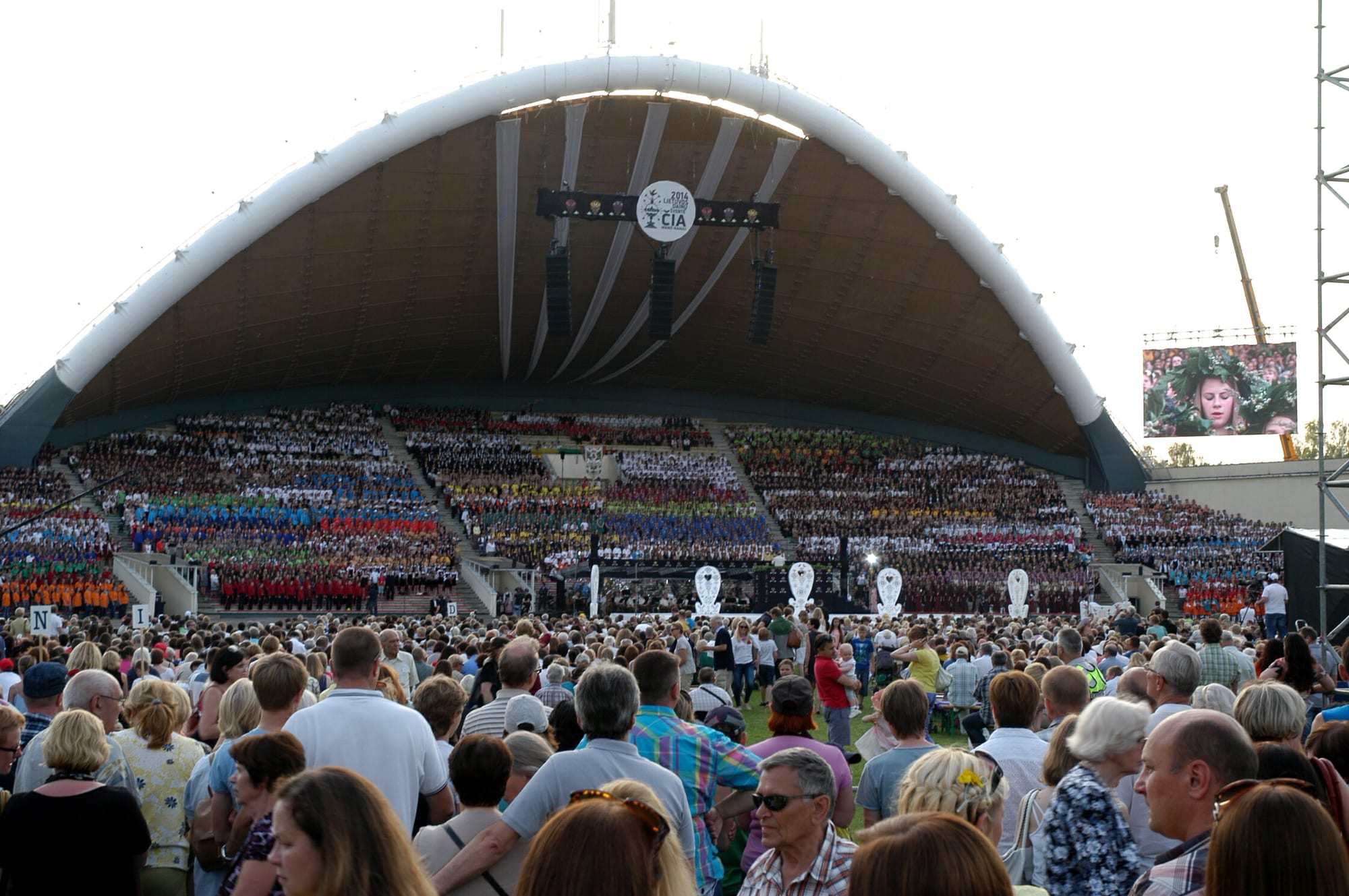
Song on a far larger scale belongs to the Song and Dance Celebration, shared with Latvia and Estonia. Lithuania held its first in 1924, and it now takes place every four years, bringing together amateur choirs and dance groups that rehearse all year in community centres. The Baltic celebrations can gather as many as 40,000 singers and dancers, and they have long served as an assertion of national identity.
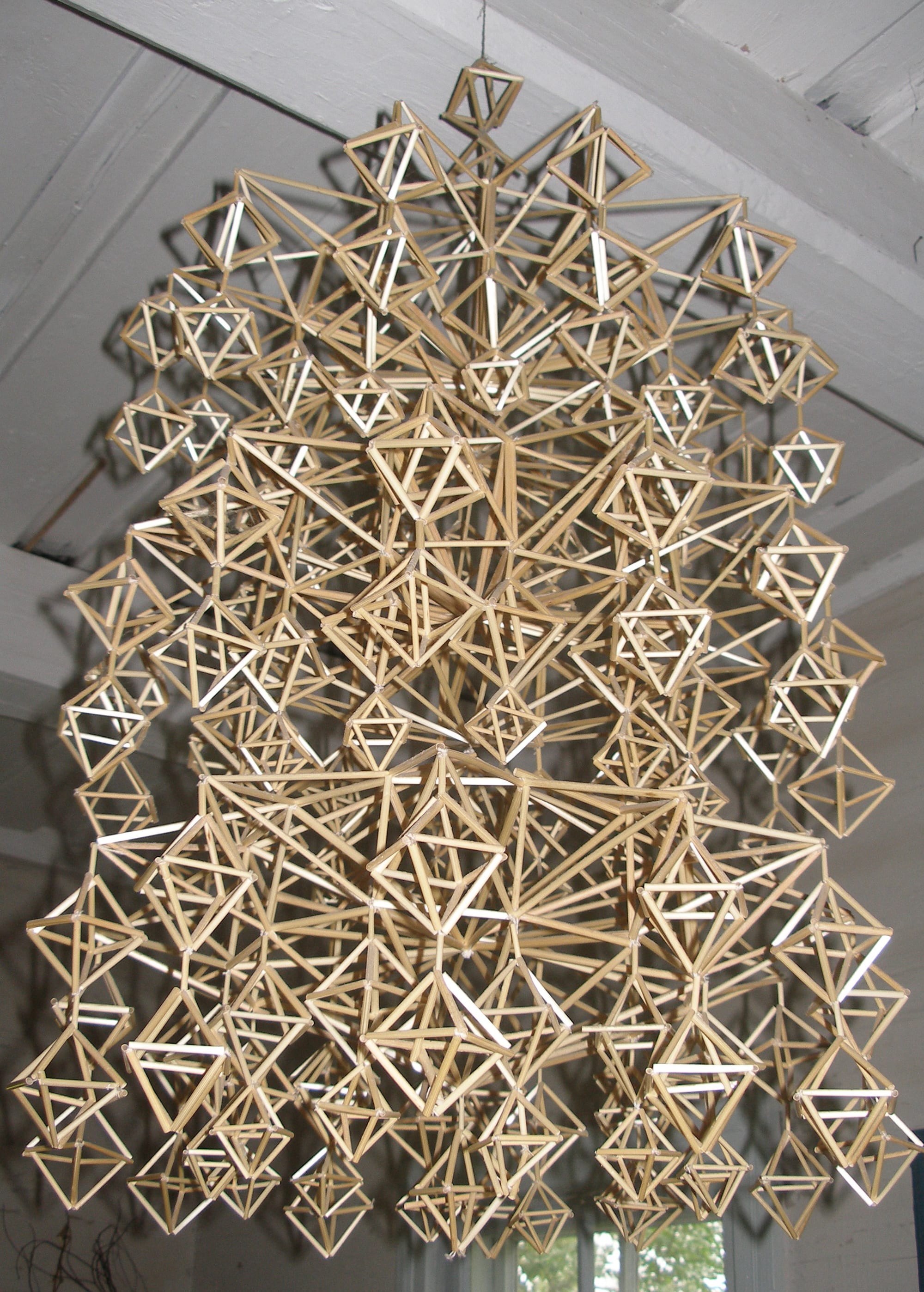
The most delicate of the listed crafts is sodai, the making of straw gardens. From rye grown and treated for the purpose, makers assemble hanging geometric structures of varying sizes, decorated with details that stand for fertility and prosperity and believed to reflect the pattern of the universe. They are hung at Christmas and Easter, over cradles and over wedding and family tables. Most makers are women, but workshops are open to anyone. Other traditions, from the playing of the kanklės to the wax decoration of Easter eggs, are kept on Lithuania's national inventory of living heritage.
Dos and don'ts for visitors
- Do greet people with a firm handshake and direct eye contact, and use titles and surnames until invited to switch to first names.
- Don't shake hands across a threshold; step inside or wait until both people are on the same side.
- Do give flowers in an odd number; even numbers, and chrysanthemums, belong to funerals.
- Do try every dish offered, and accept a second helping rather than refusing it.
- Do look people in the eye when raising a glass, and let the host propose the first toast.
- Do tip around ten per cent in restaurants when the service has been good.
- Do treat wayside crosses, shrines and cemeteries with respect, above all around All Souls' Day.
What to take away
Lithuania's customs keep faith with both the Church and the older rhythms of field, forest and family, and visitors who meet its initial reserve with patience, and its hospitality with an open plate and a steady gaze, will find the warmth underneath is real.