Daily Life · Libya
Libya: Waiting for the Lights to Come Back On
Large extended households built around an oil economy that no longer reliably reaches ordinary people, and a country where more than a decade without a unified government now shows up as hours-long fuel queues and daily power cuts
By Worldlore Editorial · 30 September 2026
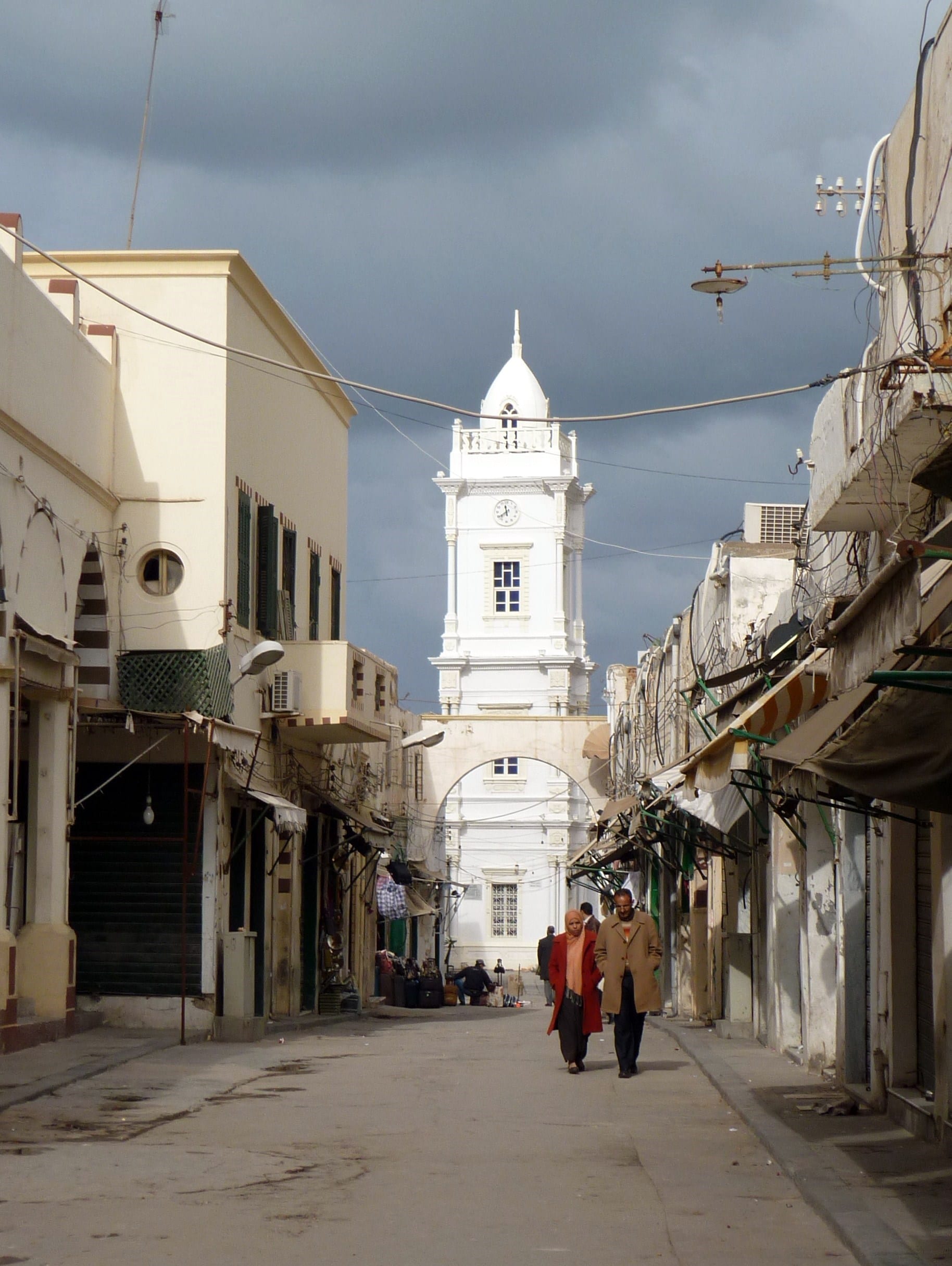
Libya is an oil-rich country where ordinary daily life increasingly runs on generators and patience. Households remain large and close-knit, several generations often sharing one home, and the rhythms of family life and the five daily prayers still structure the day much as they do elsewhere in the region. But since a 2014 split produced rival governments in the west and east, no administration has controlled the whole country, and that division now shows up in very concrete, daily ways: hours-long queues at fuel stations, electricity blackouts that stretch to ten hours or more in the summer heat, and a strained banking system in which cash can be hard to get hold of and prices can swing quickly.
Family and home life
Libyan households are traditionally large and extended, commonly housing a married couple, their sons and daughters-in-law, unmarried daughters, and sometimes a widowed parent, all under one roof or within one family compound. Elderly relatives are usually cared for at home by their children rather than in residential care, and family reputation is treated as a shared asset, so that one member's conduct is felt to reflect on the whole household. Descent and lineage still carry real social weight: beyond the immediate and extended family, many Libyans also identify with a wider tribal or regional grouping, a layer of identity that has mattered considerably in the country's politics since 2011.
Work, school and the rhythm of the day
The legal working week is eight hours a day across six days, with Friday as the day of rest, though in practice hours are often shortened during Ramadan, and the public sector still employs a large share of the workforce, so the timing of state salaries matters to a great many households. Since Libya's economy depends almost entirely on oil and gas, disruptions to production and exports, caused by blockades, disputes between rival authorities, or fighting, translate quickly into disruptions to the salaries and services ordinary households depend on. Electricity supply, once reliable in the main cities, has deteriorated sharply in recent years: by 2026, residents of Tripoli and surrounding areas were enduring scheduled blackouts of up to ten hours a day during summer heatwaves, and long queues at fuel stations, sometimes stretching for kilometres and taking hours to clear, became a routine part of the week rather than an occasional inconvenience.
Community life and public spaces
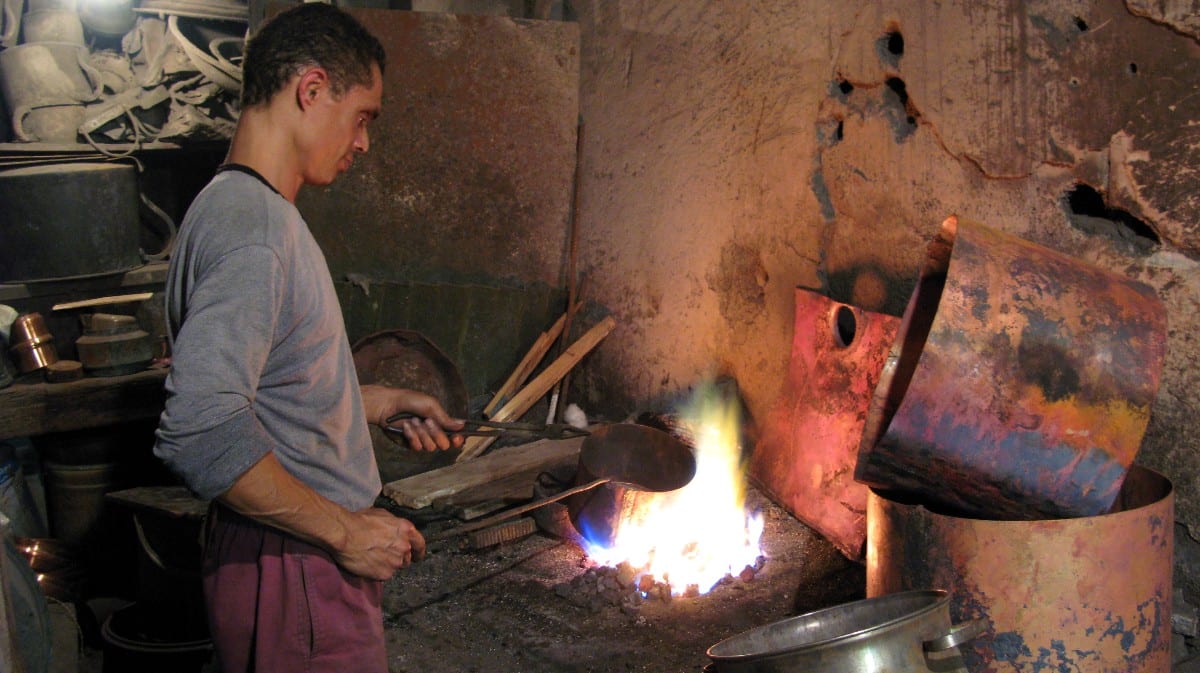
The souq, the traditional covered market, remains the everyday commercial heart of Libyan towns and cities, particularly in the old quarters of Tripoli and Benghazi, where small workshops selling copper, tin and textiles sit alongside food stalls and general traders. Since 2014, security in many areas has been provided by local armed groups, and passing through checkpoints can be part of an ordinary journey to work, school or a hospital. Mosques remain the other major anchor of community life nationwide, drawing people for daily and especially Friday prayers, and coffee houses serve as an everyday, informal meeting point for men in particular, in cities and smaller towns alike.
Free time and weekends
Friday, the day of rest under Libyan labour law, is generally given over to prayer and to family, with a wider gathering of relatives common after the midday prayer. Football is followed closely nationwide, and matches are watched in groups wherever a generator keeps a television running through a scheduled power cut. Where security and fuel supply allow, weekend trips to the coast are a normal way for coastal-city families to spend free time, and desert excursions remain part of life for communities in and around the southern oasis towns, security conditions permitting.
A visitor's ordinary day
Worldlore covers Libya so its daily life and history can be understood, not to suggest a visit: most governments currently advise against all travel to the country, and there is effectively no functioning tourism industry to describe from a visitor's perspective. For the small number of people who do travel there, generally for work, with organised security arrangements, cash is essential, since banking and card payments are unreliable, and both the exchange rate and the electricity and fuel supply can shift with little warning depending on the political and security situation in a given area at a given time.
What to take away
An ordinary day in Libya today is shaped less by any single custom than by a plain, verifiable fact: a country with some of Africa's largest oil reserves, run by no single government since 2014, where households increasingly plan their day around when the power and the fuel will actually be there.