History · Libya
Libya: Three Regions, One Name
Roman Leptis Magna, a Senussi resistance to Italian conquest, a UN-made kingdom, 42 years of Gaddafi, and a state that fell apart in 2011
By Worldlore Editorial · 10 September 2026
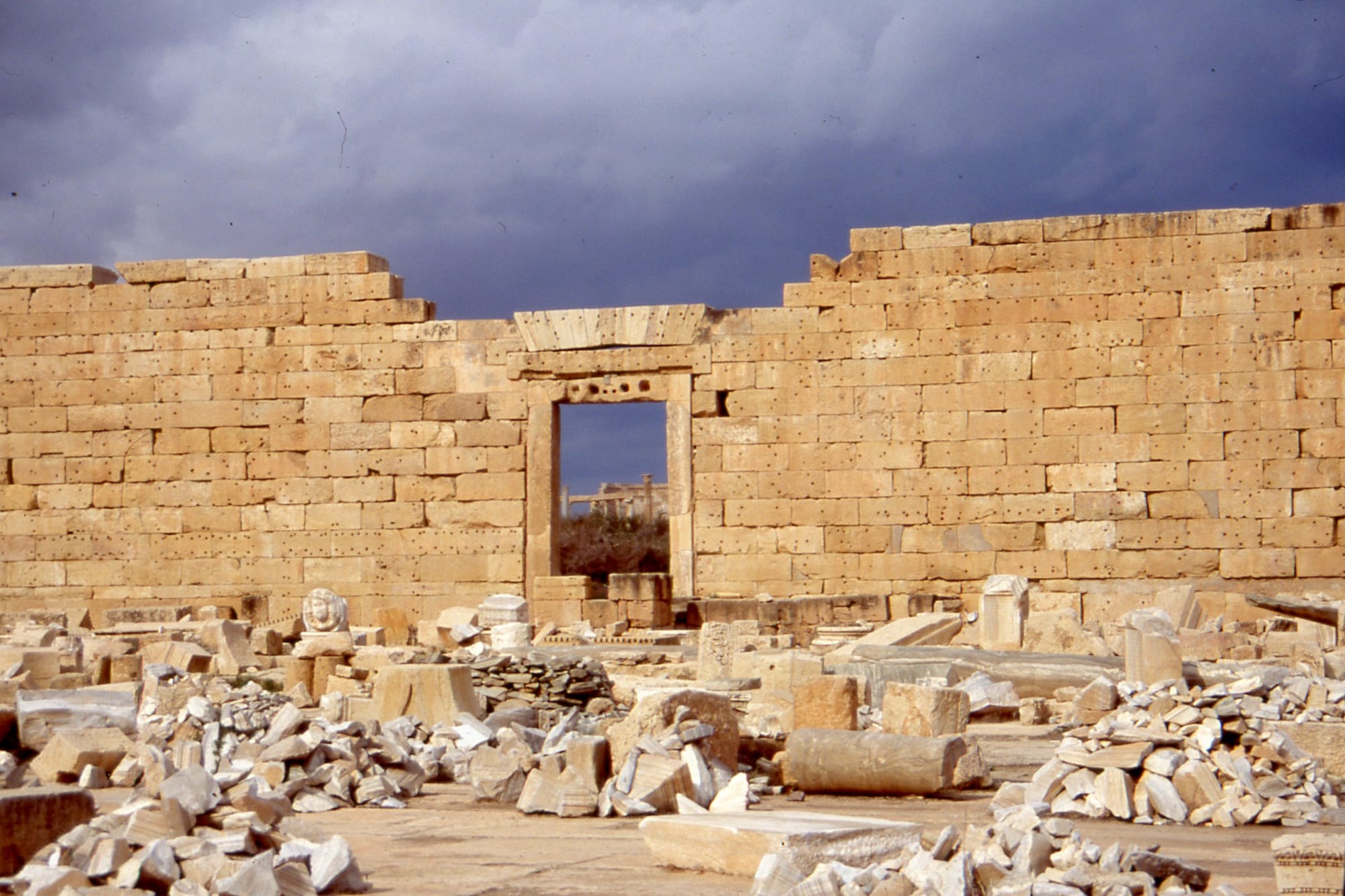
A country of three parts
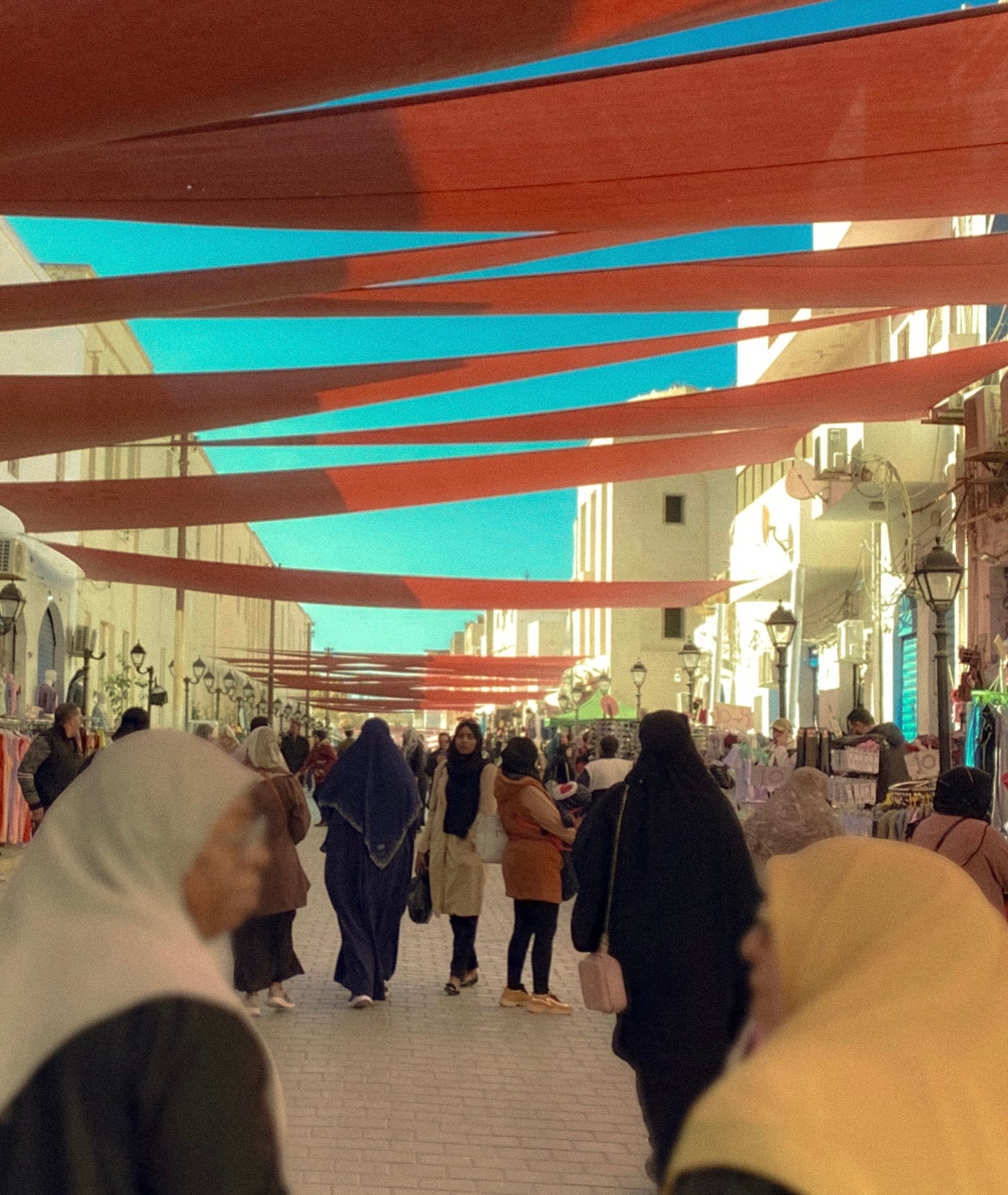
Libya is mostly Sahara — a vast, thinly peopled desert with a strip of population along the Mediterranean coast and a few southern oases. It has always really been three regions: Tripolitania in the north-west, Cyrenaica in the north-east, and the Fezzan in the south-western desert. They have different histories, different foreign orientations, and, since 2011, different governments. The name "Libya", ancient Greek in origin, was applied to the whole only in the 20th century, by Italy.
A short history
- 7th century BCE
Colonies
Phoenicians in the west, Greeks (Cyrene) in the east.
- 1st–3rd centuries CE
Roman Libya
Leptis Magna and Sabratha flourish.
- 643
Arab conquest
Cyrenaica and Tripolitania come under Muslim rule.
- 1551
Ottoman Tripoli
The Ottomans take the coast; the Karamanlis rule semi-independently.
- 1840s
The Senussi
A Sufi order becomes the dominant power in the east.
- 1911–1943
Italian rule
Invasion, a brutal 20-year conquest, and settler colonisation.
- 1951
Independence
The UN creates the Kingdom of Libya under King Idris.
- 1959
Oil
Major discoveries transform a poor country into a petro-state.
- 1969
Gaddafi's coup
A 42-year dictatorship begins.
- 2011
Revolution and collapse
Gaddafi is overthrown and killed; the state disintegrates.
Ancient and Ottoman Libya
The Fezzan held the Garamantes, a Berber desert civilisation built on irrigation and trans-Saharan trade. The coast held Phoenician colonies in Tripolitania — the "three cities", including Leptis Magna — and Greek Cyrene in the east. Roman Libya was prosperous; the Arab conquest of the 7th century and later tribal migrations Arabised and Islamised it over centuries.
The Ottomans took Tripoli in 1551. Tripolitania was run semi-independently by the Karamanli dynasty, partly on Barbary corsairing — the target of the young United States in the First Barbary War. In Cyrenaica, the Senussi religious order built a network of desert lodges from the 1840s and became the region's real authority.
The Italian conquest
Italy invaded in 1911 and took the coast, but subduing the interior took twenty years. Resistance in Cyrenaica, led by the Senussi and the guerrilla commander Omar Mukhtar, held out until 1931. Italy's "pacification" used aerial bombing, mass killing, and concentration camps in which tens of thousands of Cyrenaican civilians died — perhaps a quarter of the region's population.
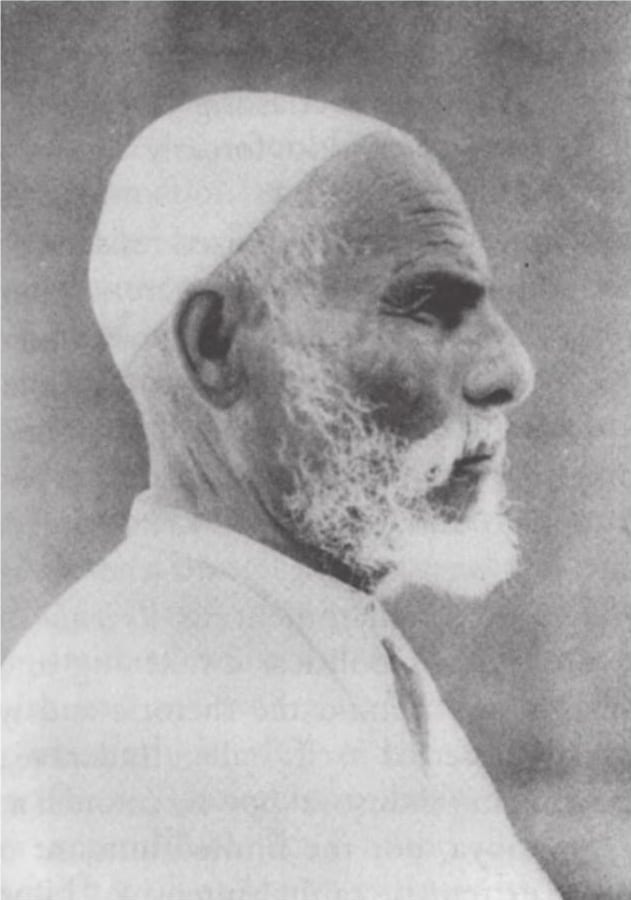
Italy then colonised heavily — settling over 100,000 Italians, building the coast road, and unifying the territory as "Libya" in 1934. It became a major battleground in the Second World War, and Italy lost it in 1943.
Kingdom, then oil, then Gaddafi
Unable to agree on trusteeship, the UN chose independence, and the Kingdom of Libya was proclaimed on 24 December 1951 — the first state created by the United Nations — a poor federal monarchy under King Idris, head of the Senussi order. Then oil was found in 1959, and within a decade Libya was rich.
Kingdom and Jamahiriya
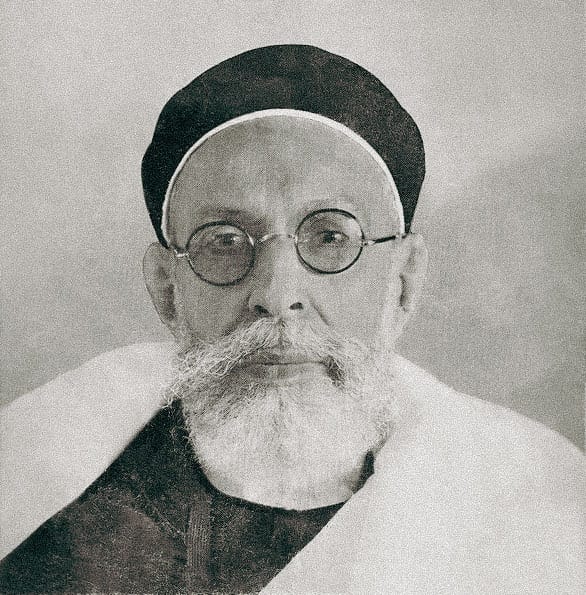
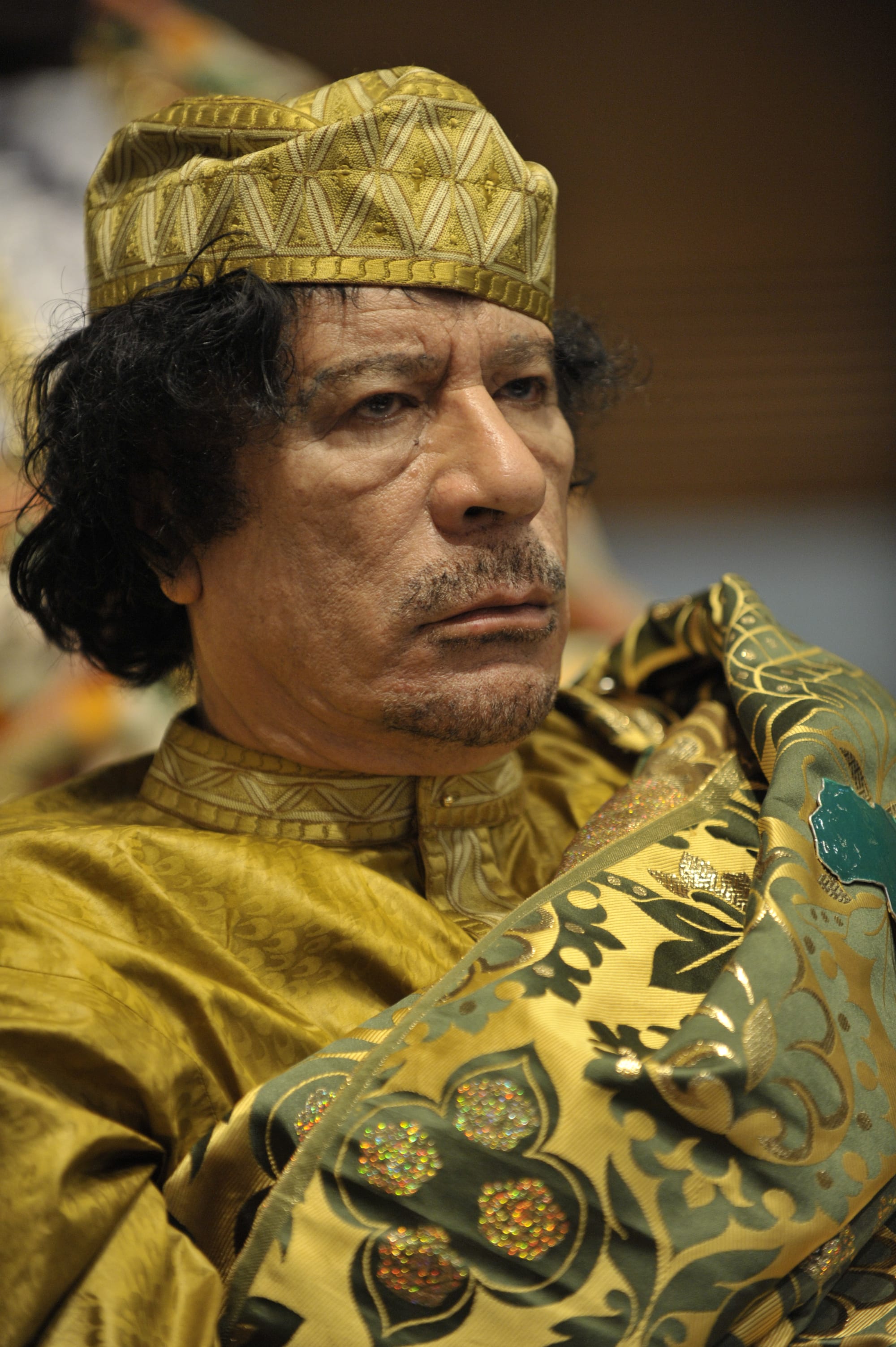
Gaddafi's "Jamahiriya" combined real social gains — literacy, health, housing, the Great Man-Made River — with a vast security state, the assassination of exiles, and sponsorship of terrorism, including the 1988 Lockerbie bombing, which brought years of UN sanctions before a rapprochement with the West after 2003.
Revolution and collapse
Protests began in Benghazi in February 2011 and became an armed uprising. As Gaddafi threatened to hunt down the rebels, the UN Security Council authorised "all necessary measures" to protect civilians, and a NATO air campaign tipped the war. Tripoli fell in August, and Gaddafi was captured and killed near Sirte on 20 October 2011.
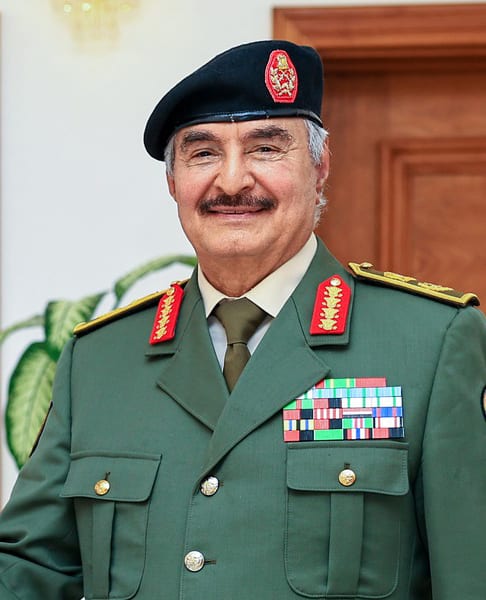
Weapons from Gaddafi's arsenals spread conflict across the Sahel, Libya became the main Mediterranean migrant route with detention conditions widely condemned, and in 2023 the collapse of two dams above Derna killed more than 11,000 people — a disaster of the divided state as much as of the weather.
What Libya carries
Libya's regions were welded into one country by Italy and held together after 1951 first by a Senussi king and then, for four decades, by Gaddafi's person and his oil money. When he fell, there was no state underneath — no constitution, no parties, no institutions independent of him — and the three regions, and the militias within them, have been contesting the wreckage ever since.