History · Lebanon
Lebanon: The Mosaic State
Phoenician city-states and a mountain refuge for religious minorities — a French-made country with power split by sect, a 15-year civil war, Syrian and Israeli intervention, and a modern economic collapse
By Worldlore Editorial · 19 September 2026
A country of communities
Lebanon is a small country on the eastern Mediterranean, wedged between Syria and Israel, with a mountain range running down its length. Its roughly 5.5 million people belong to 18 officially recognised religious sects — Maronite and other Christians, Sunni and Shia Muslims, Druze — and no census has been taken since 1932, because the balance between them is too explosive to measure. Political power is divided by sect: the president is always a Maronite Christian, the prime minister a Sunni, the parliament speaker a Shia. That system held the country together and, many argue, has also kept it from ever functioning as a state.
A short history
- from c. 1500 BCE
Phoenicia
Coastal city-states spread the alphabet across the Mediterranean.
- 1st–3rd centuries CE
Roman Baalbek
Some of the largest temples of the Roman world.
- 7th century onward
The mountain refuge
Maronites and later Druze settle Mount Lebanon.
- 1516–1918
Ottoman rule
Mount Lebanon is a largely autonomous emirate.
- 1861
The Mutasarrifiyya
A self-governing, Christian-majority mountain district.
- 1920
Greater Lebanon
France enlarges the state, adding a large Muslim population.
- 1943
Independence
The unwritten National Pact divides power by sect.
- 1975–1990
Civil war
About 150,000 killed; Syrian and Israeli forces intervene.
- 2005
The Cedar Revolution
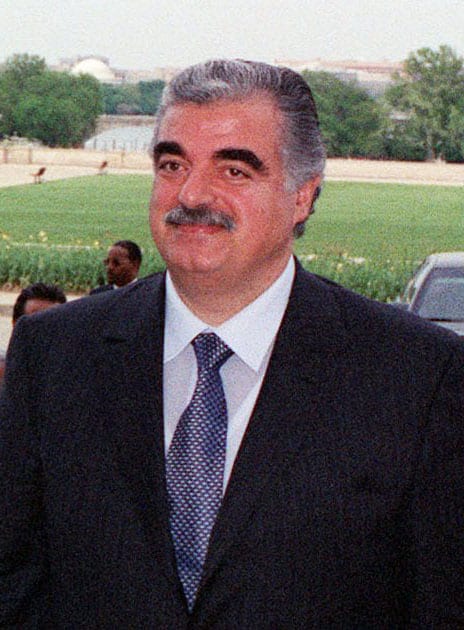
Hariri's assassination forces Syria to withdraw.
- 2019–2020
Collapse
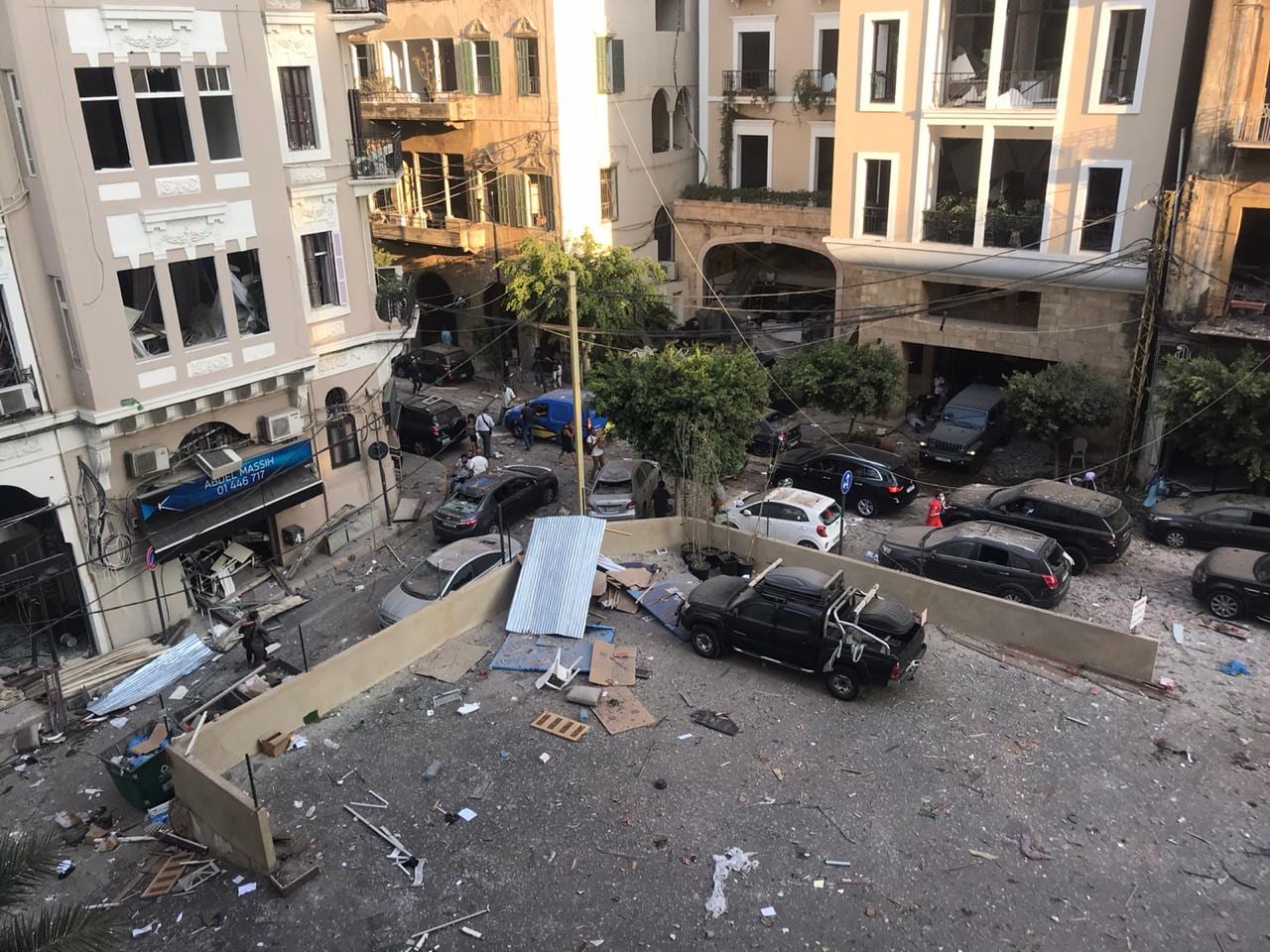
Economic implosion, then the Beirut port explosion.
Phoenicia and the mountain
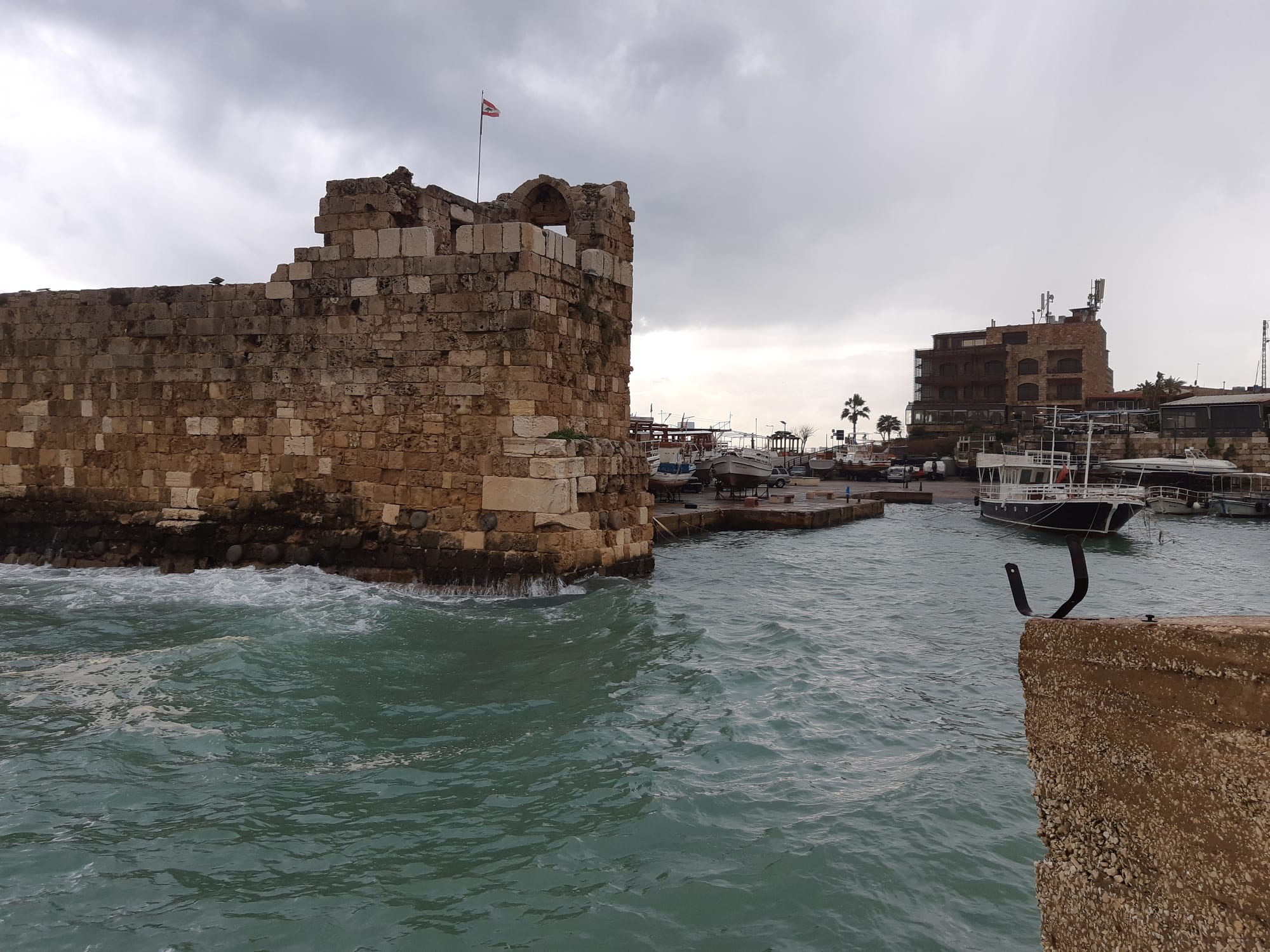
The Lebanese coast was ancient Phoenicia — Byblos, Tyre, Sidon, Beirut — a Canaanite maritime civilisation that spread the alphabet, founded colonies as far as Carthage, and traded in cedar wood and purple dye. After Phoenician, Persian, Greek and Roman rule, the region was conquered by Muslim Arab armies in the 7th century.
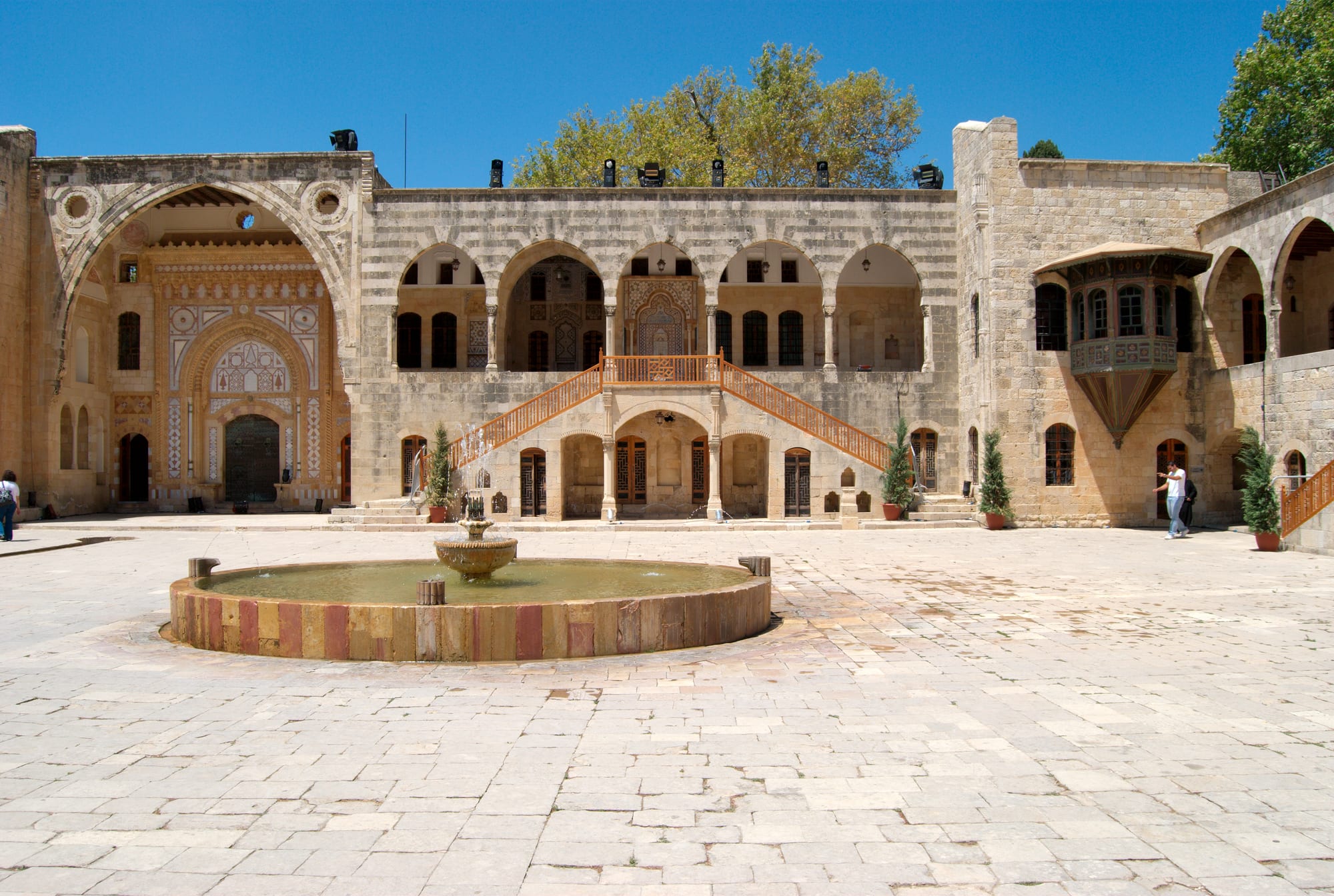
Mount Lebanon became a refuge for religious minorities: the Maronite Christians in the north, and, from the 11th century, the Druze in the south. Under the Ottomans it was a largely self-governing emirate of Druze lords and mostly Maronite peasants. Sectarian civil war in 1860 killed thousands of Christians and prompted European intervention; the Ottomans then created an autonomous, Christian-majority mountain district. During the First World War, an Allied and Ottoman blockade brought a famine to Mount Lebanon that killed perhaps a third of its people.
Greater Lebanon
After the war, France took the Mandate for Lebanon and Syria, and in 1920 created "Greater Lebanon" by adding the coastal cities, the Bekaa Valley and the south to the old Christian mountain. This gave the new state a large Muslim population and only a slim Christian majority.
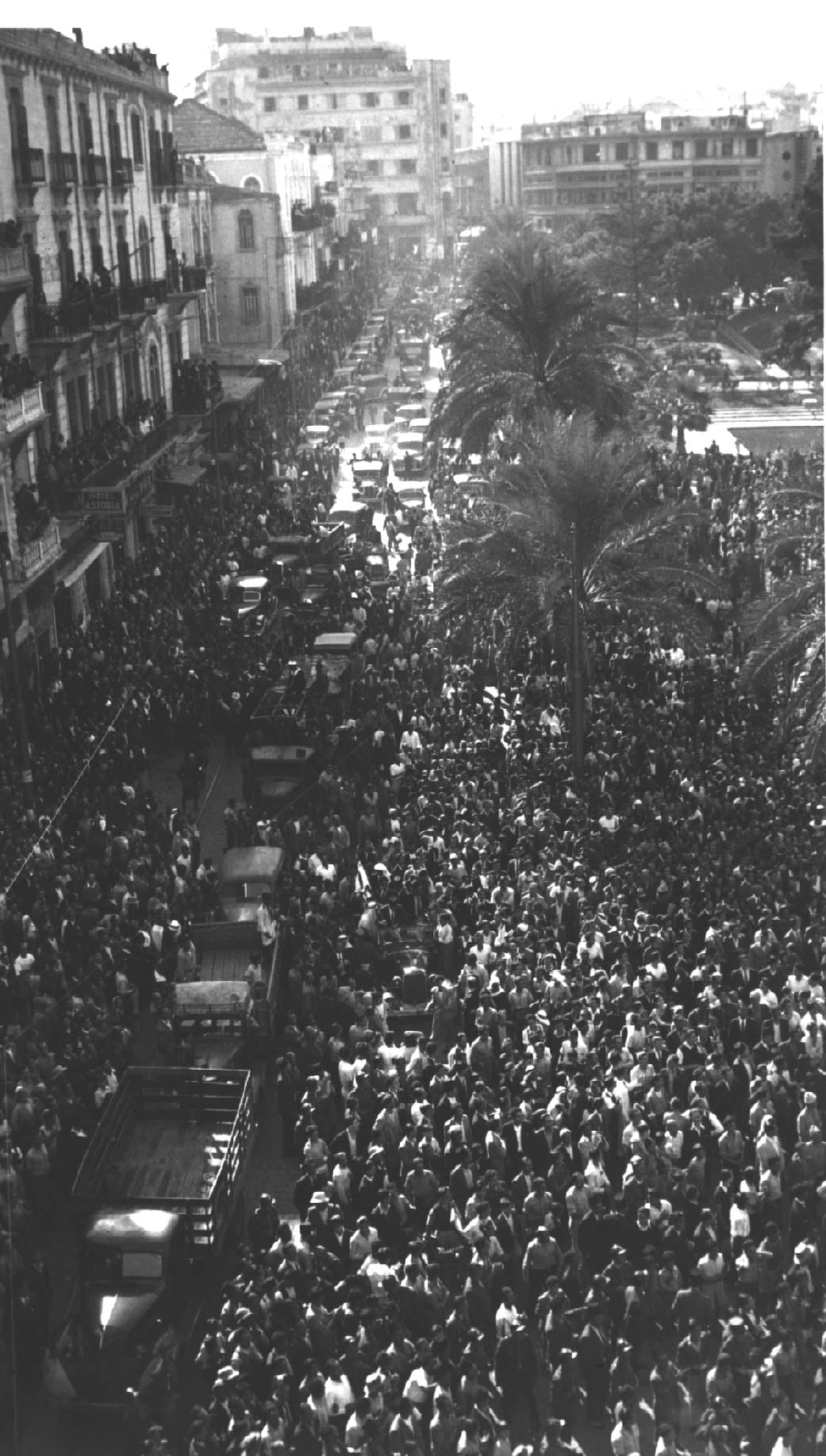
Independent Lebanon became the banking, trade and media hub of the Arab world, and Beirut the "Paris of the Middle East" — over a weak state, deep inequality, and a political formula frozen while the Muslim, and especially Shia, population grew faster.
The civil war
Successive Arab–Israeli wars pushed waves of Palestinian refugees into Lebanon, and after 1970 the PLO relocated its armed base there. That, plus the confessional imbalance and arming sectarian militias, ignited the civil war in April 1975.
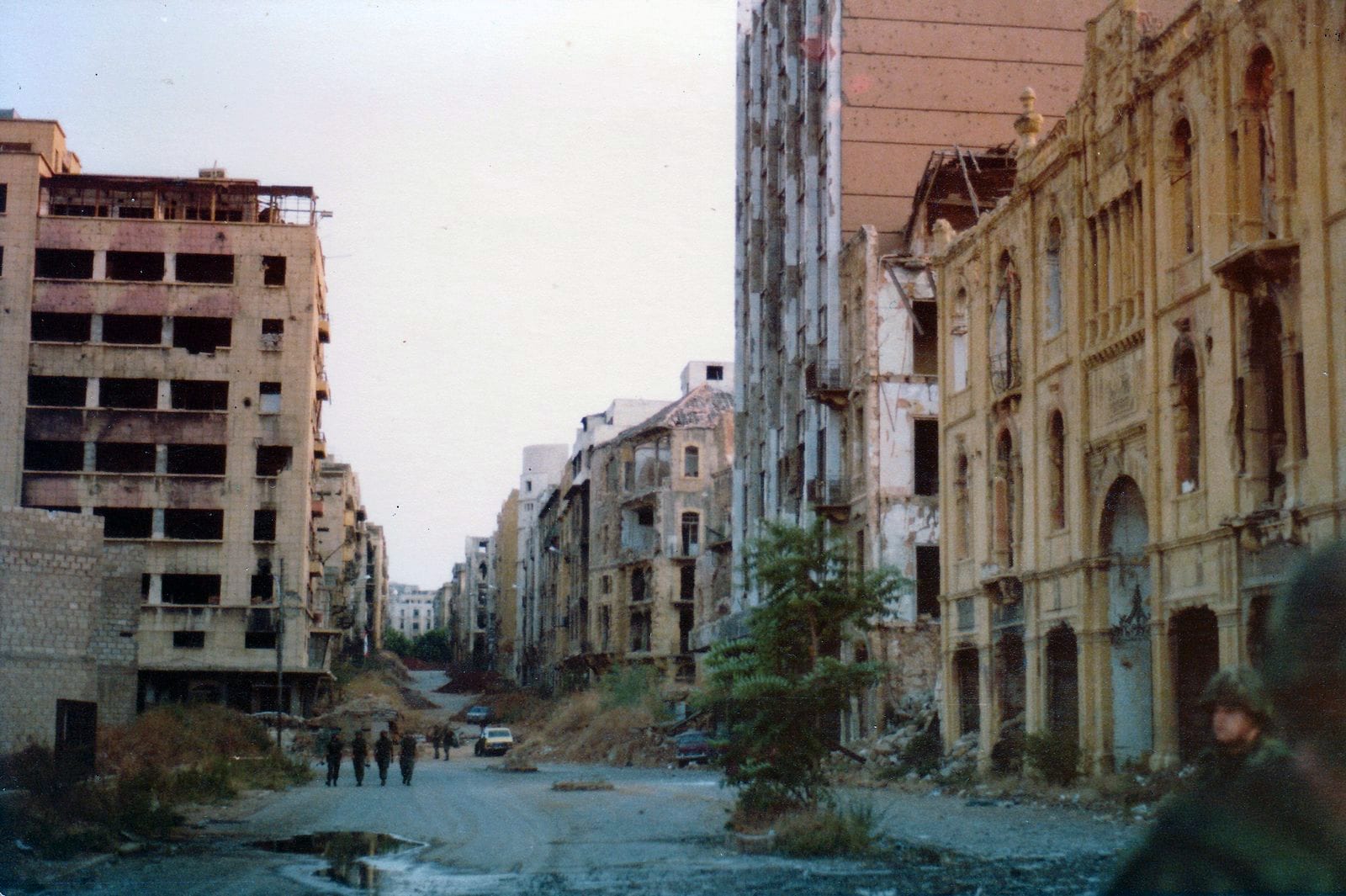
Syria intervened militarily in 1976 and stayed for 29 years. Israel invaded in 1978 and, massively, in 1982 — besieging Beirut and forcing out the PLO; while Israeli forces controlled the area, an allied Christian militia carried out the Sabra and Shatila massacre of hundreds to thousands of Palestinian civilians. Out of the Israeli occupation of the south rose Hezbollah, a Shia movement formed with Iranian help in 1982. The war ended with the 1989 Taif Agreement, which rebalanced parliament to a 50/50 Christian–Muslim split and formalised Syrian control.
The Cedar Revolution, and after
Postwar Lebanon rebuilt under Prime Minister Rafic Hariri, accumulating vast public debt. Israel withdrew from the south in 2000.
2005 and 2019
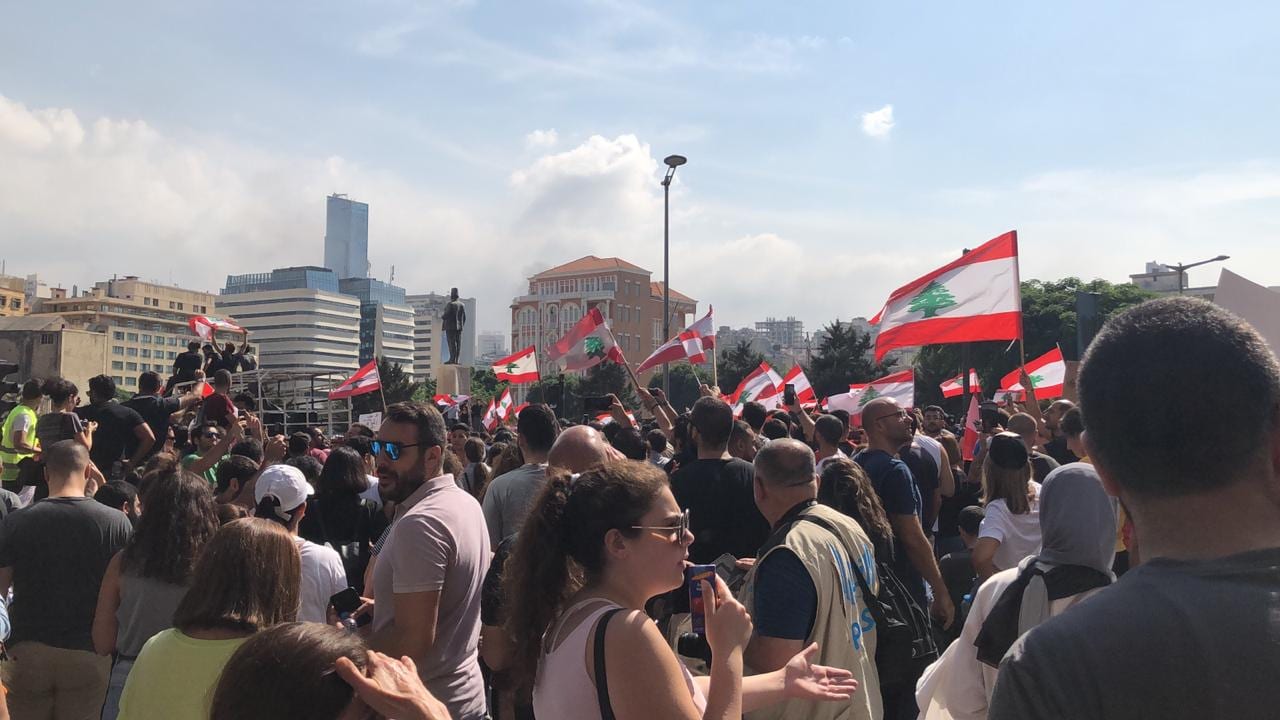
The 2006 Israel–Hezbollah war devastated infrastructure and left Hezbollah militarily dominant, stronger than the Lebanese Army. From 2019, the economy collapsed: the currency lost almost all its value, banks froze people's savings, and output roughly halved — a crisis the World Bank ranked among the worst anywhere since the 1850s.
An Israel–Hezbollah war in 2023–24 then killed Hezbollah's leadership and weakened the movement, while Lebanon went two years without a president before electing one in January 2025.
What Lebanon carries
Lebanon's confessional system was designed to guarantee every community a share and a veto. It has given the country a free press, an open economy and a remarkable resilience — and also a state too weak to provide electricity, hold its own armed groups to account, or investigate the explosion that wrecked its capital. The mosaic has survived; the question is whether it can ever add up to a functioning country.