Culture & Customs · Lebanon
Lebanon: Many Faiths at One Table
Eighteen recognised religious communities, a greeting that may run to three kisses, and a code of honour and hospitality that insists no guest ever leaves hungry
By Worldlore Editorial · 30 September 2026
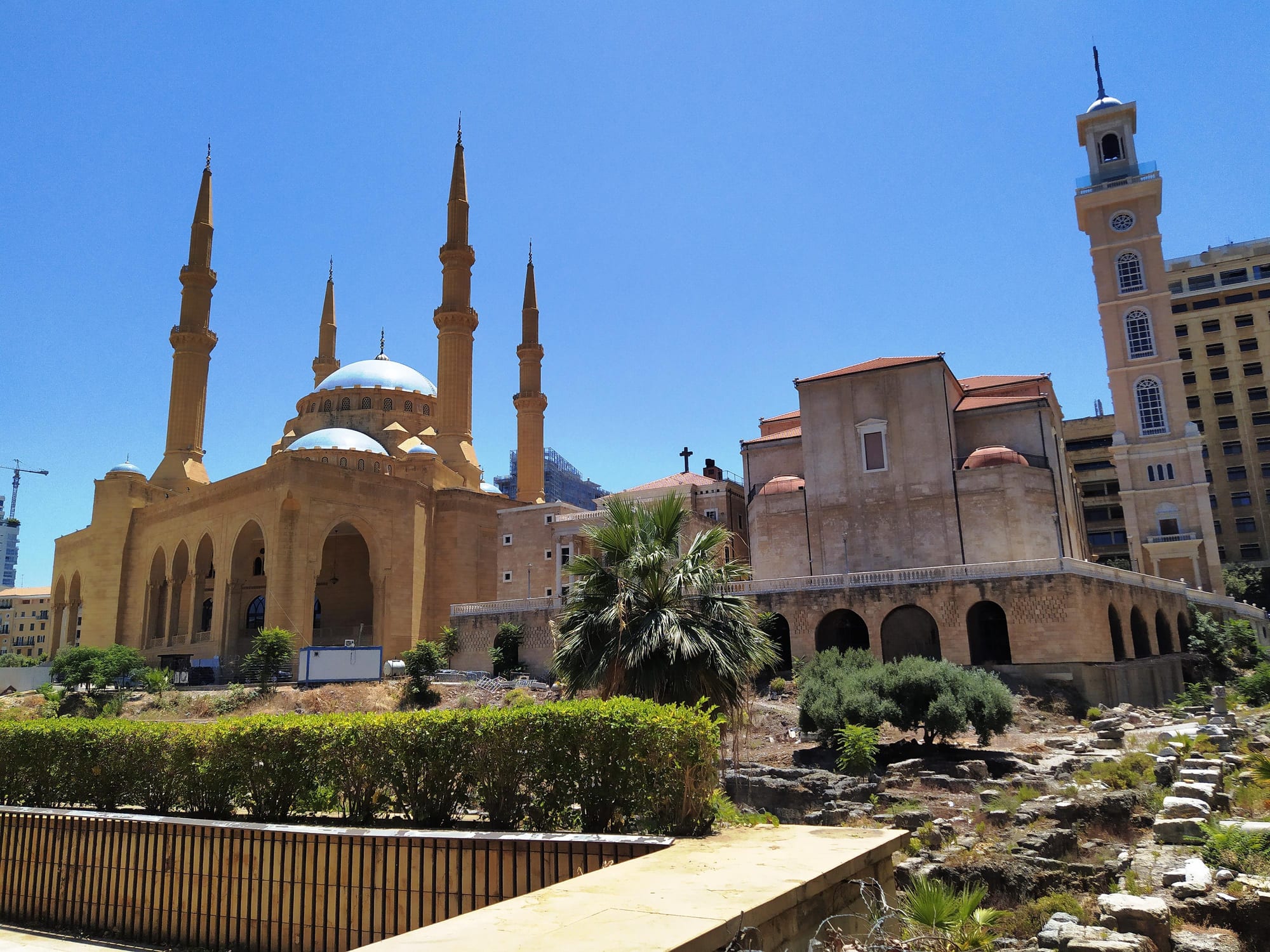
A visitor arrives for lunch at a Lebanese family home. The host is already at the door, and the greetings begin with the eldest person in the room: a handshake for the newcomer, three kisses on alternating cheeks between old friends. Within minutes a small cup of coffee has appeared, and it would be a quiet discourtesy to wave it away. Then comes the meal, and with it the insistence: another helping, and another, each polite refusal taken as a formality to be overcome. Lunch guests often stay well into the afternoon. Nothing about the afternoon is hurried, and nothing is held back. Across a country of many faiths and communities, this sense that a guest brings honour to a house, and must be treated accordingly, is one of the things almost everyone shares.
Faith, identity and values
The Lebanese state recognises eighteen religious communities, and religion is one of the main ways people understand who they are. Estimates cited by the US State Department in 2023 put Shia and Sunni Muslims at about 32 and 31 percent of the population, with small Alawite and Ismaili communities. Christians make up about 30 percent, belonging to the Maronite Catholic, Eastern Orthodox, Melkite Catholic, Armenian Orthodox, Armenian Catholic and Protestant churches, among others. The Druze, whose faith grew out of Islam but follows its own path, form about five and a half percent; membership is hereditary, and traditionally no one converts into or out of the faith.
This diversity is written into public life. Seats in parliament are shared equally between Christians and Muslims, with each denomination, the Druze among them, allotted its share, so that no single community can dominate. Personal matters such as marriage, divorce, custody and inheritance are handled by the courts of each religious community rather than by a single civil code, and a person's religious affiliation is still recorded in the civil register. There is no civil marriage on Lebanese soil, so couples who want one, including many inter-faith couples, travel abroad to marry, often to nearby Cyprus; such marriages are recognised on their return.
Beneath the religious differences lie values that are widely shared. Honour is central: people are raised to protect their own dignity and their family's reputation, and public criticism is avoided in favour of generous praise. Family comes first, and the interests of the family are expected to outweigh those of the individual. Elders are treated with deep respect, and relatives expect to care for them at home; residential care is far less common.
Communication tends to be warm, eloquent and indirect. A point is often reached by a roundabout route, and a refusal may come as "I'm still looking into it" rather than a flat no. Conversations can be loud and animated, full of gestures, and people stand and sit close together. A raised voice is not necessarily a sign of anger; a Lebanese person falling silent is a far stronger sign of offence. A tilt of the head backwards with raised eyebrows, sometimes with a small click of the tongue, means no.
Greetings and meeting people
A smile and a handshake are the usual greeting, and some men clasp the other person's elbow or arm as a sign of sincerity. Close friends and family greet each other with kisses, three times on alternating cheeks, and hugging and hand-holding are common among friends and relatives. Greetings begin with the oldest person present.
Contact between men and women calls for more care. Some Muslim men and women prefer not to touch members of the opposite sex, so a spoken greeting is a safe start, and it is best to wait for the other person to offer a hand. Among friends and family, people often call each other "habibi", meaning my dear, in easy affection.
First meetings tend to be friendly and personal. Questions about family come early, humour is welcome, and an invitation to someone's home may be offered almost at once. It can be politely declined, unless the host insists, in which case accepting is the gracious course. Social time runs on a relaxed clock, and arriving somewhat after the agreed hour is common. Many Lebanese people are ready to talk about regional politics, but domestic politics can be delicate because of the country's divisions, and it is wiser to listen than to take sides.
Hospitality and being a guest
Hospitality is a matter of pride and of honour. A guest invited to a home usually brings something: cakes and sweets are the classic choice, and flowers or a small gift for the children are also welcome. Alcohol is appropriate only where the hosts are known to drink, since many Muslims do not. The gesture matters far more than the price. Gifts, like any other object, are given and received with the right hand or with both hands together, never with the left alone.
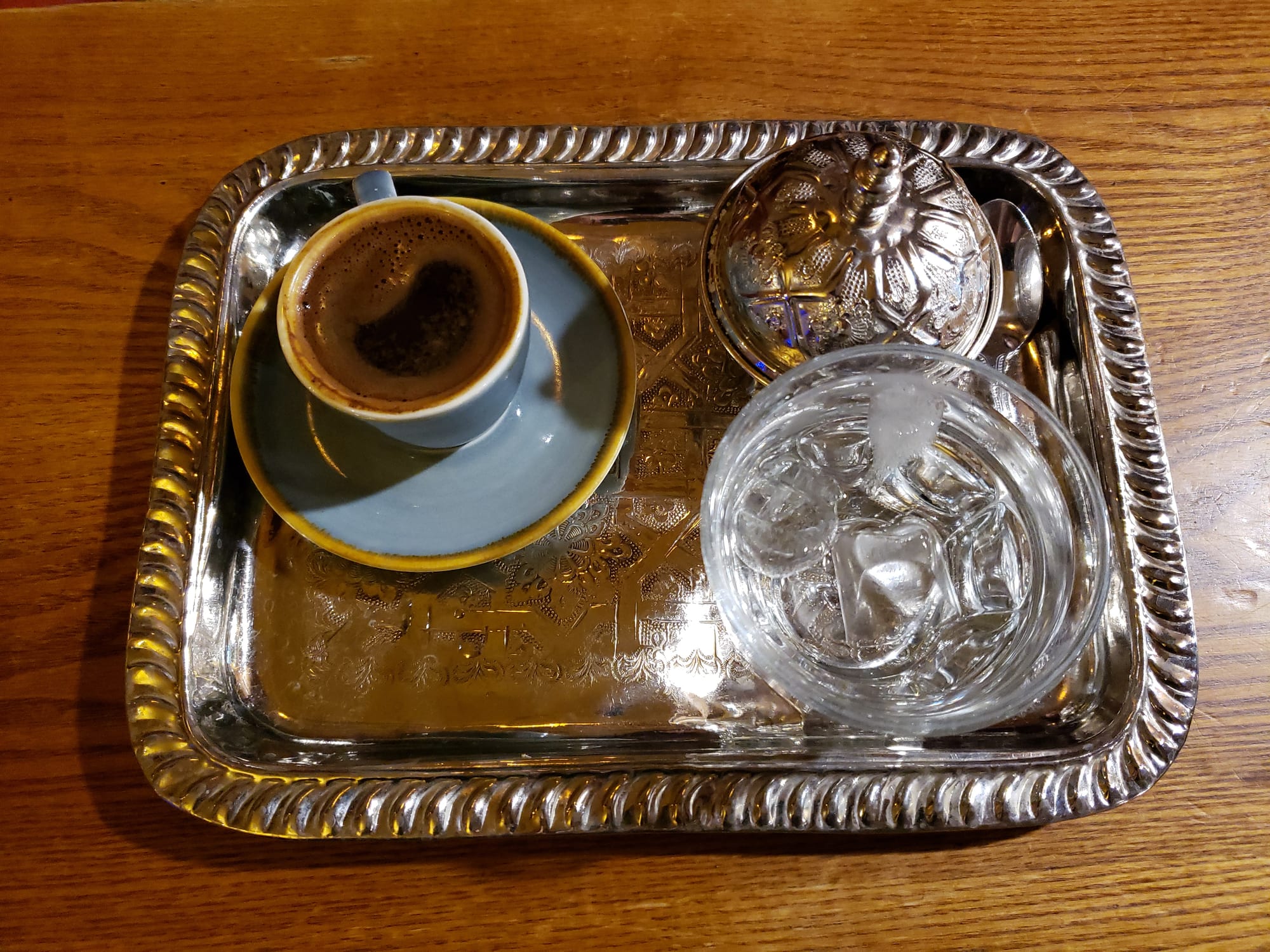
Coffee or tea is offered almost as soon as a guest sits down, and accepting it honours the host's hospitality and friendship. At the table, guests are expected to try every dish. The host will urge second and third helpings, and taking more is the clearest way to show appreciation. A refusal is likely to be heard as modesty rather than as a real no, and the offer will simply be repeated; only between close friends can food or coffee be declined without a second thought. Meals are long and social occasions in their own right, and dinner guests often stay the whole evening.
A few habits of body language are worth knowing. Sitting with one ankle resting on the other knee can point the sole of the foot at someone, which is considered offensive. Pointing at people with a single finger is rude.
Festivals and life's big moments
The Lebanese calendar gives a place to the great occasions of many communities. Christians celebrate Christmas and Easter, the Assumption of Mary on 15 August and, among Maronites, St Maroun's Day on 9 February; Armenian Orthodox Christians keep Christmas on 6 January. Muslims mark Ramadan and its closing feast, Eid al-Fitr, as well as Eid al-Adha, the Prophet's birthday and the Islamic New Year, and Shia Muslims observe Ashura. Shared national days include Independence Day on 22 November, Martyrs' Day on 6 May and the Lebanese Armed Forces Day on 1 August, and the joint Annunciation holiday was created expressly to bring the communities together.
Summer has long been the season of festivals. The Baalbeck International Festival, founded in 1956 and staged among the Roman temples of Baalbek, built its reputation partly on nights devoted to Lebanese artists; the singer Fairuz and the Rahbani brothers were regulars there from 1957 until the civil war. The festival fell silent for more than two decades during the civil war and returned in 1997.
Weddings are among the most exuberant events in Lebanese life. Most marriages today are love matches, although arranged marriages survive in some conservative circles, where families want to be sure of social and religious compatibility. Ceremonies are religious, conducted under the rules of each community. The celebration itself is announced by the zaffe, a procession of drummers, musicians and dancers that brings the bride and groom into the party, with parents, relatives and guests dancing around them. Women greet the couple with the zalghouta: a chanted verse praising the bride and groom, their beauty, families and good manners, followed by a long, high-pitched ululation.
Many older customs around birth and death have faded with city life and emigration. The Beirut magazine The Beiruter describes practices now largely remembered rather than followed: breaking bread over a newborn's head as a blessing, keeping the dead at home for three days before burial, and neighbours opening their homes to receive mourners with coffee and bringing meals to the bereaved family. Widows once wore black for long periods and avoided cutting their hair, and a neighbour's death could mean the radio staying off for forty days; these, too, are now largely memories.
Arts, crafts and music
Lebanon's most distinctive living art may be zajal, a form of folk poetry recited or sung at family celebrations and in everyday life, and inscribed on UNESCO's list of intangible cultural heritage. In its best-known form, poets sit around a table and challenge one another in improvised verse, backed by the tambourine and the derbouka drum, while a chorus repeats key lines. Both men and women take part, and the themes range from love and death to politics and daily events. UNESCO notes that these poetic jousts have long served as a safety valve, promoting dialogue and tolerance between communities and religions.
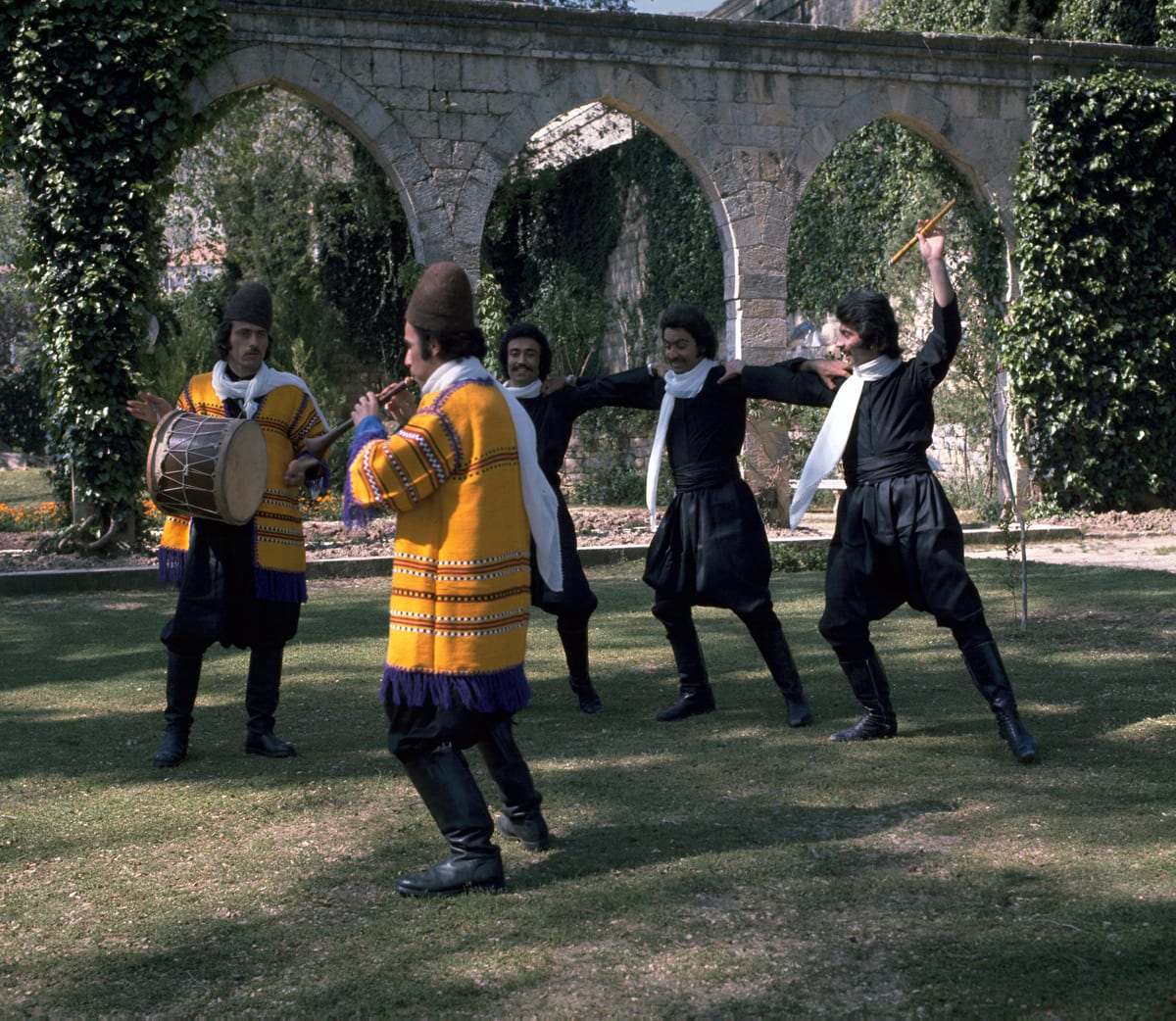
Folk troupes still perform the dabke, the traditional dance, in costume and with live drums and pipes.
The written word carries special prestige. Arabic calligraphy, practised in Lebanon as across the Arab world, is on UNESCO's list as a shared heritage of many Arab countries. Older crafts survive in workshops and family businesses, though many are now practised by only a few. Soap is still made by hand from olive oil, copperware is still worked by a small number of artisans, and potters shape local clay by hand. Glassblowing, a craft that Lebanese artisans trace back to the Phoenicians, survives in only a few family workshops. Lebanon's long silk heritage is now remembered in a museum housed in a restored silk factory.
Dos and don'ts for visitors
- Do check the latest government travel advice before any trip; most governments advise against all or all-but-essential travel to Lebanon, with the south, the Bekaa and the border areas the most dangerous.
- Do greet the eldest person first, and wait for someone of the opposite sex to offer a hand before shaking it.
- Do accept the coffee or tea offered in a home, and try every dish at the table.
- Do bring sweets, cakes or flowers when invited, and bring alcohol only if the hosts are known to drink.
- Do give and receive things with the right hand or with both hands.
- Don't sit with an ankle on the knee or point the sole of a foot at anyone, and don't point with a single finger.
- Don't take sides on domestic politics or sectarian questions; listen and let Lebanese hosts lead.
What to take away
Lebanon's communities differ in faith, history and politics, but they share a code of honour, family loyalty and lavish hospitality, and visitors who accept that welcome graciously will find it one of the warmest anywhere.