Daily Life · Lebanon
Lebanon: Life Between the Blackouts
Eighteen recognised religious sects sharing one small country, a family network that reaches deep into the diaspora, and an ordinary day now organised as much around the private generator as around the clock
By Worldlore Editorial · 30 September 2026
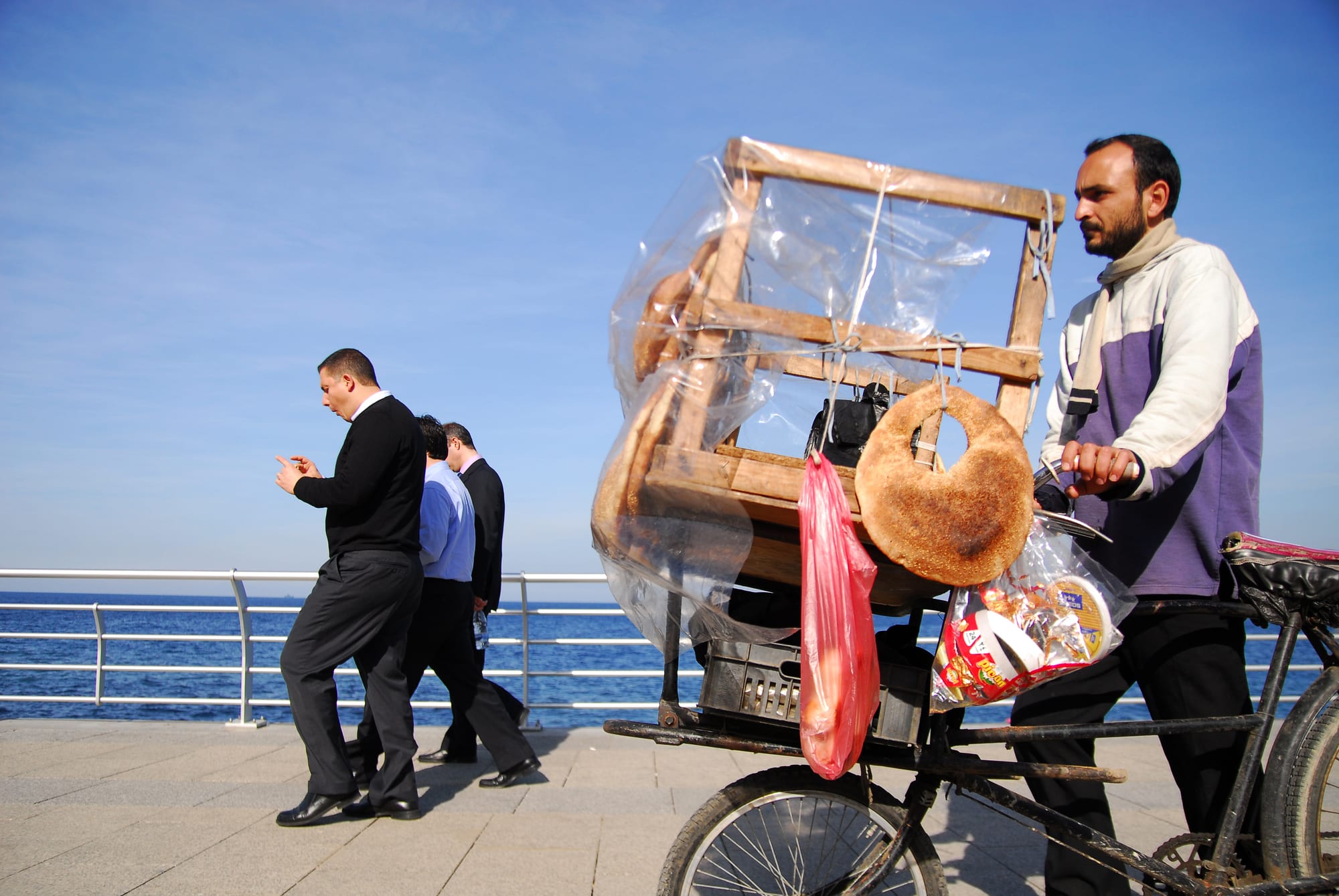
Lebanon runs on two clocks at once: the ordinary one, and the generator schedule that decides when the lights, the fridge and the water pump actually work. Since the state grid collapsed to only a few hours of power a day, most households and businesses now pay separately for a private diesel subscription just to get through the rest of the day, a cost that eats a large share of family budgets. Underneath that daily arithmetic, older patterns hold firm: a close, sect-conscious family network, a genuine national talent for keeping ordinary life going regardless of the news, and a diaspora, larger than the population still in the country, that sends money and visits home. Since March 2026 renewed war between Israel and Hezbollah, Israel's occupation of part of southern Lebanon and the displacement of around a fifth of the population have been added to all of this.
Family and home life
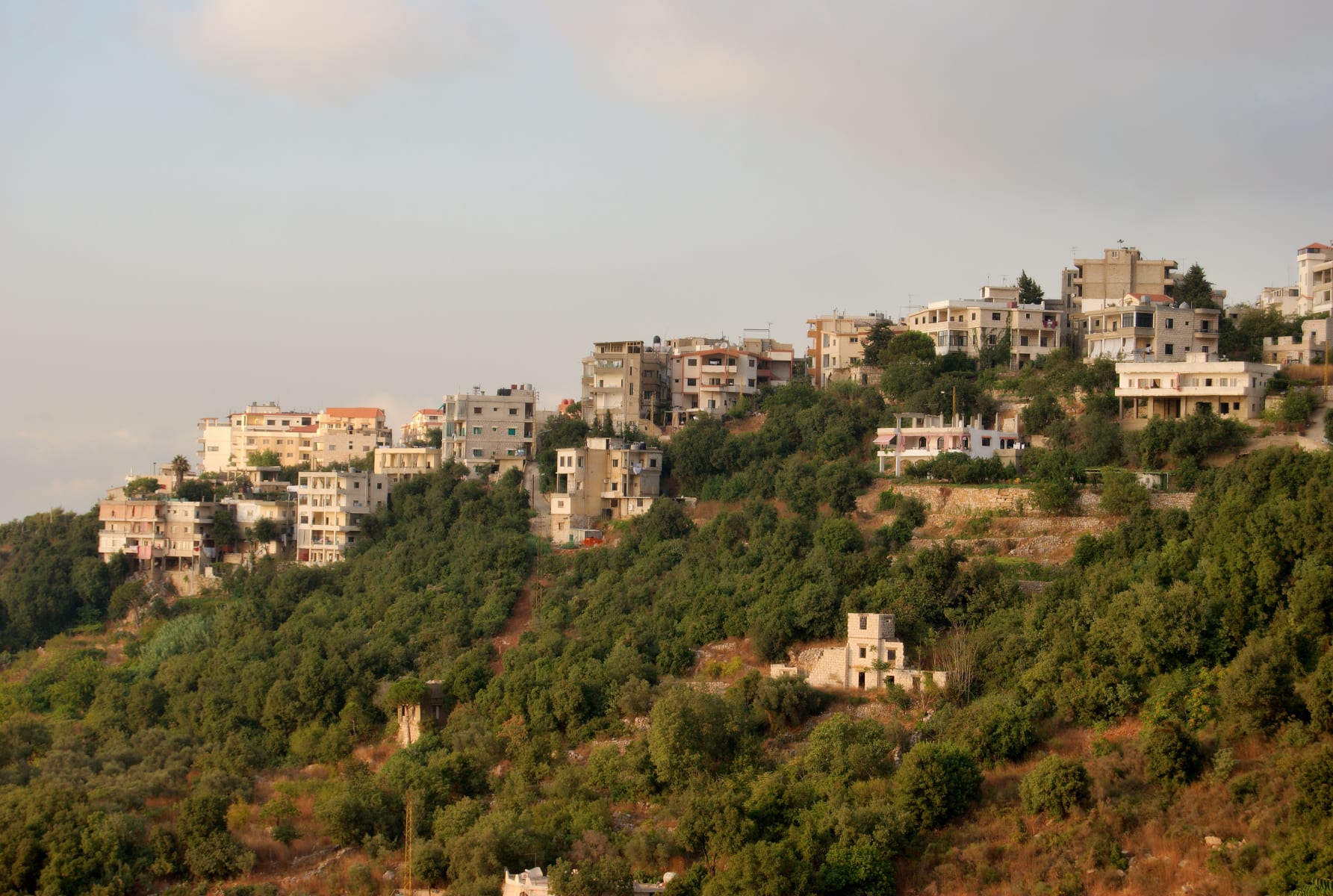
Family remains the basic unit around which Lebanese life is organised, and ties stay close even after children grow up and move away, whether to Beirut, to the Gulf, or abroad. Identity is layered: a person is Lebanese, but also of a particular religious sect and of a particular ancestral village, and both of those attachments shape daily social life, from schooling to who a person is likely to marry. There are more people of Lebanese descent living abroad, in West Africa, the Gulf, the Americas and Australia, than there are people living in Lebanon itself, and remittances and visits from that diaspora are woven into ordinary household budgets, especially since the currency collapse. Since 2019, families have also had to adapt their homes to unreliable state electricity, and a private generator subscription, or increasingly a set of rooftop solar panels, is now treated as close to a basic household utility rather than a luxury.
Work, school and the rhythm of the day
Lebanese labour law sets a maximum working week of 48 hours, and a six-day week of eight-hour days remains common in smaller businesses, though larger firms and offices increasingly work a five-day week to match international clients. School runs for twelve years, with national exams at grade nine (the Brevet) and grade twelve (the baccalaureate), and a large share of Lebanese children attend private schools rather than the weaker public system; maths and sciences are taught in French or English, alongside Arabic. The economic collapse has reshaped the working day as much as any labour rule: businesses schedule deliveries, manufacturing and even meetings around the hours when state or generator power is actually available, and an economy that has largely dollarised means many prices are quoted, and paid, in dollars rather than Lebanese pounds.
Community life and public spaces
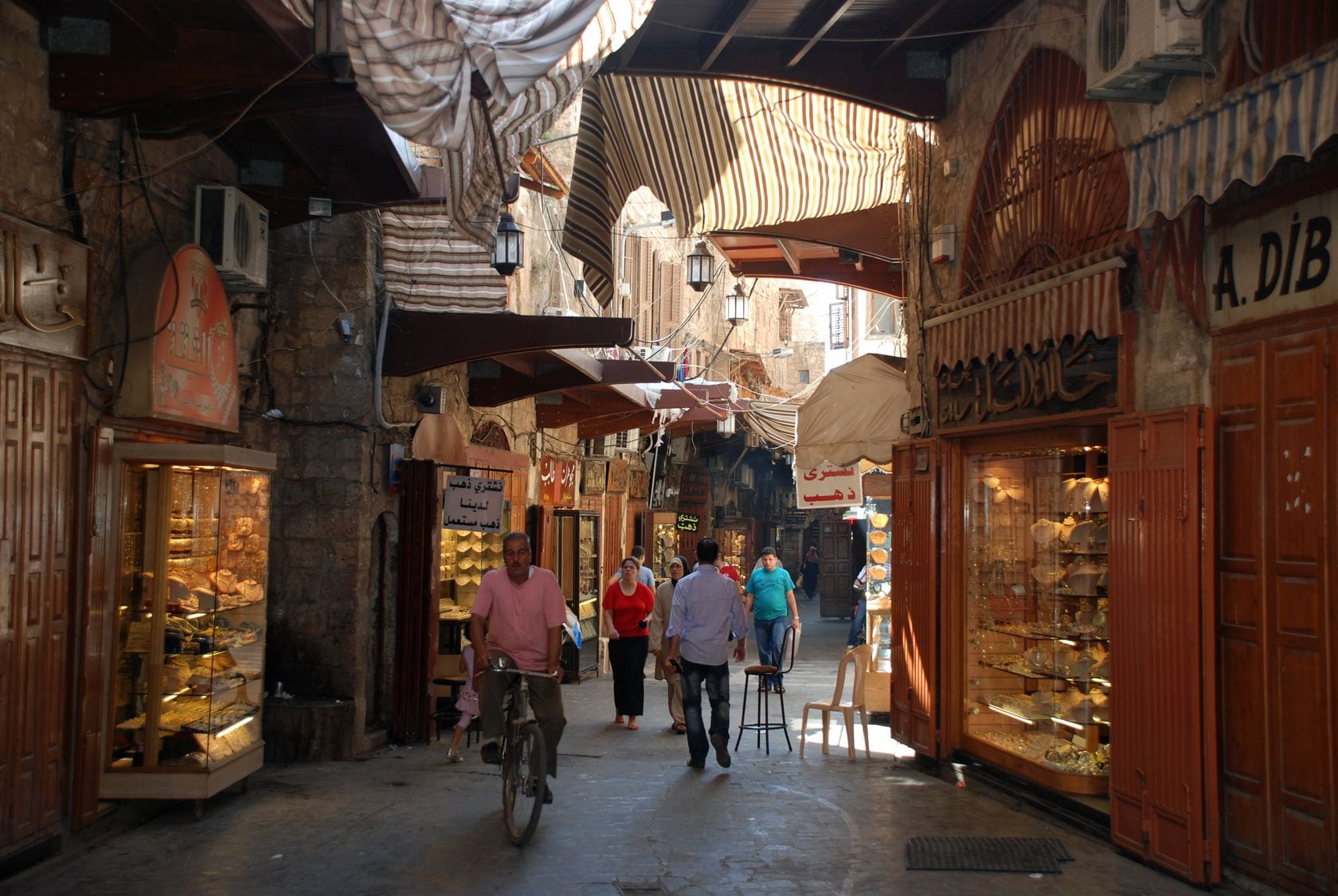
Souks and covered market streets remain the everyday commercial heart of Lebanese towns, from Beirut's rebuilt downtown souks to the old gold and spice markets of Tripoli and Sidon, where shoppers, cyclists and porters share the same narrow lanes. Beirut's seafront Corniche is the country's best-known shared public space, drawing walkers, joggers, fishermen and street vendors throughout the day and especially at sunset, while every sizeable town has an equivalent gathering point, a main street or square where people cross paths on foot. Places of worship, churches and mosques alike, remain central to community organisation well beyond religious observance itself, since schools, clinics and welfare support are often run through sectarian institutions rather than the state.
Free time and weekends
Where budgets allow, weekends still follow familiar patterns: a long family lunch that runs well past the meal itself, a drive up to a mountain village for cooler air, and, in summer, a trip to the coast or a village festival. Café culture is durable even through the economic crisis, with a coffee or a nargileh, a water pipe, treated as a reasonable place to spend an hour with friends rather than an indulgence. Football is followed keenly, watched in groups at home or in cafés, and family visits, especially to grandparents or to the ancestral village, remain a fixture of most people's free time, crisis or no crisis.
A visitor's ordinary day
Since March 2026 the war with Israel, the occupation of part of the south and continuing strikes have made movement far harder, and most governments advise against all or all-but-essential travel; what follows describes calmer times. Cash, specifically US dollars in small denominations, is essential, since card acceptance is inconsistent and ATMs are unreliable; the Lebanese pound is used alongside dollars, especially for small sums. Shops and markets generally open by mid-morning and stay open into the evening, though hours can shift at short notice around power availability. There is no passenger rail and public buses are limited, though a new public bus system was launched in 2024; getting around usually means a shared "service" taxi, a private taxi, or a hired car, generally arranged in advance rather than hailed on a schedule. Expect the lights to flicker or cut out at the change-over between state and generator power, a routine daily event rather than a fault.
What to take away
What defines an ordinary day in Lebanon right now is less any single custom than the sheer adaptability on display: a country whose family networks, markets and mountain villages carry on as far as they can, against a background of war, currency collapse and a power supply that has to be bought twice over.