History · Laos
Laos: The Land Between
The kingdom of Lan Xang on the middle Mekong — divided among Siam and then France, torn apart by the wars in Vietnam, the most bombed country per head in history, and a one-party state leaning hard on China
By Worldlore Editorial · 19 September 2026
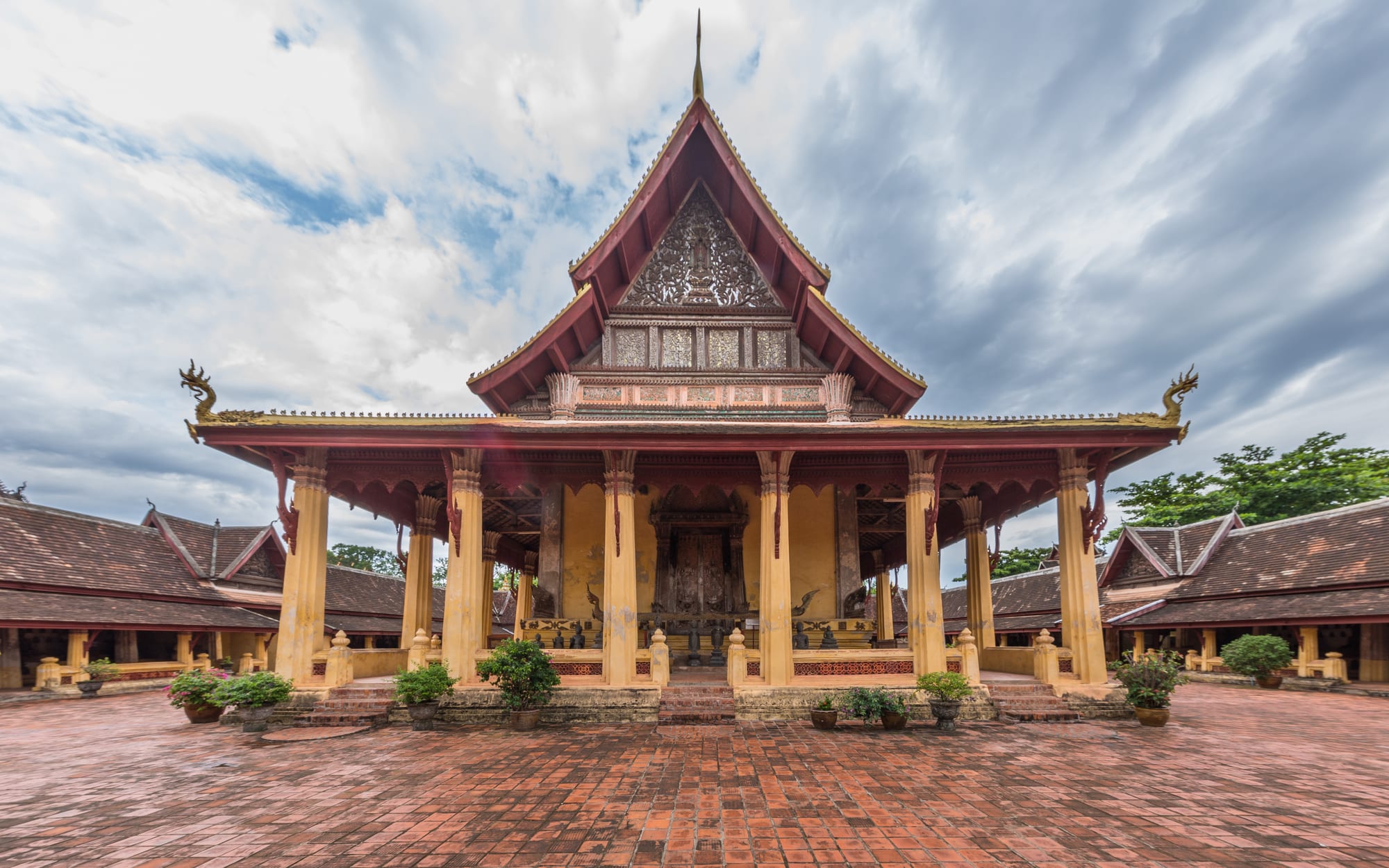
A small country between larger ones
Laos is the only landlocked country in Southeast Asia — mountainous, forested, and strung along the Mekong River, which forms much of its border and carries most of its life. About 7.7 million people live there, the lowland Lao alongside dozens of upland minorities. It has been a one-party socialist state since 1975, and its history has been shaped, again and again, by its position between more powerful neighbours: the Khmer, the Siamese, the French, the Vietnamese, and now the Chinese.
A short history
- c. 500 BCE–500 CE
The Plain of Jars
An Iron Age culture leaves thousands of stone jars.
- 8th–13th centuries
The Tai migration
Tai-speaking peoples move down the Mekong.
- 1353
Lan Xang
Fa Ngum unifies the "Kingdom of a Million Elephants".
- c. 1707
Fragmentation
Lan Xang splits into Luang Prabang, Vientiane and Champasak.
- 1828
Anouvong's revolt
Siam sacks Vientiane and deports its population.
- 1893
French Laos
France forces Siam to cede the lands east of the Mekong.
- 1954
Independence
The Kingdom of Laos, after the French defeat in Indochina.
- 1964–1973
The Secret War
The US bombs Laos more heavily, per head, than any country ever.
- 1975
The LPDR
The Pathet Lao abolish the monarchy.
Lan Xang
Northern Laos holds the Plain of Jars — thousands of large carved stone vessels from an Iron Age culture that is still not well understood.
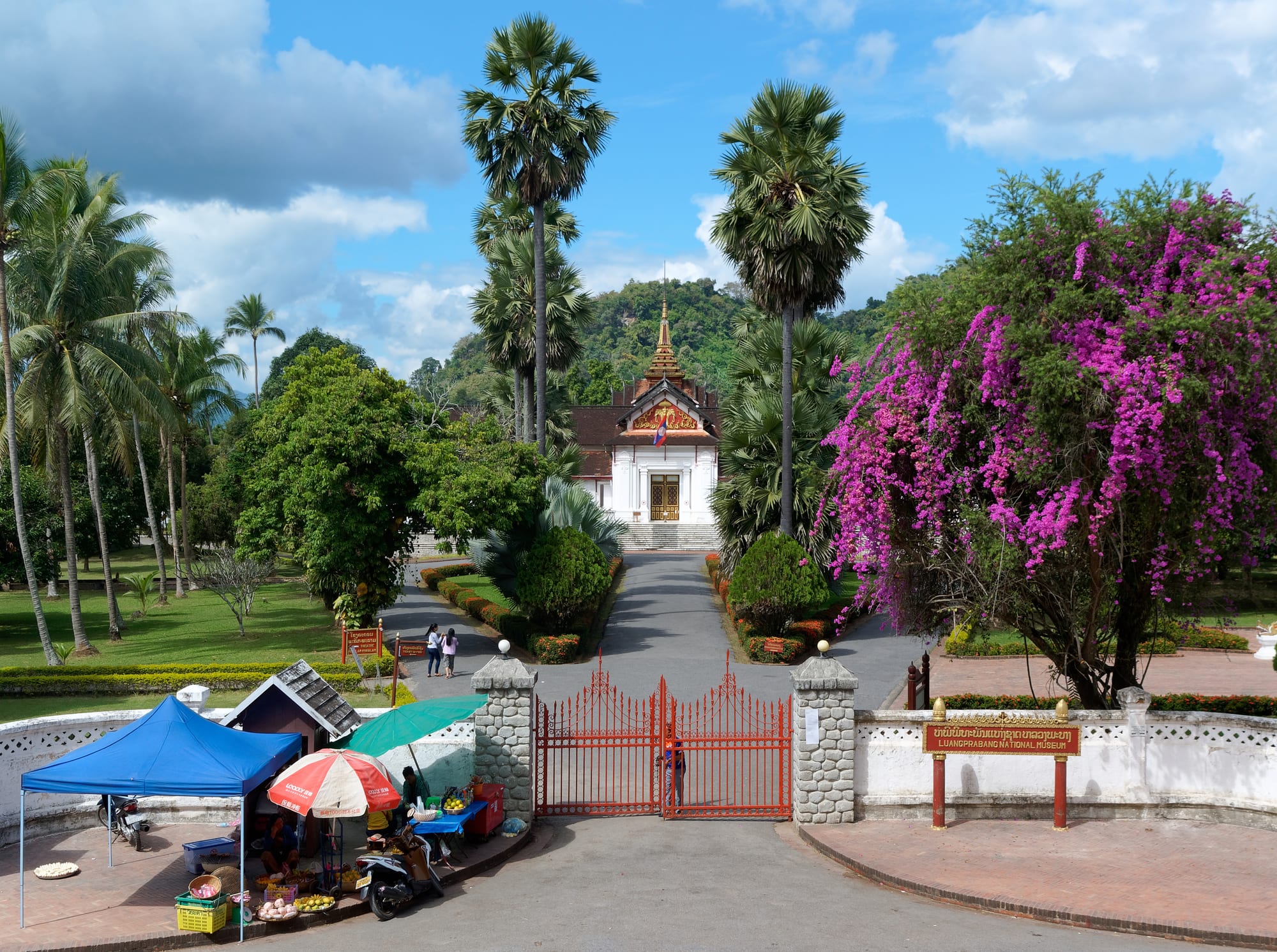
Tai-speaking peoples migrated down the Mekong from the 8th century, and in 1353 Fa Ngum unified the Lao principalities into Lan Xang — one of the larger Southeast Asian kingdoms, Theravada Buddhist, with a 17th-century golden age. Around 1707 it split into three rival kingdoms, which became vassals of Siam. When the Vientiane king Anouvong rebelled in 1828, Siam razed his capital and marched much of the population across the river — which is why more ethnic Lao today live in north-eastern Thailand than in Laos.
French, then independent, then at war
France, expanding from Vietnam, forced Siam to cede the Lao lands east of the Mekong in 1893 and assembled "Laos" from the three old kingdoms as a neglected corner of French Indochina. After the Japanese occupation and the French defeat in the First Indochina War, Laos became fully independent in 1954 as a kingdom.
It was then pulled into the Vietnam War. The communist Pathet Lao, backed by North Vietnam, fought the US- and Thai-backed royal government. A 1962 agreement declared Laos neutral, and both sides ignored it: North Vietnam ran the Ho Chi Minh Trail through eastern Laos, and the United States waged a vast covert campaign.
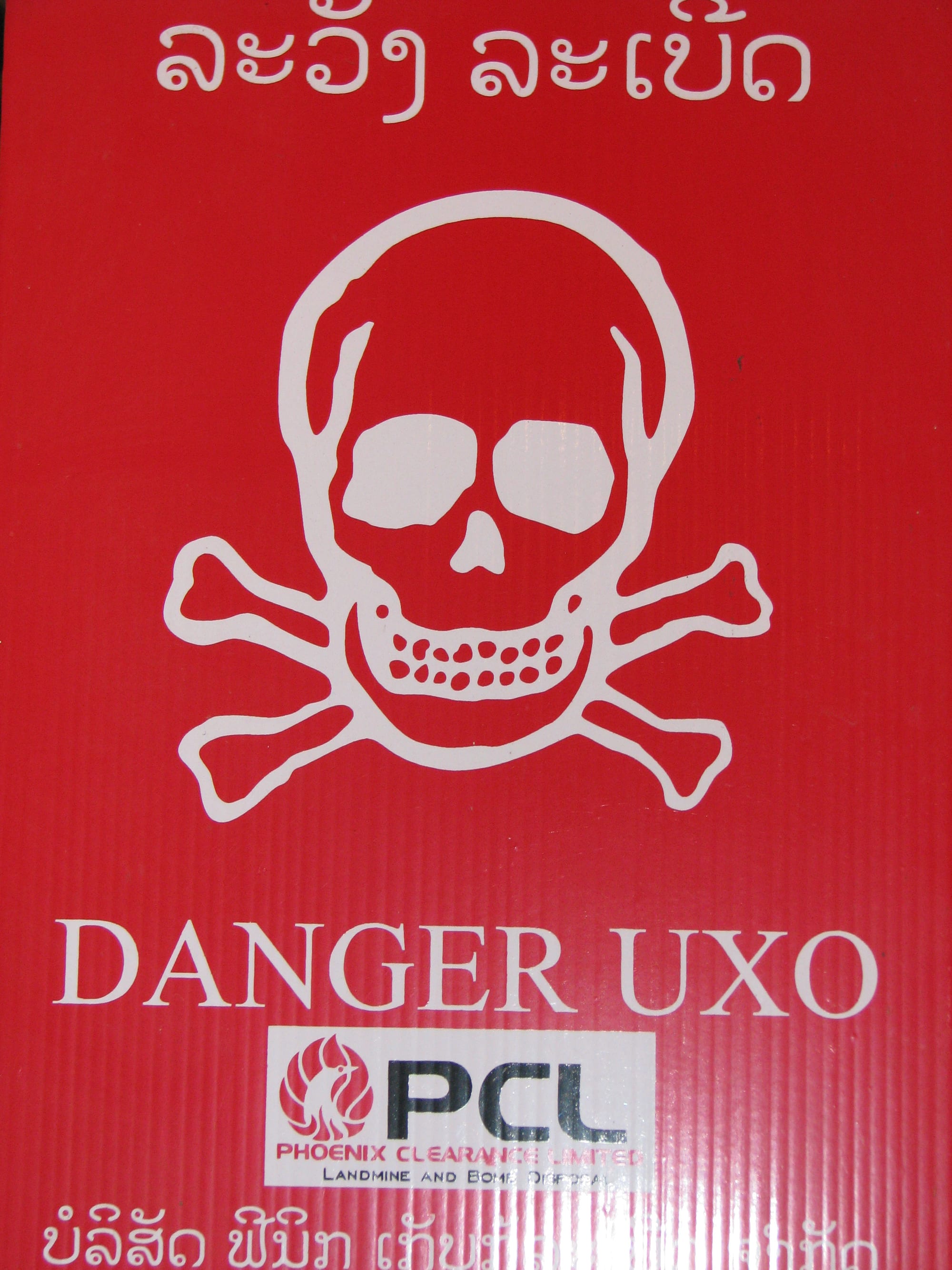
The CIA armed a Hmong "secret army", and Laos became, per head, the most heavily bombed country in history. The bombs are still killing people decades later.
The LPDR
As the United States left Indochina, the Pathet Lao took over. The monarchy was abolished in December 1975 and the Lao People's Democratic Republic proclaimed; the last king died in a re-education camp. Around 300,000 people — a tenth of the population, including most of the educated class and much of the Hmong community — fled abroad.
Isolated and very poor through the 1980s, Laos began market reforms in 1986, rejoined the world, and joined ASEAN in 1997.
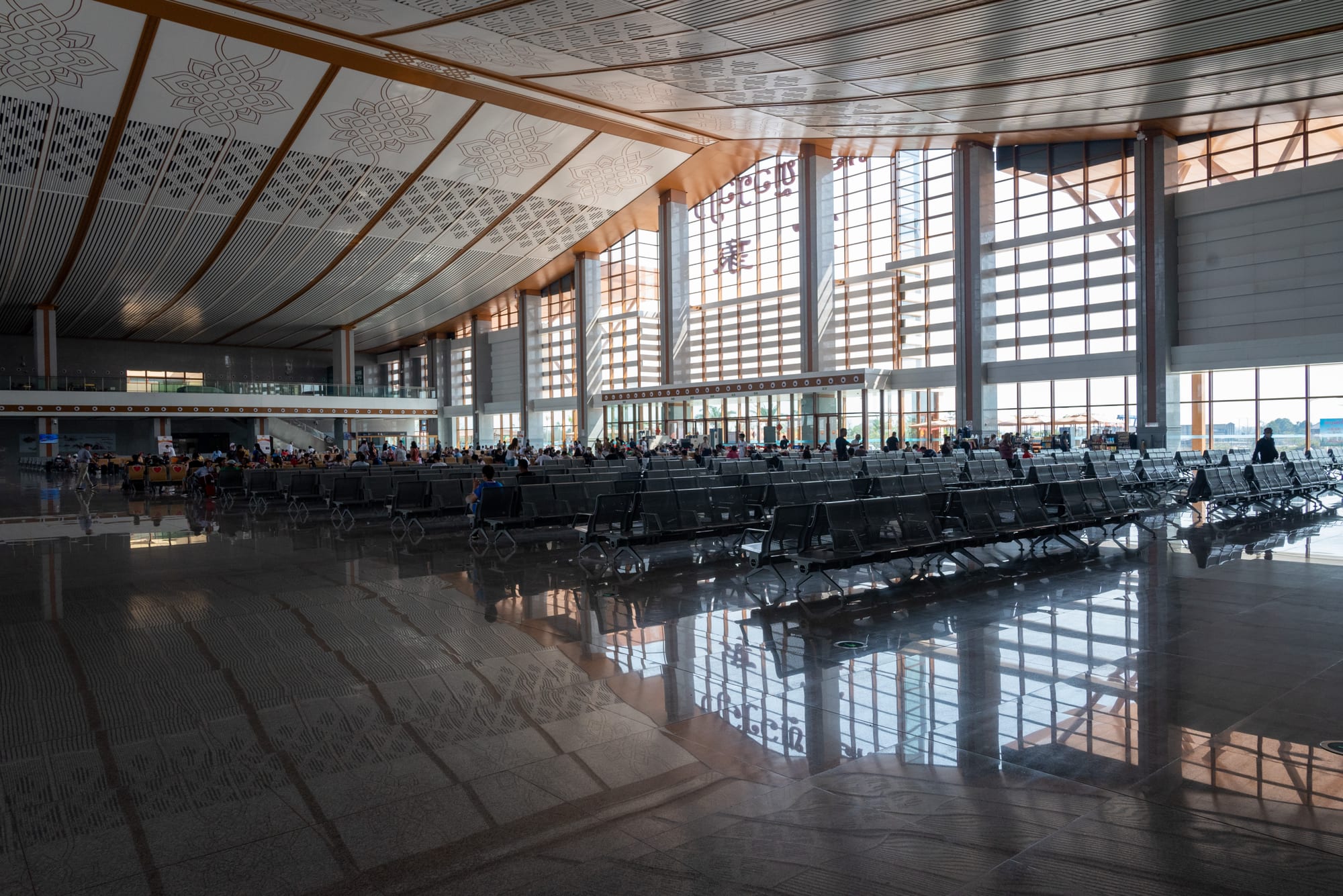
Growth since the 2000s has been driven by resources — hydropower dams exporting electricity to Thailand and Vietnam, mining, logging — and by China's Belt and Road, above all the railway to the Chinese border. A debt crisis and currency collapse followed in the early 2020s. Laos remains a one-party state with no free press, and among the least-developed countries in Asia.
What Laos carries
Laos's history is a study in being small between the strong. Lan Xang was a real kingdom, but for three centuries the Lao lands have been divided, deported, colonised, bombed, and courted for their rivers and their route to China. The country's most visible inheritance is the ordnance still in its soil; its most pressing question is how far the current dependence on Beijing will go.