History · Kuwait
Kuwait: The Pearling Town That Struck Oil
A trading port at the head of the Gulf, ruled by the Al Sabah since 1752 — a British protectorate, a sudden oil-fuelled fortune, the Iraqi invasion of 1990, and the Gulf's most powerful parliament
By Worldlore Editorial · 19 September 2026
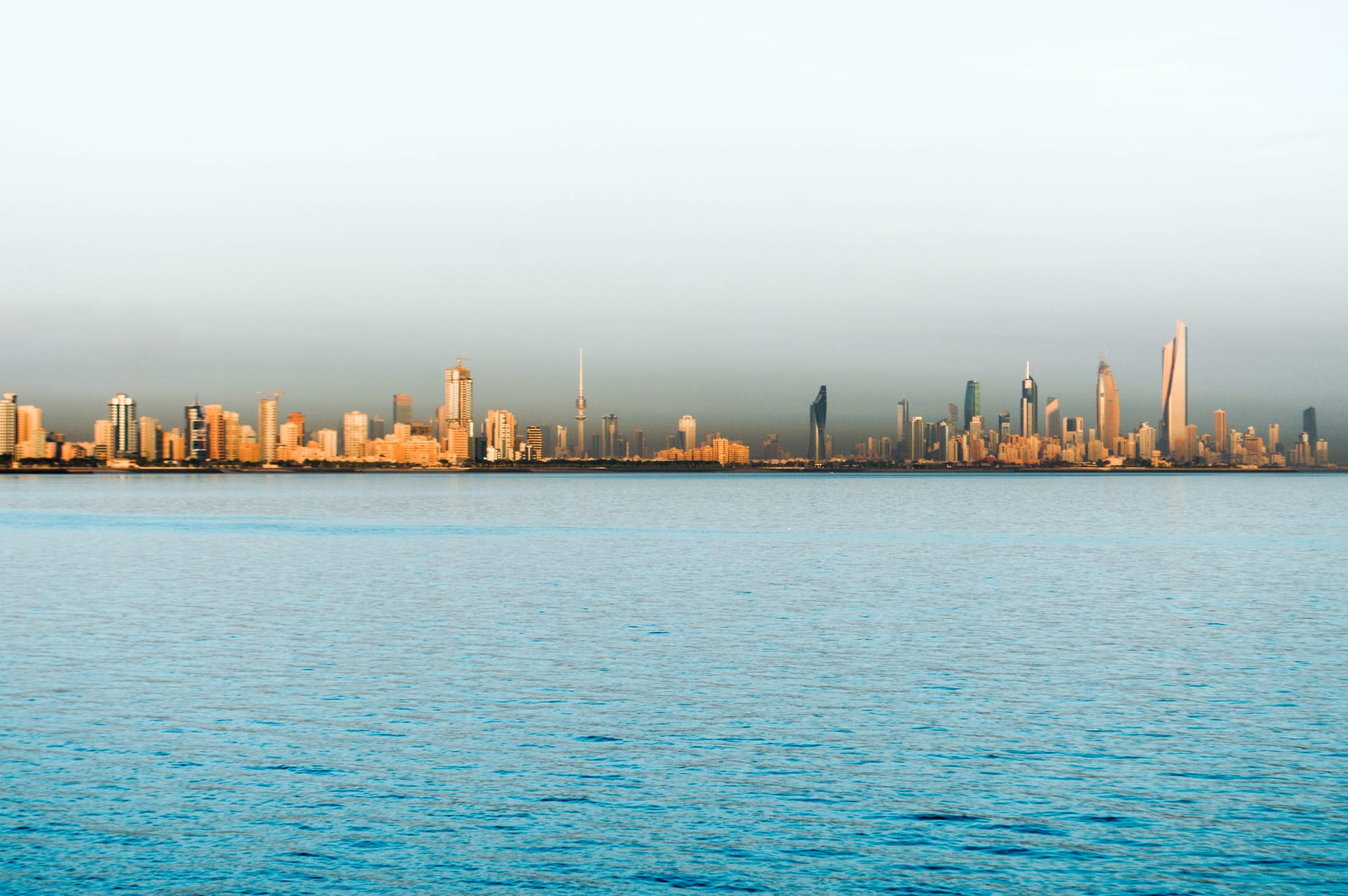
A small, rich, argumentative state
Kuwait sits at the head of the Persian Gulf, wedged between Iraq and Saudi Arabia — a flat, hot country of about 4.9 million people, of whom only around 1.5 million are citizens. It has been ruled by the Al Sabah family since the 18th century, and it is very rich, on oil. It is also unusual in the Gulf for having a genuinely powerful elected parliament, whose long struggle with the ruling family has shaped its modern politics.
A short history
- c. 1752
The Al Sabah
Bani Utub settlers choose Sabah I as ruler of Kuwait.
- 18th–19th centuries
The trading port
Pearl diving, dhow-building, and Gulf trade.
- 1899
British protection
Sheikh Mubarak signs a treaty with Britain.
- 1922
The borders
The Uqair Protocol fixes Kuwait's frontiers with Saudi Arabia and Iraq.
- 1938
The Burgan field
One of the world's largest oil discoveries.
- 1961
Independence
Britain ends the protectorate; Iraq claims Kuwait.
- 1962–1963
Constitution and parliament
An elected National Assembly is created.
- 1990–1991
The Iraqi invasion
A seven-month occupation ends in the Gulf War.
- 2024
Assembly suspended
The emir shelves parliament and part of the constitution.
The trading town
Kuwait — "little fort" — was founded on the bay in the early 18th century, when clans of the Bani Utub migrated from central Arabia and, around 1752, chose Sabah I as their ruler. It grew into a trading port and a centre of pearl diving and dhow-building; Kuwaiti ships traded across the Gulf and Indian Ocean to India and East Africa, and a merchant elite shared influence with the ruling family.
To keep off Ottoman claims and Gulf rivals, Sheikh Mubarak "the Great" signed a protection treaty with Britain in 1899 — Britain handling Kuwait's foreign affairs in exchange for a subsidy and defence. In 1922 a British-drawn protocol fixed Kuwait's borders, cutting off much of its claimed hinterland; Iraq never fully accepted the line.
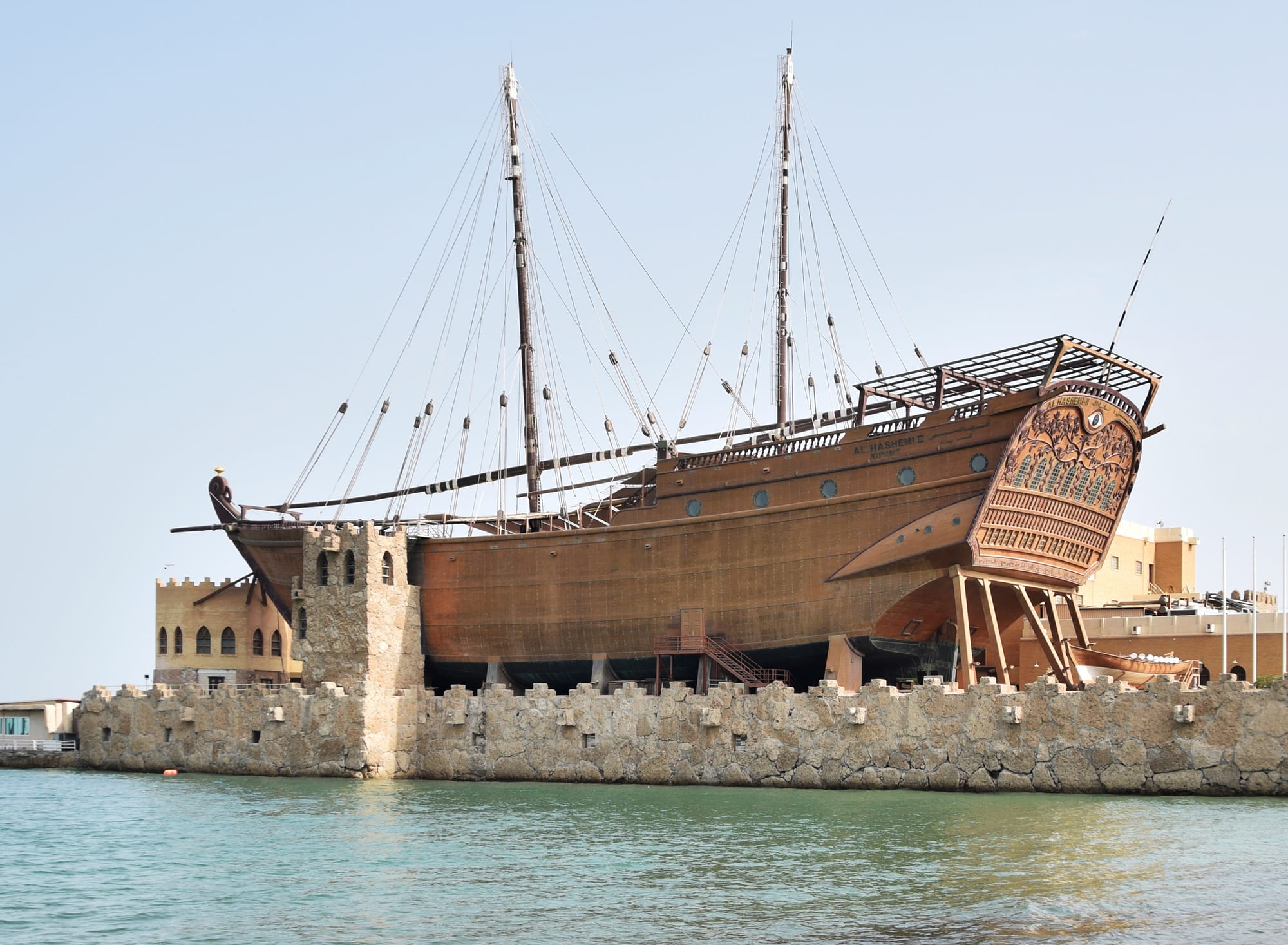
Oil and independence
Oil was discovered at the vast Burgan field in 1938, and exports began after the Second World War. The transformation was rapid and total: within a generation Kuwait went from a poor pearling town to a comprehensive welfare state — free health care and education, guaranteed public jobs, no income tax — rebuilt from the ground up, and drawing in hundreds of thousands of foreign workers.
Britain ended the protectorate on 19 June 1961. Iraq immediately claimed Kuwait as part of Basra province; British and then Arab League troops deployed, and the crisis passed. Kuwait adopted a constitution in 1962 and elected its first National Assembly in 1963 — a real, if limited, legislature. It has been suspended by the emir several times and always restored; women gained the vote in 2005.
The invasion
On 2 August 1990, Saddam Hussein's Iraq invaded and annexed Kuwait, citing the old border dispute, an oil-pricing quarrel, and unpaid Iraqi war debts. The seven-month occupation brought looting, torture and executions; around a thousand Kuwaitis were killed and hundreds more disappeared, while the government ruled from Saudi Arabia.
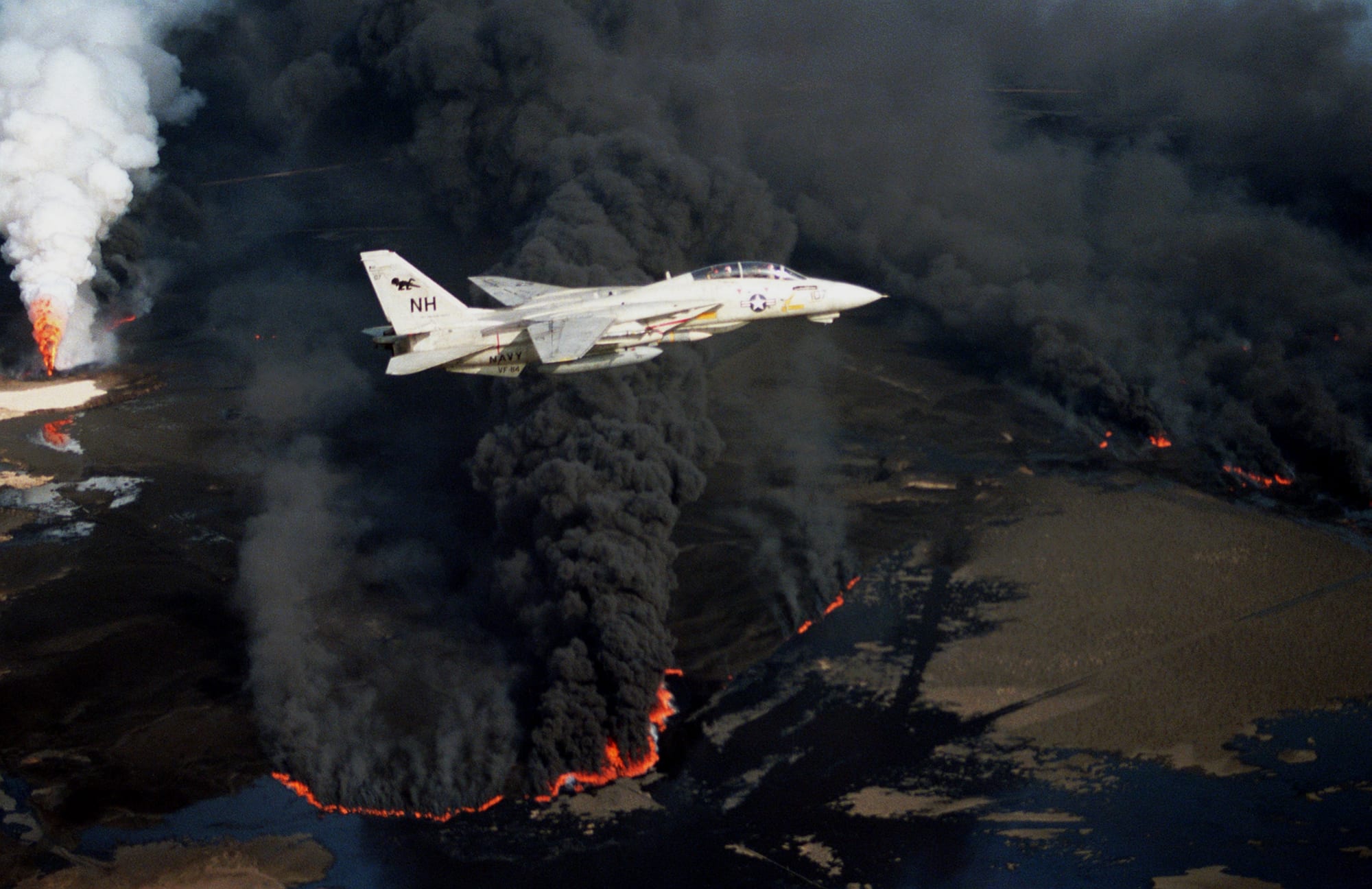
A US-led coalition of some 35 nations, authorised by the UN, launched Operation Desert Storm in January 1991 and liberated Kuwait in about six weeks. Afterwards, Kuwait expelled some 400,000 Palestinians, whose leadership had backed Iraq.
Kuwait now
Kuwait rebuilt quickly on oil money, and its sovereign wealth fund is among the world's oldest and largest. But politics has been gridlocked for decades: the elected Assembly and the Al Sabah-appointed cabinet clash repeatedly, producing frequent government collapses and dissolutions, and Kuwait has lagged behind the UAE and Qatar in diversifying and building.
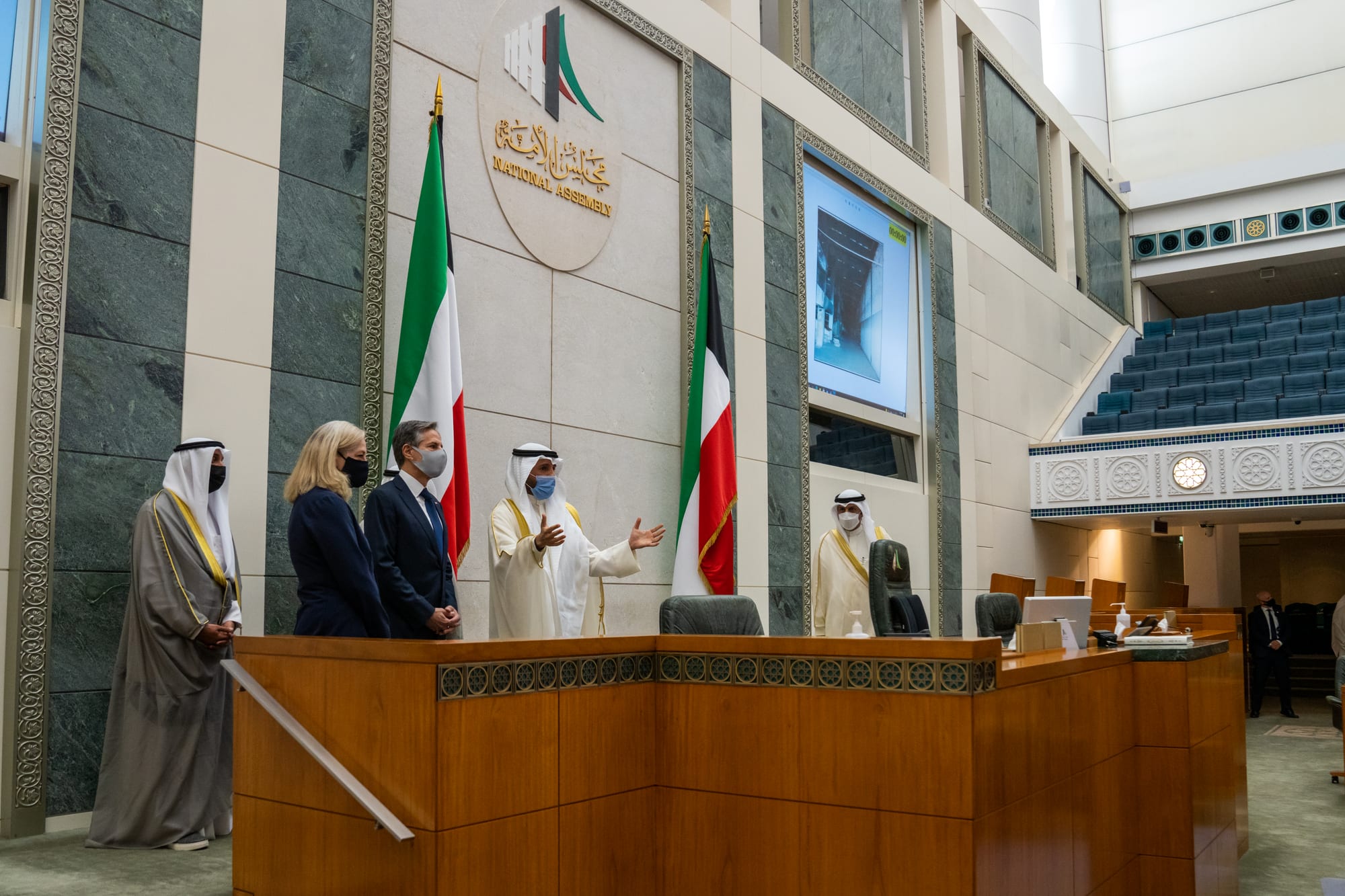
Kuwait remains a rich rentier state, dependent on oil for about 90 per cent of revenue and on foreign labour for most of its workforce, with a large stateless "Bidoon" population denied citizenship.
What Kuwait carries
Kuwait's wealth arrived suddenly and from underground, turning a merchant town into a welfare state almost overnight. Two things have defined the country since: the memory of 1990, when a neighbour tried to erase it from the map, and the unresolved tug-of-war between a ruling family and an elected assembly that neither can quite win — a contest that gave Kuwait the most open politics in the Gulf, and, in 2024, a sharp step back from it.