Culture & Customs · Kuwait
Kuwait: Talking It Over in the Diwaniya
A Gulf state where Islam is the religion of the state, the evening gathering is a national institution, and customs from the henna night to the bisht are shared with the whole Arabian Peninsula
By Worldlore Editorial · 30 September 2026
Men arrive at a diwaniya. It might be a room in a family home, a space in a public building or simply a tent, and those who come may be relatives, neighbours, friends or colleagues of every age and background. Talk moves from family matters to community issues, politics and the day's news. Among the guests are young men who say little but watch closely, learning how to greet the room, where to sit and which subjects are suitable. UNESCO, which added the diwaniya to its list of intangible cultural heritage in 2025, describes it as a unifying practice in Kuwait and a way of passing the community's values, customs and knowledge to the next generation. For all its informality, it is one of the clearest windows onto how Kuwaiti society works.
Faith, identity and values
Islam shapes both public life and the law. The constitution declares Islam the religion of the state and names sharia as a main source of legislation, while describing freedom of belief as "absolute" and protecting the practice of all religions so long as it accords with established customs and does not conflict with public policy or morals. It also states that all individuals are equal before the law, regardless of religion.
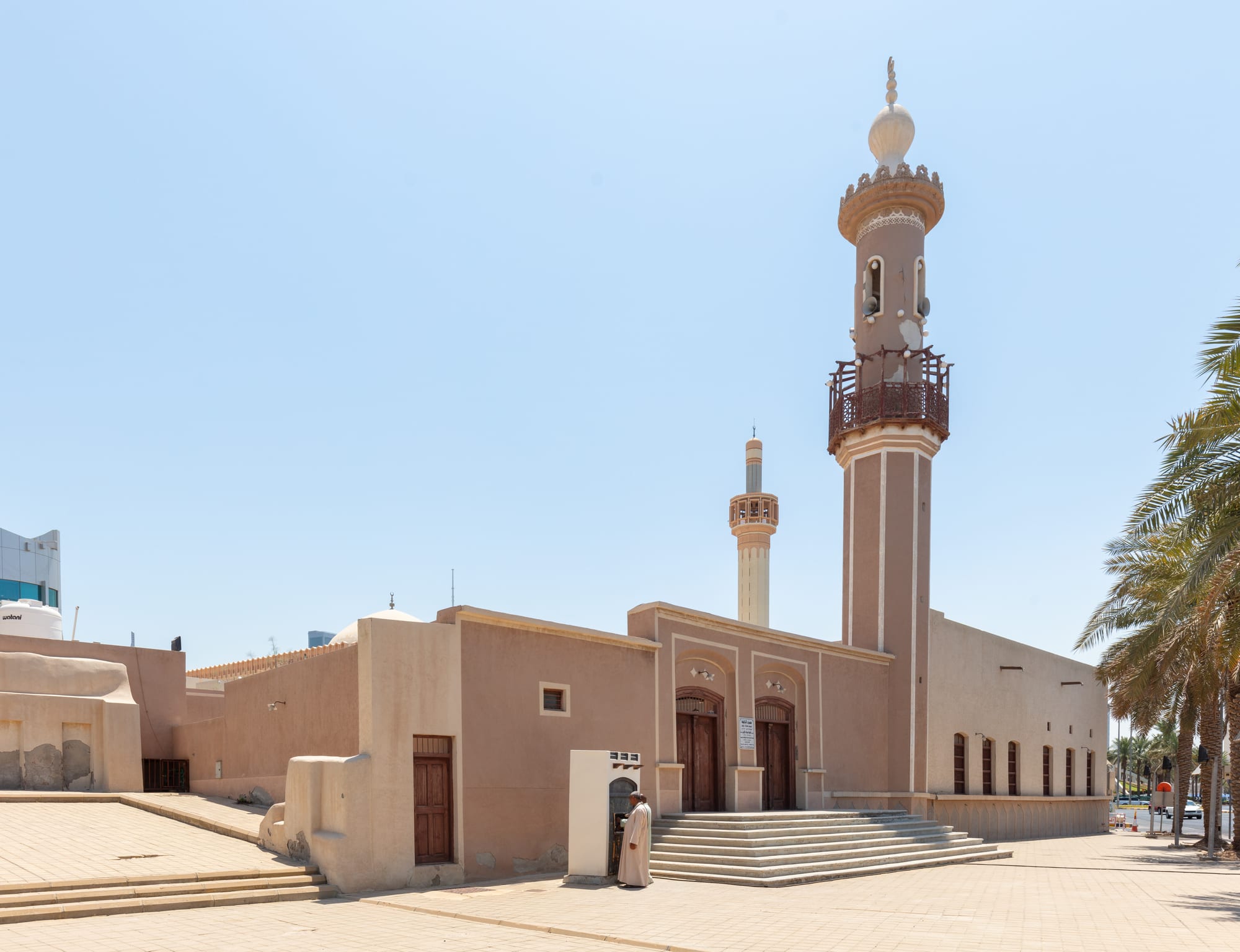
Kuwait's population is unusually diverse. Official figures for 2023 put the number of citizens at about 1.5 million and non-citizens at about 3.3 million. Around three-quarters of all residents are Muslim. Among citizens, non-governmental organisations and the media estimate that roughly 70 per cent are Sunni and 30 per cent Shia, and the two communities generally live side by side throughout the country. About one resident in six is Christian, almost all of them foreign nationals, and the country is also home to large Hindu and Buddhist communities, as well as Sikhs, Druze and Baha'is.
Religious observance sets the rhythm of the year, and some of it is written into law. During Ramadan, eating, drinking and smoking in public during daylight hours is prohibited for everyone, Muslim or not, and offenders can be fined or briefly imprisoned. Alcohol is illegal to possess, import, trade or make, and the import and sale of pork products is also banned. The law prohibits defamation of the three Abrahamic faiths, and Islamic religious instruction is compulsory for Muslim pupils at every level of schooling.
Community life finds its most visible expression in the diwaniya, but the same values surface in the customs that mark family life, many of which Kuwait shares with its Gulf neighbours and has put forward jointly to UNESCO: henna, the bisht cloak, Al Sadu weaving, Arabic calligraphy and the knowledge and traditions surrounding the date palm. In describing henna, UNESCO notes that such practices strengthen social bonds and help people communicate, which is as good a summary as any of what these traditions are for.
Greetings and meeting people
Handshakes are customary when people are introduced. Between men and women, however, it is important to let the other person decide: a man should wait for a woman to offer her hand before extending his own, and the same applies in reverse. It is not unusual to see men greet each other with kisses on both cheeks. In business settings, the exchange of business cards is customary and dress is professional and conservative.
Clothing itself says a great deal. Many Kuwaitis wear traditional Gulf dress: the dishdasha, an ankle-length garment, for men, and for women the abaya, a long black cloak. Western clothes are acceptable for visitors, but they should remain modest. On special occasions men may add the bisht, a flowing outer cloak draped over the shoulders, wrapped across the chest and held on one side. UNESCO notes one telling detail of how it is worn: it is held so as to leave the right hand free for greetings.
Formality varies from one gathering to the next. Some diwaniyas are formal, with guests in traditional dress, while others are relaxed and may include games and entertainment. What stays constant is the attention paid to arrival and seating, the protocol that young men have traditionally learned simply by watching their elders.
Hospitality and being a guest
The diwaniya is where much Kuwaiti hospitality takes place, and it expands to meet the moments that matter. According to UNESCO, gatherings grow larger during Ramadan, at weddings and funerals, and during election campaigns. Some specialised diwaniyas bring together people of the same profession. The tradition has been largely male, but women have increasingly created diwaniyas of their own, opening new spaces for discussion and leadership.
Visitors are most likely to meet Kuwaiti hospitality over food and drink, and a few rules apply. No alcohol should ever be brought as a gift or served, since it is illegal, and pork products cannot legally be imported or sold. During Ramadan, restraint in public during daylight is expected of everyone, whatever their faith.
Dress matters as much at a gathering as in the street. Traditional Gulf dress is the norm for many hosts, and visitors in Western clothes are expected to keep them conservative, whether at a business meeting, a family occasion or a formal diwaniya where guests arrive in traditional dress.
Festivals and life's big moments
Ramadan, the holiest month of the year, has a much-loved custom for children. On the 13th, 14th or 15th night of the month, when the moon is full, children dress in traditional clothes and go around the neighbourhood in groups carrying small bags and singing special songs, knocking on doors to ask for sweets and nuts. The custom is known as gergean, and versions of it are also celebrated in other Gulf countries.
The civic calendar peaks in late February. National Day on 25 February marks the anniversary of the accession of Sheikh Abdullah Al-Salem Al Sabah, who signed the independence document in 1961; the national day was first held on 19 June, the date of independence, and was moved to his accession anniversary in 1964, partly to avoid the summer heat. Liberation Day follows on 26 February, marking the end of the Iraqi occupation in 1991. The government declares both as public holidays, closing ministries, public offices and schools.
Family milestones follow long-established customs. Henna, which UNESCO describes as a symbol of joy, is used in everyday life and above all on festive occasions such as births and weddings; Kuwait is one of sixteen Arab states that jointly placed the tradition on UNESCO's list. The bisht, too, is associated with life's great occasions and is worn at births, weddings, funerals, ceremonies and festivals. Weddings and funerals are also among the moments when diwaniyas fill up, as relatives, neighbours and friends gather to celebrate or to offer support.
Arts, crafts and music
Al Sadu weaving is the craft most closely identified with Kuwait's Bedouin heritage. According to UNESCO, where Kuwait inscribed it jointly with Saudi Arabia and Qatar, its main keepers are older Bedouin women who are master weavers. Working on a ground loom with natural fibres, they produce a tight, durable textile whose geometric patterns, repeated in rhythm and symmetry, reflect the desert environment, often in bright reds and oranges. Once made for everyday use, Al Sadu has become more a symbol of shared culture. Skills pass mostly within households, but since 2018 a national programme run by the Al Sadu Society with the Ministry of Education has trained art teachers at Sadu House, and more than 30,000 students have completed the course.
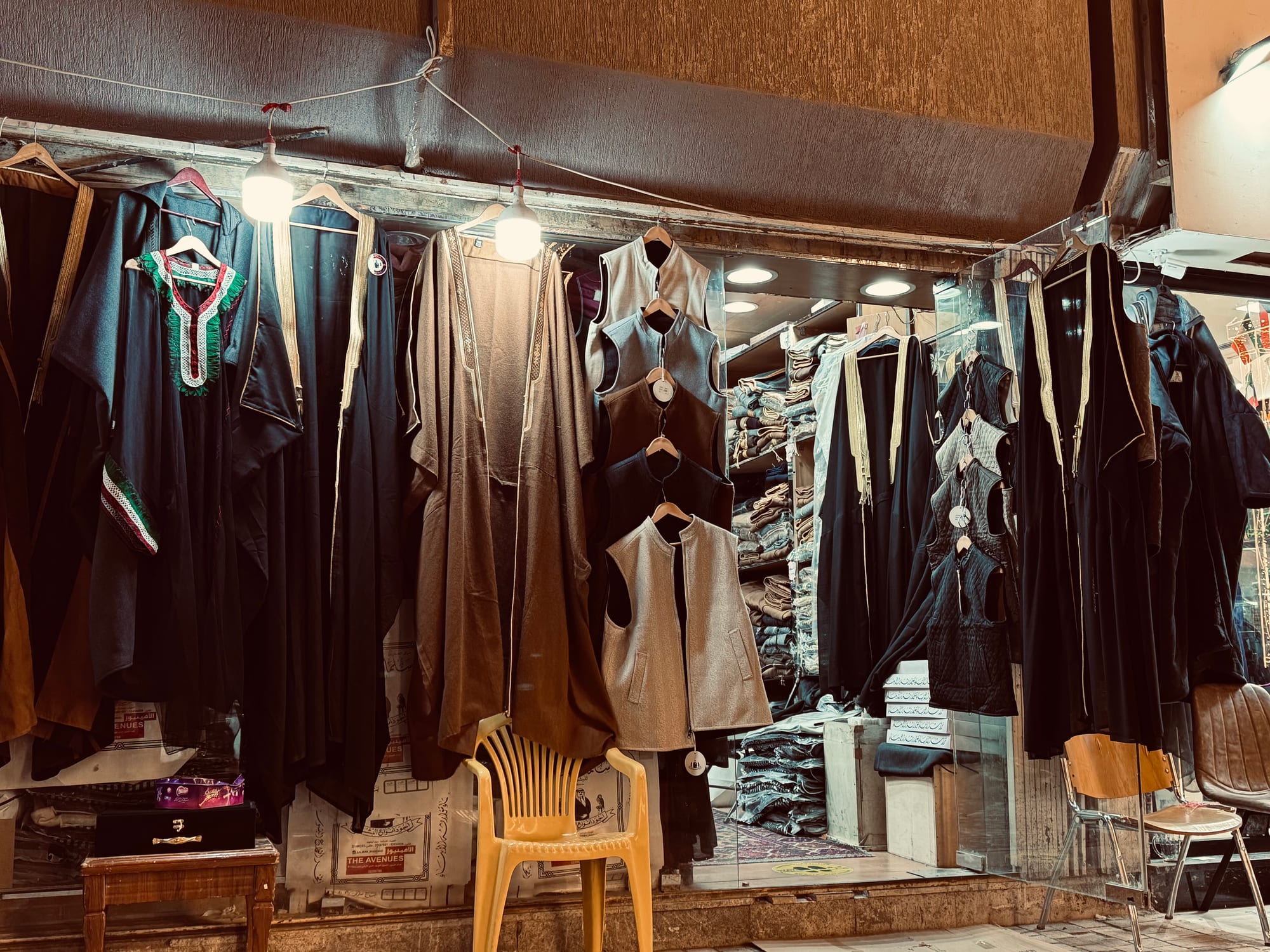
The bisht is a craft in its own right. It is made from natural materials such as wool and camel or goat hair, and its edges are embroidered by hand around the neckline and halfway down the garment with fine silk or gold- and silver-coated thread. Both men and women take part in making it, through spinning, dyeing, weaving and tailoring.
Music carries the memory of the sea. Fijiri is the sea music once sung aboard wooden dhows while rowing, setting sail or hauling anchor, and Kuwaitis often call it funoon al-bahar, the sea arts. A lead singer, the nahham, is answered by a chorus who clap and drum. The songs, as one ethnomusicologist quoted by the Smithsonian puts it, range over love, God, memory, disappointment, death, loss and joy. The pearl-diving fleets are long gone, but, as the Smithsonian notes, today's nahhams keep the tradition alive as artists and preservers of the repertoire, and Kuwaiti musicians have carried it into new forms on the concert stage. The founder of one such ensemble, Boom.Diwan, is the grandson of a pearl diver, and he met the percussionists who would join him through Kuwait City's diwaniyas, some of which double as informal music salons.
Kuwait also holds a special place in modern Arab entertainment. The actor Abdulhussein Abdulredha, whose career began in the 1960s, is regarded as the cornerstone of Gulf comedy and the driving force behind the golden age of Kuwaiti theatre in the 1970s and 1980s. His social and political observations, wrapped in comedy, are seen today as a record of the attitudes of their time. Ramadan has long been part of that story too: according to Fanack, the Abu Jassoum Theatre Troupe presented comic sketches during the holy month in the early days of Kuwaiti performance.
Dos and don'ts for visitors
- Do check the latest government travel advice before making any plans; Kuwait has been hit by aerial attacks during the 2026 Iran war, and its airspace has been closed and flights suspended since 28 February 2026.
- Do shake hands when introduced, but let a person of the opposite sex offer their hand first.
- Do dress modestly in public; Western clothes are fine if they are conservative.
- Don't eat, drink or smoke in public during daylight in Ramadan; the ban applies to everyone and can bring a fine or imprisonment.
- Don't bring, buy or drink alcohol; buying, selling, carrying or importing it is illegal and can lead to fines, imprisonment and deportation.
- Do accept an invitation to a diwaniya if one is offered, and follow the hosts' lead on greetings and seating.
- Don't disparage religion; the law prohibits defamation of the Abrahamic faiths.
- Do take the heat seriously, and keep off unmarked desert tracks near the northern border, where unexploded ordnance remains from 1991.
What to take away
Kuwait's customs are shaped by faith and by law, but their heart is the diwaniya — a room where people of every generation sit down together, listen, and talk things through.