Attractions & Natural Wonders · Kuwait
Kuwait: Eight Attractions and Natural Wonders
The blue-globed water towers on the Gulf, one of the last living traditional souqs in Arabia, a green park built over old defensive lines, and an island layered with Bronze Age and Greek ruins
By Worldlore Editorial · 19 September 2026
A small, rich country at the head of the Gulf
Kuwait is a small, flat, oil-rich country wedged between Iraq and Saudi Arabia at the northwestern corner of the Persian Gulf, with about 4.9 million people — most of them foreign workers — and one of the world's highest incomes per head. It has almost no natural relief or vegetation: the landscape is desert and coast. Its history turns on pearl-diving and trade before oil, and on the Iraqi invasion of 1990 and the war that expelled it. It has a small but growing visitor scene, and strict laws (alcohol is banned).
The eight below are almost all in and around Kuwait City. The bearable months are November to March; summer temperatures regularly exceed 45°C, among the hottest inhabited places on earth.
1. The Kuwait Towers
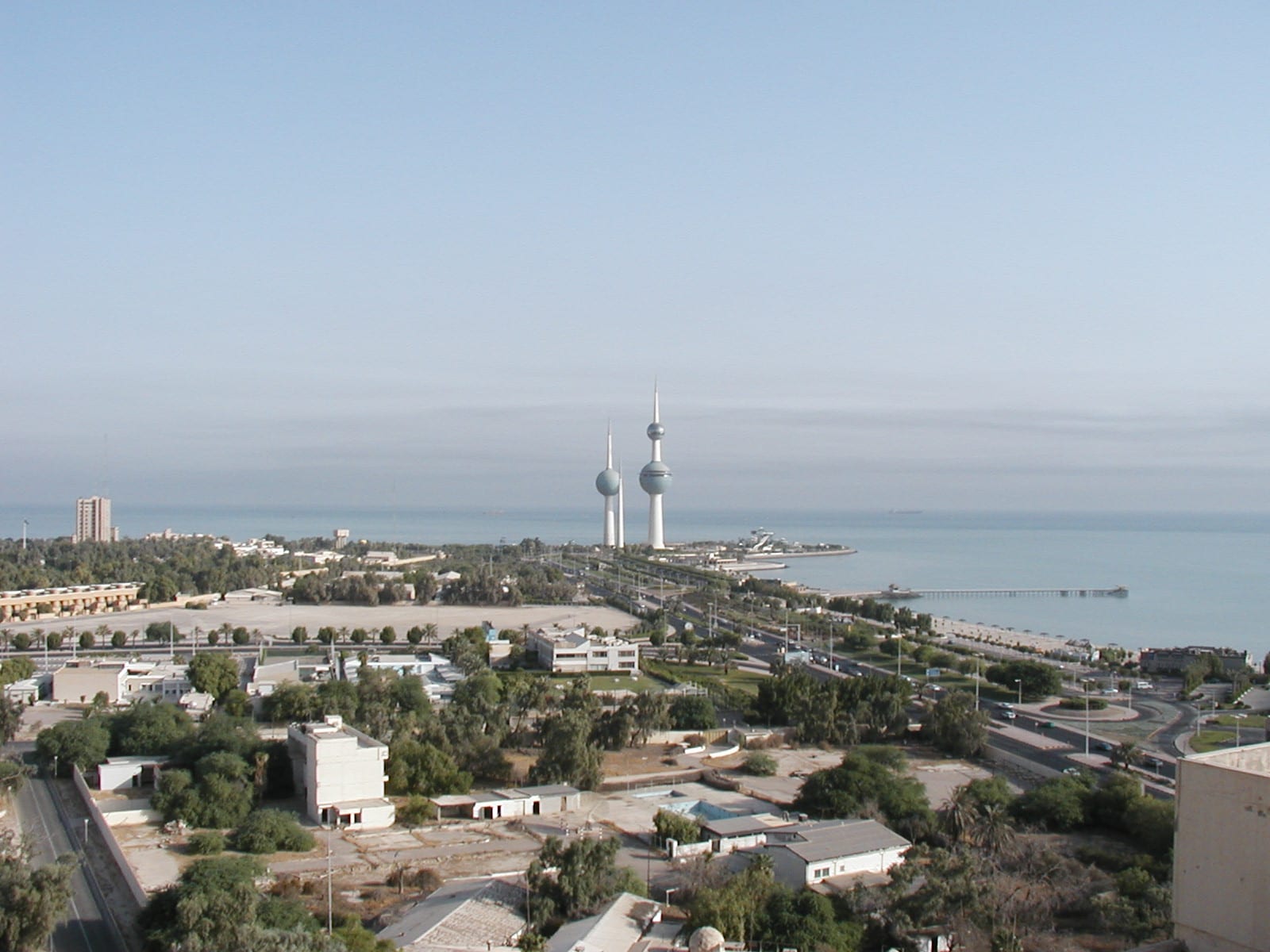
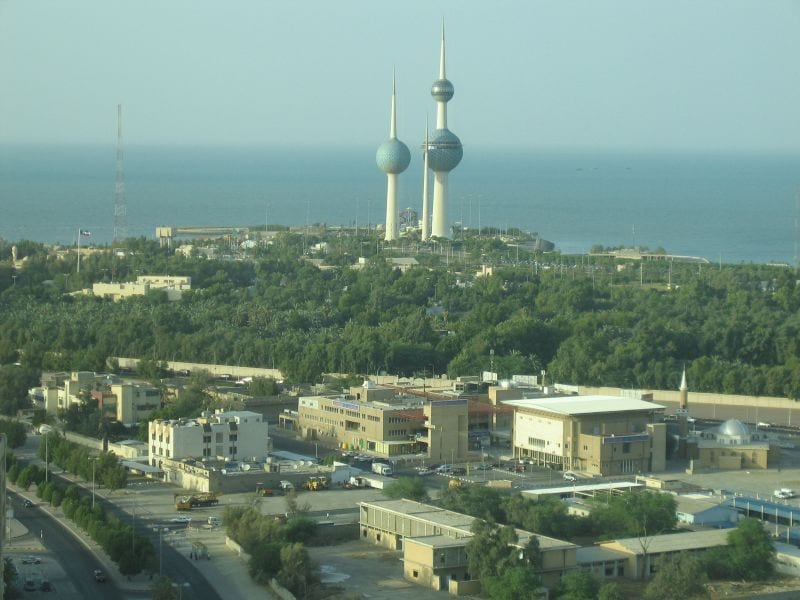
The three Kuwait Towers, on a promontory on the Gulf, are the country's icon — tapering concrete columns, two carrying spheres tiled in blue-green (one a water tank, the upper one a revolving viewing deck and café). Designed by Swedish architects and opened in 1979, they were damaged in the 1991 war and restored. The view takes in the whole city and coast.
They anchor the northern end of the seafront Corniche.
2. Kuwait City and the Corniche
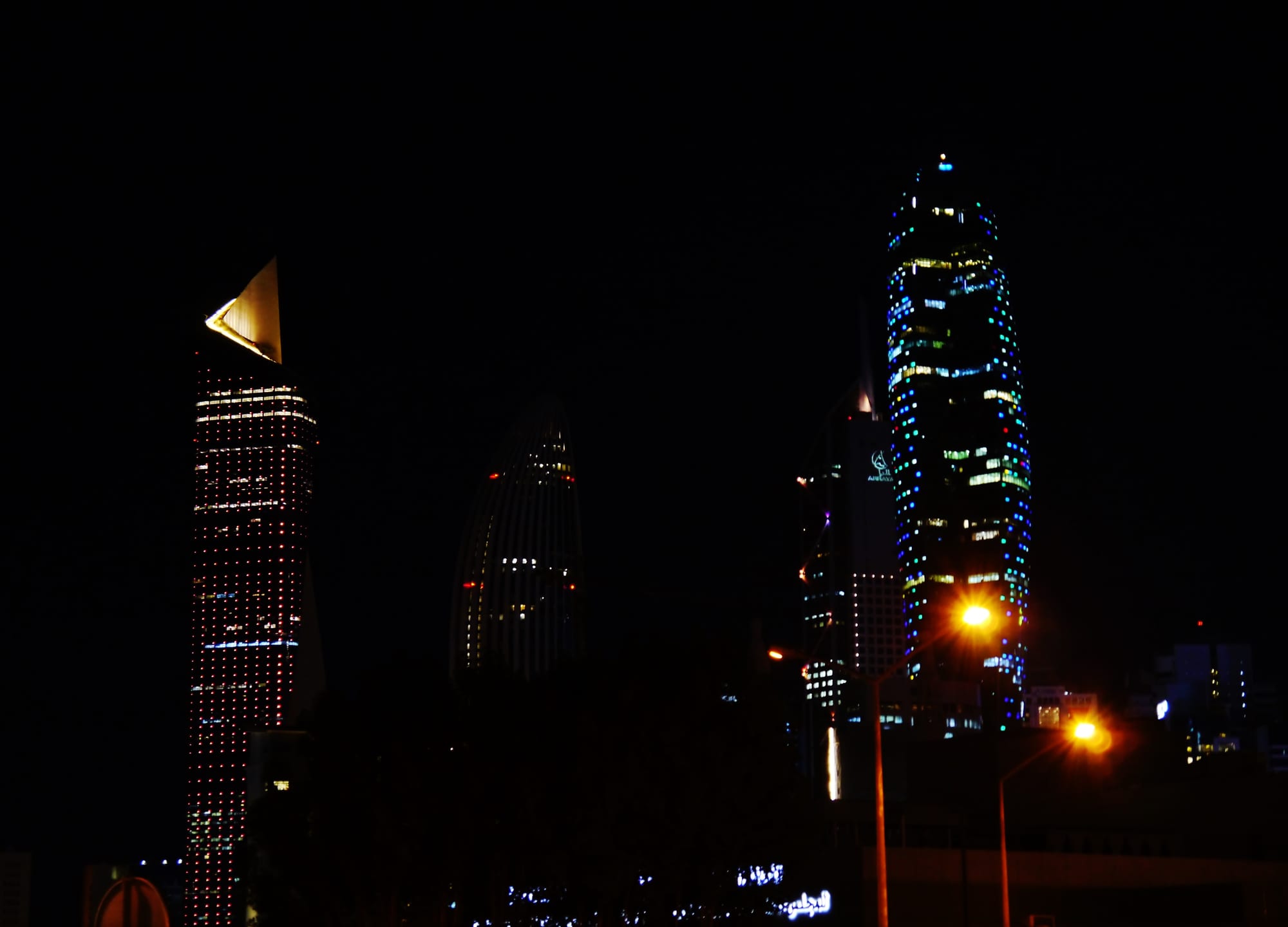
Kuwait City is a modern, low-rise-becoming-high-rise capital along the water. The Gulf Road (Corniche) runs for kilometres past beaches, marinas, and parks; the sculpturally twisted Al Hamra Tower is the tallest building; and the Scientific Center on the waterfront has one of the region's largest aquariums and a dhow harbour. Green Island, an artificial island just offshore, is a landscaped park.
Evenings on the Corniche, when the heat drops, are when the city comes out.
3. Souq Al-Mubarakiya
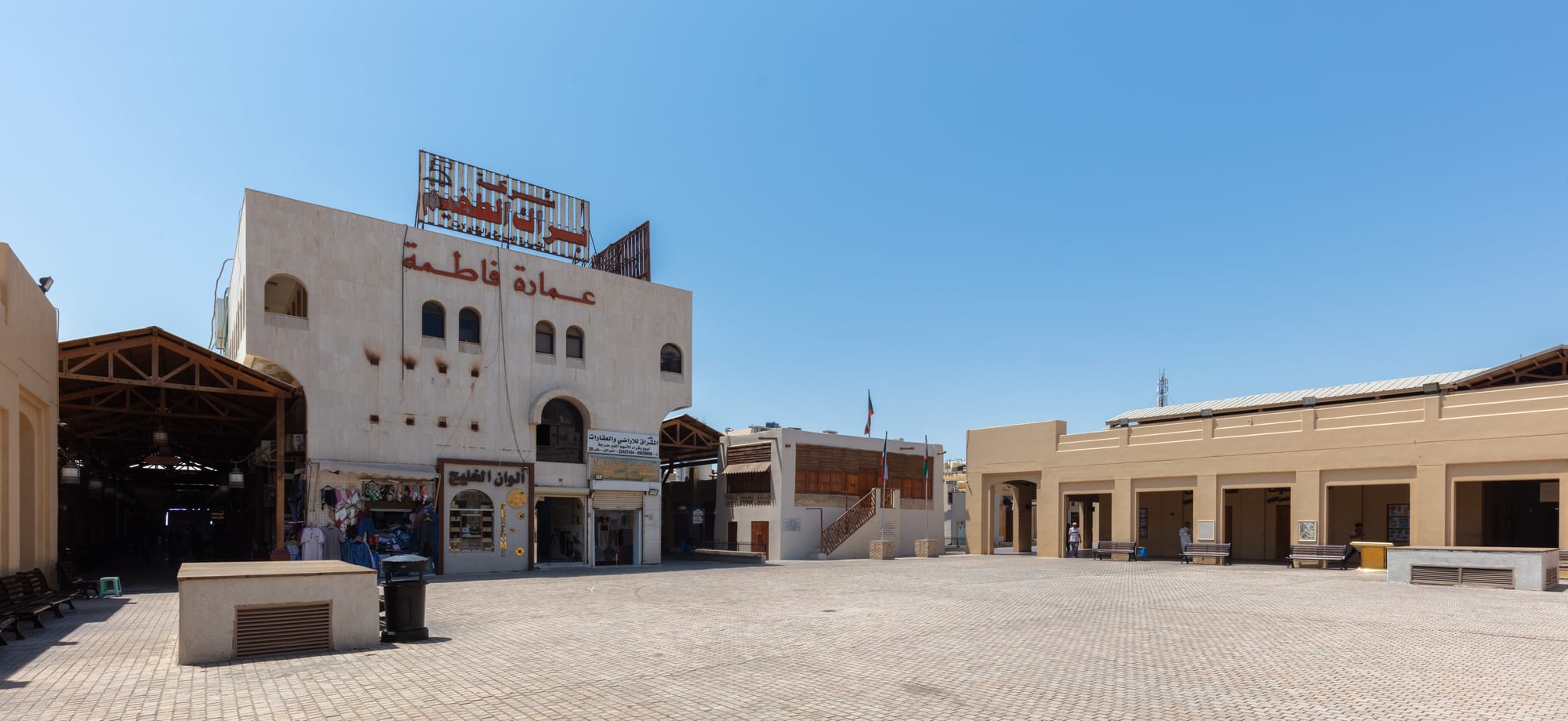
Al-Mubarakiya is the historic heart of the city — a partly covered warren of alleys selling spices, dates, gold, oud, dried fish, textiles, and household goods, with old-style coffee houses and restaurants tucked among them. Parts predate the oil era; it survived the invasion and a later fire, and remains a genuinely working market rather than a reconstruction.
It is liveliest in the evening and on weekends.
4. The Grand Mosque
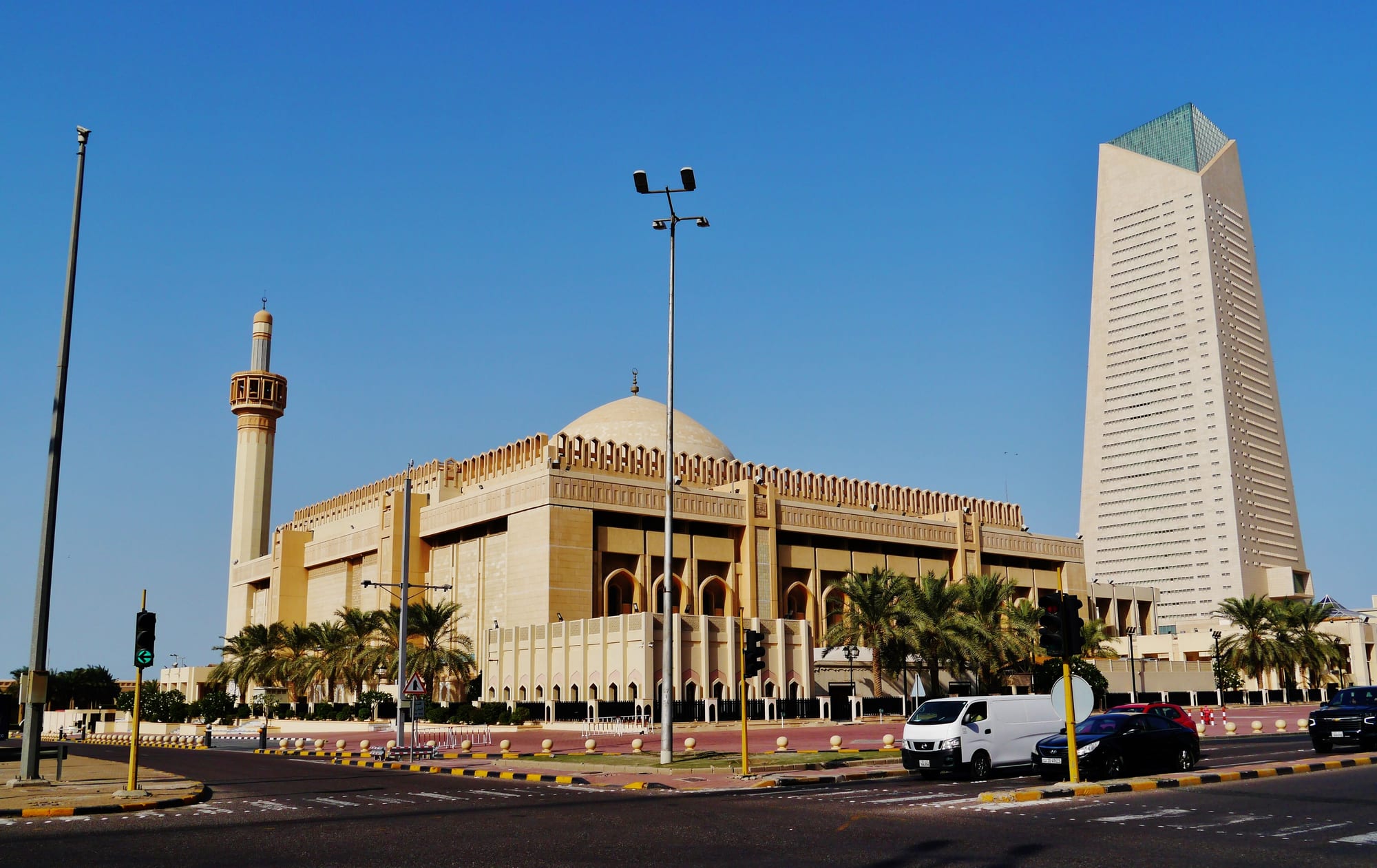
Kuwait's Grand Mosque, near the Seif Palace and the old city gates, holds up to around 10,000 worshippers under a 26-metre dome, with a vast Persian carpet and chandeliers of Italian glass. Free guided tours for non-Muslims (with modest dress and abayas provided) run on weekdays and are among the friendliest mosque visits in the Gulf.
Nearby are the surviving mud-brick city gates and the blue-and-white Seif Palace clock tower.
5. Al Shaheed Park and the museums
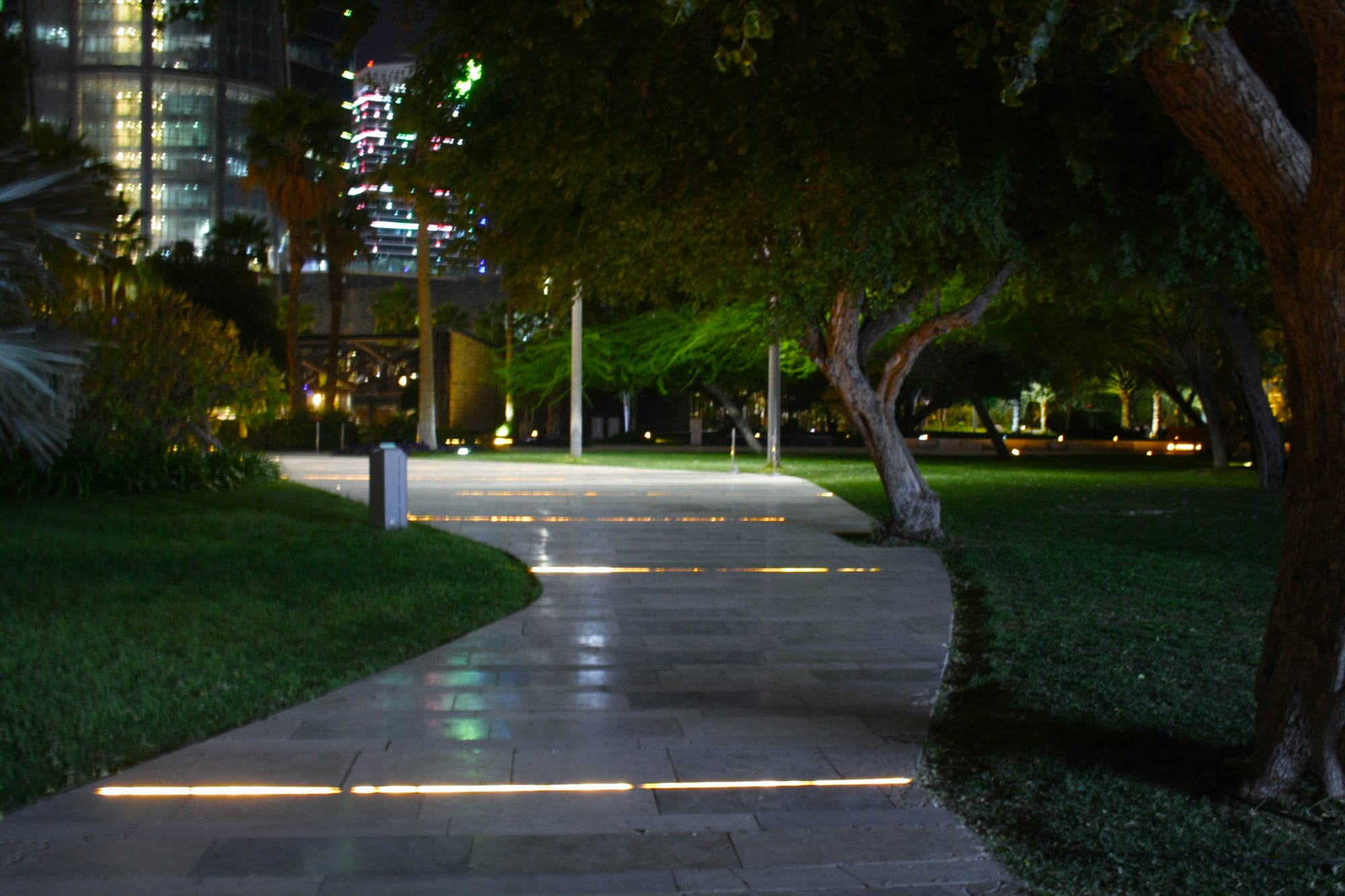
Al Shaheed ("Martyr") Park, opened in 2015 on the line of the old defensive wall, is a rare large public garden with walking trails, lakes, and two underground museums — one on Kuwait's history and constitution, one on its habitats. Nearby, the Kuwait National Museum (rebuilt after being looted and burned in 1990) and the adjacent Al Sadu House and Bait Al Othman heritage museum fill out the cultural picture, along with the private Tareq Rajab museums of Islamic art and calligraphy.
Together these make a good half-day out of the sun.
6. Failaka Island
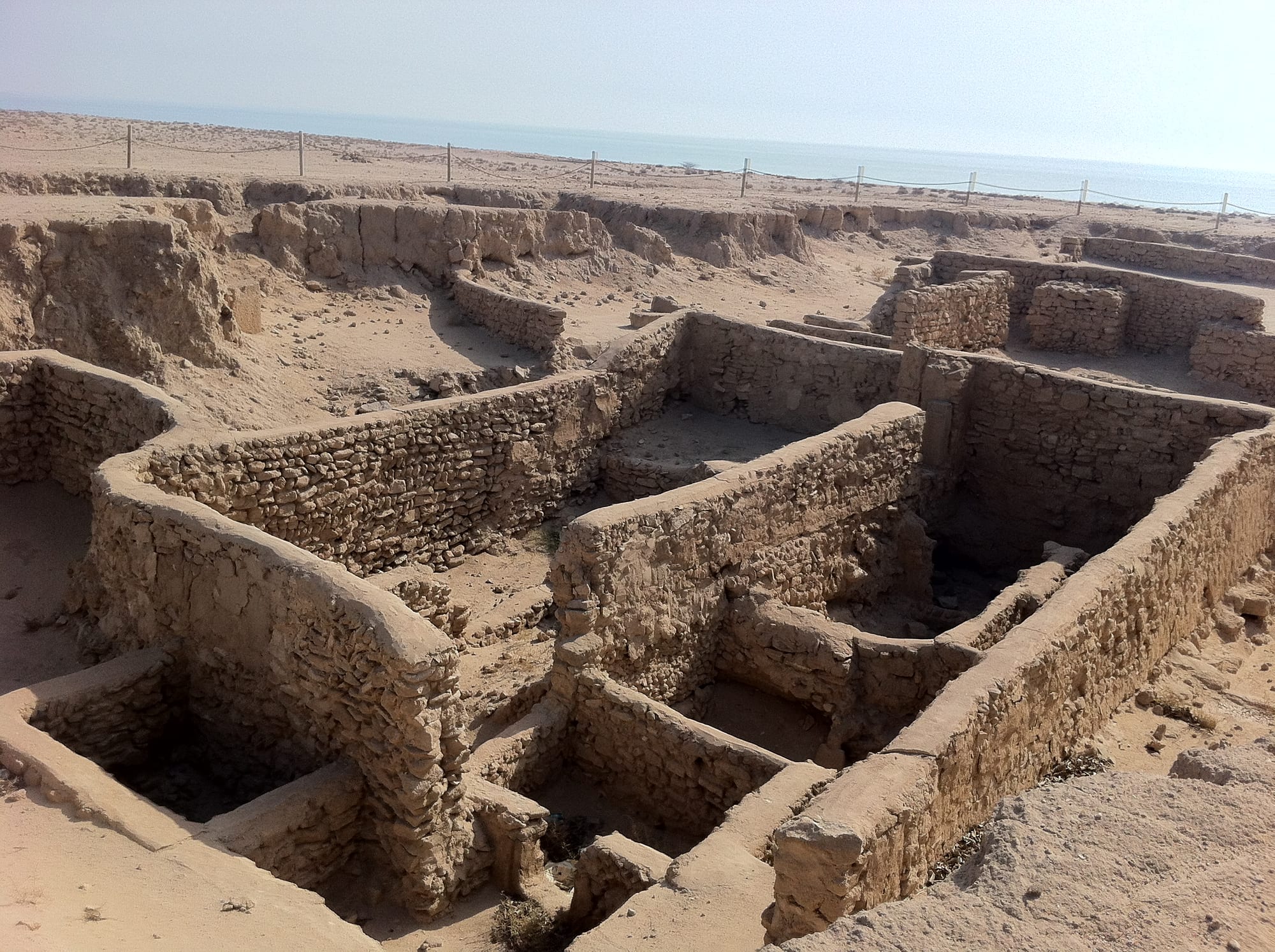
Failaka, an island in Kuwait Bay about 20 kilometres offshore, has the country's richest archaeology — a Bronze Age Dilmun temple and settlement, a Greek fort and temple from Alexander the Great's successors (who called it Ikaros), and later Islamic remains. Its village was evacuated during the Iraqi occupation and never resettled, so the island is also a haunting landscape of abandoned houses and war damage.
Ferries run from Kuwait City; the crossing takes about an hour and a half.
7. Sadu House and the Bedouin heritage
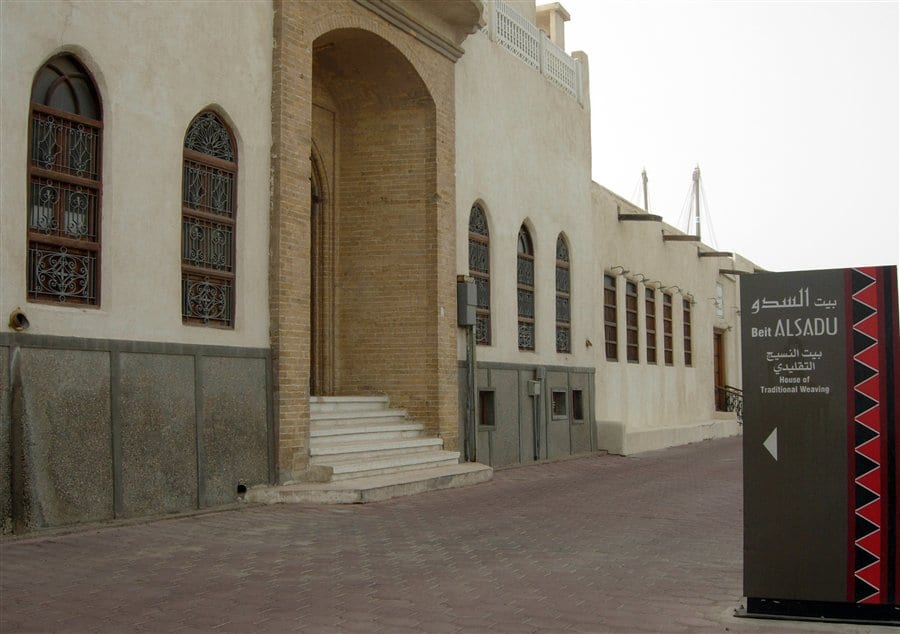
Sadu House, a traditional courtyard building near the National Museum, preserves and promotes al-sadu — the geometric woven textiles Bedouin women make from sheep, goat, and camel wool, used for tents and furnishings, and recognised by UNESCO as intangible heritage. It has a small museum, working looms, and a shop. It is a window on the pre-oil, desert side of Kuwaiti life.
The camel market at Al Rai and the Friday flea market are other glimpses of that world.
8. The memory of the invasion
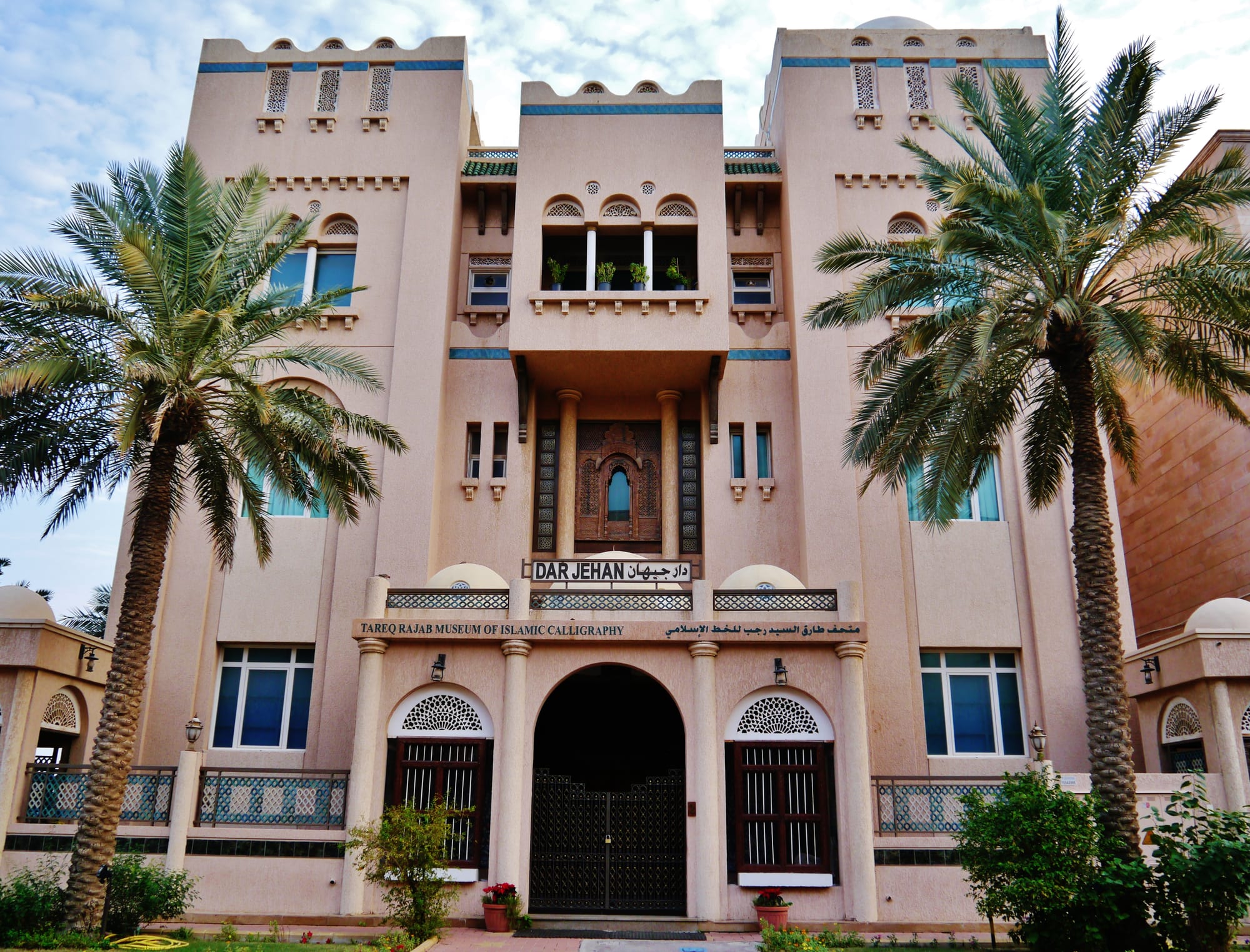
Kuwait's recent history is inescapable. Iraq invaded and annexed the country in August 1990; a US-led coalition drove its forces out in February 1991, during which retreating troops set more than 600 oil wells alight, blackening the sky for months. The Kuwait House of National Works ("Al Qurain Martyrs' Museum") preserves a house where a resistance cell made its last stand, and the National Museum tells the wider story. The private Tareq Rajab collections survived because their owners bricked up the entrances.
Kuwaitis mark Liberation Day on 26 February each year.
Kuwait is a short trip — two or three days covers the city, the souq, the mosque, the museums, and a day on Failaka. It is often combined with a wider Gulf itinerary.