History · Kosovo
Kosovo: The Contested Country
A small Balkan territory that is a heartland of Serbian Orthodoxy and has an overwhelming Albanian majority — five centuries under the Ottomans, a decade of repression, a war, NATO's intervention, and a disputed independence
By Worldlore Editorial · 19 September 2026
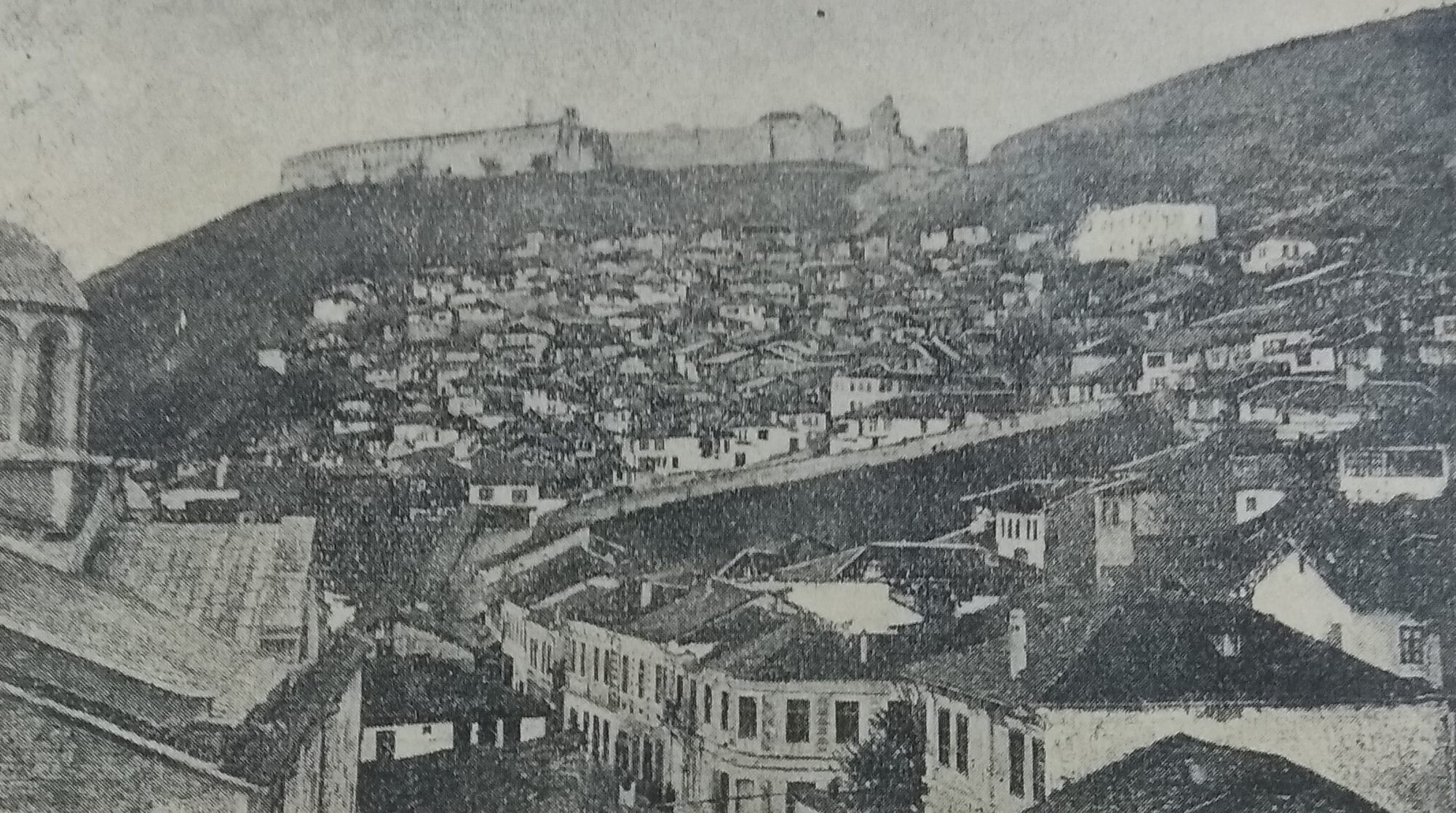
A place two nations claim
Kosovo is a landlocked territory in the central Balkans, about the size of a small county, with around 1.7 million people. More than nine in ten are ethnic Albanians; a Serb minority, roughly four per cent, is concentrated in the north and in scattered enclaves. It is also the site of the most sacred places of Serbian Orthodoxy and of the battle at the centre of Serbian national myth. Since 2008 it has been an independent state, recognised by around a hundred countries — but not by Serbia, Russia or China, and it is not a member of the United Nations.
A short history
- 12th–14th centuries
Medieval Serbia
Kosovo is the heartland of the Nemanjić kingdom and church.
- 1389
The Battle of Kosovo
Serbian and Ottoman armies clash; both leaders die.
- 15th century–1912
Ottoman rule
Islamisation and a shift toward an Albanian majority.
- 1878
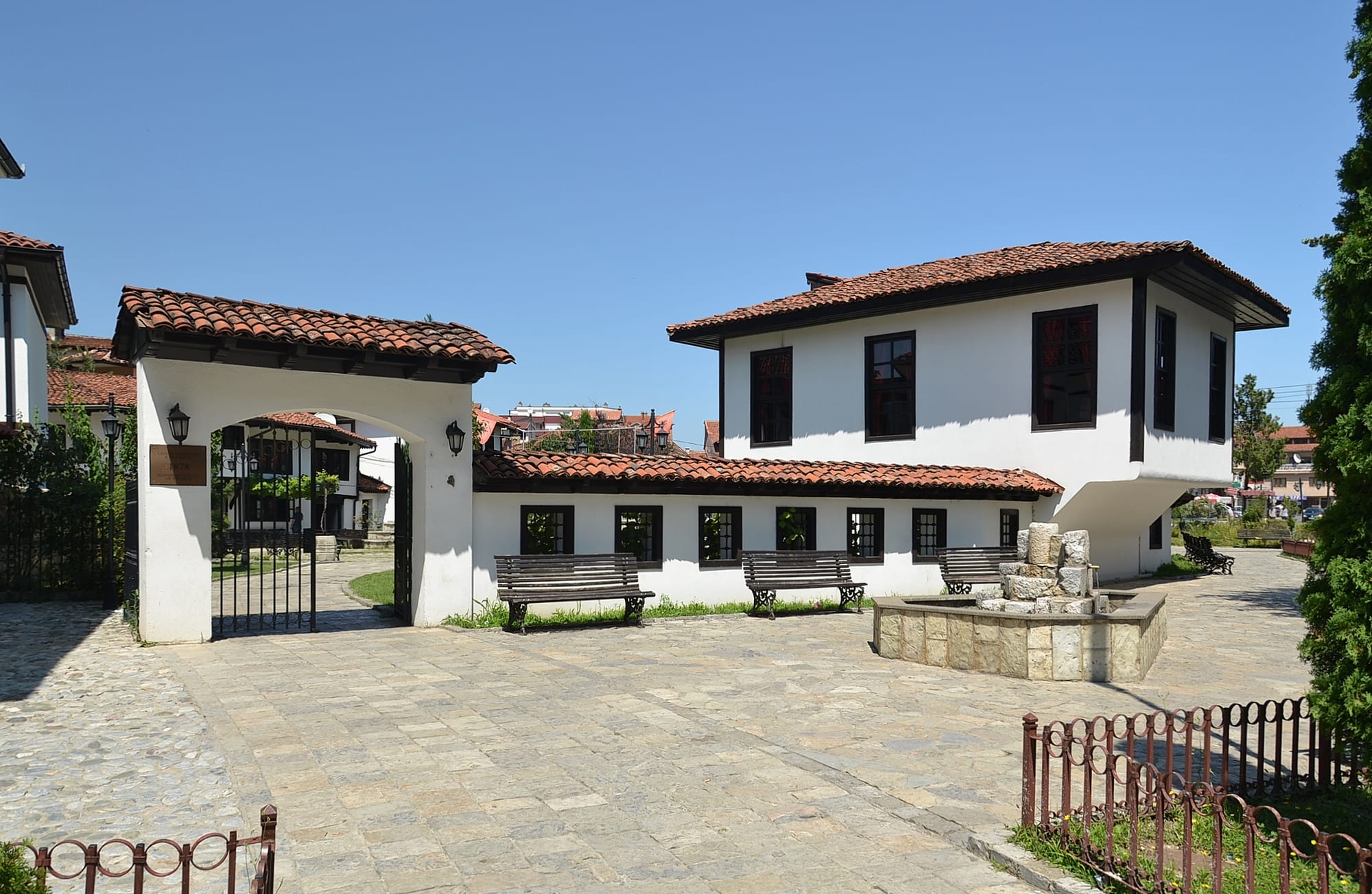
The League of Prizren
Albanian national movement founded in Kosovo.
- 1912–1918
Serbian and Yugoslav rule
Kosovo is taken from the Ottomans and incorporated into Serbia.
- 1974
Autonomy
Kosovo becomes an autonomous province with near-republic powers.
- 1989
Autonomy revoked
Milošević's Serbia imposes direct rule.
- 1998–1999
The war
Serbian counterinsurgency, mass expulsions, and a NATO air campaign.
- 2008
Independence
Kosovo's assembly declares statehood.
Medieval Serbia, and the battle
Ancient Dardania, then Roman and Byzantine, Kosovo became in the Middle Ages the core of the Serbian state — the seat of the Serbian Orthodox Patriarchate at Peć, and the site of great monasteries like Gračanica and Visoki Dečani. On 28 June 1389 a Serbian-led coalition met the Ottomans at the Field of Blackbirds; both the Serbian prince Lazar and Sultan Murad were killed, and the battle entered Serbian epic as the heroic defeat that sealed the medieval kingdom's fall.
Two histories of one land
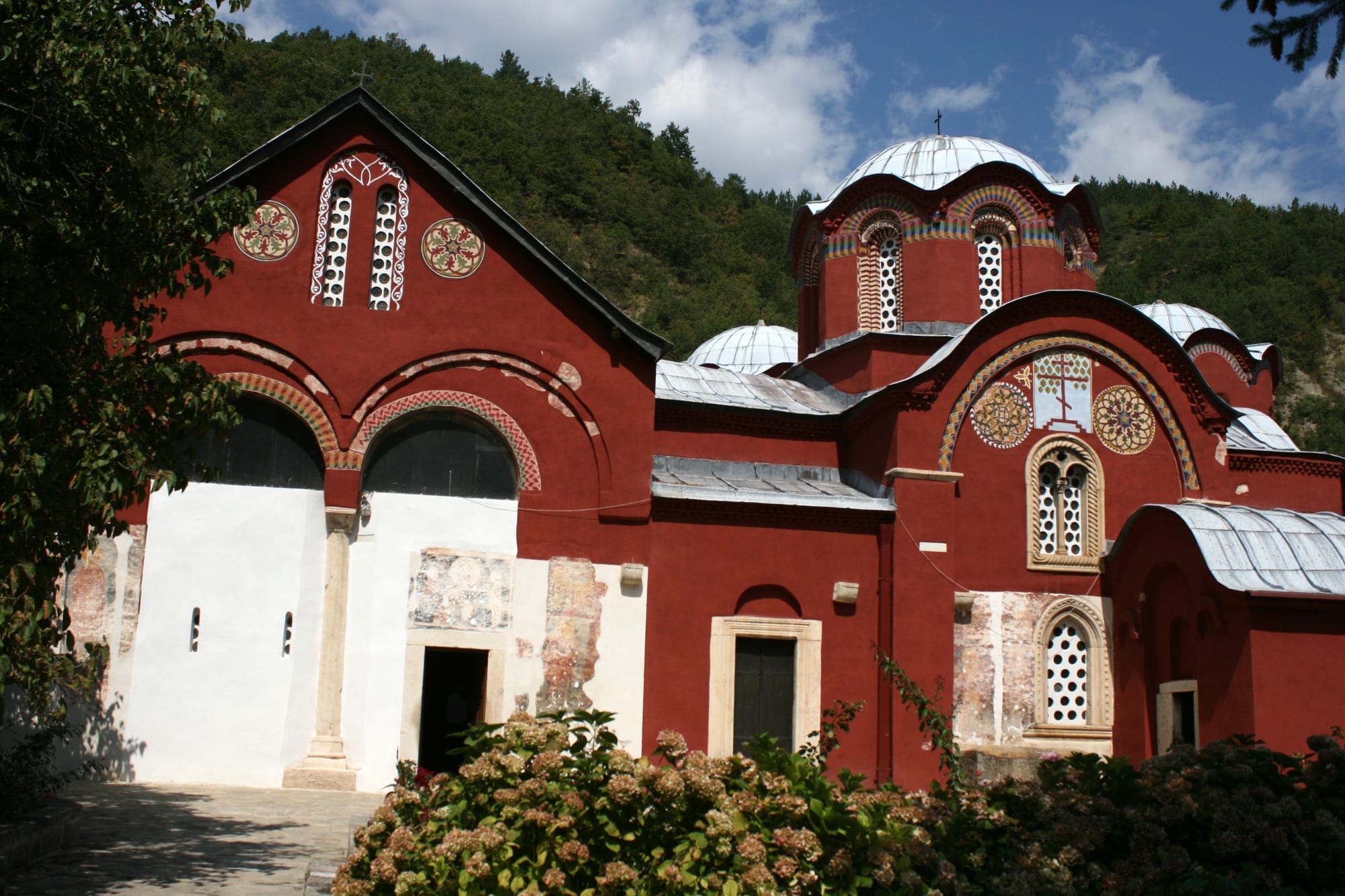
Under five centuries of Ottoman rule the population shifted: Albanian Muslims moved in and converted, while many Serbs migrated north — notably after failed revolts in 1690 and 1737. By the 1800s Kosovo was majority Albanian.
Serbia, Yugoslavia, and the loss of autonomy
Serbia and Montenegro took Kosovo from the Ottomans in 1912, and it became part of the Kingdom of Yugoslavia in 1918, through decades in which Albanians were largely shut out of public life. Socialist Yugoslavia's 1974 constitution then made Kosovo an autonomous province with nearly the powers of a republic — its own assembly, courts and Albanian-language university.
Slobodan Milošević rose to power in Serbia partly by championing Kosovo's Serbs, and in 1989 his government revoked Kosovo's autonomy and imposed direct rule, dismissing Albanians en masse and closing their institutions. Kosovo Albanians responded with a decade of non-violent parallel institutions under Ibrahim Rugova — until the 1995 Dayton Agreement ignored Kosovo, and the armed Kosovo Liberation Army took the field.
The war and NATO
Serbian forces waged a harsh counterinsurgency against the KLA and Albanian civilians. After talks failed, NATO began a 78-day bombing campaign against Yugoslavia in March 1999 — carried out without UN Security Council authorisation, and legally contested ever since.
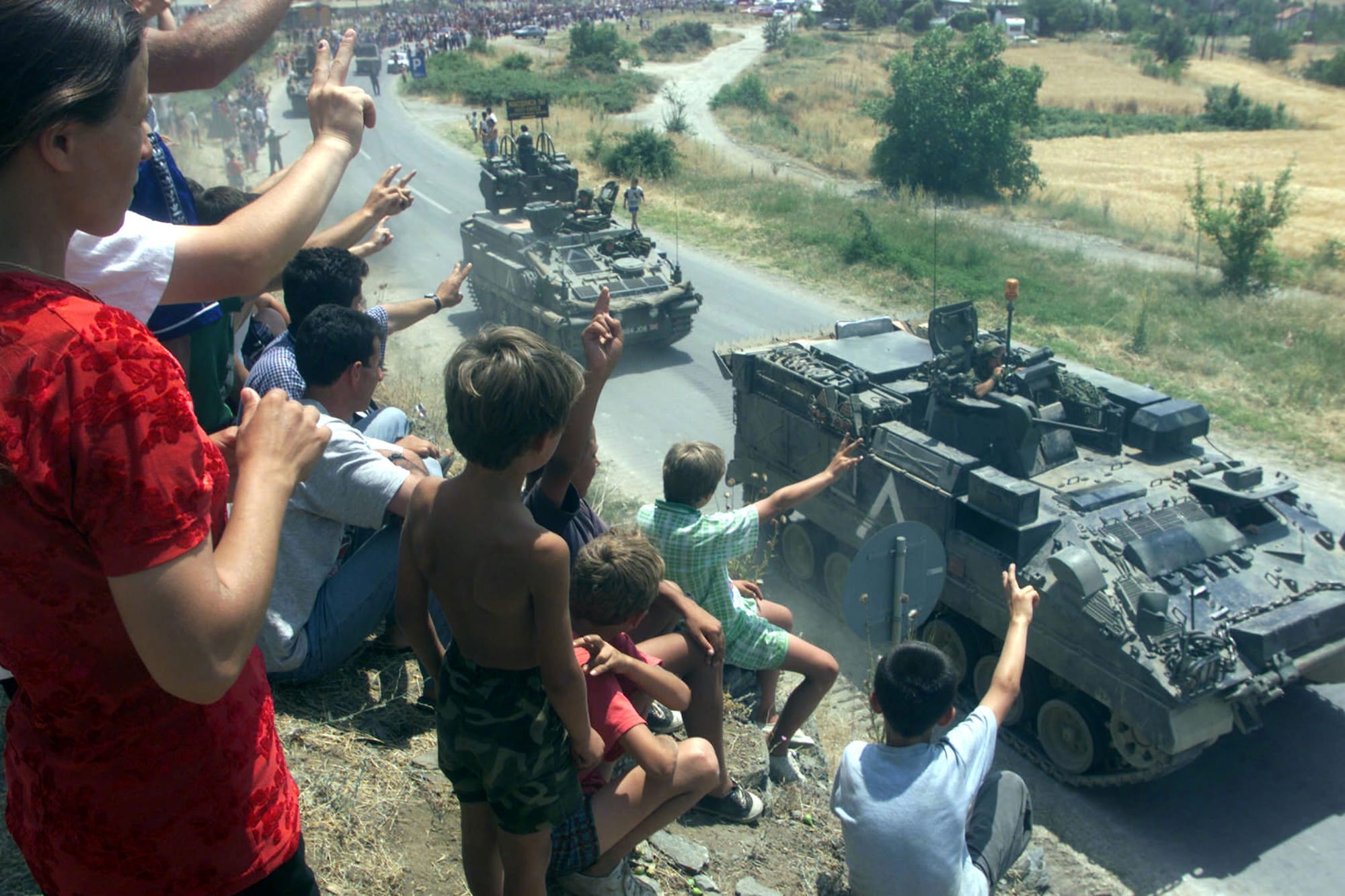
UN Security Council Resolution 1244 then placed Kosovo under UN administration with a NATO-led peacekeeping force, formally still part of Serbia but self-governing.
Independence, and the dispute
After UN-mediated status talks failed — Russia blocked a plan for supervised independence — Kosovo's assembly declared independence on 17 February 2008. The International Court of Justice ruled in 2010 that the declaration did not violate international law.
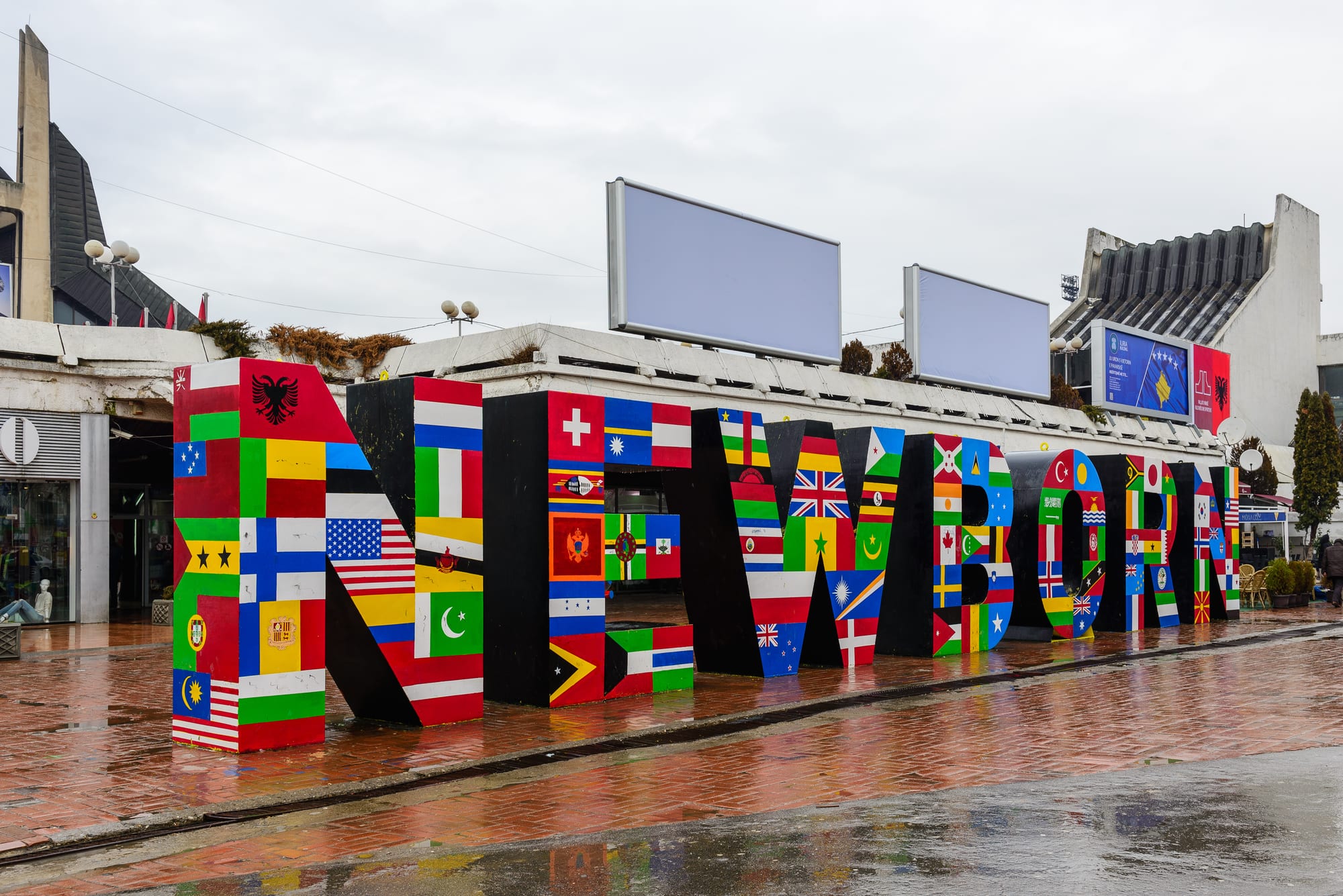
An EU-facilitated dialogue between Belgrade and Pristina has run since 2011, but the Serb-majority north around Mitrovica remains a flashpoint, with barricades and, in 2023, an armed clash. Kosovo is among Europe's poorest countries, sustained by a large diaspora, and a special court in The Hague has indicted former KLA leaders, including a former president, for war crimes.
What Kosovo carries
Kosovo is a territory where two national histories overlap and neither will yield: the Serbian one, medieval, Orthodox, rooted in monasteries and the battle of 1389; and the Albanian one, an overwhelming present-day majority with its own founding moment at Prizren in 1878. The 1990s turned that overlap into repression, war and mass expulsion. Independence resolved the question for most Kosovo Albanians and for much of the West, and left it open for Serbia, Russia and a divided international community.