Culture & Customs · Kosovo
Kosovo: Hand on Heart
A young country of several communities, constitutionally secular and largely Muslim, where the guest is honoured above almost everything, a hand laid on the heart signals respect, and two Christmases share the calendar with two Bajrams
By Worldlore Editorial · 30 September 2026
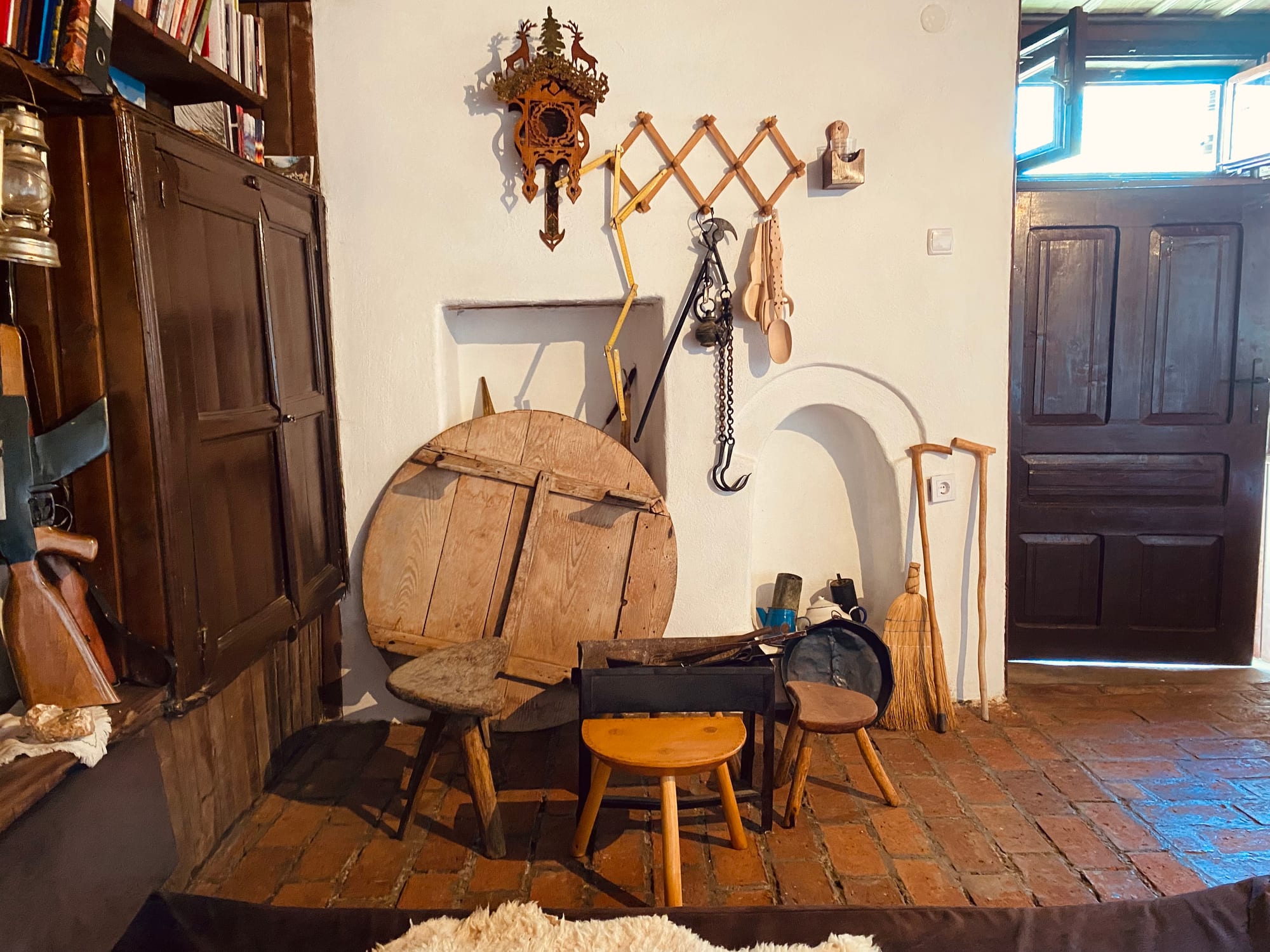
A visitor arrives at a family home in Kosovo. At the door, shoes come off. The host shakes hands and, as a sign of real pleasure at the visit, lays his left hand flat on his heart and bows forward a little. He may keep hold of the guest's hand while asking how they are and where they have come from, and he will want to know how the guest's family are keeping too. Before long there is coffee or tea on the table, and very often food. The guest is expected to take at least a little of everything, since to refuse outright would be rude. It is a small ritual, repeated in homes across the country, and it rests on an old conviction in Albanian tradition: that a house belongs first to God and to the guest, and only afterwards to its owner.
Faith, identity and values
Kosovo, which declared independence from Serbia in 2008, is a country of several communities. Its independence has been recognised by the United States and most members of the European Union, but not by Serbia, Russia and a number of other states. Albanians form the large majority and are the majority in most of its 38 municipalities; Serbs are the majority in several, including those in the north. Smaller communities include Bosniaks, Turks, Gorani, Roma, Ashkali, Egyptians, Montenegrins and Croats.
The 2011 census recorded about 95.6 per cent of the population as Muslim, 2.2 per cent as Roman Catholic and 1.4 per cent as Serbian Orthodox. Those figures are disputed: most ethnic Serbs boycotted the census, and the Serbian Orthodox Church and international observers say minorities of every faith were undercounted. Most Albanians are Muslim, though some are Catholic, and almost all Serbs belong to the Serbian Orthodox Church. Most Muslims follow the Hanafi Sunni tradition, but there are also Sufi orders, known as Tarikats, whose representatives estimate around 60,000 adherents, as well as a Bektashi community.
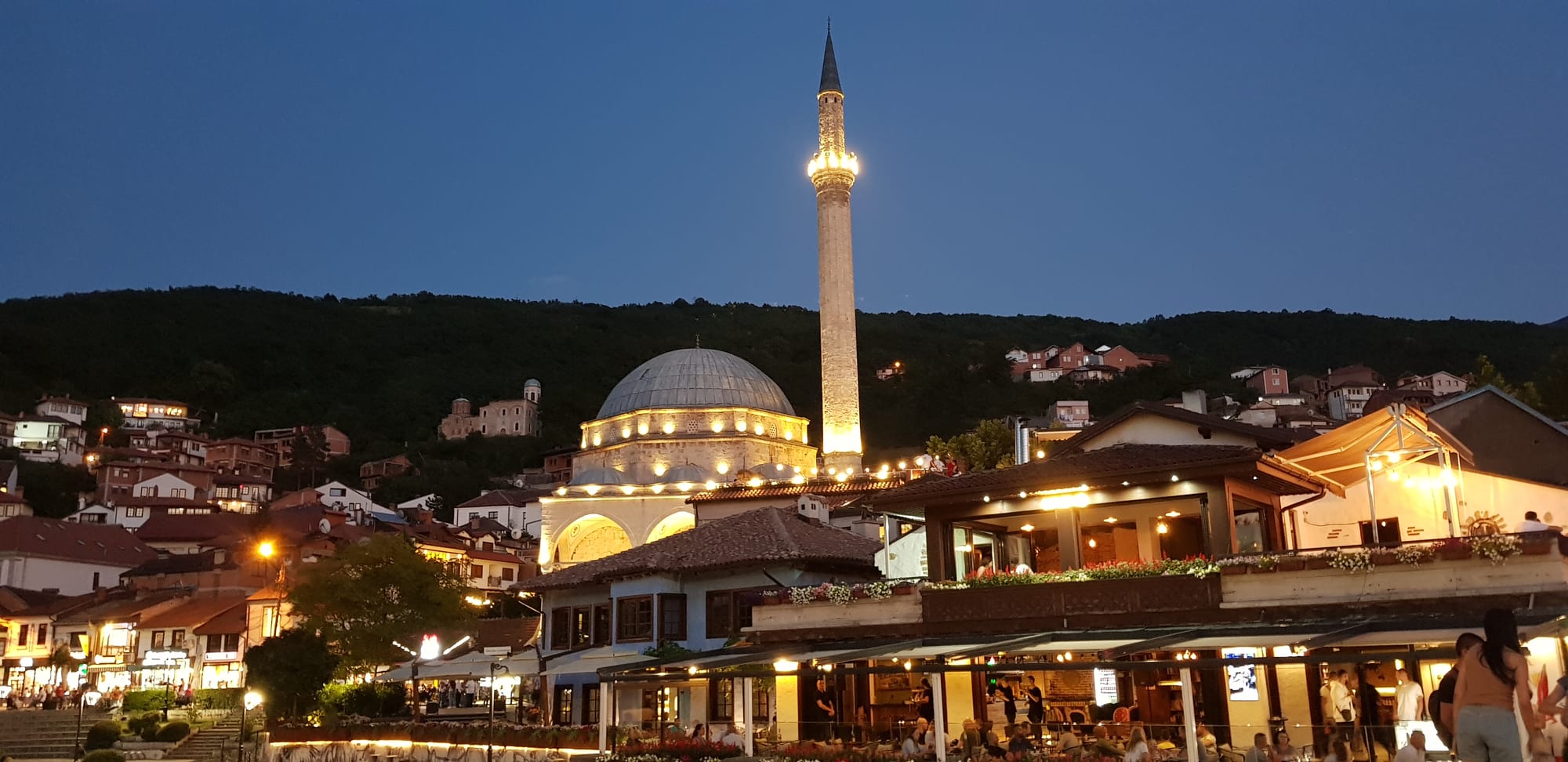
Kosovo is generally tolerant of different faiths. The constitution declares the country secular and neutral in matters of religion, there is no official faith, and although most citizens are Muslim, many drink alcohol. Religious heritage can nonetheless be a sensitive subject. Four medieval Serbian Orthodox churches and monasteries, Visoki Dečani, Gračanica, the Patriarchate of Peć and the Church of the Holy Virgin of Ljeviša, are on UNESCO's World Heritage List, and they have been on its List of World Heritage in Danger since 2006.
Among Albanians, many of the values that shape behaviour are associated with the Kanun of Lekë Dukagjini, a body of customary law that covered property, marriage and family, damages and, at great length, hospitality. At its heart is besa, the given word of honour, which scholars describe as the highest concept in the Kanun and a matter of sacred obligation; breaking it made a man dishonourable in the eyes of the community. Alongside it stands hospitality. In the Kanun's own formula, the house of the Albanian belongs to God and the guest, and a guest is to be honoured "with bread and salt and the heart". Scholars describe the Kanun not only as a code of customary law but as a frame of reference for social behaviour that has helped shape Albanian identity.
Greetings and meeting people
Handshakes are the standard greeting, used on meeting someone for the first time and again when greeting or leaving people already known. Close friends and relatives, men and women alike, also exchange kisses. As a sign of respect or of happiness at seeing someone, men sometimes place the left hand on the heart and bow slightly while shaking hands. The same gesture, a hand laid over the chest with a slight movement of the head, is also a way of showing appreciation.
It is customary to ask not only how a person is but also after the well-being of their family, and people may hold on to a visitor's hand while asking about them. Smiling at strangers and saying hello in the street, on the other hand, is not common practice.
A few gestures are worth recognising. Some people rock the head, click the tongue and wag the forefinger at the same time. In some rural areas, people touch their nose when they say something good about someone, to avert bad luck, in the way that others might knock on wood. Showing both hands with fingers open and palms up means that a conversation is over.
Conversation calls for some care. Inter-ethnic relations between Serbs and Albanians are sensitive, as is national politics, and religion is generally not raised in casual conversation. It causes offence to refer to Kosovo as Yugoslavia, or to call an Albanian or a Kosovar "Yugoslavian".
Hospitality and being a guest
A visitor to a private home is always expected to take off their shoes at the entrance. On a first visit it is customary to bring a small gift, such as chocolates. Coffee or tea will be offered, and very often food as well, and it is considered rude not to eat or drink at least a little. Lunch is typically the main meal of the day, with a lighter dinner in the evening.
These customs draw on a long tradition. Many articles of the Kanun dealt with the proper treatment of a guest, and a cherished guest was to be given the freedom of the house. The obligation was taken so seriously that, according to the Kanun, a guest who entered a house was to be welcomed even by a family locked in a blood feud with him.
Eating out follows more everyday rules. In restaurants with table service, a tip of 5 to 10 per cent is typical, and those paying by card are advised to leave the tip in cash. During Ramadan, when many Muslims fast, it is considerate not to eat in front of people who are observing the fast.
Festivals and life's big moments
Kosovo's official calendar reflects its mix of communities. Under the law on official holidays, both Orthodox Christmas on 7 January and Catholic Christmas on 25 December are public holidays, as are both Catholic and Orthodox Easter and the two Islamic festivals, Bajrami i Madh (Eid al-Fitr) and Kurban Bajram (Eid al-Adha). The civic calendar adds New Year, Independence Day on 17 February, Constitution Day on 9 April, International Labour Day on 1 May and Europe Day on 9 May.
One of the most visible celebrations is not an official holiday at all. On 28 November, Albania's independence day, Albanian flags go up on almost every street of the capital and most shops close, as the Albanian majority marks the date with celebrations that run into the evening in cafés and restaurants.
Among Orthodox Serb families, the most important household celebration is the slava, the feast of the family's patron saint, handed down from one generation to the next. A specially made candle is lit in the home, wine is poured over a slava cake prepared and decorated by the host's wife, and the cake is cut crosswise, turned, broken into four and lifted up. A feast for relatives, neighbours and friends follows, opening with a toast to health and well-being. UNESCO has inscribed the slava, nominated by Serbia, on its list of the intangible cultural heritage of humanity.
Weddings are the great family occasions, and among Albanians they have traditionally unfolded over several days. At their emotional centre is the kanagjeq, the henna night, held in the bride's family home. In the traditional form, the celebrations began days before the wedding and lasted until the bride left her parents' house. A close female companion stayed with her throughout, dressed her and applied the henna to her hands, while the women of the family sang songs for the bride, who did not sing herself. The mood was calm and often melancholy, since her departure was felt as a loss by her family, although some songs were playful and teased the groom or the future mother-in-law. Another moment was the display of the dowry, when female relatives and friends came to admire the bride's trousseau and the gifts she would take to the groom's family.
Today the kanagjeq is often held in a restaurant, and in towns it has frequently become a modern celebration, sometimes with Western touches such as a "bride to be" theme. In the countryside, the henna and the old songs are more likely to survive, and researchers note a modest revival of traditional elements in recent years.
Arts, crafts and music
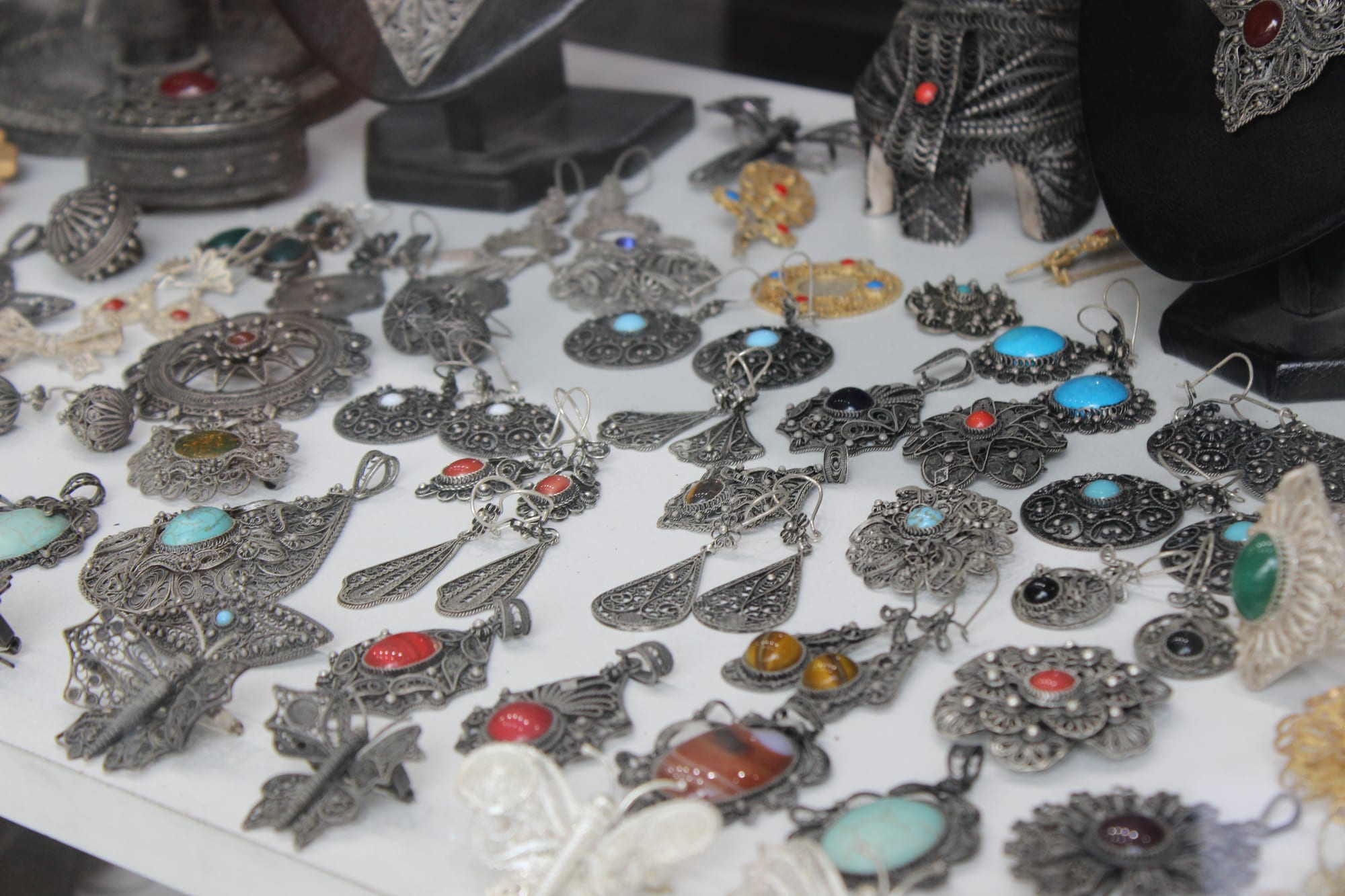
Kosovo's best-known craft is filigree, a delicate, lace-like silverwork made from tiny beads and fine twisted threads of silver. A craftsman twists a small piece of silver into thread, then combines threads and beads and shapes the metal with a blowpipe into necklaces and other jewellery. Historians say the craft was flourishing among Albanians in Kosovo by the eighteenth century, with workshops in several towns where the secrets of the trade were passed from father to son. The country's own silver mines no longer supply the workshops, and only a small number of artisan families still practise the art. In 2017 the craft was placed on a temporary protection list of cultural heritage, and some couples now ask for filigree jewellery to wear on their wedding day.
Song is bound up with life's rituals. The henna-night songs, performed by the bride's cousins and friends or by specialist ritual singers, sometimes to the beat of the def frame drum, are an essential part of the ritual, and in some families they are still sung, sometimes by singers from the popular music scene. Oral tradition more broadly carried the Kanun itself for centuries before it was ever written down.
The country's religious buildings are part of its artistic inheritance too, from mosques and Sufi tekkes to the medieval Serbian Orthodox monasteries on UNESCO's list, reminders of how many traditions have left their mark on a small territory.
Dos and don'ts for visitors
- Do take shoes off when entering a home, and bring a small gift such as chocolates on a first visit.
- Do accept at least a little of the coffee, tea or food on offer; refusing outright is considered rude.
- Do shake hands on meeting and parting, and ask after people's families as well as themselves.
- Do dress modestly at mosques and monasteries, with long trousers or below-the-knee skirts and covered shoulders; women may be asked to cover their heads.
- Do avoid eating in front of people who are fasting during Ramadan.
- Don't raise inter-ethnic politics or religion in casual conversation, and never call Kosovo "Yugoslavia" or its people "Yugoslavian".
- Do leave a tip of 5 to 10 per cent in restaurants, in cash if paying by card.
- Do stay on marked paths in remote border areas, some of which still have uncleared mines from 1999.
What to take away
Kosovo's customs rest on a simple idea that its communities, for all their differences, would recognise — that a guest who arrives at the door should be met with warmth, a full cup and, quite literally, a hand on the heart.