Attractions & Natural Wonders · Kosovo
Kosovo: Eight Attractions and Natural Wonders
Europe's youngest country — an Ottoman hill town of mosques and hammams, frescoed medieval monasteries under armed guard, a canyon road into the Accursed Mountains, and a very young, very sociable capital
By Worldlore Editorial · 19 September 2026
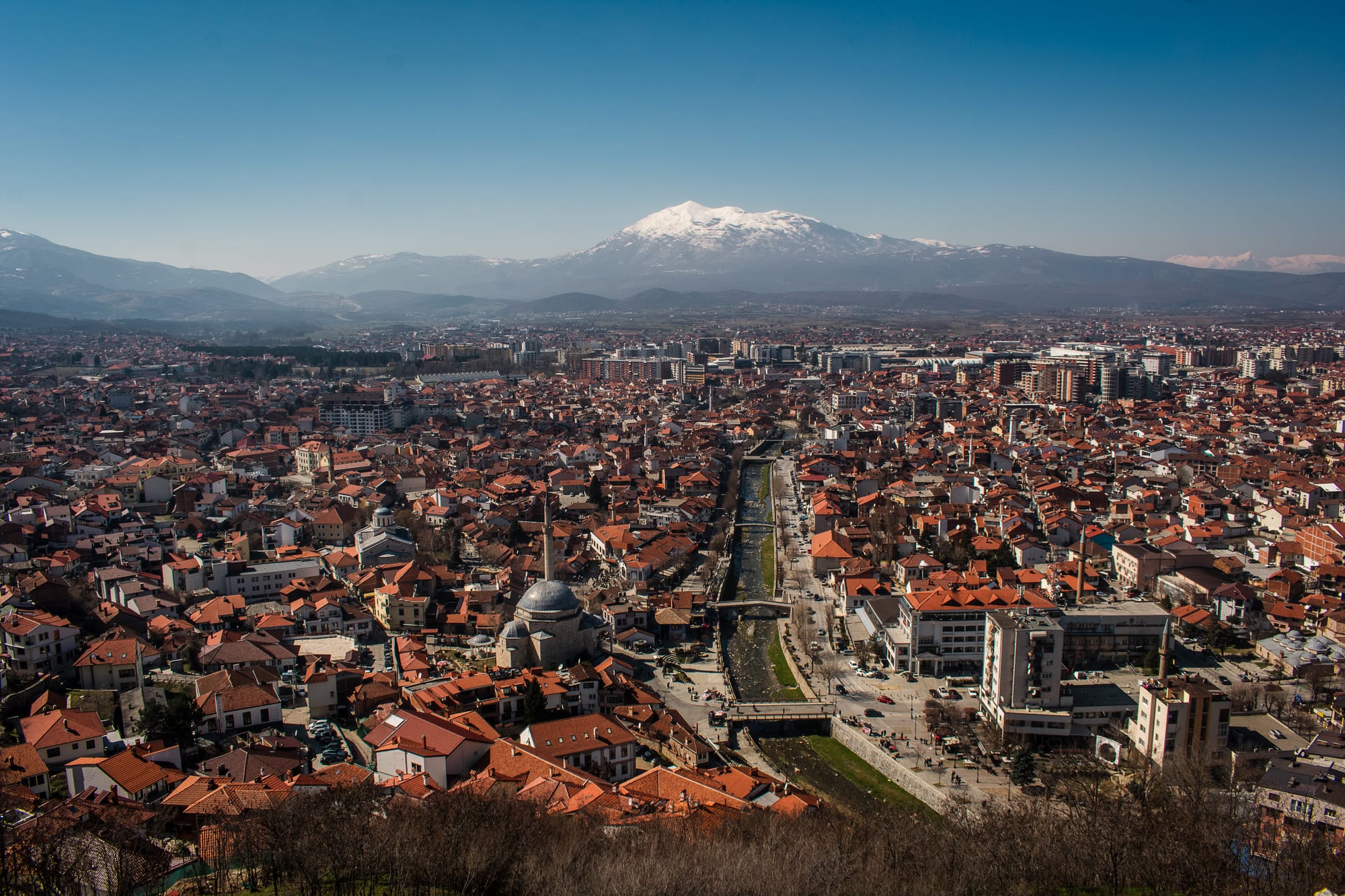
The Balkans' newest state
Kosovo is a small, landlocked, mountainous territory in the western Balkans that declared independence from Serbia in 2008 — recognised by around 100 UN member states but not by Serbia, Russia, or China. Its roughly 1.6 million people are overwhelmingly ethnic Albanian and Muslim, with a Serb minority concentrated in the north and around the Orthodox monasteries. It is one of the poorest and youngest countries in Europe (median age under 30), and one of the cheapest and friendliest to travel.
The eight below are spread across a country you can cross in two hours. Late spring to autumn is best; the mountains hold snow into spring and have a winter ski season.
1. Prizren
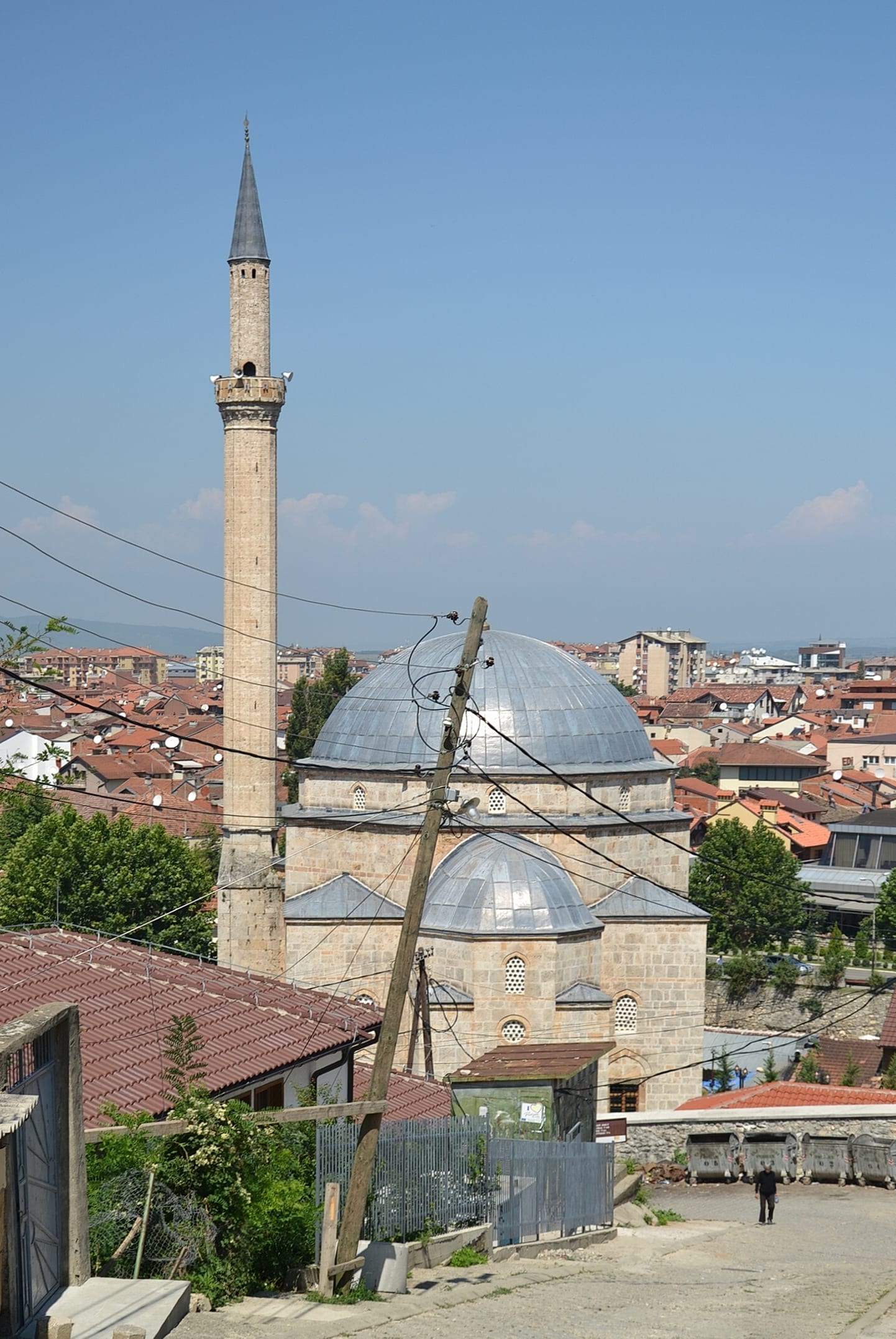
Prizren, in the south, is Kosovo's most charming town — a compact Ottoman centre of stone bridges, cobbled lanes, mosques (Sinan Pasha, the coloured Gazi Mehmed Pasha), a hammam, Orthodox churches, and a Catholic cathedral, all below a restored hilltop fortress with the best view. It hosts the Dokufest documentary film festival each August, when screens go up all over town.
It is about 45 minutes from Pristina and the highlight of most short trips.
2. Pristina
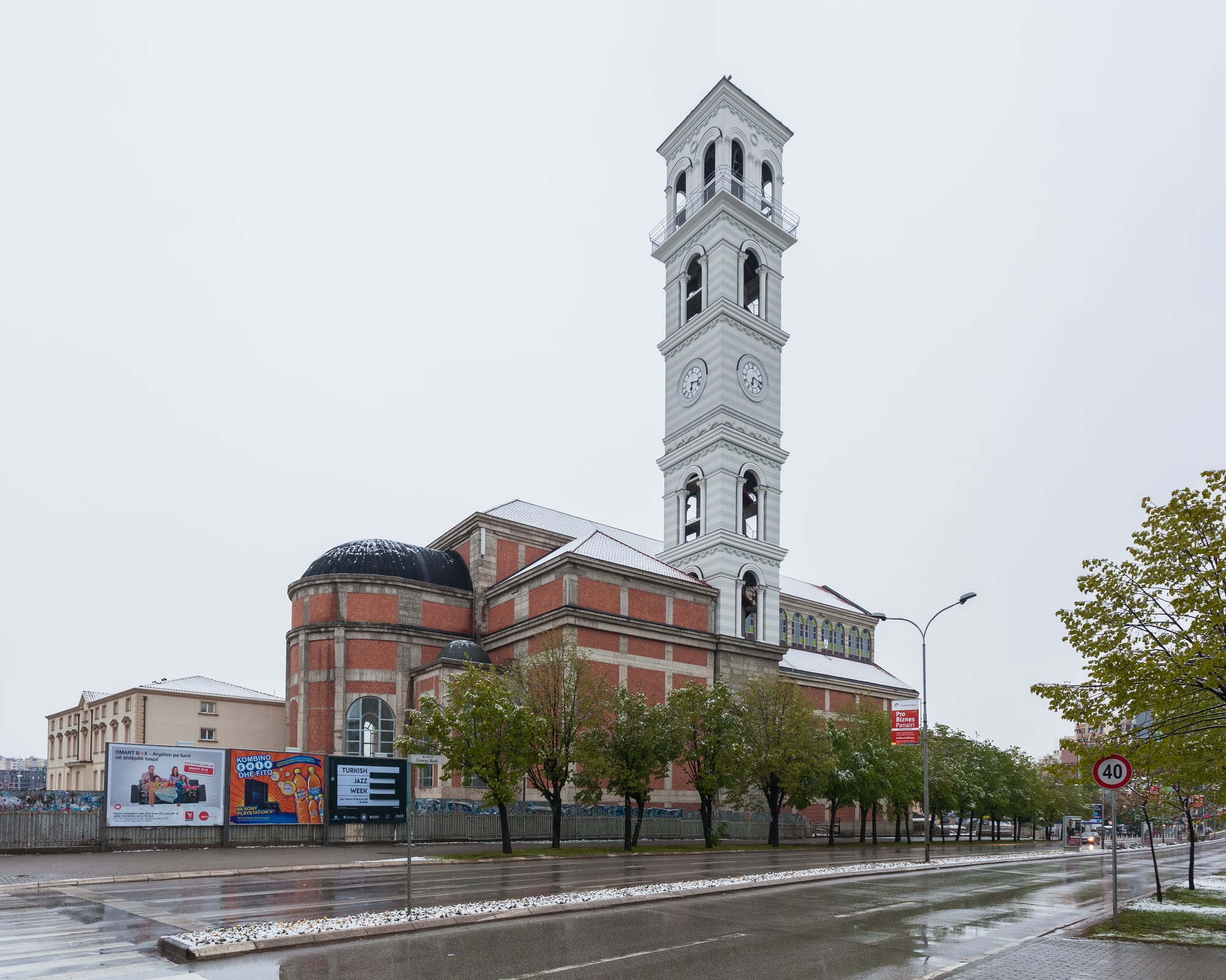
Pristina, the capital, is a fast-changing, café-crammed city with a young, outward-looking energy. Its landmarks are eclectic: the brutalist, wire-wrapped National Library; the "NEWBORN" typographic monument, repainted each year; the bronze Bill Clinton statue on Bill Clinton Boulevard; the Ottoman-era mosques and the small Ethnographic Museum; and a lively bar and specialty-coffee scene.
It is the arrival point (the airport is nearby) and a base for day trips across the country.
3. Visoki Dečani
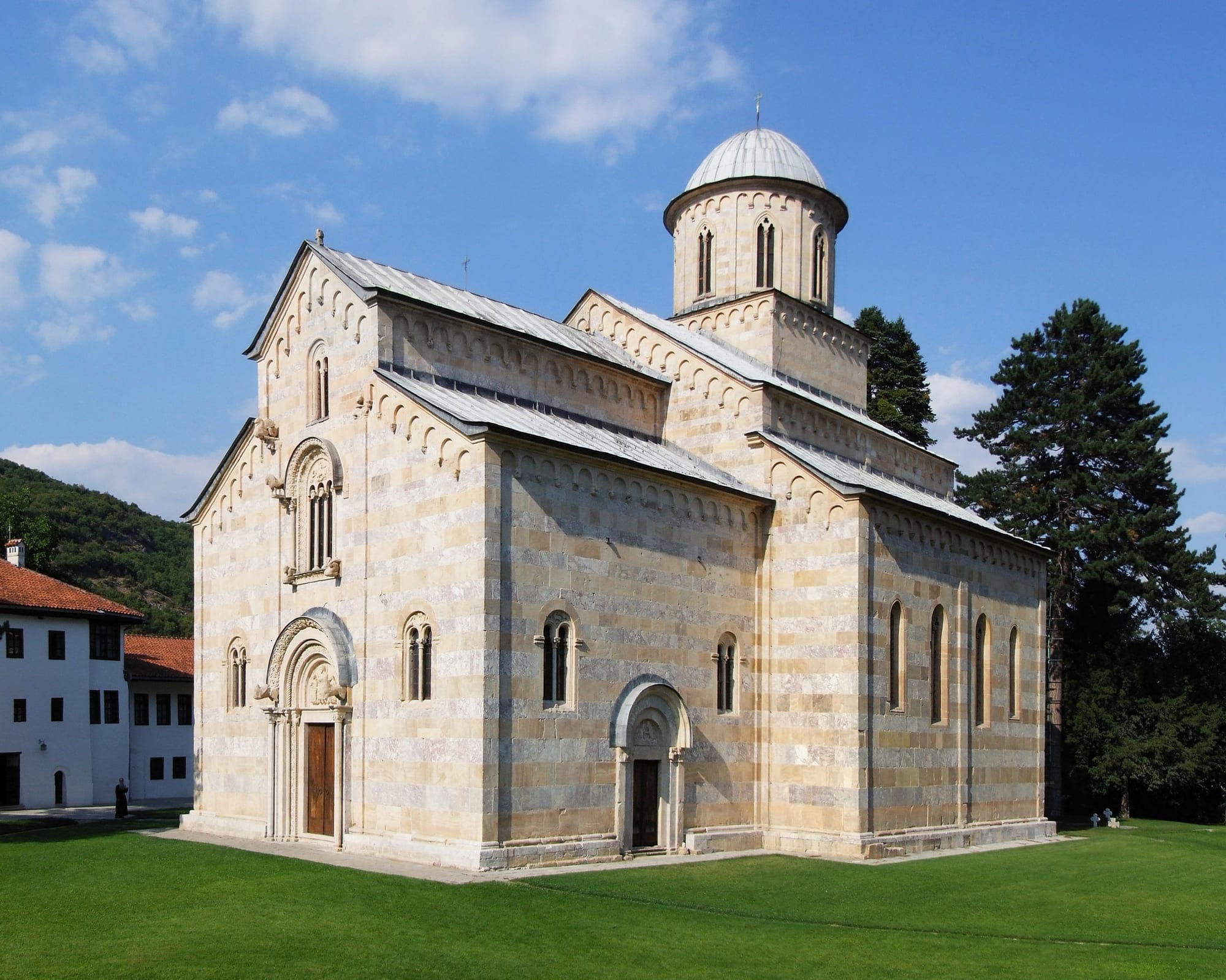
Visoki Dečani, near Peja, is the largest medieval church in the Balkans and holds one of the richest surviving cycles of Byzantine-era fresco painting — around 1,000 individual portraits. Built by a Serbian king in the 1330s, it is a functioning Serbian Orthodox monastery, part of the UNESCO "Medieval Monuments in Kosovo" site (listed as in danger), and has been guarded by international peacekeepers since the 1999 war.
Bring your passport; visitors sign in at the gate, and photography inside the church is restricted.
4. The Rugova Canyon and the Accursed Mountains
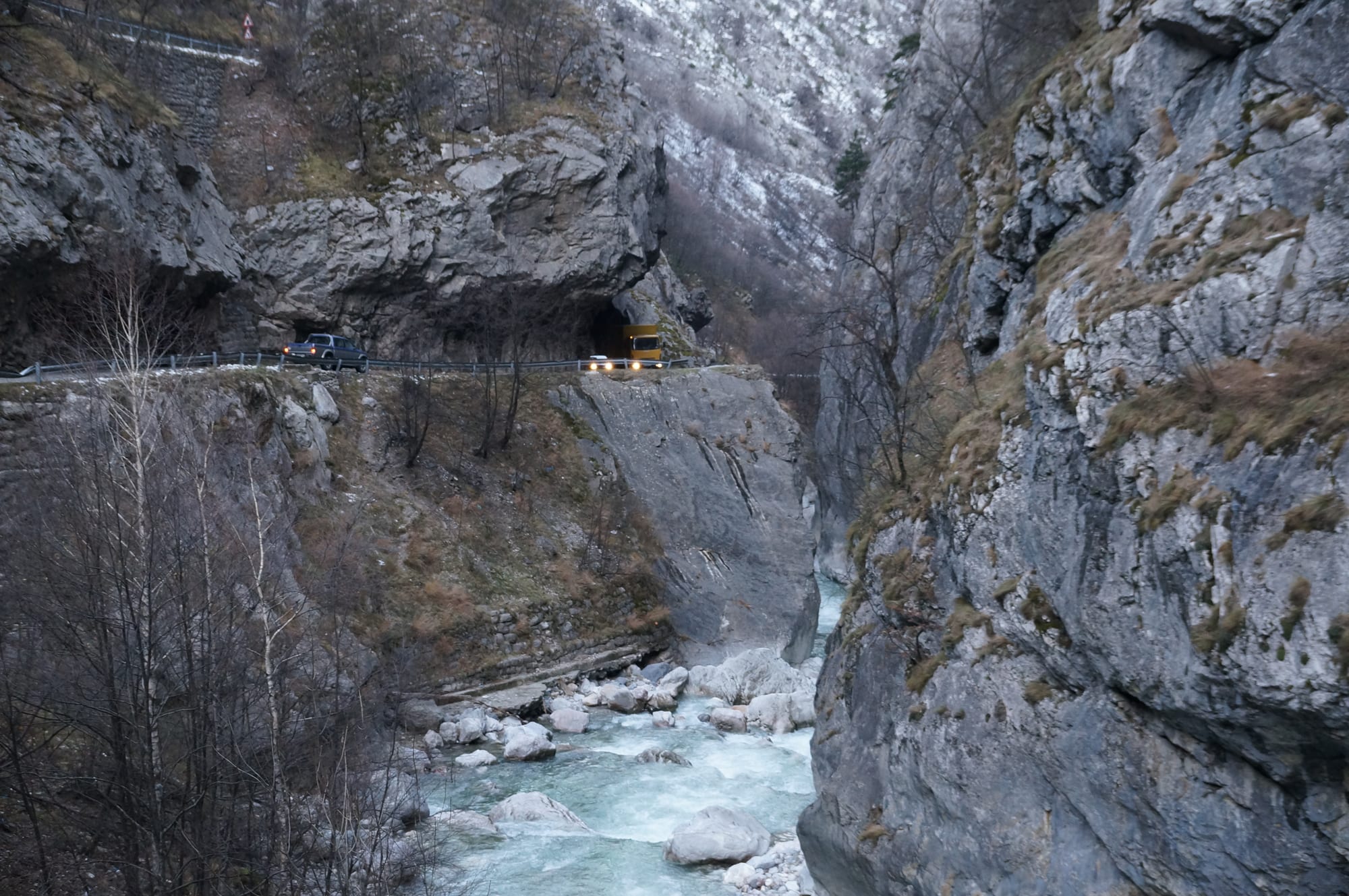
West of Peja, the Rugova Canyon is a dramatic 25-kilometre gorge with a cliff-hugging road, a via ferrata, ziplines, and trails leading up into the Bjeshkët e Nemuna ("Accursed Mountains", also a national park), shared with Albania and Montenegro. The area is the Kosovo section of the Peaks of the Balkans long-distance trek, with mountain villages, glacial lakes, and guesthouses.
Peja itself has a lively old bazaar and, just outside town, the Patriarchate of Peć — another walled medieval monastery complex on the UNESCO list.
5. Gjakova
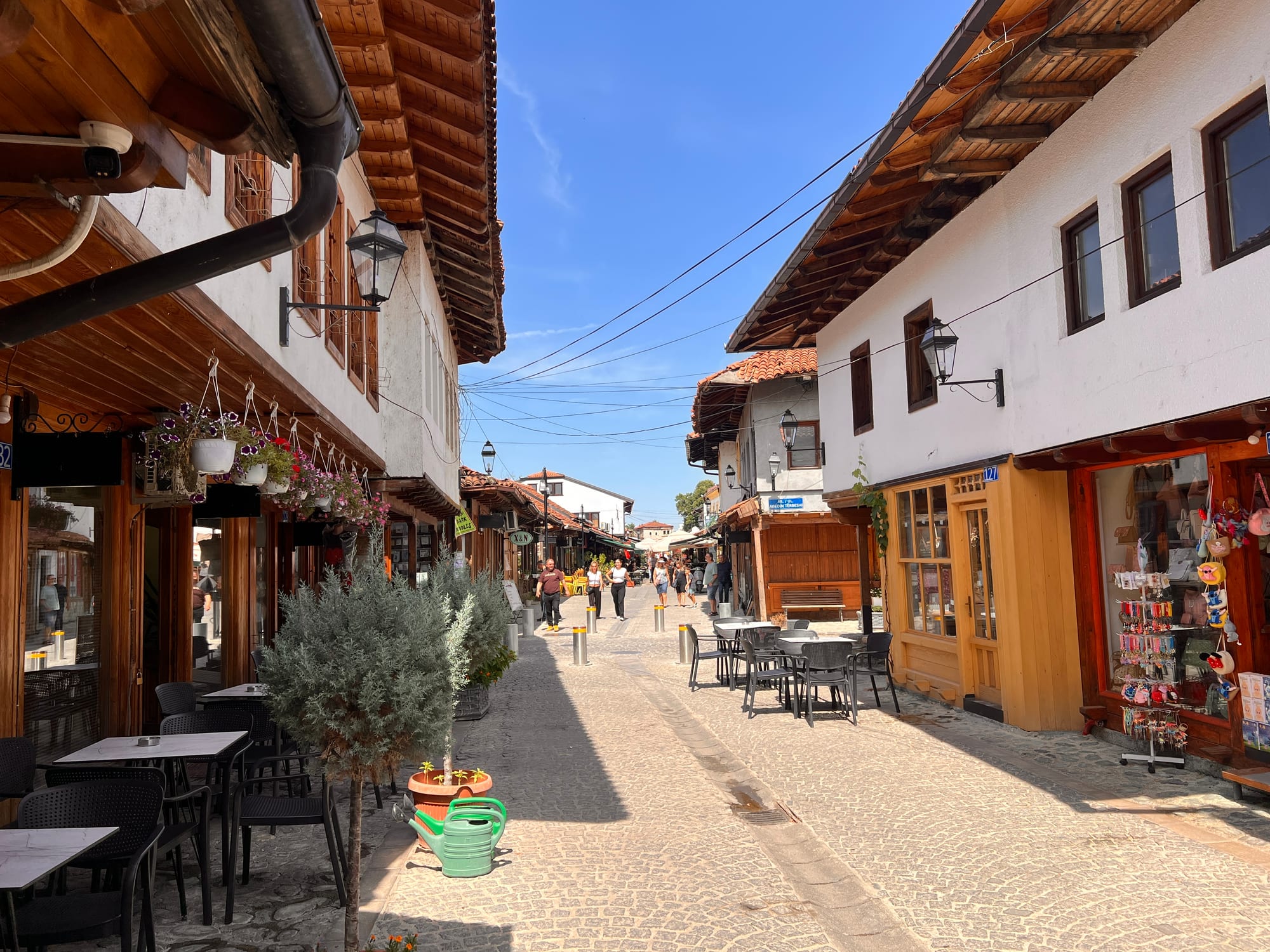
Gjakova, in the west, has the largest and one of the oldest bazaars in Kosovo — the Çarshia e Madhe, a long line of small artisan and trade shops around a clock tower and mosque, burned in the 1999 war and painstakingly rebuilt. The town is known for its traditional crafts, food, and the fortified stone tower-houses (kulla) of the surrounding Dukagjini region.
It makes a stop between Prizren and Peja.
6. The Mirusha Waterfalls
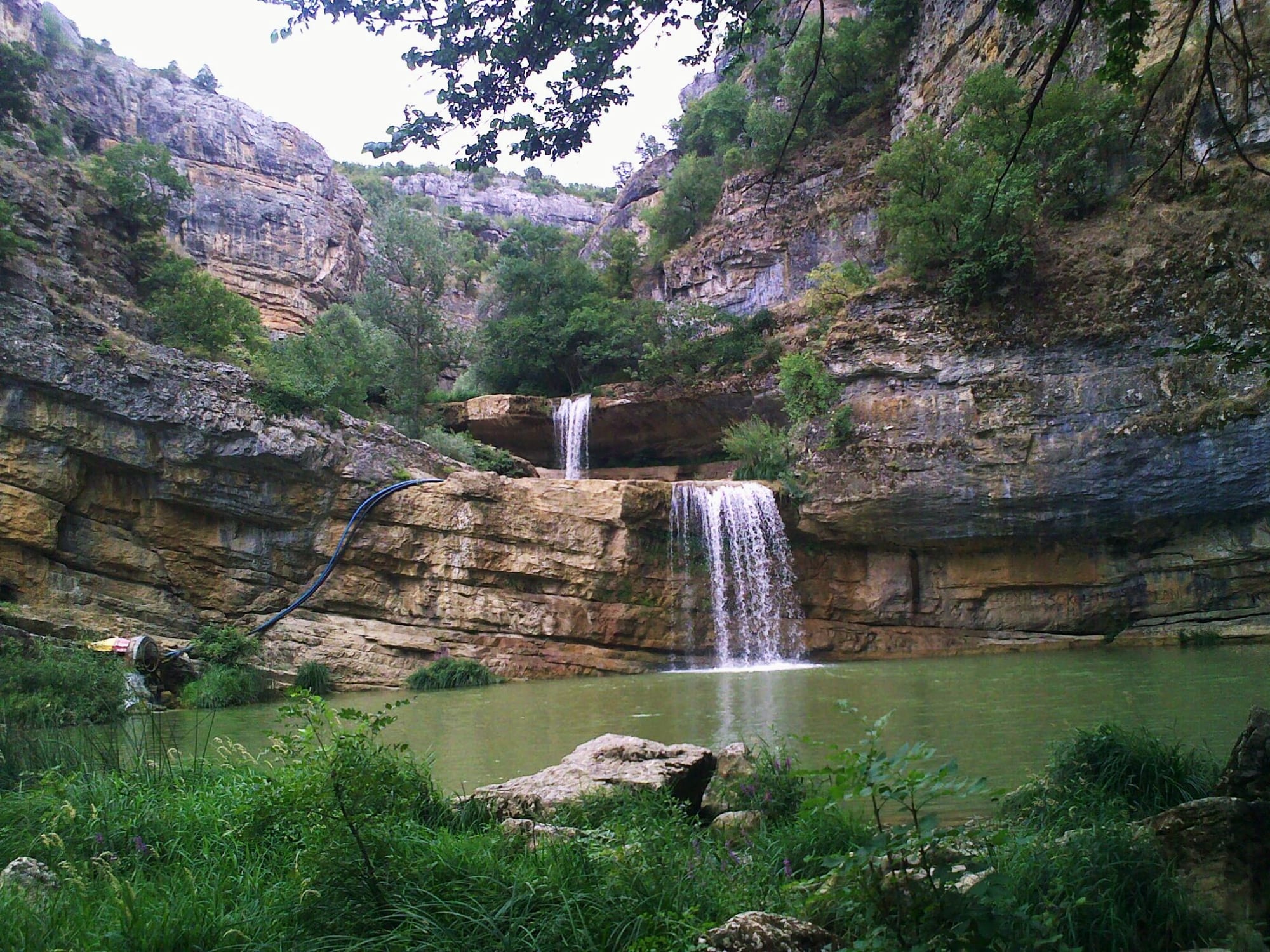
The Mirusha river, between Prizren and Peja, has carved a small canyon with a series of a dozen or so waterfalls linking green swimming holes — the largest drop is around 21 metres into a pool you can jump into. A short scramble on rock and ladders links the levels. It is a popular local swimming and picnic spot in summer.
It is an easy detour off the main road, best after spring rains.
7. Brezovica and the Sharr Mountains
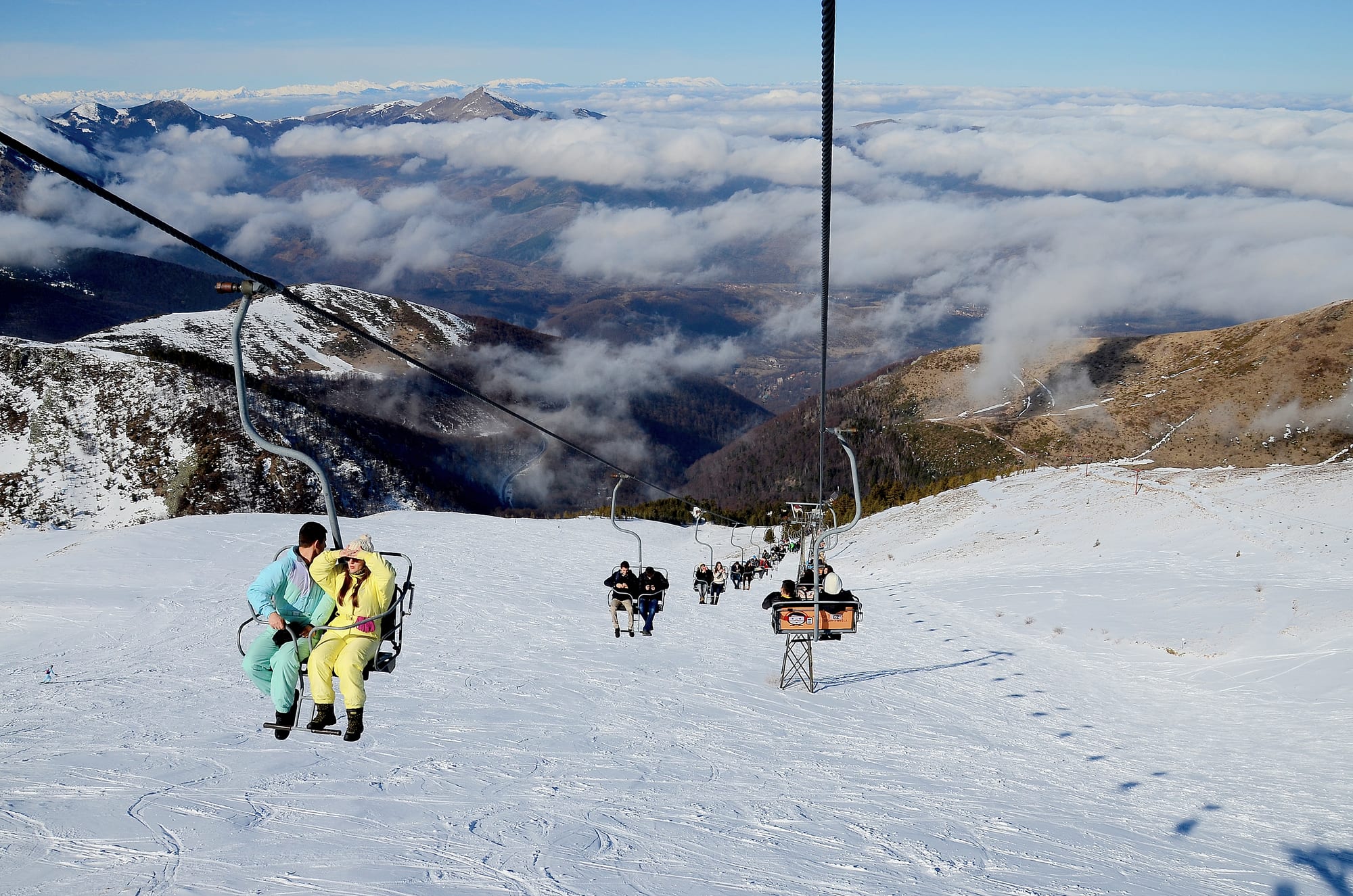
The Sharr Mountains (Sharri National Park) run along the southern border with North Macedonia — high pasture grazed in summer by shepherds and the shaggy Sharr sheepdog, glacial lakes, and Kosovo's main ski resort at Brezovica, a faded-but-cheap Yugoslav-era station with long natural-snow seasons and plans (long-stalled) for redevelopment.
It is about an hour from Prizren, good for hiking in summer and skiing in winter.
8. Gračanica and the plain of Kosovo
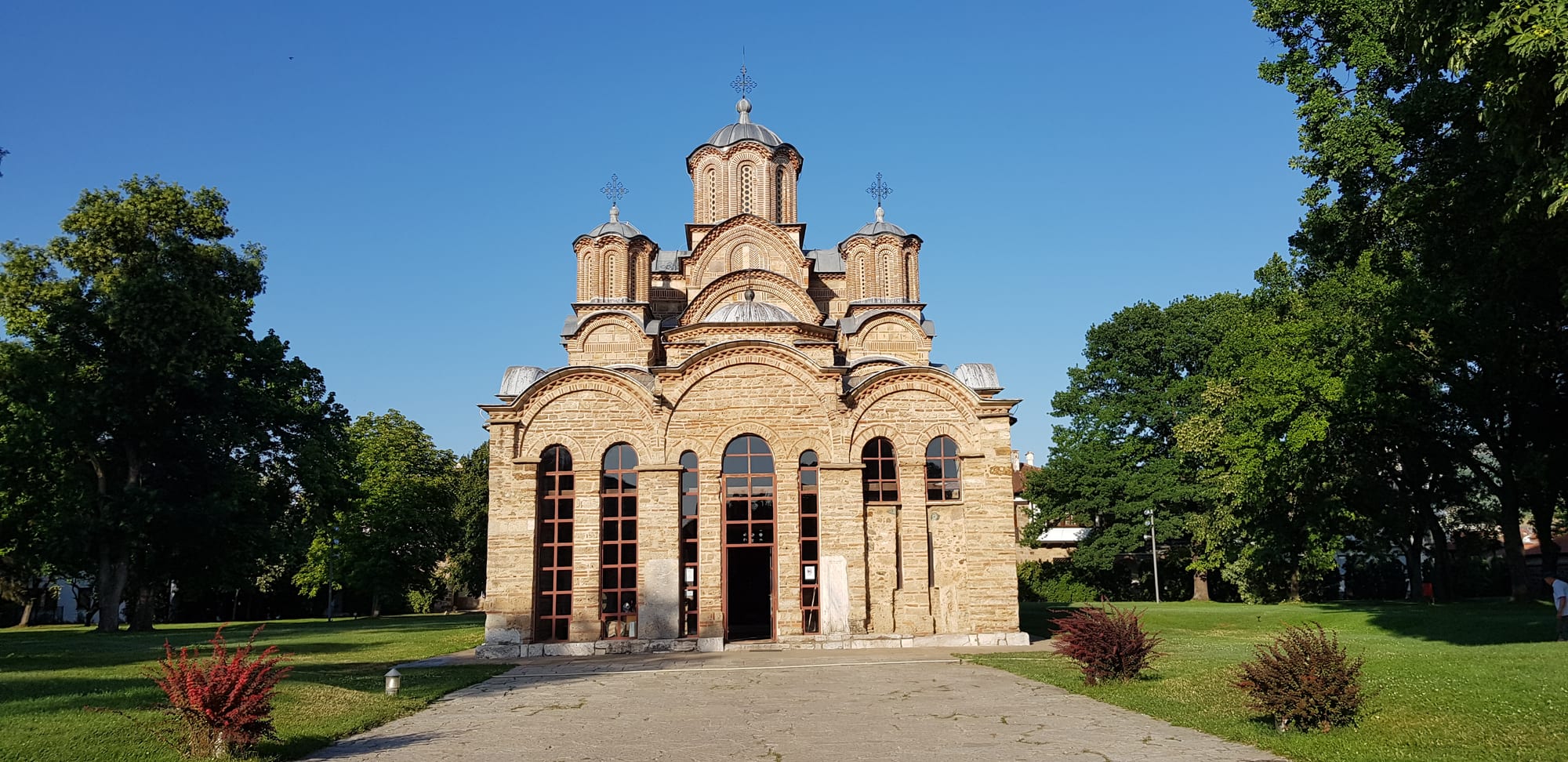
Just outside Pristina, the Gračanica monastery — a five-domed church of about 1321, densely frescoed inside — is the fourth of the UNESCO-listed medieval monuments and the centre of a Kosovo Serb community. Nearby on the plain is the Gazimestan monument, marking the 1389 Battle of Kosovo against the Ottomans, a founding event in Serbian national memory. The two sit within a few kilometres of each other.
Together they show the layered, contested history of the same small landscape.
A practical note
Kosovo is generally safe and very welcoming to visitors, but a few things are specific to it. The northern part, around Mitrovica, has periodic ethnic and political tension and is best checked before visiting. The Serbian Orthodox monasteries are guarded and require ID and modest dress. Entry and exit can be complicated if you plan to continue to Serbia — a Kosovo stamp alone can cause problems at the Serbian border — so research your route in advance.
A trip is short: two or three days covers Pristina, Prizren, and Peja with the Rugova Canyon; add the Sharr or Accursed Mountains for hiking.