Daily Life · Kosovo
Kosovo: A Country That Waits for August
A young, close-knit country where an hour over a macchiato is a daily fixture, a great many households lean on money sent home by relatives abroad, and the whole calendar seems to build toward the diaspora's summer return
By Worldlore Editorial · 30 September 2026
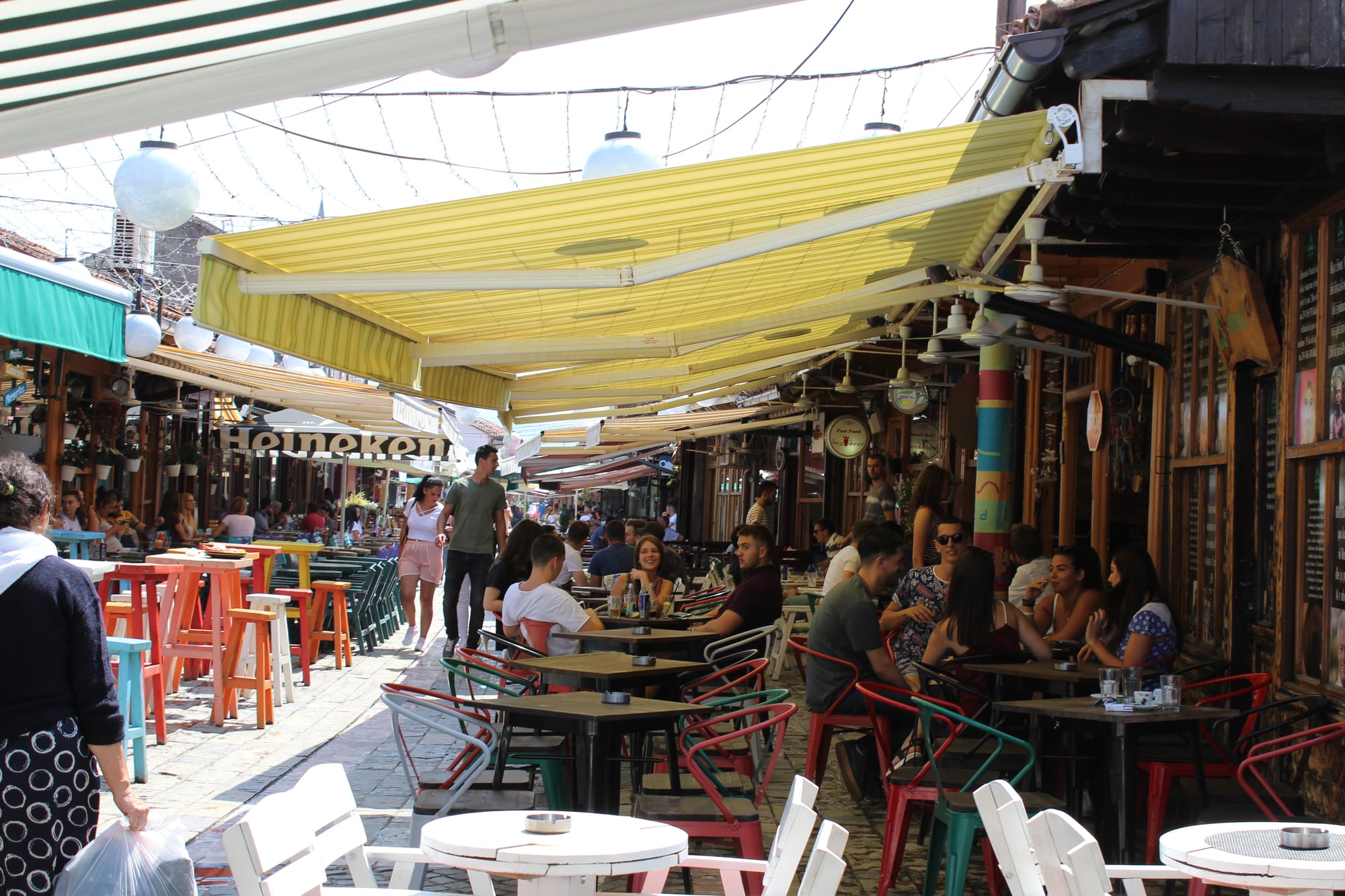
An ordinary day in Kosovo runs on two currents that never quite let go of each other: a slow, sociable one built around family and coffee, and a faster one built around money that mostly arrives from somewhere else. Cafés fill by mid-morning and stay full into the evening, a macchiato nursed for an hour treated as entirely normal rather than a stall on service. Meanwhile a very large share of households depend, in whole or in part, on relatives working abroad, and the country's rhythm visibly shifts each summer when much of that diaspora comes home at once, for a few weeks turning quiet towns into their busiest version of the year.
Family and home life
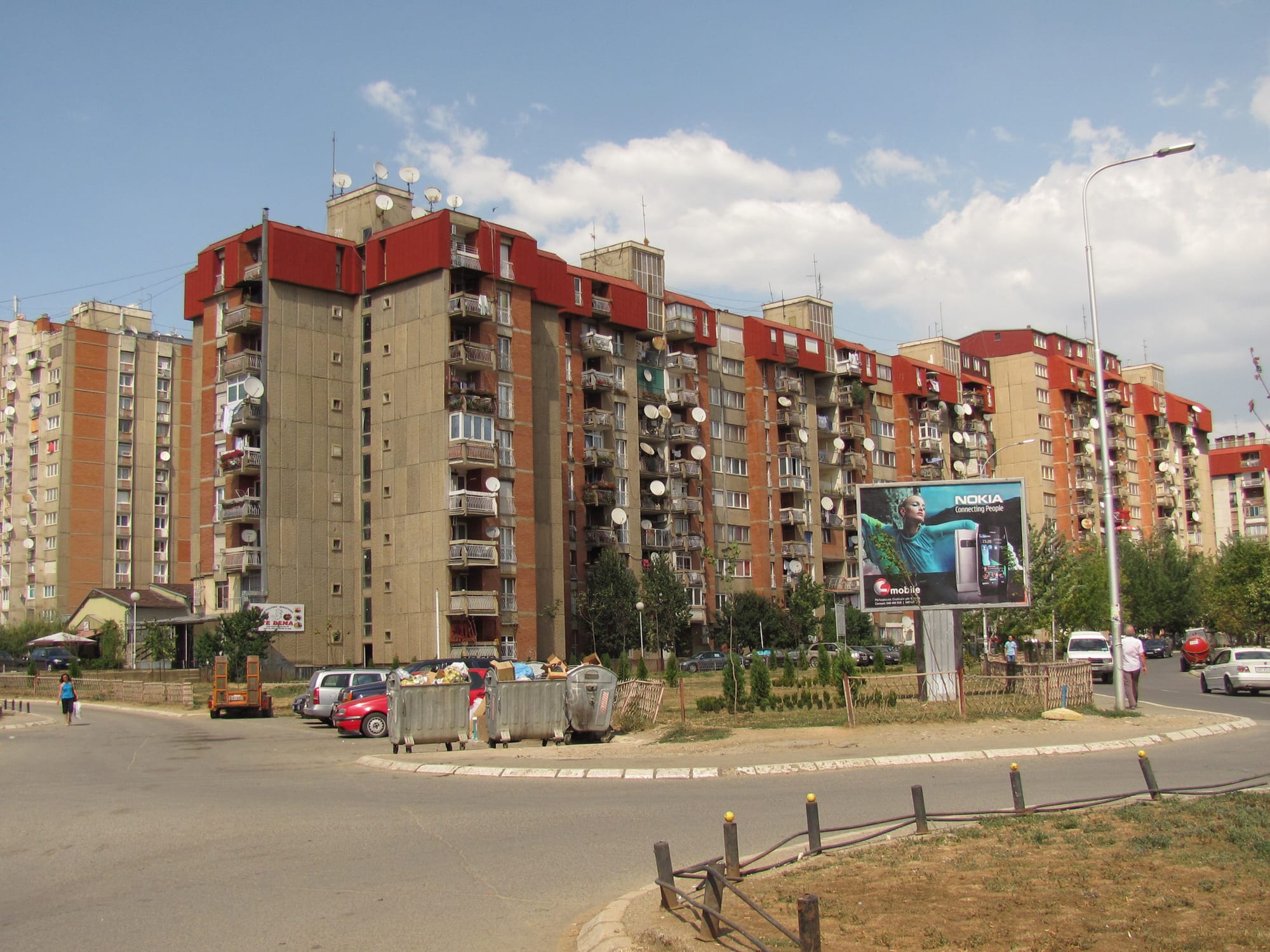
Kosovan society, among both its Albanian majority and Serb minority, has long been built around the extended family, and it remains common for several generations, or several married sons and their own families, to share one household. Family support networks stay dense even once members move away for work, and that connection is kept alive concretely rather than symbolically: a large share of Kosovan families, close to two in three by one recent regional survey, report receiving remittances from relatives abroad, chiefly from Germany, Switzerland and Austria, money that in recent years has amounted to somewhere between roughly 13 and 17 percent of the entire national economy. A great many households in and around Pristina live in dense, Yugoslav-era apartment blocks rather than houses, alongside a great deal of newer building.
Work, school and the rhythm of the day
Kosovo has one of the poorest economies in Europe, and youth unemployment stood at close to a fifth of young people in the labour force in 2024, a fact that shapes daily life as much as any single custom does: emigration for work, mostly to Germany and Switzerland, is a live option that touches most extended families rather than a distant statistic. Public-sector jobs, small trade, and construction, much of it tied to remittance-funded building, employ a large share of those who stay. Around the edges of formal working hours, the café functions almost as a second office — meetings, catch-ups and even business conversations are as likely to start with "let's have a coffee" as with a phone call.
Community life and public spaces
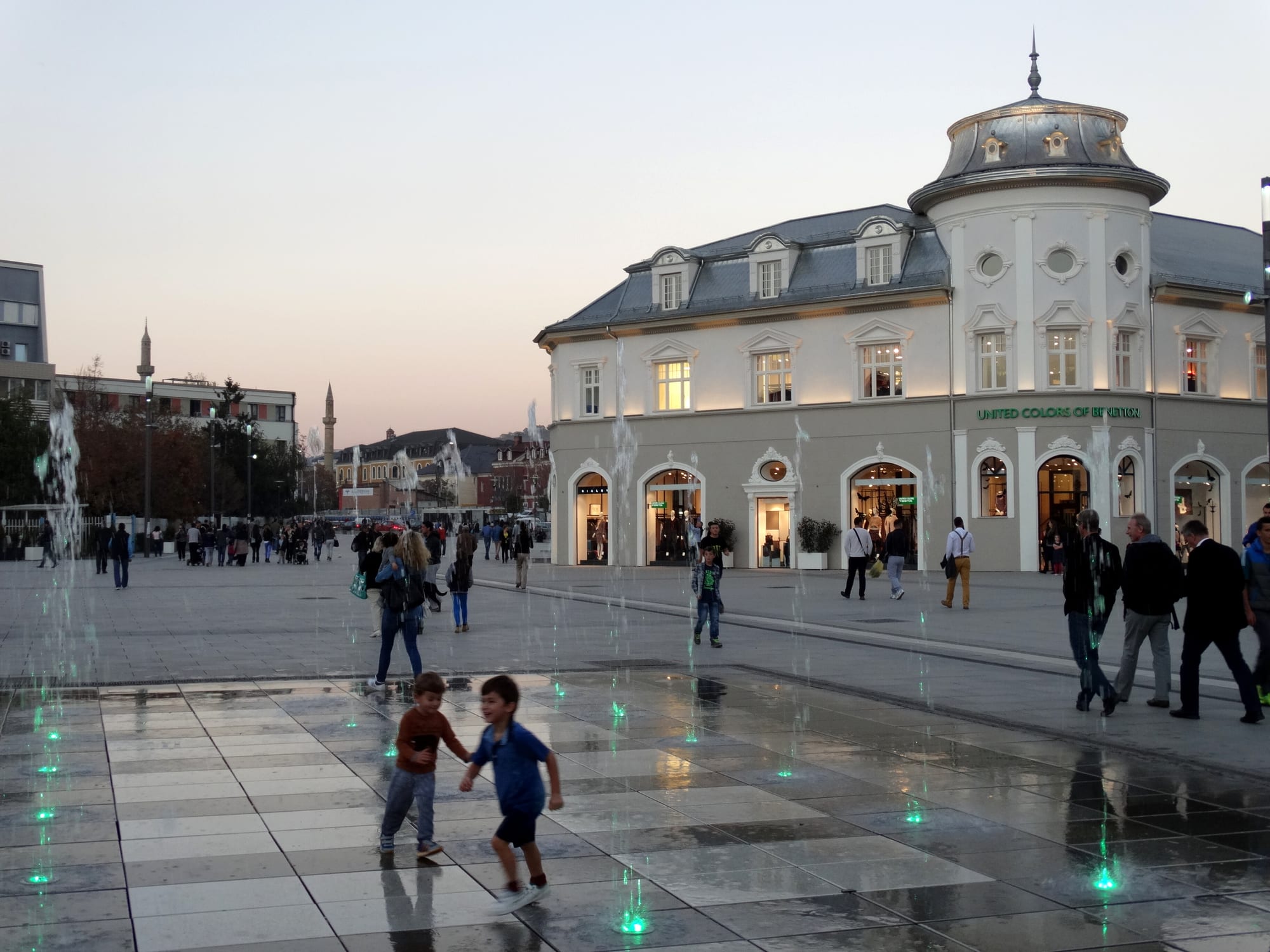
Café culture is the country's real social infrastructure: in the warmer months, from roughly May to September, café life moves largely outdoors, and narrow bazaar streets in towns such as Gjakova and Prizren fill with tables from late morning through the evening. Squares and pedestrian areas in Pristina and other towns double as the main open gathering points, drawing families, students, and older residents in roughly equal measure, especially once the day cools toward evening. Public transport runs mainly by intercity bus rather than rail, since passenger trains run on only one line, between Pristina and Peja, and the bus station and the café are, between them, the two places most people pass through on an ordinary day.
Free time and weekends
Weekends generally mean longer café sessions, extended-family lunches, and visits between relatives, with cafés and squares staying busy well into the evening in a way weekday afternoons are not. Kosovo has Europe's youngest population, and that shows in a lively, youth-driven music and nightlife scene concentrated in Pristina. The real high point of the year, though, falls in summer: as the diaspora returns for weeks at a time through July and August, town squares, family homes and local festivals fill far beyond their normal size, a period many families plan their spending and social calendars around.
A visitor's ordinary day
Kosovo uses the euro despite being outside the eurozone, and it is an inexpensive country to get around in: a macchiato costs little, cards work in cities, but cash is still useful for buses and smaller towns. Intercity buses are frequent and cheap between Pristina, Prizren and Peja, leaving from a central bus station rather than fixed platform times, so checking the departure board on arrival is more reliable than a printed timetable. Shops and cafés keep long, flexible hours rather than a fixed nine-to-five, generally open from mid-morning well into the evening, and the busiest, liveliest stretch of the year to expect crowds, especially in Pristina and Prizren, is July and August, when the diaspora is home.
What to take away
What shapes an ordinary day in Kosovo is less any single ritual than how visibly the country runs on people who are, for most of the year, somewhere else — and how completely that changes for the few weeks each summer when they come home.