History · Kazakhstan
Kazakhstan: The Great Steppe
Two thousand years of nomad horse cultures on the world's largest grassland — the Kazakh Khanate, Russian conquest, a Soviet famine that killed nearly 40 per cent of the Kazakh people, nuclear tests, and an oil-rich independence
By Worldlore Editorial · 19 September 2026
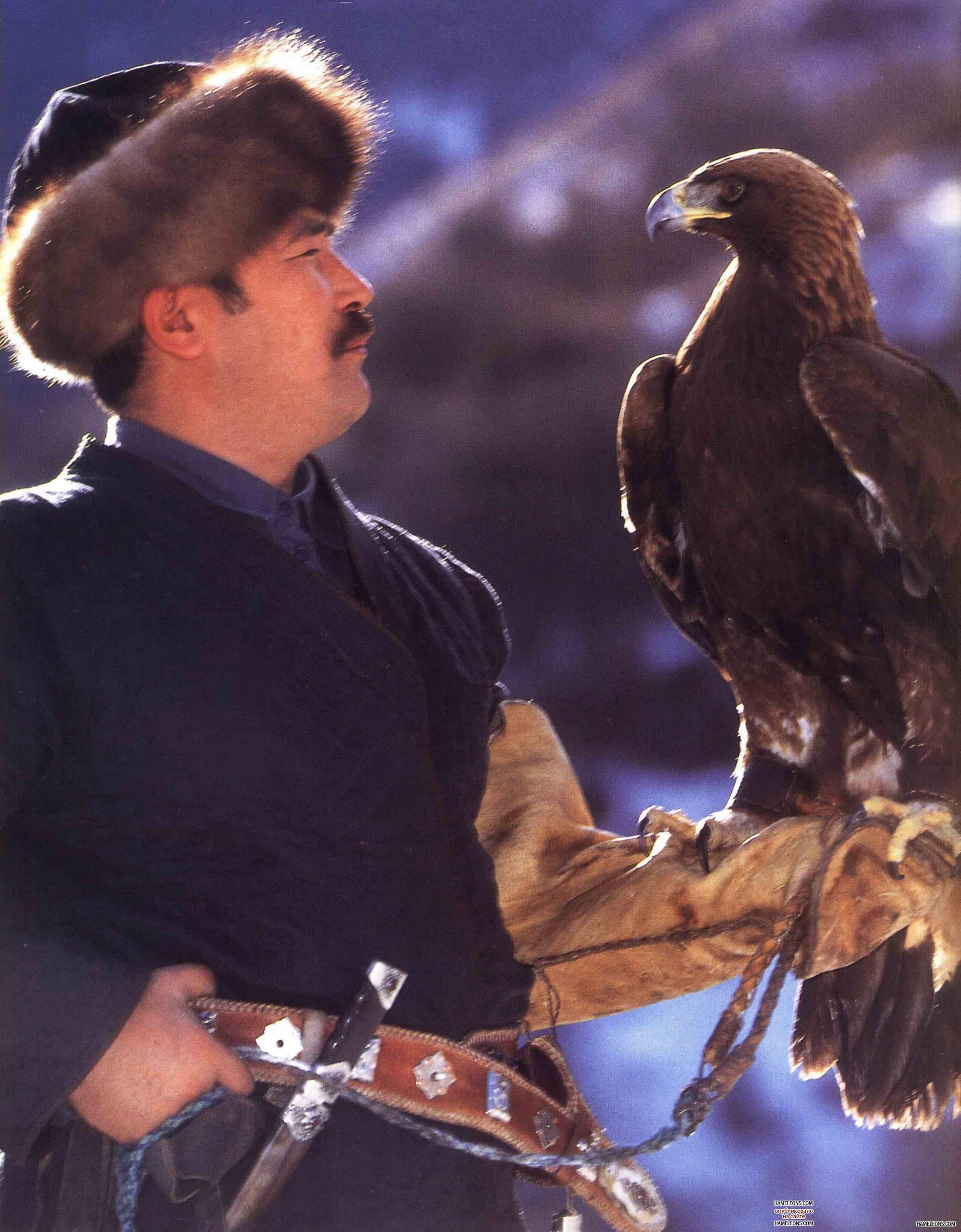
A country the size of Western Europe
Kazakhstan is the largest landlocked country in the world — nearly three million square kilometres of steppe, semi-desert and mountain — with only about 20 million people. It sits between Russia and China and holds enormous mineral wealth: oil and gas, and the world's largest output of uranium. Its history is that of the Eurasian grassland: nomad empires, a Russian conquest, and a Soviet century that inflicted one of the worst demographic catastrophes suffered by any nation in the 20th century.
A short history
- 1st millennium BCE
The Saka
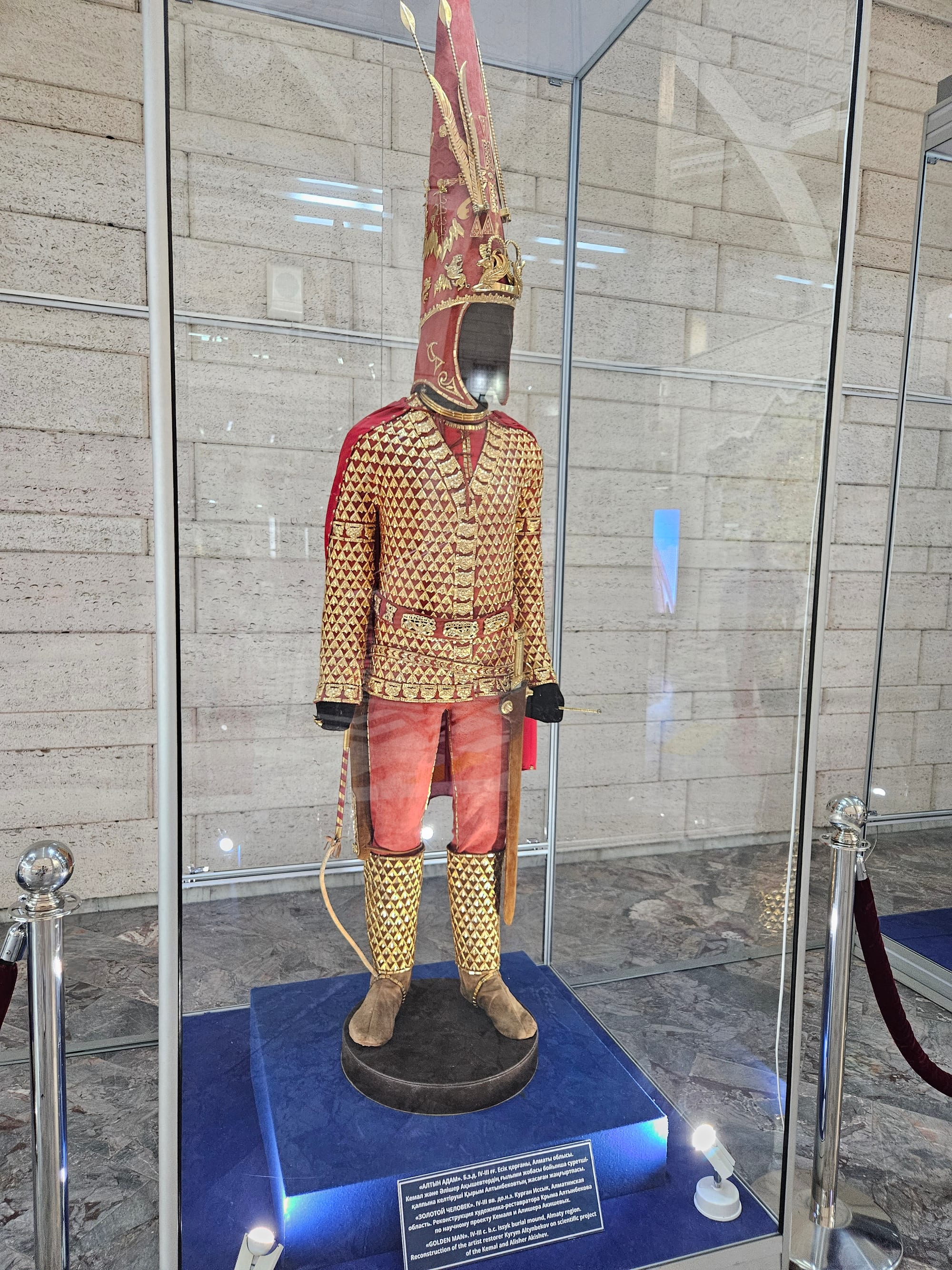
Scythian horse nomads leave rich burials on the steppe.
- 6th century CE onward
Turkic peoples
Turkic khaganates; the Silk Road cities of the south.
- 1219–1220
The Mongols
Genghis Khan storms Otrar; the region joins the Mongol Empire.
- c. 1465
The Kazakh Khanate
Kazakh identity and the three juzes take shape.
- 1720s–1848
Russian conquest
The khans accept, then lose, protection; the khanates are abolished.
- 1930–1933
The famine
Soviet collectivisation kills nearly 40% of the Kazakh people.
- 1949–1989
Semipalatinsk
456 nuclear tests on Kazakh soil.
- 1991
Independence
Kazakhstan is the last Soviet republic to leave the USSR.
- 2022
Bloody January
Fuel-price unrest is crushed with over 230 dead.
Nomads and the Silk Road
The steppe was home to Saka (Scythian) horse nomads in antiquity, then to Turkic peoples from the 6th century, while caravan cities like Otrar and Taraz grew along the Silk Road in the south. The Mongols swept through in 1219–20, and over the following centuries the region passed through the Golden Horde and the Chagatai Khanate.
Steppe and city
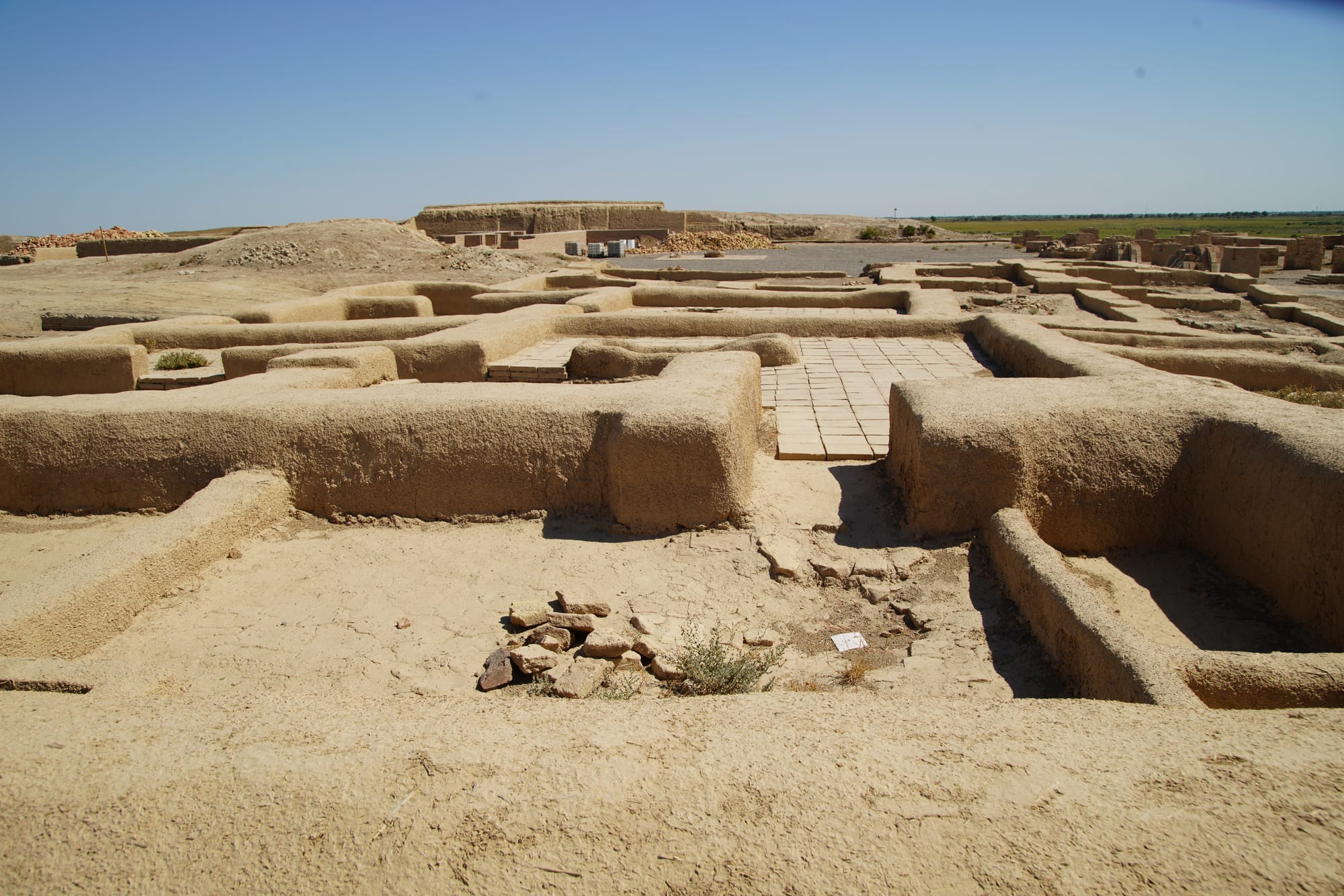
The Kazakh Khanate emerged in the mid-15th century, when clans split off to form a distinct people — nomadic pastoralists divided into three "juzes", the Great, Middle and Little hordes. Devastating invasions by the Dzungars in the 1720s pushed the juzes to seek Russian protection.
Russian conquest
From the 1730s the Kazakh khans accepted Russian suzerainty, and over the next century Russia built forts across the steppe, abolished the khanates, and crushed resistance. Slavic peasant colonisation surged after the railways arrived in the 1890s, taking grazing land, and a 1916 revolt against wartime conscription was suppressed with tens of thousands of deaths. A short-lived Kazakh nationalist government, Alash Orda, was defeated in the Russian Civil War.
The Soviet catastrophe
Kazakhstan became a Soviet republic, and the early Soviet years brought two disasters. Forced collectivisation and the settling of the nomads between 1930 and 1933 caused a famine that killed around 1.5 million Kazakhs — close to 40 per cent of the entire Kazakh population, the highest death rate of any Soviet nationality — and drove a million more abroad. Kazakhs became a minority in their own republic for the rest of the Soviet period.
Kazakhstan then became a place the Soviet state used: for the Gulag, for the mass deportation of whole peoples — Volga Germans, Chechens, Koreans, Crimean Tatars — onto the steppe, for Khrushchev's Virgin Lands grain campaign, and for weapons.
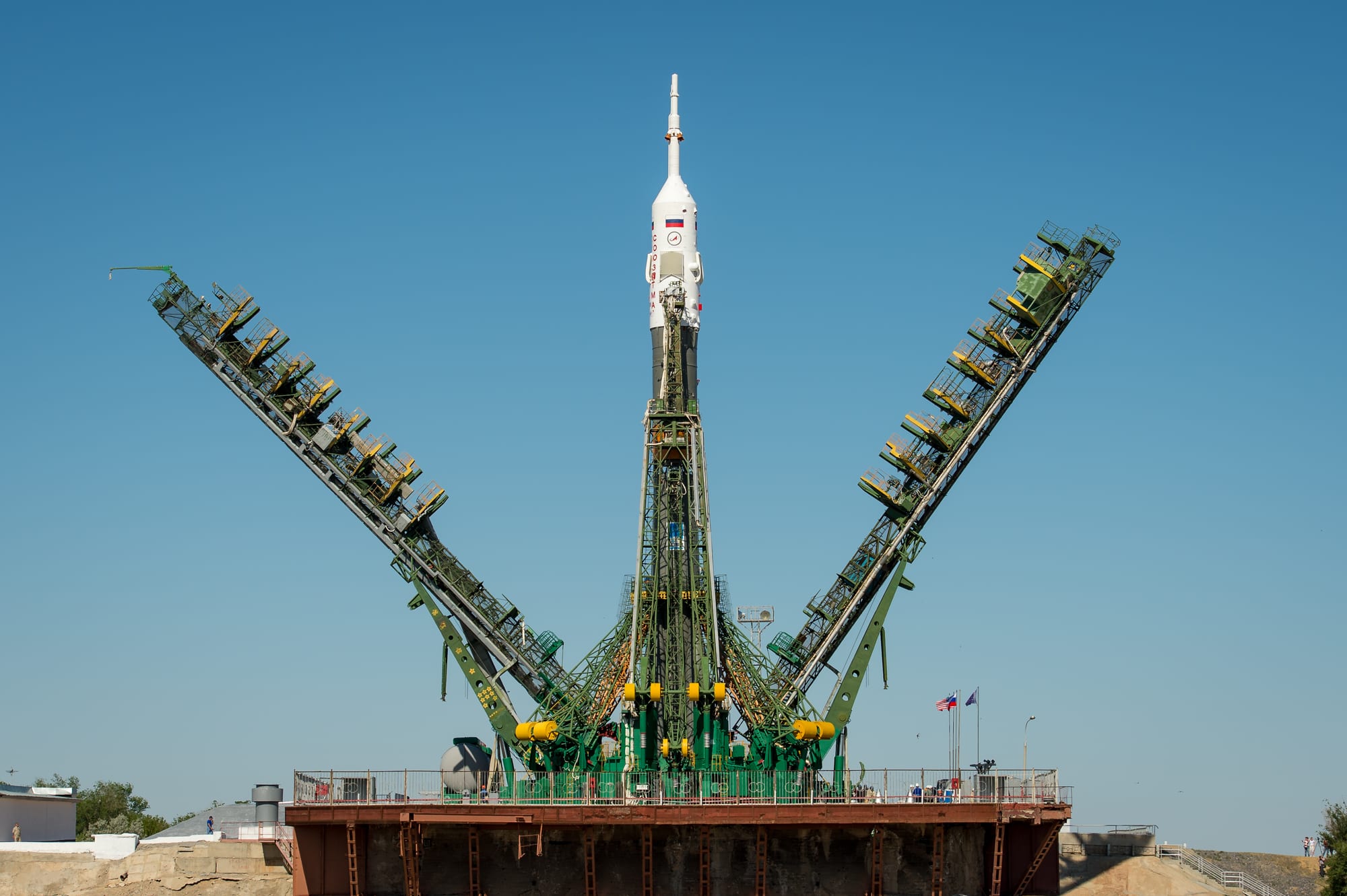
Independence and the Nazarbayev era
Kazakhstan declared independence on 16 December 1991, the last Soviet republic to do so. It gave up the world's fourth-largest nuclear arsenal, inherited from the USSR, in the 1990s.
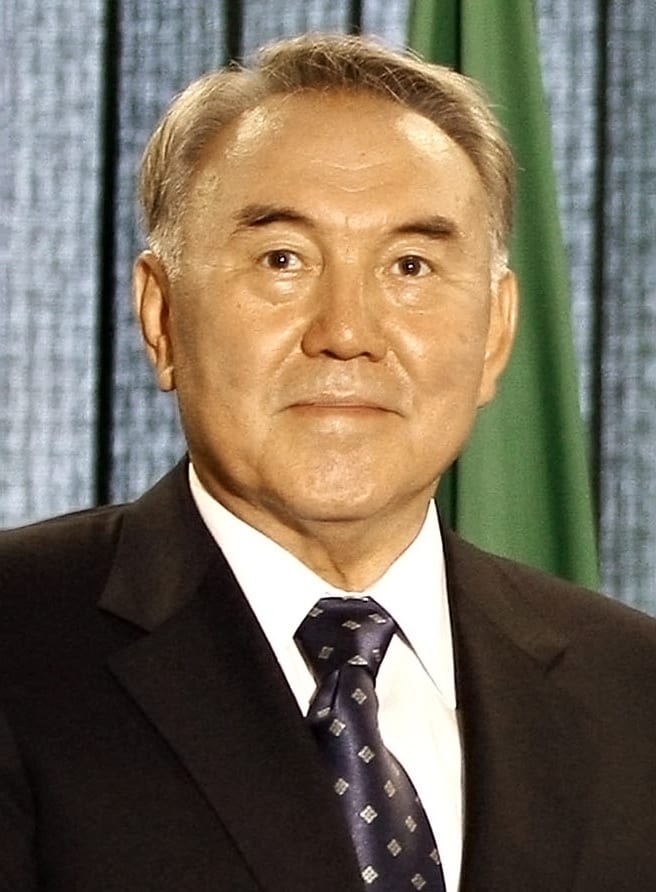
Oil made Kazakhstan Central Asia's richest economy, and Nazarbayev pursued a "multi-vector" foreign policy balancing Russia, China and the West. He resigned the presidency in 2019 but kept power behind the scenes until January 2022, when fuel-price protests exploded into nationwide unrest — "Qandy Qantar", Bloody January. President Kassym-Jomart Tokayev called in Russian-led troops, ordered security forces to shoot to kill, and over 230 people died. Tokayev then sidelined Nazarbayev entirely.
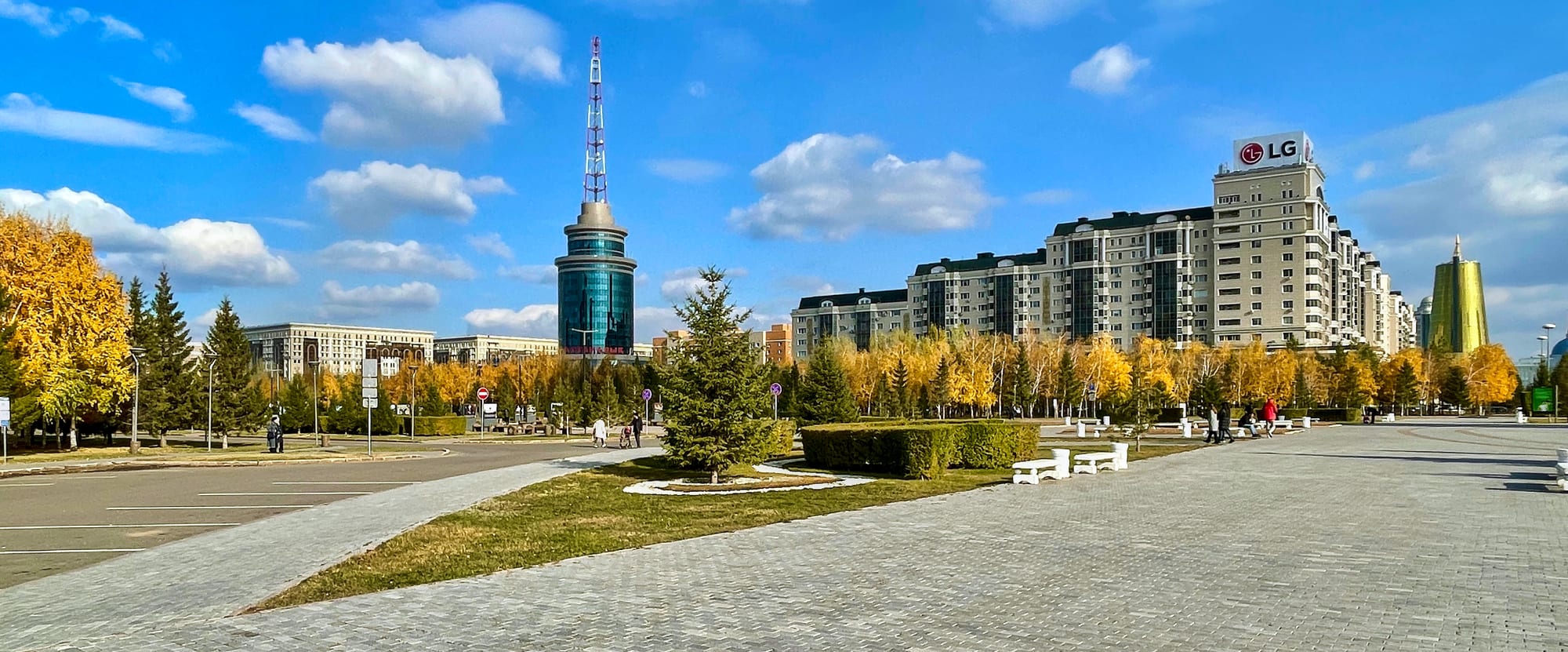
Since Russia's 2022 invasion of Ukraine, Kazakhstan has carefully kept its distance from Moscow — not recognising the annexations — while remaining economically bound to it, and deepening ties with China.
What Kazakhstan carries
Kazakhstan's history is the meeting of the steppe and the modern state. Nomad life sustained the Kazakh people for centuries and then was destroyed, almost along with the people themselves, by Soviet collectivisation. Independence brought oil wealth and a stable authoritarian order under one man; Bloody January showed how much pressure had built beneath it. The country now works to keep its footing between two giant neighbours while deciding what kind of state follows the strongman.