Food · Kazakhstan
Kazakhstan: Food and the National Dish
Boiled meat and wide noodles shared from one large platter, built for a nomadic steppe culture that measured hospitality by how generously a guest was fed
By Worldlore Editorial · 16 September 2026
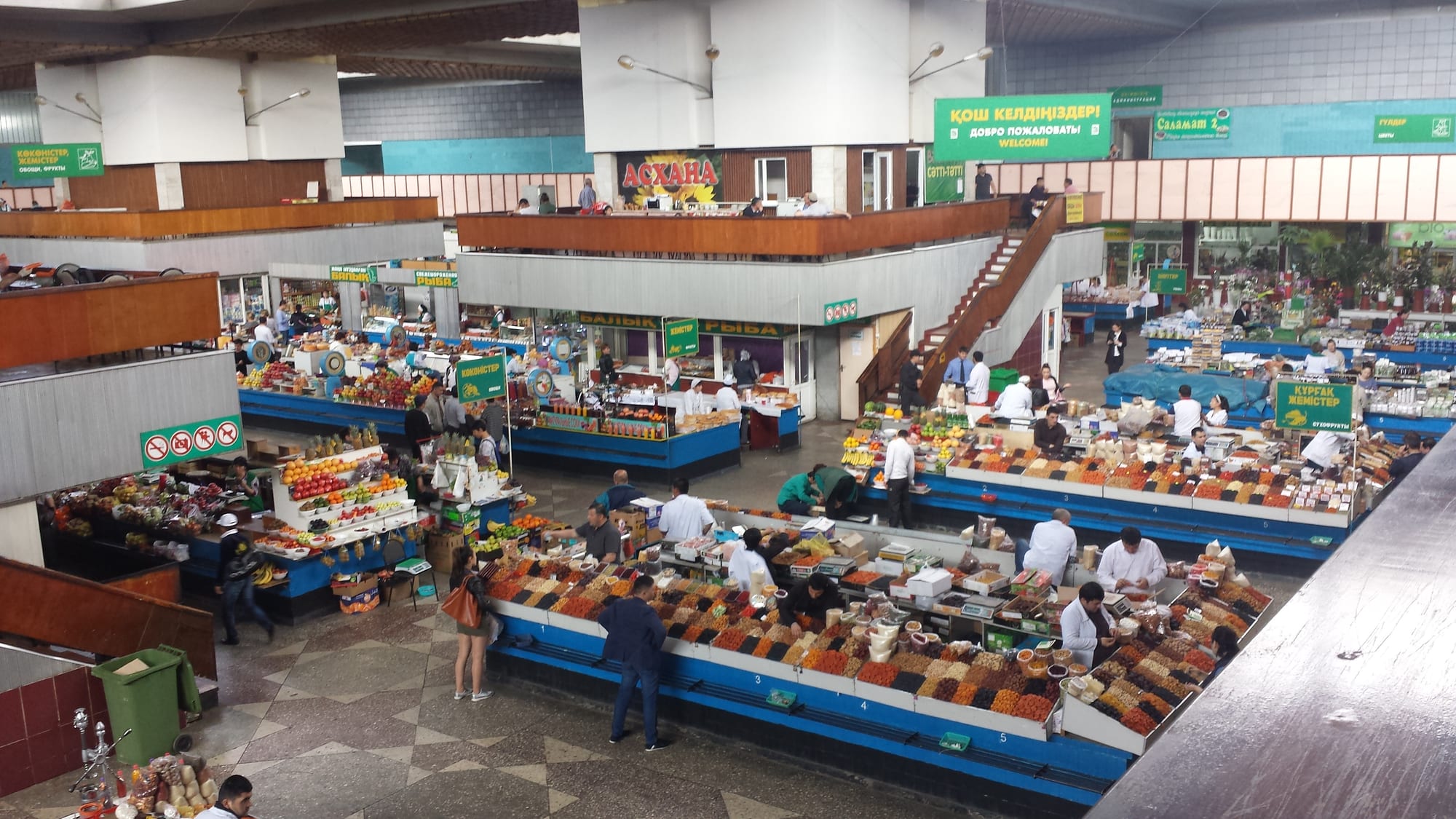
Food built for the steppe, not the farm
Kazakhstan's food traditions grew directly out of a nomadic herding culture that dominated the vast Central Asian steppe for centuries, built around meat, dairy and simple, hearty dishes designed to feed large groups rather than individual portions. That communal, meat-and- dairy foundation still defines Kazakh cooking today, even as much of the country has long since settled.
The national dish: beshbarmak
Beshbarmak, boiled meat, traditionally horse or lamb, served over wide, flat egg noodles and topped with onions, is Kazakhstan's national dish. Its name translates roughly to "five fingers," a reference to the traditional way of eating it by hand, and the dish is served from one large shared platter at gatherings, weddings and celebrations, a direct descendant of nomadic communal eating.
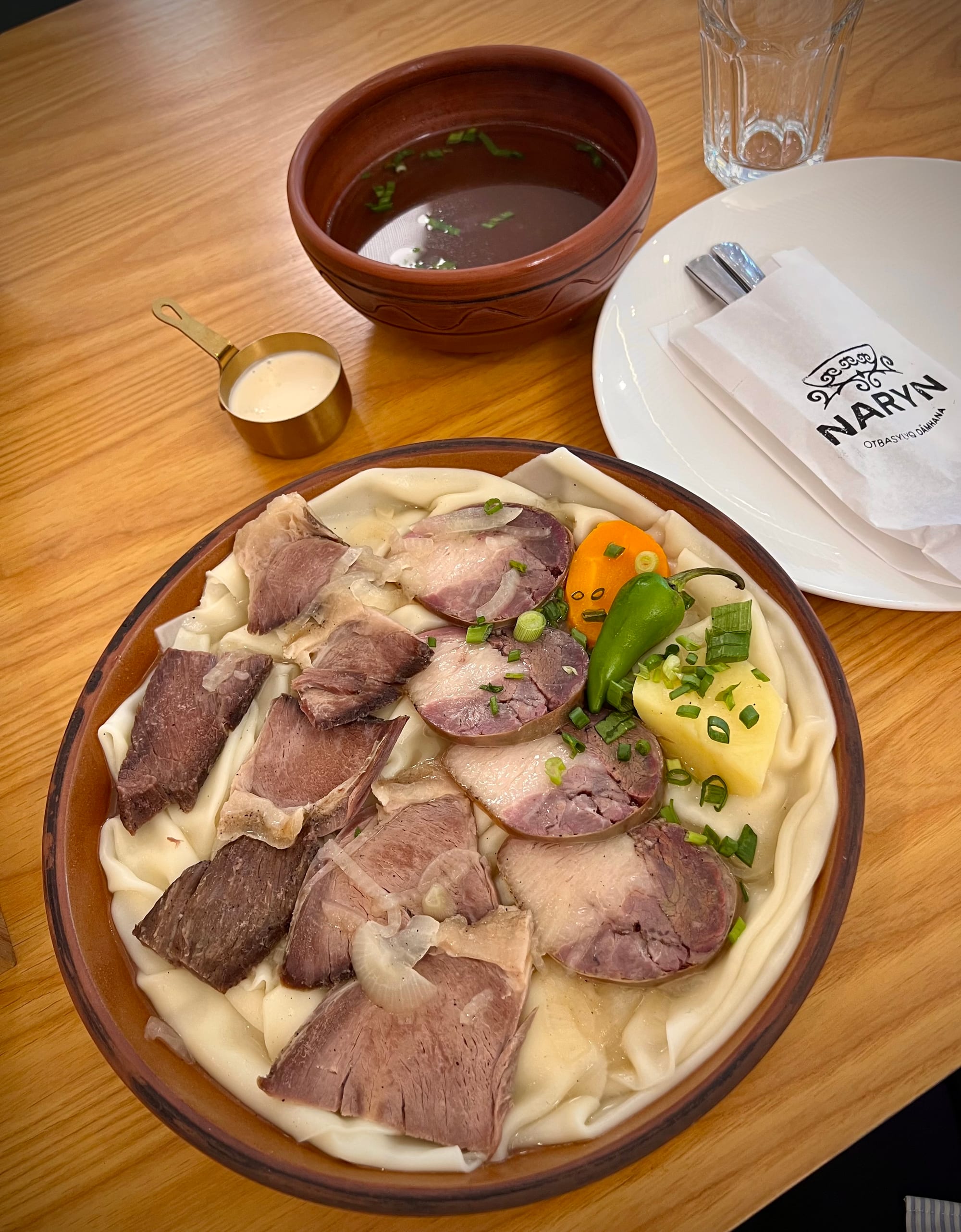
Meat, dairy and the nomadic pantry
Horse and lamb remain the most prized meats in Kazakh cooking, and fermented dairy, most famously kumis, fermented mare's milk, has deep roots in nomadic tradition as both food and drink. Bread and noodles round out the everyday table, reflecting the country's long history of trade along Silk Road routes crossing the steppe.
History behind the dish
Kazakhstan's cuisine developed among nomadic herders whose lifestyle depended on livestock, dairy and whatever grains and produce could be traded along Silk Road routes, rather than settled farming. Soviet-era rule from the 20th century added its own layer of influence, but beshbarmak and the broader meat-and-dairy foundation of Kazakh cooking trace back to the country's much older nomadic identity.
Dishes to know
Five more to recognise across Kazakhstan:
- Kumis — fermented mare's milk, a traditional nomadic drink with a
mildly alcoholic, tangy flavour.
- Baursak — small, deep-fried pieces of dough, served alongside tea or
as part of a larger spread.
- Kazy — a traditional horse-meat sausage, often served as part of a
beshbarmak spread.
- Shubat — fermented camel's milk, another traditional nomadic dairy
drink, richer than kumis.
- Manty — steamed dumplings filled with meat and onion, shared across
much of Central Asia.
Drinks
Tea, often drunk black and poured in small amounts topped up repeatedly throughout a gathering, is a genuine daily social ritual. Kumis and shubat, fermented mare's and camel's milk respectively, remain traditional drinks with real nomadic roots, distinct from anything found in most other food cultures.
Eating as a traveller
Vegetarians will find options genuinely limited given how central meat and dairy are to traditional Kazakh cooking, though bread, noodles and dairy-based dishes are available. Tap water is not reliably safe outside major hotels; stick to bottled or boiled water. If offered beshbarmak at a gathering, eating from the shared platter by hand, in the traditional style, is a genuine mark of respect for Kazakh hospitality.
What to take from the table
Beshbarmak, shared from one large platter and eaten by hand, is the dish that most directly carries Kazakhstan's nomadic steppe heritage onto the modern table.