Daily Life · Jordan
Jordan: When the Water Comes
Extended families sharing one roof, a working week that ends on Friday, and a country where almost every home plans its washing, cooking and cleaning around the one or two days a week the taps actually run
By Worldlore Editorial · 30 September 2026
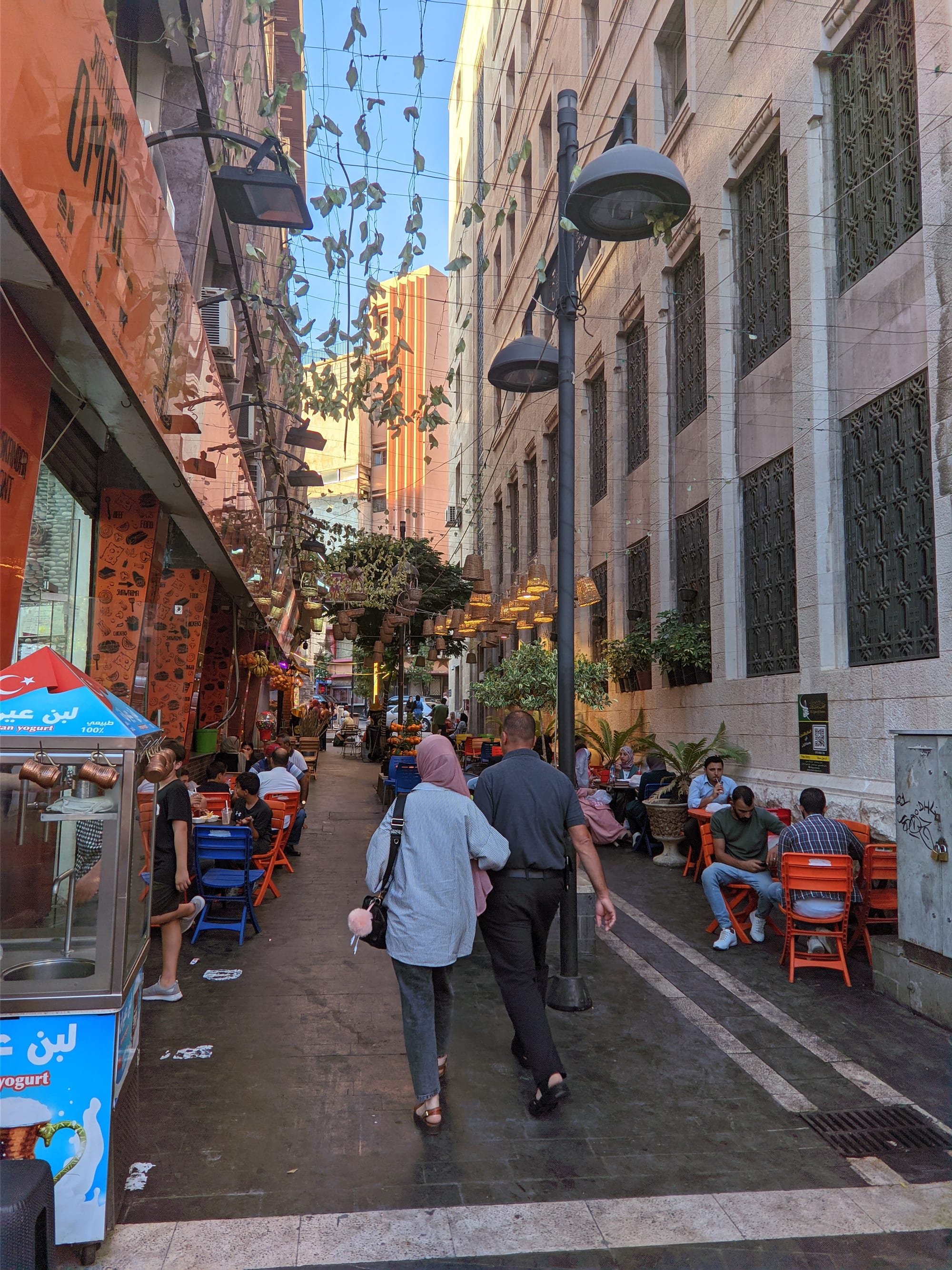
An ordinary day in Jordan starts with the household, not the individual: large, often multigenerational families sharing meals, chores and a single water tank on the roof. Jordan is one of the most water-scarce countries on earth, and in most homes the taps run on a schedule rather than continuously, so a genuine part of the daily and weekly rhythm, nationwide, is knowing when the water is due and filling every container in the house while it lasts. Around that constant, the rest of the day is familiar: a five-day working week that ends on Thursday, a weekend built around Friday prayers and family lunches, and, in the evening, the souq and the coffee cup as the country's real meeting points.
Family and home life
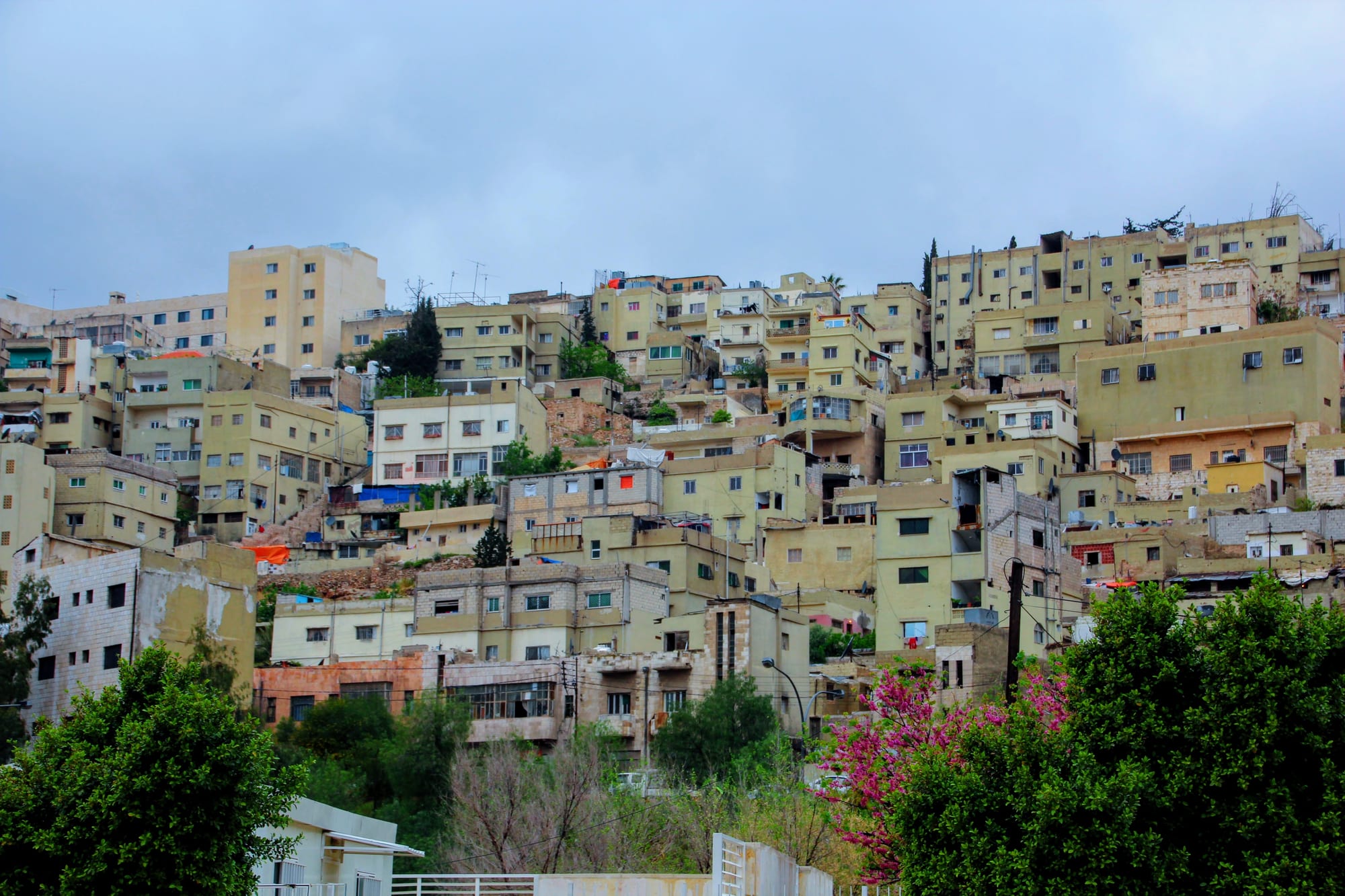
The average Jordanian household holds close to five people, and it remains common for adult sons to stay in or near the family home after marriage, keeping three generations within easy reach of one another. Older family members traditionally carry real weight in major household decisions; around one in seven households is now headed by a woman. Jordan has also absorbed enormous refugee inflows from Iraq and Syria over the past two decades, and in Amman in particular this has reshaped whole neighbourhoods, adding new households, shops and accents to streets that were quieter before.
Work, school and the rhythm of the day
The working week runs Sunday to Thursday, with Friday and Saturday forming the weekend nationwide, Friday being the Muslim holy day. Office hours fill most of the working day, though small shops and stalls keep longer, looser hours than any office. Jordan has very little water and almost no oil, so the economy leans on services, tourism, remittances and foreign aid rather than natural resources, and unemployment, especially among the young, runs high. In many homes, the working day is also shaped by the water schedule: with piped supply reaching many households only once or twice a week, laundry, cleaning and cooking that need real volumes of water tend to cluster around whichever day the tank is due to be refilled.
Community life and public spaces
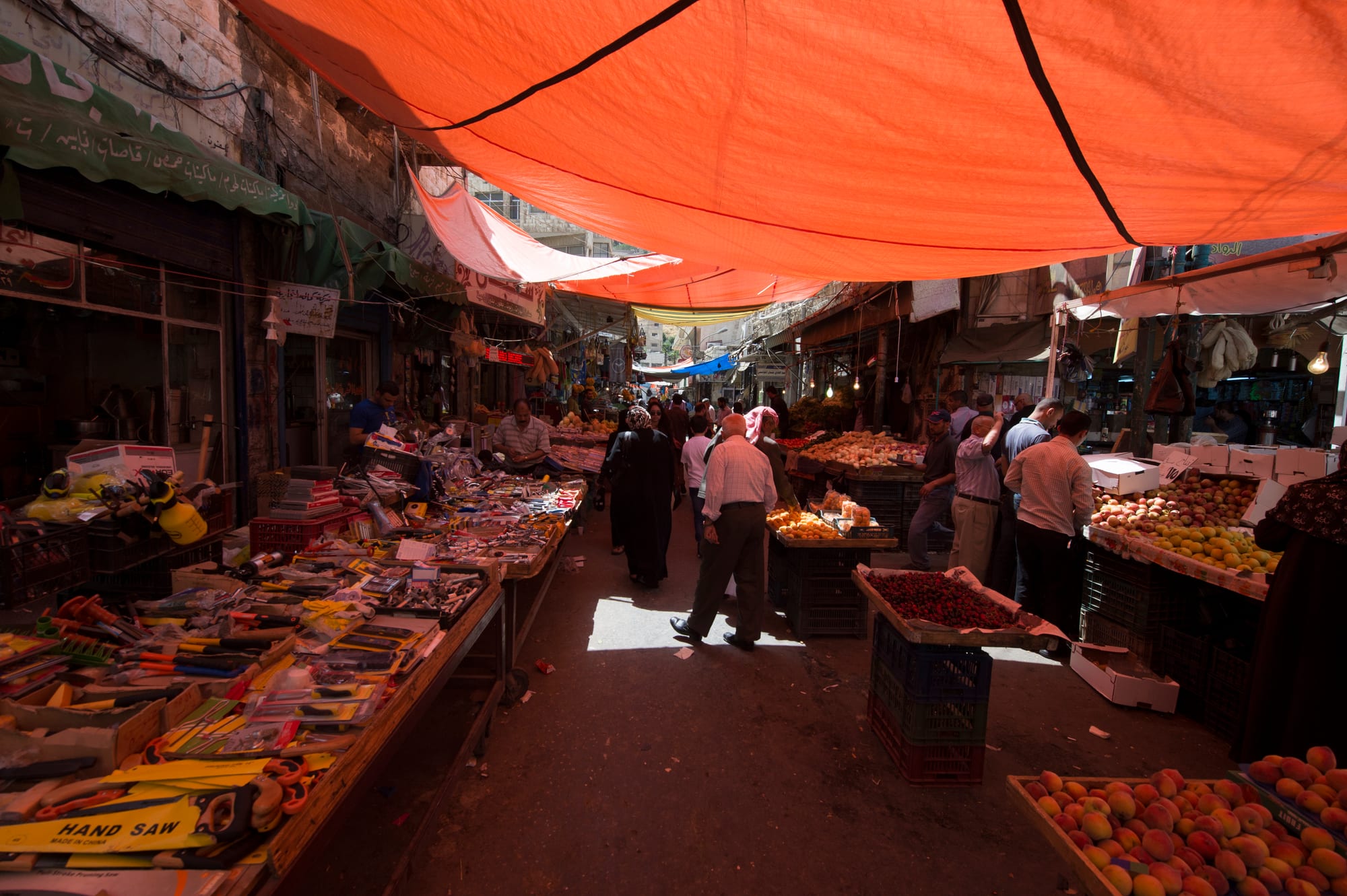
The souq remains the country's everyday public square: covered markets and open-air stalls selling produce, spices, tools and prepared food, threaded through the old quarters of Amman and every other town. Mosques anchor neighbourhood life beyond commerce, and small coffeehouses serving cardamom-scented Arabic coffee are found across towns and cities, functioning as informal gathering points through the day rather than only in the evening. Getting between them usually means a shared "service" taxi running a fixed route and picking up passengers along the way, one of the most common ways to get around cities that have no metro or tram system.
Free time and weekends
With Friday and Saturday as the shared days off, the weekend usually opens with a long family lunch, often built around mansaf, the national dish of lamb and rice, eaten together rather than individually plated. Malls, cafés and cinemas in Amman fill up through the weekend, and where finances and distance allow, families take day trips to the Dead Sea or out into the countryside. Football is followed closely nationwide, and a match watched at home or in a café draws the same kind of crowd as it does anywhere else in the region.
A visitor's ordinary day
Jordan runs mostly on the dinar, a relatively strong currency; cards work in cities and hotels, but cash is still needed for taxis, small shops and rural areas. Shops and souqs generally open by mid-morning and run into the evening most days of the week, with Friday mornings notably quieter until midday prayers finish. Shared service taxis and private taxis cover most short trips within a city; travelling between towns usually means a private car, a shared minibus or one of the intercity coach lines. Hotels and guesthouses maintain their own water storage, so the weekly rationing that shapes local households is rarely something a visitor notices directly, beyond the rooftop tanks visible on so many buildings.
What to take away
What defines an ordinary day in Jordan is less any single custom than how much of it, in every household, still runs on two clocks at once: the five-day working week, and the far older question of whether the water has come yet this week.