History · Jordan
Jordan: The Hashemite Kingdom
Nabataean Petra and Roman Jerash on an ancient caravan land — a country drawn by Britain in 1921, ruled by a dynasty from Mecca, and shaped ever since by war next door and the refugees it sends
By Worldlore Editorial · 19 September 2026
A new country on very old ground
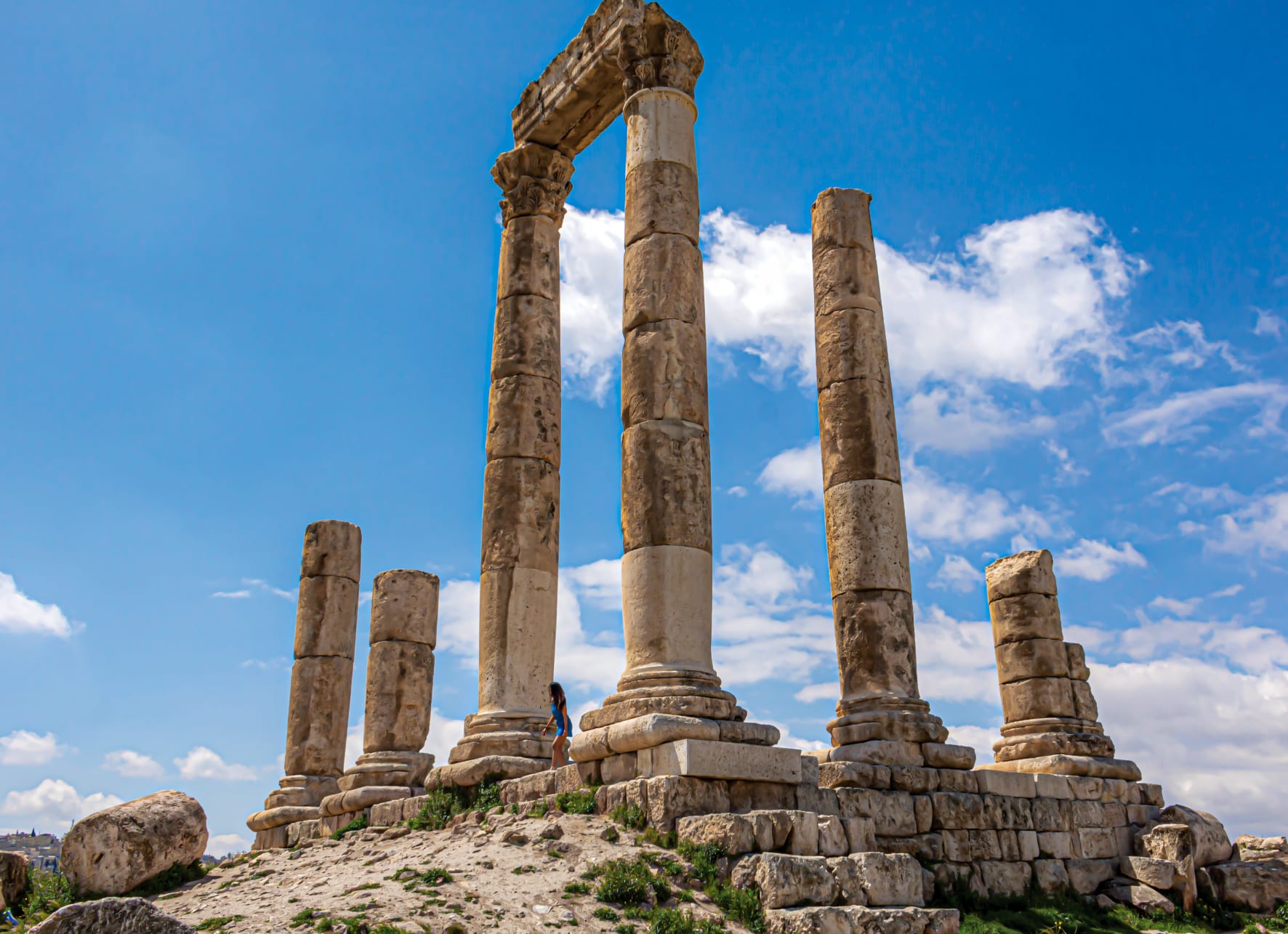
Jordan is a mostly desert plateau east of the Jordan River, with about 11 million people, a short outlet to the Red Sea at Aqaba, and few natural resources — little water, no oil. The land is ancient, holding Nabataean Petra and the Roman cities of the Decapolis; the state is not. Jordan was drawn on a map by Britain in 1921 and given to a prince from Mecca, and its modern history has been dominated by the conflicts across its borders and the waves of refugees they have driven onto its territory.
A short history
- c. 4th century BCE
The Nabataeans
An Arab trading kingdom, with Petra as its capital.
- 106 CE
Roman Arabia
Rome annexes Nabataea; the Decapolis cities flourish.
- 1516–1917
Ottoman rule
A thinly populated corner of the province of Syria.
- 1916–1918
The Arab Revolt
Sharif Hussein of Mecca and his sons rise against the Ottomans.
- 1921
Transjordan
Britain installs Abdullah as emir, east of the Jordan.
- 1946
Independence
The Hashemite Kingdom of Transjordan.
- 1948–1950
The West Bank
Jordan takes and annexes it; Palestinians become a majority.
- 1967
The Six-Day War
Jordan loses the West Bank and East Jerusalem to Israel.
- 1970–1971
Black September
The army expels the PLO after a brief civil war.
- 1994
Peace with Israel
The second Arab state to sign.
Caravans, Rome, and empire
The land east of the Jordan held biblical kingdoms — Ammon, Moab, Edom — and then the Nabataeans, whose caravan wealth built Petra. Rome annexed their kingdom in 106 CE, and cities like Jerash grew into showpieces of the Roman East.
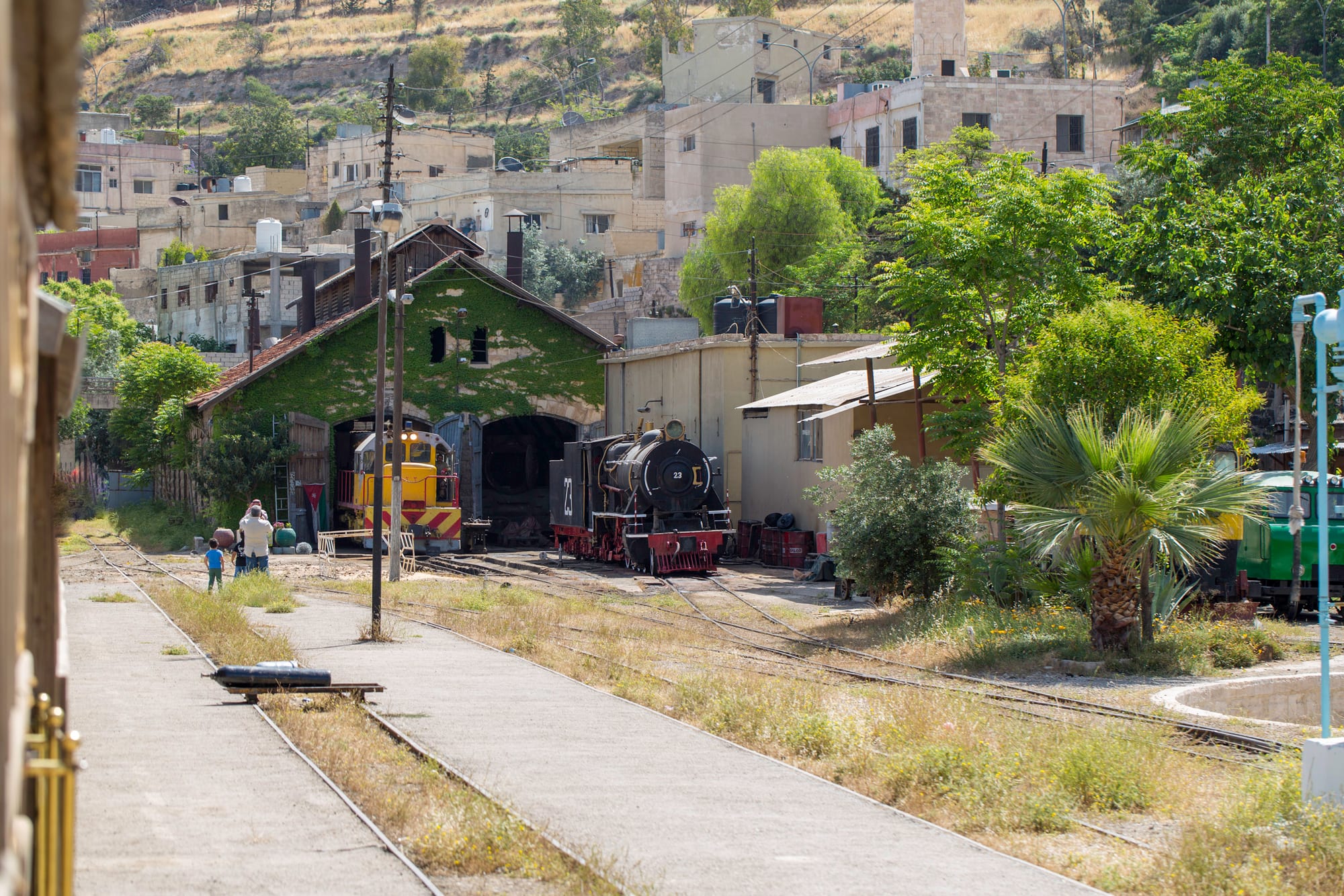
Crusader castles at Kerak and Shobak, Umayyad desert palaces, and the King's Highway all crossed this land, but by the 19th century it was sparsely populated desert on the edge of the Ottoman Empire, with the Hejaz Railway running through a small station town called Amman.
The making of Jordan
In the First World War, Sharif Hussein of Mecca and his sons led the British-backed Arab Revolt against the Ottomans. After the war, Britain held the Mandate for Palestine, which included the land east of the river. In 1921 Britain installed Hussein's son Abdullah as Emir of Transjordan, administratively separate from Palestine and explicitly outside the Jewish-homeland provisions.

Transjordan became independent in 1946. In the 1948 war its British-officered Arab Legion occupied the West Bank and East Jerusalem, which Jordan annexed in 1950, renaming itself simply Jordan — and roughly tripling its population with Palestinians, who became the majority.
King Hussein's long reign
Abdullah's grandson Hussein became king in 1953 at seventeen and ruled for 46 years, surviving repeated coup and assassination attempts. In the 1967 war Jordan lost the West Bank and East Jerusalem to Israel and took in another wave of Palestinian refugees. In 1970–71, after the PLO had built an armed state-within-a-state, Hussein's army crushed and expelled it — "Black September". He renounced Jordan's claim to the West Bank in 1988.
Jordan now
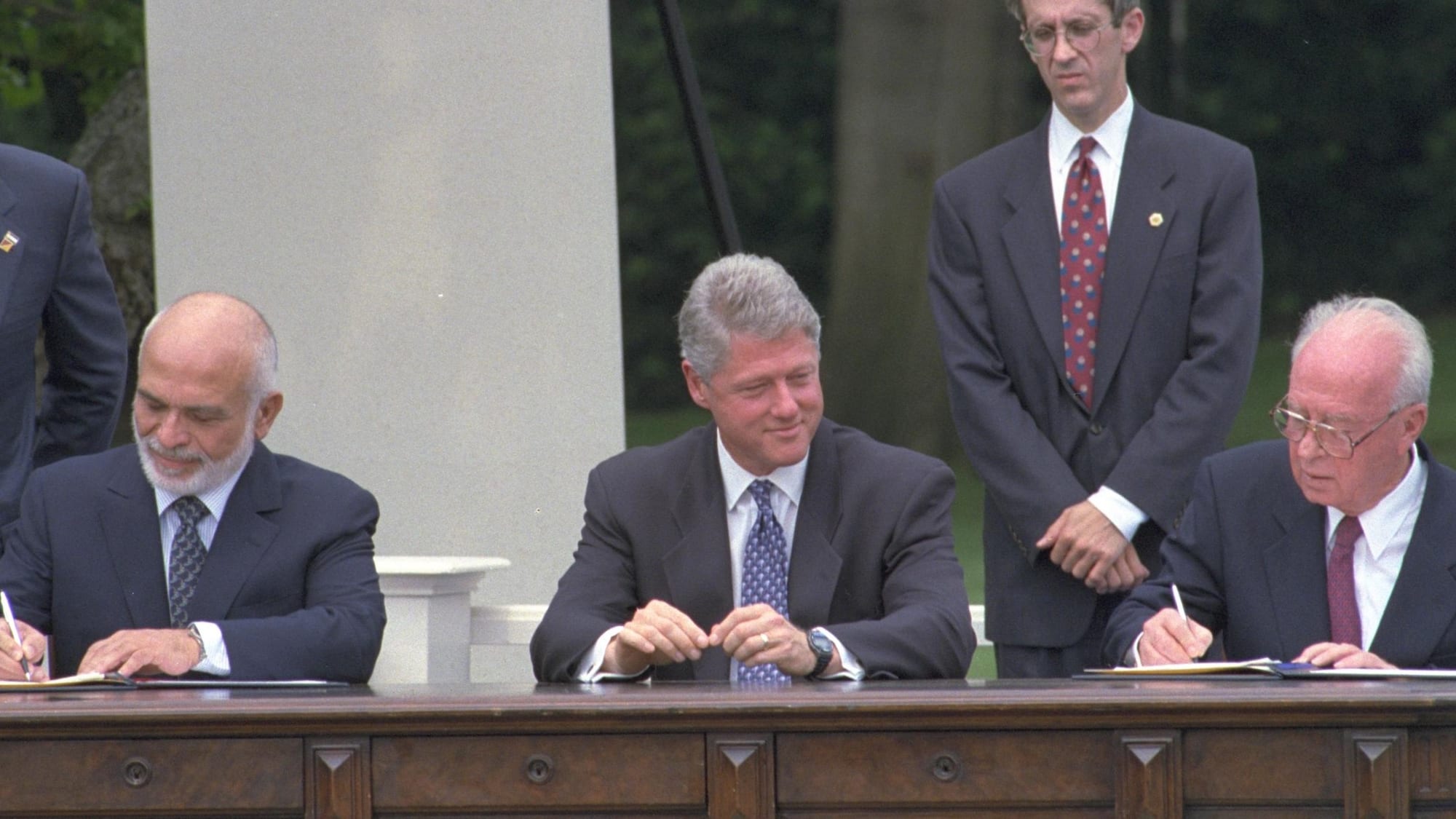
King Abdullah II, on the throne since 1999, has pursued economic liberalisation and kept Jordan a stable, pro-Western state through the 2011 Arab Spring, which brought protests but no uprising. The defining pressure has been refugees: hundreds of thousands of Iraqis after 2003, and some 1.3 million Syrians since 2011 — one of the highest refugee burdens per head in the world.
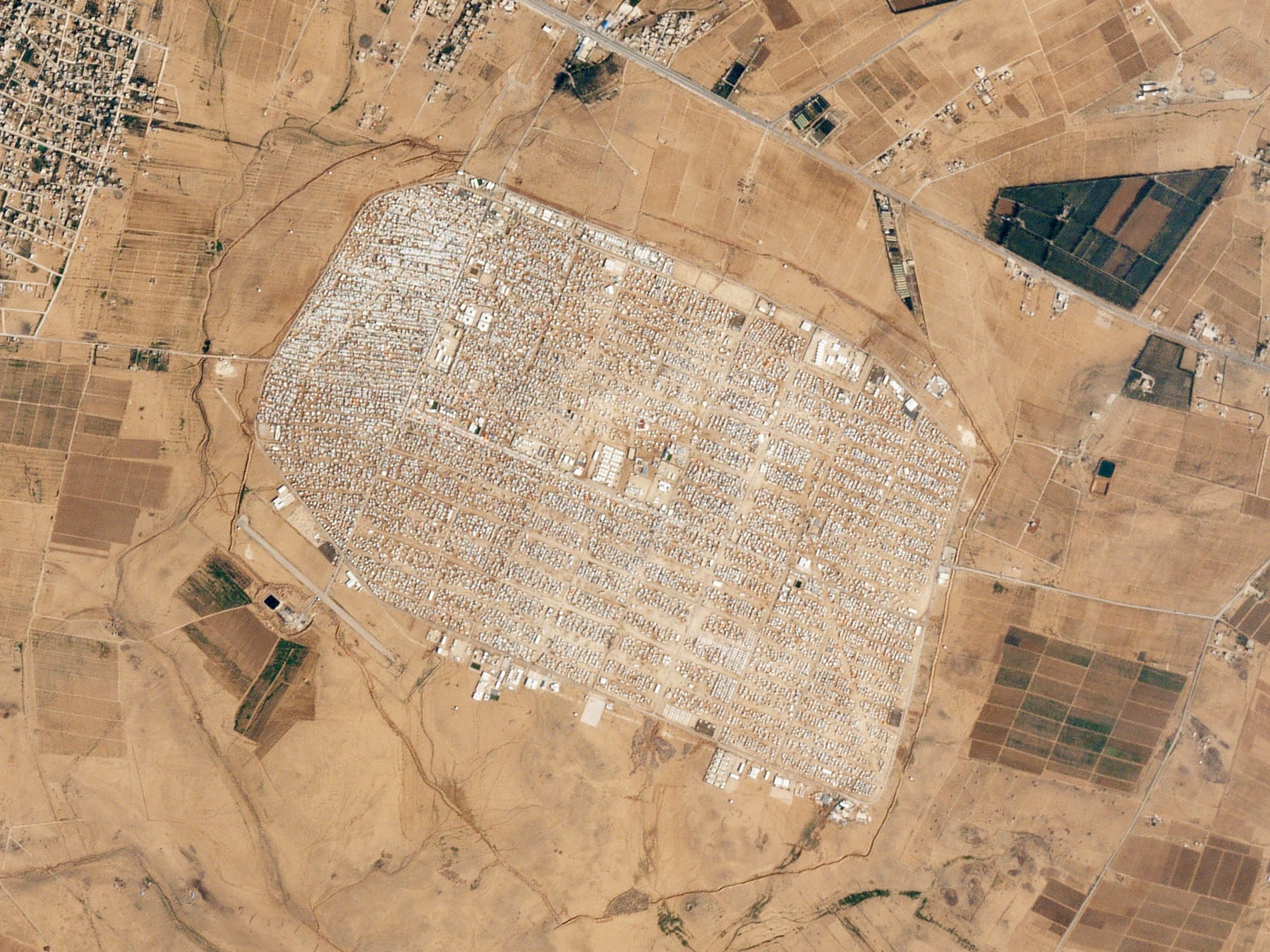
Water scarcity, public debt and youth unemployment are chronic, and Jordan's stability rests on a careful balance — between its Palestinian-majority population and the Hashemite state, and between its Western alliances and its volatile neighbourhood.
What Jordan carries
Jordan is a made country that has lasted. It has no oil, little water, an artificial border, and a population most of whom trace their roots to somewhere else — and yet, under one durable dynasty, it has stayed intact and comparatively calm while wars consumed almost every neighbour. Managing that fragility, war by war and refugee wave by refugee wave, is essentially what Jordanian statecraft has been.