Culture & Customs · Jordan
Jordan: Hand on the Heart
A Muslim kingdom with an ancient Christian minority, where coffee is poured as a pledge of generosity, a refusal is softened with a hand on the heart, and no one misses a neighbour's days of mourning
By Worldlore Editorial · 30 September 2026
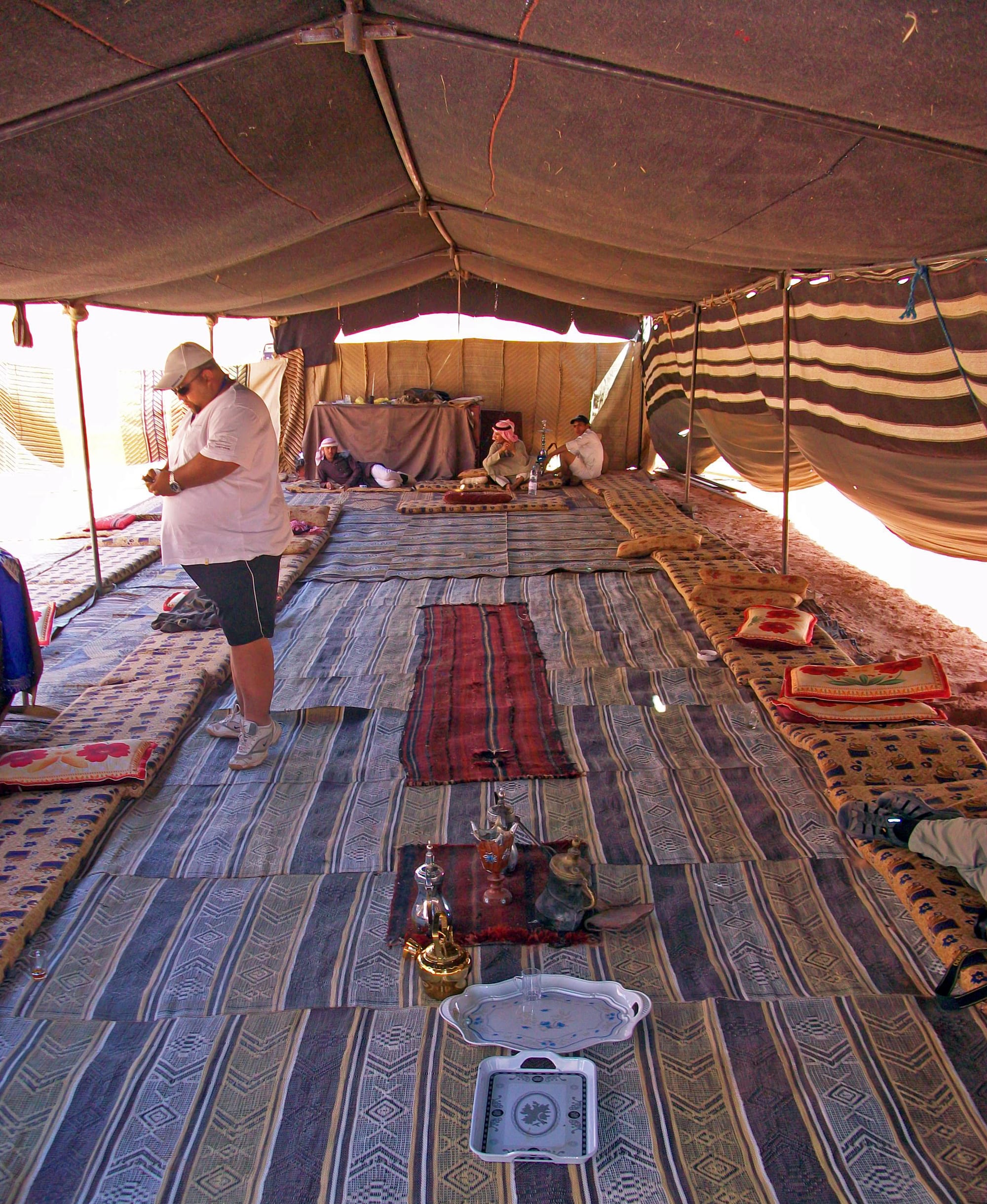
A guest sits down on a cushion against the wall of the tent, and before anything else is said the host takes up the coffee pot. The eldest and the guest are served first, the coffee poured with the right hand into a small, handleless cup, a mouthful at a time. When the cup is empty it is held out and filled again — until the guest gives it a gentle shake from side to side, the signal that they have had enough. The whole exchange may take only a few minutes, but it carries a long history of meaning: across Jordan, Arabic coffee is a pledge of generosity, a gesture of trust and, at a gathering to settle a dispute, a call for peace. Much of Jordanian etiquette grows from that same root — the conviction that a guest must be honoured, and that courtesy is a matter of pride.
Faith, identity and values
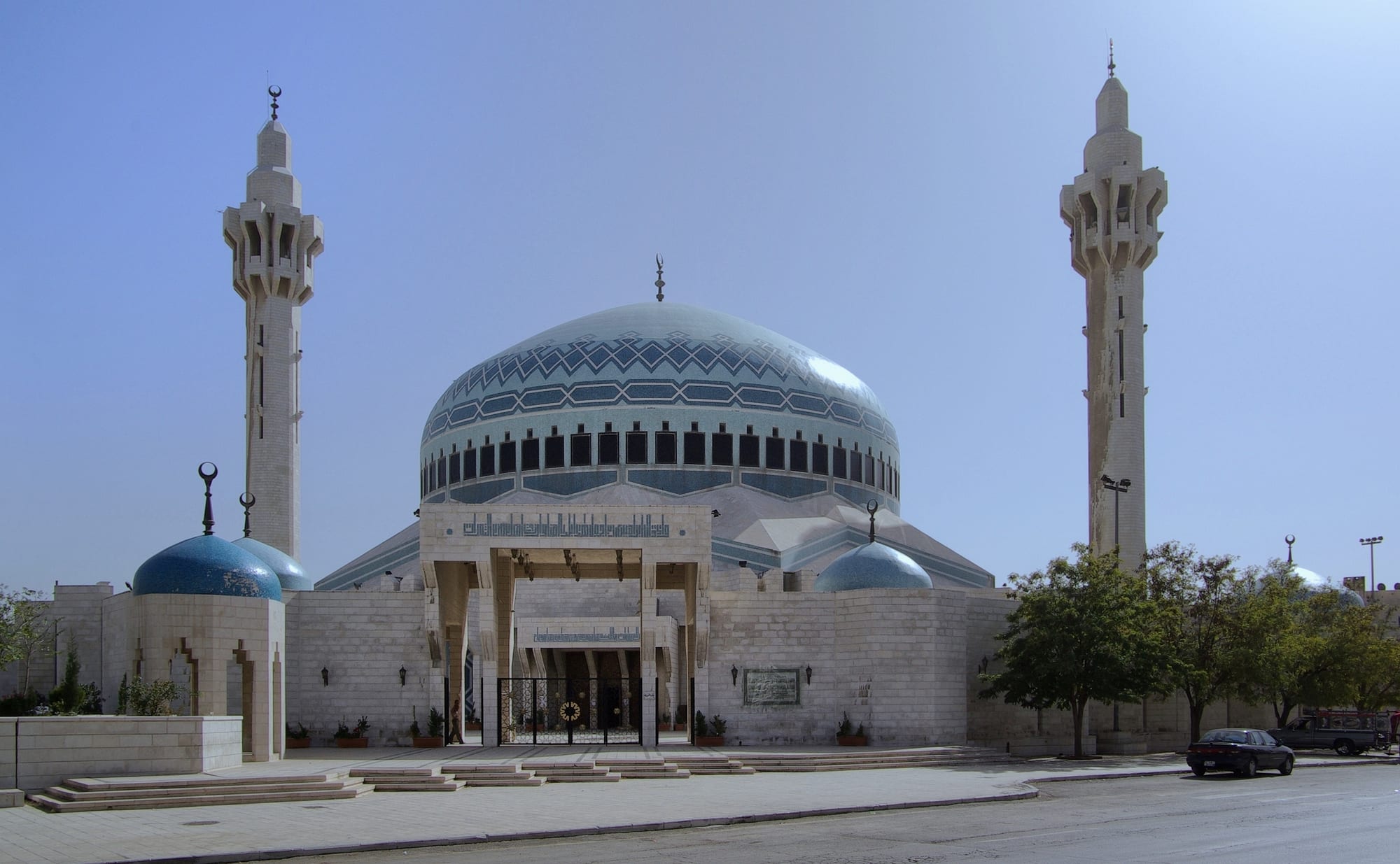
Islam is the religion of the state and shapes the rhythm of public life. According to US government estimates, about 97 per cent of Jordanians are Muslim, virtually all of them Sunni, and about 2 per cent are Christian, a community whose church leaders put its size at between roughly 2 and 3 per cent. The constitution protects the free exercise of worship consistent with public order and morality, while matters of personal and family status for Muslims fall under sharia courts. Small Baha'i, Druze and other communities make up the rest; the Druze are officially counted as Muslims. The call to prayer marks the day, Friday is the main day of worship, and Ramadan is a month of fasting, piety and generosity that changes the pace of the whole country.
Hospitality is the value Jordanians are proudest of, and the Jordan Tourism Board describes its people simply as warm, friendly and hospitable. Food is treated as a symbol of generosity and goodwill — the more the better — and Arabic coffee, on UNESCO's list of intangible heritage, is served at weddings and at the tribal gatherings, or majalis, where disputes are resolved and reconciliations sealed, often alongside the recitation of poetry and the exchange of memories. UNESCO notes that in Jordan coffee holds a place of honour both in government settings and in private homes, and that it brings together people of all backgrounds, genders and religions.
Much of this has roots in Bedouin life. In the southern deserts, where settled and nomadic Bedu have lived for centuries and still draw on ancient Nabataean water systems, communities have long passed down, by word of mouth, knowledge of desert plants and animals, traditional medicine, camel herding, tent-making and tracking, along with poetry, folktales and songs tied to the landscape. UNESCO has recognised this heritage while noting the pressure it faces as younger Bedu settle and as desert tourism grows. Mansaf, the festive dish of meat, yoghurt sauce and rice, carries a similar weight: it is served at weddings, funerals, religious feasts and reconciliations, and is regarded as a symbol of identity and social cohesion. Its preparation is itself a social occasion, with the cooks trading stories and songs as they work, and the recipes and skills behind it are passed down mainly from women to their daughters and granddaughters.
Greetings and meeting people
Handshakes are the normal greeting, and it is polite to stand up when greeting someone who arrives. Between acquaintances of the same sex, kisses on both cheeks are a traditional sign of warmth and welcome, and visitors may find themselves greeted this way. Conservative women, particularly those who are veiled, may not offer their hand to a man, so it is best for men to wait and see. People also tend to stand a little closer during conversation than many Westerners are used to.
A few words of Arabic, however basic, are warmly received, and Jordanians are generally quick to forgive foreigners who slip up on local etiquette — though visitors who are seen to make an effort win real goodwill. When an invitation cannot be accepted, the graceful way to decline is to place the right hand over the heart and refuse politely: the gesture conveys thanks and sincerity at the same time, and is used for declining offers of food and drink as well.
Religious observance calls for tact in public places. It is considered rude to interrupt a Muslim who is praying, or to walk in front of someone at prayer, whether in a mosque or in the open.
Hospitality and being a guest
An invitation to share tea or coffee is one of the best ways to get to know Jordanians, and coffee in particular should be accepted when a host offers it, since it is a sign of hospitality. Guests are served before others, alongside the eldest present, and the host will keep refilling the small cup; to decline more, the cup is shaken gently from side to side before being handed back.
At meals, hosts traditionally press more food on their guests than they can comfortably eat, and this is simply generosity at work rather than something to resist too firmly. When mansaf is served on a shared platter, diners gather in small groups around it and eat with the right hand, traditionally keeping the left hand behind the back, though cutlery is now also common.
Beyond the home, a few practical courtesies apply. A tip for good service is customary, taxi fares are usually rounded up, bargaining is normal when shopping in markets and small shops, and carrying some loose change makes everyday transactions easier. Water should never be wasted in one of the most water-scarce countries in the world. Drinking alcohol on the street is frowned upon, although it is served in bars, hotels and restaurants. Unmarried couples living together are widely regarded as socially unacceptable. Public displays of affection can cause offence, particularly between same-sex couples, and trying to convert Muslims to another faith is prohibited.
Festivals and life's big moments
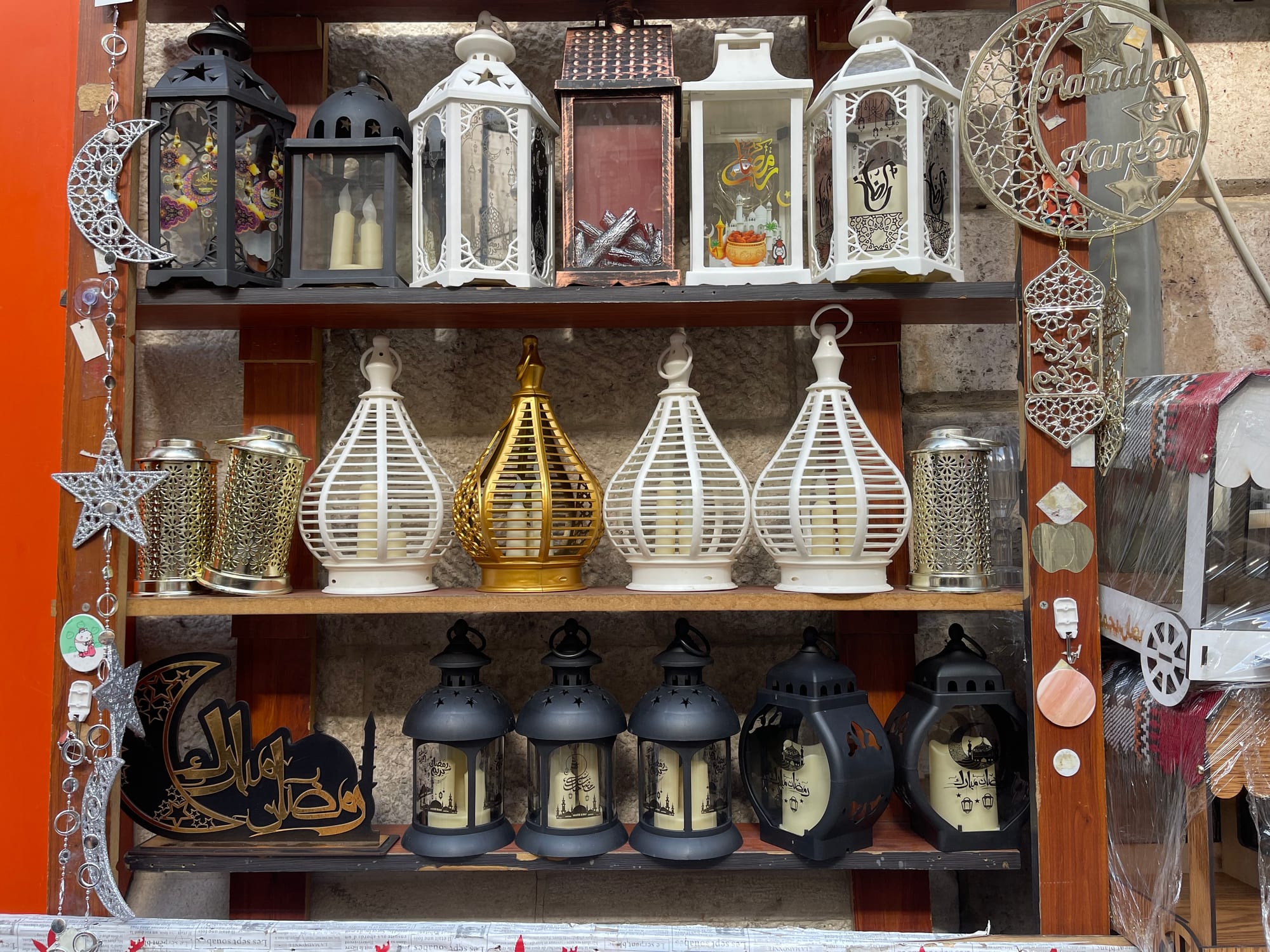
The Islamic calendar sets the country's most important festivals. During Ramadan, eating, drinking and smoking in public in daylight is prohibited, shops, banks and offices keep shorter hours, and alcohol sales are restricted, though tourist hotels and restaurants stay open. The month ends with Eid al-Fitr, and Eid al-Adha follows some weeks later; both are national holidays, as are the Islamic New Year and the Prophet's birthday. The fixed calendar includes Independence Day on 25 May and, reflecting the country's long-established Christian community, Christmas Day.
Weddings are the most joyful of life's occasions. The traditional celebration includes the zaffa, a procession full of music, joyful shouts and the throwing of sweets and flowers, in which community elders see that tradition is respected, mothers prepare every stage and young people accompany the bride and groom. Across the countries that share the zaffa, UNESCO notes, it can include small symbolic acts meant to protect the couple and bless their union. Henna, a symbol of joy at births and weddings, is part of the preparations, its skills learned by watching and doing and accompanied by chants, songs, proverbs and poems. Wedding days are also the great occasion for As-Samer, a tradition of song, dance and poetry expressing joy, peace and intimacy. Guests form rows, clapping and singing, while a veiled woman known as the al-hashi dances before them, guided by a companion, and a man, the al-badda, sings to urge her on; people of all ages join in, and children are encouraged to take part.
Mourning is marked with equal commitment. After a burial comes the azza, a three-day public wake at which the bereaved family receives visitors, usually in separate halls for men and women. Attending is treated as a duty not only for relatives but for in-laws, friends, colleagues, neighbours and acquaintances, and failing to appear can leave a lasting social rift. The azza is also, as Jordanians will readily admit, one of the main places where news is shared, contacts are made and matches are arranged.
Arts, crafts and music
Jordan's living traditions have gained growing international recognition. Alongside As-Samer, Arabic coffee, mansaf and the Bedu heritage of the southern deserts, UNESCO's list now includes Arabic calligraphy, the craft of the bisht — the traditional men's cloak — the use of Arabic kohl, and the knowledge surrounding the date palm, among others. Calligraphy in particular remains a visible art, adorning mosques and public buildings, while oral poetry, recited at gatherings and sung at weddings, remains a highly regarded form of expression.
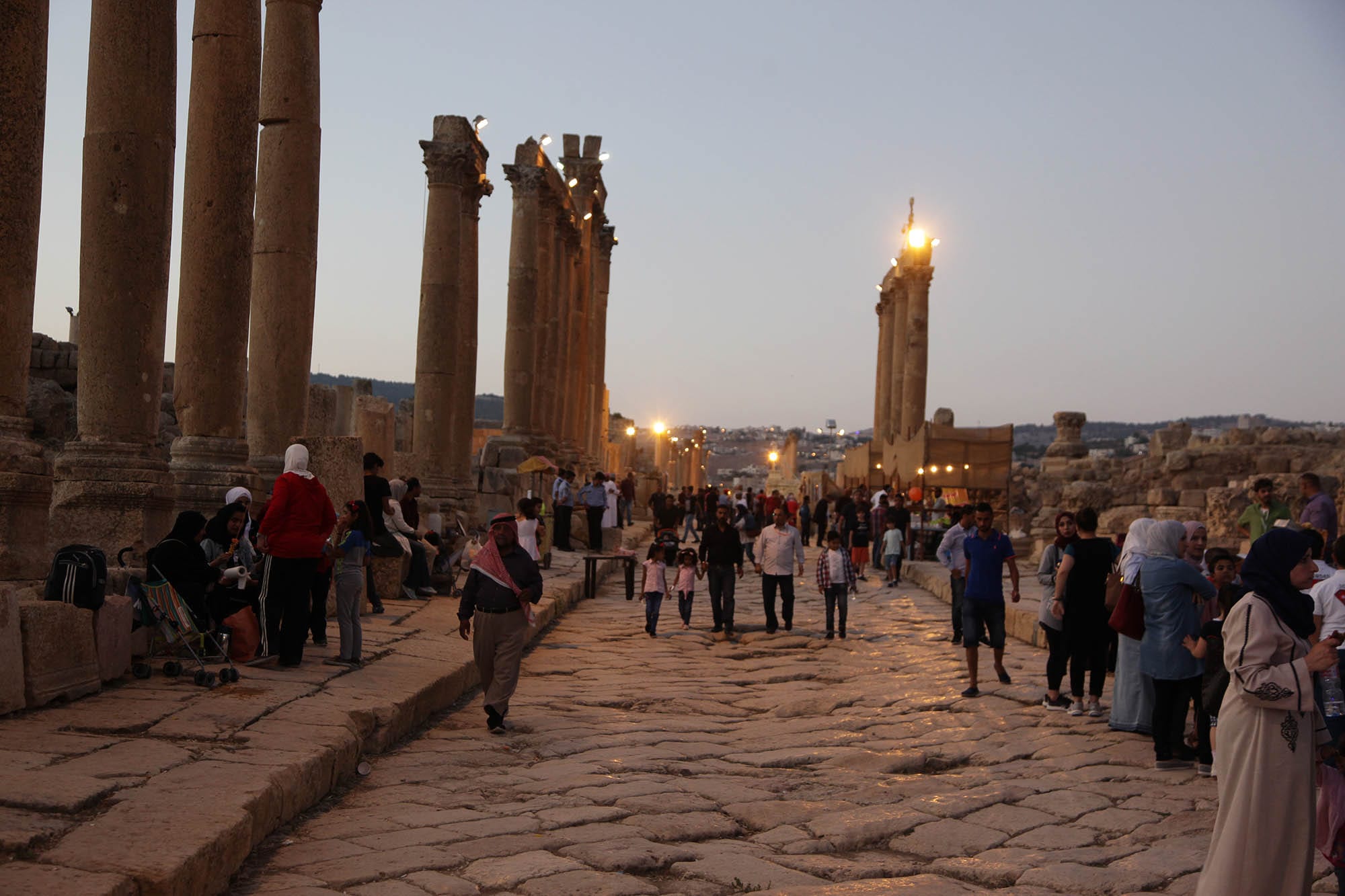
The country's biggest cultural event is the Jerash Festival of Culture and Arts, established in 1981 and held each summer, usually from late July into early August, among the ruins of the Roman city of Jerash. Actors, musicians, poets and heritage experts from across the Arab world take part, with music, dance, poetry and displays of traditional handicrafts such as weaving and woodwork, and the festival has become a showcase for the arts of the wider region as much as for Jordan's own.
Dos and don'ts for visitors
- Do check the latest government travel advice before any trip; Jordan has been affected by the war between the United States and Israel and Iran since February 2026, most governments advise against visiting the borders with Syria and Iraq and the eastern desert near them, and the regional situation can change quickly.
- Do accept Arabic coffee when it is offered, and shake the cup gently from side to side when no more is wanted.
- Do stand up to greet people, and let a woman offer her hand first; conservative veiled women may not shake hands with men.
- Do place the right hand over the heart to decline an invitation or offer politely.
- Do dress modestly, especially at religious and archaeological sites.
- Don't eat, drink or smoke in public during daylight hours in Ramadan; it is against the law.
- Don't interrupt or walk in front of someone who is praying.
- Don't drink alcohol on the street or make public displays of affection.
What to take away
Jordanian customs rest on generosity given and respect returned, and visitors who accept the coffee, honour the quiet of prayer and answer kindness with a hand on the heart will rarely find themselves strangers for long.