Attractions & Natural Wonders · Jordan
Jordan: Ten Attractions and Natural Wonders
A rose-red city carved into a canyon, a desert of sandstone islands, a Roman provincial capital, and the lowest, saltiest sea on earth
By Worldlore Editorial · 9 September 2026
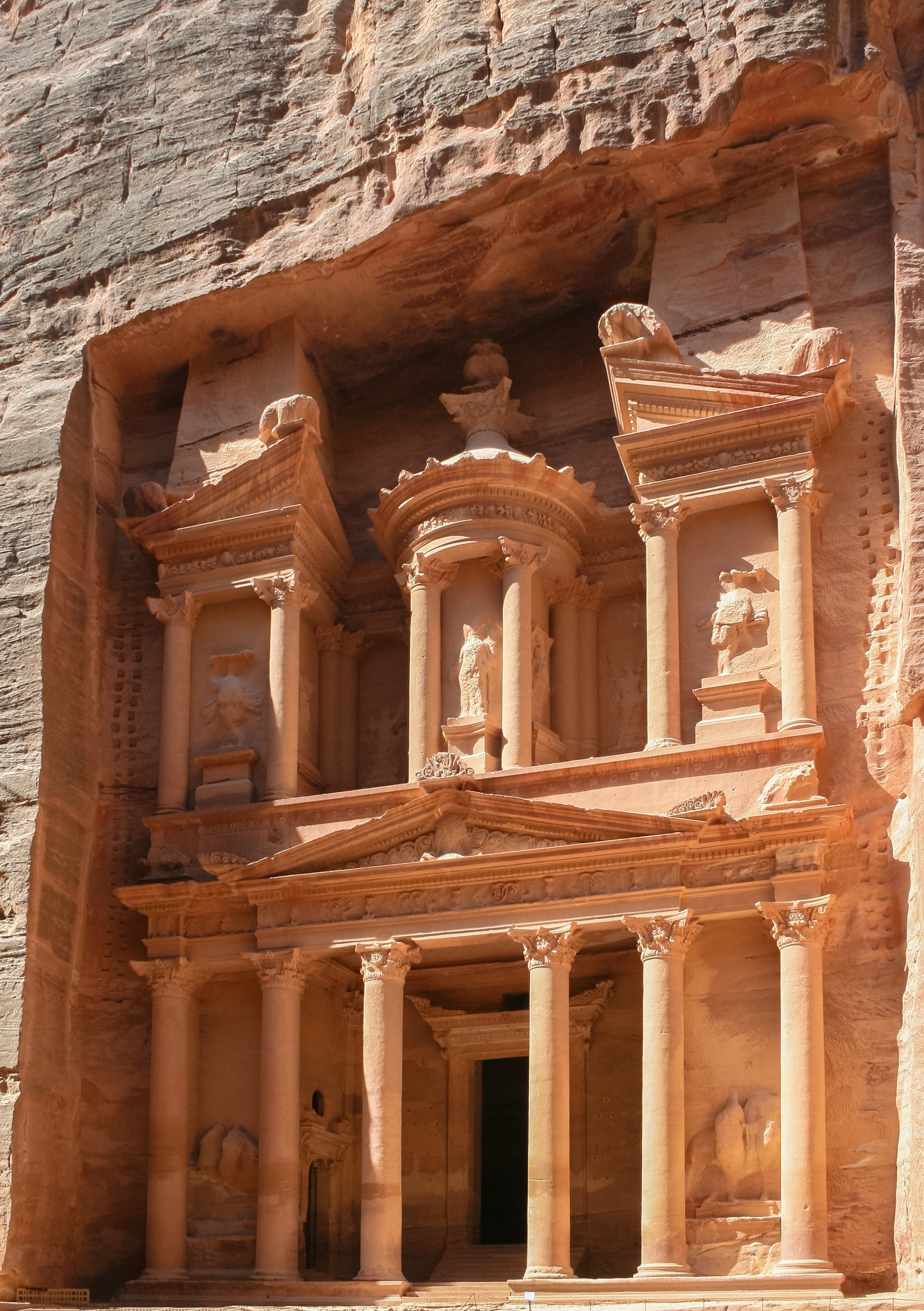
A small kingdom of big landscapes
Jordan is a small country at the crossroads of the Middle East, bordered by Israel and the West Bank, Syria, Iraq, and Saudi Arabia, with about 11.3 million people (a large share of them refugees from surrounding conflicts). It has stayed relatively stable while its neighbours have not, and it has built a real tourism industry around one of the world's great archaeological sites, Petra, plus desert, Roman ruins, and the Dead Sea. It is welcoming, easy to travel, and mostly compact.
The ten below run from the north down the length of the country to the Red Sea. Spring (March–May) and autumn (September–November) are the ideal seasons; summer is very hot in the desert and at the Dead Sea, and winter can be cold and even snowy in the highlands.
1. Petra
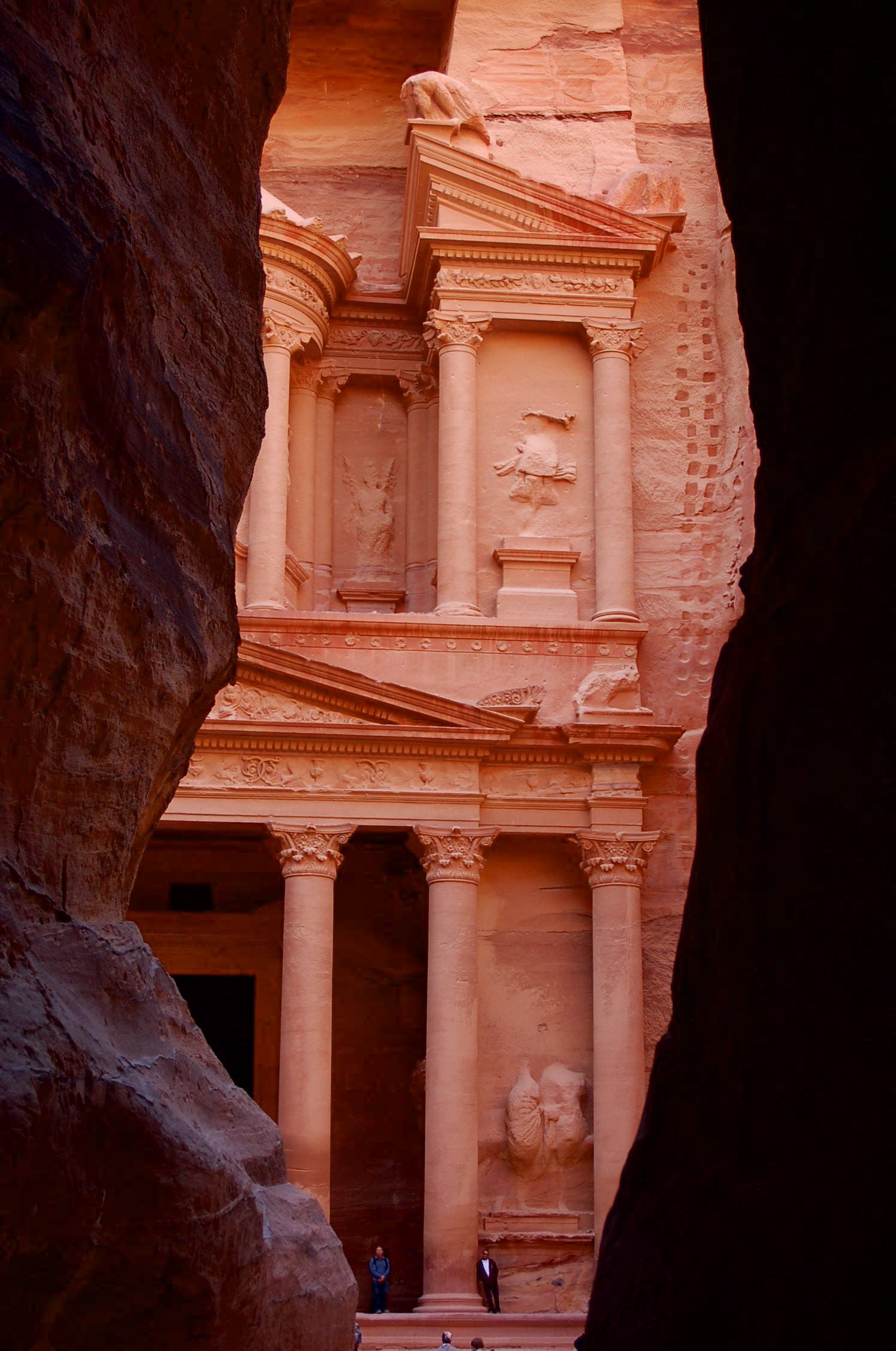
Petra was the capital of the Nabataeans, a trading people who grew rich on the caravan routes and, from the 1st century BC, carved a city of tombs, temples, and water channels into the coloured sandstone of a desert canyon. You enter through the Siq, a long narrow gorge that opens suddenly on the Treasury; beyond lie the Street of Facades, a Roman theatre, the Royal Tombs, and a steep climb of 800 steps to the vast Monastery (Ad-Deir). It is a UNESCO World Heritage Site and one of the "New Seven Wonders".
Two days does it justice; "Petra by Night", with the Siq lit by candles, runs a few evenings a week.
2. Wadi Rum
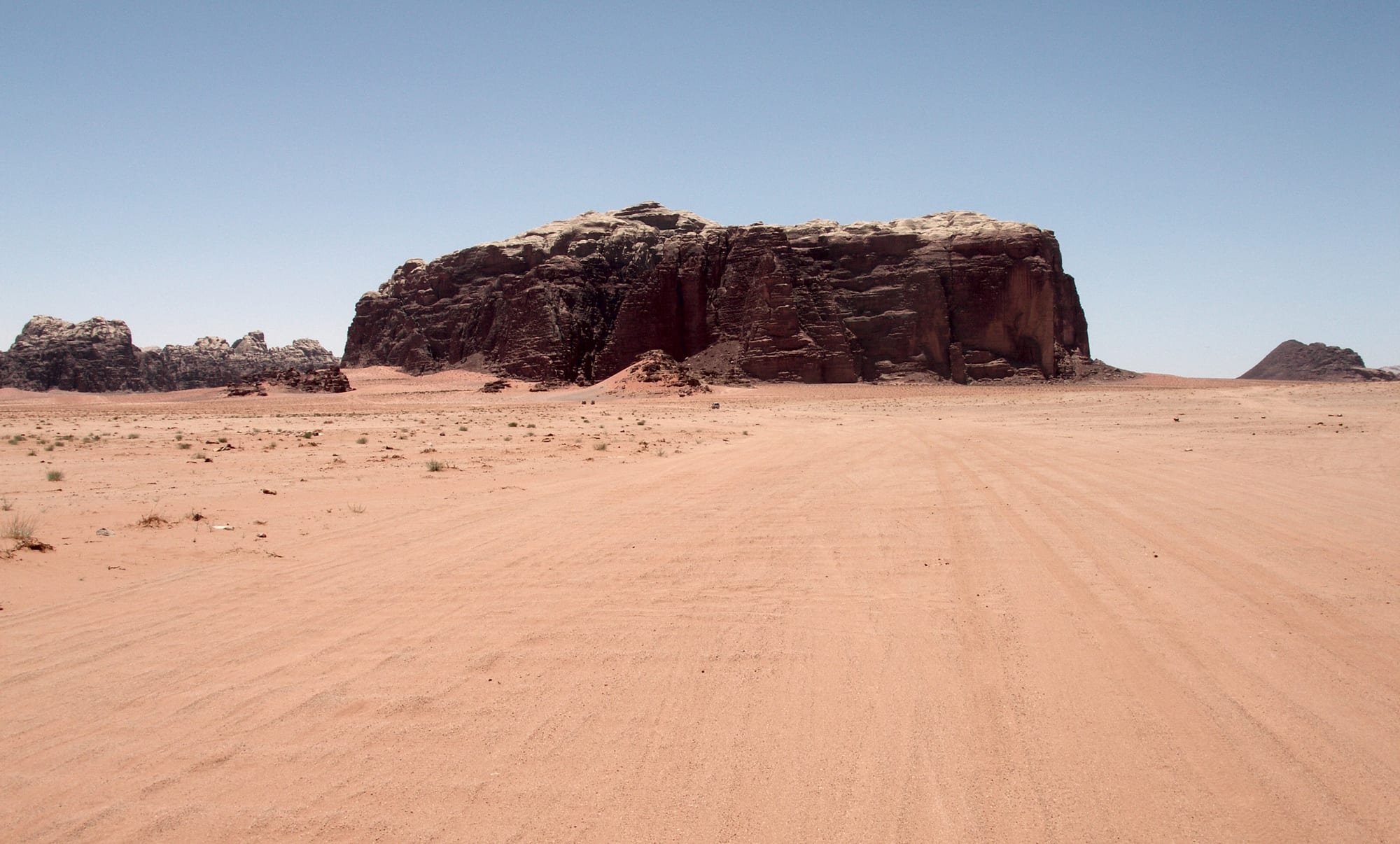
Wadi Rum is a UNESCO-listed desert of red and orange sand, wind-carved sandstone mountains rising like islands, natural rock arches, and ancient inscriptions, inhabited by Bedouin who now run the tourism. T. E. Lawrence passed through in the Arab Revolt, and its otherworldly scenery has stood in for Mars in several films. Visitors take 4x4 tours, camel rides, and scrambles, and sleep in desert camps under exceptional stars.
An overnight is the point — a day trip misses sunset, night, and sunrise.
3. Jerash
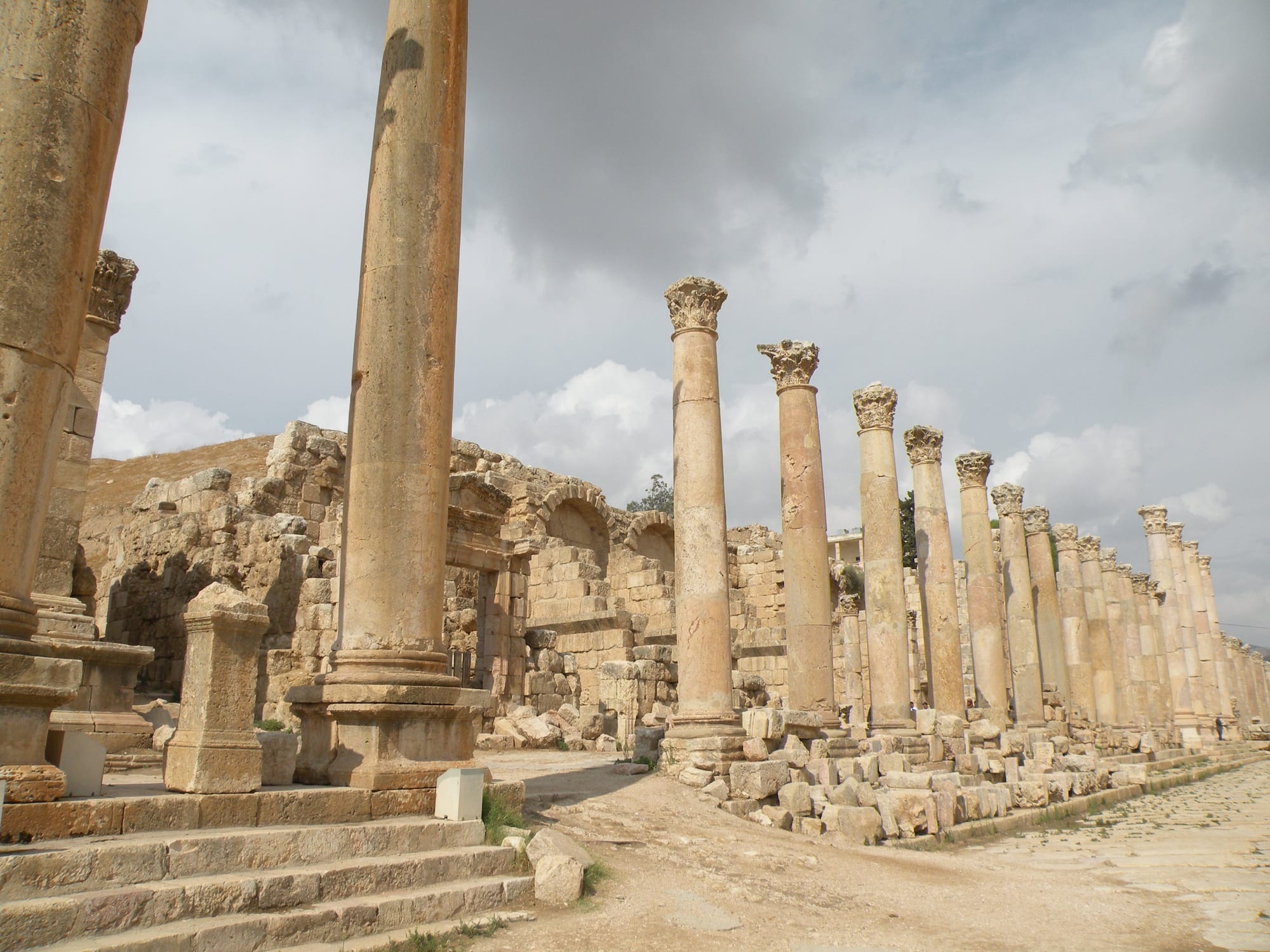
Jerash, north of Amman, is among the most complete Roman cities outside Italy — a colonnaded main street rutted by chariot wheels, an unusual oval forum, two theatres, temples of Zeus and Artemis, nymphaea, and hippodrome, all built up over an older Greek town and later Byzantine city. A summer arts festival uses the ancient stages.
It is an easy half-day from Amman, often combined with the crusader-Ayyubid castle at Ajloun.
4. Amman
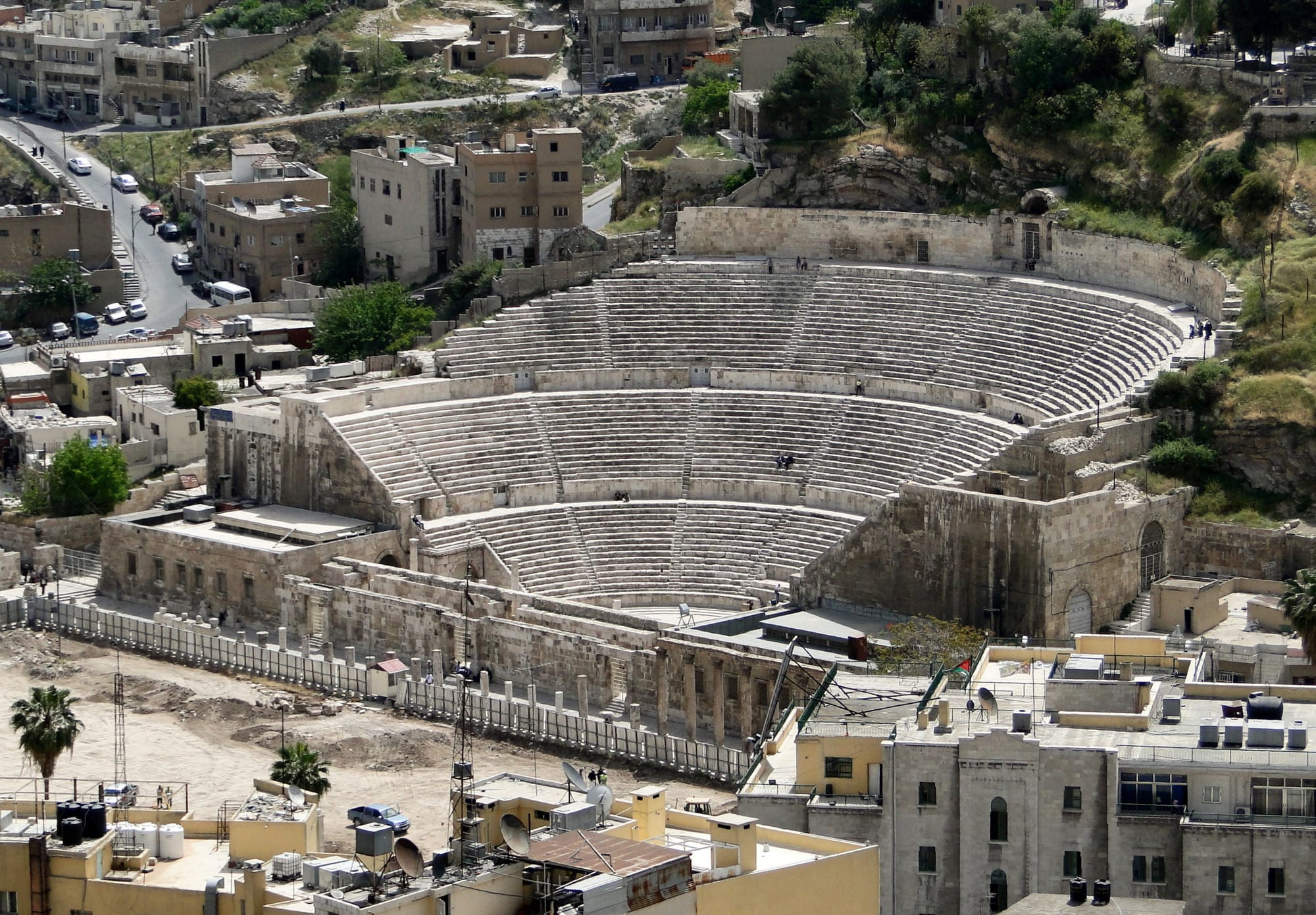
Amman, the capital, is a hilly, sprawling, mostly modern city of pale stone buildings, but its centre has real interest: the hilltop Citadel with a Roman temple, Umayyad palace, and the Jordan Museum's Dead Sea Scrolls and Neolithic statues nearby; the 6,000-seat Roman theatre; and the lively downtown souks and cafés of the Rainbow Street area. It is also a good base for day trips north and east.
The "desert castles" east of the city — Umayyad hunting lodges with early Islamic frescoes — are an unusual excursion.
5. The Dead Sea
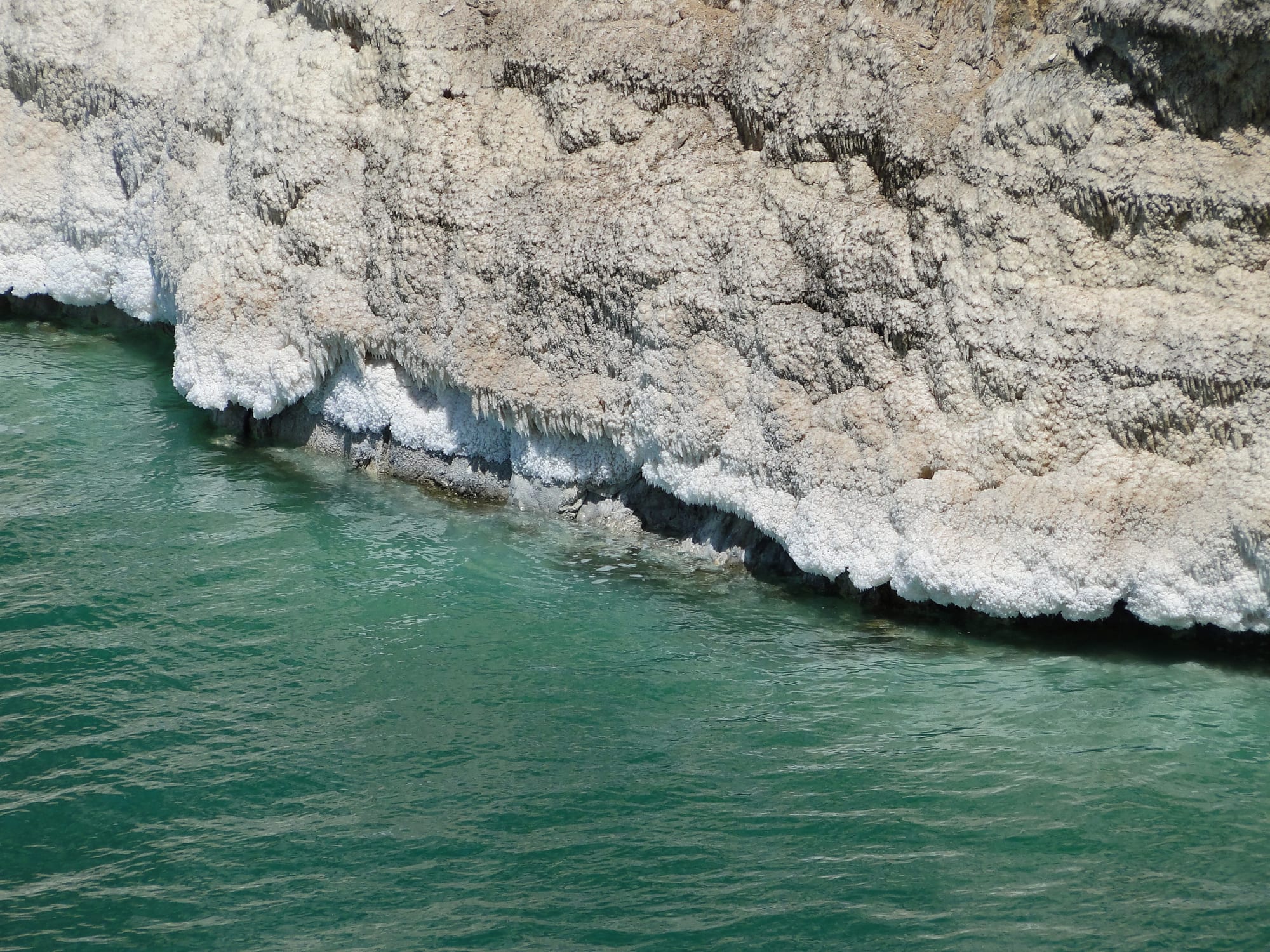
The Dead Sea, shared with Israel and the West Bank, is the lowest point on the earth's land surface and so salty that swimmers float on top of the water. The Jordanian side has a line of spa resorts and public beaches where you can float, coat yourself in the mineral mud, and rinse off — and where the sea is visibly retreating, dropping about a metre a year.
It is under an hour from Amman and combines with Mount Nebo and Madaba.
6. Madaba, Mount Nebo, and the Baptism Site
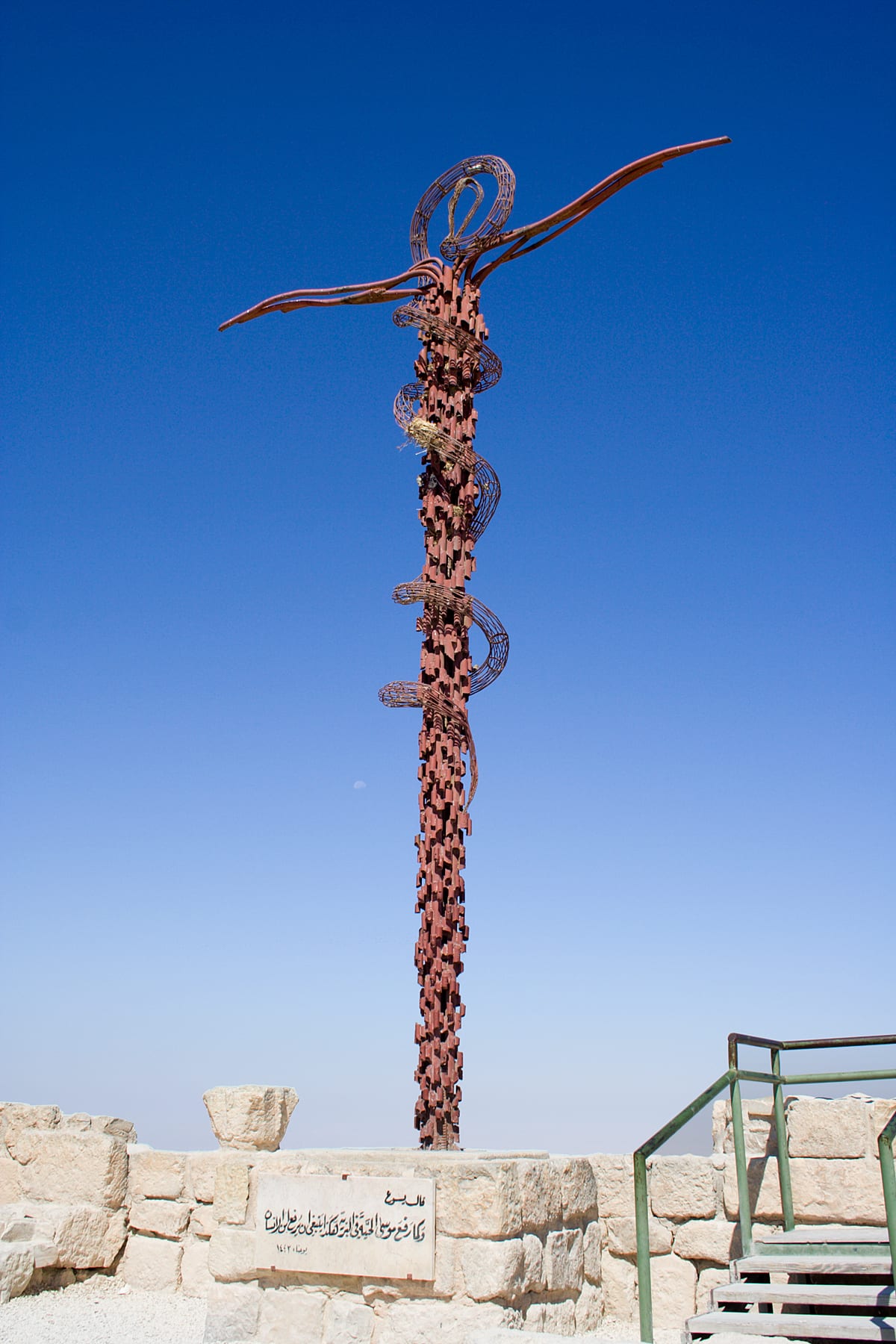
This cluster of sites just off the Dead Sea highway is significant to Christians. Madaba, the "City of Mosaics", has a 6th-century floor map of the Holy Land in its church of St George; Mount Nebo is where Moses is said to have viewed the Promised Land before dying, with a Byzantine memorial church; and "Bethany Beyond the Jordan", down on the river, is the UNESCO-listed site where Jesus is traditionally held to have been baptised.
All three fit into one day from Amman or the Dead Sea.
7. Kerak and the King's Highway
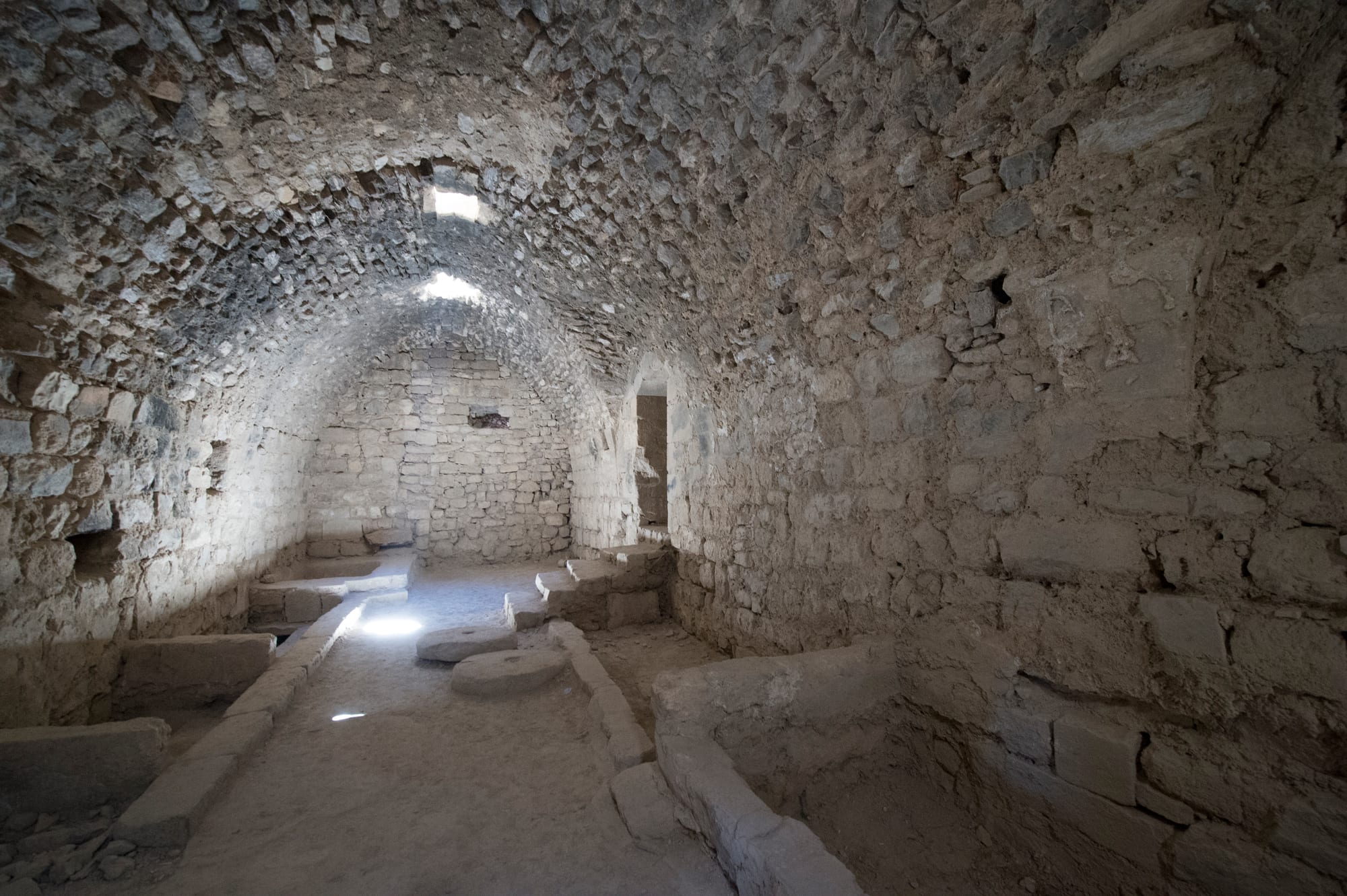
The King's Highway, an ancient road running down the spine of the highlands, is the scenic alternative to the fast Desert Highway between Amman and Petra. It passes Madaba, the dramatic Wadi Mujib canyon, the huge Crusader castle of Kerak (with a warren of vaulted halls and tunnels), the smaller castle at Shobak, and the Dana reserve — a full day of stops.
Public transport on this route is thin; a car or a driver is the practical choice.
8. The Dana Biosphere Reserve
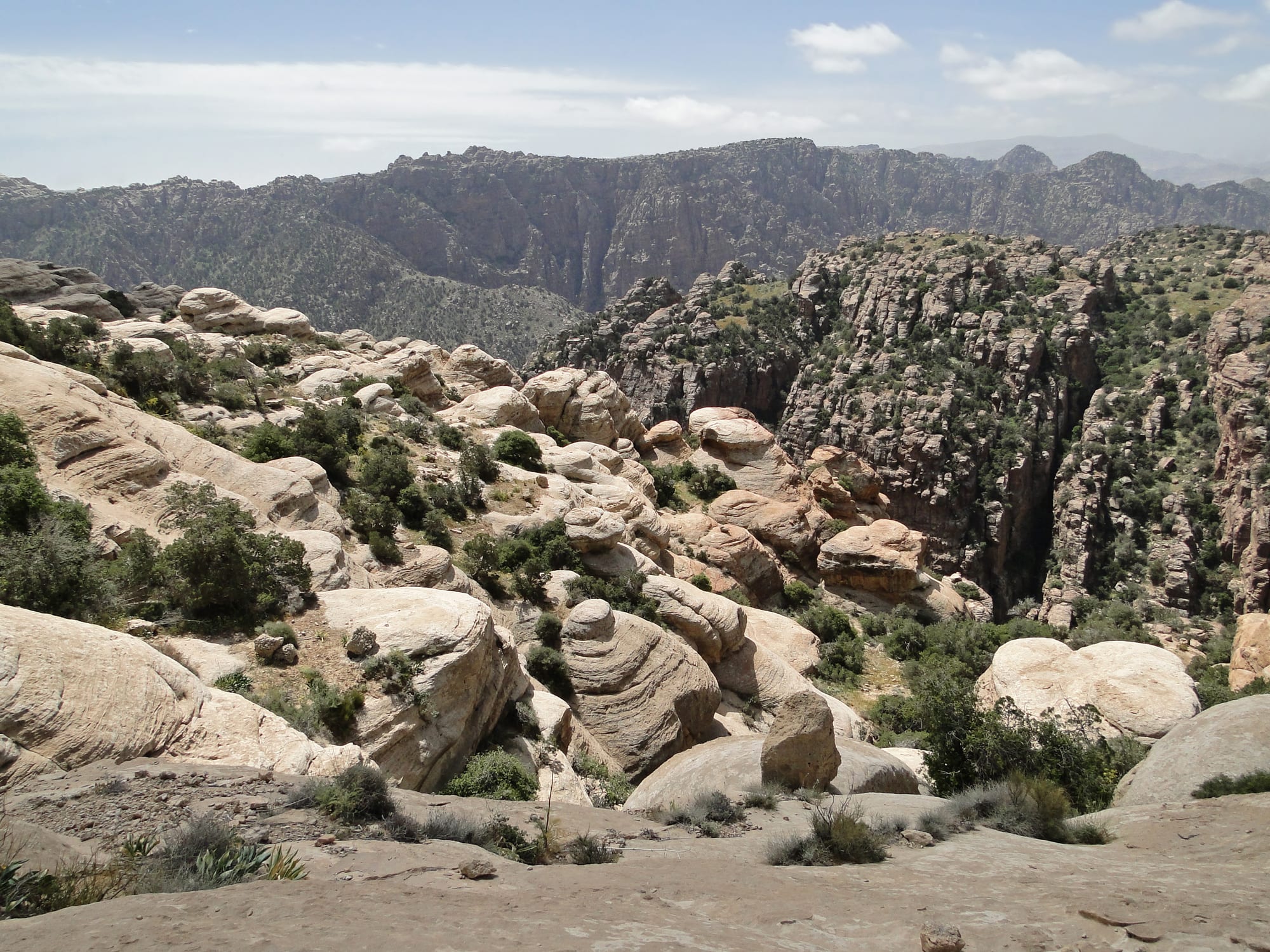
Dana, on the escarpment north of Petra, is Jordan's largest nature reserve — it falls from cool 1,500-metre highlands through a series of climate zones down into the hot Wadi Araba, so its plant and bird life is unusually rich. The stone village of Dana perches on the rim; trails run down through the valley, including a superb multi-day trek to Petra, with eco-lodges and Bedouin camps along the way.
It is the standout for hikers, and part of the long-distance Jordan Trail.
9. The Wadi Mujib gorge
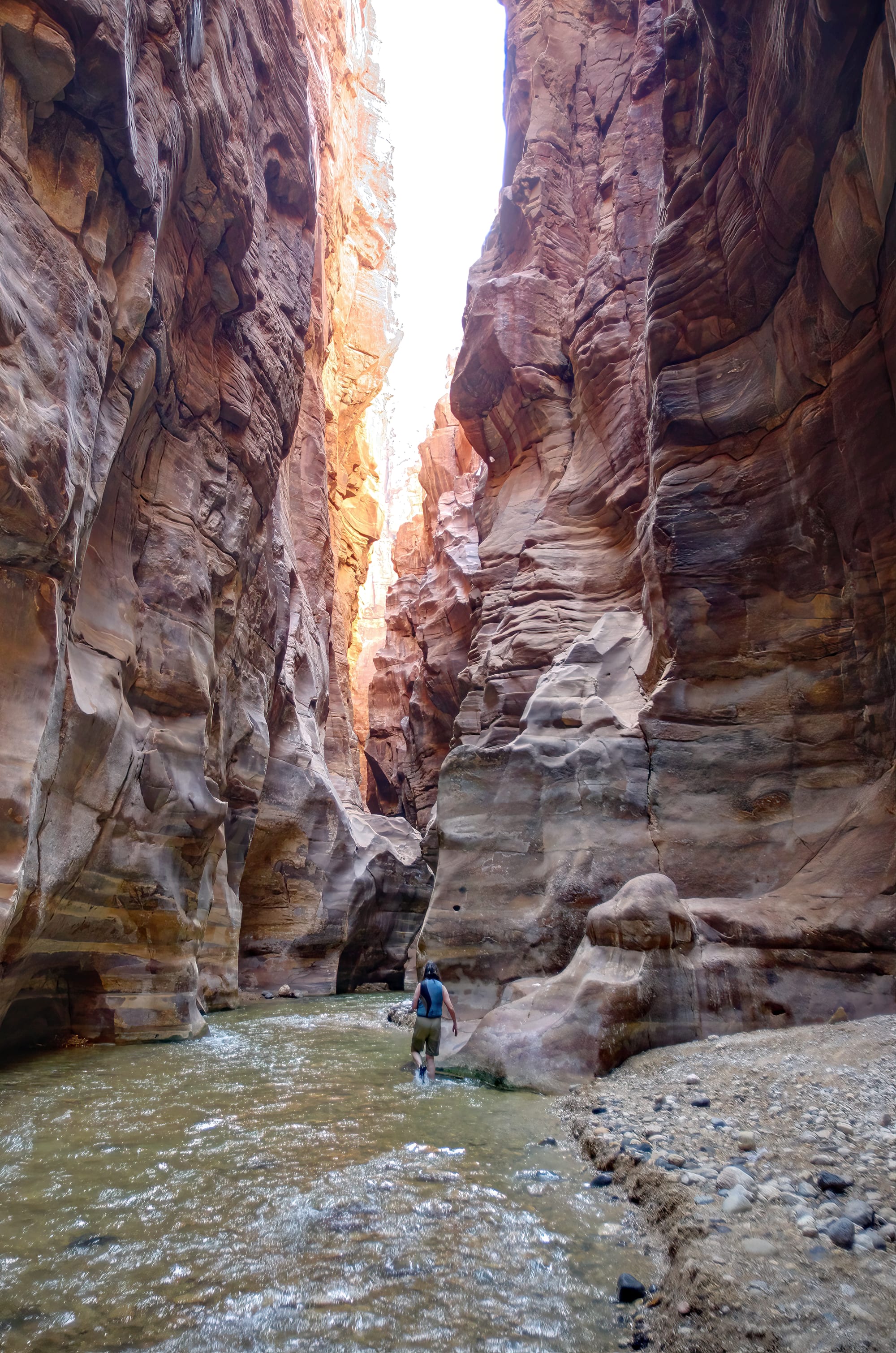
The Mujib Biosphere Reserve, on the Dead Sea shore, protects a river canyon that cuts down through sandstone to the lowest nature reserve on earth. The popular Siq Trail wades and scrambles upstream through the narrows to a waterfall and back; longer canyoning routes involve abseiling down falls. It is a rare wet adventure in an otherwise dry country.
The water trails run roughly April to October; check opening as flash floods close them.
10. Aqaba and the Red Sea
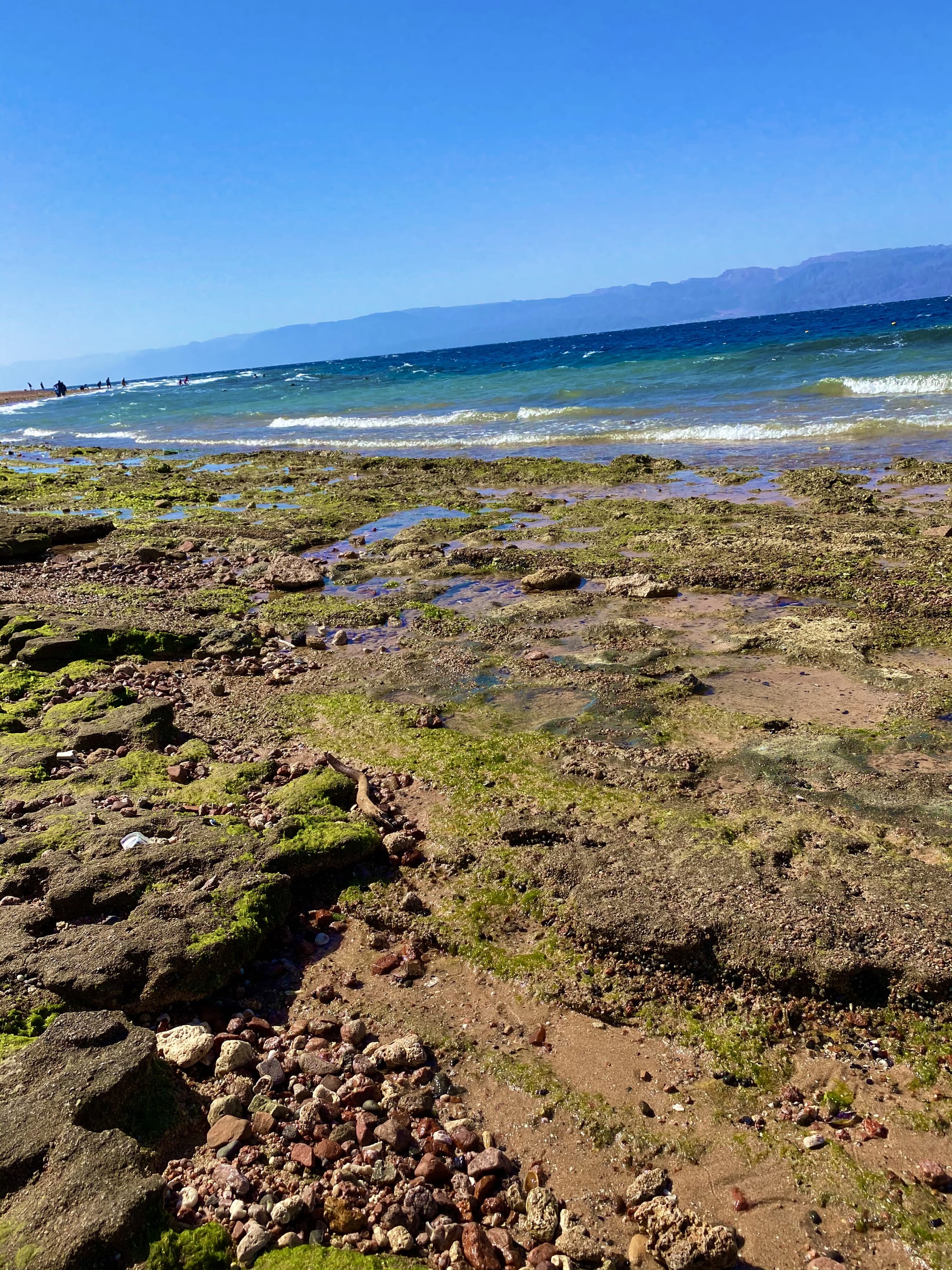
Aqaba, at the country's southern tip, gives Jordan a short strip of Red Sea coast with warm water year-round and fringing coral reefs that are easily dived and snorkelled from shore, including a deliberately sunk cargo ship and, more recently, a military-vehicle "underwater museum". The town is a relaxed, duty-free resort, and the gateway to Wadi Rum, an hour inland.
From the beach you can see four countries — Jordan, Israel, Egypt, and Saudi Arabia.
Jordan is compact and rewards a loop: Amman and Jerash in the north, then down the King's Highway or via the Dead Sea to Petra and Wadi Rum, finishing at Aqaba — about a week, comfortably done with a hire car or a driver.