Daily Life · Jamaica
Jamaica: The Family That Spans an Ocean
A large diaspora overseas, children often raised by grandparents while parents work abroad and send money and barrels of goods home, and a market and corner shop that still do most of the everyday commercial and social work
By Worldlore Editorial · 30 September 2026
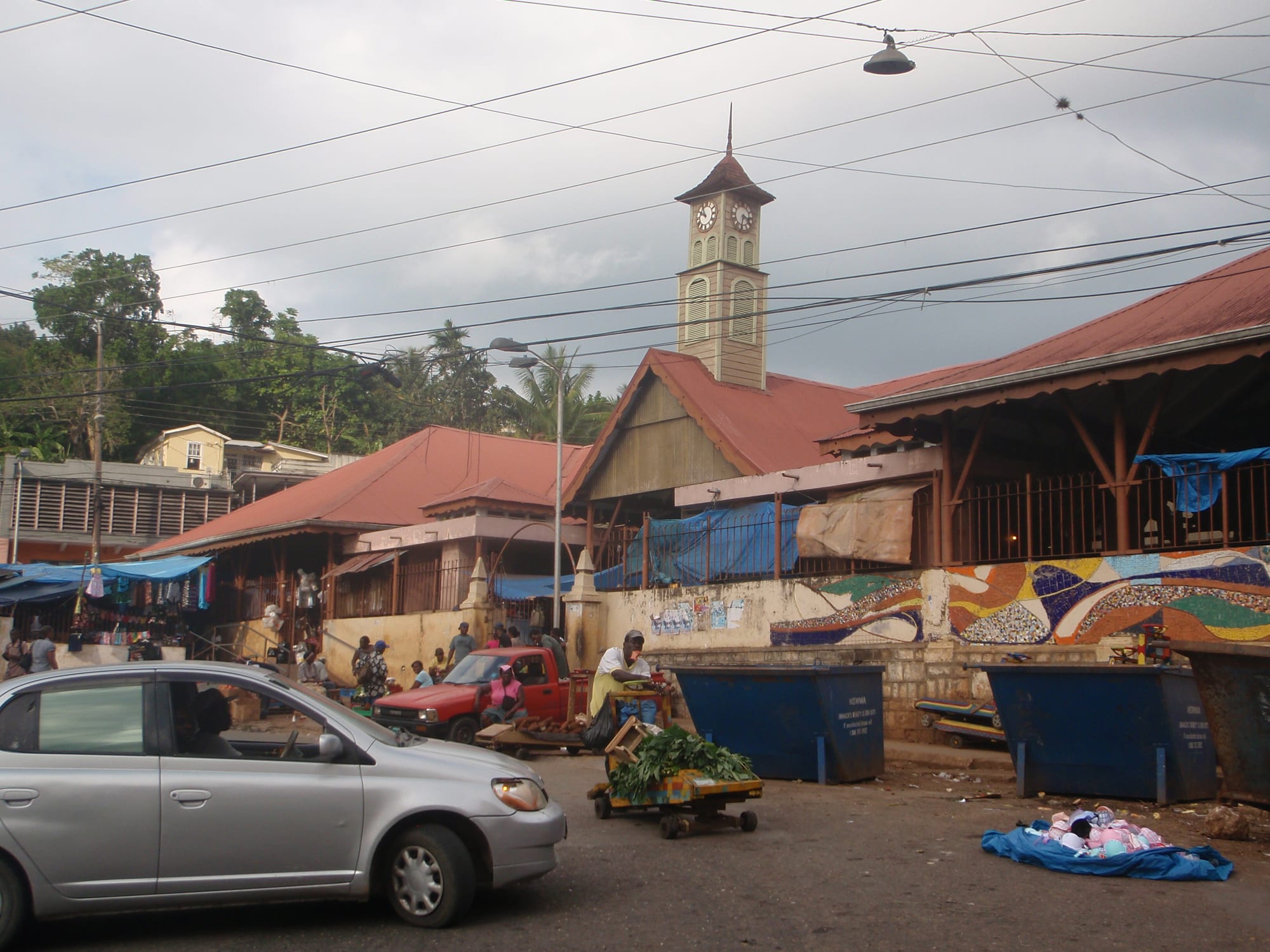
An ordinary day in Jamaica is shaped as much by family members overseas as by anyone in the house. Close to a million Jamaicans have emigrated in recent decades, mostly to the United States, the United Kingdom and Canada, and the money and goods they send back are woven into daily budgets in a way few visitors expect. Around that fact sits a country whose real public life happens at the market, the corner shop and the church rather than in any single purpose-built venue, and where the outcome of a single exam sat at around eleven years old can shape a child's entire secondary education.
Family and home life
Jamaica's average household has been shrinking in recent national surveys, and many households have no spouse present, whether through migration, separation or simply people living alone. Migration cuts the other way for many families with children still on the island: it is common enough to have its own name, "barrel children," for those raised by grandparents or other relatives while one or both parents work abroad, staying connected through phone calls, remittances and barrels of clothes, food and other goods shipped home rather than day-to-day presence. Those remittances, more than three billion US dollars a year, are one of the country's largest sources of income and, for many households, a direct and necessary part of the monthly budget rather than a bonus.
Work, school and the rhythm of the day
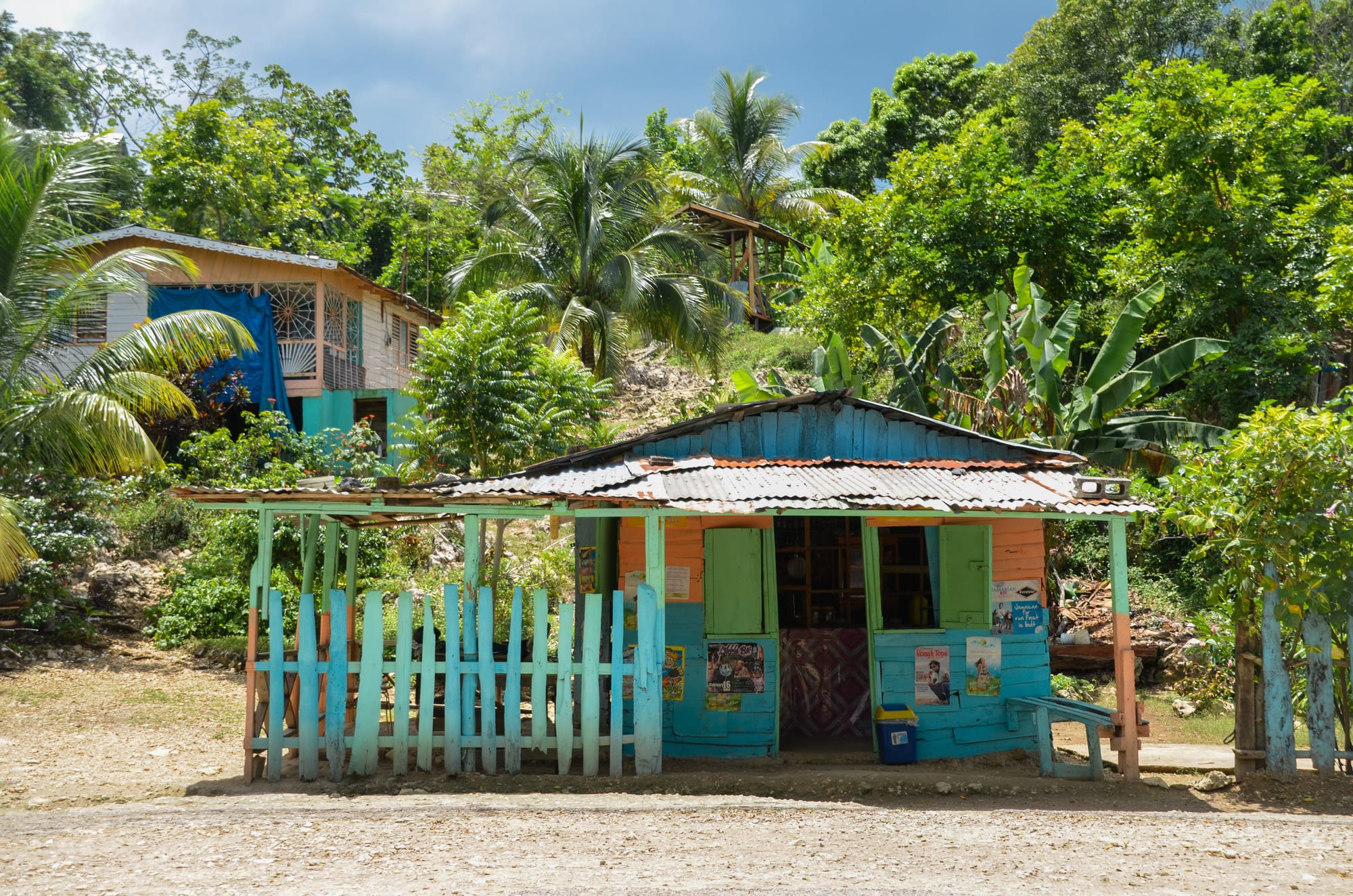
Schooling follows a British-derived structure, and one exam looms unusually large in it: the Primary Exit Profile, sat around Grade 6, largely determines which secondary school a child is placed into, and families who can afford it commonly pay for extra lessons in the lead-up. The economy leans heavily on tourism as the largest single earner, with remittances close behind and bauxite mining and agriculture, including the export coffee grown in the Blue Mountains, also important. A large informal sector runs alongside the formal one: market vending, small roadside shops and casual trading account for a significant share of how many Jamaicans actually make a living day to day.
Community life and public spaces
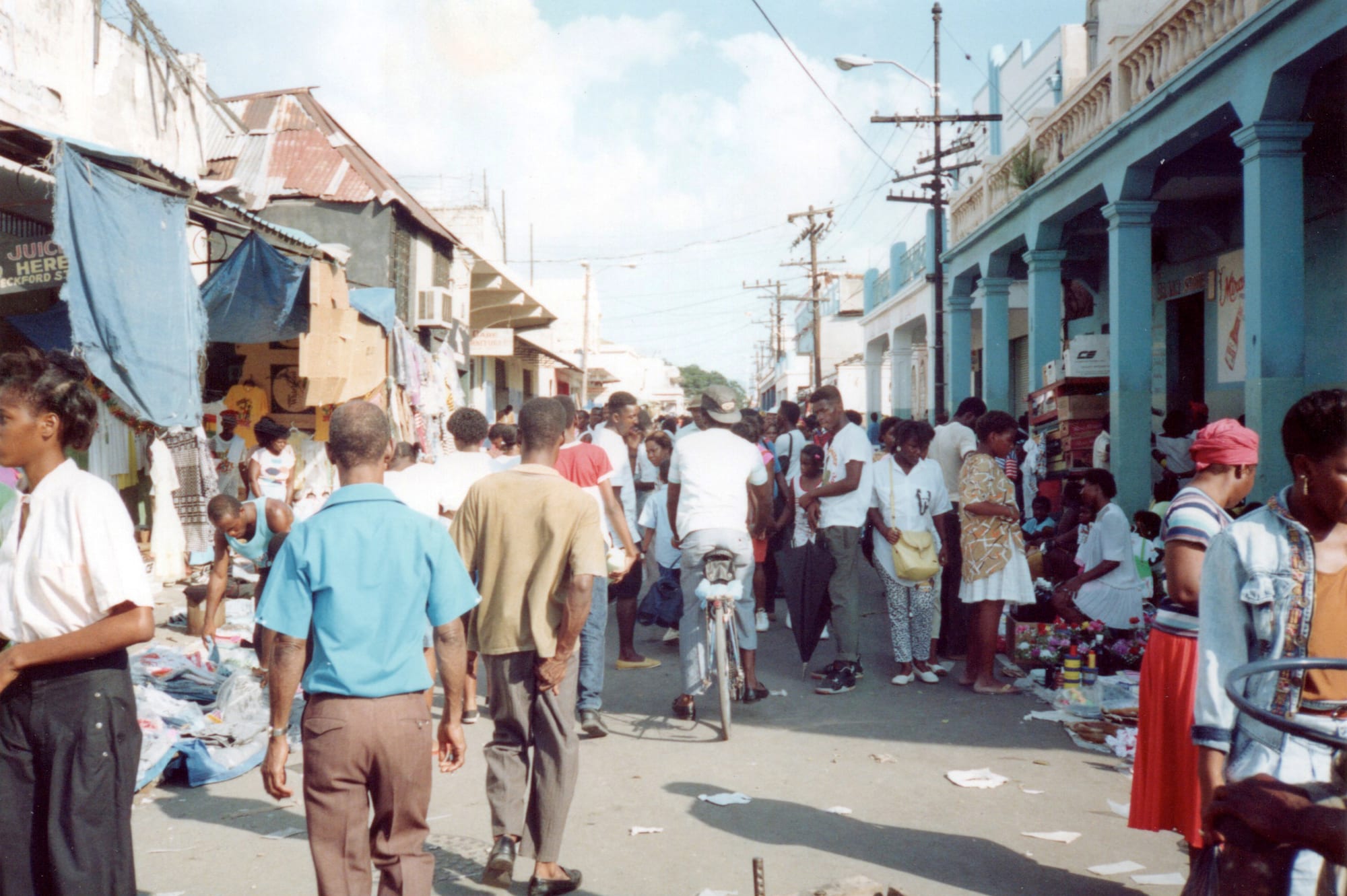
The market remains the country's real commercial hub outside the resort areas, whether a daily fixture in Kingston or a smaller weekly market in a country town, and higglers, informal traders who buy in bulk and resell produce and goods, are a recognised and essential part of that economy. The corner shop and the rum shop serve the same social function in miniature, especially in rural communities, functioning as an informal daily meeting point as much as a place of business. Churches, spread across a dense range of denominations, anchor community life on Sunday and often through the week as well, and the domino table, set up on a shop veranda or under a tree, is a genuinely nationwide fixture of everyday public life.
Free time and weekends
Sunday centres heavily on church for a large share of the population, often followed by a family meal that draws in relatives from nearby. Domino games, played fast and loudly on a shop veranda or under a shade tree, are a constant weekend fixture in towns and villages alike. Sport draws real national attention, cricket historically and, in recent decades, track and field above all, a source of pride that runs well beyond people who follow athletics closely the rest of the year. Music, especially reggae and dancehall played from sound systems at gatherings big and small, is simply the backdrop to most social occasions rather than something reserved for special events.
A visitor's ordinary day
Jamaica runs on a mix of cash and cards: resorts, hotels and city shops generally take cards, but route taxis, markets and small rural shops expect Jamaican dollars in cash. Route taxis, recognisable by red PPV number plates, are the everyday way most Jamaicans get around outside the main towns: they run a fixed route, picking up and dropping off passengers anywhere along the way for a regulated fare, and leave once they judge the car full rather than to a timetable. Driving is on the left, and roads outside the main highways are often narrow and potholed. Hurricane Melissa struck the west of the island in October 2025, and repairs to housing, roads, water and power continued into 2026 in the worst-hit parishes. Stick to licensed taxis and organised transport, particularly after dark, and expect a noticeably slower, more improvised pace than a fixed timetable would suggest.
What to take away
An ordinary day in Jamaica is held together by two things that don't always sit in the same room: a household that may stretch across an ocean, sustained by remittances and barrels rather than daily presence, and a market, shop and church life on the island itself that carries on, loudly and sociably, regardless.