History · Jamaica
Jamaica: Sugar, Slavery, and a Global Culture
Britain's richest sugar colony, worked by hundreds of thousands of enslaved Africans and shaken by the largest revolts in the Caribbean — free Maroon nations in its mountains, a hard century after emancipation, and, since 1962, a small country with an outsized influence on the world
By Worldlore Editorial · 19 September 2026
A small island with a long reach
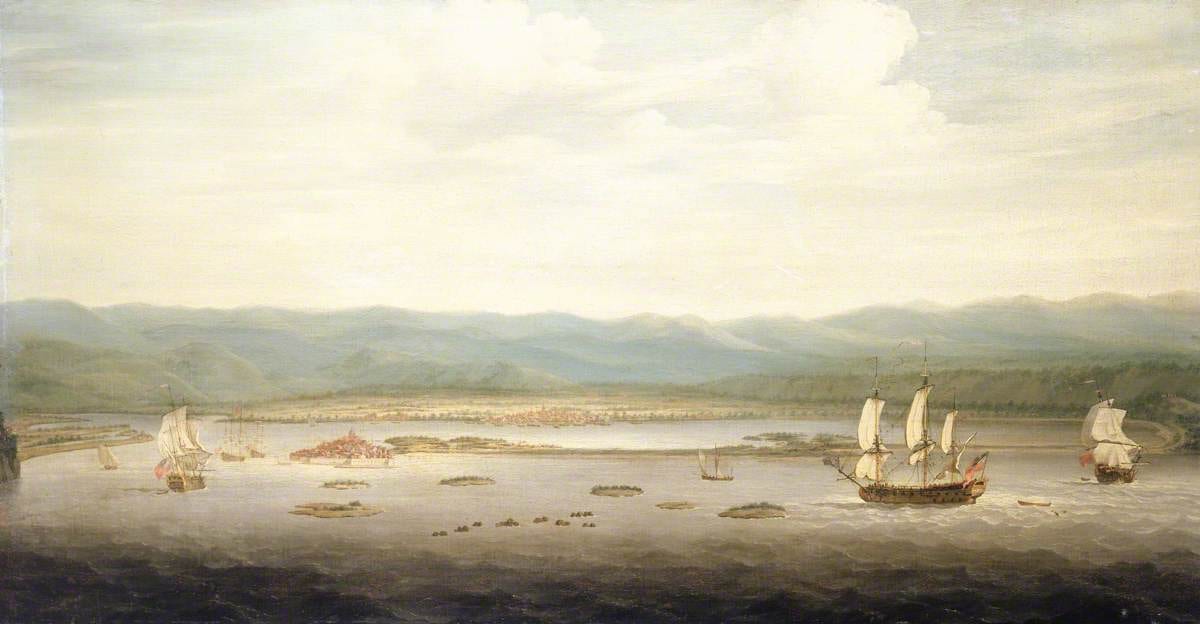
Jamaica is the third-largest island in the Caribbean — mountainous, green and well-watered, about 240 kilometres long, with roughly 2.8 million people and a capital, Kingston, on one of the world's great natural harbours. Its history is a concentrated version of the region's: the near-total destruction of the Taíno, an English sugar colony built on the mass enslavement of Africans, the largest slave revolts in the British Caribbean, and a long, hard road after emancipation that led to a modern two-party democracy. What sets Jamaica apart is how far its culture has travelled — Garvey's Black nationalism, Rastafari, reggae, dancehall, a sprinting tradition — carried by a diaspora as large as the island's own population.
A short history
- to 1494
Xaymaca
The Taíno island that Columbus renamed on his second voyage.
- 1509–1655
Spanish Jamaica
A neglected supply colony; the Taíno die out; enslaved Africans are brought in.
- 1655
English conquest
Cromwell's "Western Design" fleet, having failed at Hispaniola, seizes Jamaica.
- 1660s–1692
Port Royal
A buccaneer base and boom town; an earthquake sinks much of it in 1692.
- 18th century
The sugar colony
Enslaved Africans become about 90% of the population.
- 1728–1740 / 1795–1796
The Maroon Wars
Free Black mountain communities fight the British to a standstill, then a truce.
- 1760
Tacky's Revolt
A major uprising centred in St Mary parish.
- 1831–1832
The Baptist War
The largest slave revolt in the British Caribbean; its suppression pushes Britain toward abolition.
- 1834–1838
Emancipation
Slavery ends after a coerced "apprenticeship".
- 1865
Morant Bay
A rebellion is crushed with hundreds of killings; the assembly is abolished and Jamaica becomes a Crown Colony.
- 1938
Labour rebellion
Strikes and riots give rise to Jamaica's trade unions and modern parties.
- 1944
Universal suffrage
Every adult gets the vote.
- 1962
Independence
Jamaica leaves the West Indies Federation and Britain.
Xaymaca, and the Spanish century
The Taíno, an Arawak people, called the island Xaymaca, "land of wood and water". They lived in villages under chiefs (caciques), grew cassava and maize, and had perhaps 60,000 people on the island when Columbus landed in 1494; he was later marooned on the north coast for a year, in 1503–04. Spain settled from 1509, founding Sevilla la Nueva and then Spanish Town (Santiago de la Vega), and used Jamaica mainly as a cattle ranch and supply base for expeditions elsewhere. Within about a century the Taíno had been destroyed by disease, forced labour and violence; the Spanish replaced them with enslaved Africans, and the island stayed a backwater with only a few thousand inhabitants.
In 1655 an English expedition sent by Oliver Cromwell as part of his "Western Design" against Spanish America — having been beaten off at Hispaniola — took Jamaica almost as a consolation prize. As the Spanish retreated, they freed their enslaved Africans, who withdrew into the forested interior mountains. These were the first Maroons, from the Spanish cimarrón, "wild" or "runaway".
Port Royal and the buccaneers
For its first decades English Jamaica lived less by farming than by plunder. The government licensed buccaneers — Henry Morgan the most famous — to raid Spanish shipping and towns from the harbour town of Port Royal, which grew rich, crowded and lawless, and was reputed to be the wealthiest place in the English-speaking Americas. On 7 June 1692 an earthquake and tsunami dropped much of Port Royal into the sea and killed thousands; the survivors moved across the harbour to found Kingston. By then England had made peace with Spain and no longer needed privateers, and Jamaica turned to the crop that would define it.
The sugar machine
Between about 1700 and 1800 Jamaica became the single most valuable colony in the British Empire, its plantations producing more sugar and rum than any other British possession. The economics were simple and brutal: capital and land were concentrated in a few hundred large estates, many owned by absentees who never set foot on the island and lived on the profits in England; the work was done by enslaved Africans imported in enormous numbers through the Middle Passage.
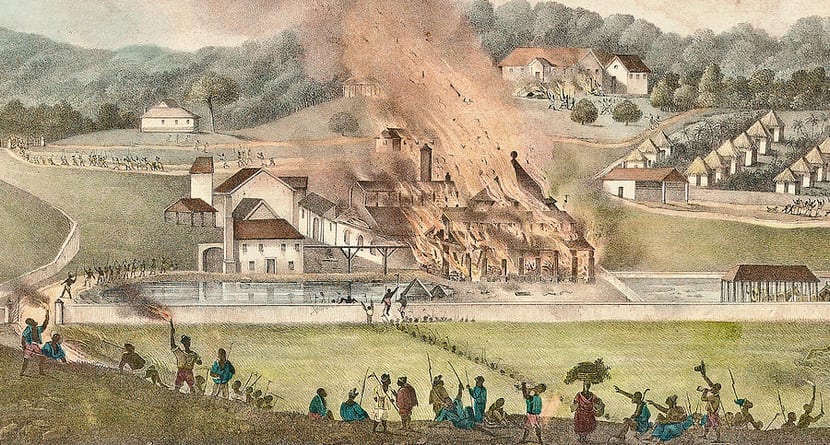
Conditions on the sugar estates were among the deadliest in the Americas. Deaths consistently outran births, so the enslaved population — around 300,000 by the 1780s, roughly 90 per cent of the island's people — had to be constantly renewed by new arrivals from Africa. The diary of the overseer Thomas Thistlewood, kept over 37 years in the mid-1700s, records in flat detail the routine floggings, sexual violence and casual cruelty that held the system together. Jamaica also became a hub of the wider slave trade, re-exporting captives to Spanish America.
The Maroons
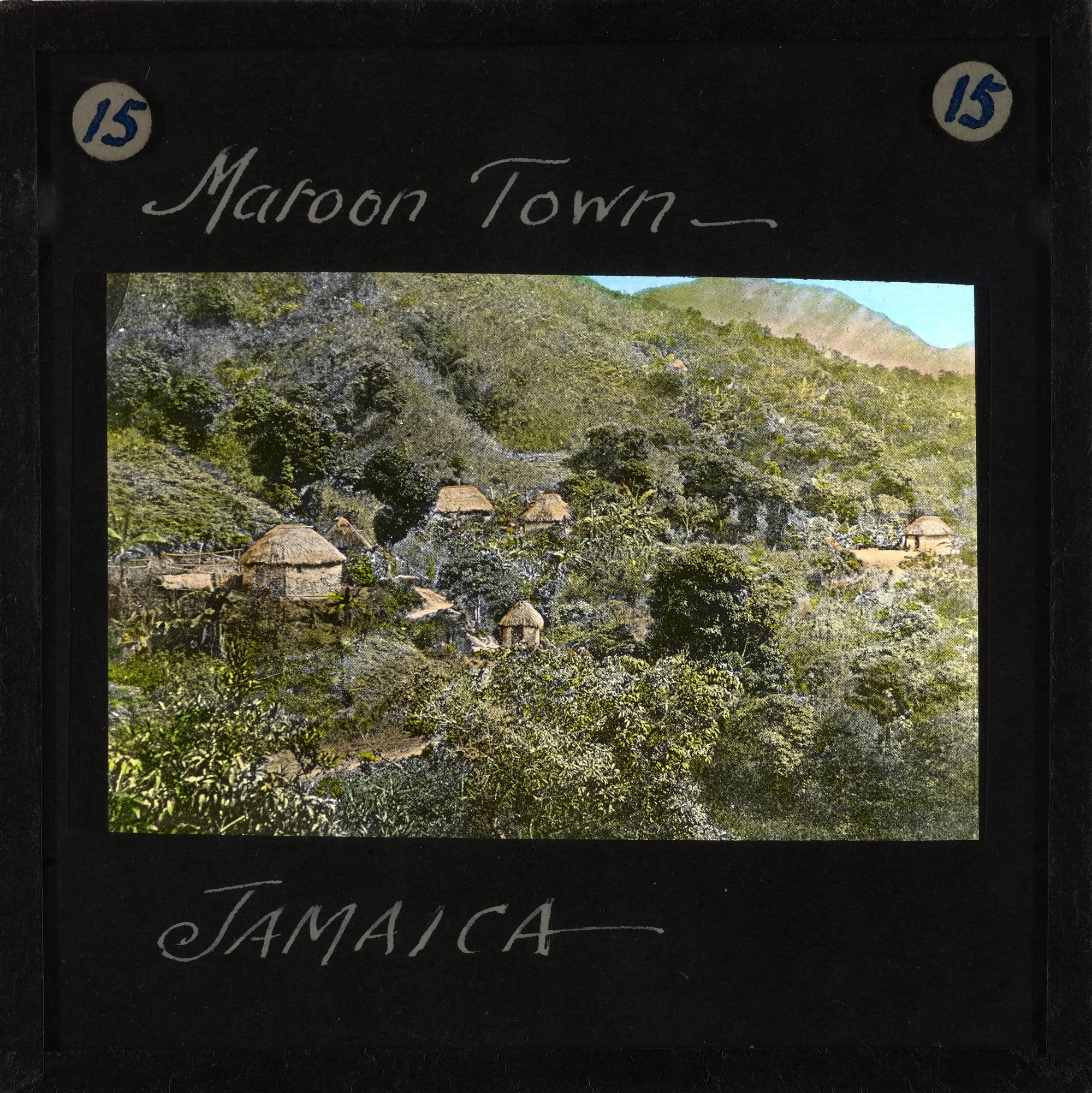
The people who had escaped into the mountains built lasting free societies. In the east, the Windward Maroons were led for a time by Nanny, a spiritual and military leader now a Jamaican national hero; in the west, the Leeward Maroons under Cudjoe held the rugged Cockpit Country. Their guerrilla raids and their role as a refuge for runaways made them a standing threat to the plantation economy. After a decade of inconclusive war (the First Maroon War), Britain signed treaties in 1739–40 that recognised Maroon land and self-government — in exchange, controversially, for the Maroons agreeing to return future runaways and help put down revolts.
That bargain held until the Second Maroon War of 1795–96, a short conflict with the Trelawny Town Maroons that ended when the British, despite a truce, deported almost the whole community — around 600 people — first to Nova Scotia and then, in 1800, to the new colony of Sierra Leone, where their descendants still live. Other Maroon towns — Accompong, Moore Town, Charles Town, Scott's Hall — survived, and Accompong still marks its 1739 treaty every January.
Revolt and emancipation
Enslaved Jamaicans resisted continually, from everyday sabotage and flight to outright rebellion. Tacky's Revolt of 1760, led by an Akan man in St Mary parish, spread across the island and took months and Maroon help to suppress. The largest rising was the Baptist War (or Christmas Rebellion) of 1831–32, led by the enslaved Baptist deacon Samuel Sharpe, who had planned a general strike; when it turned violent, the colonial forces killed hundreds in the fighting and executed hundreds more, Sharpe among them, afterwards. The scale of the revolt and the vengeance that followed shocked opinion in Britain and helped carry the Slavery Abolition Act through Parliament in 1833.
Slavery formally ended in 1834, but the freed people were forced into a further four to six years of unpaid "apprenticeship" on the same estates before full emancipation in 1838. Britain paid £20 million in compensation — to the slaveholders, not the enslaved.
After freedom: free villages and Morant Bay
Freed people left the plantations as fast as they could, buying or squatting small plots in the hills and building "free villages", often around Baptist and other nonconformist churches. Sugar, deprived of coerced labour and of its protected market after Britain adopted free trade, went into long decline; planters imported indentured labourers from India and China to replace those who had left.
Land shortage, heavy taxes, unequal justice and drought fed anger, and in October 1865 a protest at the courthouse in Morant Bay, led by the Baptist deacon Paul Bogle, ended in the crowd killing several officials. Governor Edward John Eyre responded with martial law: around 500 people were killed, hundreds flogged, and a thousand homes burned. Bogle was hanged, and so was George William Gordon, a mixed-race member of the assembly who had championed the poor, on flimsy evidence. The affair caused a furious debate in Britain, and in its aftermath the Jamaican assembly voted itself out of existence; the island was ruled directly from London as a Crown Colony for the next 75 years.
Bananas, Garvey, and the labour rebellion
Crown Colony Jamaica found a new export in the banana, shipped to the United States and Britain in refrigerated steamers, much of the trade controlled by the American United Fruit Company. But most Jamaicans stayed poor smallholders and labourers, and hundreds of thousands emigrated to build the Panama Canal, cut cane in Cuba, or work in the United States and Britain.
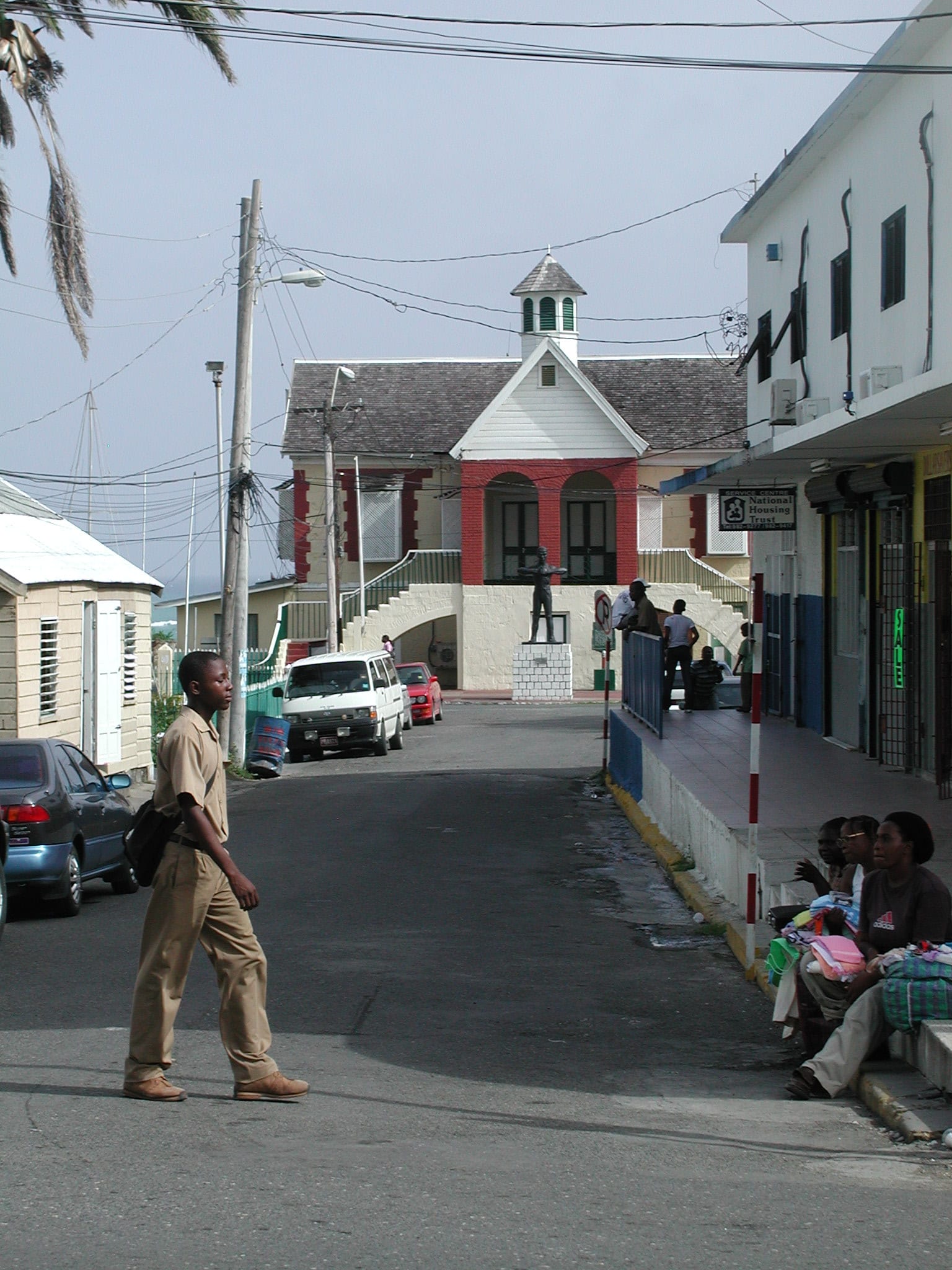
One of those migrants was Marcus Garvey, born in St Ann's Bay in 1887, who built the largest Black mass movement in history — the Universal Negro Improvement Association — from Harlem in the 1910s and 1920s, preaching Black pride, self-reliance and a return to Africa. Deported from the US and marginalised at home, he died in London in 1940, but his ideas shaped Black politics worldwide and directly inspired Rastafari, the religious movement that arose among Jamaica's poor in the 1930s around the belief that Ethiopia's Emperor Haile Selassie was divine.
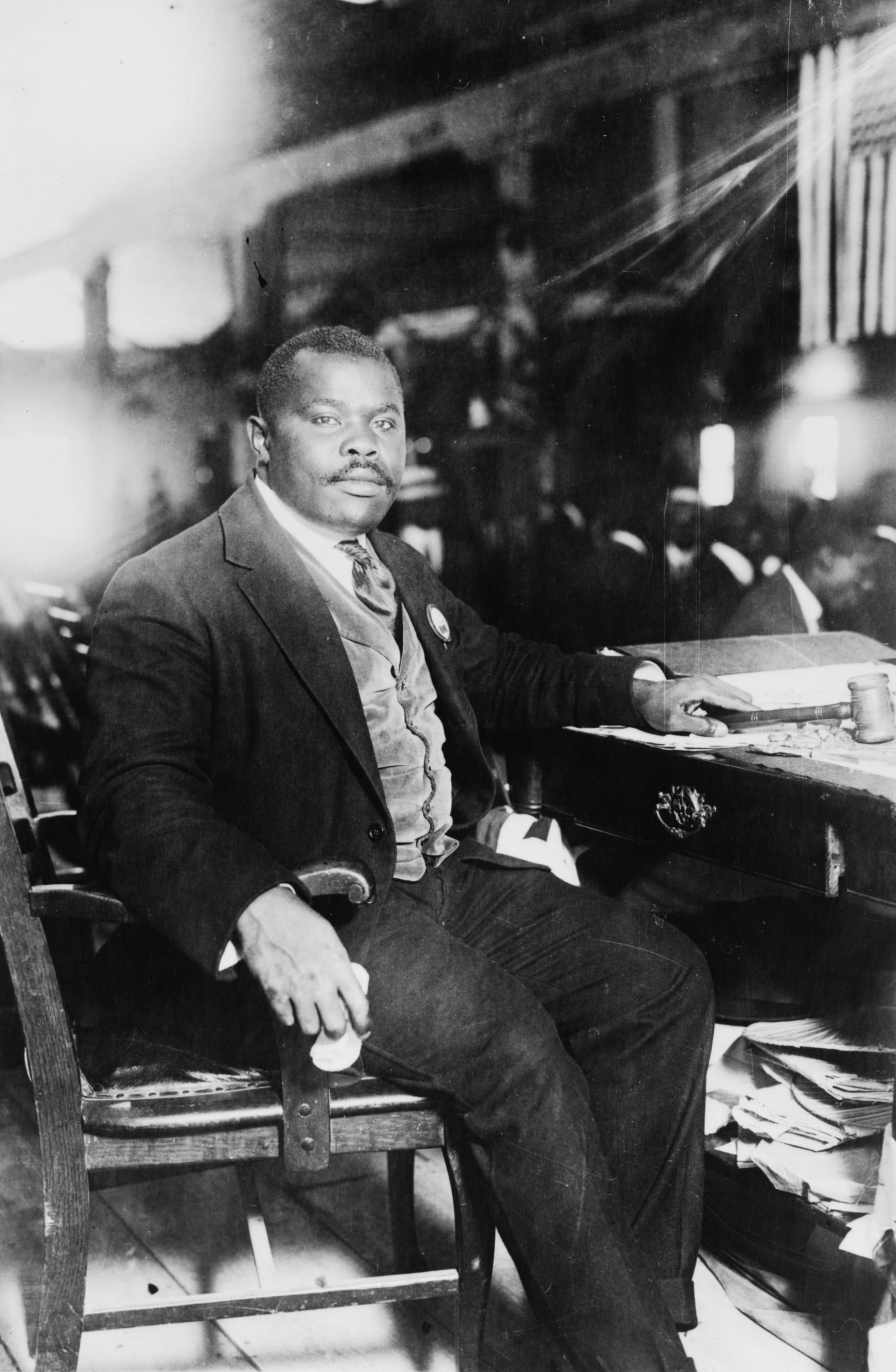
The Depression pushed the island over the edge. A wave of strikes and riots in 1938, beginning on the sugar estates and spreading to the Kingston docks, produced Jamaica's modern politics almost overnight: two rival trade unions, each with its own party, led by two cousins — Alexander Bustamante's Bustamante Industrial Trade Union and Jamaica Labour Party, and Norman Manley's People's National Party. Britain conceded a new constitution, and in 1944 Jamaica became one of the first colonies in the empire to get universal adult suffrage.
Federation, independence, and the two-party state
Britain grouped its Caribbean colonies in the West Indies Federation in 1958, hoping they would go to independence together. Jamaica, the largest member, resented subsidising the smaller islands and its distance from the federal capital in Trinidad; a 1961 referendum — the first in the Commonwealth Caribbean — voted to leave. The federation collapsed, and Jamaica became independent on 6 August 1962, with Bustamante as its first prime minister, a Commonwealth realm with the British monarch as head of state.
The two-party system has held ever since, alternating the JLP and PNP in power. But the parties built up armed inner-city "garrison" constituencies whose loyalty was rewarded with housing and jobs, and elections could be deadly: the 1980 campaign, fought amid economic crisis and Cold War polarisation under Michael Manley's democratic-socialist government, left around 800 people dead. Manley's 1970s programme — bauxite levies, free education, ties to Cuba — collided with capital flight, an IMF programme and US hostility; his successor Edward Seaga swung sharply back toward Washington and the market. The garrison gangs later mutated into transnational drug-trafficking networks, and Jamaica has struggled for decades with one of the world's highest homicide rates, most visibly in the 2010 "Tivoli incursion" to capture the Kingston strongman Christopher "Dudus" Coke, in which dozens of civilians were killed.
A culture that travelled
Against that difficult political record, Jamaica has projected an extraordinary cultural influence for a country of under three million. From the 1950s its musicians moved through mento, ska, rocksteady and then reggae, which — through Bob Marley above all — carried the sound and the Rastafari message to every continent in the 1970s; dancehall followed and reshaped popular music again from the 1980s. Jamaican Patois, food, and style are recognised worldwide, and the island's sprinters, led by Usain Bolt, have dominated Olympic and world athletics far out of proportion to its size.
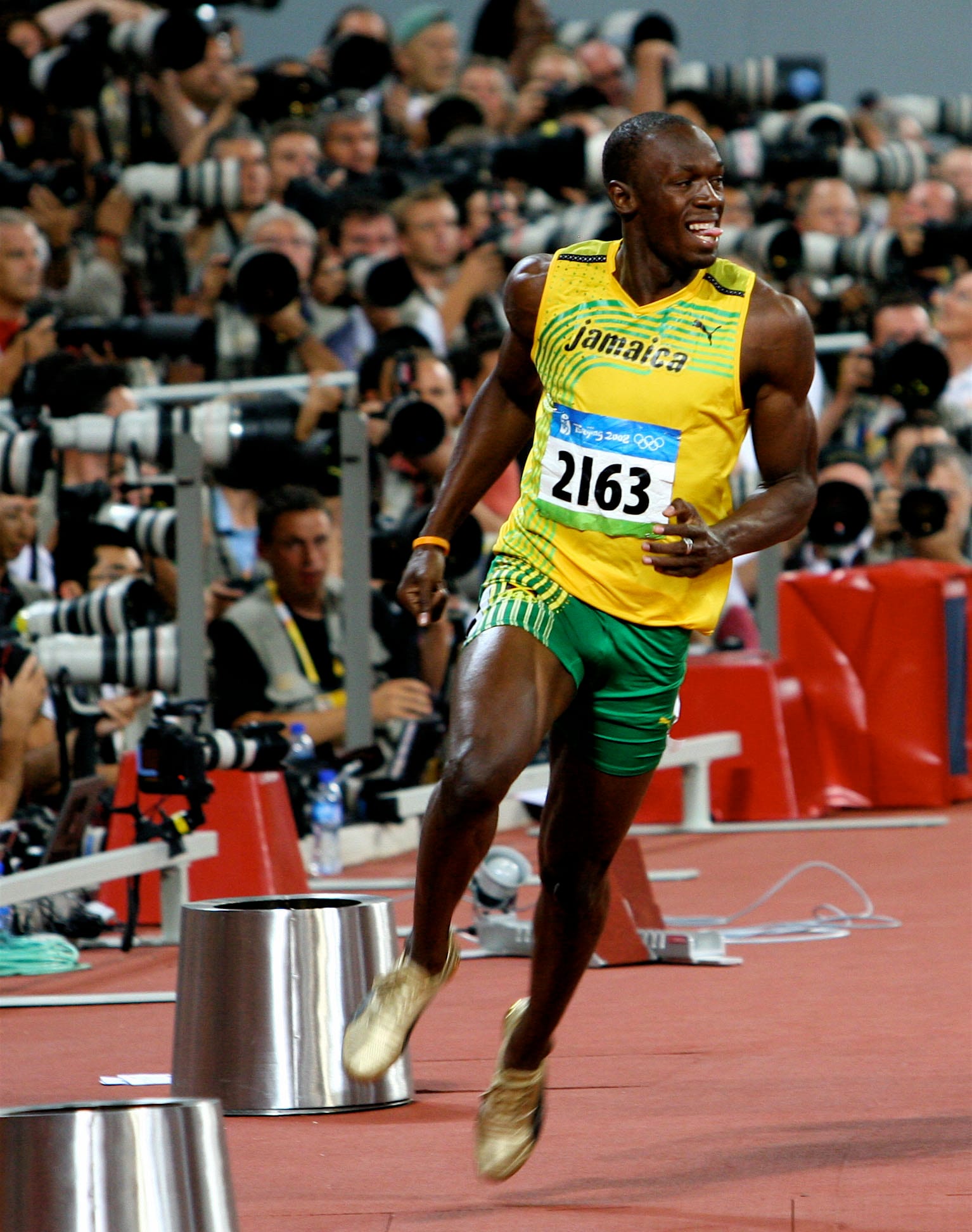
Jamaica remains a Commonwealth realm with King Charles III as head of state, though support for becoming a republic has grown and the government has said it intends to make the change. Heavy public debt forced years of painful austerity that has only recently eased; the economy runs on tourism, bauxite and alumina, agriculture, and remittances from the diaspora in Britain, the United States and Canada.
What Jamaica carries
Jamaica was built as a machine for producing sugar with enslaved labour, on a scale and with a violence that made it both immensely profitable and repeatedly rebellious — and it produced, in the Maroons, some of the most successful armed resistance to slavery anywhere. Emancipation brought neither land nor equality, and the divisions of the plantation era carried straight into the politics of the independent nation. Set against all of that is a cultural achievement — Garvey's ideas, Rastafari, reggae, a national style heard and copied everywhere — that has given Jamaica a voice out of all proportion to its size.