Attractions & Natural Wonders · Jamaica
Jamaica: Nine Attractions and Natural Wonders
A waterfall you climb hand in hand, seven miles of west-facing sand, misty coffee mountains, and the city that gave the world reggae
By Worldlore Editorial · 10 September 2026
The island that made reggae
Jamaica is the third-largest island in the Caribbean, about 240 kilometres long, with a population of around 2.8 million and an outsize cultural footprint — reggae, dancehall, Rastafari, jerk cooking, and a distinctive Patois. It has a spine of green mountains rising to 2,256 metres, a north coast of resorts and waterfalls, a laid-back west end at Negril, and a quieter south. Most visitors stay on all-inclusive resorts; the island rewards getting out of them.
The nine below run along the north coast, up into the mountains, and across to the south. The peak dry season is mid-December to April; the hurricane season runs June to November.
1. Dunn's River Falls and Ocho Rios
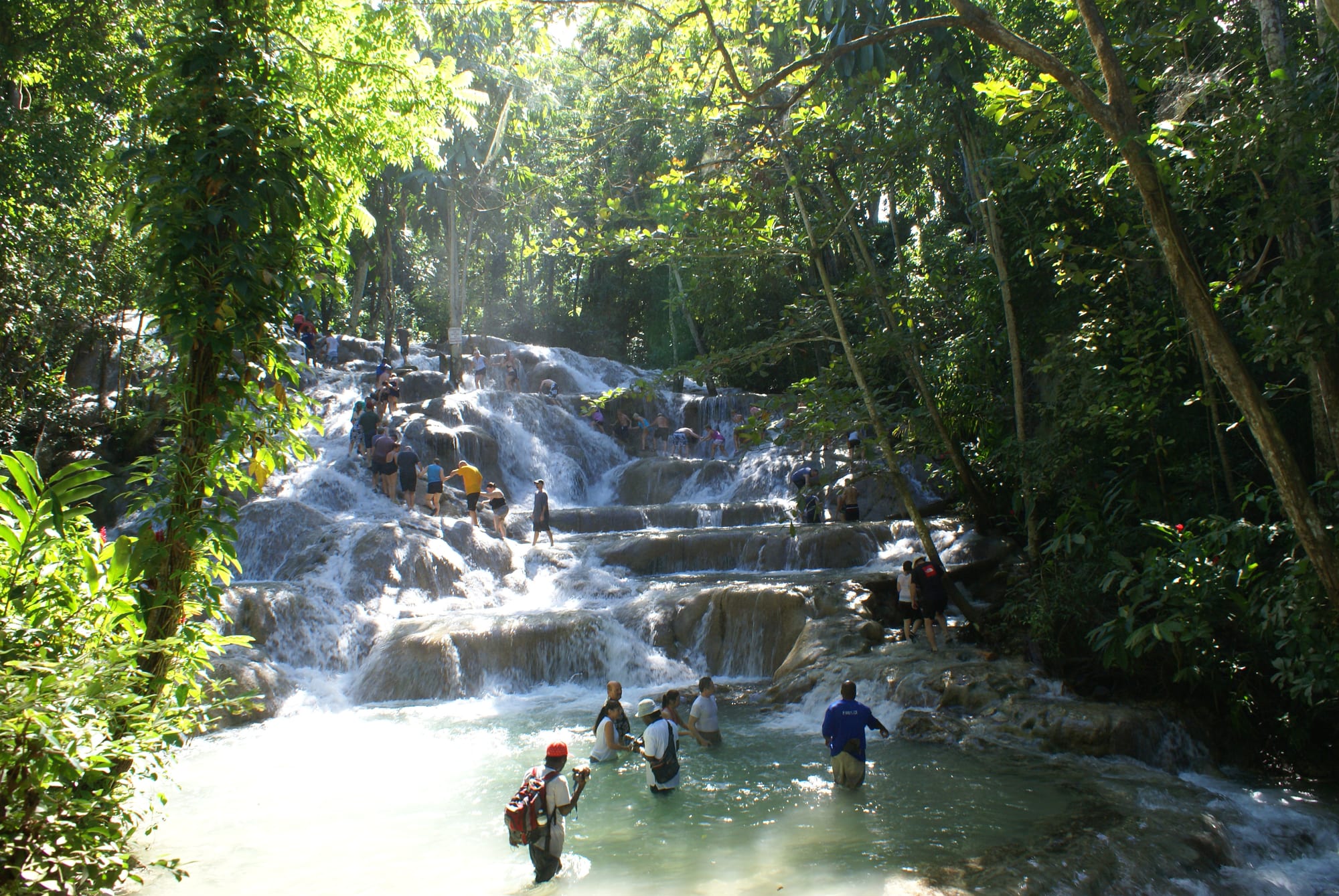
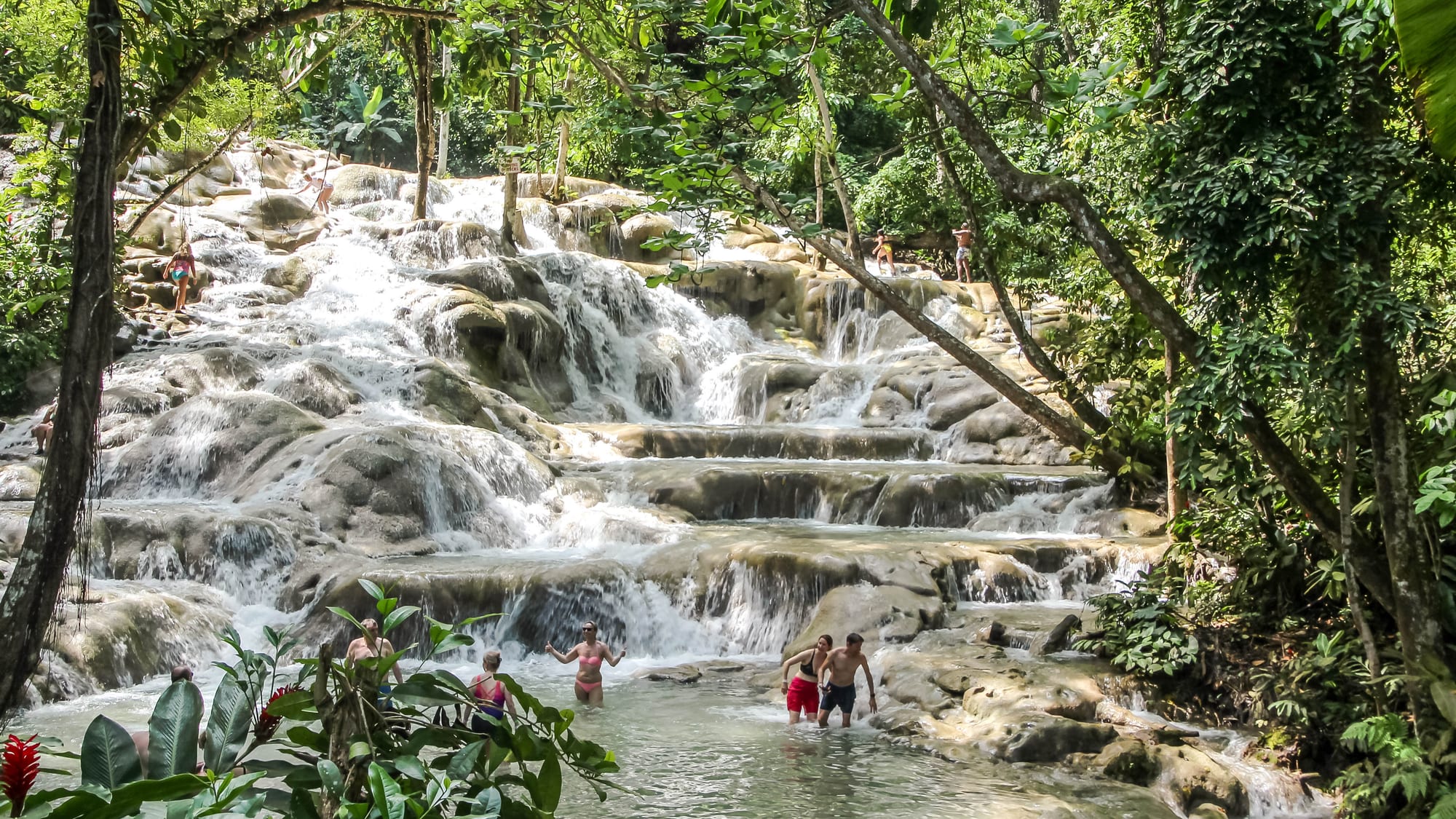
Dunn's River Falls, just west of Ocho Rios, is Jamaica's signature attraction — a staircase of travertine terraces and pools that tumbles straight onto a beach, climbed in a linked chain with a guide (about an hour, wet and slippery, water shoes advised). Ocho Rios itself is a cruise port and resort strip with other falls (Blue Hole, Konoko), bobsled and zipline parks, and Dolphin Cove.
It is busiest when ships are in; go early or late.
2. Negril and Seven Mile Beach
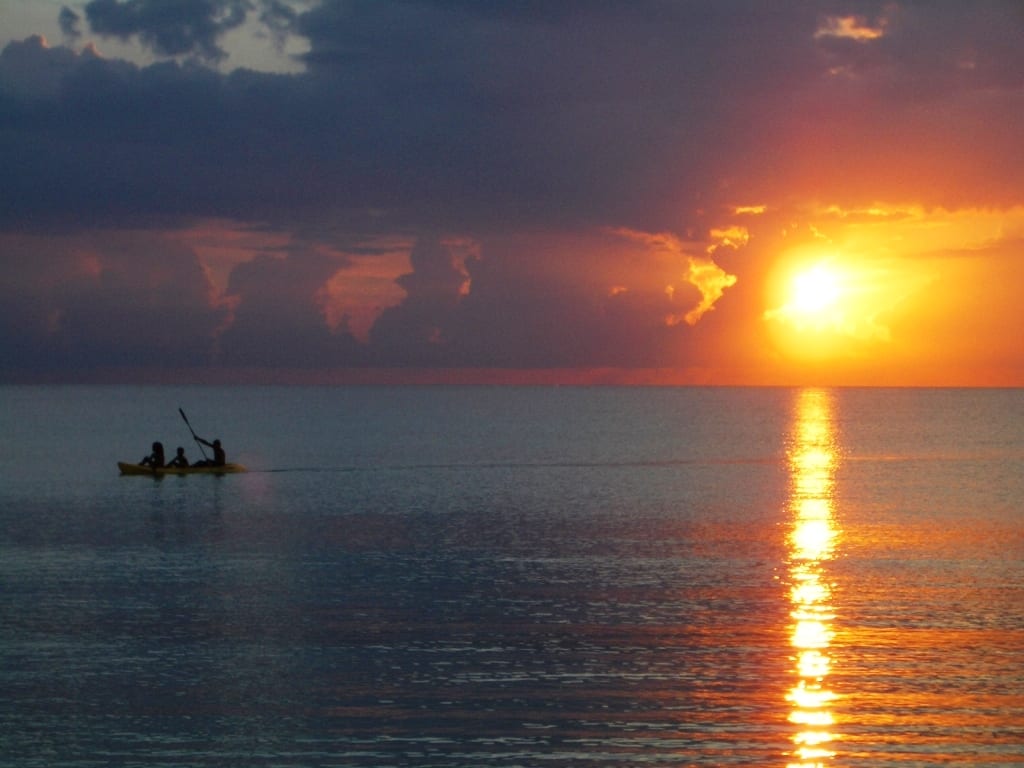
Negril, at the western end of the island, has Jamaica's best-loved beach — a long, gently curving strip of white sand and calm, clear water backed by low-key resorts and beach bars. South of it, the coast turns to low limestone cliffs at the West End, where bars like Rick's Café host cliff-diving and sunset crowds. It is the most relaxed of the resort towns.
Sunsets here, over open ocean, are the reason the West End bars exist.
3. The Blue Mountains
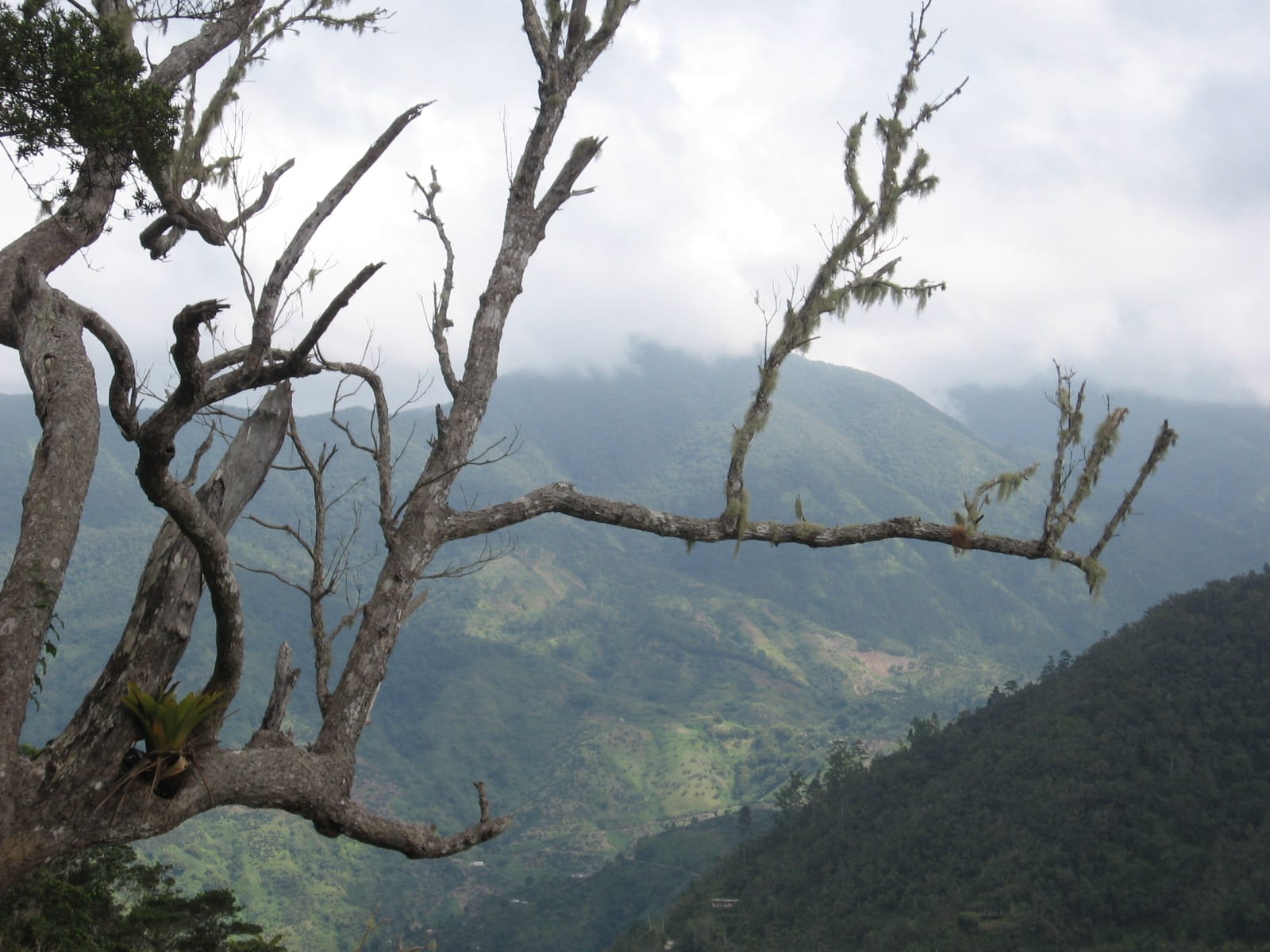
The Blue and John Crow Mountains, a UNESCO World Heritage Site (for both nature and the culture of the Maroons who took refuge here), rise steeply behind Kingston. They grow the world-famous Blue Mountain coffee on misty slopes, offer birdwatching for endemic species like the Jamaican tody, and are the setting for the pre-dawn hike up Blue Mountain Peak (2,256 m) to watch the sun rise over the whole island.
Coffee-estate tours run from Kingston or the mountain guesthouses.
4. Kingston
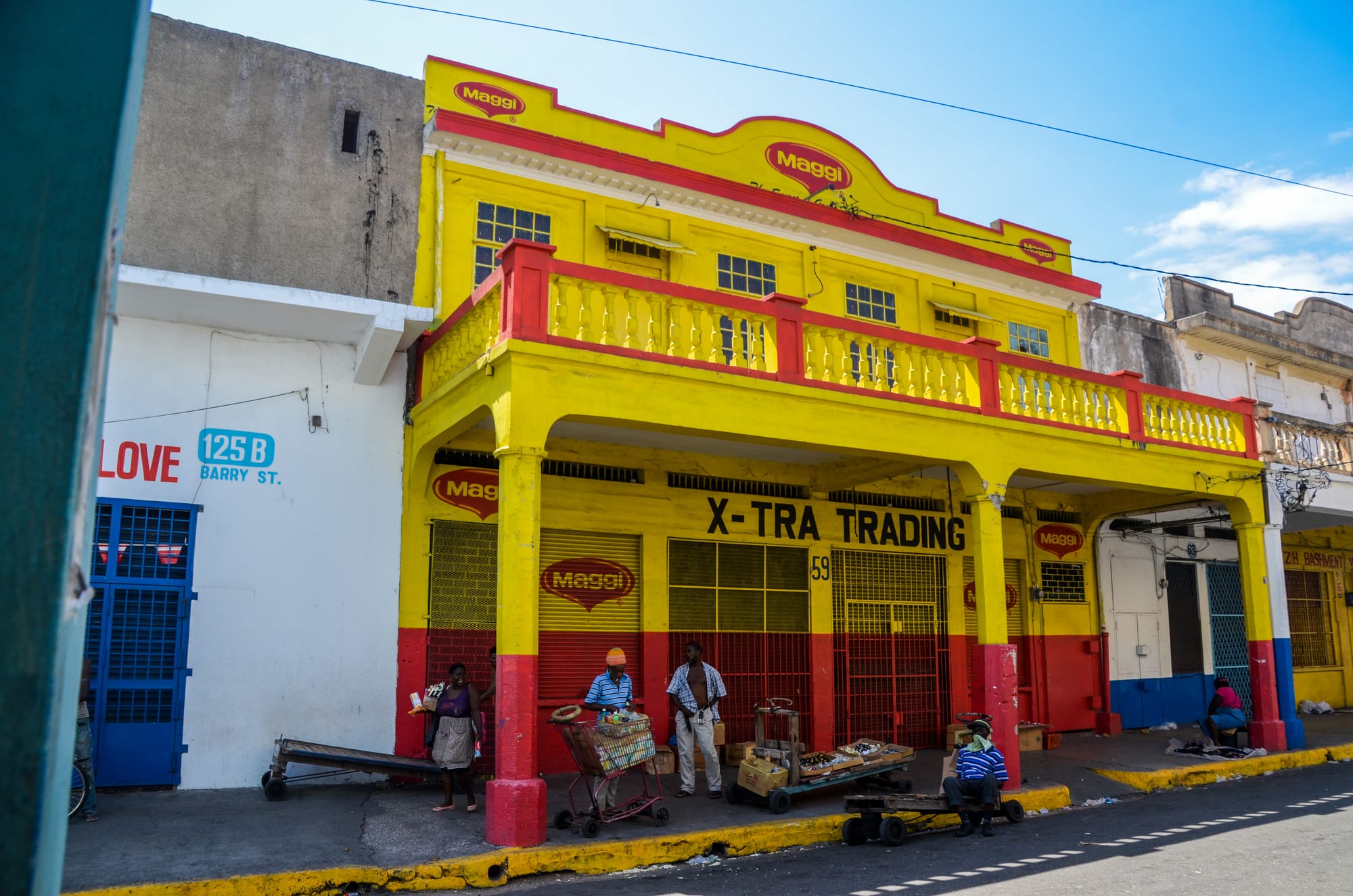
Kingston, the capital and the largest English-speaking city in the Caribbean outside the US mainland, is the engine of Jamaican music and art. Highlights are the National Gallery, the colonial-era Devon House (and its famous ice cream), the Institute of Jamaica, Emancipation Park, and the vibrant food and music scene in New Kingston and Half Way Tree. Nearby is Port Royal, once the "wickedest city on earth", a pirate stronghold largely swallowed by an earthquake in 1692.
Kingston is a real working city — see the note at the end on which areas to be cautious in.
5. The Bob Marley trail
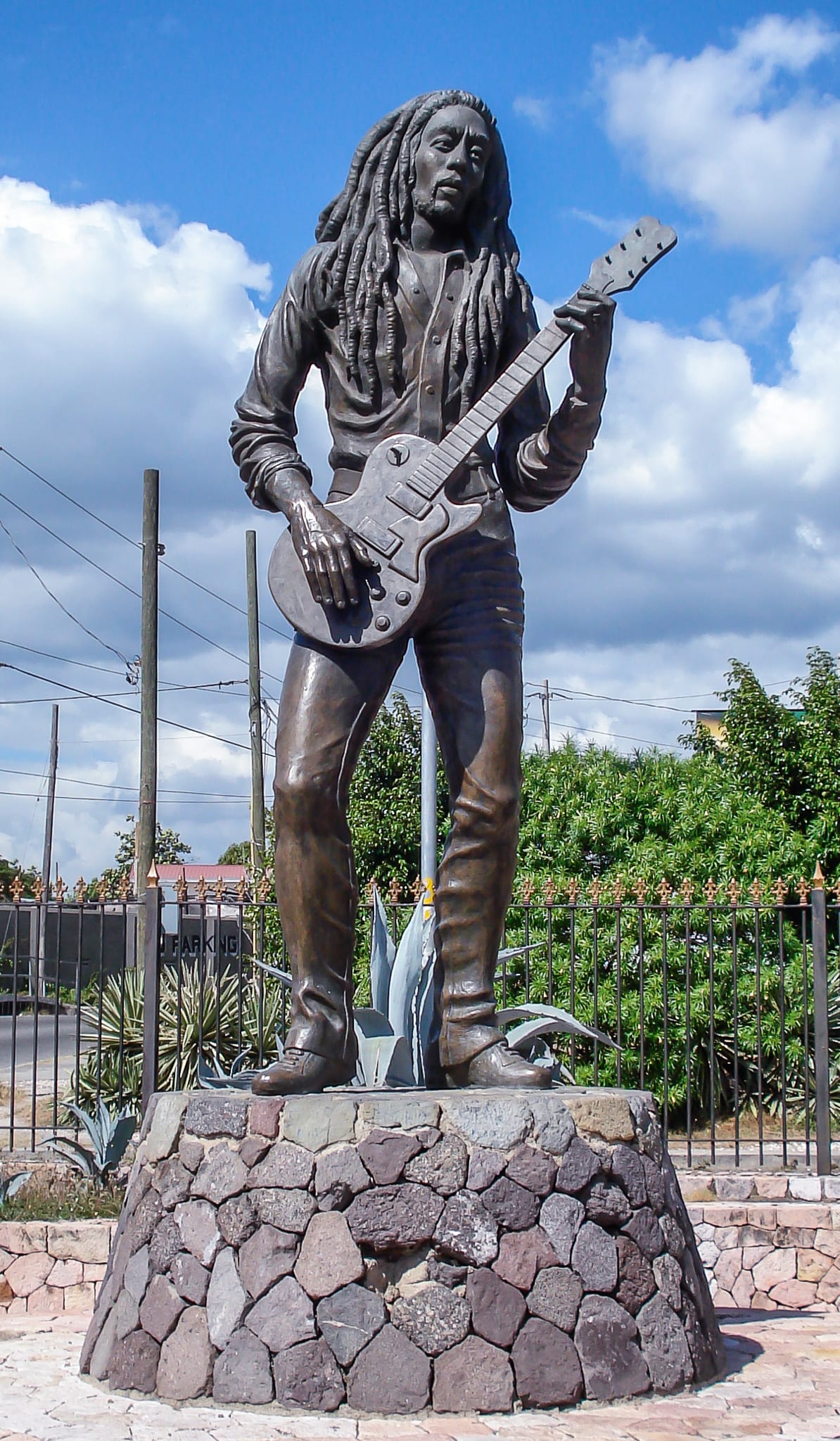
Reggae is a pilgrimage in itself. The Bob Marley Museum, in his former home and studio on Hope Road in Kingston, is the main stop — bullet holes from the 1976 assassination attempt are still in the wall. His birthplace and mausoleum at Nine Mile, in the hills of St Ann, and the Trench Town Culture Yard where he grew up complete the circuit. Kingston is also the home of ska and dancehall.
Nine Mile is a long, winding drive inland from Ocho Rios.
6. Port Antonio and the Blue Lagoon
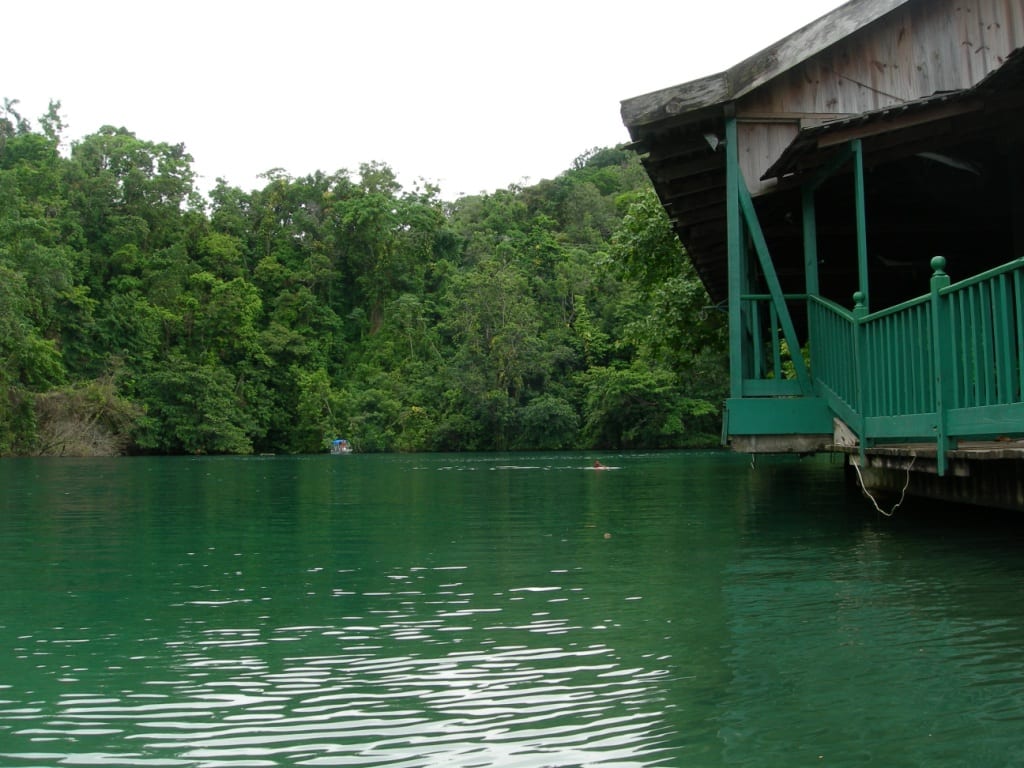
Port Antonio, on the lush northeast coast, is the old-money, low-rise face of Jamaican tourism — where Errol Flynn came ashore in the 1940s. Nearby are the Blue Lagoon, a deep pool fed by cold underground springs (the film with Brooke Shields was shot here), the twin bays of Frenchman's Cove and Winnifred Beach, Reach Falls, and the surf at Boston Bay, the birthplace of jerk.
This coast is wetter and greener than the rest of the island, and much quieter.
7. River rafting
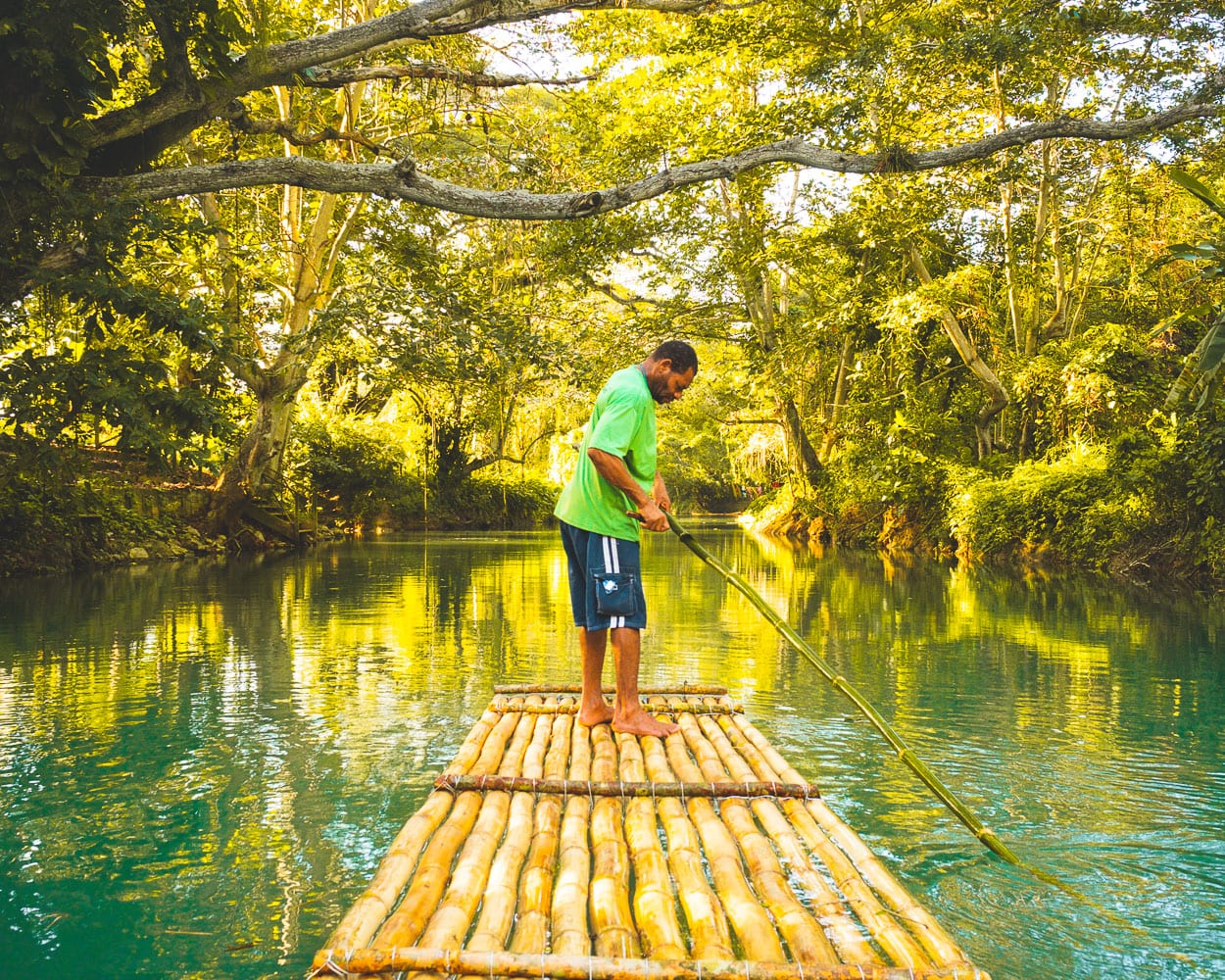
Drifting down a river on a long bamboo raft, poled by a guide, is a classic Jamaican outing. It began on the Rio Grande near Port Antonio, where Errol Flynn turned the banana-transport rafts into a tourist ride; the Martha Brae near Falmouth and the Great River near Montego Bay offer shorter, gentler versions.
Trips last an hour or two, often with a swimming stop.
8. YS Falls and the south coast
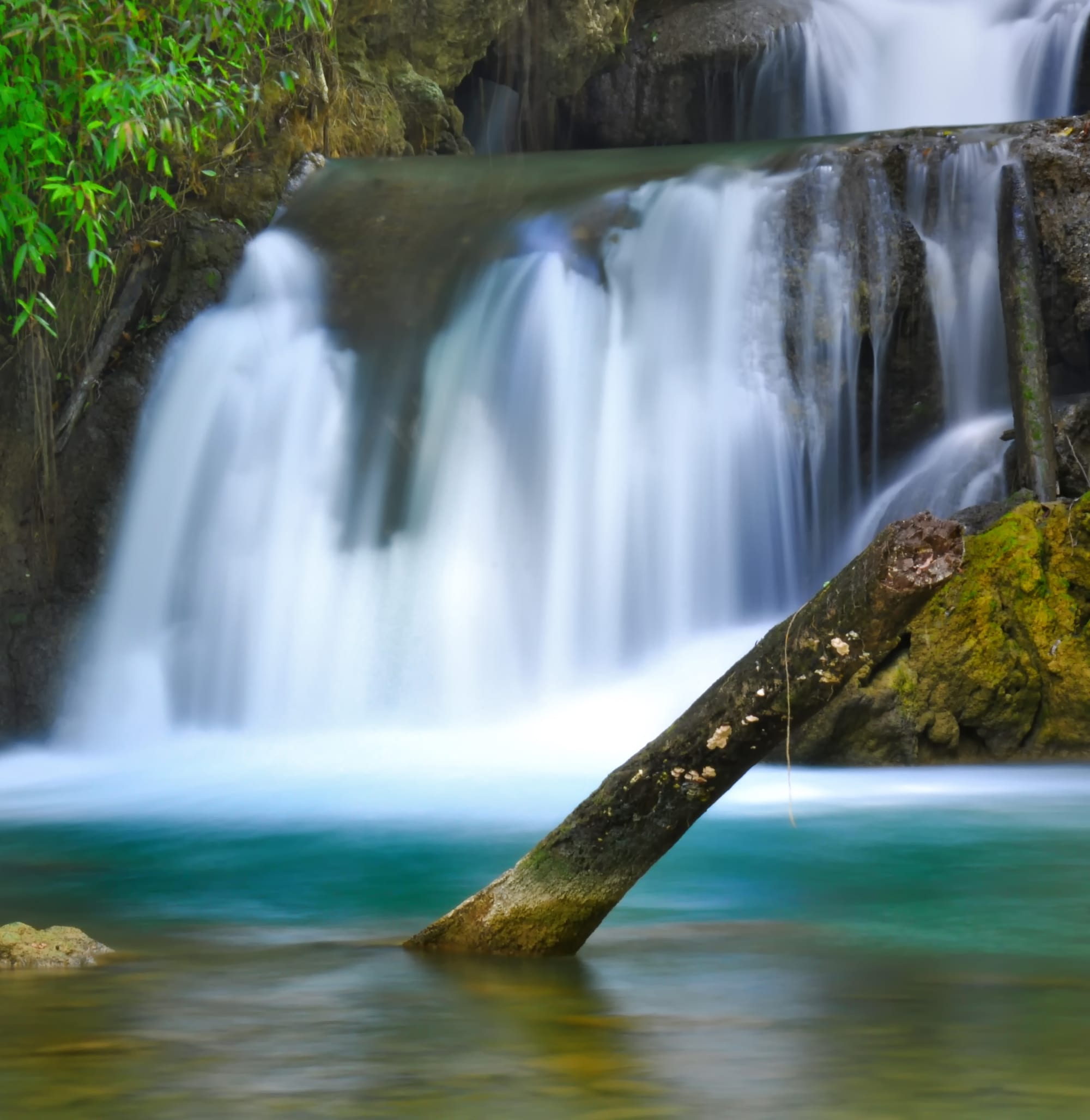
The south coast is Jamaica's rural, unhurried side. YS Falls, on a working cattle and horse farm in St Elizabeth, is a seven-stage waterfall with rope swings and natural pools, far less crowded than Dunn's River. Nearby are the Appleton Estate rum distillery, the safari boat trips on the Black River (Jamaica's longest, with crocodiles), the Pelican Bar built on a sandbar out at sea, and the fishing-village beach at Treasure Beach.
It suits a day or two of slow driving between small guesthouses.
9. Montego Bay and Rose Hall
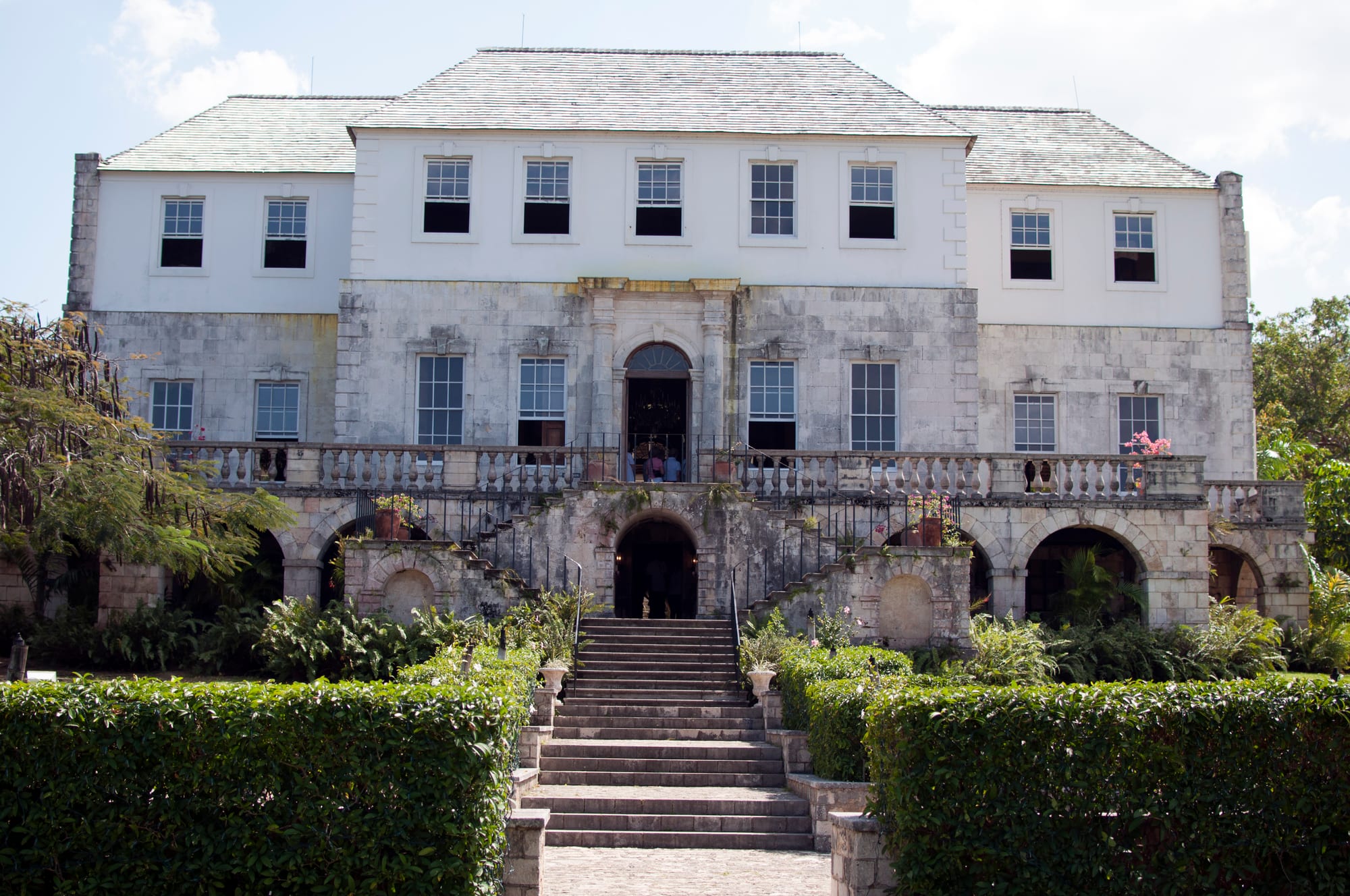
Montego Bay ("MoBay"), on the northwest coast, is the main air gateway and a busy resort city with Doctor's Cave Beach, the "Hip Strip" of bars and shops, and golf. Just east is Rose Hall, a grand restored plantation house wrapped in the legend of the "White Witch" said to have murdered three husbands, now toured by day and by candlelight. The Rocklands bird sanctuary and Croydon plantation are nearby.
Many people never leave the airport-to-resort corridor here; the rest of the island is worth the drive.
Before you go: a practical note
Jamaica has a high violent-crime rate, mostly gang-related and concentrated in specific areas of Kingston, Montego Bay, Spanish Town, and a few parishes; the government has periodically declared states of emergency in affected areas. The main tourist zones — the north-coast resorts, Negril, Port Antonio, the south coast, and the Blue Mountains — see relatively little of this, and most visits are trouble-free. Standard advice applies: use hotel or licensed taxis and tour operators, don't wander unfamiliar urban areas at night, don't buy drugs, and check current government travel advice before you go.
A first trip is often a week on the north coast or at Negril with a couple of day trips; a road trip taking in Kingston, the Blue Mountains, Port Antonio, and the south coast needs 10 days or more.