Food · Indonesia
Indonesia: Food and the National Dish
A fried rice dish eaten for breakfast, lunch or dinner across 17,000 islands, and a slow-cooked coconut beef stew that has topped international "world's best food" polls
By Worldlore Editorial · 16 September 2026
An archipelago too vast for one cuisine
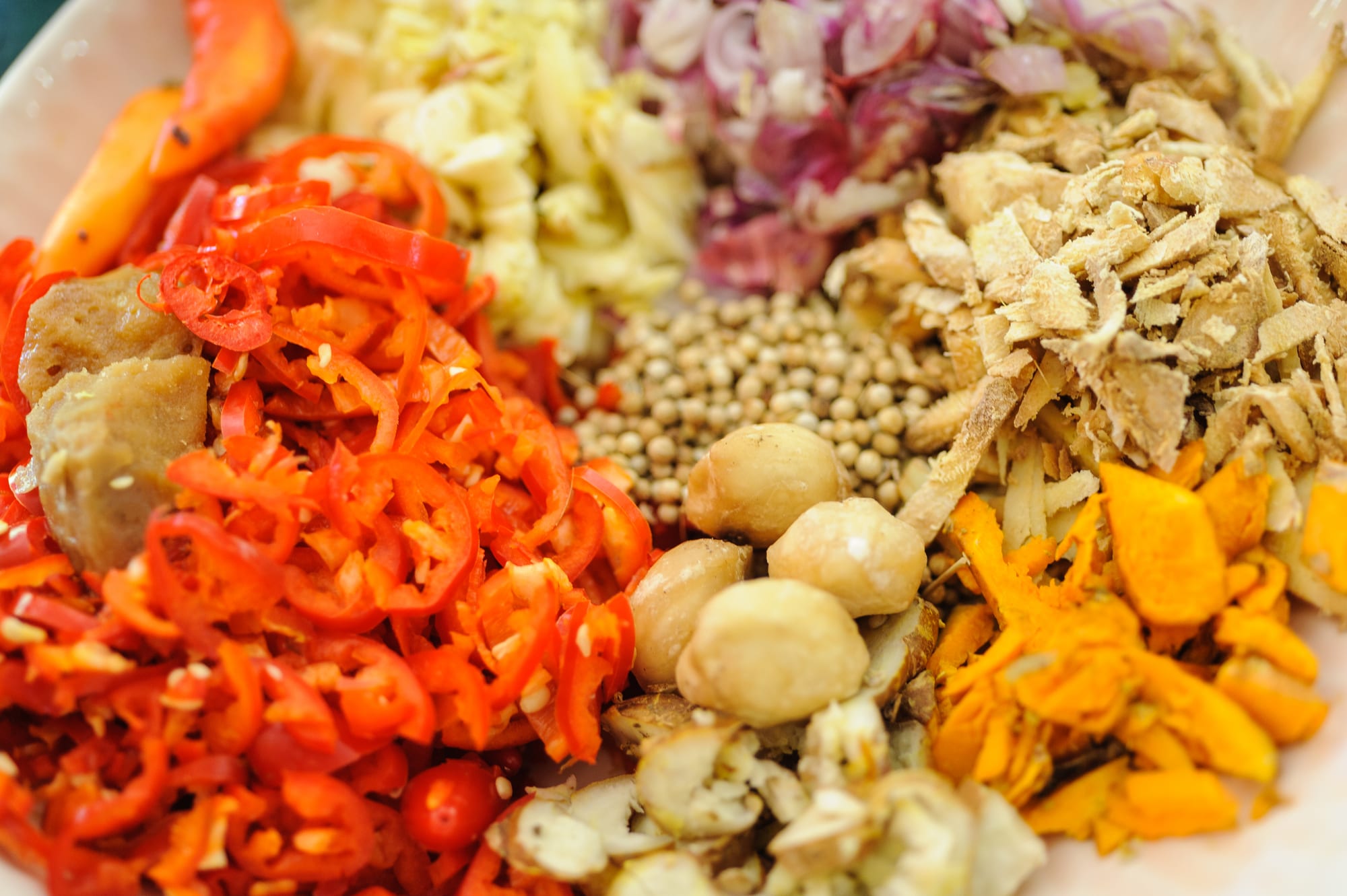
Indonesia spans more than 17,000 islands and hundreds of ethnic groups, and its food reflects that scale directly: rice as the near-universal staple, but built up with wildly different spice pastes, proteins and techniques from Sumatra to Java to Bali to the eastern islands. No single dish could honestly represent all of it, but two come closest to a shared national identity.
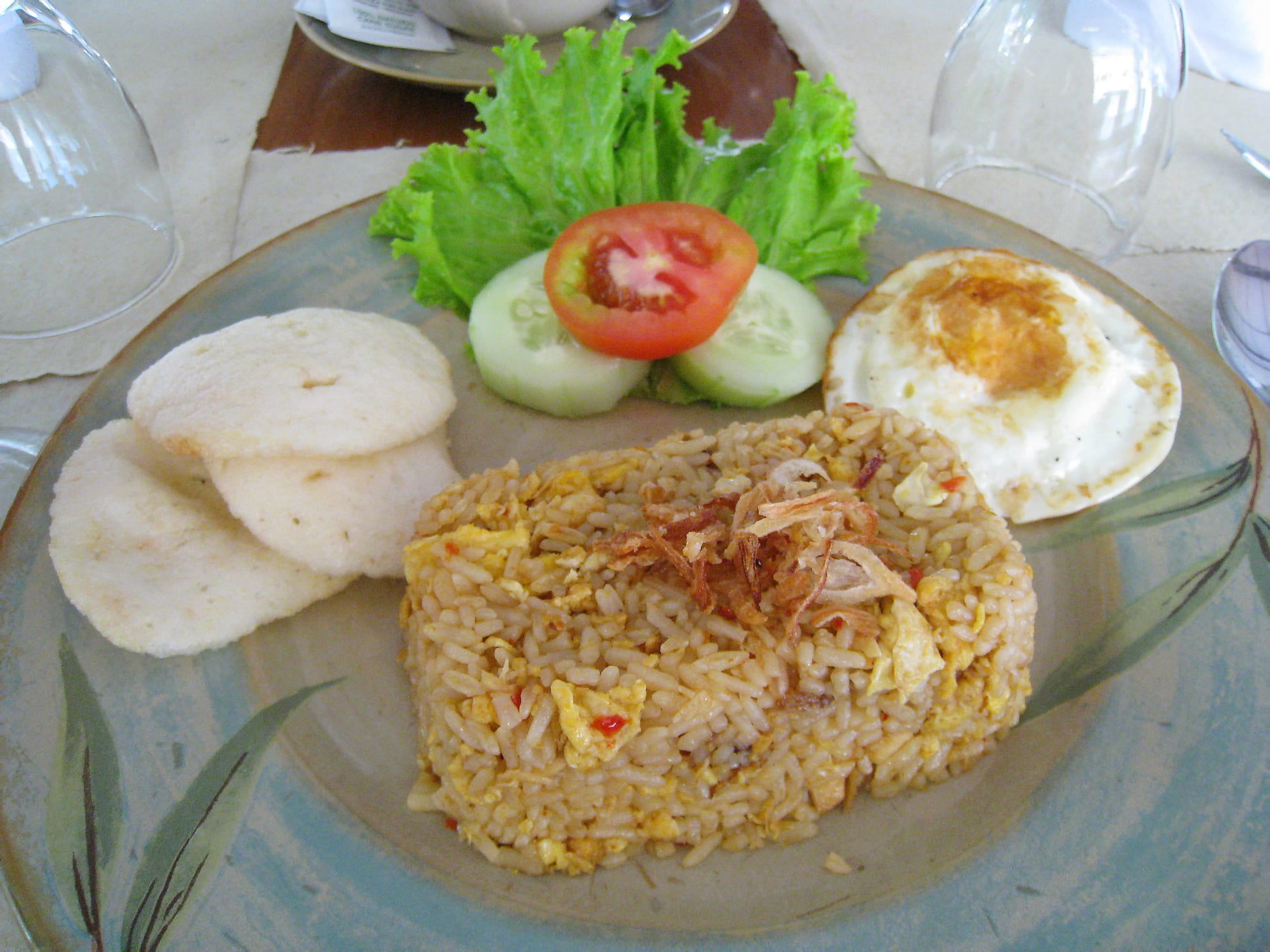
The everyday staple: nasi goreng
Nasi goreng, fried rice cooked with kecap manis (sweet soy sauce), garlic, chilli and whatever protein and vegetables are on hand, is Indonesia's most universally eaten dish, served at breakfast as comfortably as at dinner. Simple, endlessly adaptable and found on menus from street carts to hotel breakfast buffets, it's the dish most Indonesians would recognise as distinctly their own everyday food.
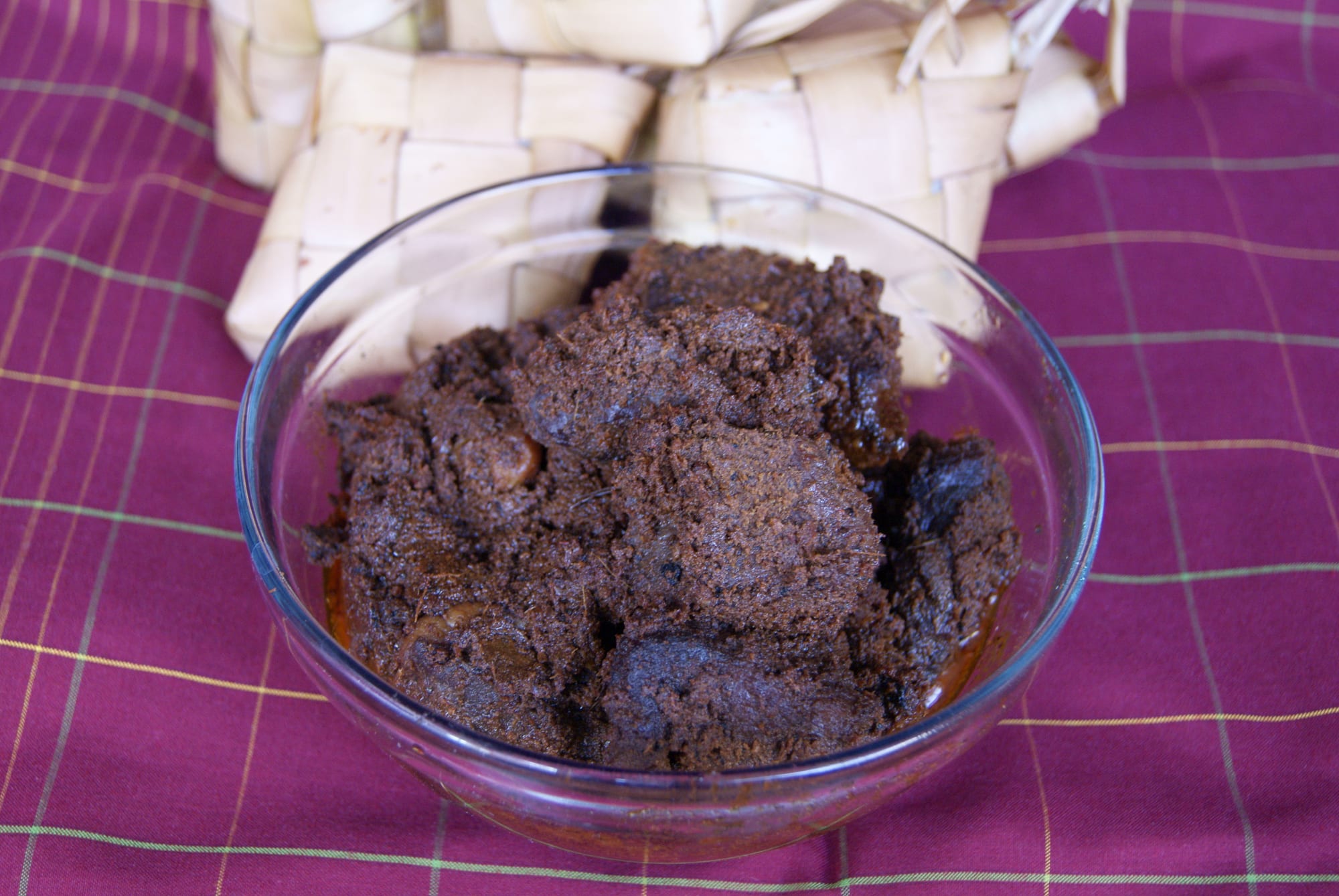
The international icon: rendang
Rendang, beef slow-cooked for hours in coconut milk and a rich spice paste until the liquid reduces to a thick, deeply flavoured coating, is Indonesia's other great claim to a national dish, and the one most celebrated abroad, having topped CNN's World's 50 Best Foods poll more than once. Originally from Minangkabau culture in West Sumatra, rendang has spread nationwide through Padang restaurants, found in nearly every Indonesian city.
Rice, spice paste and a genuinely regional pantry
Rice anchors nearly every Indonesian meal, built up with sambal (chilli paste), kecap manis, and regional spice pastes that vary considerably from island to island. Coconut milk dominates in Sumatra and much of the archipelago's west, while the east leans more on sago, fish and simpler grilling. Indonesia's location along historic spice trade routes, producing cloves, nutmeg and pepper sought after for centuries, still shows directly in how heavily spiced much of its cooking remains.
Dishes to know
Five more to recognise across Indonesia:
- Satay — skewered, grilled meat served with a peanut sauce, found in
regional variations nationwide.
- Gado-gado — a vegetable salad with peanut sauce dressing, a Javanese
everyday dish.
- Soto — a spiced broth soup, made with different meats and spice
bases depending on the region.
- Sambal — chilli paste, made in countless regional and household
variations, served alongside nearly every meal.
- Martabak — a stuffed, folded pancake, savoury or sweet depending on
the filling, a popular street food.
Drinks
Kopi, Indonesian coffee, is grown across several islands and includes some of the world's most sought-after and expensive varieties. Es teh manis, sweetened iced tea, is a genuine everyday drink nationwide, and jamu, a traditional herbal tonic made from turmeric, ginger and other roots, remains a common part of daily wellness routines in many households.
Eating as a traveller
Vegetarians will find gado-gado, tempeh and tofu dishes manageable, especially in Java and Bali, though meat and fish feature heavily in most traditional cooking. Tap water is not safe to drink; stick to bottled or boiled water. Trying dishes at a Padang restaurant, where many small dishes are brought to the table at once, is a genuinely good way to sample rendang alongside several other regional specialties in one sitting.
What to take from the table
Nasi goreng is the dish most Indonesians actually eat day to day, but rendang, patient and internationally celebrated, is the dish that best shows how far Indonesian food's reputation has travelled beyond its own islands.