Attractions & Natural Wonders · Indonesia
Indonesia: Thirteen Attractions and Natural Wonders
The world's largest Buddhist monument, volcanoes you climb before dawn, dragons on a dry island, coral seas in Papua, and 17,000 islands in between
By Worldlore Editorial · 19 September 2026
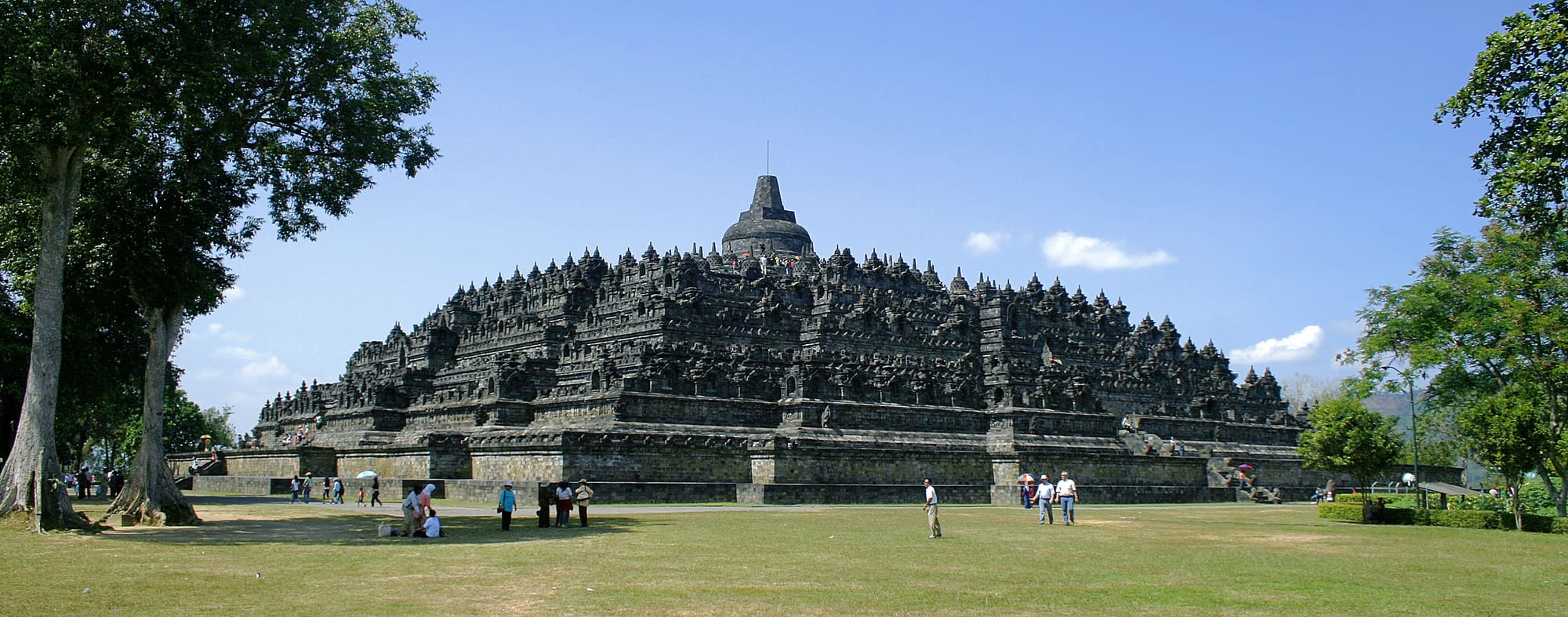
Seventeen thousand islands
Indonesia is the world's largest archipelagic state — some 17,000 islands strung along the equator for 5,000 kilometres, from Sumatra to Papua — and the fourth most populous country, with about 280 million people and the largest Muslim population on earth (alongside Hindu Bali, Christian regions, and hundreds of local faiths). It sits on the Pacific "Ring of Fire", so it has more active volcanoes than any other country, and its seas hold the richest coral reefs in the world.
The thirteen below run from Java's temples east through Bali and the Lesser Sundas, then to Papua, Sumatra, and Sulawesi. The dry season (roughly April to October) is best for most of the country; Sumatra and the north can differ, and the seas around Raja Ampat are calmest from October to April.
1. Borobudur
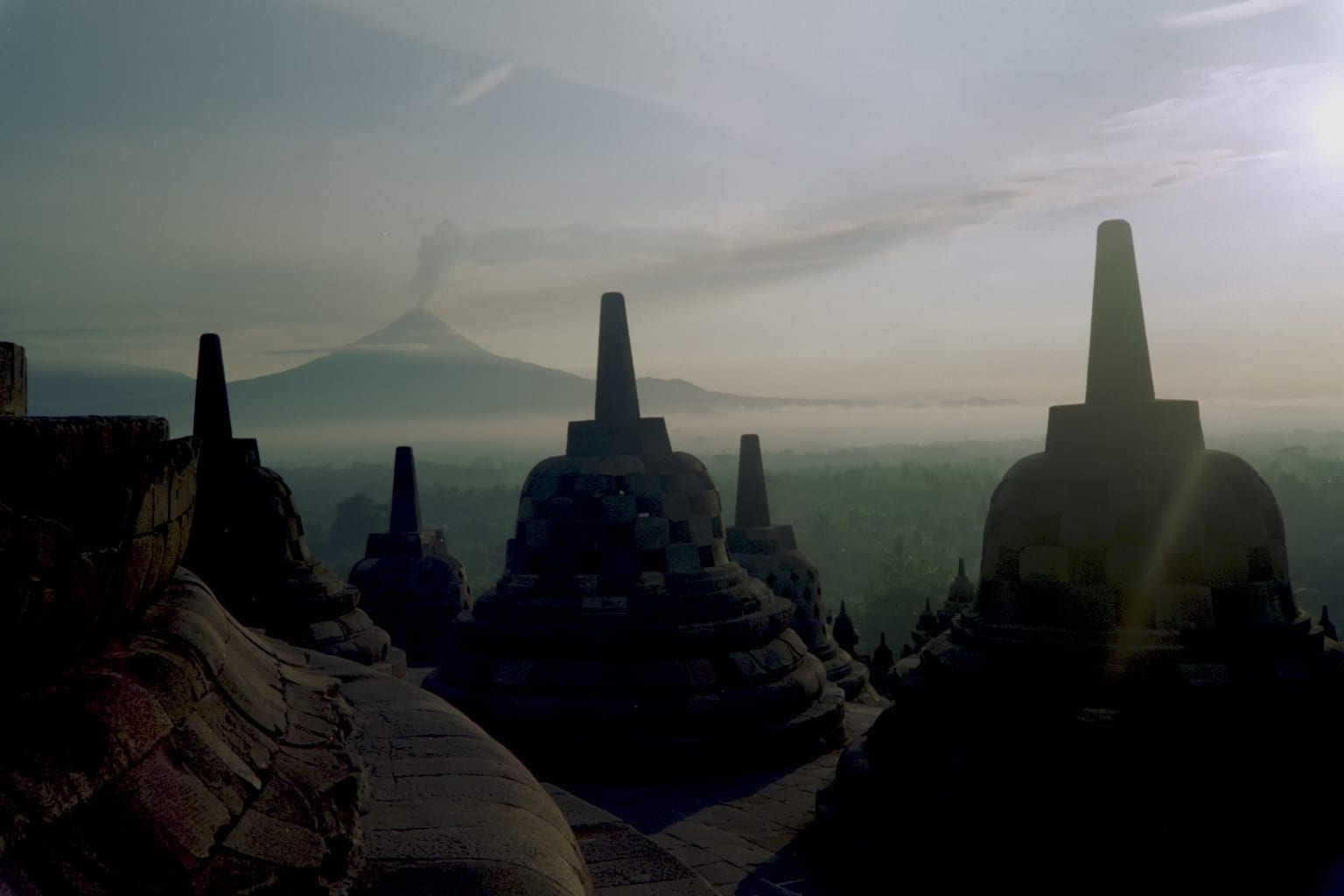
Borobudur, built by the Sailendra dynasty around AD 800 and later abandoned and buried in volcanic ash, is a colossal stone mandala — nine stacked platforms carved with over 2,600 relief panels and 500-plus Buddha statues, which pilgrims circle clockwise as a symbolic ascent toward enlightenment. It is a UNESCO World Heritage Site and best seen at dawn, with mist in the surrounding fields and volcanoes on the skyline.
It is about an hour from Yogyakarta; visitor numbers on the upper levels are now capped, so book ahead.
2. Prambanan
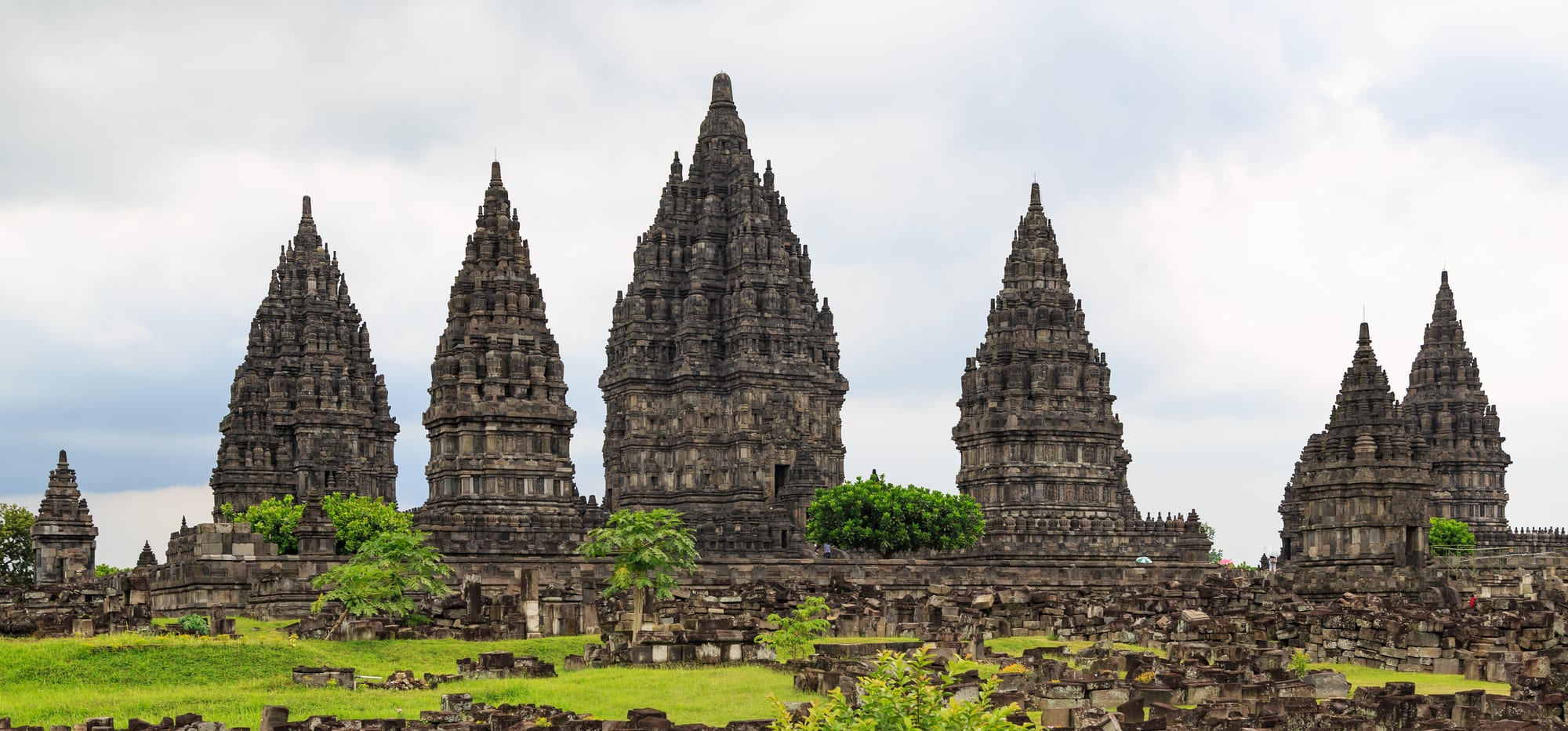
Prambanan, a short drive from Borobudur, is the largest Hindu temple compound in Indonesia — a forest of steep, tapering towers built around AD 850 and dedicated to Shiva, Vishnu, and Brahma, with reliefs telling the Ramayana. Several towers collapsed in a 2006 earthquake and have been rebuilt. The surrounding plain holds smaller Buddhist and Hindu temples like Sewu and Plaosan.
An open-air Ramayana ballet is performed against the floodlit towers on many evenings in the dry season.
3. Yogyakarta
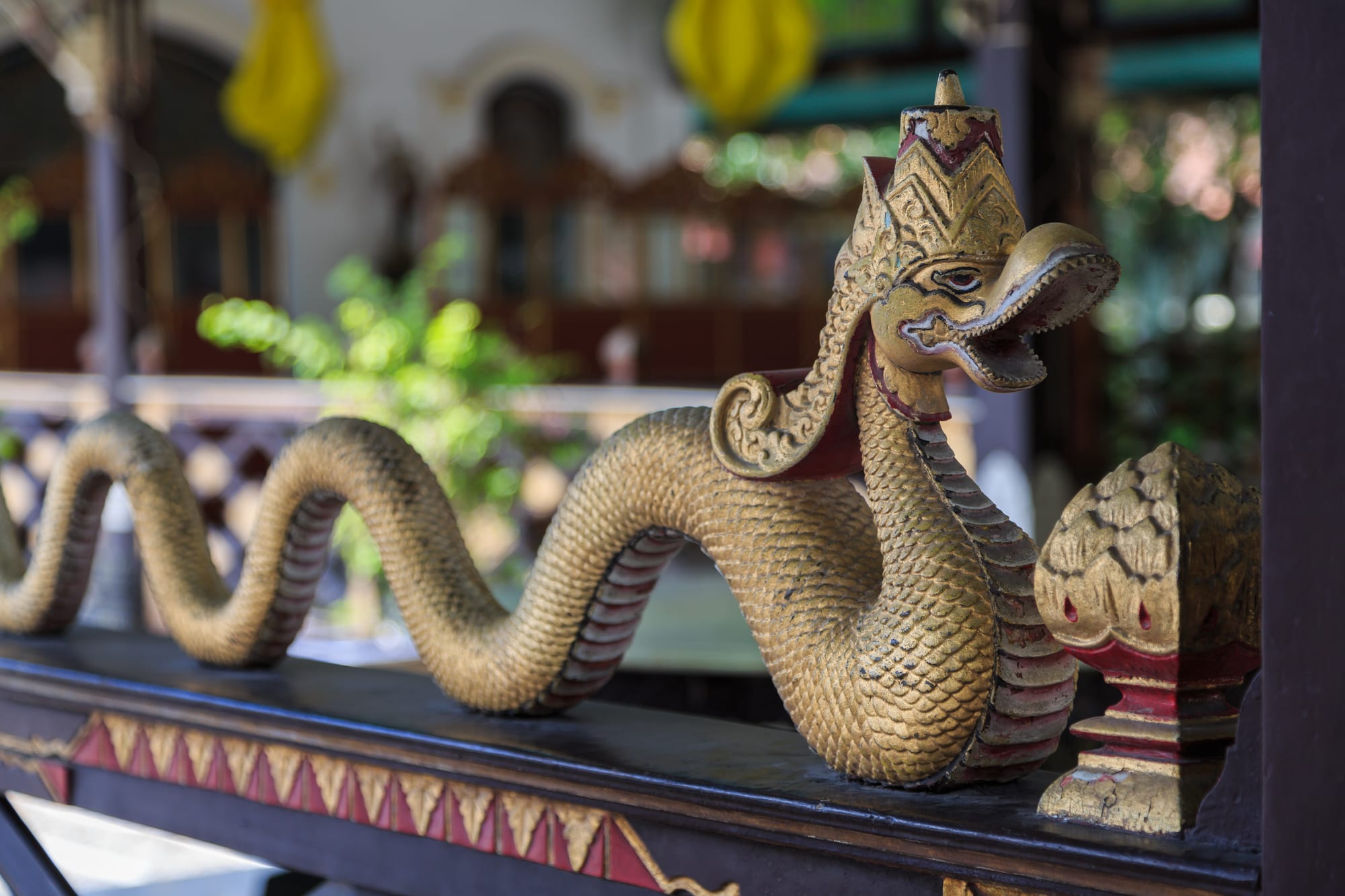
Yogyakarta ("Jogja") is the cultural capital of Java — a lively student city that is still ruled by a sultan, with a walled kraton palace, the ruined pleasure gardens of Taman Sari, batik and silversmith workshops, and gamelan and wayang (shadow-puppet) performances. It is the natural base for Borobudur and Prambanan, and a good place to eat Javanese food and shop along Malioboro street.
The nearby Merapi volcano can be visited on jeep tours to villages hit by its 2010 eruption.
4. Mount Bromo
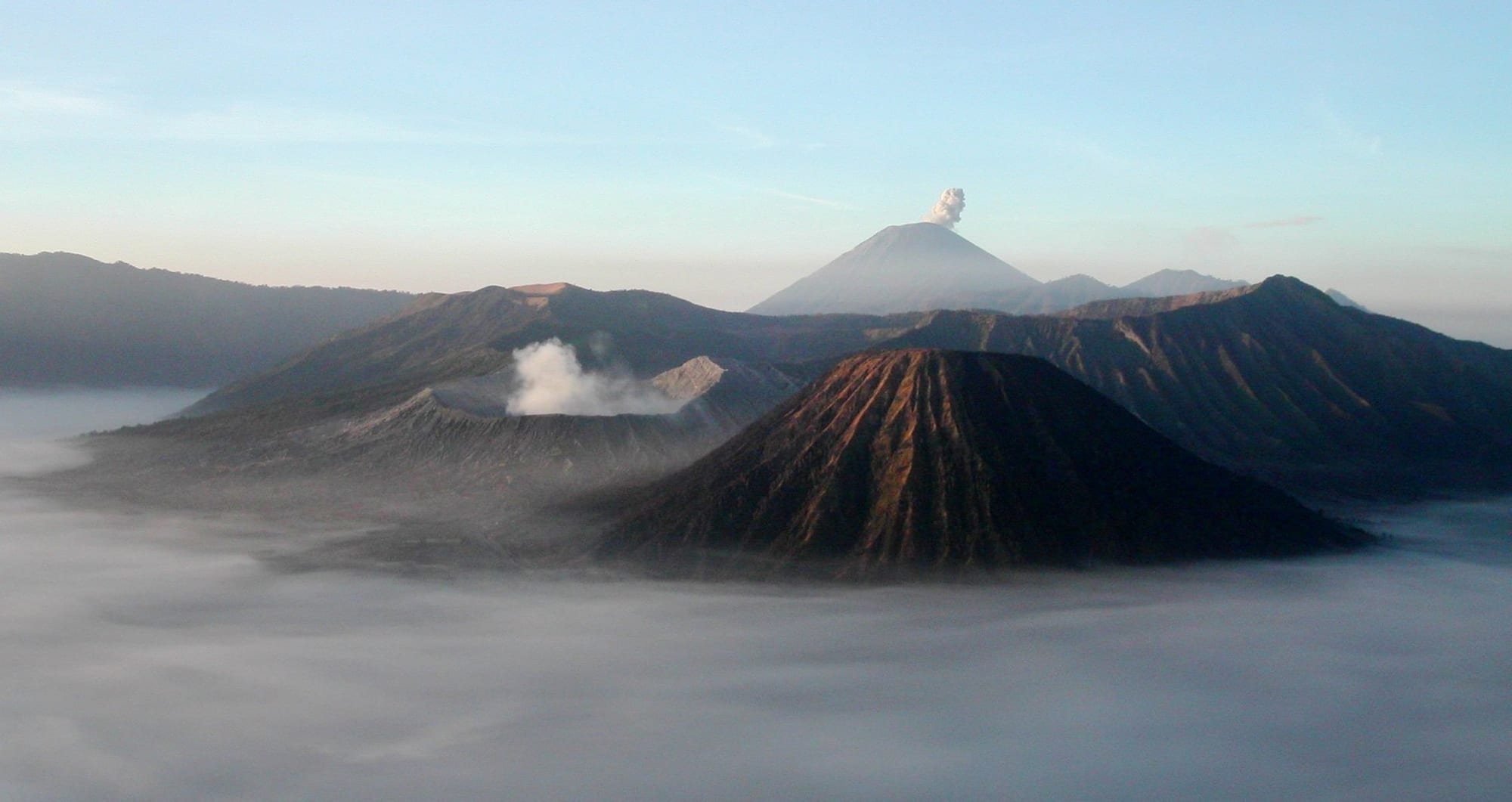
Bromo, in the Tengger caldera of east Java, is one of the world's great sunrise sights — a smoking cinder cone rising from a flat "sea of sand", framed by the caldera wall and the cone of Semeru, Java's highest peak, puffing ash behind. Jeeps run before dawn to a viewpoint, then down onto the sand for the walk and climb of stairs to Bromo's rim.
It is cold at 2,300 metres before sunrise; bring a jacket. The Tenggerese who farm the caldera hold an annual offering festival, Yadnya Kasada.
5. Kawah Ijen
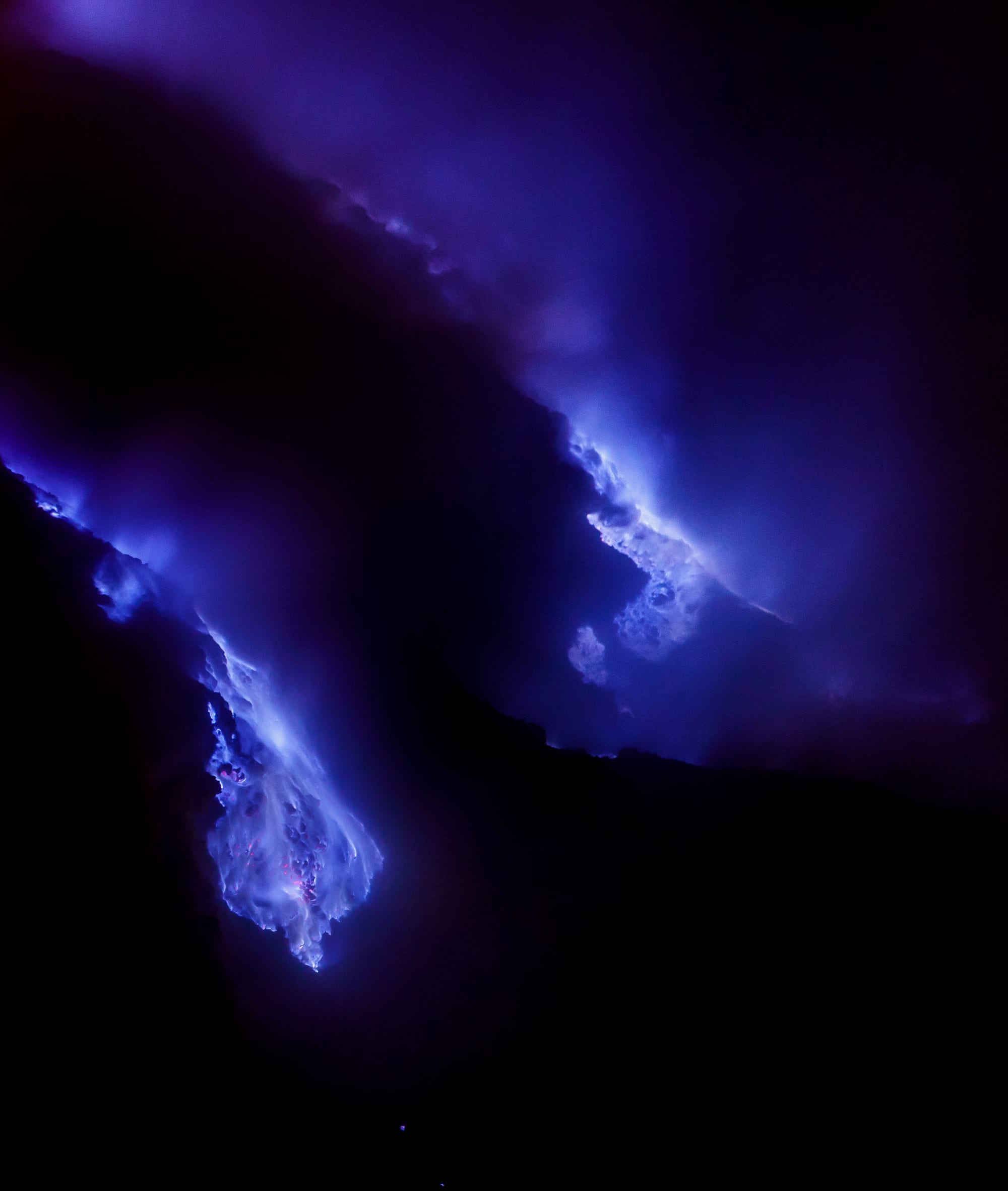
Kawah Ijen, near the eastern tip of Java, is a volcano with a turquoise acid-lake crater and, at night, an eerie electric-blue flame where sulphurous gases catch fire as they vent. Hikers start around 1am to reach the rim and, with a guide and gas mask, descend to see the flames and the miners who carry 80-kilogram loads of solid sulphur out of the crater by hand.
It is usually combined with Bromo on a multi-day tour, often ending at the ferry to Bali.
6. Bali: Ubud and the rice terraces
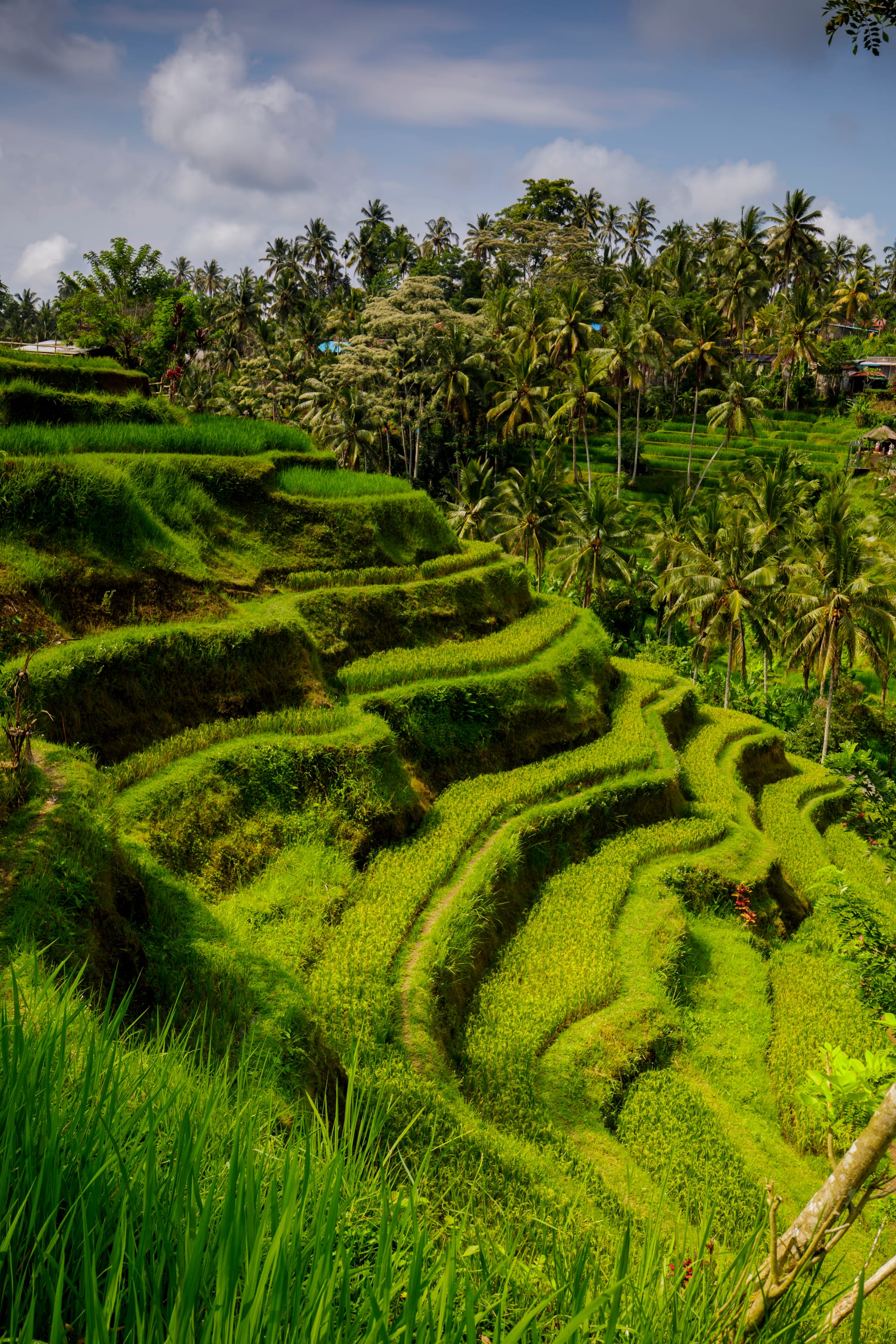
Bali, the Hindu island, concentrates its culture around Ubud — dance and gamelan performances, temple festivals, woodcarving and painting villages, the Monkey Forest, and terraced rice fields fed by the subak system, a cooperative water management on the UNESCO list. Nearby are the Tirta Empul holy springs, the Goa Gajah "elephant cave", and the Tegenungan and Sekumpul waterfalls.
Ubud is 90 minutes from the airport and the best base for the island's interior.
7. Bali's temples and coast
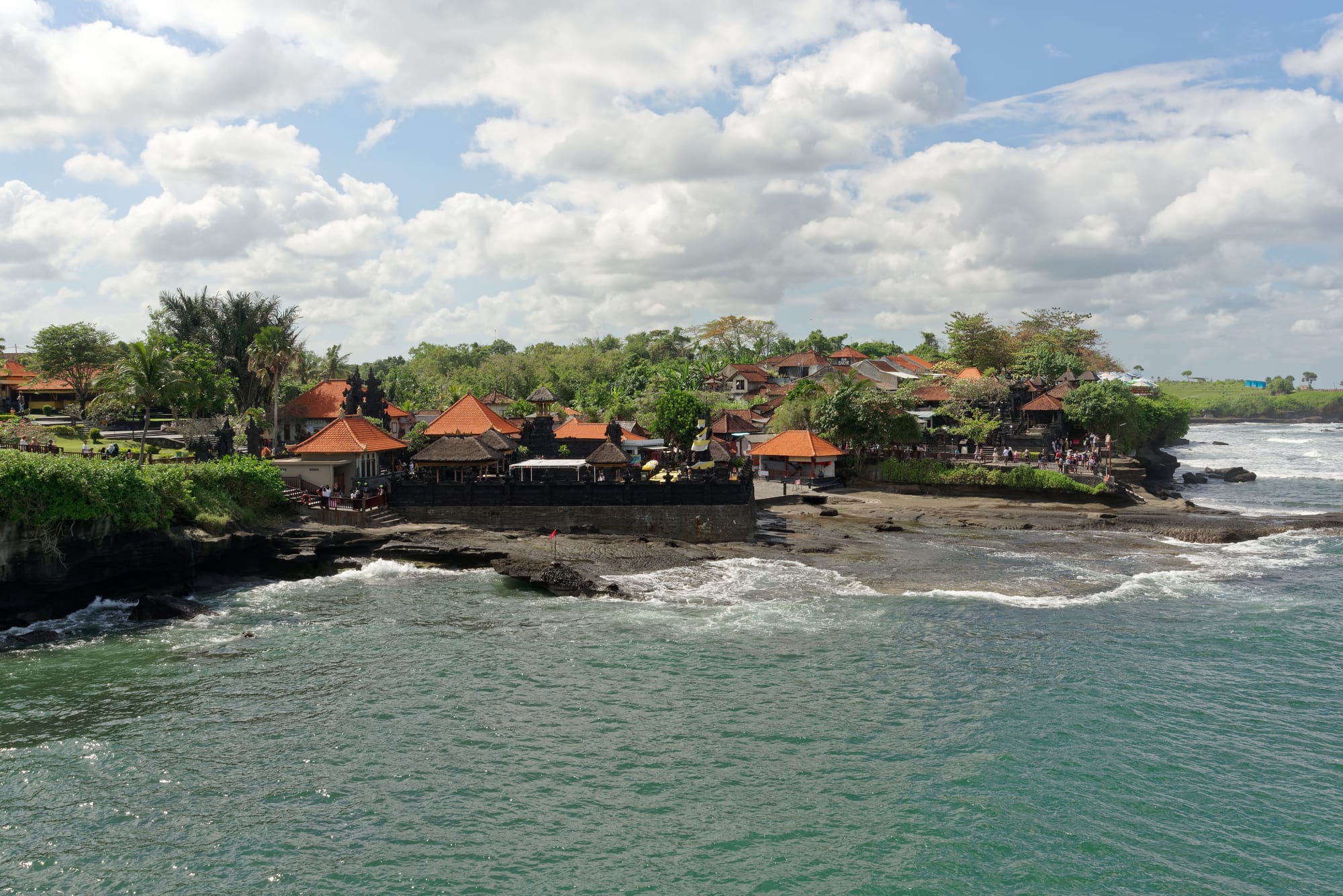
Bali's coast has a chain of dramatic Hindu temples — Tanah Lot on its offshore rock, Uluwatu on a cliff above the surf (with a fire-lit Kecak dance at sunset), and Besakih, the "mother temple", on the slopes of the Agung volcano. The beaches range from the surf and nightlife of the south (Kuta, Seminyak, Canggu) to the black sand and diving of the northeast (Amed, Tulamben's shipwreck) and the quiet of Nusa Penida's cliffs.
Modest dress and a sarong (usually provided) are required at temples.
8. Komodo National Park
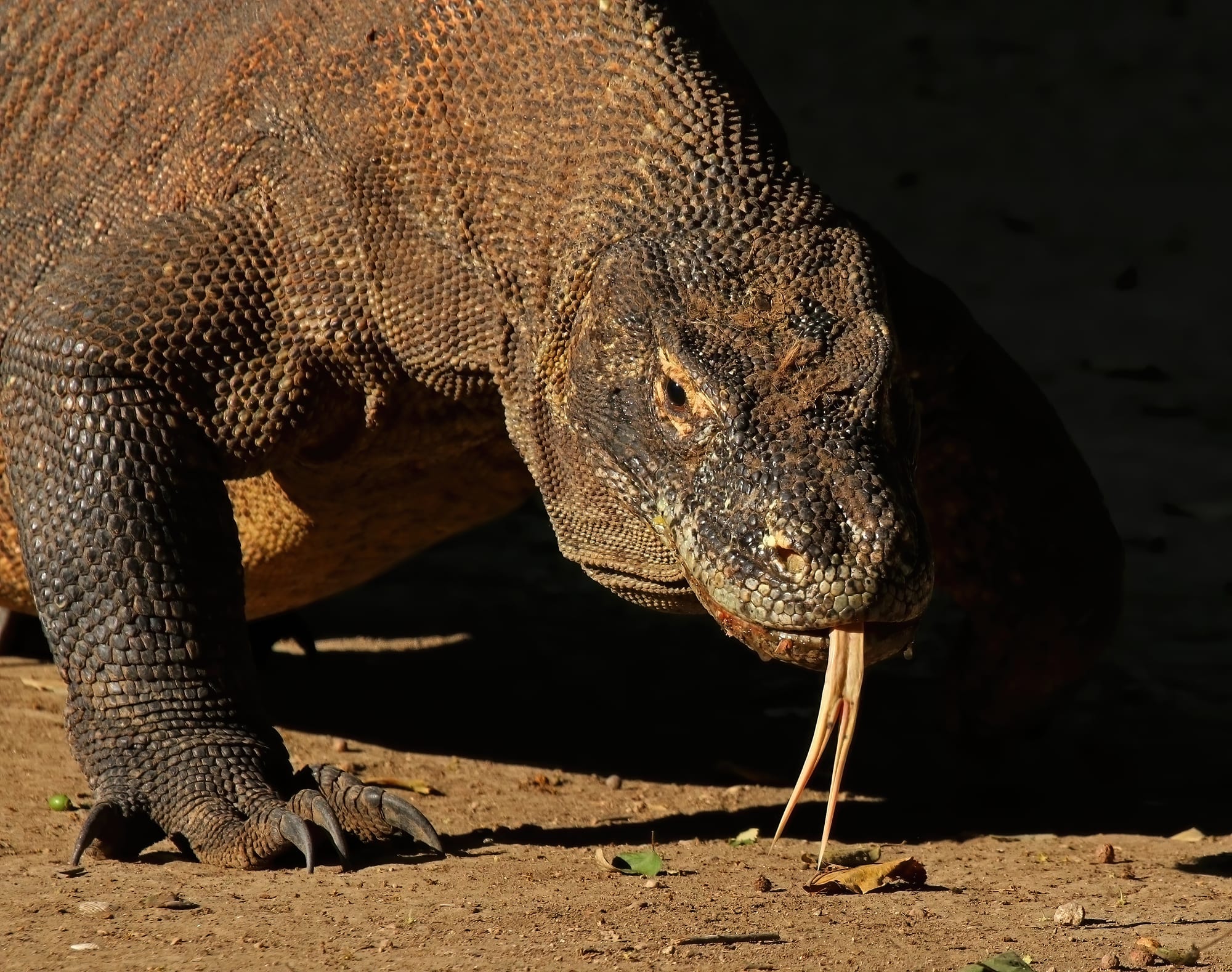
Komodo National Park, a group of dry, savanna-covered islands between Sumbawa and Flores, is the only home of the Komodo dragon — a three-metre venomous monitor lizard that hunts deer and buffalo. Rangers guide walks on Komodo and Rinca islands; the park's waters add manta rays, turtles, and the famous pink-sand beach at Pantai Merah.
Most people visit on a multi-day liveaboard boat from Labuan Bajo on Flores, which has an airport.
9. Flores and Kelimutu
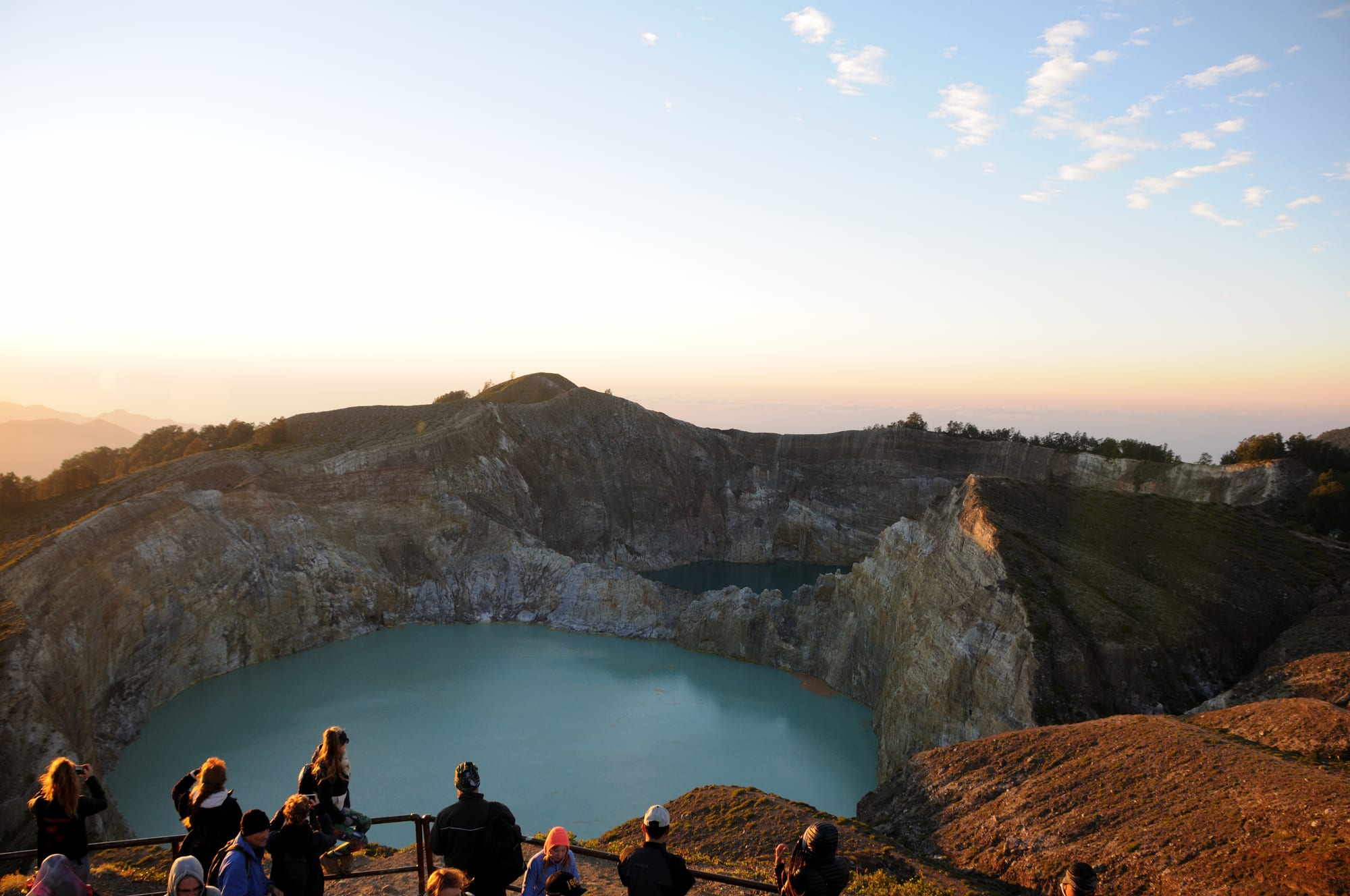
Flores, the long, mountainous, mostly Catholic island east of Komodo, is one of Indonesia's most scenic road trips. Its highlight is Kelimutu, a volcano with three crater lakes that sit side by side in different, shifting colours — turquoise, green, black — believed locally to hold the souls of the dead; sunrise from the viewpoint is the moment to see them. Along the way are the "spider-web" rice fields of Cancar and traditional villages like Bena and Wae Rebo.
The Trans-Flores highway is slow and winding — allow several days end to end.
10. Raja Ampat
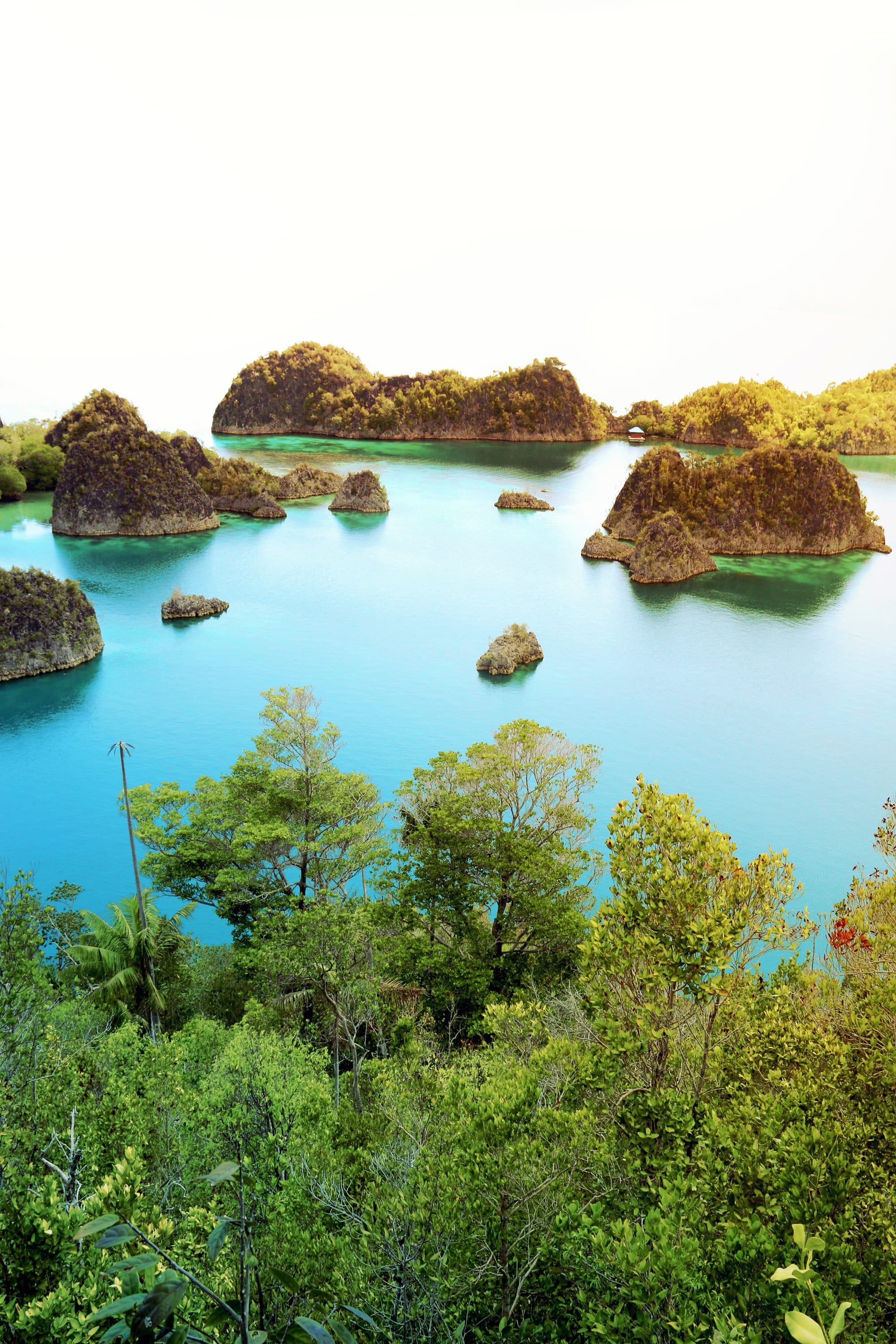
Raja Ampat, off the northwest tip of Papua, sits at the centre of the Coral Triangle and has the highest recorded marine biodiversity on earth — more coral and reef-fish species than anywhere else. Above water it is a maze of jungle-covered limestone islets over clear lagoons, with viewpoints like Piaynemo and Wayag. Homestays and liveaboards serve divers and snorkellers.
It is remote and pricey to reach — flights via Sorong, then a boat — and best saved for a dedicated diving trip.
11. Lake Toba and Sumatra's volcanoes
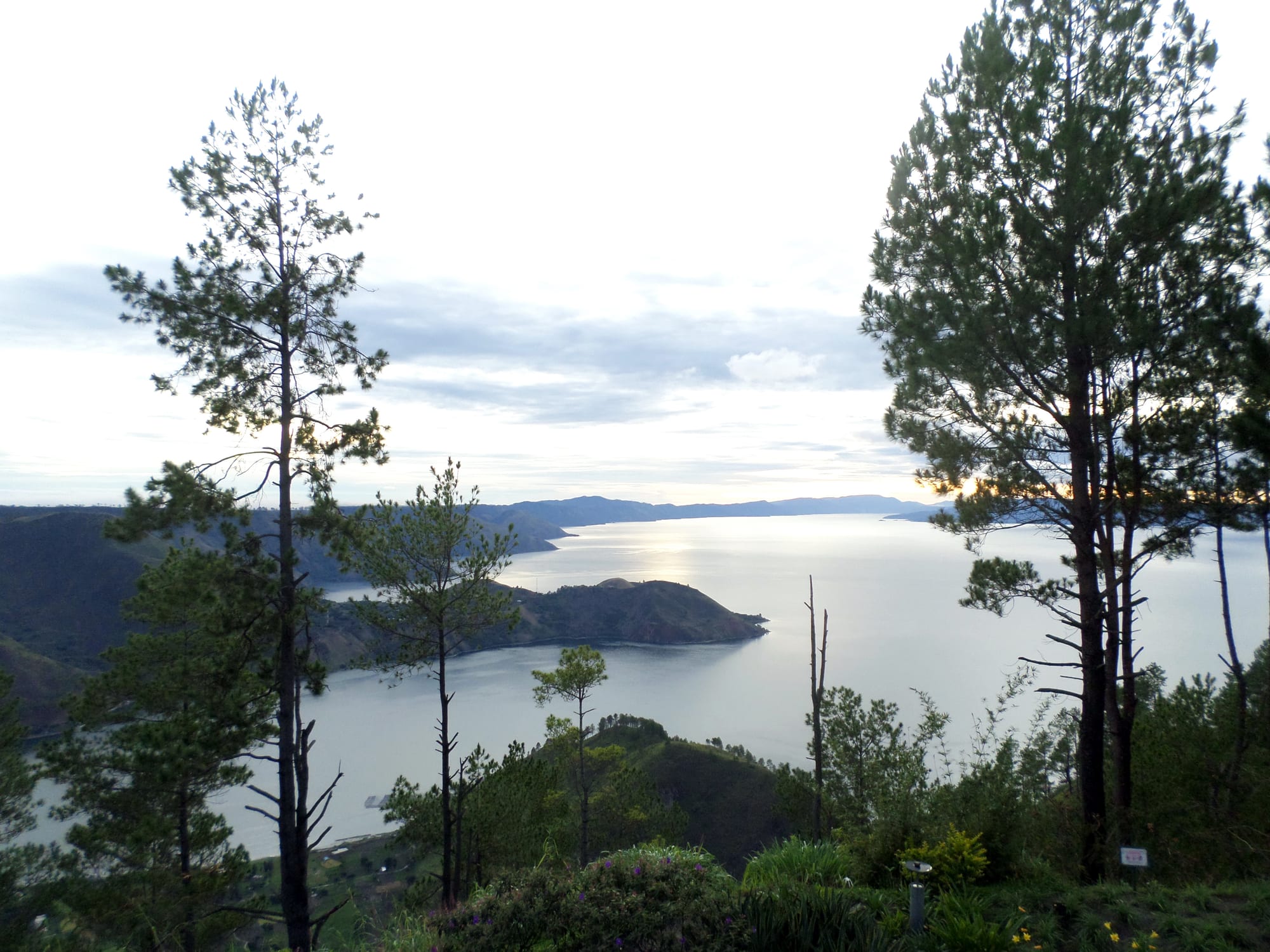
Lake Toba, the largest volcanic lake in the world, fills the crater of one of the biggest eruptions in the last 25 million years. In its centre, Samosir Island (about the size of Singapore) is the heartland of the Batak people, with carved wooden houses, stone chairs, and megalithic tombs, and a relaxed traveller scene on the Tuk Tuk peninsula. Elsewhere Sumatra has the Bukittinggi highlands and the Kerinci Seblat and Leuser rainforests.
It is a few hours by road from Medan; the drive up passes the Sipiso-piso waterfall.
12. The orangutans of Borneo and Sumatra
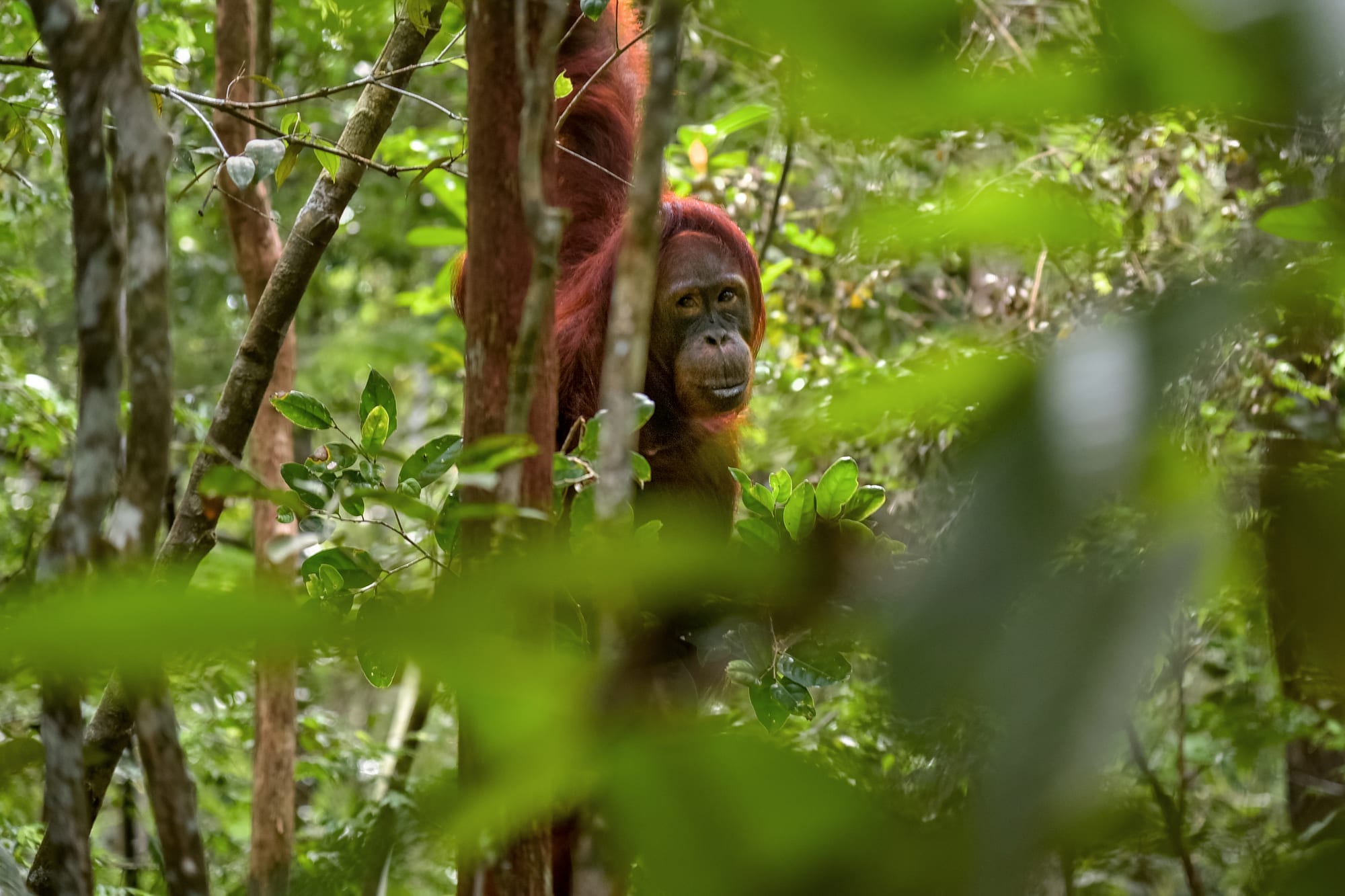
Indonesia has the last two wild orangutan species. In Borneo (Kalimantan), Tanjung Puting National Park is visited on multi-day trips aboard a klotok riverboat, sleeping on deck and stopping at feeding platforms in the forest. In Sumatra, the village of Bukit Lawang on the edge of Gunung Leuser National Park offers jungle treks with good chances of seeing the more critically endangered Sumatran orangutan.
Both are working conservation areas — keep your distance, and don't feed the animals.
13. Tana Toraja and Sulawesi
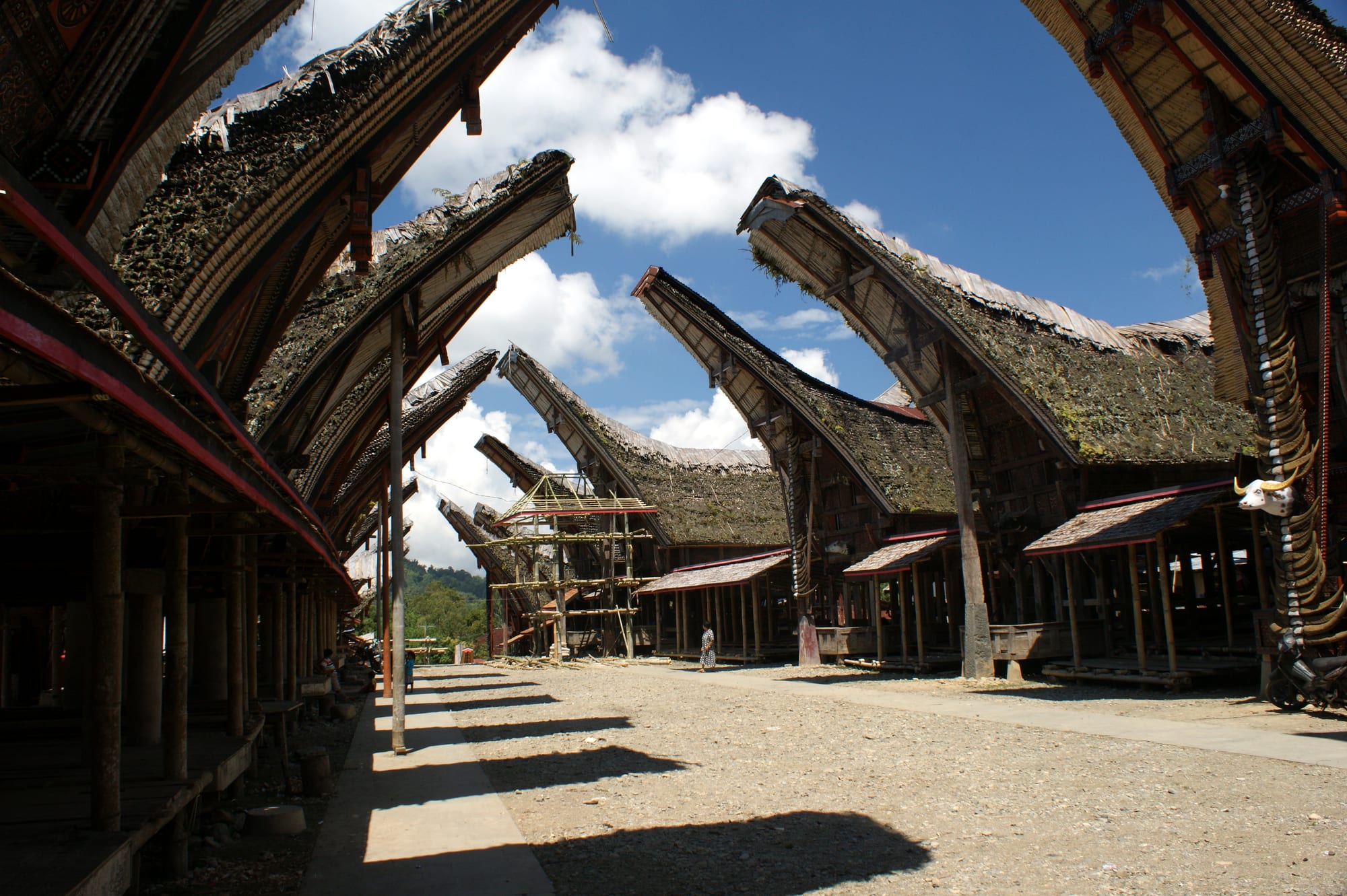
Tana Toraja, in the highlands of orchid-shaped Sulawesi, is known for its striking architecture — houses with huge upswept roofs — and, above all, for its elaborate funerary culture: multi-day feasts, cliff-face and cave tombs guarded by carved effigies (tau tau), and, in some villages, the periodic cleaning and re-dressing of the dead. Northern Sulawesi adds the Bunaken and Lembeh dive sites and the Tangkoko reserve's tarsiers.
Rantepao is the base; the region is reached by a long drive or flight from Makassar.
Indonesia is too big for one trip. Common combinations are Java (Yogyakarta, Bromo, Ijen) plus Bali; Bali plus Komodo and Flores; or a dedicated Sumatra, Borneo, or Raja Ampat journey. Jakarta, the vast capital, is more a transit point than a destination for most visitors.