Culture & Customs · India
India: Palms Together, Shoes at the Door
Many faiths lived openly side by side, respect shown to elders in a hundred small gestures, and a festival calendar so full that almost every month brings a reason to light a lamp, share sweets or gather the family
By Worldlore Editorial · 30 September 2026
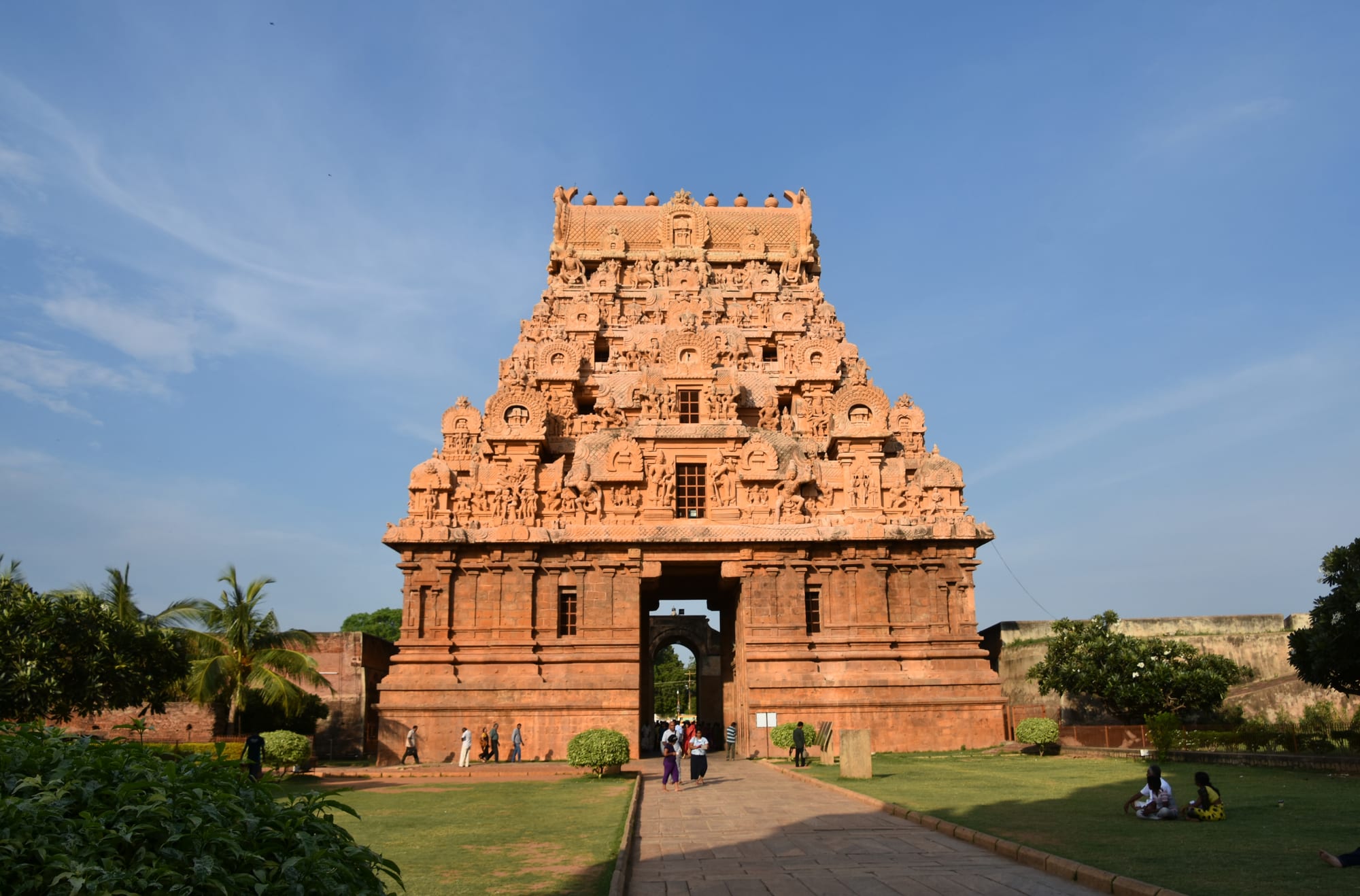
At the entrance of a temple, a small hill of sandals and shoes grows by the hour. Inside, bells ring, incense drifts across the courtyard, and families walk slowly around the shrine before receiving a blessing and a sweet from the priest. Outside again, a visitor is greeted not with a handshake but with palms pressed together, fingertips upward, and a slight bow of the head. Across a country of well over a billion people, dozens of languages and every major world faith, customs vary enormously — yet a few gestures recur almost everywhere: shoes left at the threshold, respect shown to elders, food offered and accepted with the right hand, and a guest made welcome with a cup of tea.
Faith, identity and values
Religion is lived more publicly in India than in most countries, visible in temples, mosques, gurdwaras, churches and roadside shrines, in sacred rivers and in the images of deities found in homes and public spaces. According to the 2011 census, as summarised by Cultural Atlas, around 80 per cent of Indians are Hindu and 14 per cent Muslim, with Christians, Sikhs, Buddhists and Jains making up most of the rest. Faith matters deeply to most people: in a large Pew Research Center survey, 97 per cent of Indians said they believe in God, and large majorities of Hindus and Muslims alike said they believe in karma. The same survey found that people of every faith regard respecting all religions as a very important part of being truly Indian — even as most prefer that their own community marries within the faith.
Hindu practice centres on puja, worship that can take place at a home shrine as easily as in a temple. At home it is usually daily and simple: offerings of food, flowers and a small lamp of ghee. Temple worship adds chanting, bells and incense, walking around the shrine, and the receiving of prasada — blessed food or other offerings — from the priest. Pilgrimage to sacred rivers and temples remains a powerful part of religious life.
Beneath the variety sit shared values. Cultural Atlas describes a strongly collective society, in which people are conscious of how their behaviour reflects on their family and community, and in which family interests usually come before individual ones. Decisions about careers and marriage are typically made in consultation with the family, and respect for elders runs through daily life. Caste, a hereditary system of social groups, continues to influence many marriages, which are usually arranged within the same caste; in the Pew survey, 64 per cent of Indians said it was very important to stop women in their community marrying into another caste, although marriages chosen by the couple themselves are becoming more common. Modesty in dress and behaviour, pride in the country's diversity and achievements, and a cheerful adaptability in the face of difficulty are all widely valued.
Greetings and meeting people
The most widely recognised greeting is namaste, or namaskar: the palms are pressed together in front of the chest, fingertips pointing upwards, usually with a nod or slight bow. It is appropriate with almost anyone, and visitors who use it are generally well received. Handshakes are also common, but some people, whether Hindu or Muslim, prefer to avoid physical contact with the opposite sex; it is courteous to let a woman offer her hand first. Many Muslims greet one another with "salaam", and greetings differ from language to language across the country.
Seniority shapes every introduction. The eldest or most senior person is greeted first, and some people touch an elder's feet as a sign of deep respect. Titles and surnames are used until a relationship becomes more familiar, and the suffix "-ji" can be added to a name to show respect. Hugging and kissing are kept for close friends and family.
Communication tends to be polite and indirect, especially with people who are not well known. A blunt "no" can seem harsh, so disagreement or refusal is often signalled by a phrase such as "maybe", or simply by silence. A side-to-side tilt of the head usually signals agreement. Pointing with a single finger can seem accusatory, and gesturing with an open hand is more polite; standing with hands on hips can look confrontational. The head is regarded as the most important part of the body and should not be touched, while the feet are considered the least clean, so showing someone the soles of the feet or pointing them at people or sacred objects is avoided. Visitors may be surprised by personal questions — about family, marriage or even salary — which are a normal part of getting to know someone.
Hospitality and being a guest
Shoes come off before entering a home, just as they do at places of worship. Guests are almost always offered chai, and a polite first refusal is likely to be met with gentle insistence. Arriving a little after the agreed time — perhaps 15 to 30 minutes — is generally acceptable for a social invitation. A small gift such as chocolates is appreciated but not expected; wrapping in yellow, green or red is thought lucky, while white flowers are associated with funerals and best avoided. Gifts of leather may offend Hindu hosts, and anything connected with pigs may offend Muslims.
The right hand does the work of hospitality. It is used for giving and receiving, and for eating, since the left hand is associated with personal hygiene; passing something with both hands is also respectful. Hands are washed before a meal, and guests may either be served or invited to help themselves. Dietary rules vary with faith and family: Muslims do not eat pork, many Hindus do not eat beef, and a great many Indians do not drink alcohol, so it is wise to ask before offering any of these. It is also polite to sit lower than elders and never to point one's feet at them.
At temples, shoes are left at the entrance and some temples do not allow leather items inside. Mosques may ask women to cover their heads, and modest clothing that covers the arms and legs is appropriate at any religious site.
Festivals and life's big moments
India has three national days — Republic Day on 26 January, Independence Day on 15 August and Gandhi Jayanti, Mahatma Gandhi's birthday, on 2 October — but most of its calendar belongs to religious festivals. Holi, in spring, is celebrated with coloured powder and water. Navaratri, nine nights honouring the goddess, leads into Dussehra, which celebrates the triumph of good over evil and is marked in many places by Ramlila, community performances of the Ramayana epic in which audiences join in the singing and narration. Raksha Bandhan celebrates the bond between brothers and sisters with the tying of a ritual wristband. Muslims celebrate Eid al-Fitr at the end of Ramadan and Eid al-Adha; Christians keep Christmas and Easter; Sikhs mark Guru Nanak's birthday and Vaisakhi; and Buddhists and Jains celebrate the birthdays of the Buddha and of Mahavira.
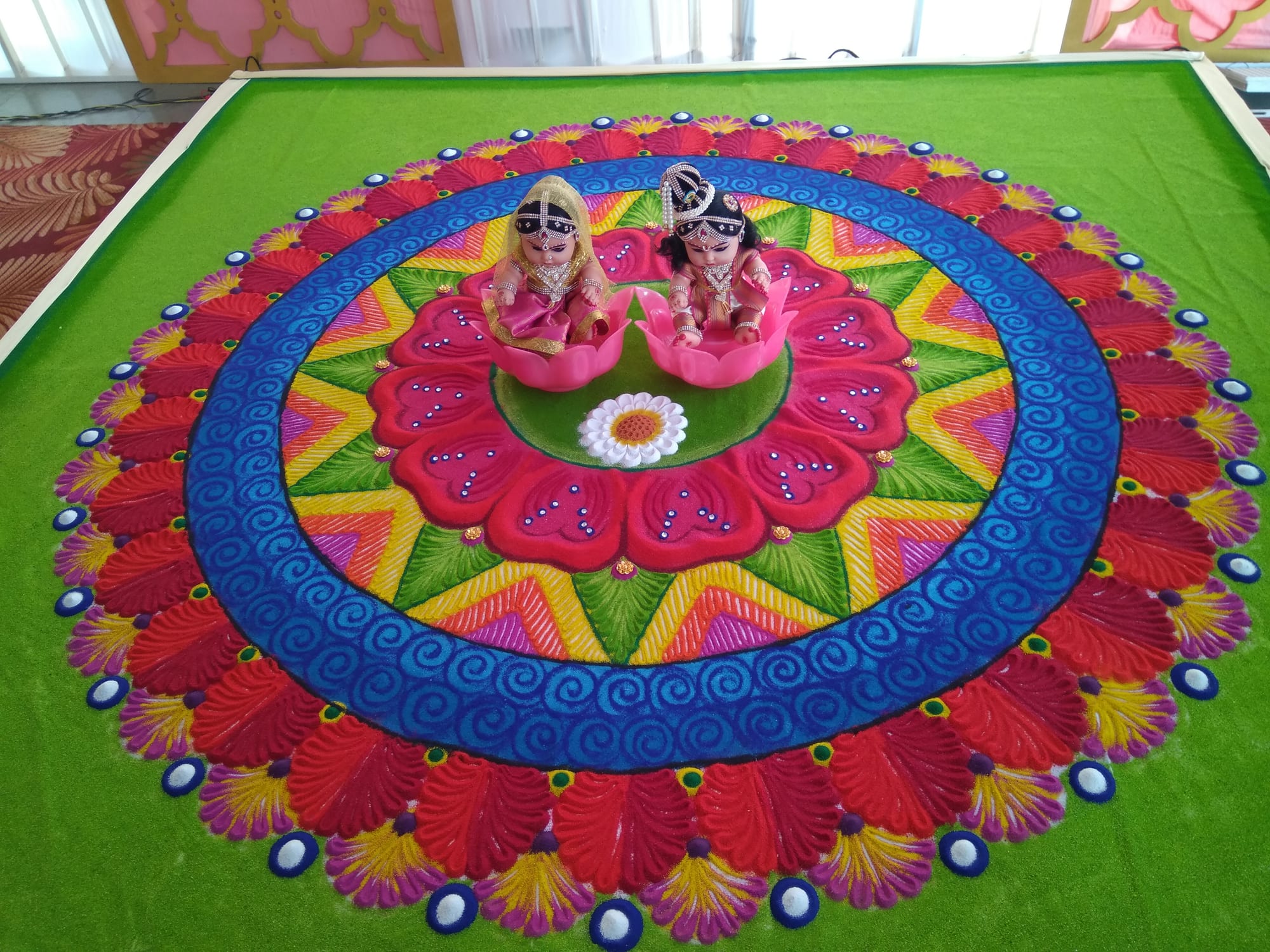
The greatest festival of all is Deepavali, or Diwali, held in October or November and added to UNESCO's list of intangible cultural heritage in 2025. It probably grew out of ancient harvest festivals, marks the start of a new year in some regions, and celebrates the victory of light over darkness and of good over evil. Homes and streets are cleaned and decorated, lamps and candles are lit, colourful rangoli designs are made, and sweets and gifts are exchanged. Although rooted in Hindu tradition, it is shared by people of many backgrounds.
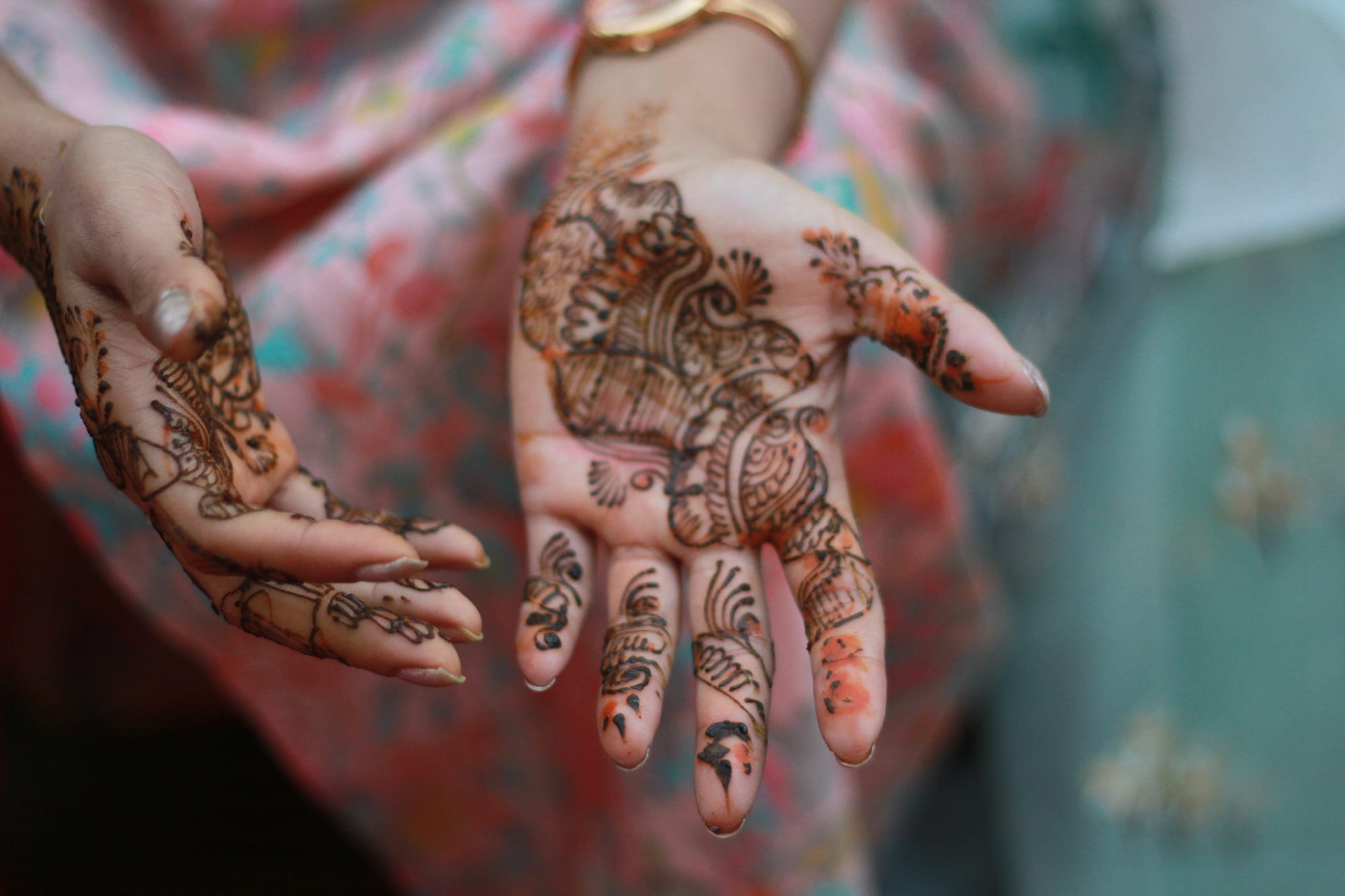
Life's milestones are marked with ceremony. Among Hindus, a naming ceremony is traditionally held on the tenth or twelfth day after a birth. Weddings are the grandest occasions of all, often spread over several days, with customs that differ by region, religion and family. At the heart of a Hindu wedding, the couple walk around a sacred fire seven times while a priest chants the vows in Sanskrit, each round standing for a promise; the fire is regarded as the eternal witness to the marriage. Before many weddings the bride's hands are decorated with mehndi, intricate henna designs.
Hindu funeral rites, known as antyeshti, are the last of the life-cycle ceremonies. The body is taken as soon as possible for cremation, usually at grounds beside a river, where the eldest son and a priest perform the final rites, and the ashes are later placed in a sacred river. The closest family then observe a period of mourning with ritual restrictions, and the mourning period is closed with further rites. Other faiths follow their own funeral customs, and visitors attending any funeral should dress modestly and follow the lead of the family.
Arts, crafts and music
Some of India's living traditions are among the oldest in the world. UNESCO describes the chanting of the Vedas, sacred texts composed in Sanskrit more than 3,500 years ago, as one of the oldest surviving cultural traditions anywhere. The texts were passed down orally, and priests still learn from childhood complex recitation techniques, based on tonal accents and precise pronunciation, designed to preserve every syllable unchanged.
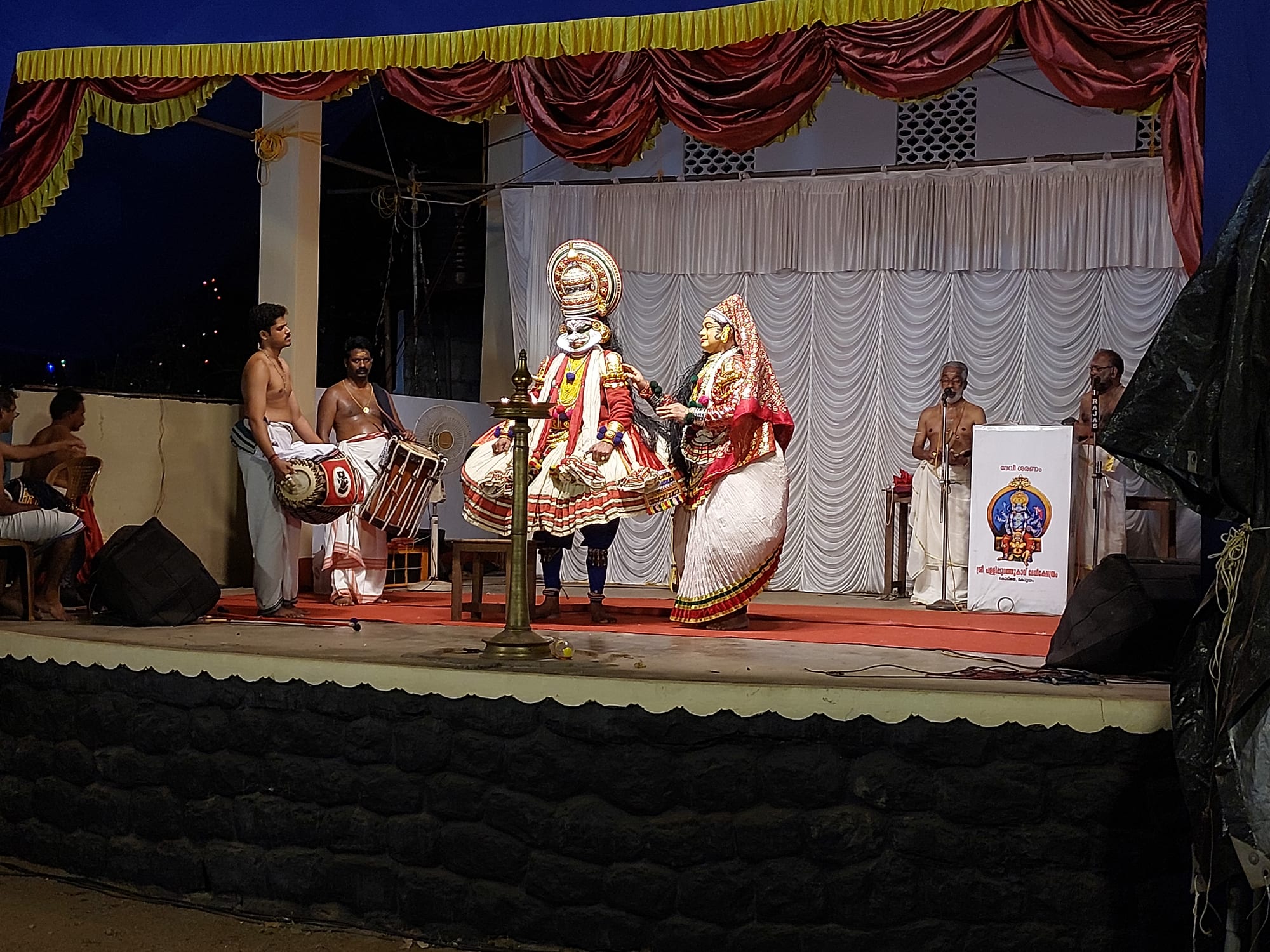
Yoga, also on UNESCO's list, joins postures, meditation, breathing and chanting in a practice meant to unite mind, body and spirit, and was traditionally handed down from guru to pupil. Theatre and dance run just as deep. Alongside Ramlila, UNESCO has recognised Kutiyattam, a Sanskrit theatre tradition, and the Chhau dance, among other forms of performance.
Crafts, too, are recognised: UNESCO has listed the traditional brass and copper utensil-making of the Thathera community of craftsmen. Cultural Atlas notes the pride Indians take in their country's music, fine arts, literature and spiritual practices, from classical traditions to yoga, all of which have travelled far beyond India's borders.
Dos and don'ts for visitors
- Do greet people with namaste, and let a woman offer her hand first if a handshake is appropriate.
- Do take shoes off in homes and at places of worship; some temples also bar leather.
- Do use the right hand to eat, give and receive.
- Do dress modestly, covering arms and legs, especially at religious sites.
- Don't touch anyone's head or point the feet at people or sacred objects.
- Don't offer beef, pork or alcohol without checking first; most states restrict cattle slaughter or beef, and Bihar, Gujarat, Mizoram and Nagaland ban alcohol.
- Don't take a hesitant "maybe" as a yes; indirect answers often mean no.
- Don't give white flowers as a gift, or leather items to Hindu hosts.
What to take away
India's customs are as varied as its languages and faiths, but most rest on the same foundations — respect for elders, for the sacred and for the guest — and a visitor who returns a namaste, leaves shoes at the door and eats with the right hand will be met, almost everywhere, with warmth.