Attractions & Natural Wonders · India
India: Fifteen Attractions and Natural Wonders
The Taj Mahal and the ghats of Varanasi, desert forts and lake palaces, rock-cut temples and tiger reserves, Himalayan Ladakh and the Kerala backwaters — a country the size of a continent
By Worldlore Editorial · 19 September 2026
A subcontinent, not a country
India is the world's most populous country — about 1.45 billion people — and one of its most varied: 22 official languages, every major religion, a written history going back more than 4,000 years, and landscapes from Himalayan glaciers to tropical backwaters and the Thar Desert. No single trip covers it. The classic first route is the "Golden Triangle" of Delhi, Agra, and Jaipur; beyond that, each region — Rajasthan, Kerala, the Himalaya, the temple south — is a journey in itself.
The fifteen below are spread across the country. The cool, dry season (roughly October to March) is the main travel window for most of India; the Himalaya are a summer destination, and the monsoon (June to September) soaks most of the rest.
1. The Taj Mahal and Agra
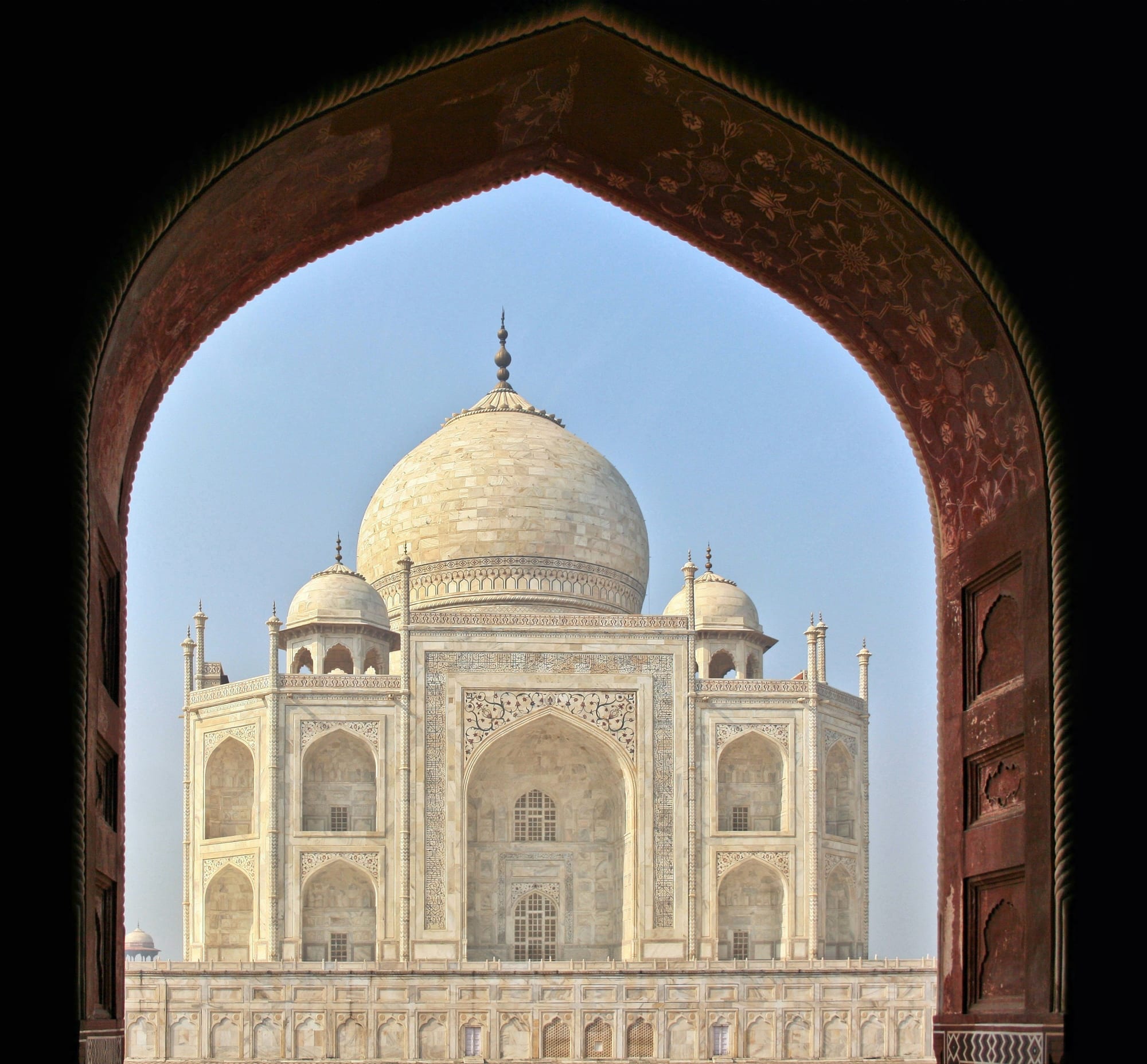
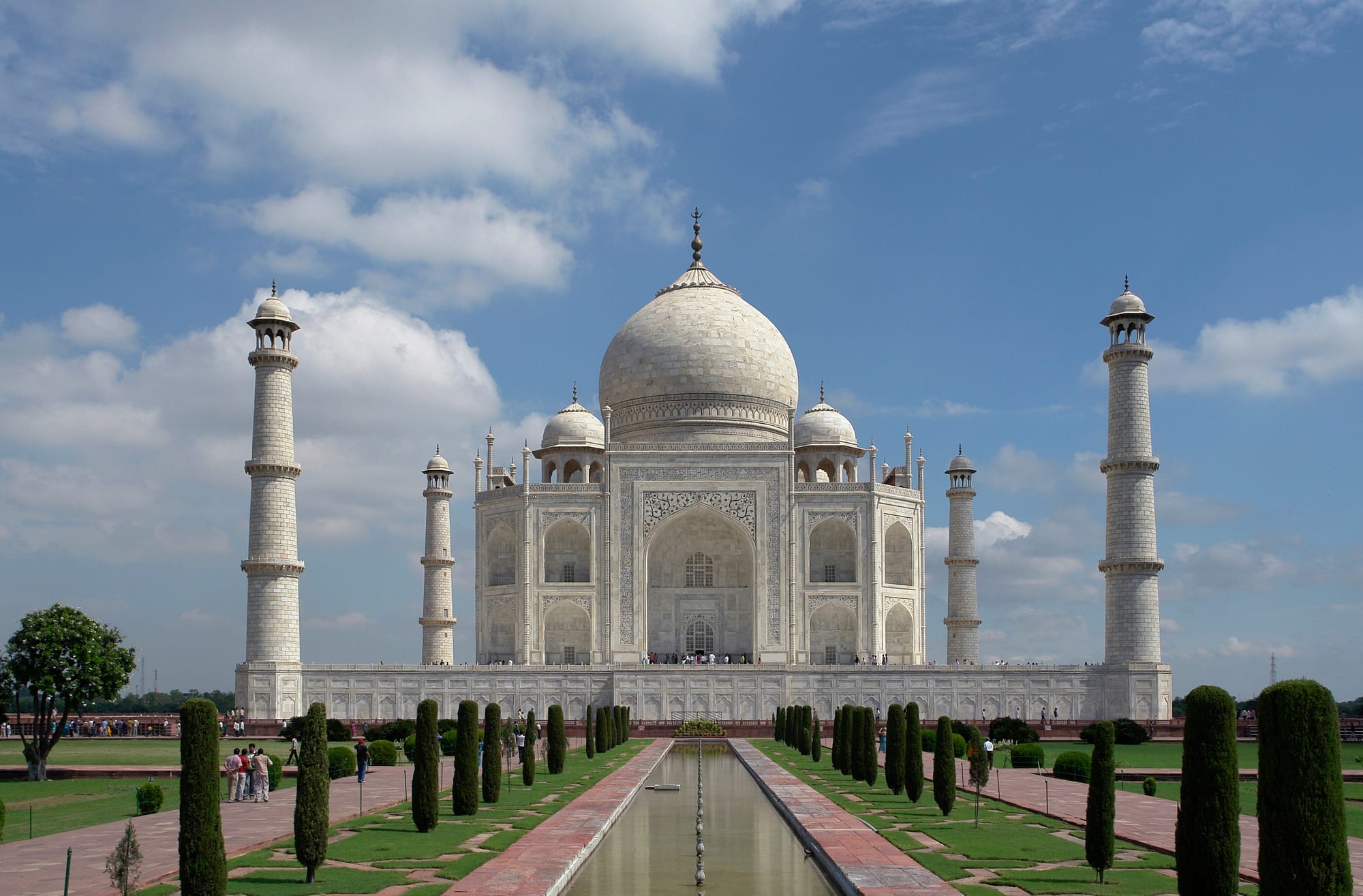
The Taj Mahal, completed around 1653, is the most refined building of Mughal India — a white marble tomb of perfect symmetry, inlaid with semi-precious stone, set in formal gardens above the Yamuna. Agra also has the massive red sandstone Agra Fort, where Shah Jahan was later imprisoned by his son with a view of the Taj, and, 40 kilometres away, the abandoned Mughal capital of Fatehpur Sikri.
Go at sunrise: cooler, softer light, and thinner crowds. The Taj is closed on Fridays.
2. Delhi
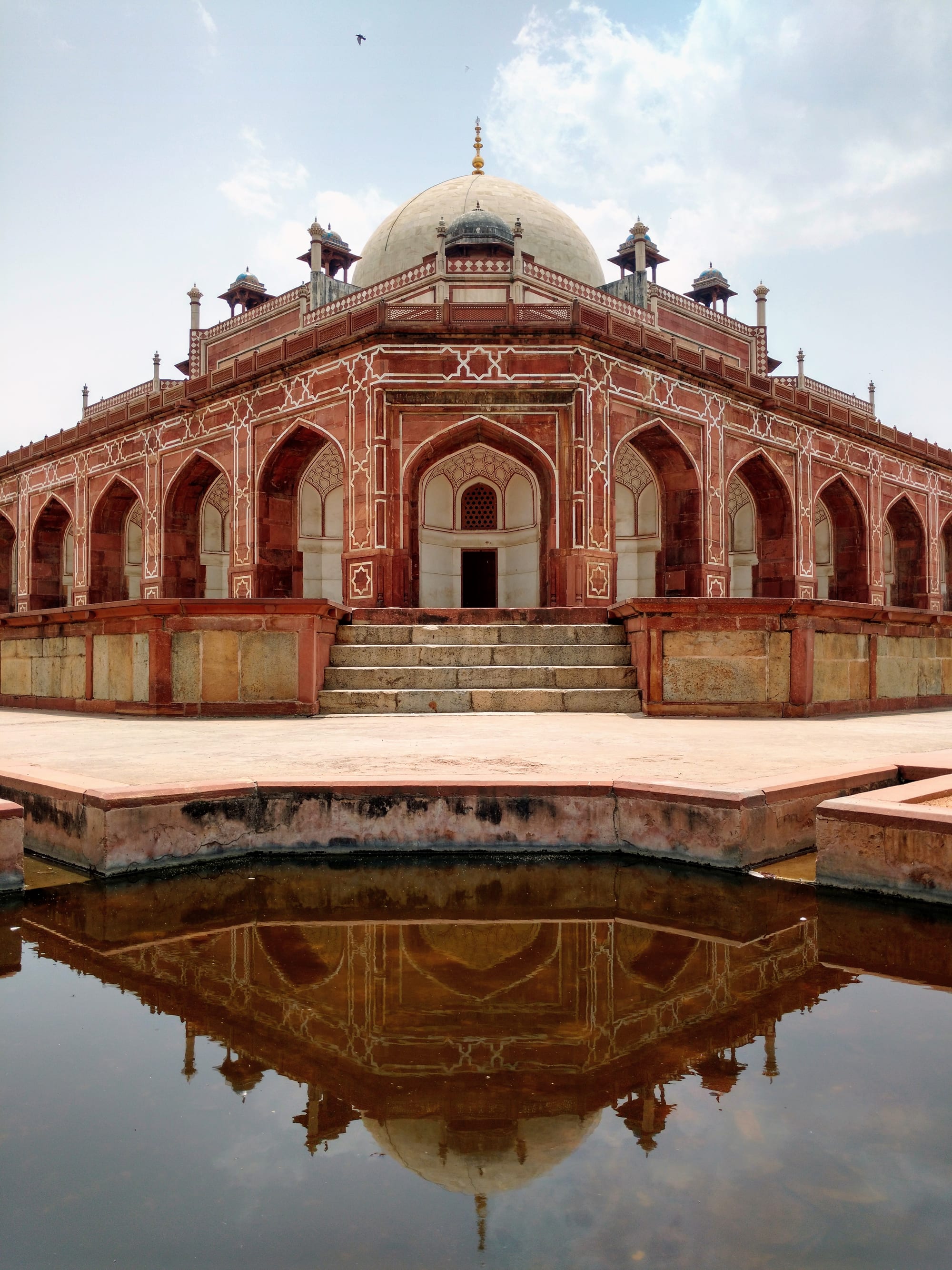
Delhi is really several cities in one: the wide colonial avenues of Lutyens' New Delhi and India Gate; the Mughal Old Delhi of the Red Fort, the huge Jama Masjid, and the crush of Chandni Chowk bazaar; and scattered older monuments — the soaring Qutub Minar, Humayun's Tomb, the Lodi Gardens tombs, and the Sikh Gurudwara Bangla Sahib. The National Museum and Crafts Museum add context.
It is the main international gateway and the start of most northern itineraries.
3. Jaipur and the Rajasthan forts
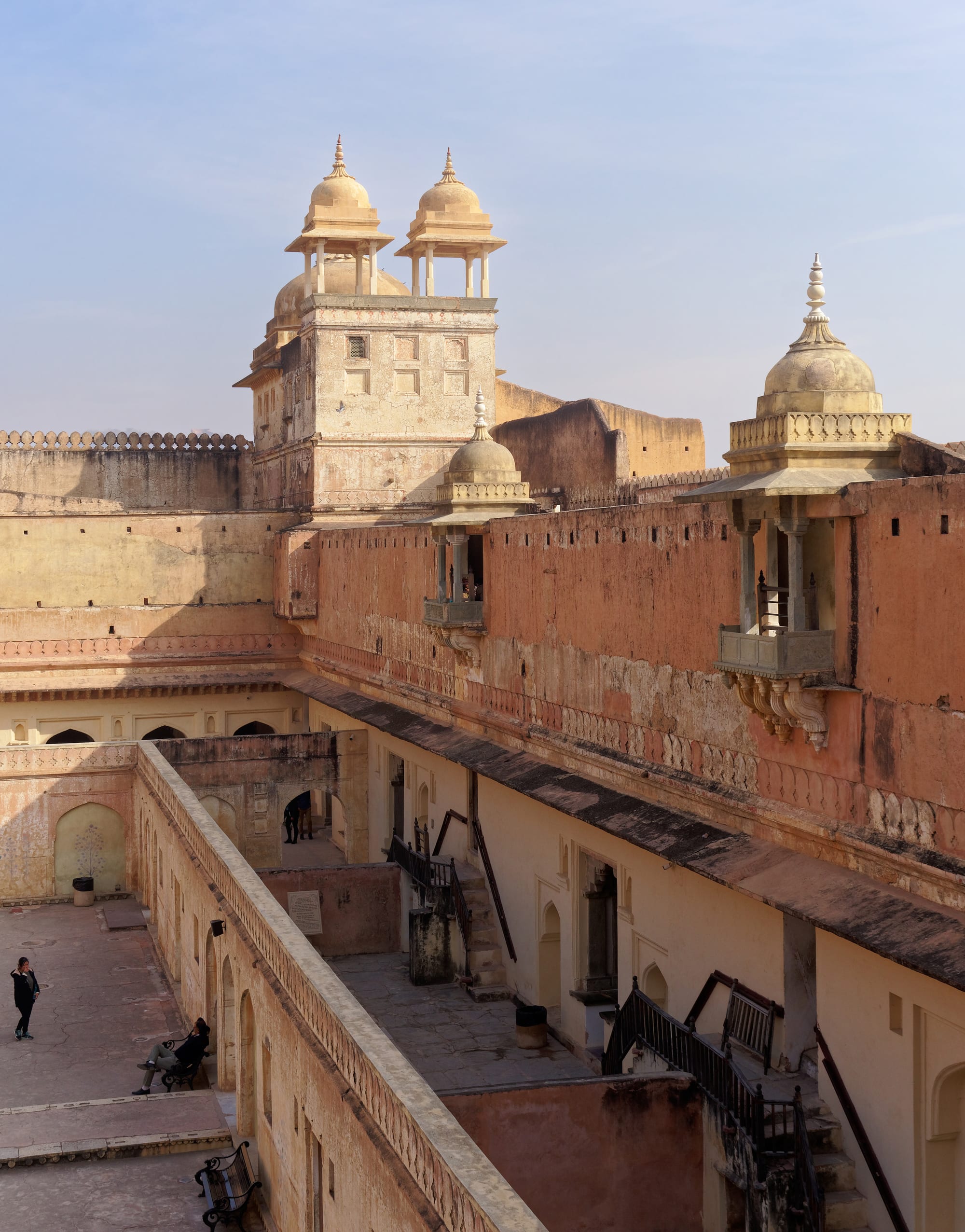
Jaipur, the "Pink City" and capital of Rajasthan, has the honeycombed Hawa Mahal facade, the City Palace, the Jantar Mantar astronomical instruments, and the hilltop Amber Fort with its mirrored hall. It is the eastern point of the Golden Triangle and the gateway to Rajasthan's chain of desert forts — Jodhpur's blue-washed old city under the vast Mehrangarh, the fortified town of Bundi, and the hill forts of Chittorgarh and Kumbhalgarh.
Jaipur's bazaars are among the best in India for textiles, jewellery, and blue pottery.
4. Udaipur
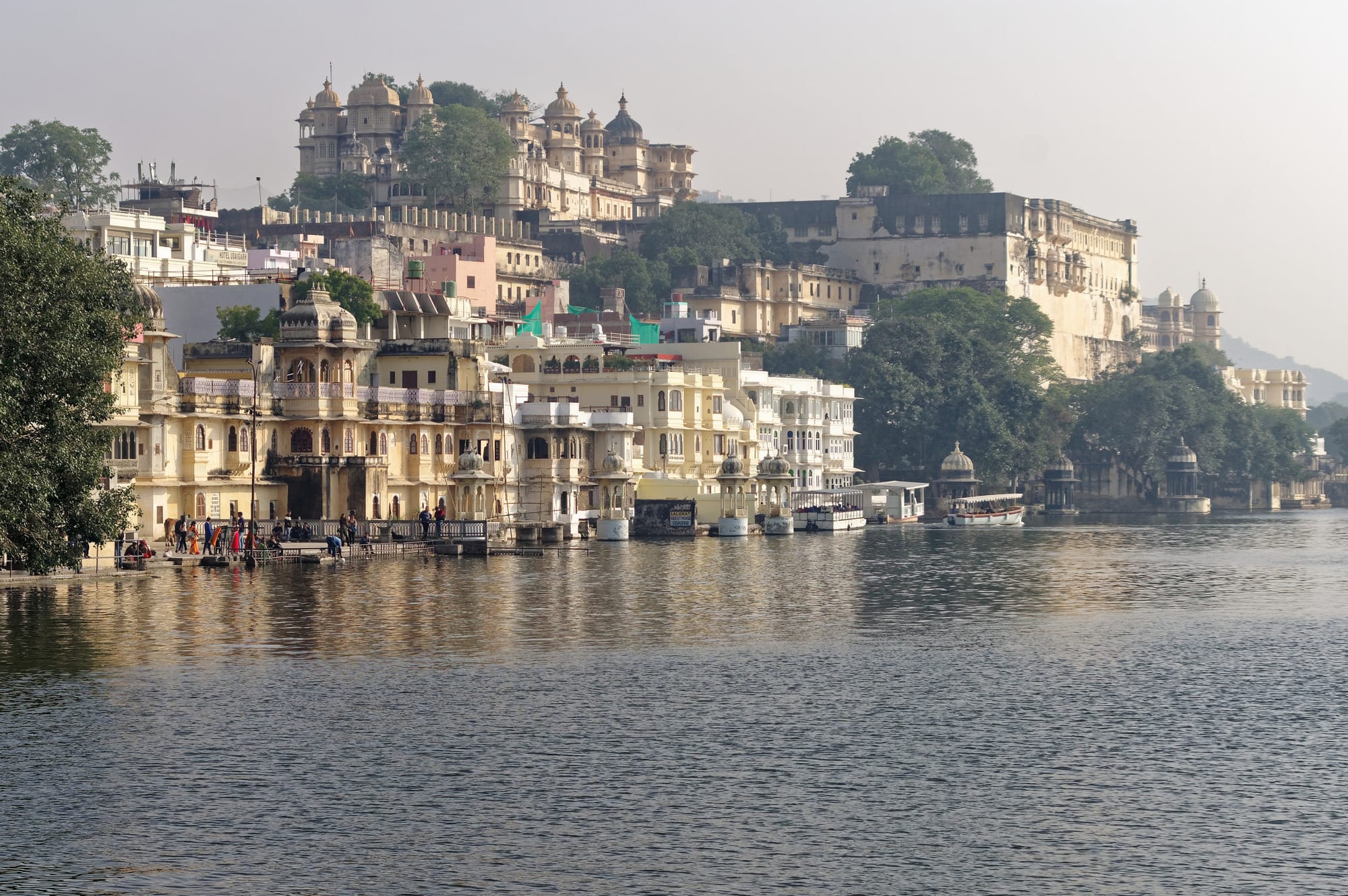
Udaipur, in the hills of southern Rajasthan, is the state's romantic set-piece — a white city wrapped around Lake Pichola, with the rambling City Palace along the shore, two island palaces (one now a famous hotel), ghats, and havelis. Sunset boat rides and rooftop restaurants are the evening ritual. Nearby are the Jain temples of Ranakpur and the fort of Kumbhalgarh with its enormous wall.
It is a common finishing point for a Rajasthan loop.
5. Jaisalmer and the Thar Desert
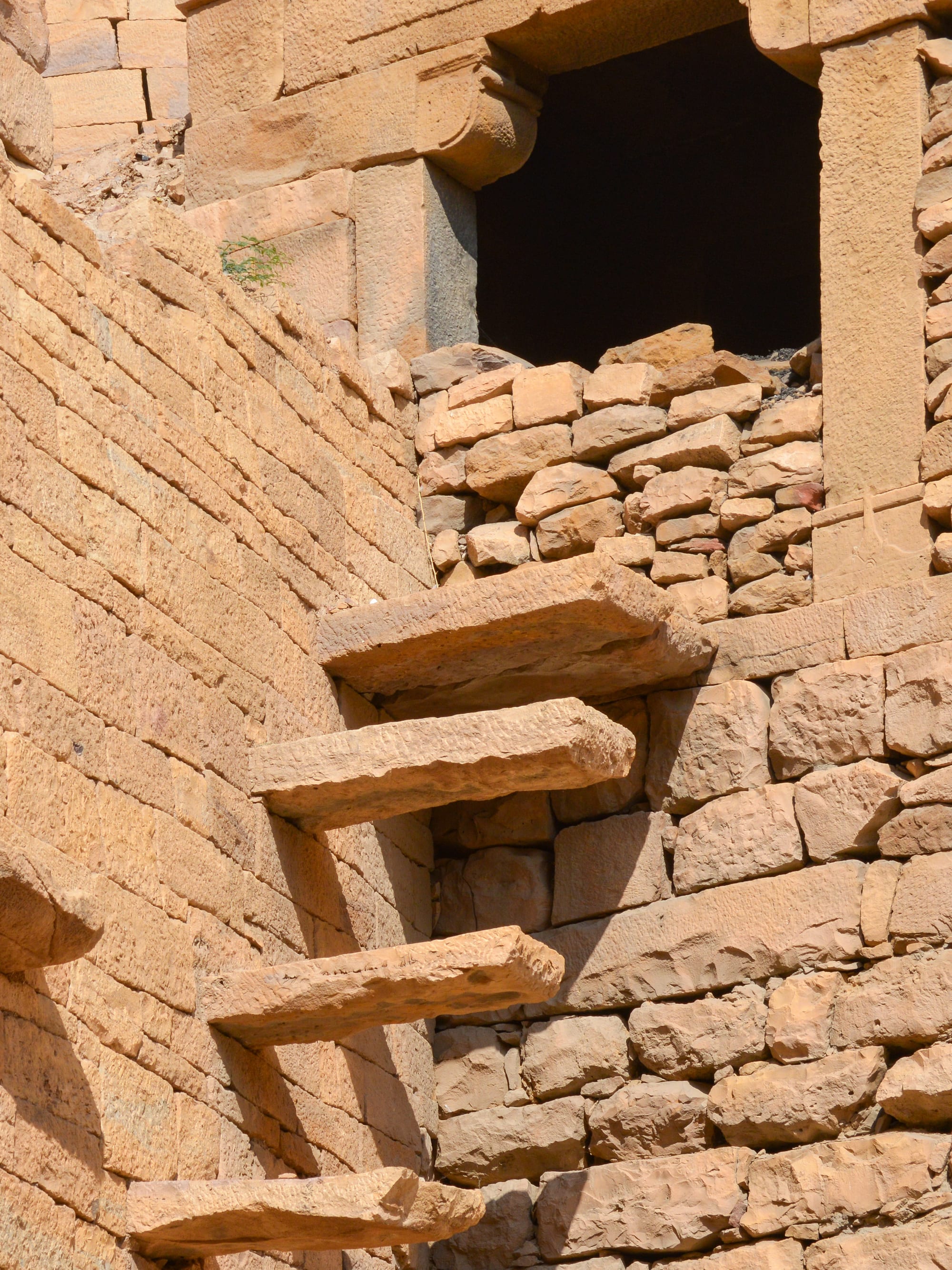
Jaisalmer, near the Pakistan border, rises out of the Thar Desert as a golden sandstone fort — one of the few still fully inhabited, its lanes lined with intricately carved havelis and Jain temples. Outside the walls, camel safaris run out to the Sam and Khuri dunes for a night under the stars, and the abandoned village of Kuldhara adds a ghost-town stop.
It is a long way from anywhere; the overnight train from Jodhpur or Jaipur is the usual approach.
6. Varanasi
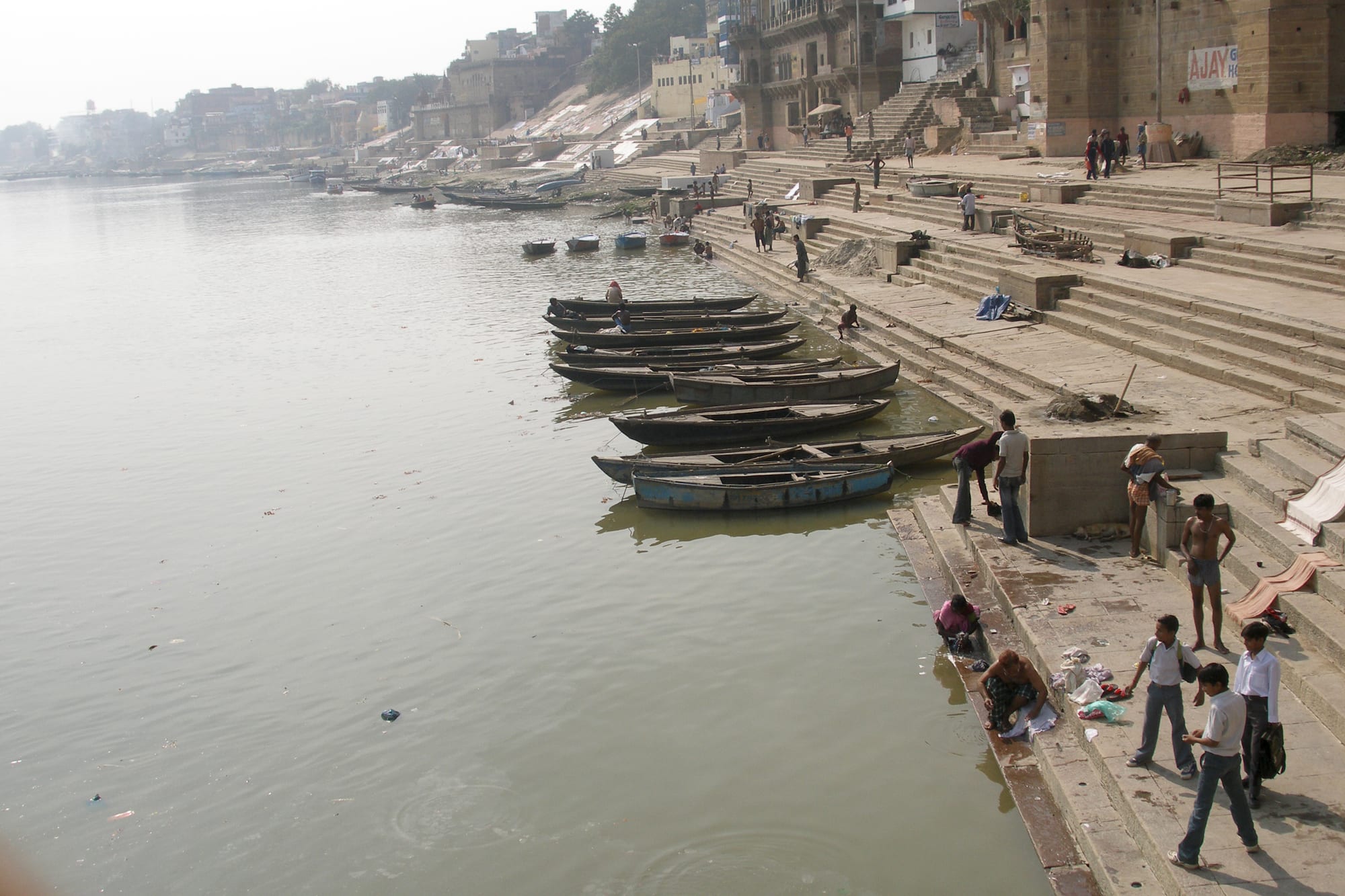
Varanasi (Banaras), on the Ganges, is one of the oldest continuously lived-in cities on earth and the spiritual heart of Hinduism — a place Hindus come to bathe, to pray, and to be cremated on the burning ghats, believing death here brings release from the cycle of rebirth. A dawn rowboat past the ghats and the evening Ganga Aarti fire ceremony at Dashashwamedh are the essential experiences; nearby Sarnath is where the Buddha gave his first sermon.
It is intense, crowded, and, for many travellers, the most unforgettable place in India.
7. Khajuraho
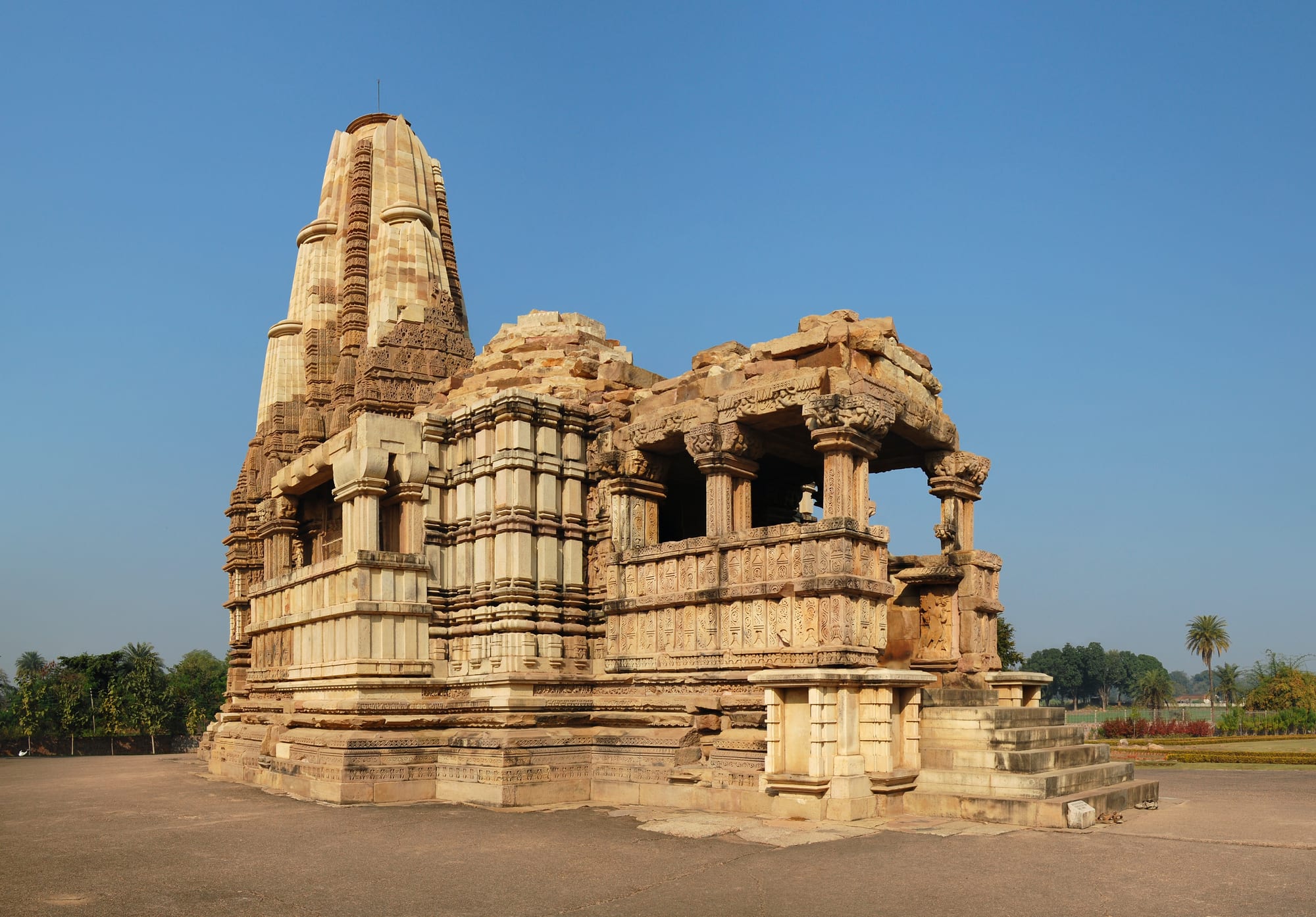
The temples of Khajuraho, built by the Chandela dynasty around AD 950–1050, are covered in some of the finest — and most famous — figurative sculpture in India, including the erotic panels that draw most of the attention but form only a small part of a vast programme of gods, dancers, musicians, and daily life. About 25 of an original 85 survive, in three groups, in a quiet rural setting.
It is a UNESCO World Heritage Site, reached by air or a long drive from Agra or Varanasi.
8. The Golden Temple, Amritsar
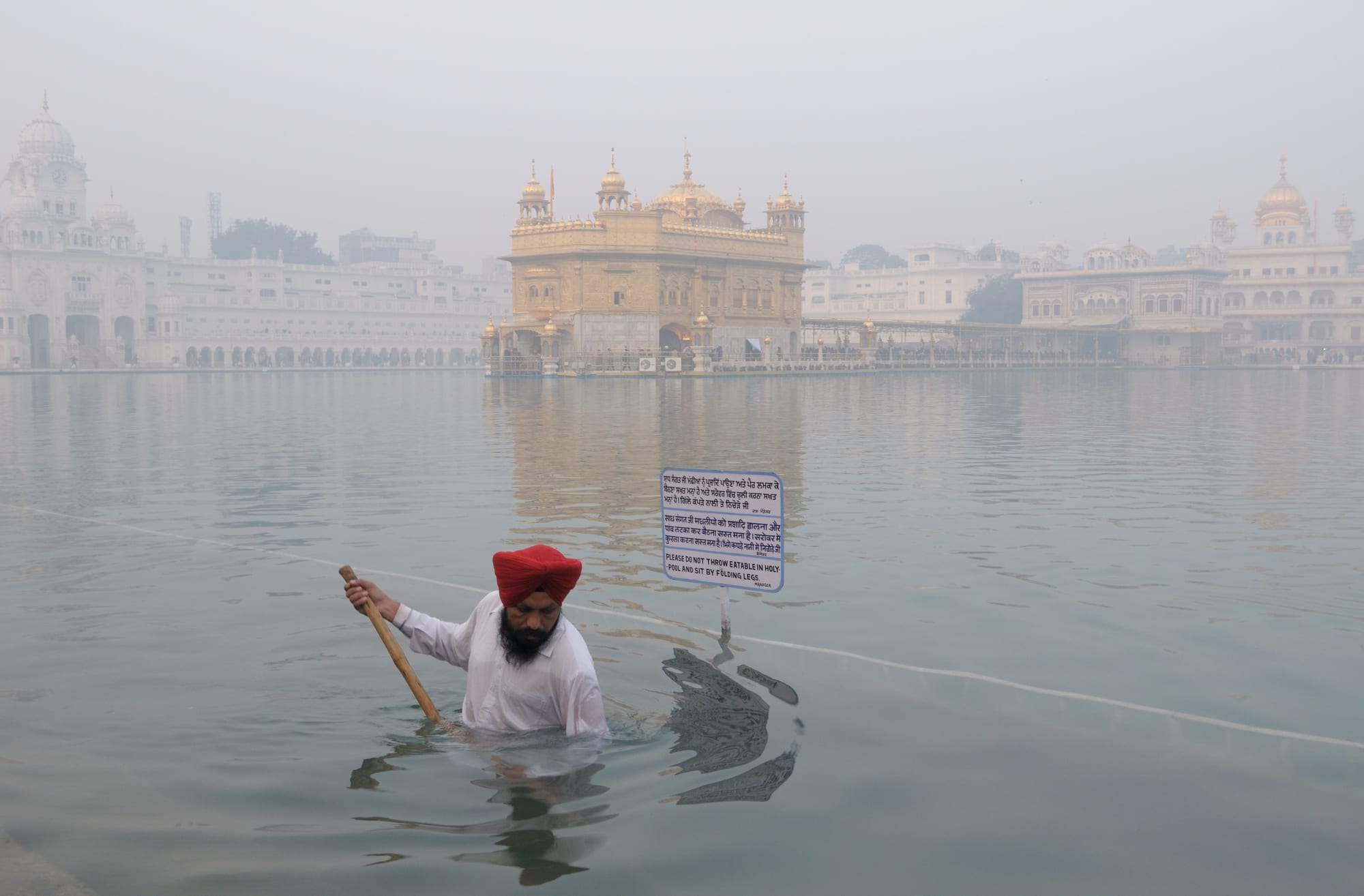
The Harmandir Sahib in Amritsar, Punjab — a gilded temple on a causeway in the middle of a sacred tank — is the central shrine of the Sikh faith and one of the most welcoming religious sites anywhere: open to all, ringing with continuous hymn-singing, and running a free community kitchen (langar) that feeds tens of thousands of people a day. It is especially moving at night, lit and reflected in the water.
Nearby are the Jallianwala Bagh massacre memorial and the theatrical border-closing ceremony at Wagah.
9. Ajanta and Ellora
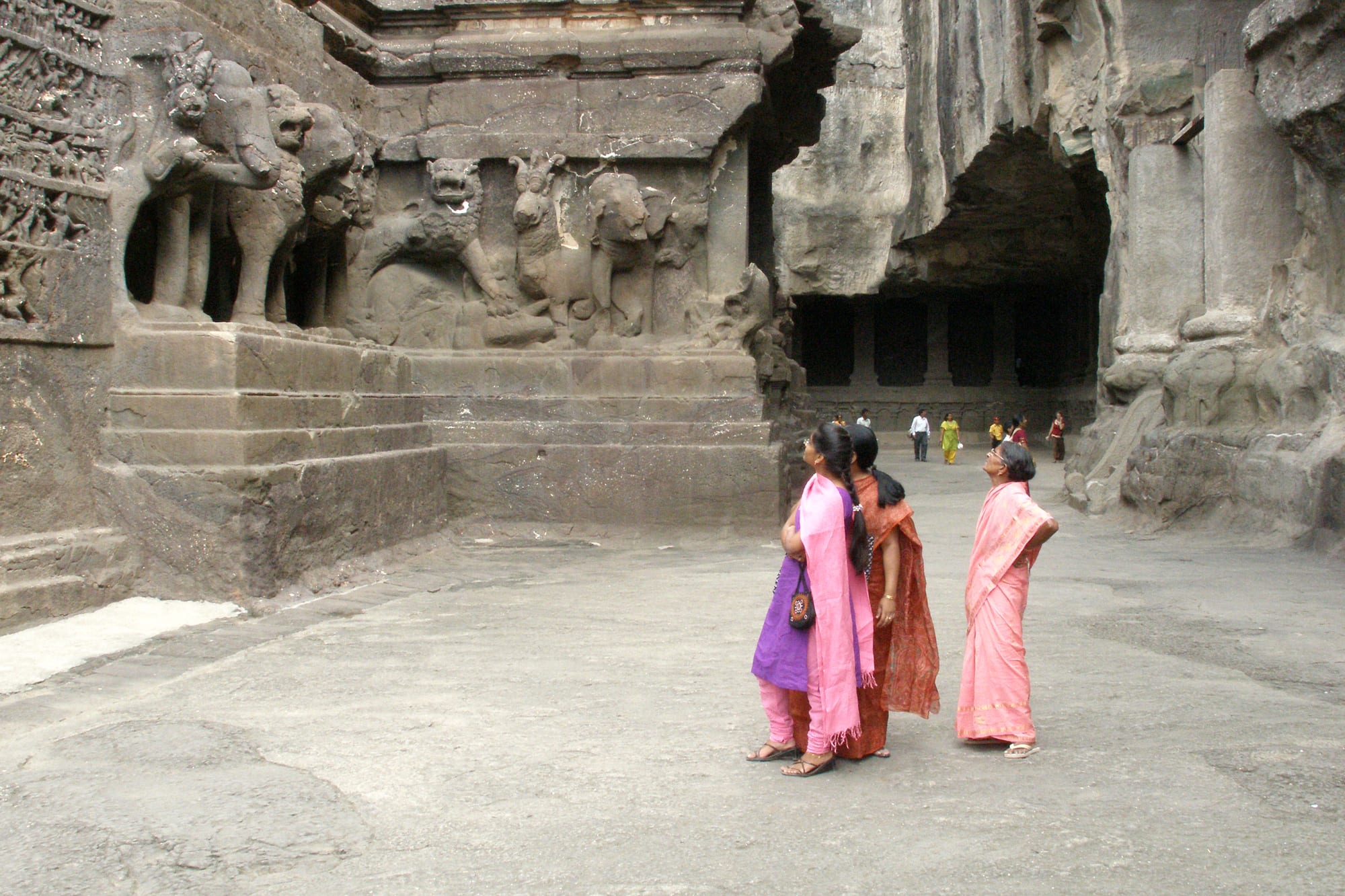
Near Aurangabad in Maharashtra are two of the world's greatest rock-cut sites. The Ajanta caves, carved between the 2nd century BC and 5th century AD and then forgotten until 1819, hold Buddhist prayer halls and monasteries with exquisite ancient murals. Ellora, in use later, has 34 Hindu, Buddhist, and Jain caves, capped by the Kailasa Temple — a full-scale temple excavated downward out of the cliff, the largest monolithic structure on earth.
Both are UNESCO sites; allow a full day for each.
10. Ranthambore and India's tigers
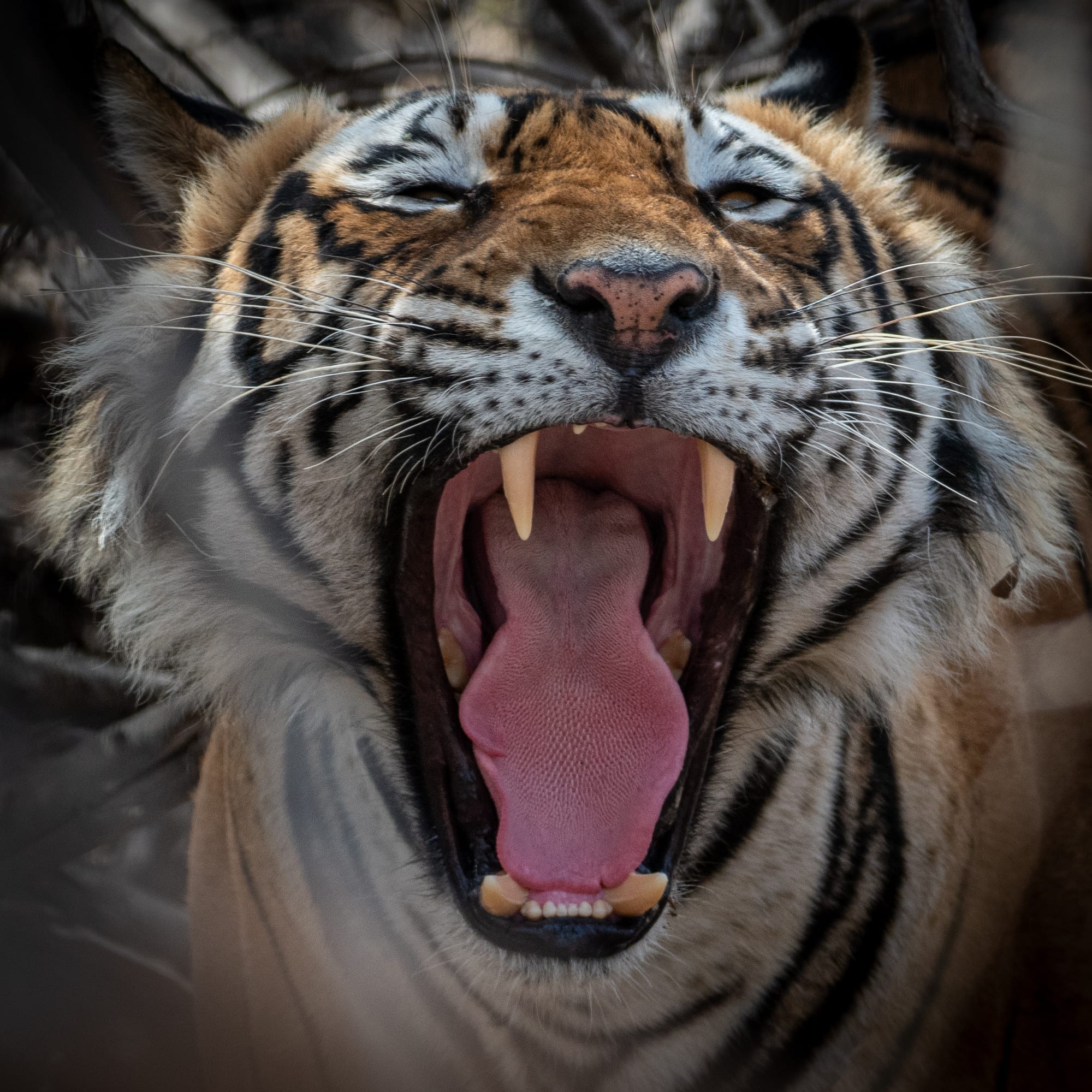
India holds around three-quarters of the world's wild tigers, and a network of reserves offers a real chance of seeing one. Ranthambore, around a ruined fort in Rajasthan, is the most accessible from the Golden Triangle; Bandhavgarh and Kanha in Madhya Pradesh have the highest densities; and Kaziranga in Assam adds the one-horned rhino and swamp grassland. Sightings are never guaranteed — book several safari drives.
The core zones close during the monsoon (roughly July to September).
11. Hampi
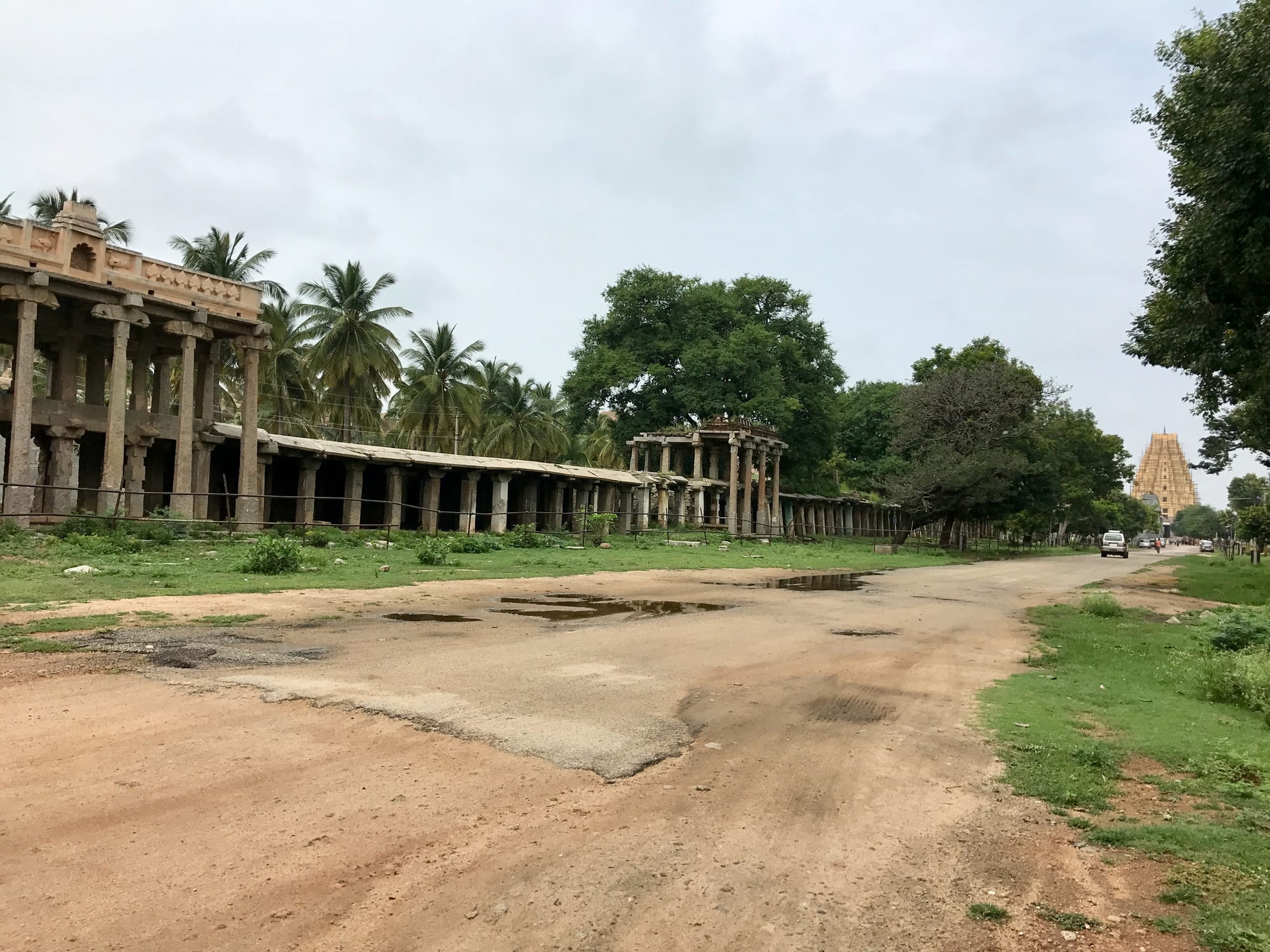
Hampi, in Karnataka, is the ruined capital of the Vijayanagara Empire, which in the 15th and 16th centuries was one of the richest cities in the world before being sacked and abandoned. Its temples, pavilions, stone chariot, elephant stables, and royal baths are strewn across a surreal landscape of giant granite boulders and paddy fields on the Tungabhadra river — best explored slowly by bicycle or on foot over two or three days.
It is a UNESCO World Heritage Site and a longtime traveller favourite.
12. The temple towns of the south
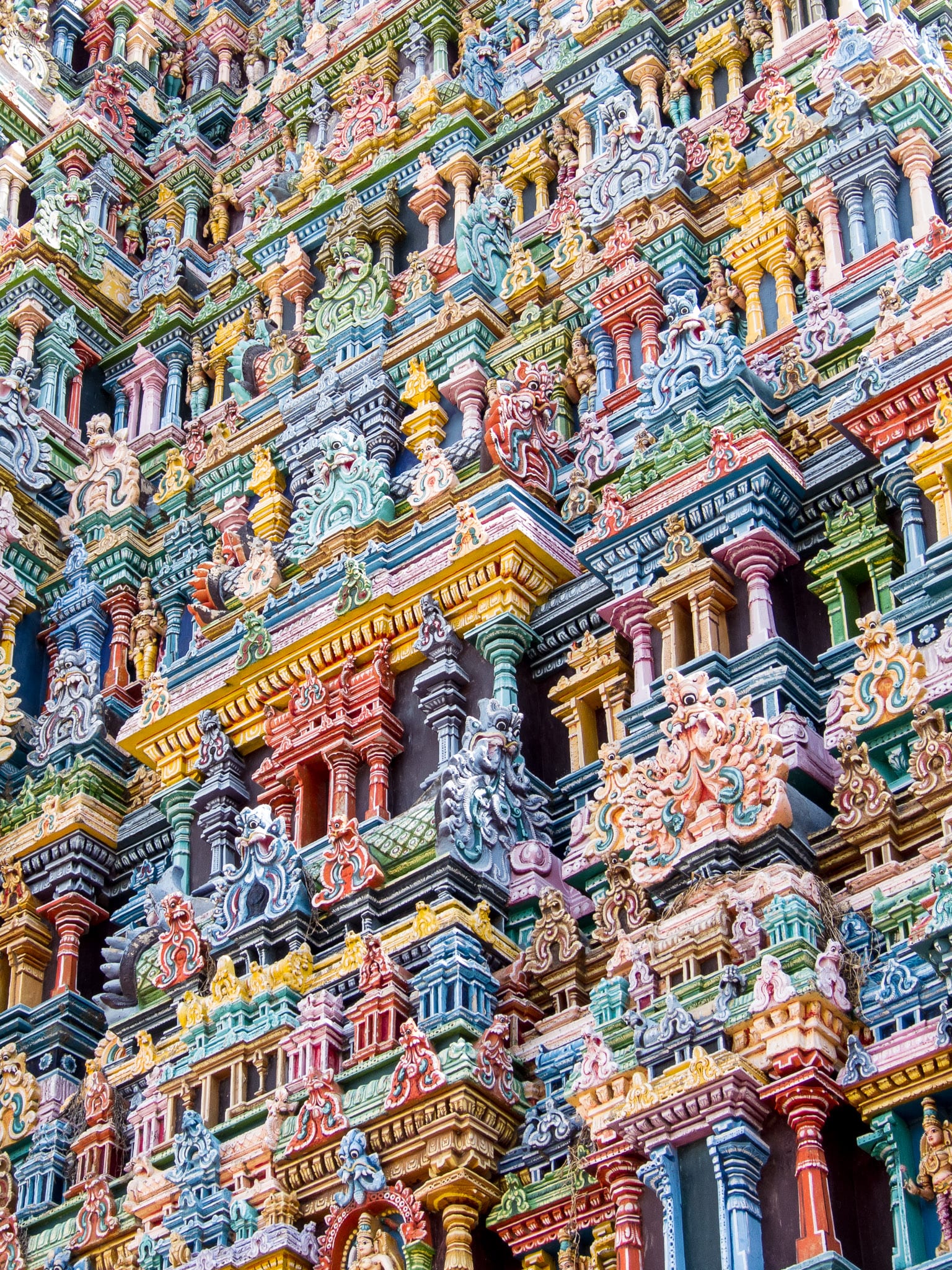
Tamil Nadu has India's most spectacular living Hindu temples — vast walled complexes with tower-gateways (gopurams) crawling with painted sculpture, and daily ritual that has barely changed in centuries. Madurai's Meenakshi temple is the showpiece; the Brihadeeswarar at Thanjavur (a UNESCO Chola monument), Chidambaram, and the shore temples of Mahabalipuram round out a southern circuit, along with the wooden-palace town of Mysore and its illuminated palace in Karnataka.
The south is best from November to February.
13. Kerala: the backwaters and the hills
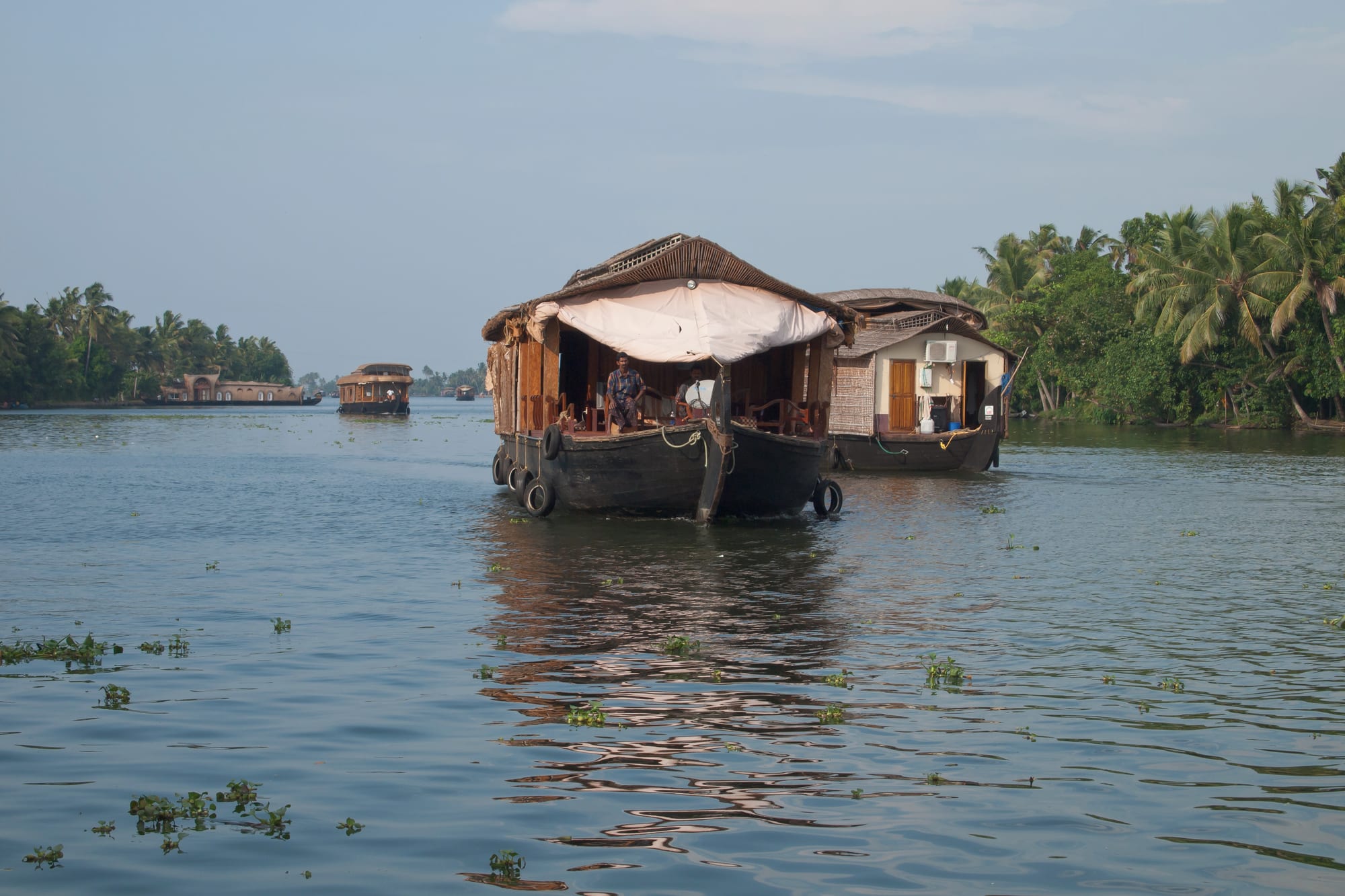
Kerala, along the southwest coast, is India at its most relaxed — a green, literate, spice-growing state. Its signature experience is a night on a houseboat in the backwaters, a network of lagoons and canals around Alappuzha and Kumarakom. Inland rise the Western Ghats: the tea-carpeted hills of Munnar, the Periyar wildlife reserve, and Wayanad. On the coast are the old spice port of Kochi (Fort Kochi's Chinese fishing nets, synagogue, and Kathakali theatre) and the beaches of Varkala and Kovalam.
Kerala also has its own monsoon-season Ayurveda tradition (June to August).
14. Ladakh and the Himalaya
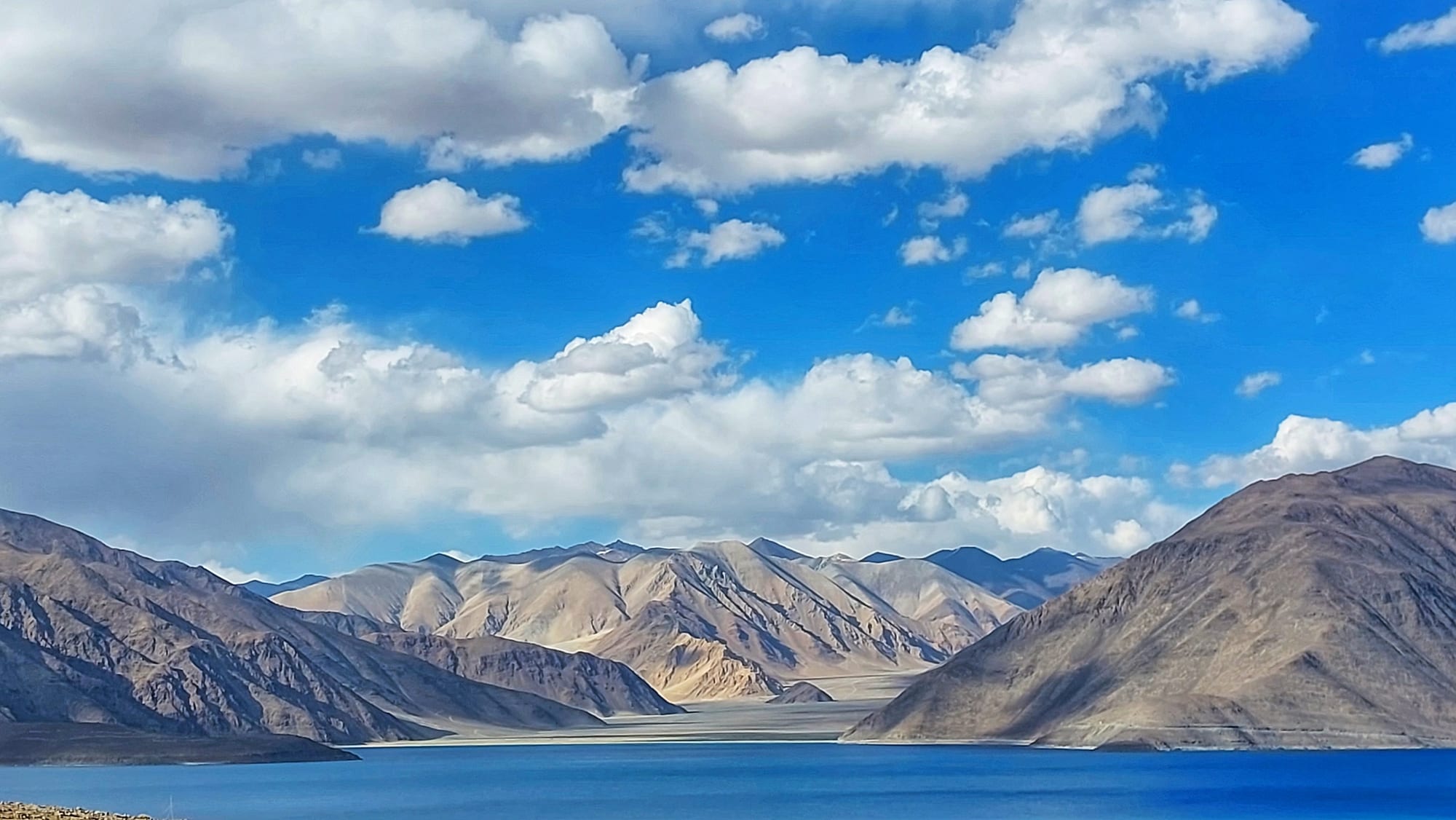
Ladakh, a high desert plateau in the far north, is culturally Tibetan — whitewashed gompas (Thiksey, Hemis, Diskit), prayer flags, and barley fields at 3,500 metres, ringed by 6,000-metre peaks. Leh is the base for the Nubra Valley, the blue Pangong Tso, and some of the world's highest motorable passes. Elsewhere along the range are the hill stations of Shimla and Darjeeling (with its toy railway and Kangchenjunga views), the Rishikesh yoga scene on the Ganges, and trekking in Himachal, Uttarakhand, and Sikkim.
Ladakh's roads are open roughly May to October; altitude needs a couple of days to acclimatise.
15. Mumbai and Goa
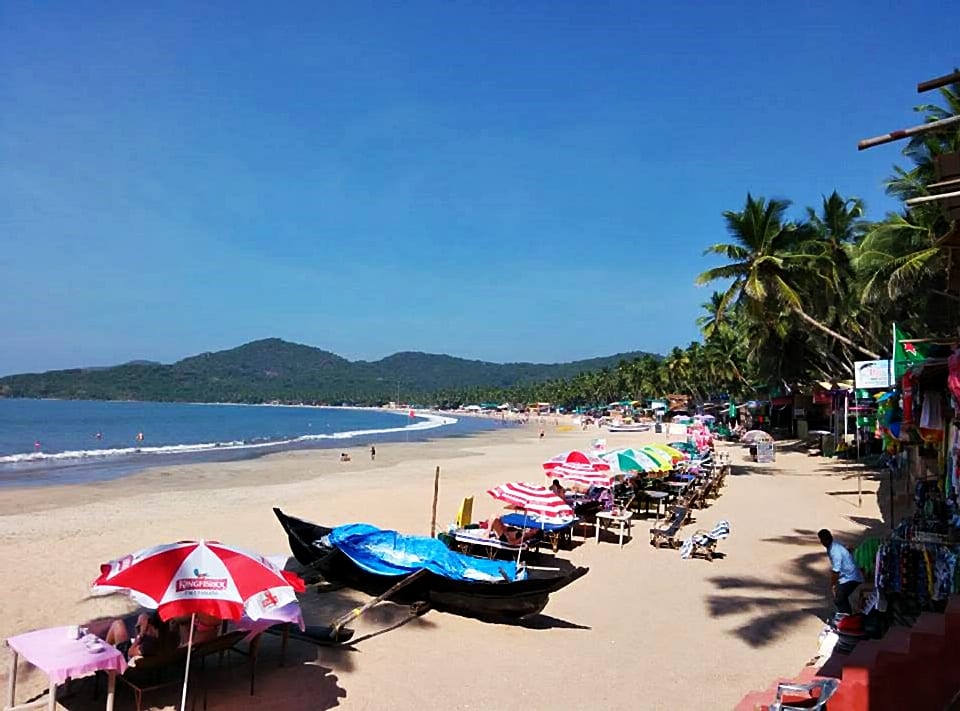
Mumbai, India's biggest city and the home of Bollywood, has the seafront Gateway of India, the grand Victorian-Gothic railway terminus and university, the Elephanta Caves on an island offshore, the Dhobi Ghat open-air laundry, and a nightlife and food scene like nowhere else in the country. A few hours south, Goa — Portuguese until 1961 — pairs baroque churches and old-town Panjim with a long line of beaches, from the busy north (Baga, Anjuna) to the calmer south (Palolem, Agonda).
Goa's beach season runs November to March; the monsoon shuts most of it down.
India rewards going deep rather than wide. A two-week first trip usually does the Golden Triangle plus Varanasi, or the Golden Triangle plus Rajasthan, or Kerala and the south on their own. Trains are the classic way to move between cities; domestic flights save time on the long hops.