Daily Life · India
India: A Country Bound by Chai
A vast workforce running largely off the books, households shrinking but staying close, and a cup of milky, spiced tea that crosses every language, religion and region the country contains
By Worldlore Editorial · 30 September 2026
India, the world's most populous country, has nearly 1.5 billion people who speak hundreds of languages and follow every major world religion, and daily life varies enormously by region, income and setting. A few threads run through most of it regardless: family remains the basic unit around which a day is organised, a huge share of work happens outside any formal system of contracts or fixed hours, and at almost any time of day, in almost any part of the country, someone nearby is making chai.
Family and home life
Household structure has shifted markedly in recent decades: nuclear households, a couple and their children living alone, are now the most common kind of home in census data, as the joint-family tradition of earlier generations has given way in much of the country. In practice, though, many of these smaller households still function like extended families, with grandparents, siblings and cousins living nearby, visiting often, and sharing financial support and childcare. Family continues to play a central role even where marriages were once routinely arranged outright; most marriages are still arranged, but surveys show fewer are arranged without the couple's consent, and many now combine the couple's own say with close family involvement.
Work, school and the rhythm of the day
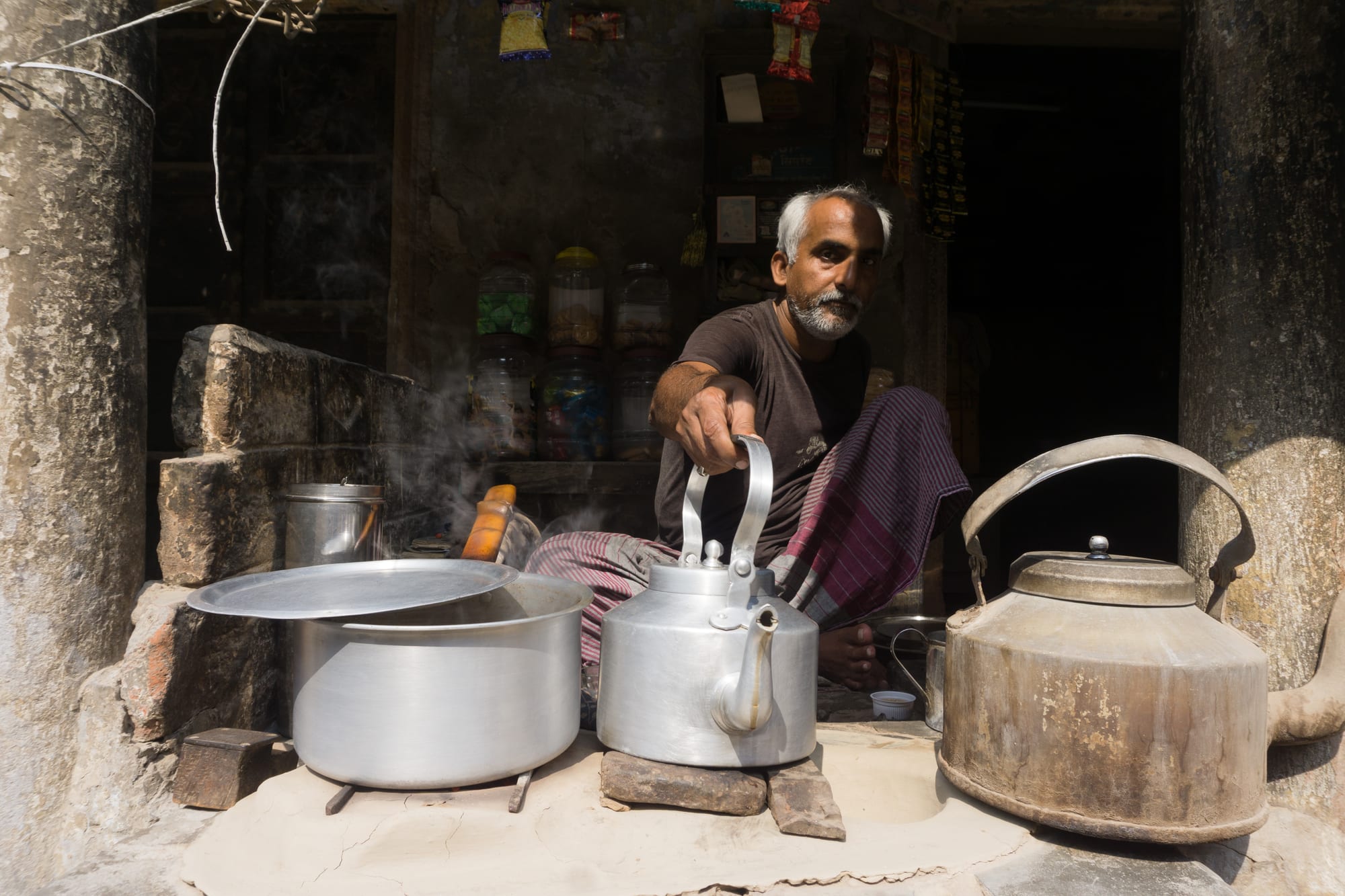
Roughly nine in ten Indian workers are employed in the informal economy, according to government and International Labour Organization data — small family businesses, street vending, construction, domestic work and agricultural labour without fixed contracts, regular hours or formal benefits. Office and school hours in the formal sector follow a more conventional pattern, typically a morning start and an afternoon finish, but for most of the workforce the working day is set by the task and the season rather than the clock. Woven through both worlds is the chai break: a short stop for tea, bought from a street vendor's stall or brewed on a small stove, punctuates the working day almost everywhere.
Community life and public spaces
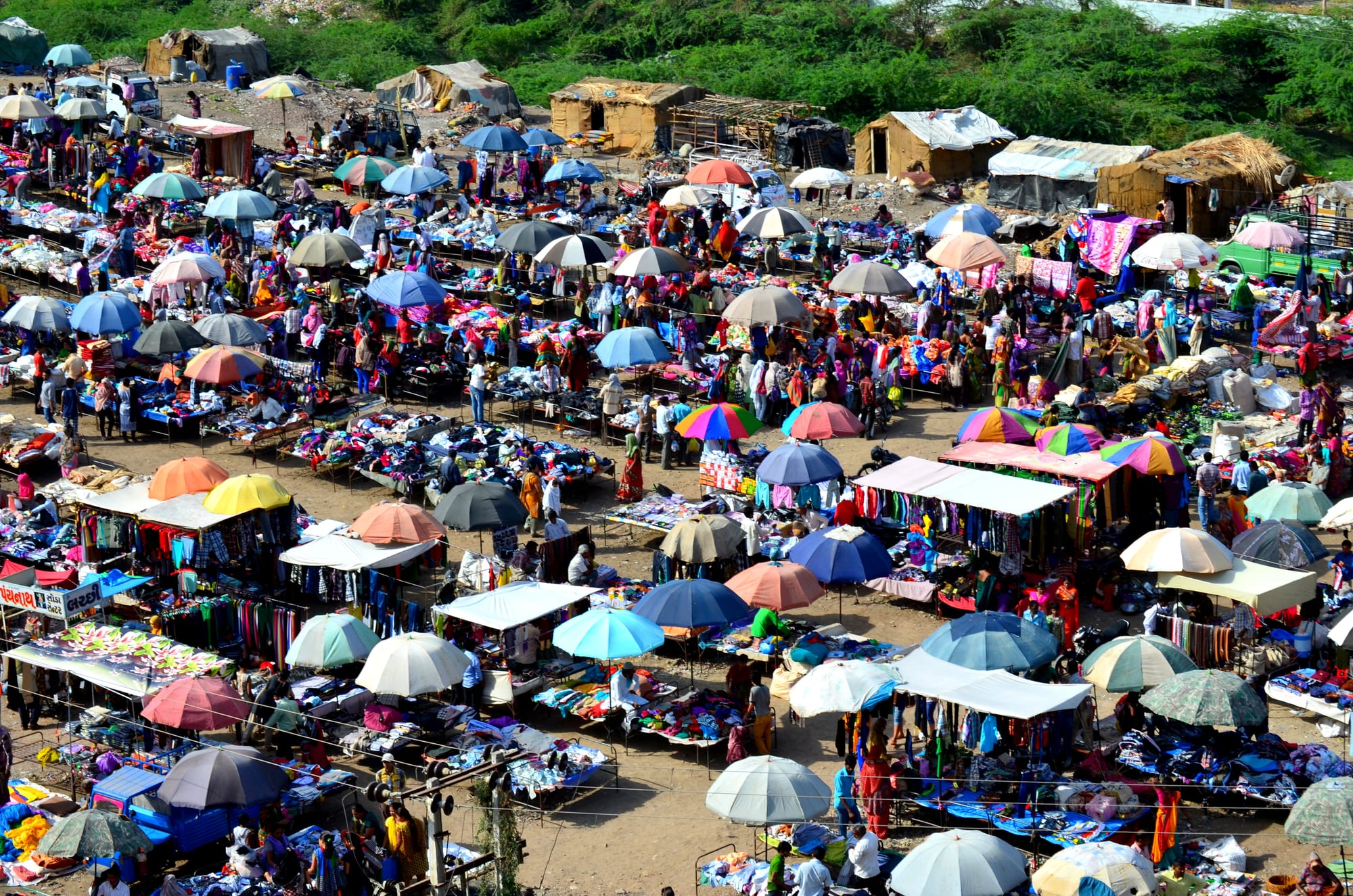
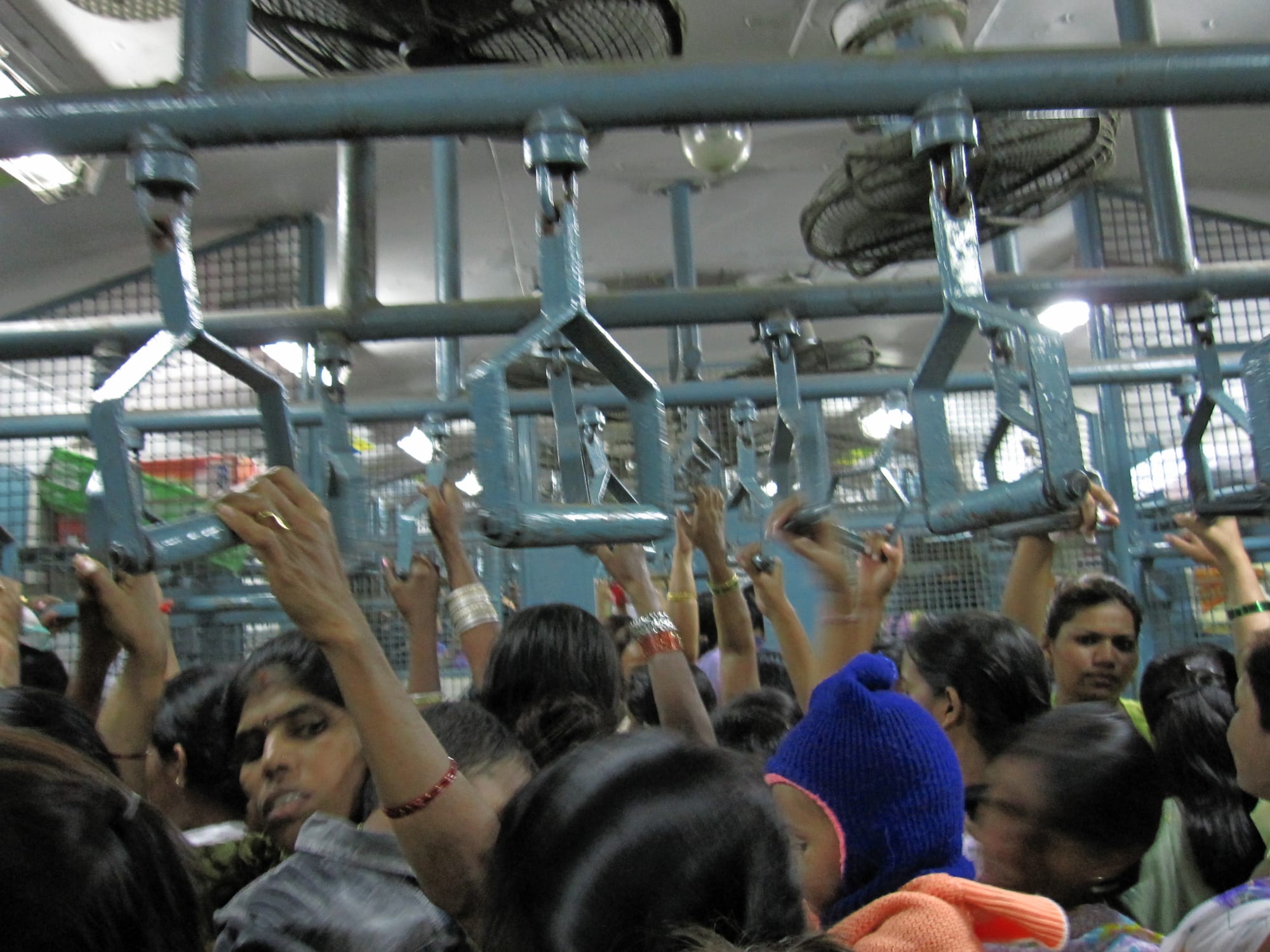
The neighbourhood market, whether a permanent row of shops or a weekly open-air bazaar, remains the everyday place to buy produce, cloth and household goods, and doubles as the place news and gossip travel. Getting around is often crowded: local trains and buses in the major cities carry passenger volumes among the highest in the world, standing room only at peak times, and auto-rickshaws and shared vans fill in where fixed-route transport doesn't reach. Temples, mosques, gurdwaras and churches anchor neighbourhood life well beyond worship itself, functioning as places people gather, and the chai stall does a similar, more informal job on almost any street corner.
Free time and weekends
Cricket is close to a national obsession, followed and played at every level from international stadiums to a strip of any open ground, and major matches draw huge, shared attention. Cinema plays an outsized role in free time too: India's film industry is the largest in the world by output, and going to the cinema, or watching at home with family, is a common weekend activity nationwide. The festival calendar, packed with major nationwide celebrations such as Diwali and Holi alongside hundreds of regional and local ones, structures much of the year's free time, and family visits are a near-constant feature of any holiday.
A visitor's ordinary day
Digital payment through UPI is now widely used for everyday purchases, but cash remains useful for markets, small vendors and auto-rickshaws, particularly outside the largest cities. Long-distance trains should be booked well ahead through the official IRCTC system, as popular routes and classes sell out. Traffic in Indian cities is dense and can be slow at almost any hour, so it is worth building buffer time into any plan involving road transport, and negotiating a fare with an unmetered auto-rickshaw before starting a journey avoids disputes later. Many shops and markets keep long hours, often well into the evening, and many open every day of the week.
What to take away
An ordinary day in India covers more variation than almost any other country's, but it keeps returning to the same anchors: a family that stays close even as households shrink, work that runs largely outside any formal system, and a hot cup of chai that somehow reaches almost everyone.