Food · Haiti
Haiti: Food and the National Dish
A pumpkin soup once forbidden to enslaved people, eaten every January 1st as an edible declaration of independence
By Worldlore Editorial · 16 September 2026
Food with independence baked into it
Haitian food carries the country's history more directly than almost any other national cuisine — a Creole cooking style built from West African technique, French colonial ingredients and Indigenous Taíno influence, shaped by the fact that Haiti became the first Black-led republic in the world after a successful slave revolt in 1804.
The national dish: soup joumou
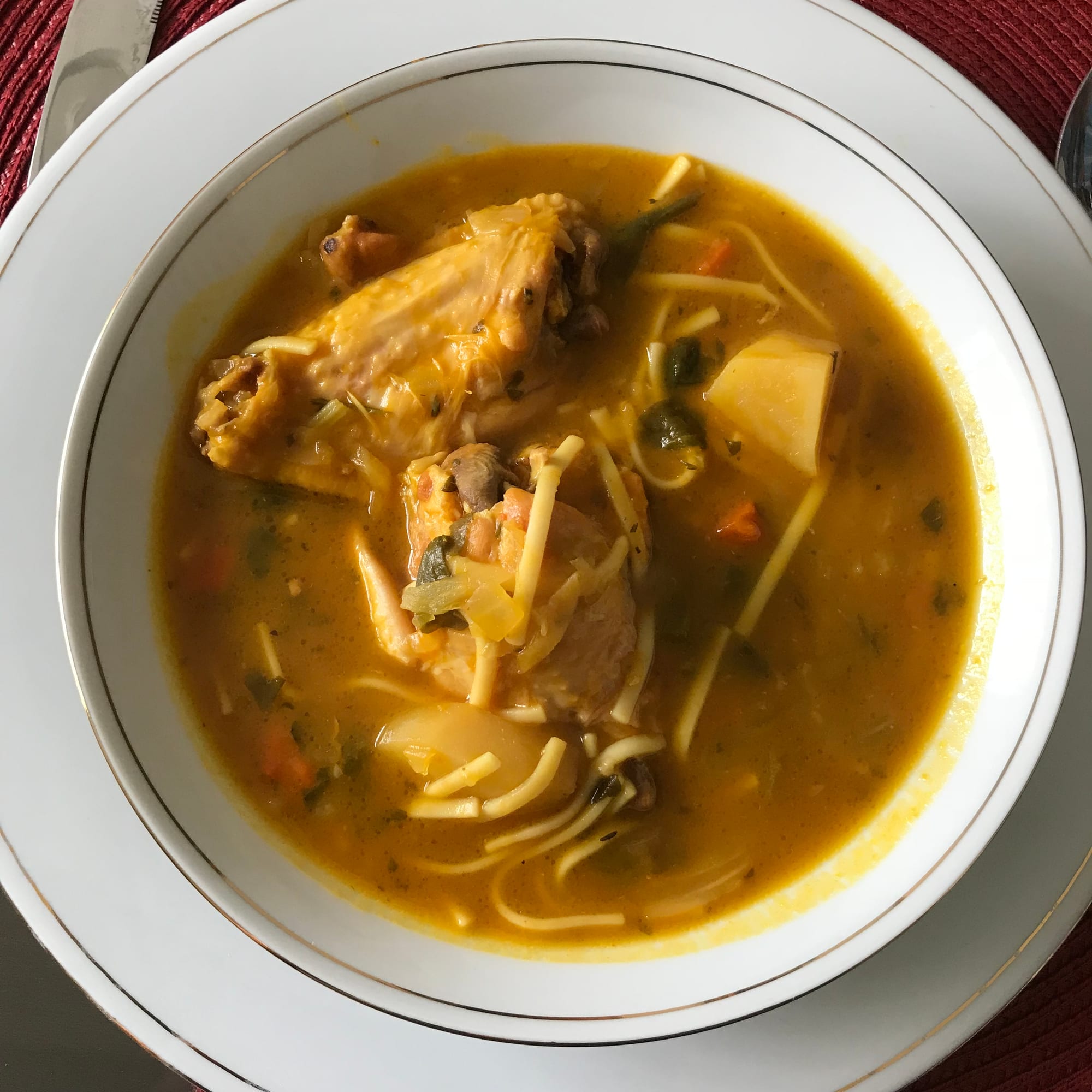
Soup joumou, a rich soup of squash (giraumon), beef, vegetables and pasta, is Haiti's national dish and carries a genuinely powerful history: under French colonial rule, enslaved Haitians were forbidden from eating the soup, reserved for the French colonists themselves. After Haiti won its independence in 1804, formerly enslaved Haitians began cooking and eating the soup as a direct, deliberate act of liberation, and it is still eaten every January 1st, Haitian Independence Day, in homes across the country and its diaspora. UNESCO recognised the tradition as intangible cultural heritage in 2021.
Griot, rice and the everyday Creole pantry
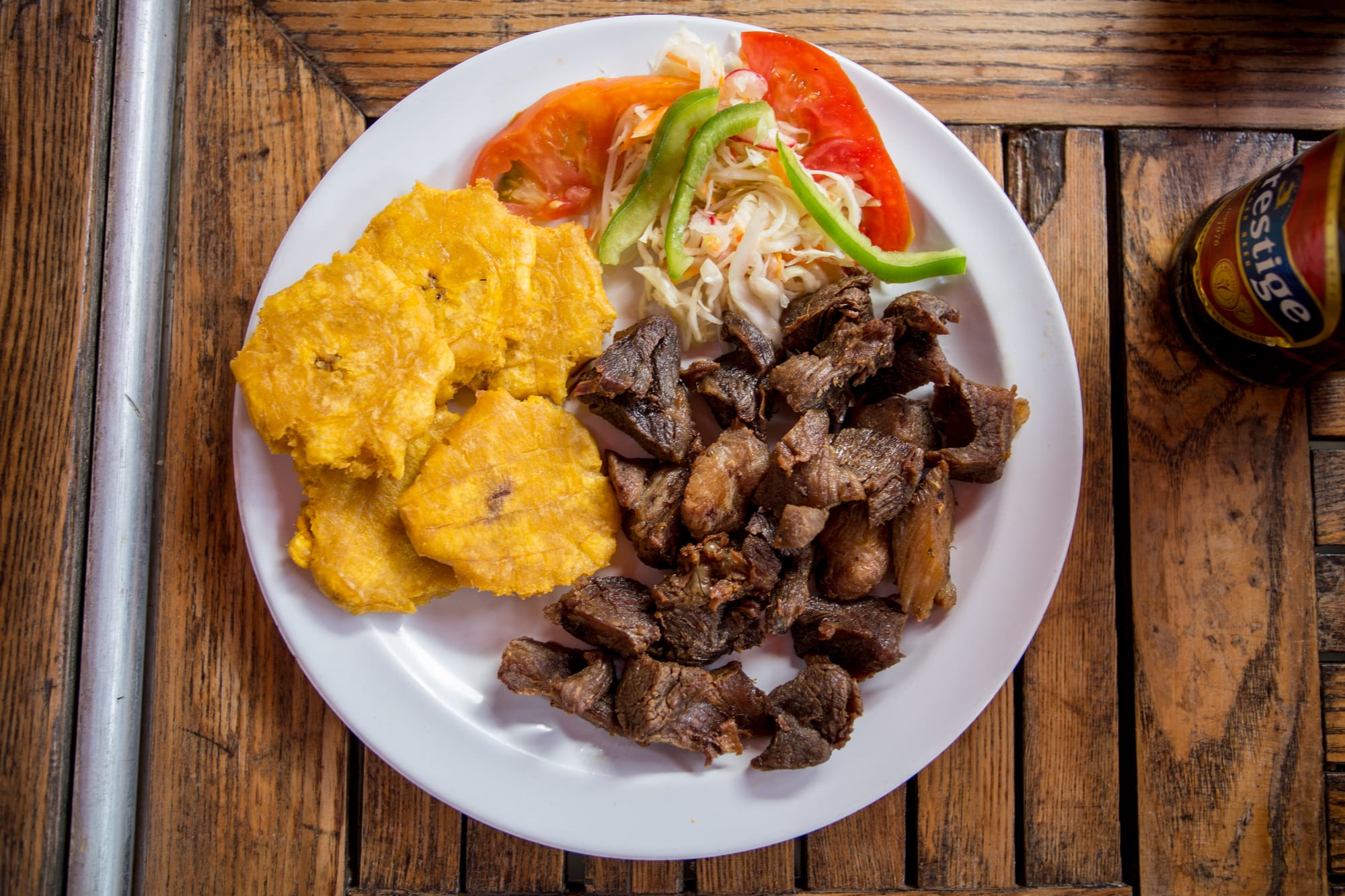
Griot, pork marinated in citrus and spices, then boiled and fried until crisp, is one of Haiti's most beloved everyday dishes, usually served with rice and beans and pikliz, a sharp, spicy pickled cabbage and carrot relish. Rice and beans, plantain, and a wide range of Scotch bonnet-spiced sauces form the backbone of most Haitian meals, built on the same French, West African and Caribbean layers that shape the national dish.
History behind the table
Haiti's food reflects its unique position as the site of the only successful large-scale slave revolt to found an independent nation, which shapes not just soup joumou's symbolism but Haitian food identity more broadly, as cuisine developed and claimed by formerly enslaved people themselves rather than shaped primarily by colonial rule. French culinary technique remains visible in Haitian cooking's structure, even as its flavours and central dishes are distinctly Haitian.
Dishes to know
Five more to recognise across Haiti:
- Griot — fried marinated pork, typically served with rice, beans and
pikliz.
- Pikliz — a sharp, spicy pickled cabbage, carrot and Scotch bonnet
relish, served alongside most fried dishes.
- Diri ak djon djon — rice cooked with djon djon, a small black
Haitian mushroom that gives the dish its distinctive dark colour and flavour.
- Tassot — fried, marinated beef or goat, prepared similarly to griot.
- Akra — fried malanga (taro) fritters, a popular snack and side dish.
Drinks
Haitian coffee, grown in the country's mountainous interior, has a long and internationally respected history. Rhum Barbancourt, distilled from sugarcane, is Haiti's best-known spirit, and cremas, a rum-based coconut-milk drink similar to eggnog, is traditionally served at Christmas and other celebrations.
Eating as a traveller
Vegetarians will find rice, beans, plantain and akra manageable, though meat and fish are central to most traditional dishes. Tap water is not safe to drink; stick to bottled or boiled water. If visiting around January 1st, sharing soup joumou with a Haitian family or at a restaurant is a genuine, meaningful way to mark the country's Independence Day the way Haitians themselves do.
What to take from the table
Soup joumou, once forbidden and now eaten in celebration every New Year, is the dish that most directly carries Haiti's history onto the table — proof that a nation's food can be every bit as political as its flag.