Daily Life · Haiti
Haiti: A Day Carried on Someone's Head
A rural family compound shared across generations, tens of thousands of market women who move the country's food on foot and by tap-tap, and an ordinary day that, for a large and growing share of the population, has been reshaped by years of crisis
By Worldlore Editorial · 30 September 2026
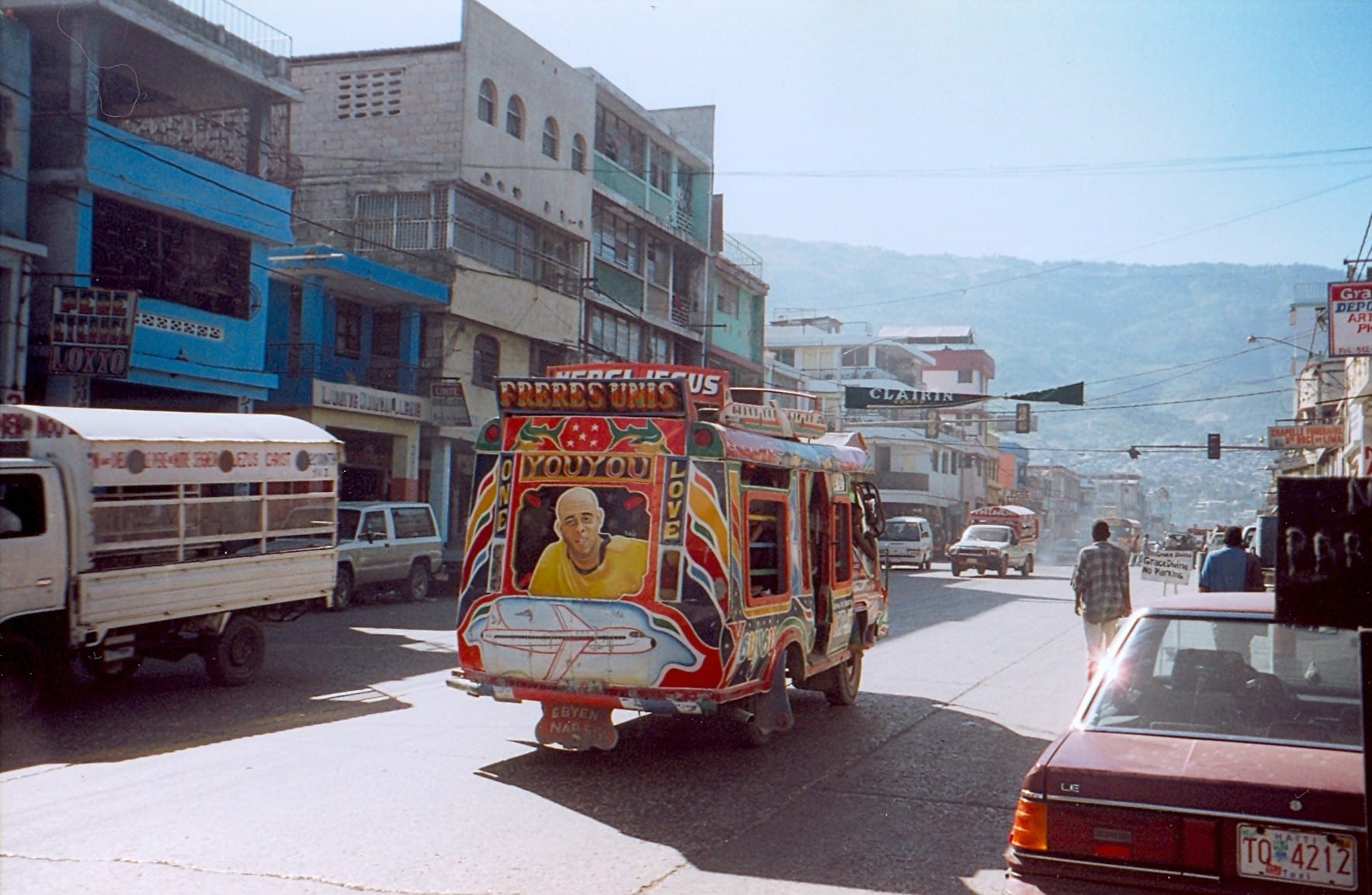
For most of Haiti's history, an ordinary day has run on the lakou, the family land compound, the market, and Kreyòl, the language every Haitian speaks regardless of what else they speak. That pattern still holds in much of the countryside and the smaller northern towns. Since the 2021 assassination of President Jovenel Moïse, though, armed gangs have taken control of most of Port-au-Prince and several key highways, and more than a million people have been displaced from their homes — so for a large and growing share of the population, "ordinary" now also means navigating checkpoints, closed roads, and the constant possibility of having to move again. Both things are true of Haiti at once: an old, resilient rhythm of family and market, and a present crisis that has genuinely upended daily life for millions.
Family and home life
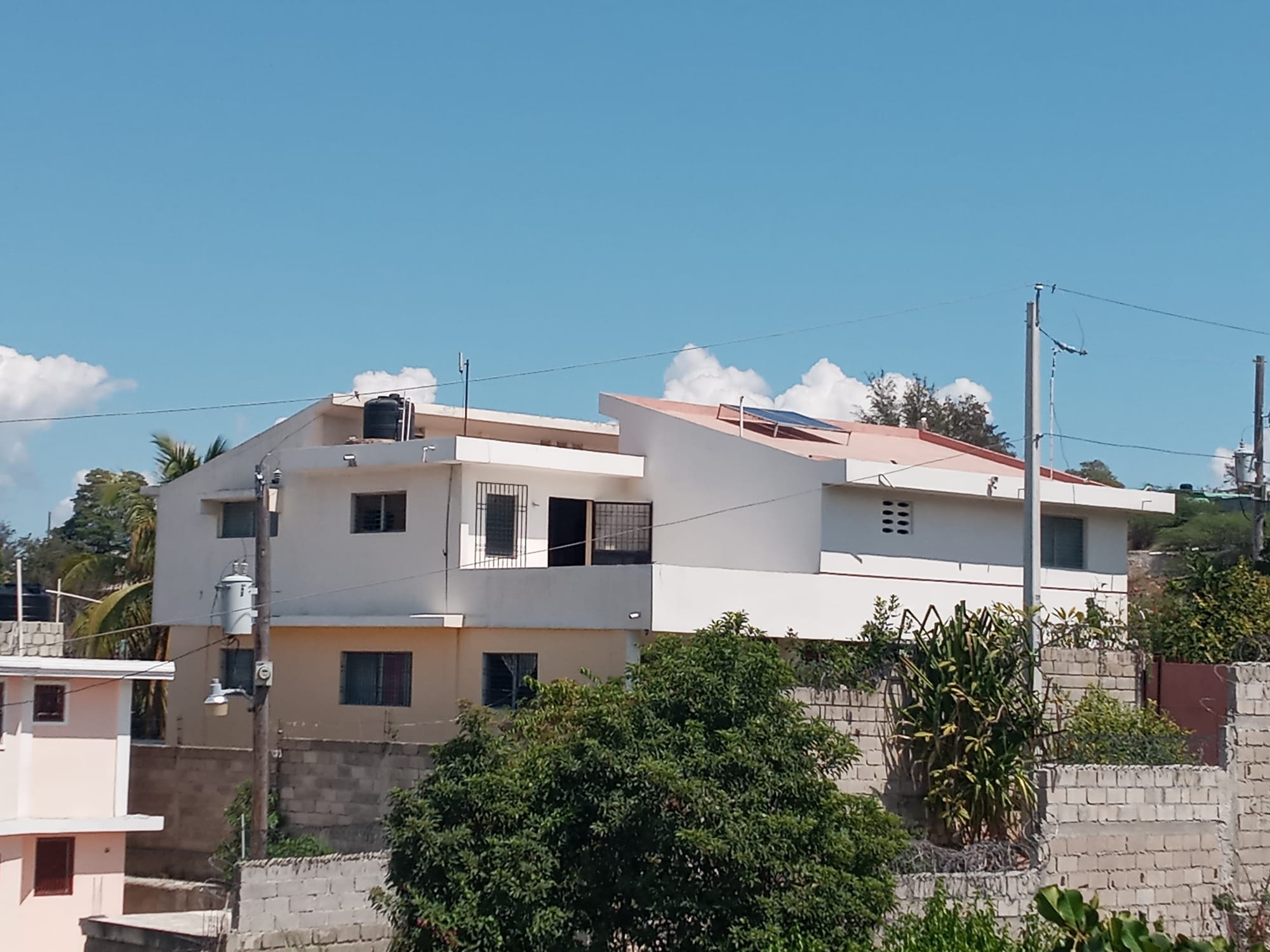
Haitian households typically centre on a nuclear family that often takes in relatives' children informally, and it is common for widowed parents to live with their adult children and grandchildren rather than alone. In rural areas, the lakou, a compound of related households built around shared family land, remains a real and often central unit of daily life, with obligations of labour and support running between its members. Formal marriage is far from universal; many couples instead form a recognised, long-term domestic union known as plasaj, without a civil or church ceremony. Within the household, men are generally associated with fieldwork and livestock, women with the home and, very often, with running a small trading business — market trading is one of the few sources of independent income widely available to Haitian women, and many households depend on it.
Work, school and the rhythm of the day
Most Haitians work in subsistence farming, small trade, or informal labour, and remittances sent home by the large diaspora in the United States, Canada, France, and the Dominican Republic are the country's main source of foreign exchange, worth around a fifth of GDP, and a lifeline for many households. Charcoal-making for cooking fuel remains a common rural livelihood, despite the toll it has taken on Haiti's forests. Schooling is overwhelmingly delivered outside the state system: roughly nine in ten Haitian schools are run by churches, communities, or NGOs rather than the government, and families often pay a significant share of their income on fees, exams, and uniforms even at these non-public schools. Classes are generally taught in French, a real barrier for children who speak only Kreyòl at home. Since 2021, gang control of roads and neighbourhoods in and around Port-au-Prince has forced many schools and workplaces there to close intermittently or relocate, on top of these older, structural challenges.
Community life and public spaces
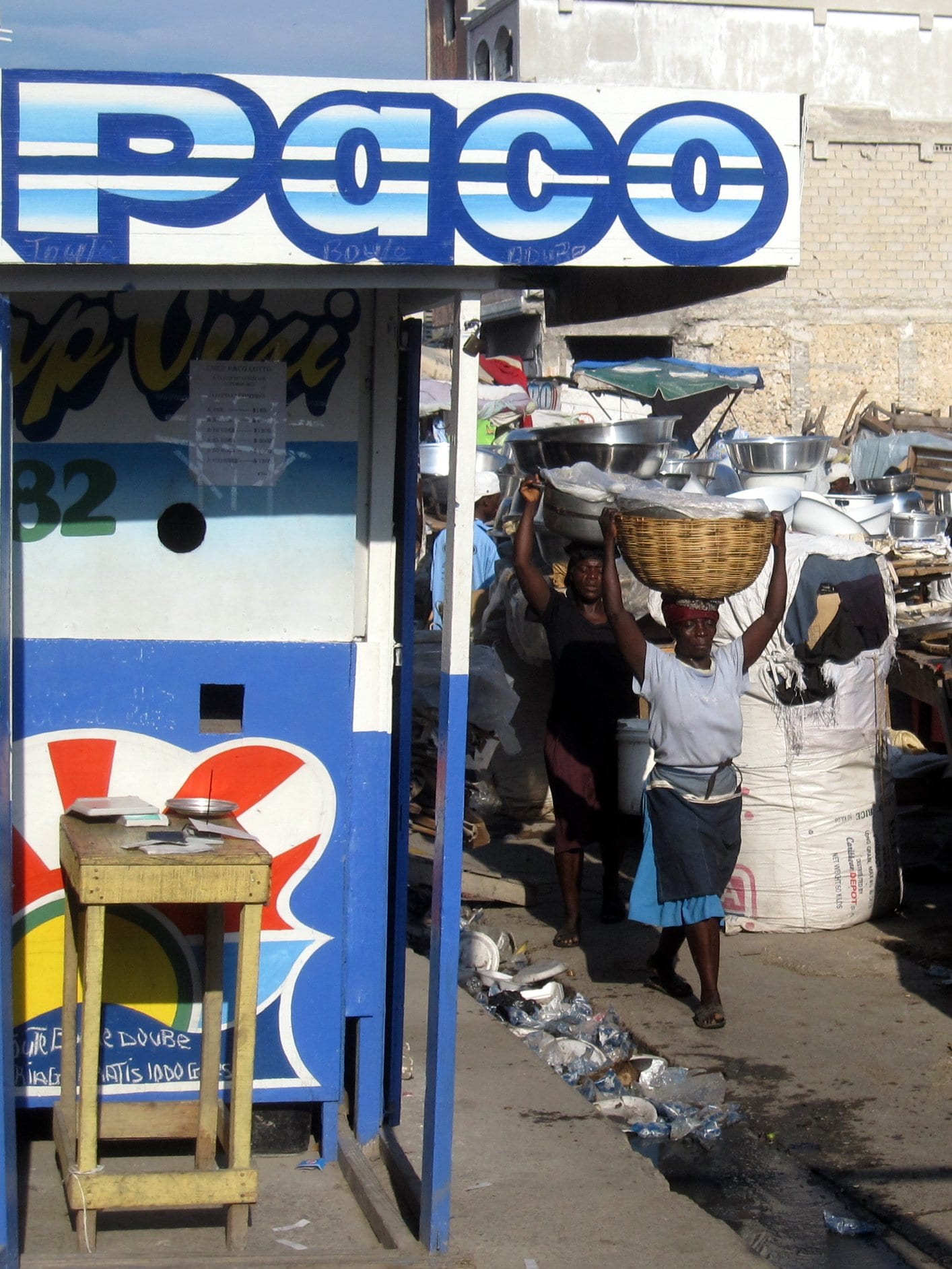
The market is Haiti's essential public institution, and it runs on the work of the Madan Sara: an estimated 100,000 women traders who buy produce directly from the country's smallholder farmers, transport it, often on foot, by donkey, or by tap-tap, and sell it on to buyers in towns and cities. Between them, they link something like 700,000 small farming households to the wider economy, financing much of it themselves through informal savings groups rather than banks. Tap-taps — privately owned trucks and buses, elaborately painted with murals, names, and religious slogans, that leave only once full and can be boarded or left at any point along the route — are the everyday way most Haitians without a car get around. In Port-au-Prince, gang control of major roads has disrupted many of these routes and made once-routine trips across the city genuinely unpredictable.
Free time and weekends
Religious practice fills much of Haitian free time, and it is genuinely layered: many people who practise Vodou, a structured religion with its own pantheon of lwa spirits served through drumming, song, and dance at family land shrines or communal temples, also attend Catholic or Protestant church, and see no contradiction in doing both. Rara bands, with bamboo trumpets and drums, parade through the streets during Lent, and football draws real crowds wherever a match is being shown. Extended family visits and gatherings fill ordinary weekends much as they do elsewhere in the region. In and around Port-au-Prince, though, the security situation has narrowed free time for many families to the immediate neighbourhood, since travel across the city for leisure now carries real risk that it did not carry a decade ago.
A visitor's ordinary day
At present, this section has to be read differently than it would for almost any other country. Most governments advise against all travel to Haiti, gangs control most of Port-au-Prince and several key highways, and the capital's international airport has closed repeatedly during outbreaks of violence. What limited travel does happen is generally undertaken by aid workers, diaspora Haitians, or missionaries, usually with private security and arranged transport rather than the ordinary tourist infrastructure other countries in this region have. Cash, both US dollars and Haitian gourdes, is essential, since card payments and banking are unreliable. Anyone with an unavoidable reason to travel should take professional security advice and read their government's current travel advisory in full before going.
What to take away
Haiti's ordinary day is still carried, quite literally, by the market women who move its food from farm to table — and, for a growing number of Haitians, it is also now defined by a crisis that has put real limits on how far that ordinary day can safely extend.