Culture & Customs · Guyana
Guyana: Many Faiths, One Calendar
Temples, mosques and churches on the same street, a festival year shared across communities, elders who are everyone's auntie and uncle, and a pre-wedding night of song that grew up nowhere else
By Worldlore Editorial · 30 September 2026
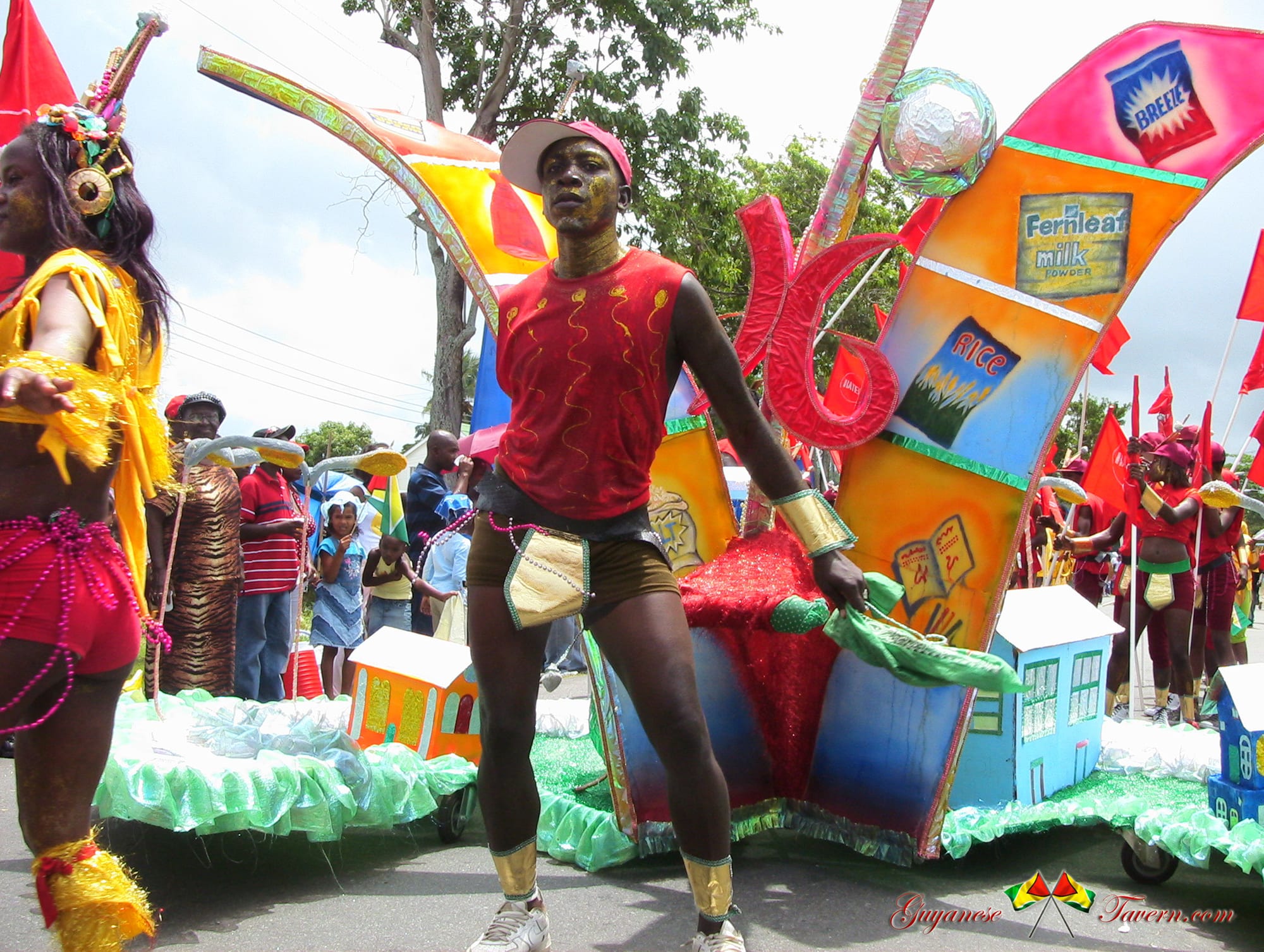
In the space of a single year, the same Guyanese household may string up lights for Diwali, cook for friends at Eid, go to church at Christmas and Easter, and come home from Phagwah streaked with coloured powder. On 23 February everyone turns out for Mashramani, when costume bands and floats take over the streets to mark the country's republic. Few countries fold so many traditions into one national calendar, and fewer still expect their citizens to join in one another's feasts as a matter of course. The result is a culture built on coexistence: Hindu, Christian and Muslim, African, Indian, Indigenous, Portuguese and Chinese, all speaking the same creole and addressing their elders in the same affectionate way.
Faith, identity and values
Guyana is the only English-speaking country in South America, and in culture and outlook it looks towards the Caribbean rather than to its Spanish- and Portuguese-speaking neighbours. Its people descend from many origins. Indo-Guyanese, descended largely from indentured labourers brought from India, form the largest group, followed by Afro-Guyanese, with smaller communities of Portuguese, Chinese and mixed descent. The country's first peoples are the nine Indigenous nations: the Akawaio, Arawak, Arecuna, Carib, Macushi, Patamona, Wai Wai, Wapishana and Warrau.
Religion is prominent and public. According to the most recent census cited by the United States government, about 64 per cent of Guyanese are Christian, with Pentecostal churches the largest single group, followed by Roman Catholics, Anglicans and Seventh-day Adventists. About a quarter of the population is Hindu and around 7 per cent Muslim. Smaller communities include Rastafarians, Baha'is and followers of Areruya, an Indigenous faith. Almost all Hindus are Indo-Guyanese, and most Muslims are too, though there is also a significant Afro-Guyanese Muslim community.
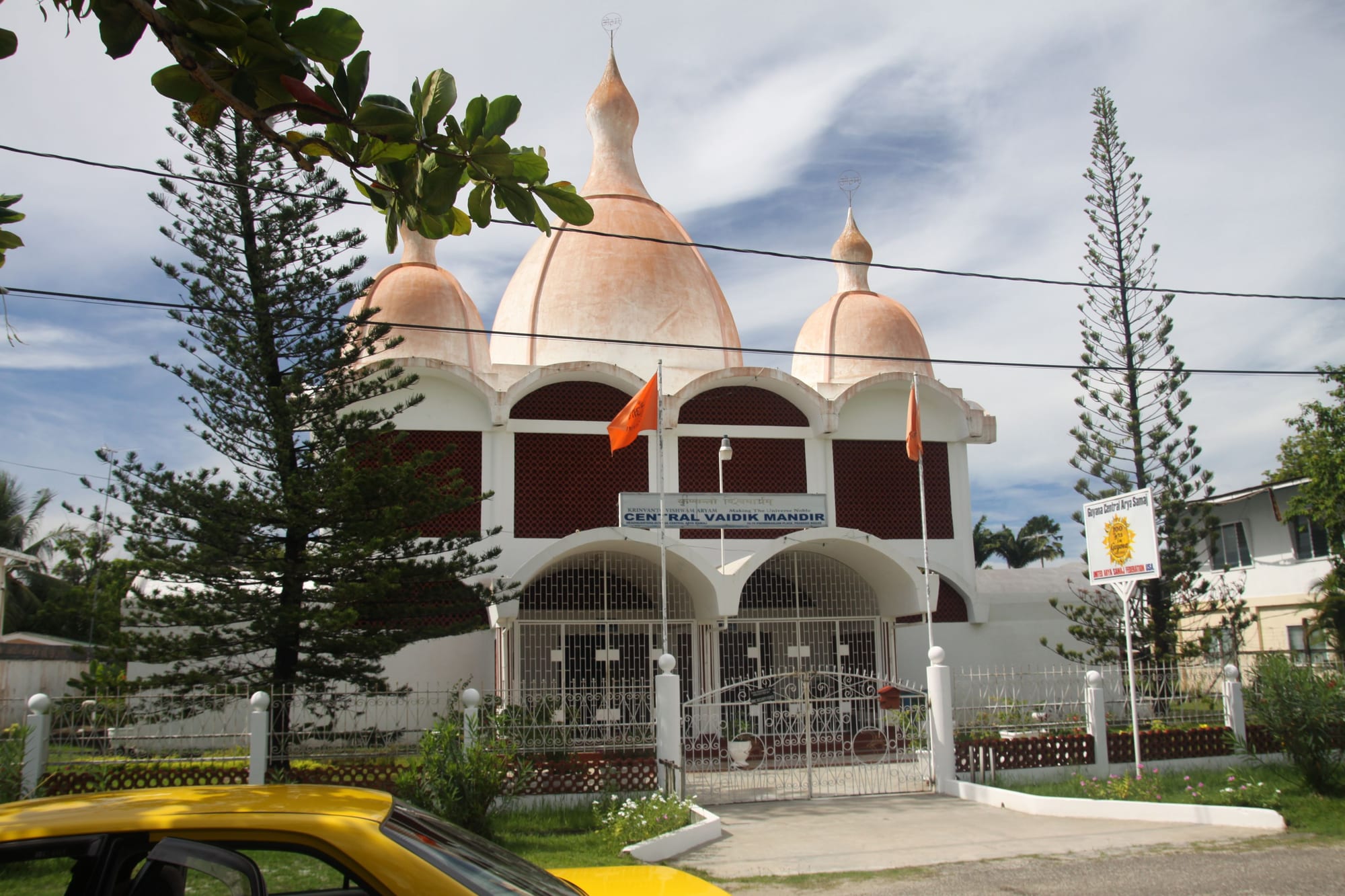
What stands out is how comfortably these faiths live together. Religious leaders describe a high degree of acceptance and respect for diversity, and an inter-religious organisation brings together Christian, Hindu, Muslim, Rastafarian and Baha'i bodies. The state reinforces this by declaring holy days from each of the three largest faiths as national holidays, and national leaders send messages on all the major religious festivals. Visitors, whatever their own beliefs, are generally welcomed to observe and even take part in religious occasions, provided they do so respectfully.
Beneath the formal religions lie older folk traditions. African, Indigenous and Indian practices have all left their mark on the way Christianity, Hinduism and Islam are lived. Among Afro-Guyanese communities, Comfa is a spiritual tradition involving spirit possession, comparable to Shango in Trinidad and Kumina in Jamaica, and it has long been misunderstood and unfairly lumped together with obeah, a body of spiritual practice with African roots that colonial lawmakers criminalised. Both are part of a wider cultural heritage that Guyanese writers have argued deserves more understanding than it usually receives.
Greetings and meeting people
English is the official language, but the language of daily life is Creolese, the English-based creole that most Guyanese speak at home and in the street. A few of its habits are worth knowing. "Good night" is used as a greeting on arrival in the evening, not only on leaving; "just now" can mean anything from a few minutes to much later; and plans in general tend to run on flexible time, with events often starting later than advertised.
Courtesy is expected and noticed. Please and thank you, and "yes, sir" or "no, ma'am", go a long way, particularly with older people. Age carries real weight, and older adults are treated with a respect that visitors of a certain age will quickly feel extended to them. Children and younger adults do not address older people by their first names but call them "auntie" or "uncle", whether or not they are related, and visitors will soon find themselves addressed the same way by the young, or addressing their own hosts so.
Appearance matters too. Guyanese take pride in dressing well in public and at social occasions, and many people, especially in rural areas, dress more conservatively than North Americans or Europeans. A deliberately scruffy look can puzzle or even offend people who would never go out in anything less than their best. Government buildings, schools and health centres often post strict dress codes at the entrance, commonly ruling out shorts, T-shirts, sleeveless tops and open sandals, and visitors can be turned away if they are not appropriately dressed.
Hospitality and being a guest
Guyanese are known for their generous hospitality to foreigners, and a visitor who stays any length of time is likely to be treated as part of the family. Invitations to weddings, religious festivals and family occasions are a normal part of social life and are worth accepting. A gift is not required; a small token of friendship is enough.
Because the country's faiths each bring their own rules about food, it is worth paying attention to the household. Some Guyanese are vegetarian for religious reasons, and the food served at Hindu religious occasions is traditionally vegetarian. Anyone bringing food to a home, or offering to cook, does well to ask first. Alcohol is best not assumed in Muslim households, and shoes should be removed wherever others take theirs off, as they do before entering Hindu temples and mosques.
Hospitality is also woven into mourning. When someone dies, friends and neighbours gather at the house for the wake, sitting up with the bereaved family to keep them company, and the family in turn offers food to those who come. Among Afro-Guyanese families the wake is followed by the Nine Night, a later gathering that continues the process of remembrance.
Festivals and life's big moments
Guyana's calendar belongs to everyone. Indo-Guyanese communities lead the celebration of Diwali, the festival of lights, and of Indian Arrival Day; Afro-Guyanese communities lead Emancipation Day; Indigenous communities are at the heart of Heritage Month; and Mashramani, Christmas, Eid and Phagwah are shared by people of every background. Eid al-Adha, Phagwah, Good Friday, Easter Monday and Diwali are all national holidays. Phagwah, the Hindu spring festival also known as Holi, is marked by the throwing of coloured powder and water, and is one of the most joyful days of the year to be out on the streets.
Mashramani, held on 23 February, Republic Day, is the great national festival. It began in 1970 in Linden and soon moved to Georgetown, where the costume band competition and float parade became its centrepiece. Around it has grown a season of events: flag-raising ceremonies and national awards, calypso and soca competitions, the national steel band competition and Indian music contests.
Christmas brings its own street tradition. Masquerade bands, with roots reaching back to the period of slavery, have long announced the arrival of the season, with dancers known as flouncers performing to the band and characters such as the towering stilt-walkers, Mother Sally and the horned Mad Cow thrilling and frightening children in equal measure. Guyanese have made efforts in recent years to keep the tradition alive.
Weddings are among the biggest occasions in family life. Among Afro-Guyanese communities, the night before a wedding may bring a kwe-kwe, or queh-queh, a pre-wedding rite of song and dance with West African roots that developed in its present form in Guyana itself. Relatives and neighbours gather to sing, drum and dance, and the songs, often teasing and full of innuendo, carry serious instruction for the couple, praising fidelity, warning against wayward behaviour and marking the union of two families. It is sometimes dismissed as merely bawdy, but it is better understood as a way for a community to take responsibility for the marriages made within it.
Arts, crafts and music
Music is everywhere, and it reflects the country's mix. Calypso and soca link Guyana to the wider Caribbean; steel bands compete each year at Mashramani; and Indian music, from devotional singing to popular styles, has its own competitions and a large following. The folk tradition runs deep as well. Proverbs, folk songs and Anansi stories, known locally as Nansi tori, have long served to pass on wisdom and to mock bad behaviour, though some of these forms are now fading.
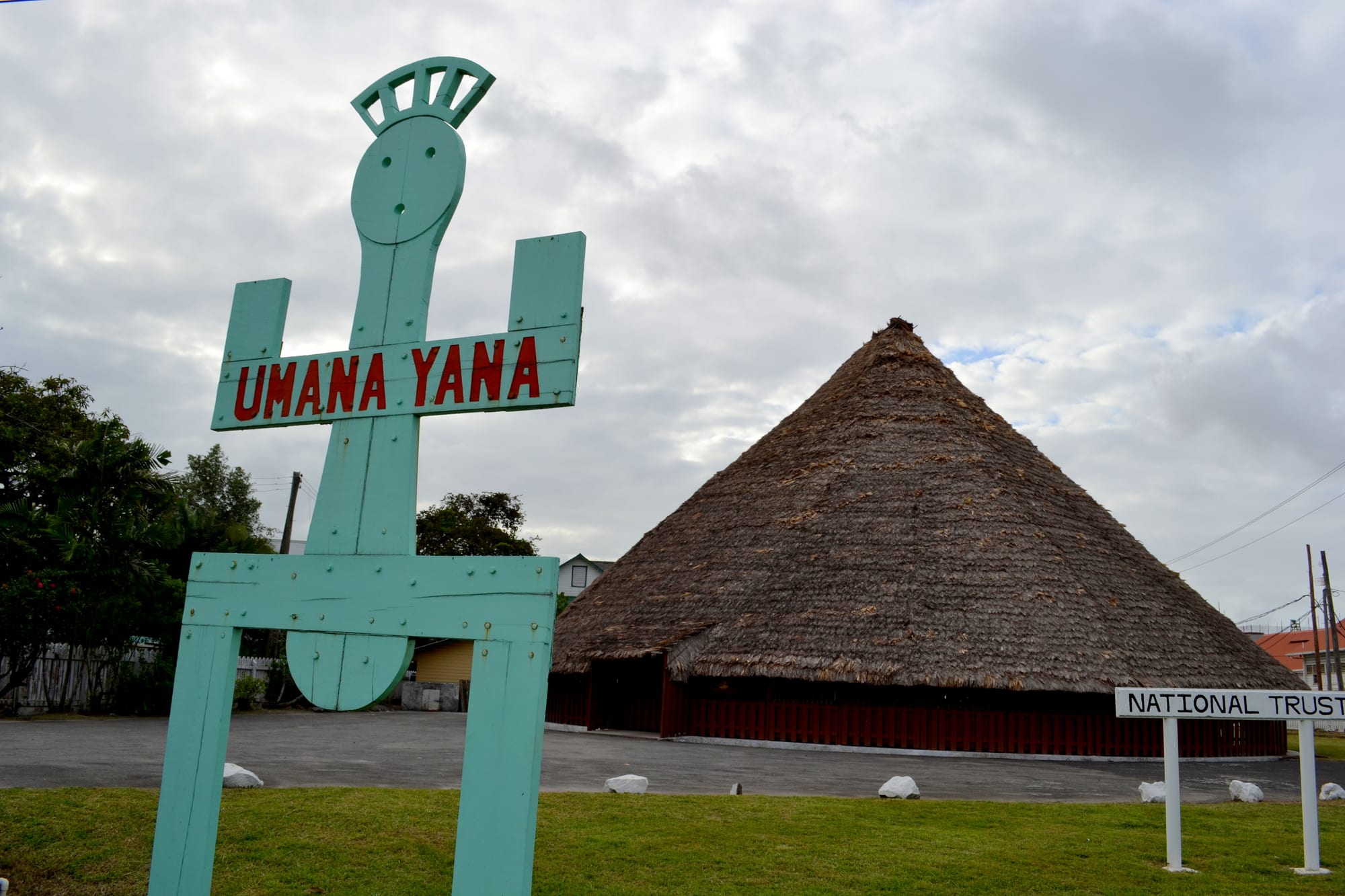
Indigenous culture is increasingly visible in national life, not least during Heritage Month, when the traditions of the nine nations are celebrated. The choice of an Amerindian word for the country's biggest festival is itself a sign of how Indigenous identity has been woven into the story Guyana tells about itself. Heritage-week events for each community, folk festivals, beauty pageants, concerts and drama at the National Cultural Centre all form part of a busy cultural life that brings the country's peoples on to the same stage.
Dos and don'ts for visitors
- Do address older people as "auntie" or "uncle" once invited to, and use "sir" and "ma'am" freely.
- Do dress neatly; Guyanese take pride in their appearance, and government offices, schools and clinics enforce dress codes.
- Do accept invitations to weddings, religious festivals and family occasions; a small token gift is enough.
- Do remove shoes where others do, especially at temples and mosques, and dress modestly at places of worship.
- Do ask before bringing food to a home, since many households are vegetarian or follow religious dietary rules.
- Don't expect events to start on time; "just now" can mean much later.
- Don't mistake the teasing songs of a kwe-kwe or the drama of a masquerade band for mere entertainment; both carry real meaning for those involved.
- Don't photograph people, religious ceremonies or wakes without asking first.
What to take away
Guyana's culture is best understood as a shared calendar: a country of many faiths and origins that has learned to celebrate one another's festivals, and visitors who arrive ready to join in, politely and well dressed, will find themselves welcomed like family.