Attractions & Natural Wonders · Greenland
Greenland: Ten Attractions and Natural Wonders
The world's largest island, four-fifths of it under an ice sheet two miles thick — a fjord that calves icebergs the size of city blocks, tiny painted towns, and the largest national park on earth
By Worldlore Editorial · 9 September 2026
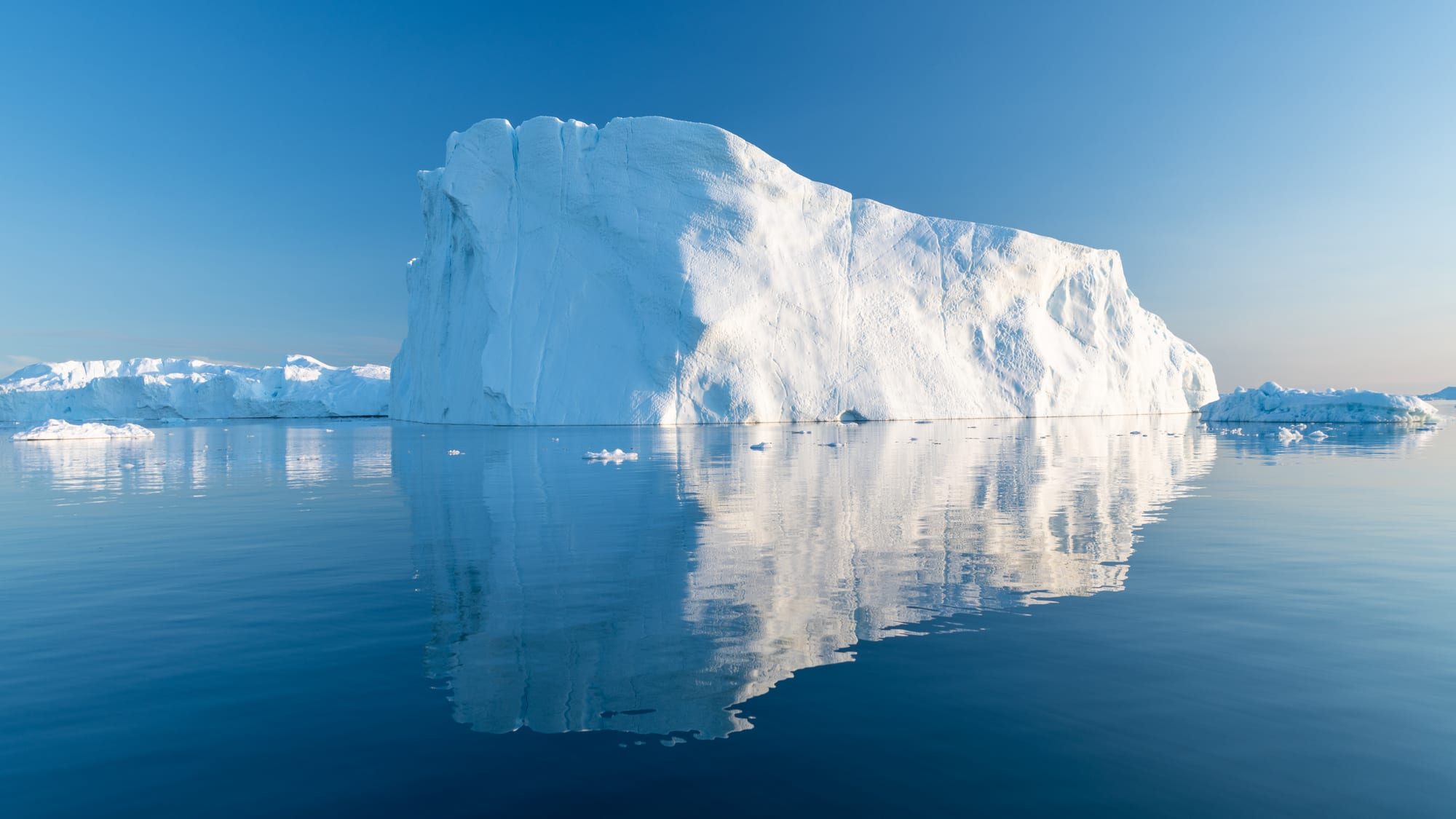
An island mostly made of ice
Greenland is the largest island on earth, an autonomous territory of the Kingdom of Denmark with only about 56,000 people — nearly all Inuit, living in scattered coastal towns and settlements with no roads between them. Roughly 80 percent of the land is buried under the Greenland Ice Sheet, up to three kilometres thick, whose melting is one of the biggest single contributors to global sea-level rise. Travel is by small plane, helicopter, coastal ferry, boat, and, in winter, dog sled.
The ten below run up the more accessible west coast and across to the remote east. The summer window (June to early September) has the midnight sun, boat access, and hiking; late autumn to spring brings the northern lights, sea ice, and dog sledding, with very short days.
1. The Ilulissat Icefjord
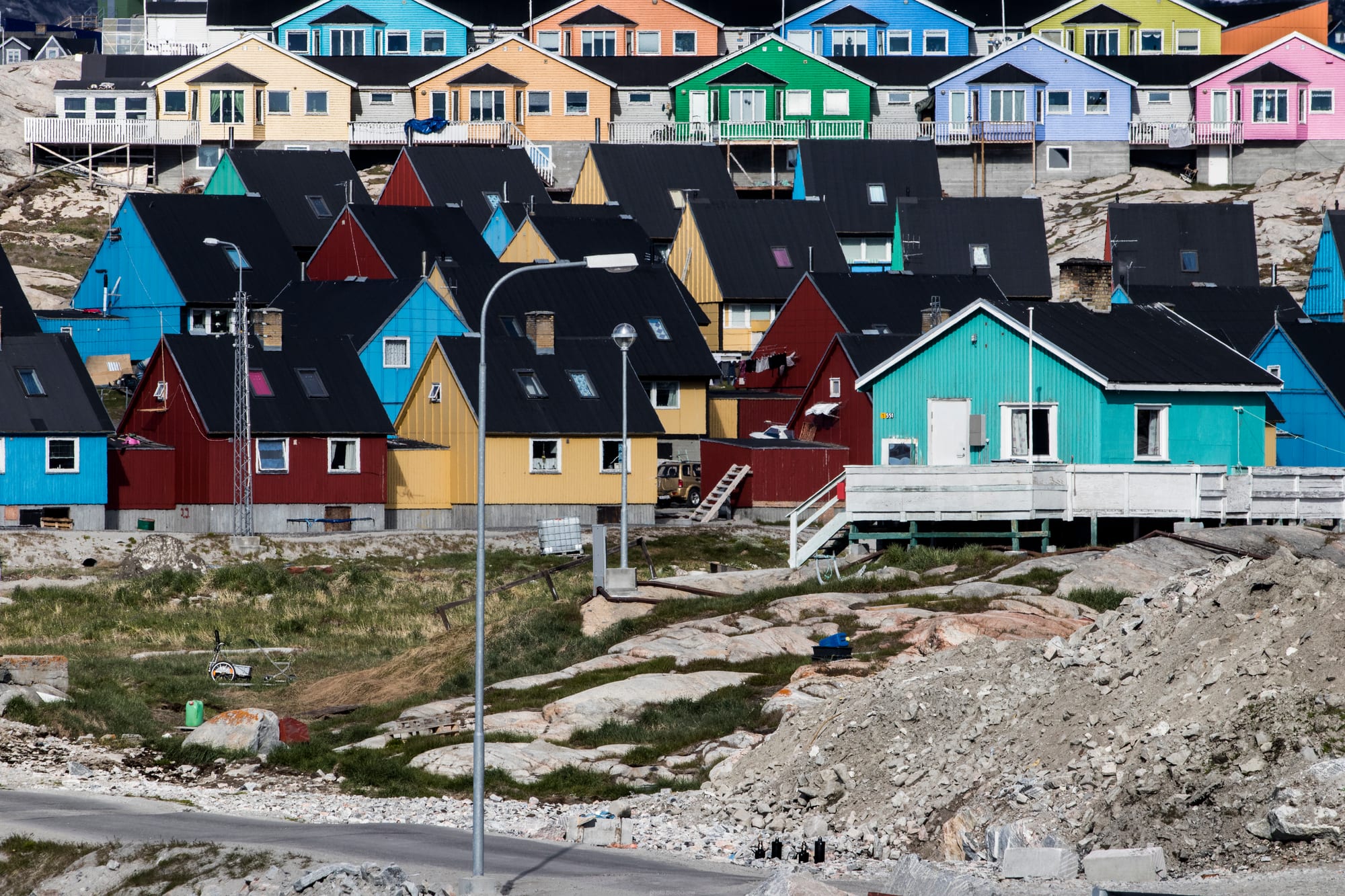
The Ilulissat Icefjord, a UNESCO World Heritage Site on the west coast, is where the Sermeq Kujalleq glacier — draining a large part of the ice sheet — dumps around 35 billion tonnes of ice into the sea each year, in bergs so big they ground on the fjord bar and pile up for kilometres. Boardwalks from the town of Ilulissat lead to viewpoints; boat trips and, in summer, kayak tours go among the bergs.
Ilulissat has Greenland's best tourist infrastructure and is the usual first stop.
2. Disko Bay and Disko Island
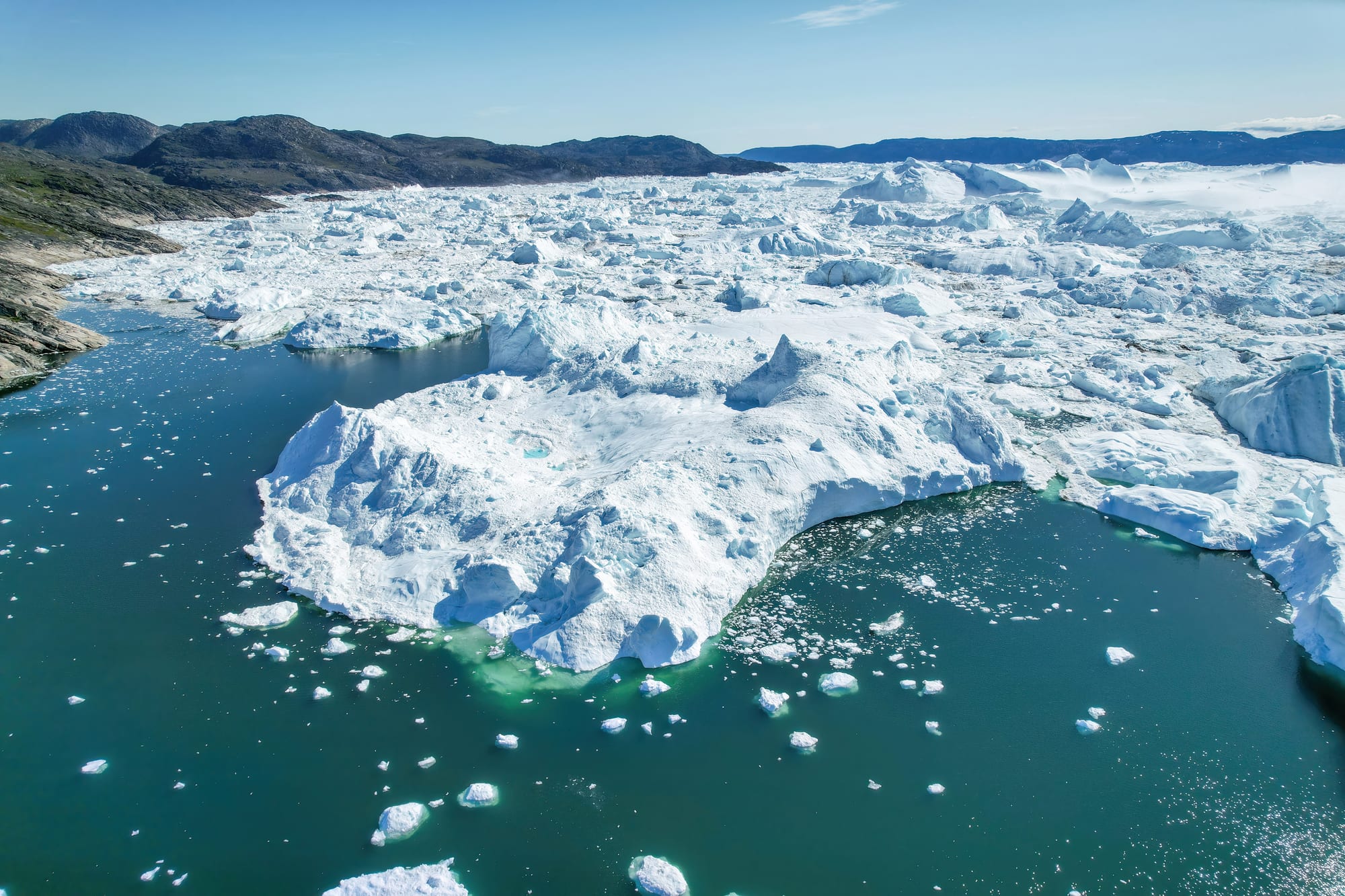
Around Ilulissat, Disko Bay is a broad bay dotted with icebergs and small Inuit settlements (Oqaatsut, Ilimanaq) reachable by boat. Across it lies Disko Island, Greenland's largest, unusual for its flat-topped basalt mountains, hot springs, and black-sand beaches around the town of Qeqertarsuaq. The bay is a prime spot for whale watching — humpback, fin, and minke — in summer.
Boat excursions from Ilulissat cover the settlements and the whales.
3. Nuuk
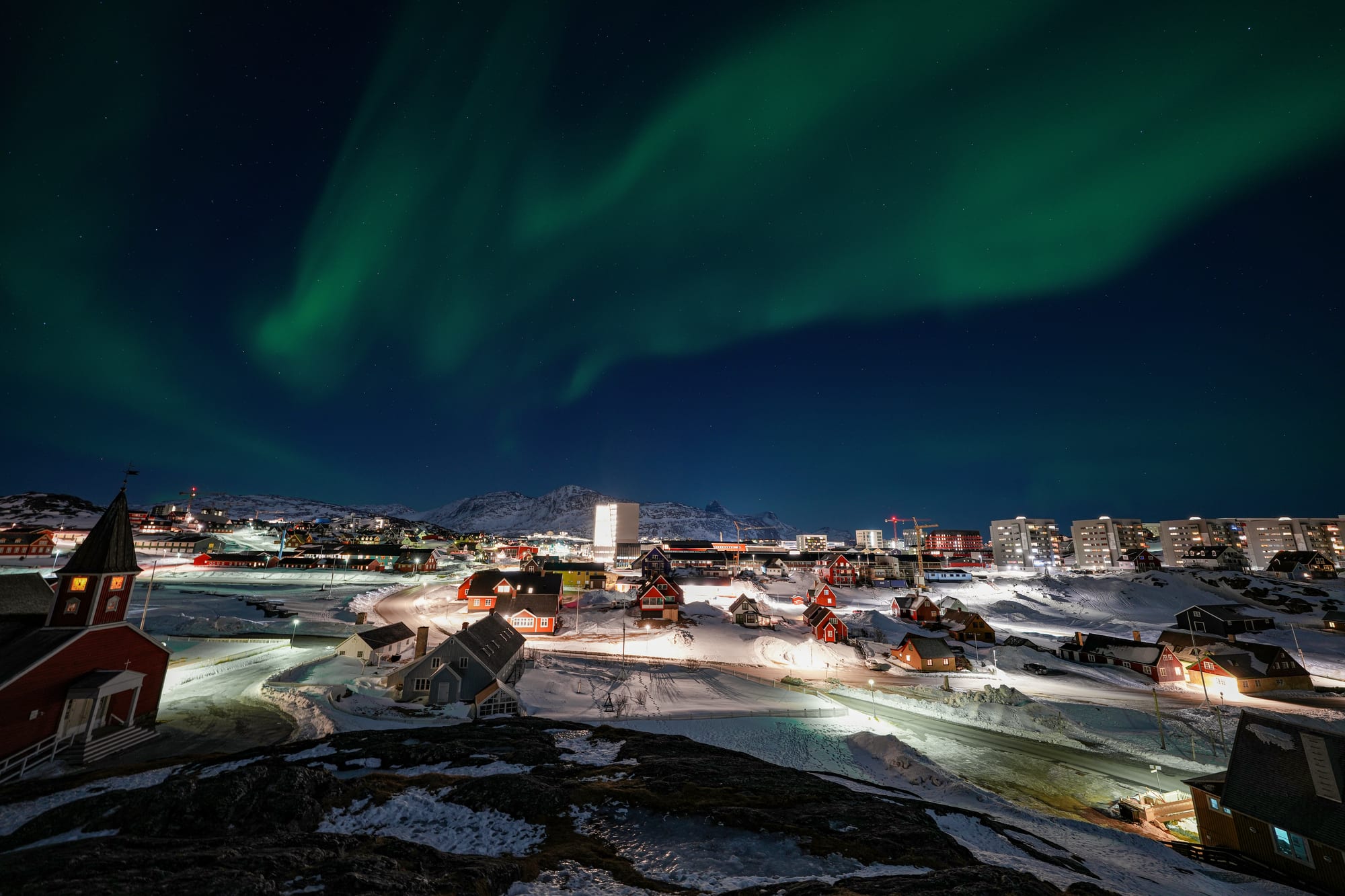
Nuuk, on the southwest coast, is the capital and only real city — a mix of Danish-era colonial houses in the old harbour, Soviet-looking apartment blocks, and striking new architecture like the Katuaq culture centre. The Greenland National Museum holds the remarkably preserved Qilakitsoq mummies; the huge Nuup Kangerlua fjord system behind the city is good for boat trips to see whales, the Qooqqut valley, and abandoned Norse and Inuit sites.
It has Greenland's widest range of restaurants and the country's main airport hub (from 2024).
4. The Ice Sheet at Kangerlussuaq

Kangerlussuaq, a former US airbase at the head of a long fjord, sits at the end of one of the few roads in Greenland that actually reaches the inland ice — a rough 35-kilometre track (by 4x4 tour) to Point 660, where you can walk onto the ice sheet itself. The tundra along the way has musk oxen, reindeer, and Arctic foxes, and the area has very stable, clear weather.
It is a common transit point and the easiest place to stand on the ice cap.
5. South Greenland and the Norse ruins
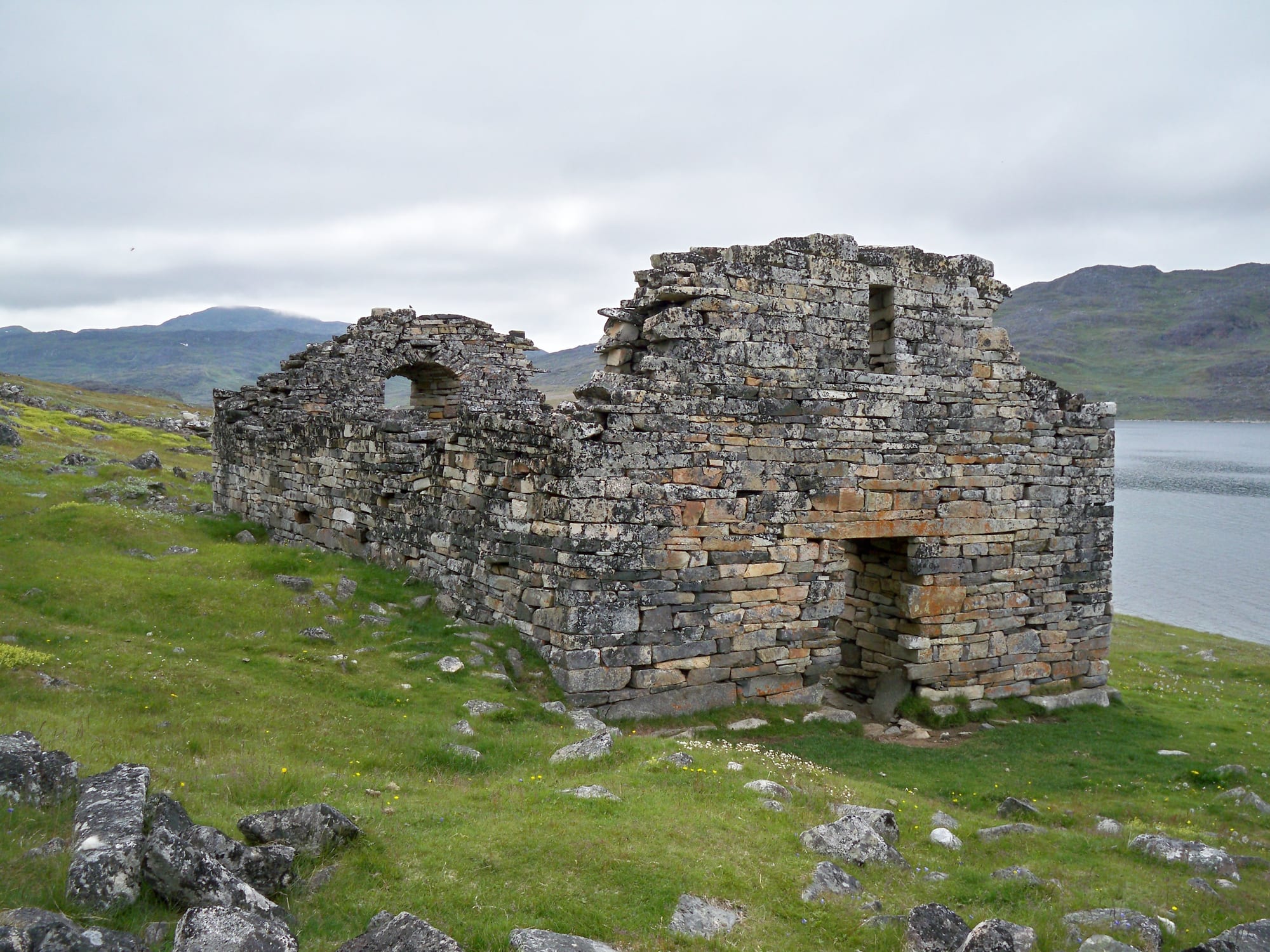
The far south is Greenland's greenest corner — sheep farms, hay meadows, and hot springs among the fjords. It was settled by Erik the Red's Norse around AD 985; their farms and churches lasted about 500 years before mysteriously dying out. The best-preserved ruin is the church at Hvalsey; the wider farming landscape of Kujataa is a UNESCO World Heritage Site. Igaliku and the hot springs of Uunartoq are other highlights.
The region is reached via the airport at Narsarsuaq and small boats between villages.
6. Qaqortoq
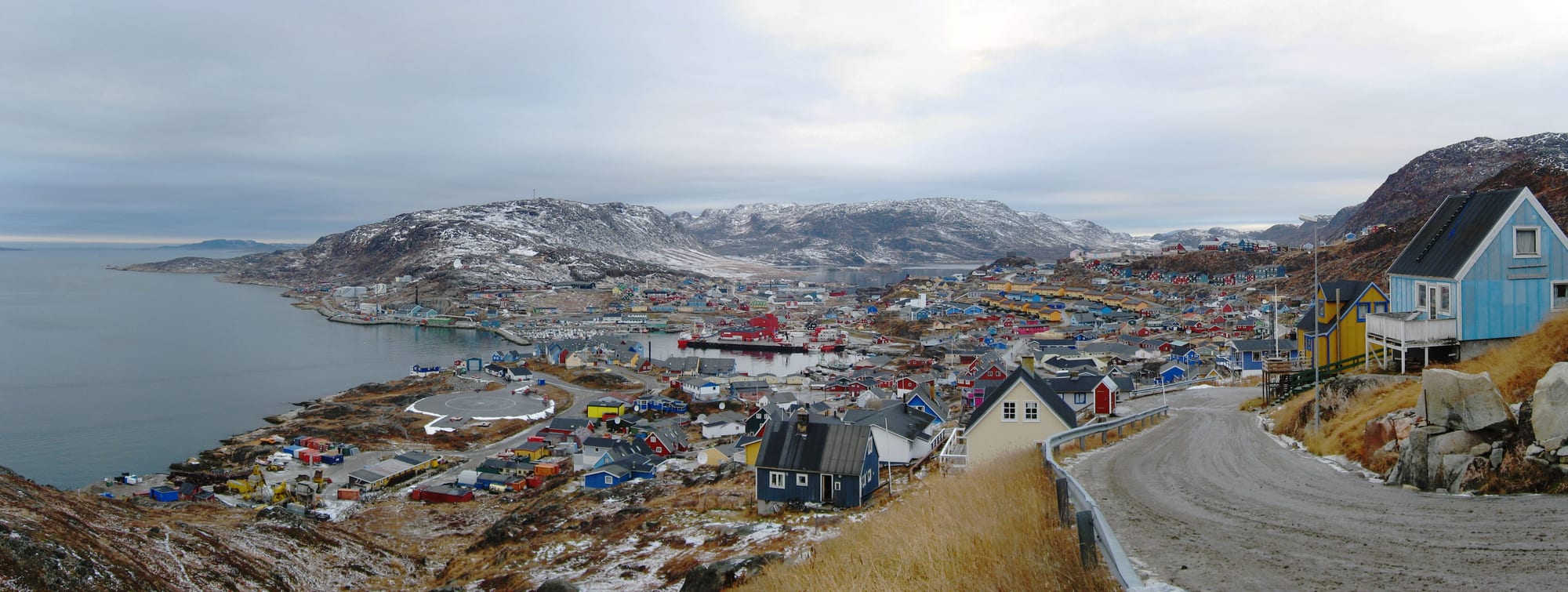
Qaqortoq, the biggest town in the south (about 3,000 people), climbs in tiers of red, blue, and ochre houses around Greenland's only town square and its old fountain. Since 1993 an open-air art project, "Stone and Man", has carved and mounted more than 30 sculptures on rocks and walls around the town. There is a small museum in a colonial merchant's house and an old tannery.
It is the hub for exploring the southern fjords and Norse sites.
7. Uummannaq
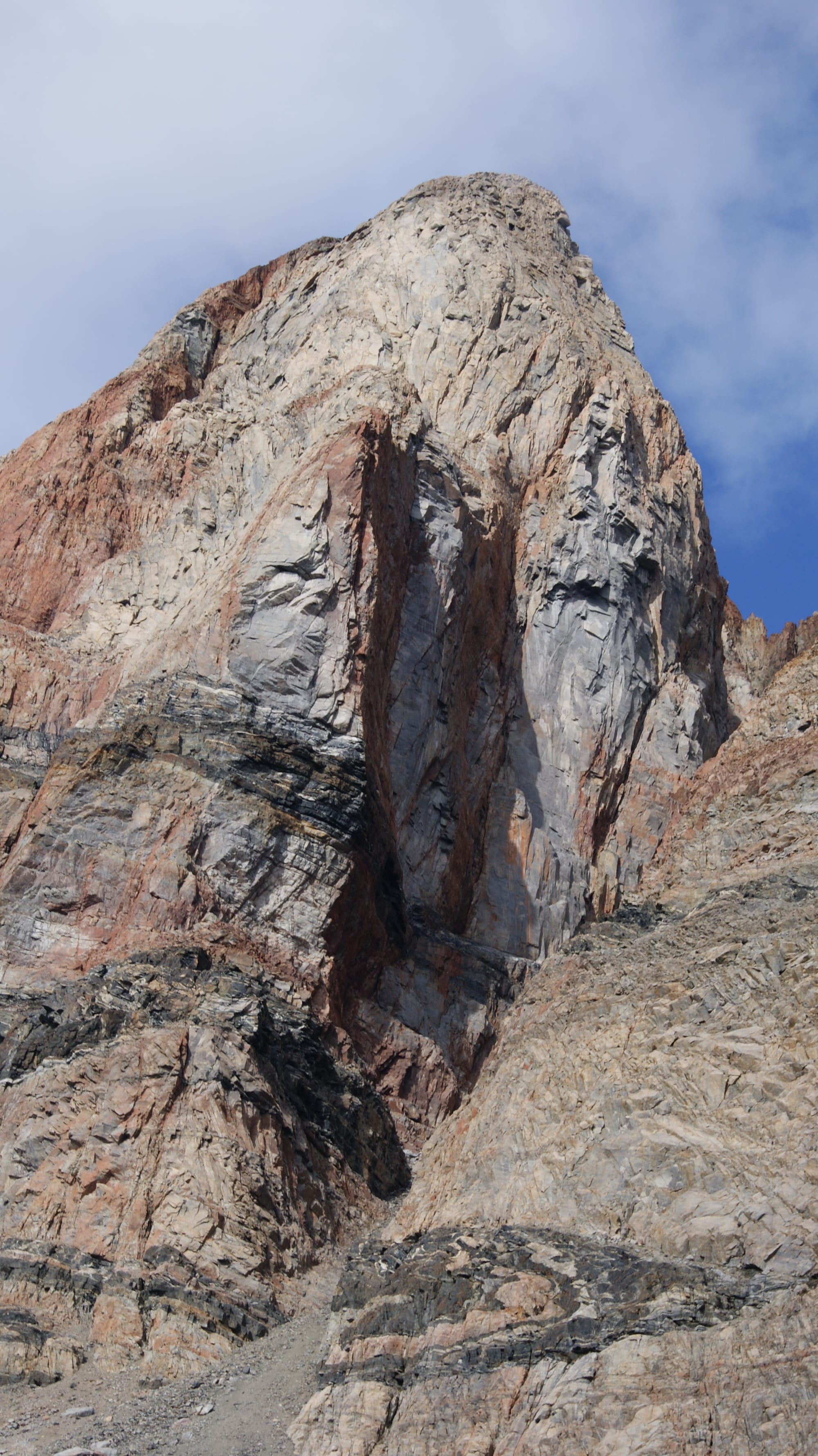
Uummannaq, on a small island about 500 kilometres north of the Arctic Circle, is one of Greenland's most photogenic towns — a cluster of coloured houses beneath a distinctive heart- or thumb-shaped granite peak, on a coast of long fjords and improbably jagged mountains. Nearby are the Qilakitsoq site where the mummies were found, the Store glacier, and, in winter, some of the best sea-ice dog sledding in the country.
Access is by helicopter or, in winter, over the ice from Ilulissat.
8. Tasiilaq and East Greenland
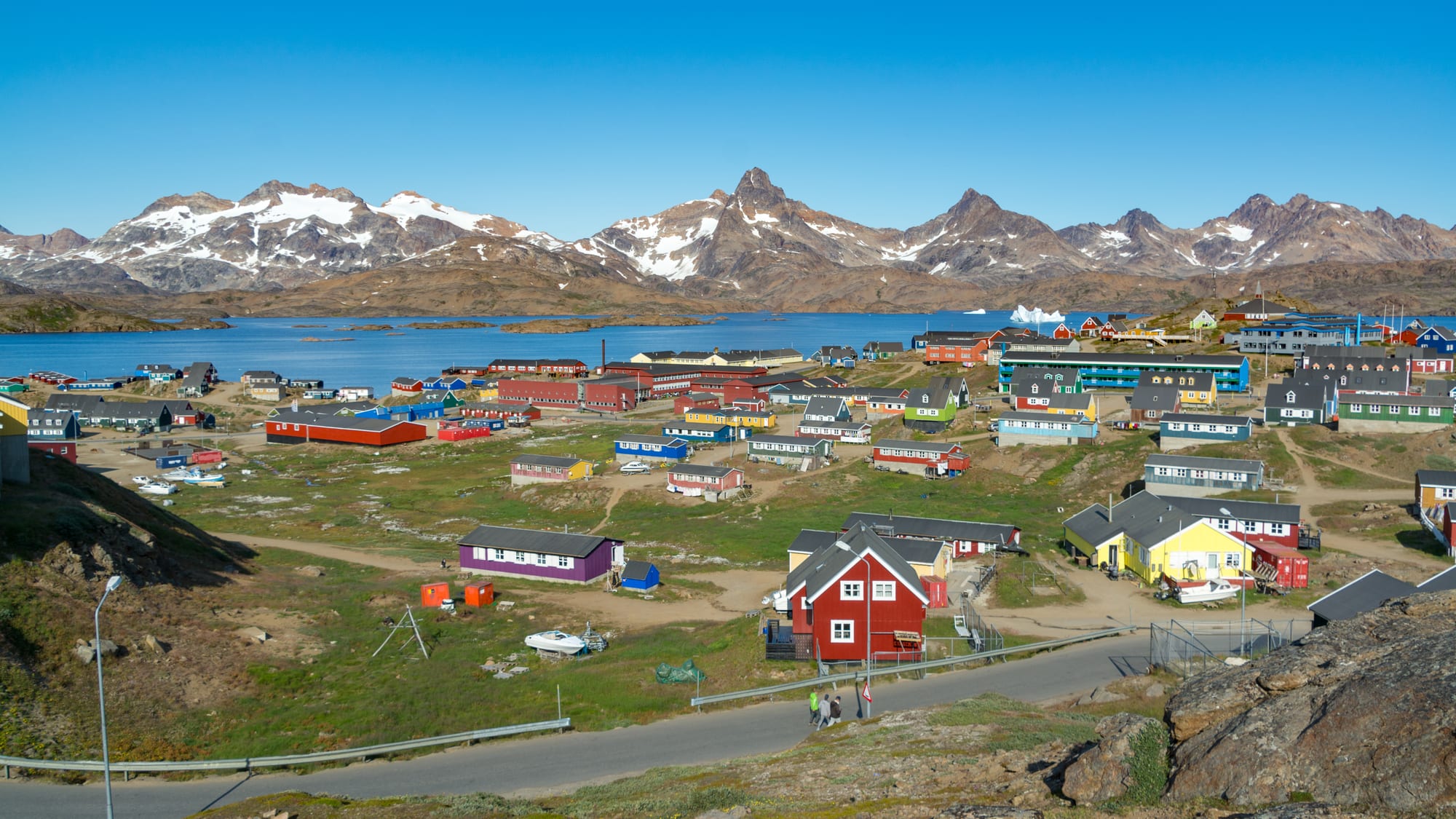
East Greenland is far more isolated than the west — the population of the whole coast is only a few thousand, and the Inuit dialect and hunting culture here stayed apart from the west until the 20th century. Tasiilaq, the main town, sits in a bowl of mountains near the "Valley of Flowers", with the vast Sermilik fjord and its icebergs nearby and helicopter access to the tiny settlement of Kulusuk.
It is reached by a short flight from Iceland via Kulusuk, making it a feasible add-on to an Iceland trip.
9. Scoresby Sound and the Northeast Greenland National Park
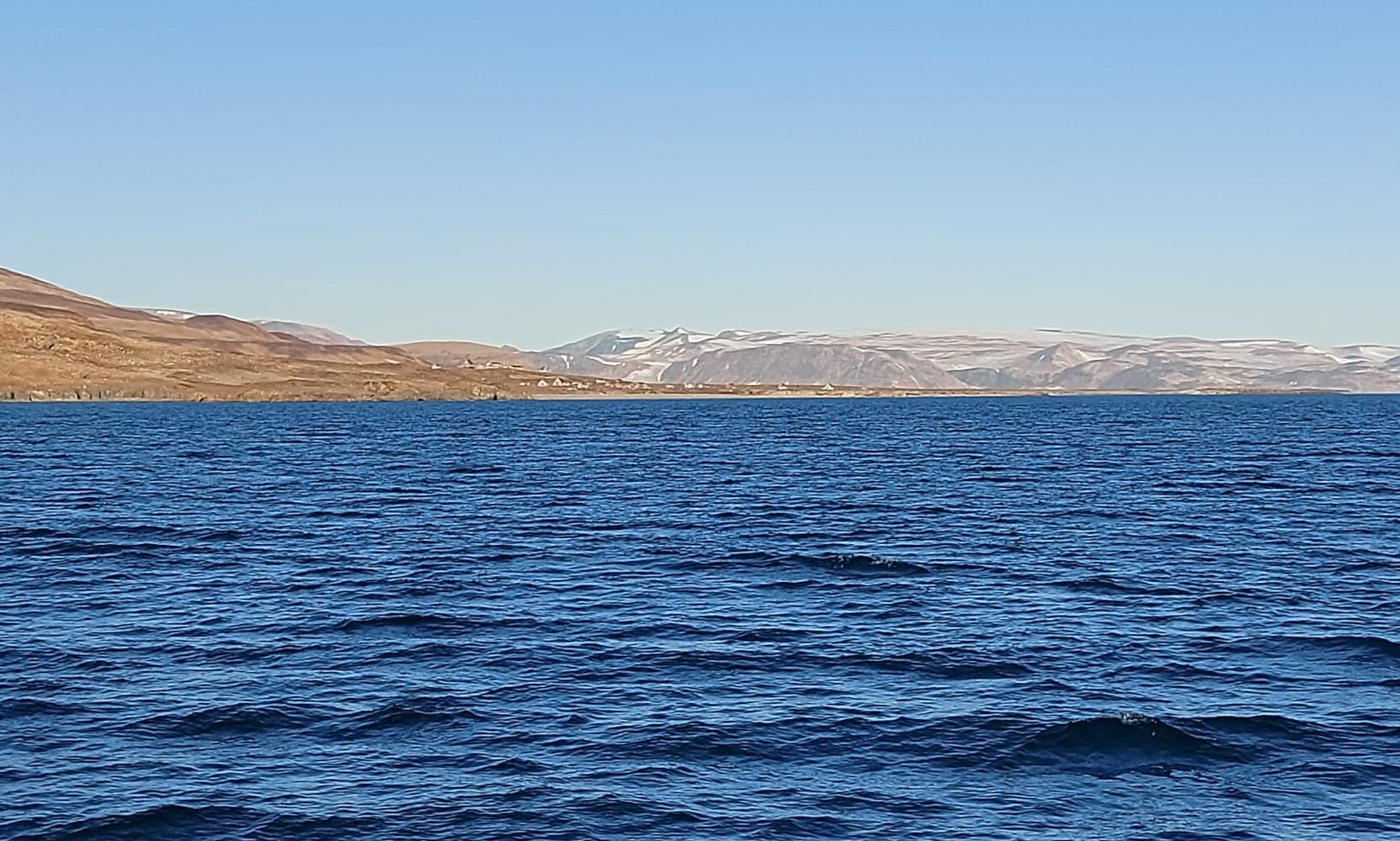
Scoresby Sound (Kangertittivaq), on the remote northeast coast, is the biggest fjord system in the world — a branching maze hundreds of kilometres long, walled by mountains and studded with flat-topped icebergs. Its one settlement, Ittoqqortoormiit, is among the most isolated inhabited places on the planet. North of it lies the Northeast Greenland National Park, the largest protected area on earth, bigger than most countries and home to musk oxen, polar bears, and walrus.
Both are seen almost exclusively on small expedition cruises in August and September.
10. Dog sledding and the northern lights
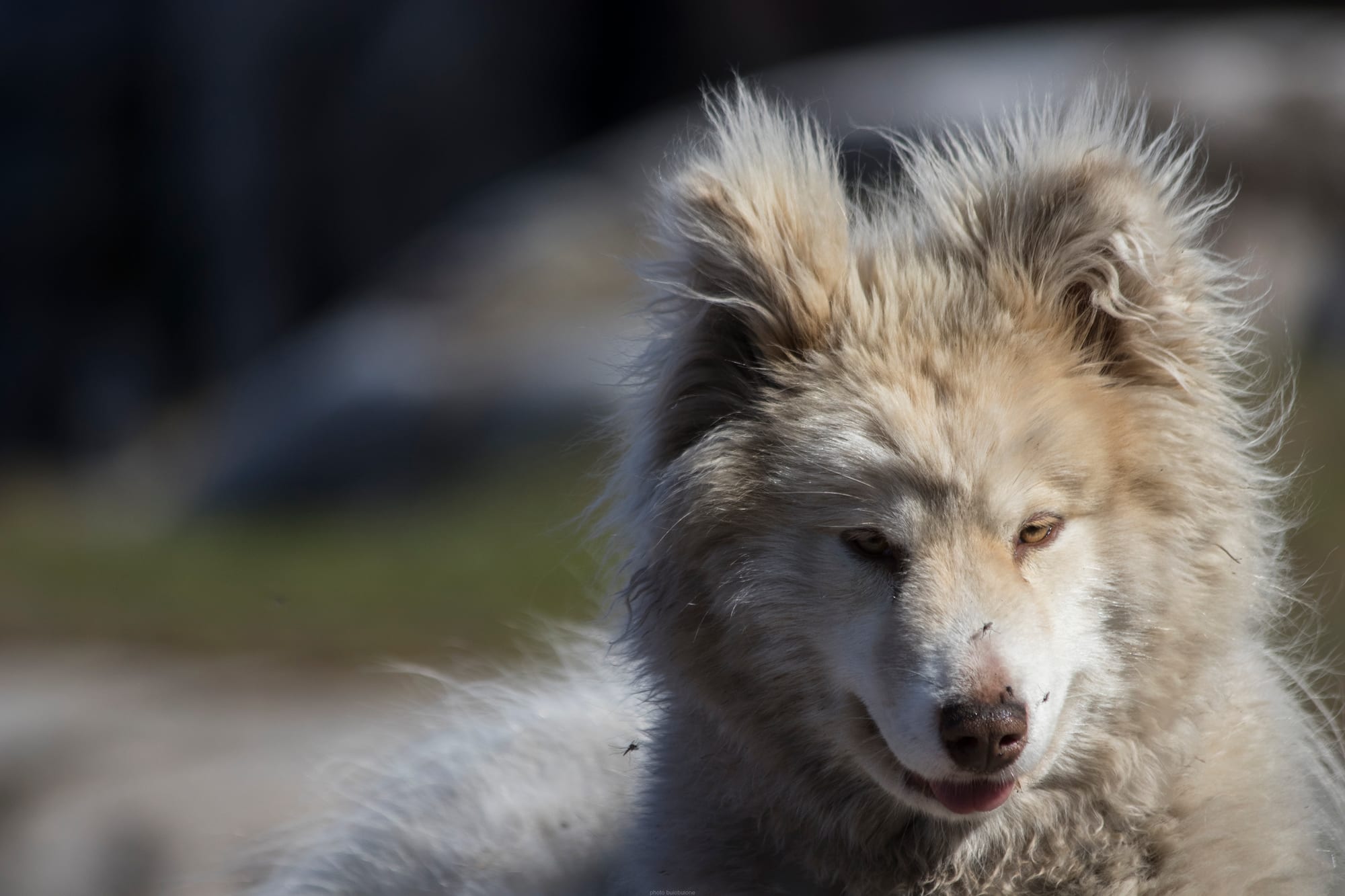
North and east of the Arctic Circle, the Greenland dog — a protected working breed kept apart from all other dogs — still pulls sledges over the frozen fjords from roughly February to April, and visitors can join multi-day trips from Ilulissat, Sisimiut, Uummannaq, or Tasiilaq. The same dark months bring the aurora, often overhead and unusually frequent, best away from town lights.
Winter travel is weather-dependent and cold (–20°C and below); trips are booked well ahead.
Greenland is expensive and slow to move around, and weather routinely reshuffles plans. A summer trip of a week or more usually focuses on Ilulissat and Disko Bay, perhaps with the south or Kangerlussuaq; winter trips centre on dog sledding and the lights.