Daily Life · Greenland
Greenland: A Country Connected by Everything but Roads
No road for ordinary traffic links one town to the next, so boats, small planes and, in winter, dog sleds carry an ordinary day's business, while hunting and fishing still put food on many tables alongside imported supplies from Denmark
By Worldlore Editorial · 30 September 2026
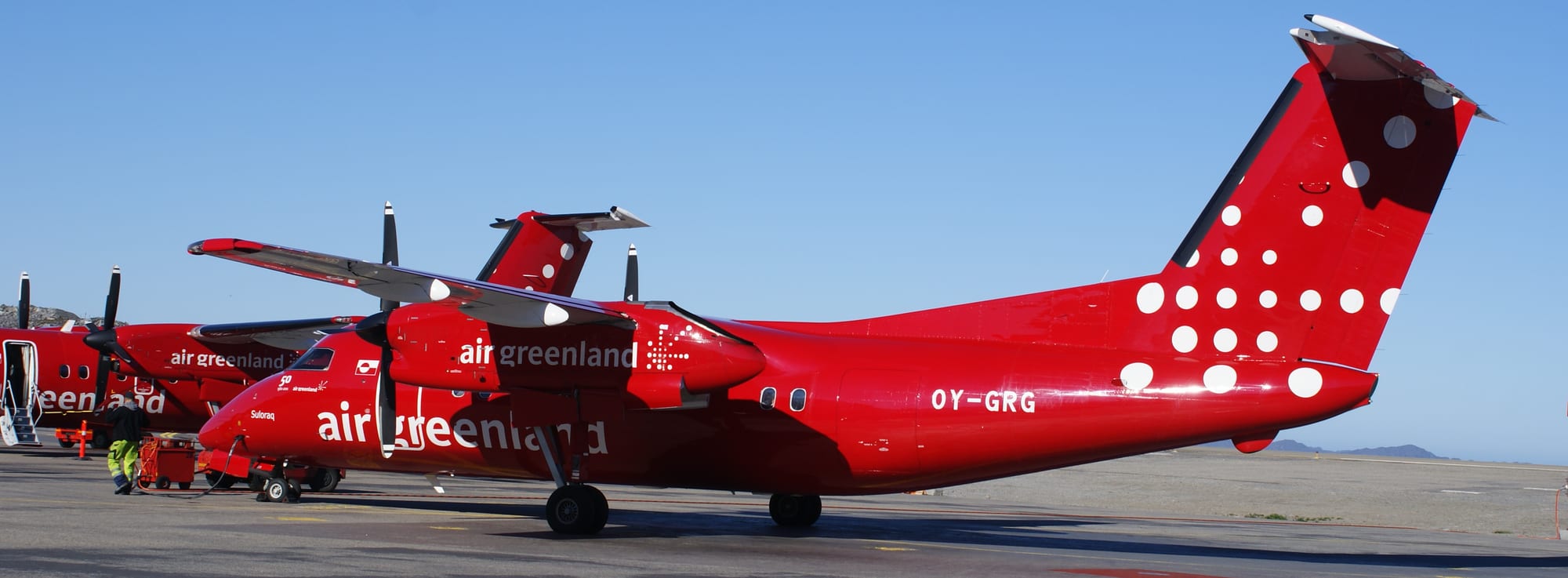
An ordinary day in Greenland starts from a fact most countries don't have to deal with: no road for ordinary traffic connects one town to the next. Around 57,000 people are spread across a coastline thousands of kilometres long, roughly a third of them in the capital, Nuuk, and the rest in smaller towns and settlements reachable only by boat, small aircraft or, in winter, dog sled. Shops depend on ships bringing supplies from Denmark and between settlements, and many households still add to what they buy in the shop with food from their own hunting and fishing.
Family and home life
Greenlandic households today mostly live in modern housing in the towns, a considerable shift from the scattered settlement pattern of a few generations ago, when a mid-twentieth-century policy of rapid modernisation moved many Greenlanders from small settlements into concrete apartment blocks in a handful of larger towns, a change linked to lasting social problems, and Nuuk's vast Blok P, built in that era, was demolished in 2012. Family and community ties have remained close, and hunting is still central to the culture: most Greenlanders hunt at least part-time, for seal, whale, fish or seabird, to supplement the household's diet. Housing costs and available space vary sharply between Nuuk, whose population has doubled since the late 1970s, and the smaller towns, where more traditional patterns of life persist.
Work, school and the rhythm of the day
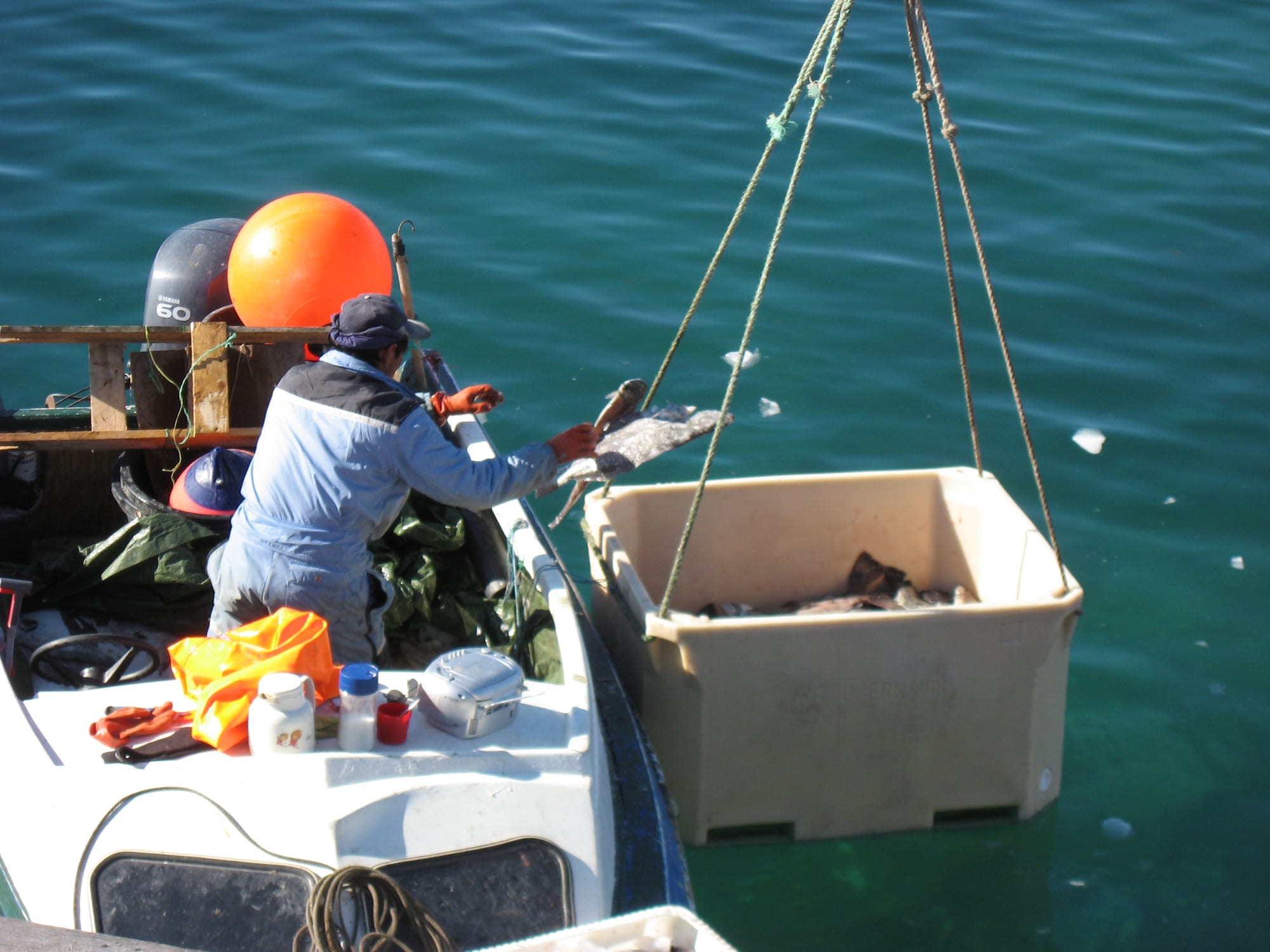
Fishing is the second-largest employer after public administration, and Greenland's fleet, thousands of small dinghies alongside larger trawlers, mostly targets cold-water shrimp and halibut for export. Hunting remains a genuine, if now more regulated and controversial, part of the economy too: Greenlanders still take an estimated 170,000 seals and around 175 whales a year, the second- and third-highest totals in the world. Schooling is compulsory for ten years from age six, taught primarily in Greenlandic with Danish introduced from the first grade, and many students who want to continue to gymnasium-level or university education end up finishing their schooling in Denmark, where they hold the same rights as Danish citizens.
Community life and public spaces
With no roads between towns, each settlement functions as its own self-contained community, and small aircraft, helicopters, boats and, in winter, snowmobiles or dog sleds are the ordinary way to reach the next one over rather than a novel mode of travel. Open-air markets such as Nuuk's Kalaaliaraq, where hunters and fishers sell seal, whale, fish and game meat directly to the public, remain a genuine part of everyday food shopping, not just a tourist stop. Church attendance and community halls anchor public life in the smaller towns, where the whole settlement's population may amount to only a few hundred people.
Free time and weekends
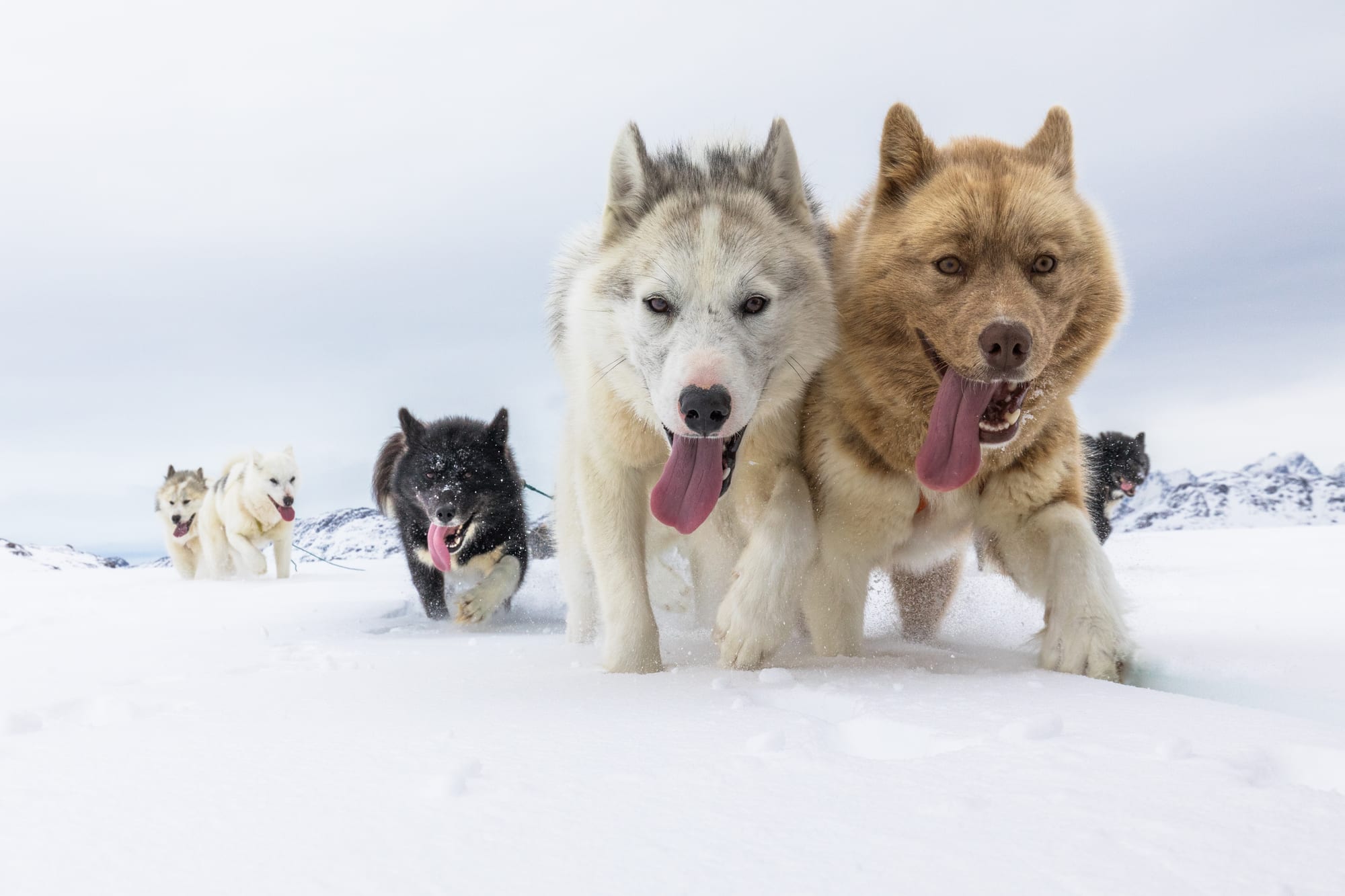
Fishing and hunting double as both work and a favourite way to spend free time, and many households head out on the water or the ice on a day off much as others might go for a countryside walk. Handball is followed and played enthusiastically nationwide, alongside football, skiing and other winter sports suited to the climate. In winter, dog sledding remains a genuine means of transport in the north and east of the country, not just a tourist activity, and dog teams are still a familiar sight on the sea ice there. Greenland also competes in the Arctic Winter Games, which Nuuk co-hosted in 2002.
A visitor's ordinary day
Greenland uses the Danish krone, with cards accepted in the towns but cash worth carrying for the smallest settlements, where facilities are basic. Because there are no roads between towns, getting anywhere beyond the town you land in means booking an internal flight, a helicopter, or, between late April and early January, a place on the west-coast ferry well in advance, and it's worth keeping spare days in any itinerary since Arctic weather can delay or cancel any of these at short notice. Since the rebuilt Nuuk Airport opened in late 2024, most international flights land in the capital rather than at Kangerlussuaq. Shops in the towns keep fairly ordinary daytime hours. Warm, layered clothing is worth having even in summer, since the weather can turn quickly regardless of season.
What to take away
An ordinary day in Greenland is set less by a clock than by geography and weather: a country where almost no two towns share a road, where the hunt still puts food on many tables, and where getting anywhere at all is itself part of the day's work.