Attractions & Natural Wonders · Gibraltar
Gibraltar: Eight Attractions and Natural Wonders
A 426-metre limestone monolith at the mouth of the Mediterranean — riddled with siege tunnels, topped by Europe's only wild monkeys, and wrapped in a British town
By Worldlore Editorial · 19 September 2026
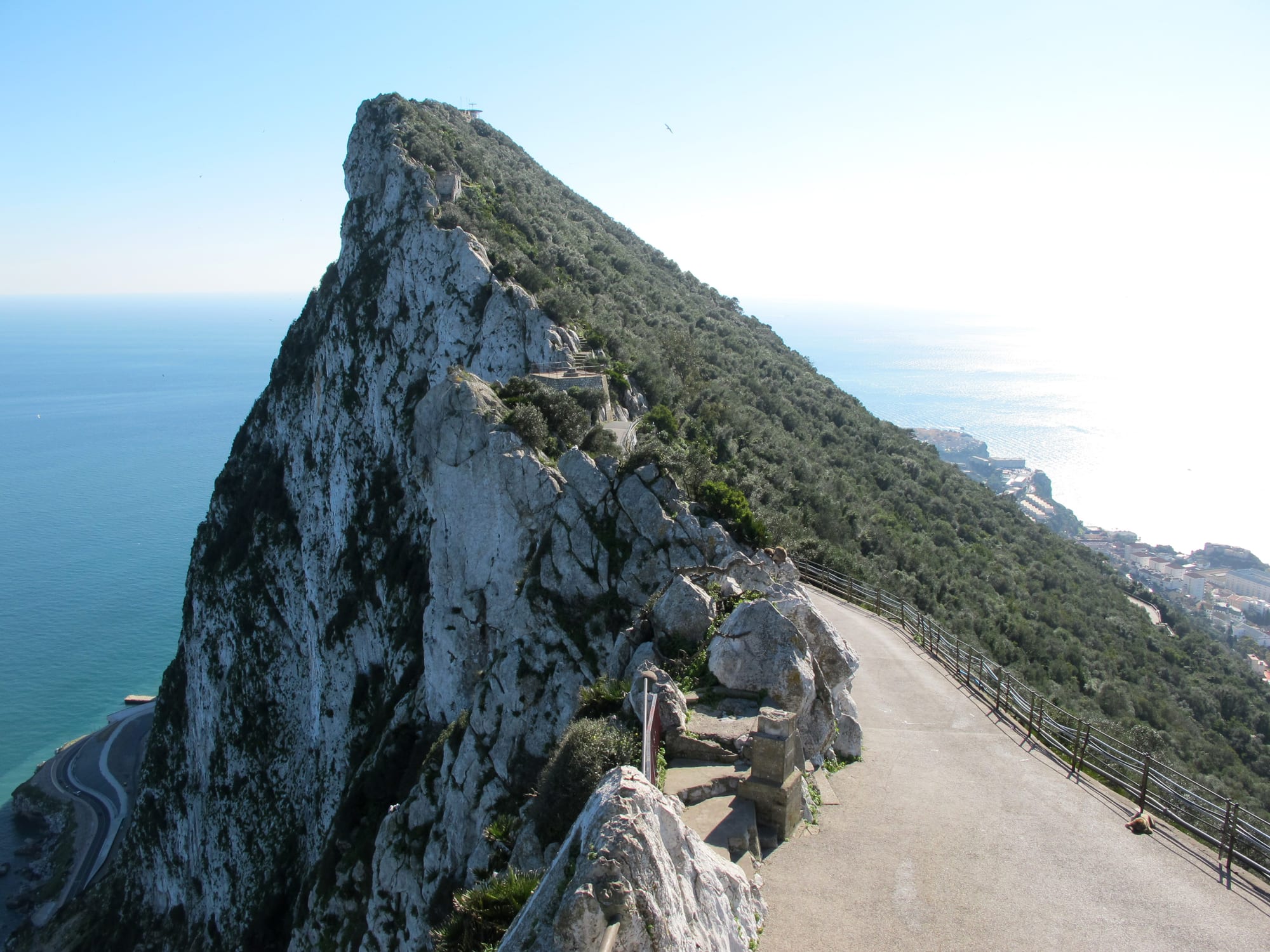
A rock at the gate of the Mediterranean
Gibraltar is a British Overseas Territory of about 34,000 people occupying a 6.7-square-kilometre peninsula at the southern tip of Spain, where the Mediterranean meets the Atlantic and Europe comes within 14 kilometres of Africa. It has been held by Britain since 1704, is claimed by Spain, and votes overwhelmingly to stay British. Almost everything of interest is on or around the Rock itself — a single ridge of Jurassic limestone — while the flat isthmus below holds the town, the harbour, and an airport runway you drive across.
The eight below can all be seen in a day or two. It is mild year-round; spring and autumn are the most comfortable, and the Rock's own weather (the "Levanter" cloud that caps it in an easterly wind) can differ from the sunshine below.
1. The Rock and the Upper Rock Nature Reserve
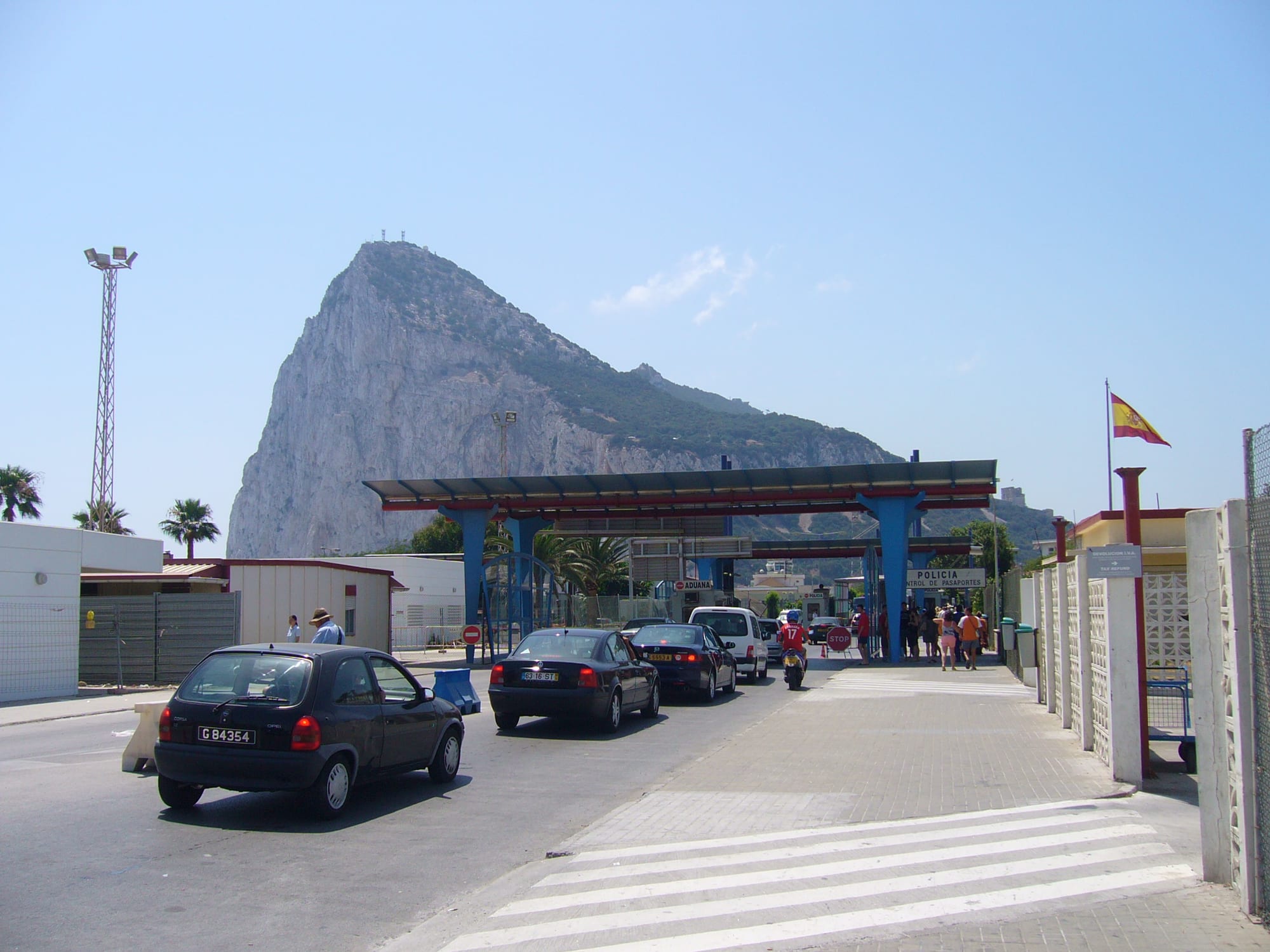
The Rock is the attraction — a whale-backed limestone ridge rising to 426 metres, its upper two-thirds a nature reserve laced with paths. A cable car climbs to the top station; from there the Windsor suspension bridge, the Skywalk glass platform, and the "Mediterranean Steps" clifftop trail give dizzying views over two seas and across to the Moroccan Rif. On a clear day the whole Strait is laid out below.
One ticket covers the reserve and its sites; allow at least half a day.
2. The Barbary macaques
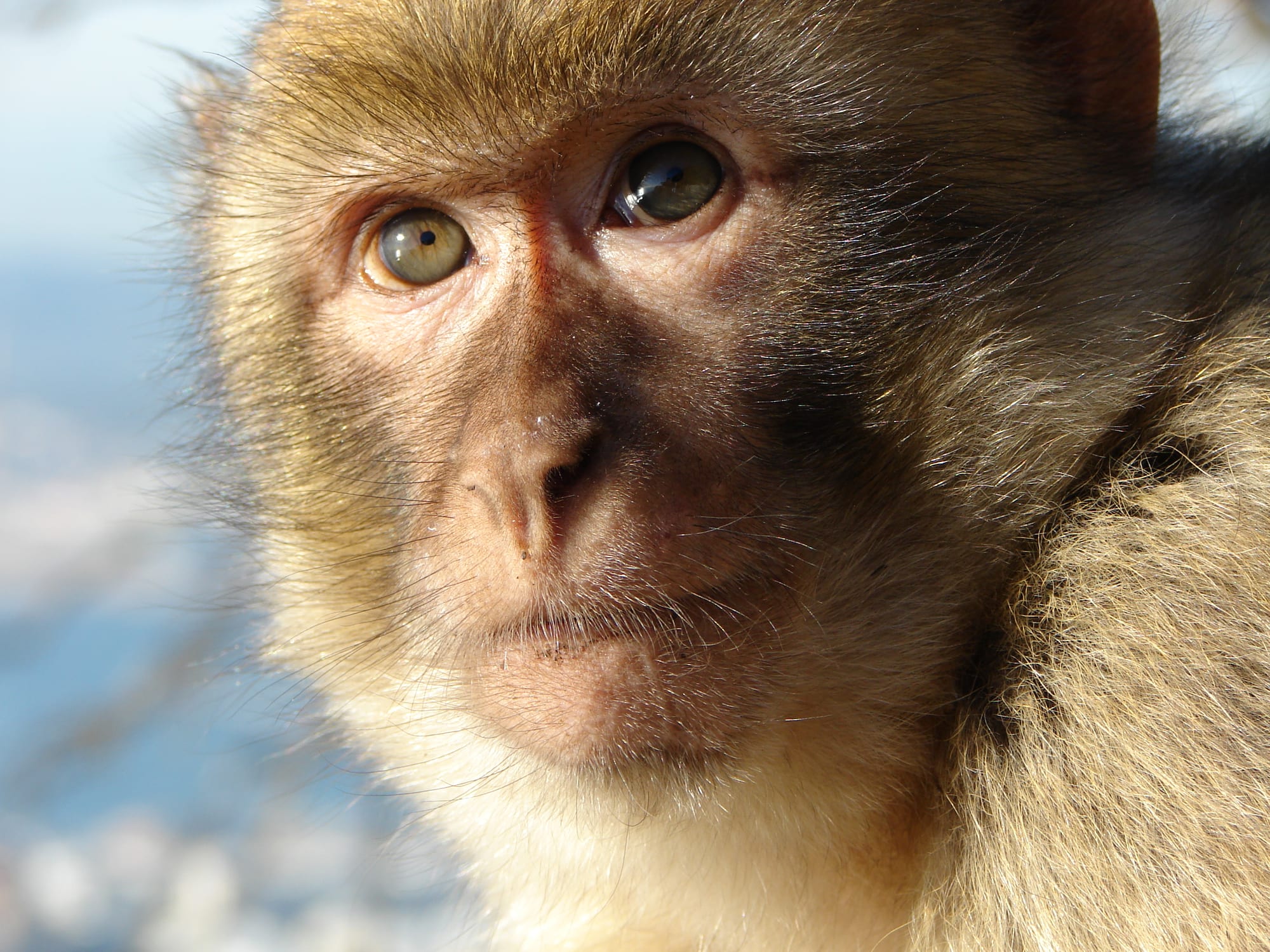
Around 300 Barbary macaques — tailless, and often called "apes" — live in troops on the Upper Rock, the only wild monkeys in Europe. Legend, encouraged by Churchill, holds that British rule will last as long as they do. They gather around the cable-car top station and Apes' Den; they are wild animals, quick to snatch bags and food, and feeding or touching them is illegal.
Keep bags closed and zipped, and don't stand between a mother and her young.
3. St Michael's Cave
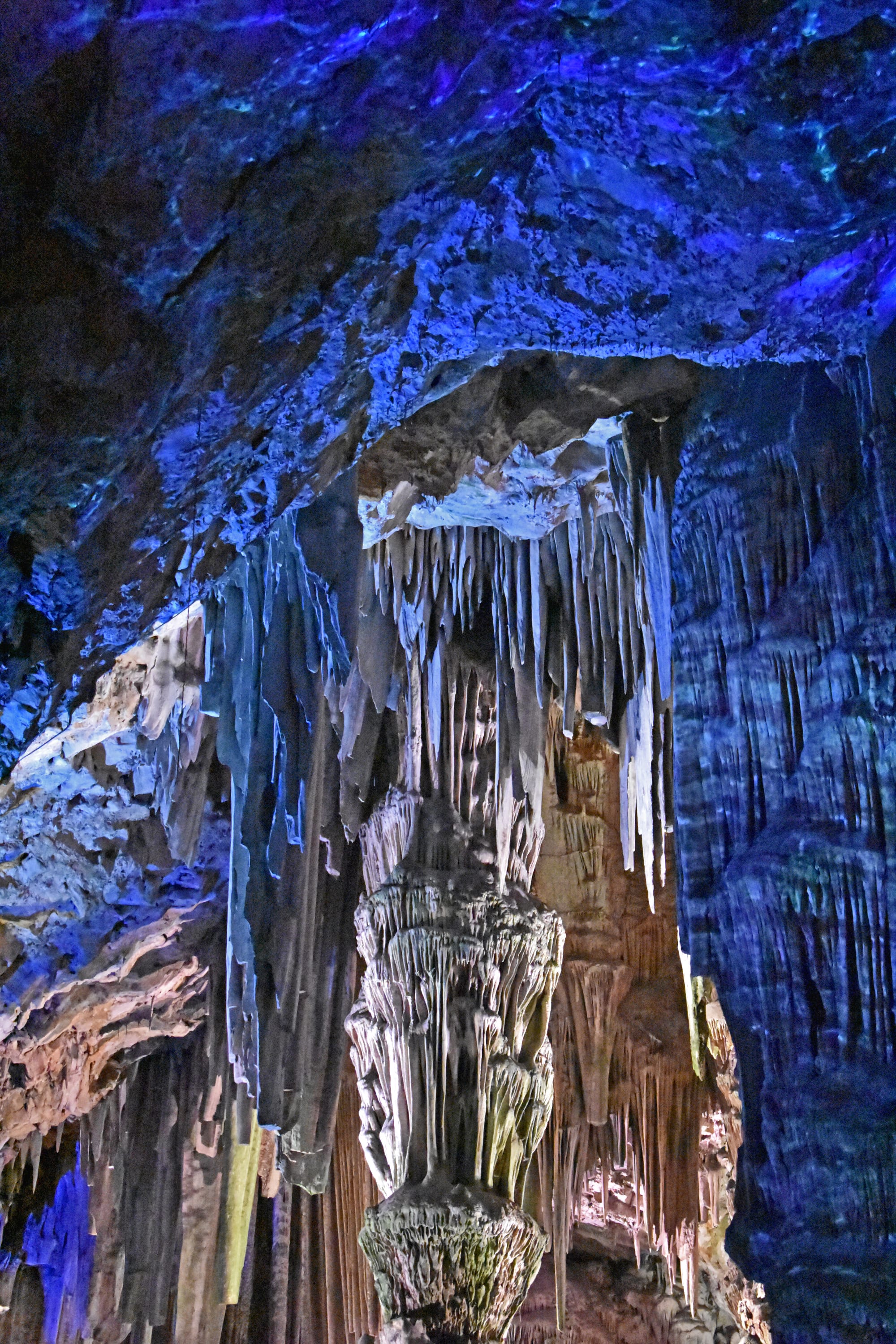
Near the top of the Rock, St Michael's Cave is a large natural grotto of stalactite chambers that the ancients believed was bottomless — a possible entry to the underworld, and, some thought, a tunnel under the sea to Africa. Prepared as an emergency hospital in the Second World War, its main hall is now a colour-lit concert and event space; the deeper "Lower St Michael's Cave" can be visited on a caving tour.
It is one of the standard stops on an Upper Rock tour.
4. The Great Siege Tunnels
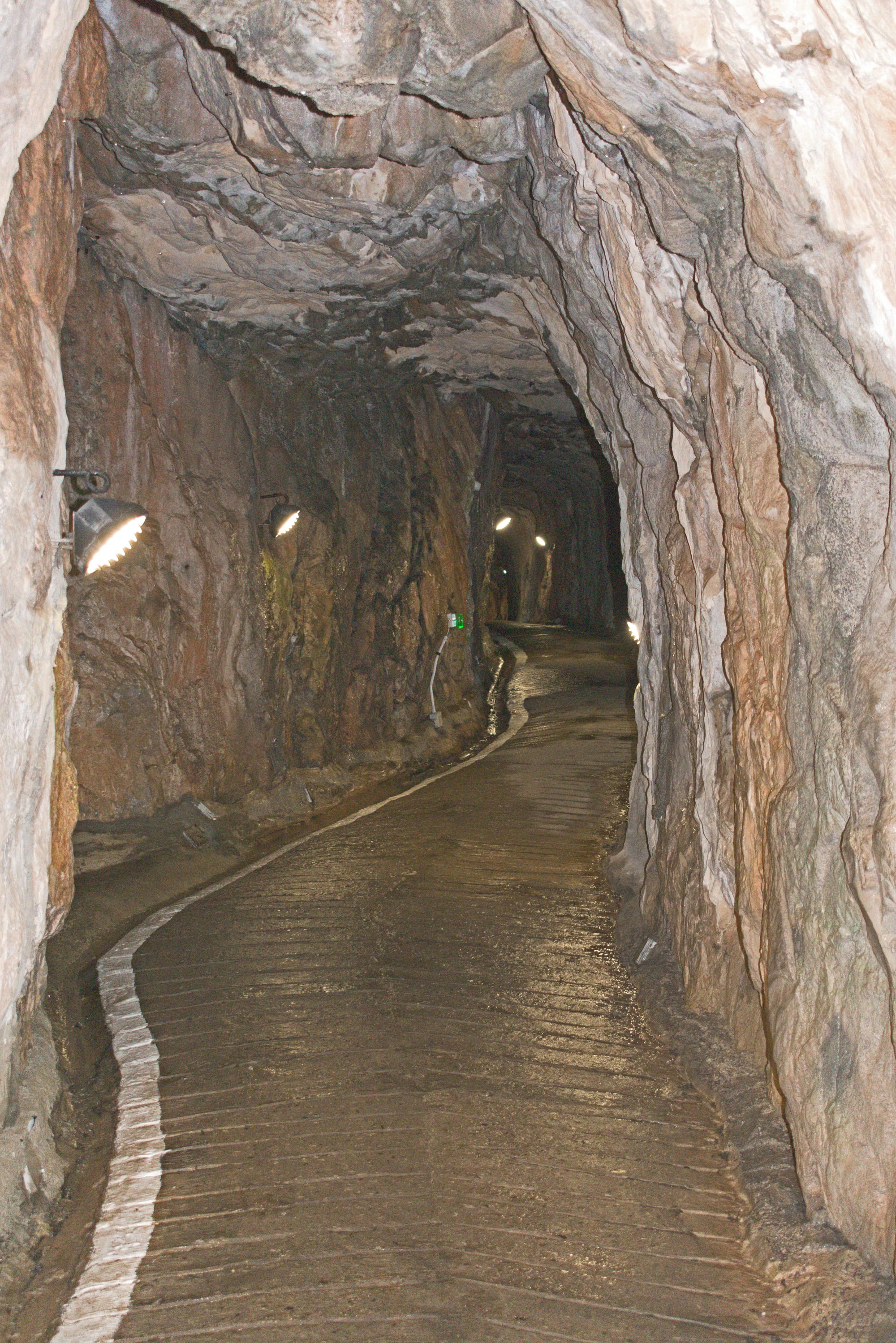
During the Great Siege of 1779–1783, when Spain and France tried to starve Gibraltar into surrender, British engineers began hacking galleries through the solid limestone of the north face to mount cannon. Later wars extended the network to some 55 kilometres of tunnels inside the Rock. The 18th-century section is open with displays, cannon, and openings looking straight down the sheer face.
The separate "WWII Tunnels" tour covers the vast wartime expansion.
5. The Moorish Castle
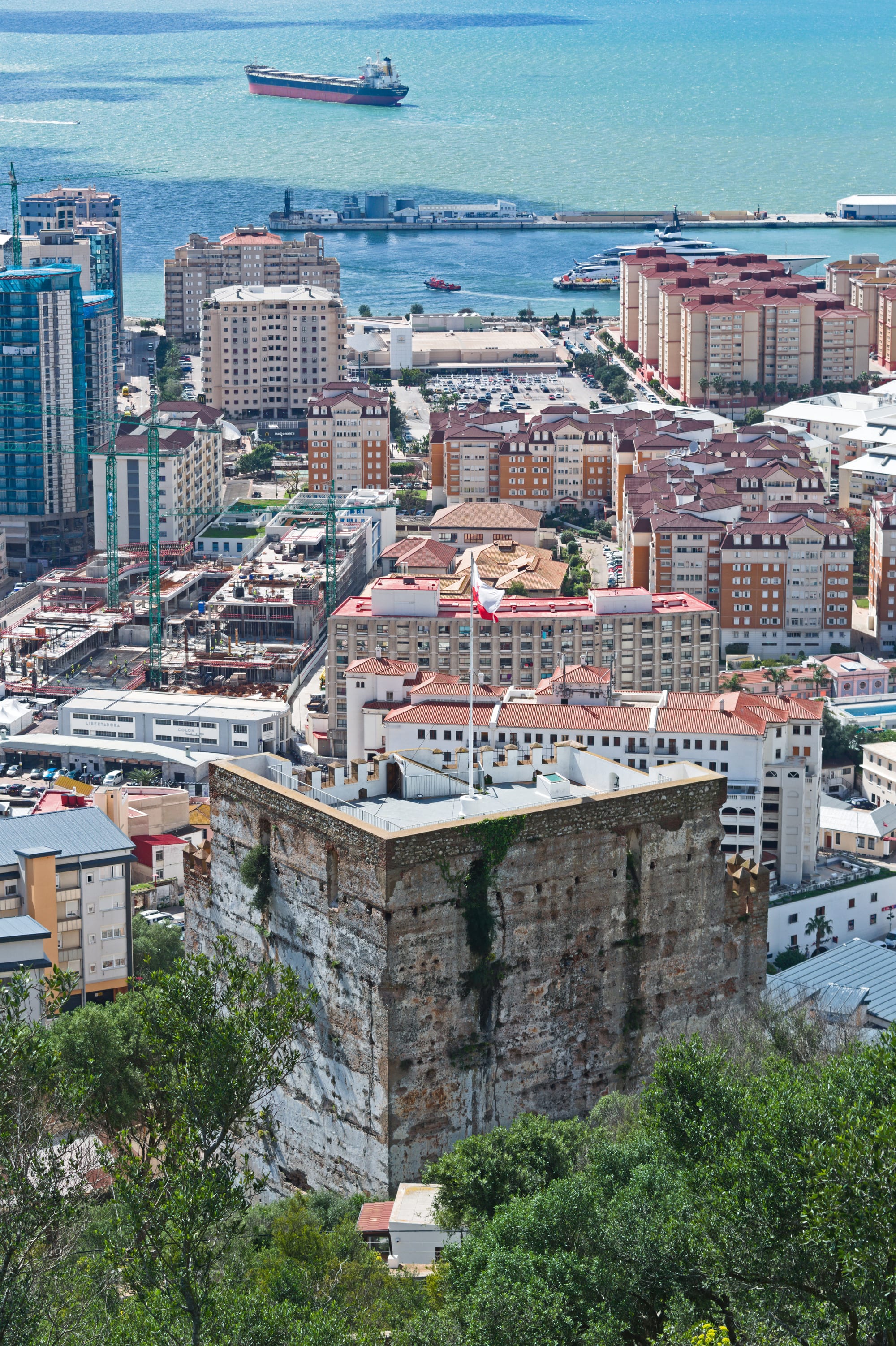
Gibraltar takes its name from the Arabic Jabal Ṭāriq — "Tariq's mountain" — after the Berber commander who landed here in 711 to begin the Muslim conquest of Iberia. The surviving Tower of Homage, a stout Marinid-era keep on the hillside above town, still carries cannonball scars from repeated sieges and flies the Union flag. It anchors a chain of walls running down to the sea.
It sits on the walking route between the town and the Upper Rock.
6. Main Street and the town
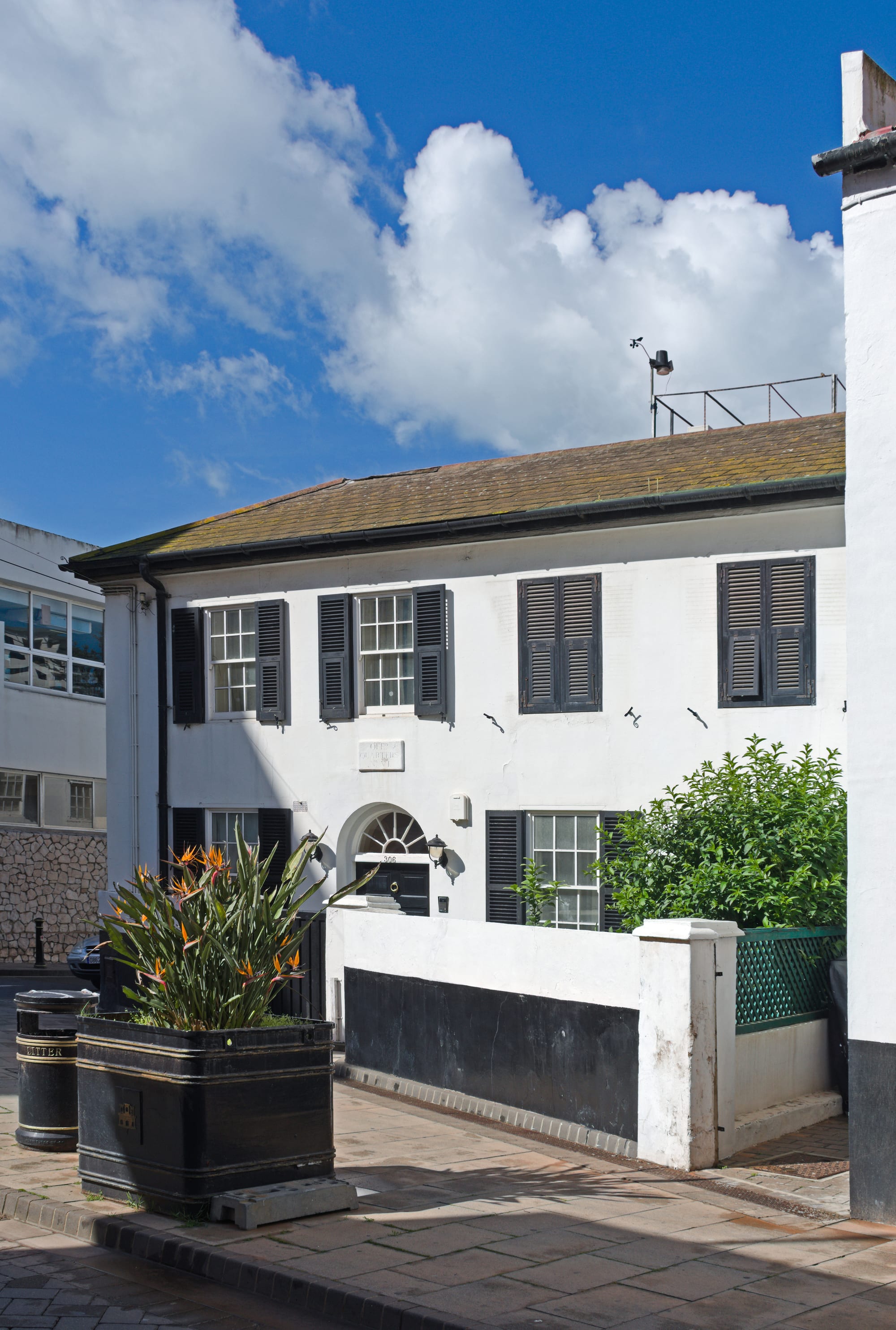
The town packs a curious blend into a few blocks: red telephone boxes, fish and chips, and a Marks & Spencer alongside Genoese shutters, a Catholic cathedral, a Great Synagogue (one of the oldest on the Iberian peninsula), a mosque, and a Hindu temple. Casemates Square is the social hub; the Gibraltar National Museum holds the Neanderthal skull found here in 1848 and a preserved 14th-century Moorish bathhouse.
Main Street is duty-free, which is why day trippers from the Costa del Sol pour in.
7. Europa Point
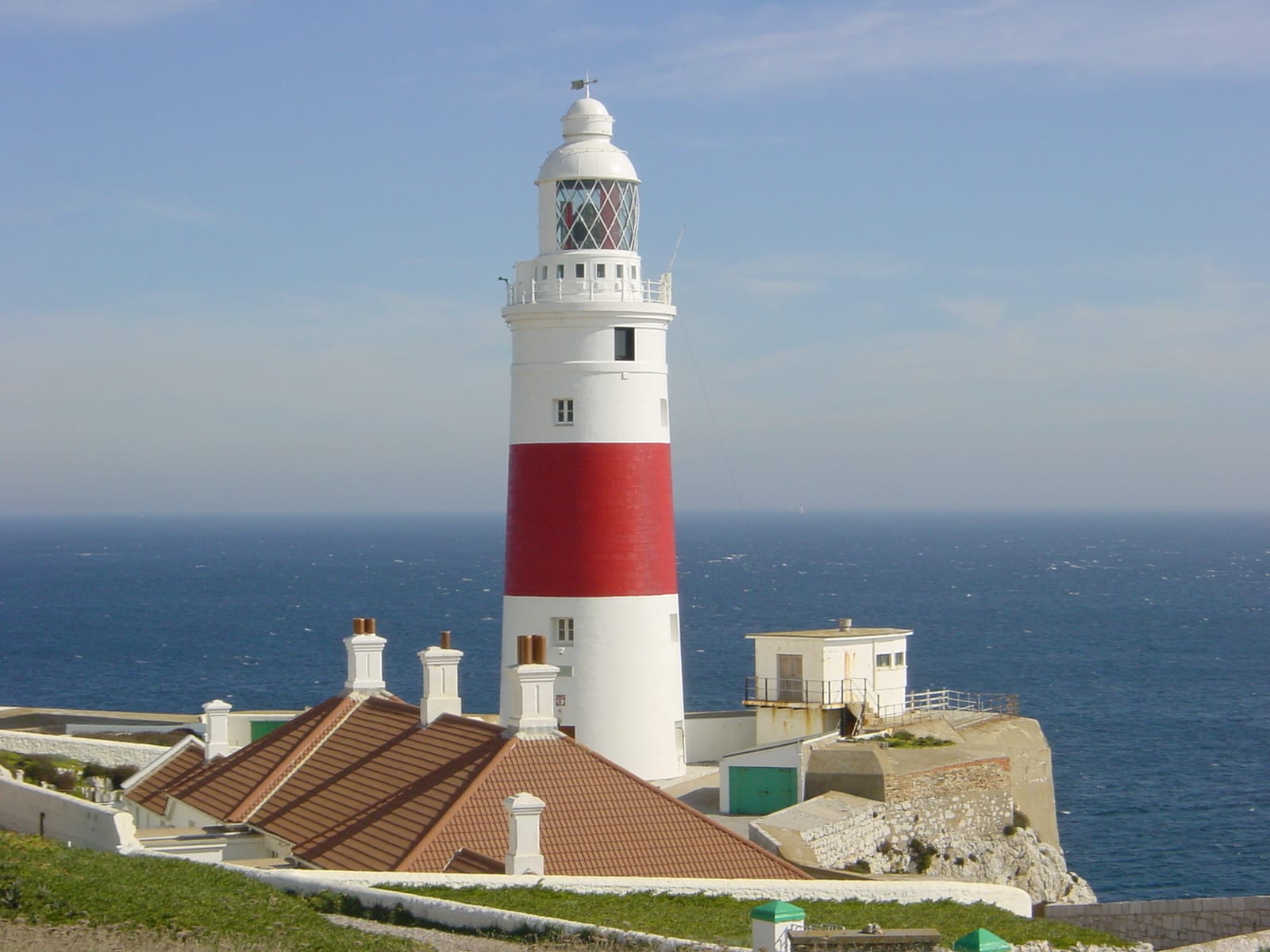
The southern tip of the peninsula is an open headland with a 19th-century lighthouse, the modern Ibrahim-al-Ibrahim mosque (a gift from Saudi Arabia), a shrine to Our Lady of Europe, and a cricket ground. On a clear day the mountains of Morocco stand out sharply across the 22-kilometre Strait, and you may see tankers queuing and dolphins in the bay.
Dolphin-watching boat trips leave from the marina in the harbour below.
8. Catalan Bay and the east side
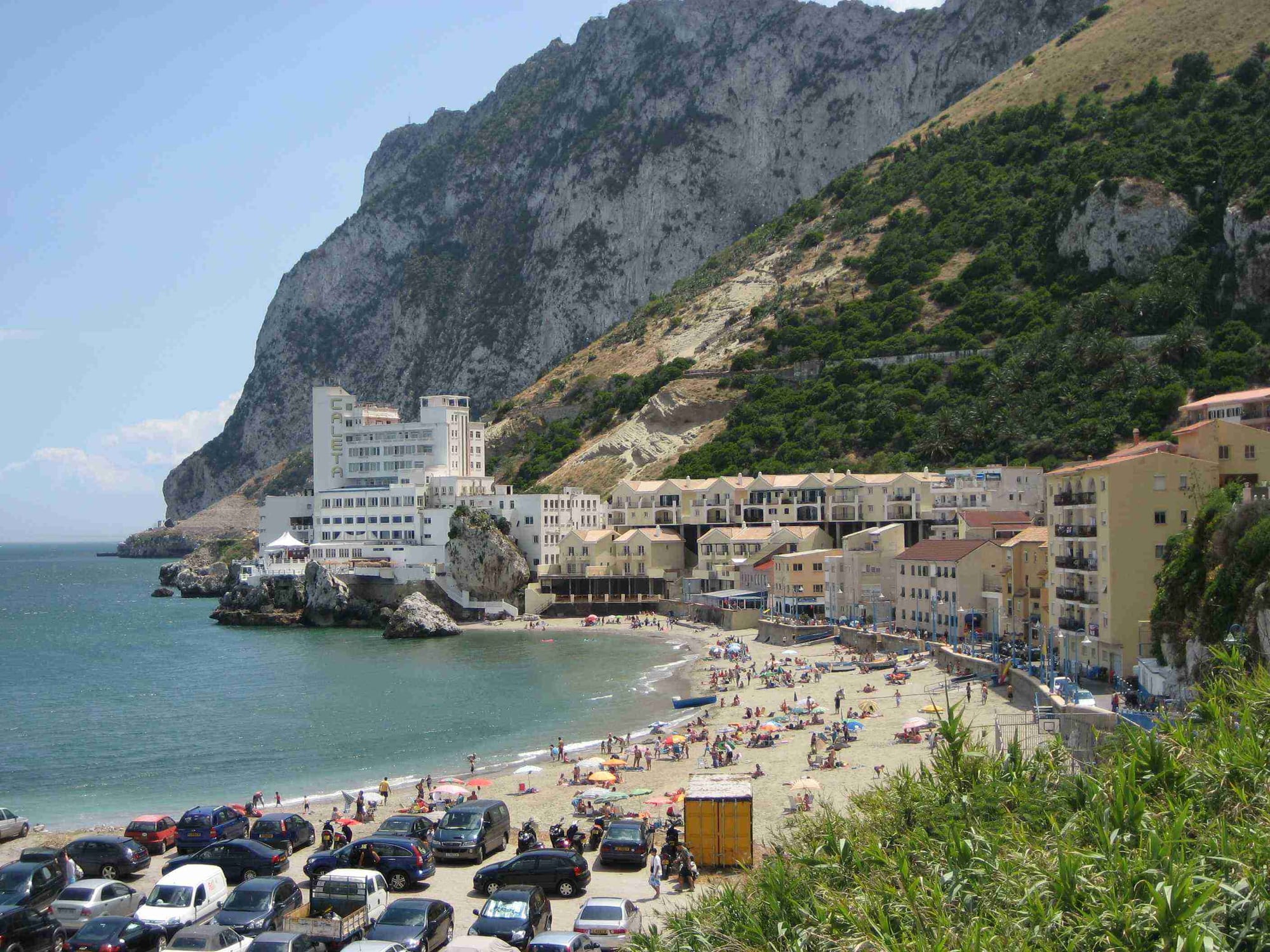
Most of Gibraltar's population lives on the west side, facing the harbour, but the steep eastern side has its beaches: Catalan Bay (La Caleta), a small sand cove below the cliffs with a village that traces its origins to Genoese fishermen, plus Sandy Bay and Eastern Beach next to the airport. Above them, the vast concrete "water catchments" that once channelled rainwater into the Rock's reservoirs have mostly been removed.
The bays are a short bus ride through a road tunnel from the town.
Gibraltar is a stopover or a day trip more than a destination — easily done from the Costa del Sol or as a night's stay. A full day covers the Upper Rock and its sites plus Main Street; a second day adds Europa Point, the beaches, and a dolphin trip.