Daily Life · Germany
Germany: Sunday Quiet and the Allotment Garden
A country where shops close by law on Sundays, the school day for younger children often ends before lunch, roughly half of school leavers train through paid apprenticeships, and nearly 900,000 small rented gardens give city households a patch of ground to tend at the weekend
By Worldlore Editorial · 30 September 2026
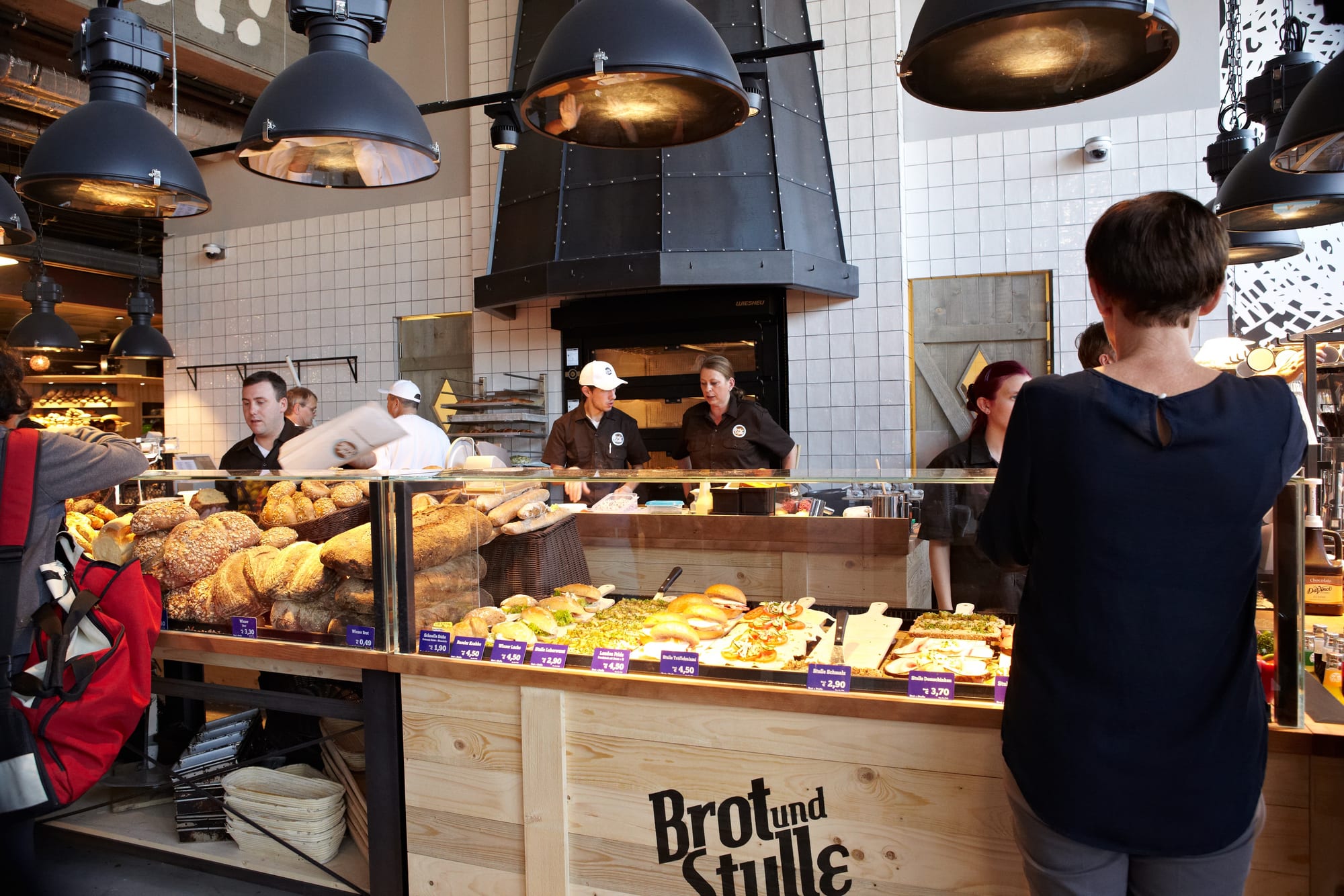
Germany runs on a mix of firm structure and small, well-protected pockets of downtime. Shops shut by law on Sundays nationwide, the school day for younger children can still end before lunch, and roughly half of all school leavers head into paid, structured apprenticeships rather than straight into further study. Fresh bread bought each morning, a weekly market held on the same day and square year after year, and a small rented garden plot outside the city are all still ordinary parts of how many German households actually spend their time, alongside the office jobs and factory shifts that make up the country's economy.
Family and home life
Most German households today are built around a single or two-parent nuclear family rather than an extended multigenerational one, though grandparents often live nearby and help with childcare rather than under the same roof. Family life has changed noticeably over the past few decades: roughly a third of children are now born outside marriage, a sharp rise since 1990, and a large share of children have a migrant background, about 40 per cent of under-fives in 2019, reflecting Germany's history of labour migration and, more recently, refugee resettlement. Housing is a mix of flats in the cities, where renting rather than owning is the norm, and detached or semi-detached houses in smaller towns and the suburbs.
Work, school and the rhythm of the day
Younger schoolchildren traditionally attend only in the morning, starting around 7:30 to 8:15 and often finishing by early afternoon, built around 45-minute lessons with short breaks; older students increasingly have afternoon lessons too, at schools that have moved to a full-day model, sometimes running until early evening. Around half of all school leavers go into Ausbildung, a dual system combining paid, on-the-job training at a company with part-time vocational school, typically over two to three and a half years — a well-established route into skilled trades and technical careers that doesn't require university. Office and factory work generally runs a standard week with clearly bounded hours, reflecting a labour culture that treats time off as a protected entitlement rather than a favour.
Community life and public spaces
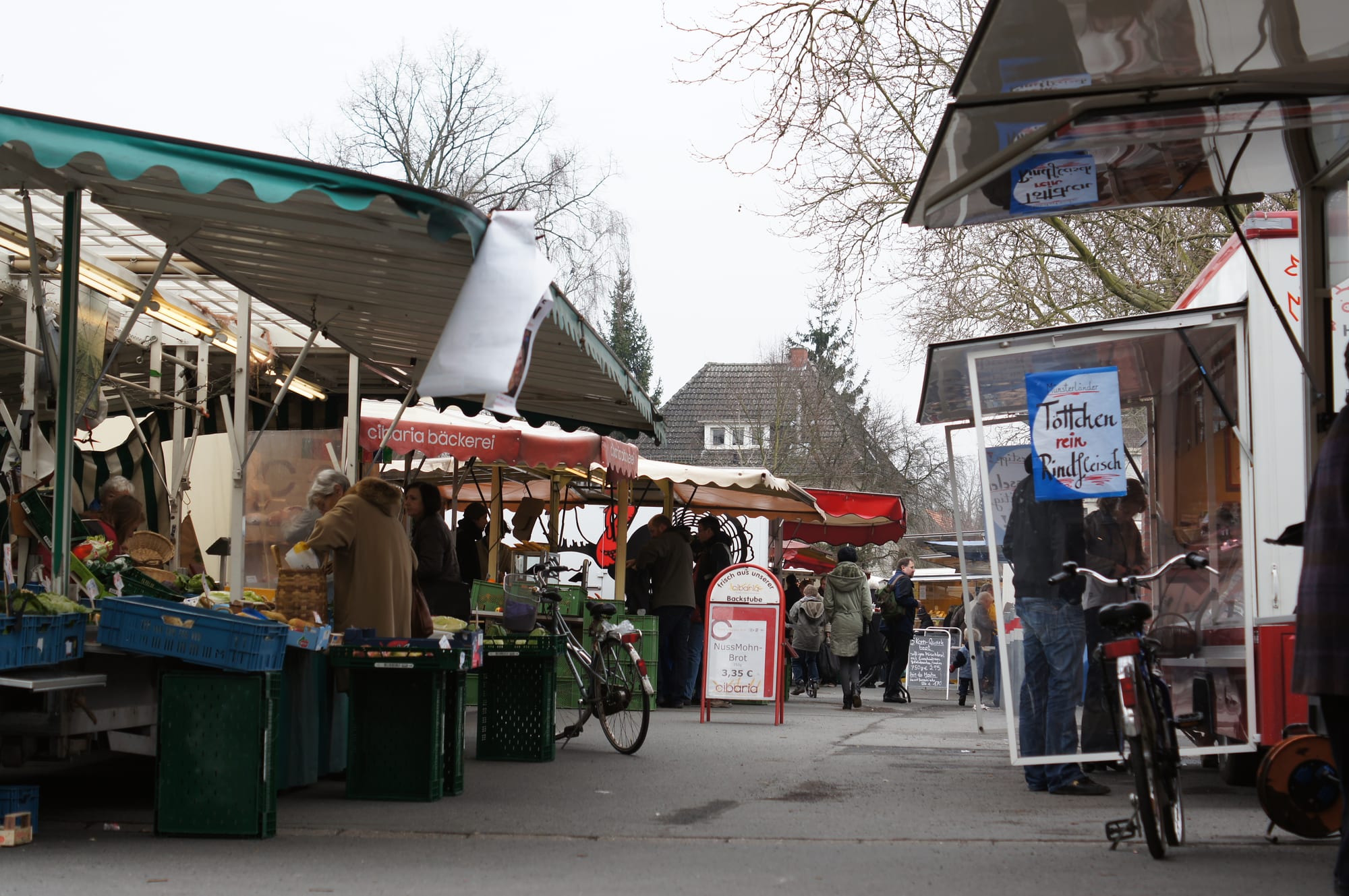
A weekly market, or Wochenmarkt, held on the same square on fixed days each week is still a normal source of bread, produce and flowers in many German towns, existing alongside supermarkets rather than being replaced by them. Shops must close on Sundays and public holidays nationwide, a day of rest protected by the constitution, with exceptions such as pharmacies, petrol stations and station shops, while weekday hours are set by each state, so the pace of a Sunday in a German town is visibly different from the rest of the week. Public transport is dense and well used in the cities, with trams, buses and S-Bahn or U-Bahn trains carrying most commuters, while cycling is a genuinely everyday way of getting around, not just a leisure activity, in cities such as Münster.
Free time and weekends
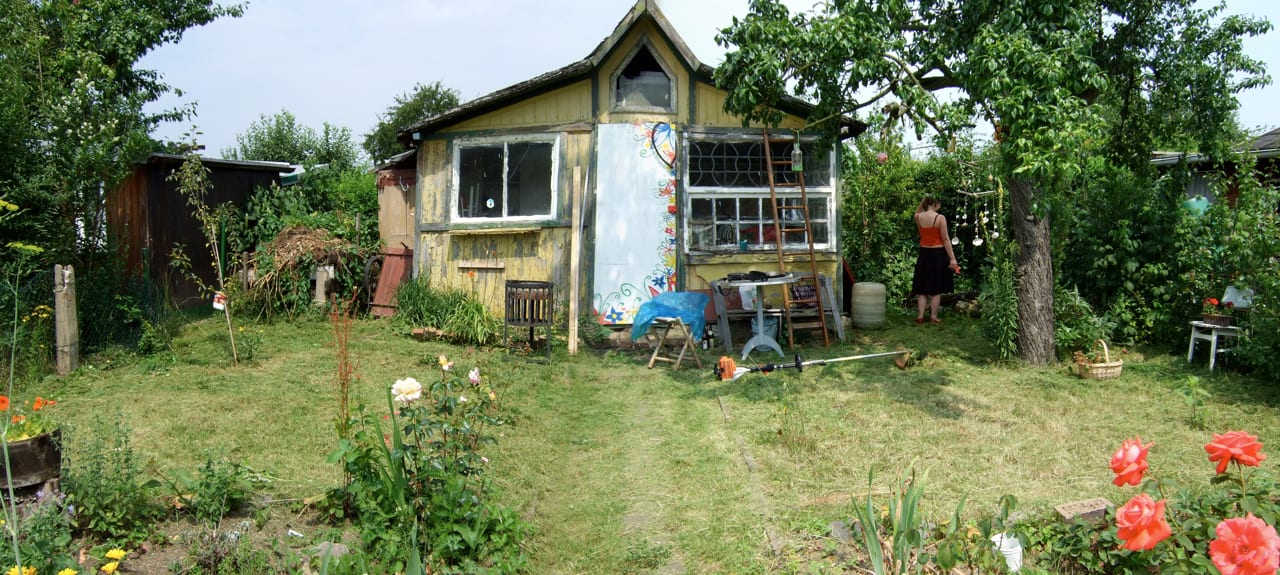
Weekends often mean a trip to a family's own allotment garden, tending vegetables, fruit trees and flowerbeds on a small rented plot outside the city, a tradition going back to the 1860s that remains popular today. Sunday itself, closed shops and all, is treated as a genuine day of rest, often spent on a walk, a bike ride, or visiting family rather than running errands. Membership in a local club, or Verein, covering everything from football to choir singing to volunteer fire brigades, is very common and structures a great deal of organised free time outside the household.
A visitor's ordinary day
Germany uses the euro, and while cards are increasingly accepted, plenty of bakeries, small shops and bars still take cash only, so it is worth carrying some. Shops generally open by around nine or ten; closing times on weekdays and Saturdays are set by each state, from 8 pm in Bavaria and Saarland to much later in most others, and shops are largely shut on Sundays apart from those at stations, airports and petrol stations, which can catch first-time visitors out if they arrive expecting normal weekend shopping. Trains and city transport are extensive and largely run to schedule, though punctuality on the long-distance ICE network has become less reliable in recent years, so it is worth building in some buffer time when connecting between trains.
What to take away
An ordinary day in Germany runs on rules that mostly work in people's favour: protected working hours, a legally quiet Sunday, and, for a good many households, a small rented garden that gives the week somewhere to land.