Culture & Customs · Germany
Germany: Order Outside, Warmth Within
A firm handshake and a surname, a quiet Sunday, a candle lit for each week of Advent, and a directness that can seem brusque until the friendship it protects becomes clear
By Worldlore Editorial · 30 September 2026
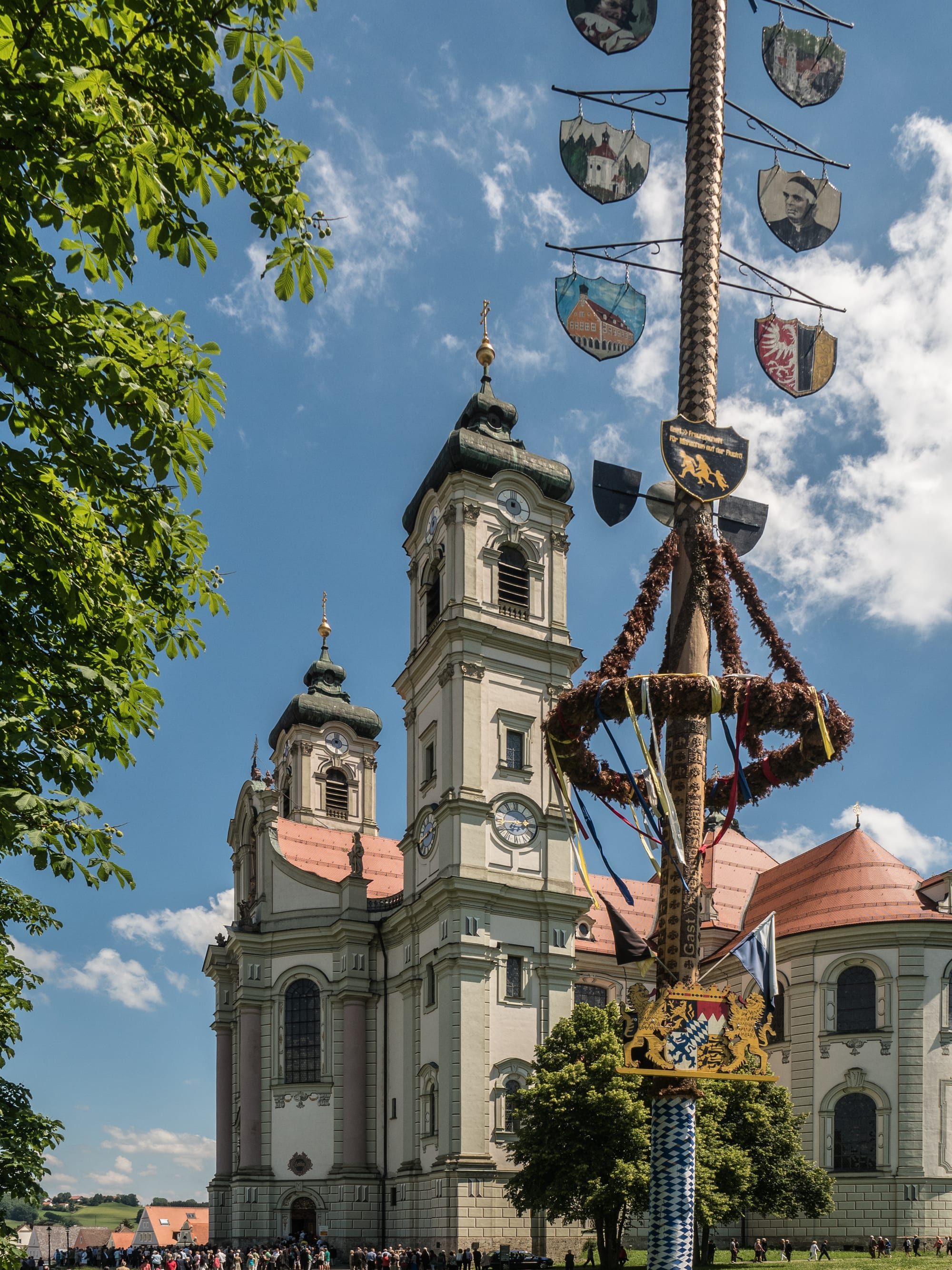
Dinner is at seven, and at seven the doorbell rings. The guest shakes hands firmly with each person in turn, looking them in the eye, and hands over a small bunch of flowers, unwrapped, in an odd number. At the table nobody lifts a fork until the host says "Guten Appetit", and when the wine is poured each glass is raised with a "Prost" and a steady look at every other drinker. Conversation is frank; opinions are given plainly and argued over with some relish. None of this is cold. Germans tend to keep a clear line between public and private life, and the courtesies that mark the line can look formal from outside. Once across it, visitors often find a warmth and loyalty that the order of the evening was quietly protecting.
Faith, identity and values
Germany is a country of cathedrals, parish churches and church bells, but also one of the more secular societies in Europe. According to 2023 estimates cited by the Cultural Atlas, almost half of Germans do not identify with any religion. Most of the rest are Christians, divided between the Roman Catholic Church and the Protestant churches, and Islam is the largest non-Christian faith, with estimates of its share of the population ranging from about 5 to 7 per cent. Belief is generally treated as a private matter, and only a minority of Germans say religion plays a central part in their lives.
The religious map still follows lines drawn in the sixteenth century, when whole towns adopted the faith of their ruler at the Reformation. Catholics remain concentrated in the south and west, Protestants in the north and east. The east is also markedly less religious than the west, a legacy of the four decades of communist rule in the German Democratic Republic, during which the state actively worked to reduce the influence of the churches and membership fell sharply.
Several values recur whenever Germans describe themselves. The phrase "Ordnung muss sein", "there must be order", captures a preference for planning, clear rules and doing things properly. Punctuality is expected, and cancelling at the last minute is poorly received. Privacy is guarded carefully, and colleagues are often kept at a professional distance. Germans are also known for their directness: honesty is valued over tactful vagueness, small talk is kept short, and a disagreement or a pointed correction is usually meant as useful information rather than an insult. A strong regional loyalty sits alongside national identity, and many Germans feel more attached to their home region than to the country as a whole. The lessons of the twentieth century run deep, too, fostering a wariness of loud national pride and a strong tradition of critical thinking about the past.
Greetings and meeting people
The standard greeting is a firm handshake with direct eye contact, offered on arrival and again on leaving. Close friends may hug, and younger people sometimes exchange kisses on the cheek, but a handshake is always a safe choice with anyone not yet well known. "Guten Tag" and "Hallo" are the everyday greetings; in the south, the traditional "Grüß Gott", literally "greet God", is also common.
Formality of address matters more than in the English-speaking world. In professional and formal settings people are addressed as Herr or Frau with their surname, and the formal "Sie" is used for "you". The switch to first names, and to the familiar "du", follows only when it is offered, and it is best not to presume it.
Conversation tends to get to the point quickly. Germans enjoy irony and wordplay, but self-deprecating humour can be taken at face value, as a genuine lack of confidence. People keep about an arm's length apart when talking. Pointing at someone with the index finger is considered rude, and it is courteous to ask before photographing or filming anyone. Care is needed with the history of the Second World War and the Nazi era: these are discussed seriously in Germany, jokes about them are not appreciated, and the Nazi salute, like Nazi symbols, is a criminal offence.
Hospitality and being a guest
An invitation to a German home is a mark of real friendship, and it comes with a few clear expectations. Guests arrive on time, or at most a few minutes late. Flowers, wine or good chocolates make suitable gifts. Flowers are given in an odd number and with the paper removed; red roses are best avoided because they signal romance, and carnations, lilies and chrysanthemums because they are associated with funerals. Once inside, guests stay in the rooms they are shown and do not wander through the rest of the house. An afternoon visit for coffee and cake tends to last longer than a brief daytime call, which may be over within an hour or two.
At the table, the meal begins when the host says "Guten Appetit", and drinks wait for the host's toast. The customary "Prost" is made while looking each person in the eye. Hands are kept visible above the table rather than in the lap, though elbows stay off it. Clearing the plate is a compliment to the cook, so it is wise to take modest helpings. Mineral water, juice, beer or wine are usually offered with a meal rather than tap water.
Eating out has its own etiquette. Tipping is optional because service staff are paid a wage, but rounding up the bill or adding around ten per cent is usual for good service. Rather than leaving coins on the table, the diner tells the server the total they wish to pay, tip included, as they hand over the money, or simply says "stimmt so", "keep the change". Cash is still widely preferred for tips, even when the bill itself is paid by card.
Good manners extend to the neighbours. Quiet hours are taken seriously: noisy activities such as drilling, hammering, vacuuming or music that can be heard next door are avoided between 10 p.m. and 6 or 7 a.m., and for the whole of Sundays and public holidays, and many places also keep a midday quiet period.
Festivals and life's big moments
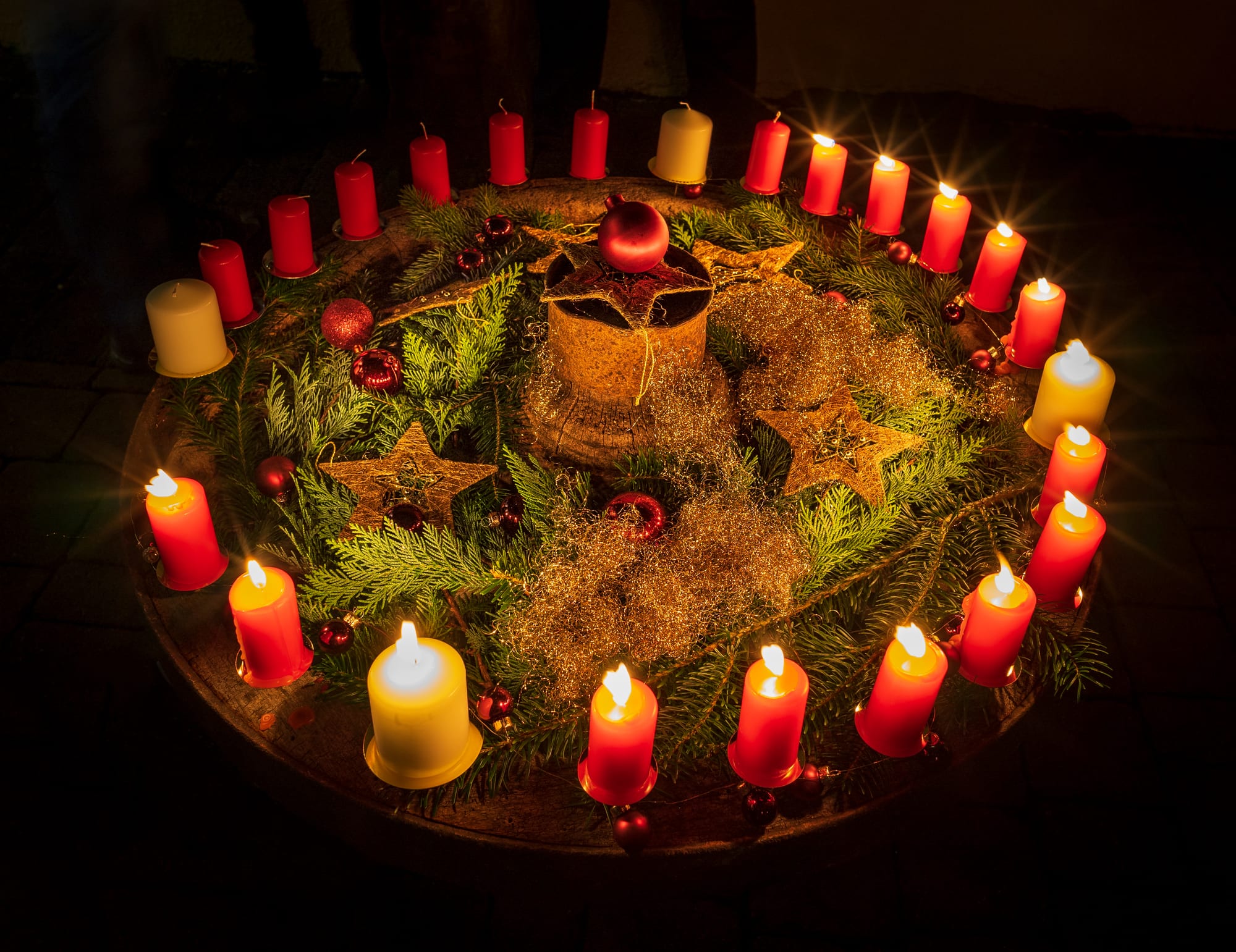
The run-up to Christmas is the most atmospheric season of the German year. Homes and churches light the Advent wreath, one more candle each Sunday, and children open the 24 little doors of an Advent calendar. On the night of 5 December they put polished shoes or boots outside the door, to be filled by Saint Nicholas with sweets, nuts and tangerines by the morning of the 6th. Christmas markets open from late November, selling gingerbread, stollen and wooden carvings; the oldest, Dresden's Striezelmarkt, dates back to 1434.
Autumn brings Saint Martin's Day on 11 November. As darkness falls, children carrying paper lanterns, often made at school or kindergarten, walk through the streets singing, led by a rider in a red cloak who represents Martin, the Roman soldier remembered for cutting his cloak in half to share with a beggar. Roast goose is the traditional meal. Once a Catholic custom, the lantern processions are now common in Protestant areas too.
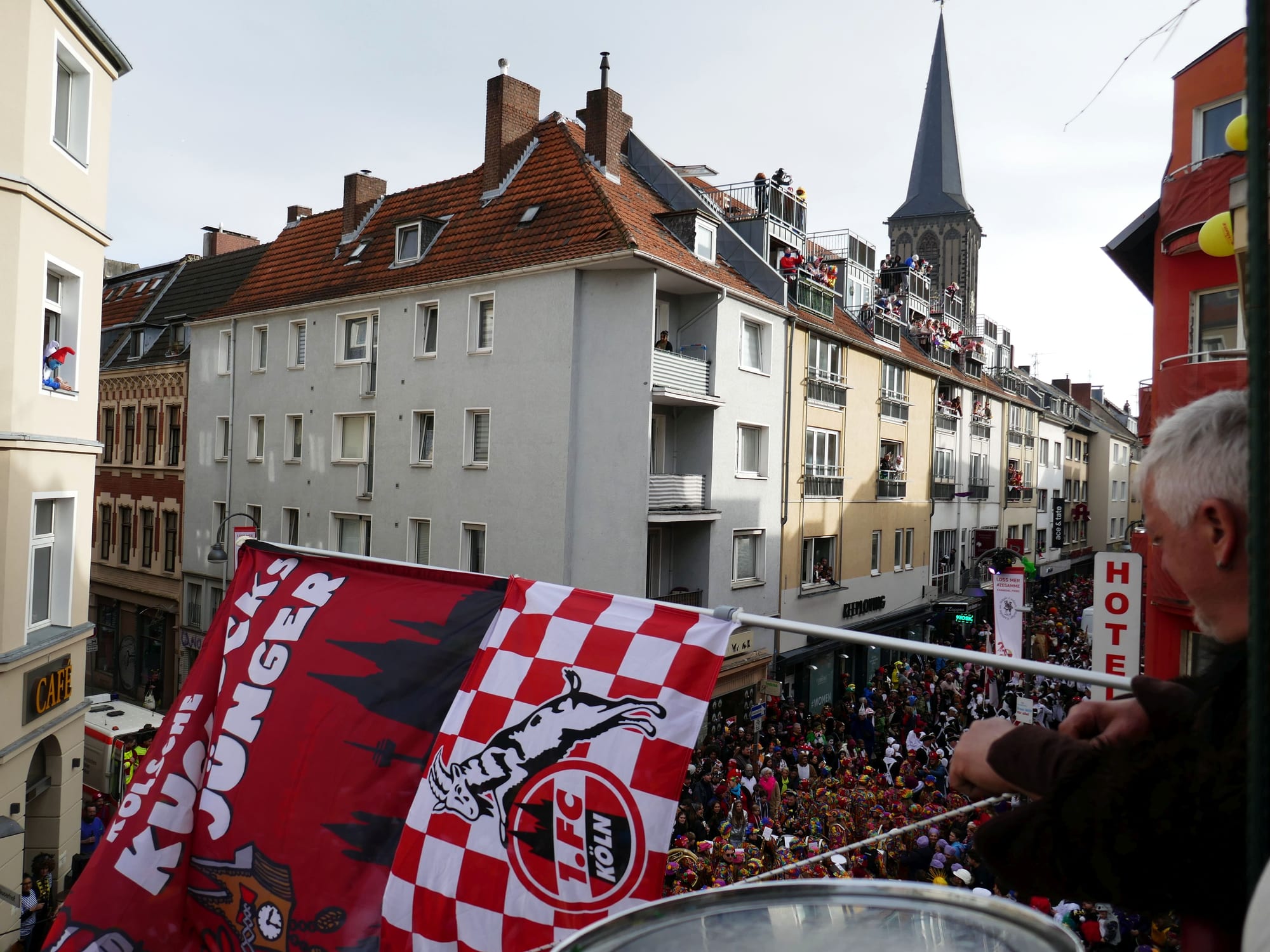
The same date opens carnival, often called the "fifth season", which begins at 11.11 a.m. on 11 November in its strongholds. It returns in full force in the days before Lent, when it is known as Karneval, Fasching or Fastnacht depending on the region. Women's Carnival on the Thursday opens the final week, and on Rose Monday huge parades wind through the streets, with sweets thrown from the floats to crowds in costume shouting "Alaaf" or "Helau". Cologne's parade alone draws well over a million people. Everything ends on Ash Wednesday.
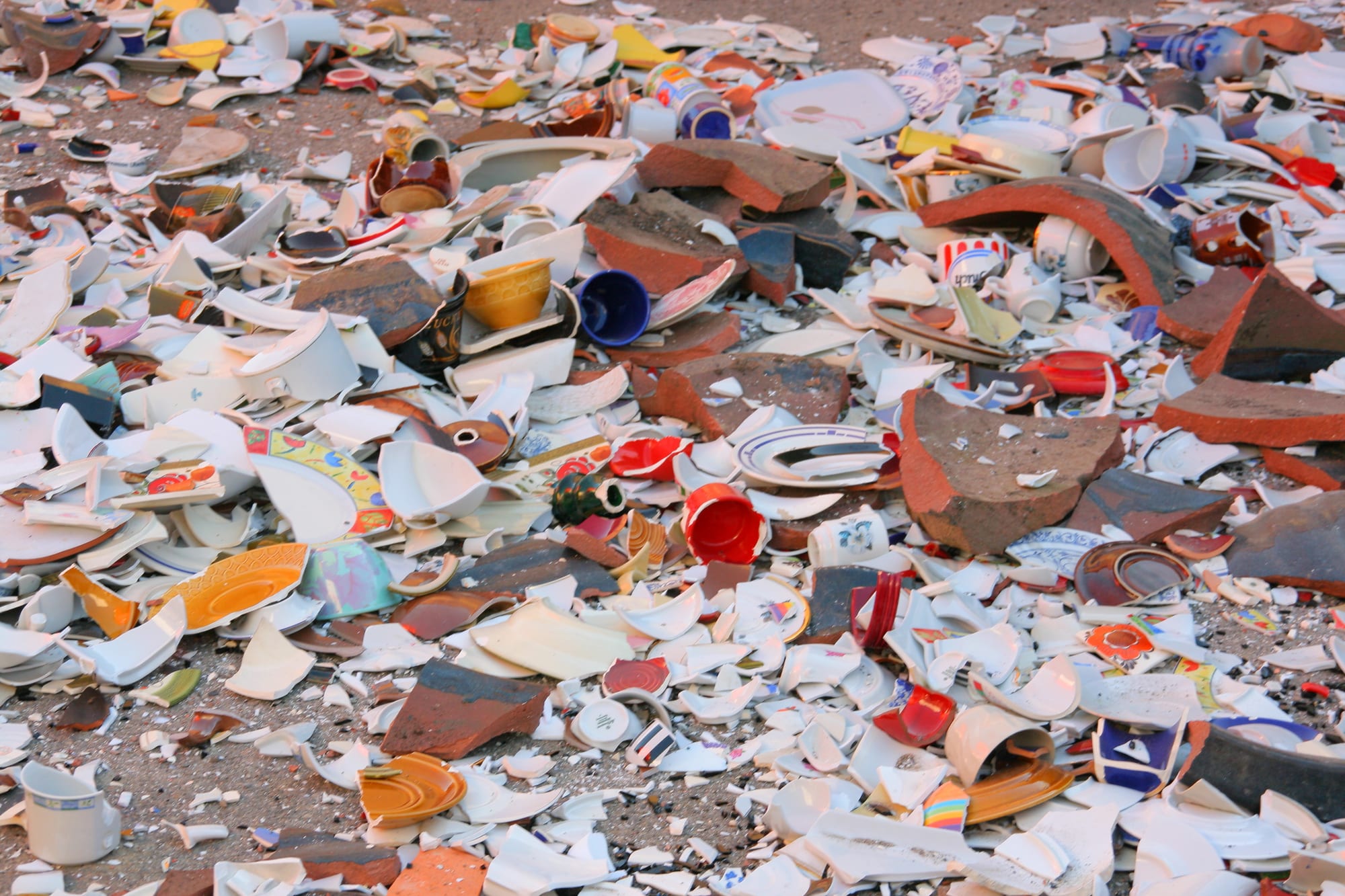
Weddings keep a clear division between the legal and the religious. A marriage is only valid once it has been performed at the Standesamt, the civil registry office, and a church ceremony, if there is one, is optional. Many couples marry after living together, typically in their late twenties or later. The night before the wedding may bring the Polterabend, when friends and family smash stoneware and porcelain, but never glass, to drive away bad luck, and the couple sweep up the shards together as a first joint task. Other customs include a veil dance, in which guests try to tear pieces from the bride's veil, and the groom carrying the bride over the threshold.
Mourning is quiet and dignified. Black clothing remains standard at funerals, flowers are customary, and money is often given to help the family with the considerable cost. Condolences are expressed briefly, with "Mein herzliches Beileid", heartfelt condolences, and on understated cards, often black-bordered, that open "In stiller Anteilnahme", in silent sympathy. After the funeral the family usually invites mourners to a simple meal, traditionally called the Leichenschmaus, of coffee, cake or soup. Practical help, such as offering to do the shopping, is valued more than grand gestures.
Arts, crafts and music
Germany's musical inheritance, from Bach and Beethoven to Brahms, is part of everyday civic life through a dense network of state-funded orchestras, theatres and museums, and the country's craft traditions are just as alive. Organ building is one of the most striking. UNESCO has listed German organ craftsmanship and music as intangible heritage, noting some 400 medium-sized workshops, as well as larger family-owned firms, where the skills pass from master to apprentice alongside training at vocational schools and universities. The instruments they build are heard above all at church services and concerts, and at the festivities that bring communities together.
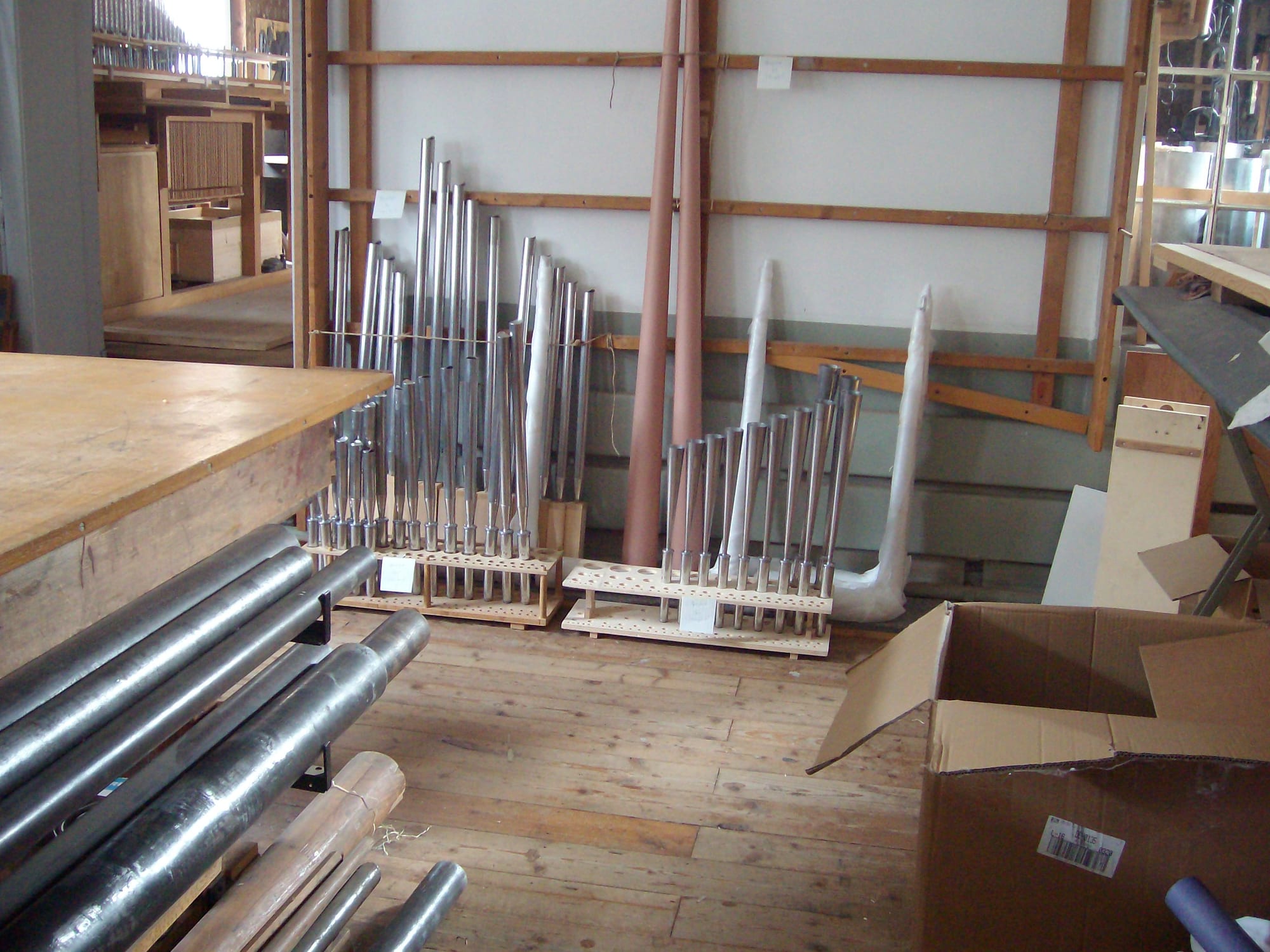
Other living traditions on UNESCO's list show how widely the country values practical skill. They include handmade glass production; resist block printing and indigo dyeing; timber rafting; traditional irrigation; falconry; and midwifery. Germany's list even includes an idea: the practice of organising shared interests in cooperatives. The practice of modern dance in Germany has also been recognised, and the craft techniques and customs of the cathedral workshops, or Bauhütten, shared with other European countries, are on UNESCO's register of good safeguarding practices. Together they are a reminder that the country's living heritage is not only a matter of old crafts.
Dos and don'ts for visitors
- Do arrive on time, and let people know in good time if plans change; last-minute cancellations are poorly received.
- Do shake hands with eye contact, and use Herr or Frau with the surname until invited to use first names.
- Do bring flowers in an odd number with the wrapping removed, and avoid red roses, carnations, lilies and chrysanthemums.
- Do wait for "Guten Appetit" before eating, and look each person in the eye when saying "Prost".
- Do tell the server the total including any tip when paying, rather than leaving money on the table.
- Do keep noise down late at night and all day on Sundays and public holidays.
- Don't point at people with a finger, and ask before taking anyone's photograph.
- Don't joke about the Nazi era or make comparisons with it; the Nazi salute and Nazi symbols are illegal.
What to take away
German customs reward those who respect the rules of the public sphere — time, order, plain speaking and quiet — because behind that order lies a private world of candlelit wreaths, long dinners and loyal friendships that visitors are warmly welcomed into once trust has been earned.