Daily Life · The Gambia
The Gambia: The Rhythm of the River and the Rains
A country never more than 48 kilometres wide, built entirely around its river, where large households share one compound, the single rainy season sets the farming calendar, and Friday prayers anchor a week lived mostly outdoors
By Worldlore Editorial · 30 September 2026
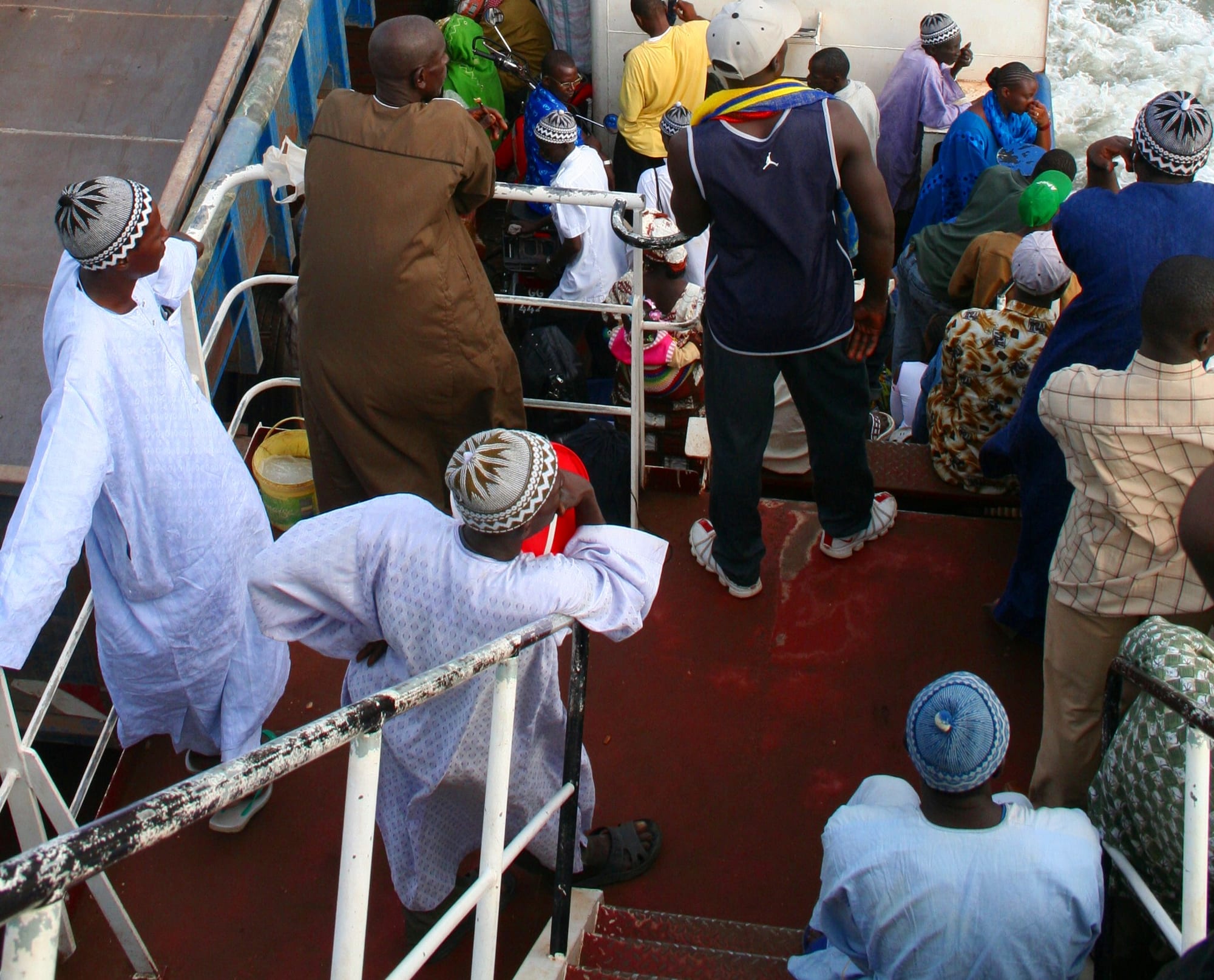
The Gambia is barely a country in the usual geographic sense — a ribbon of land never more than 48 kilometres wide, following its river so closely that almost nowhere in it is far from the water. An ordinary day follows that same logic: shaped by the river for transport and fishing, and by a single annual rainy season that decides when groundnuts and rice go into the ground. Households tend to be large, Islam shapes the rhythm of the week for the great majority of the population, and daily life plays out largely outdoors, in family compounds, markets and along the roadside, rather than behind closed doors.
Family and home life
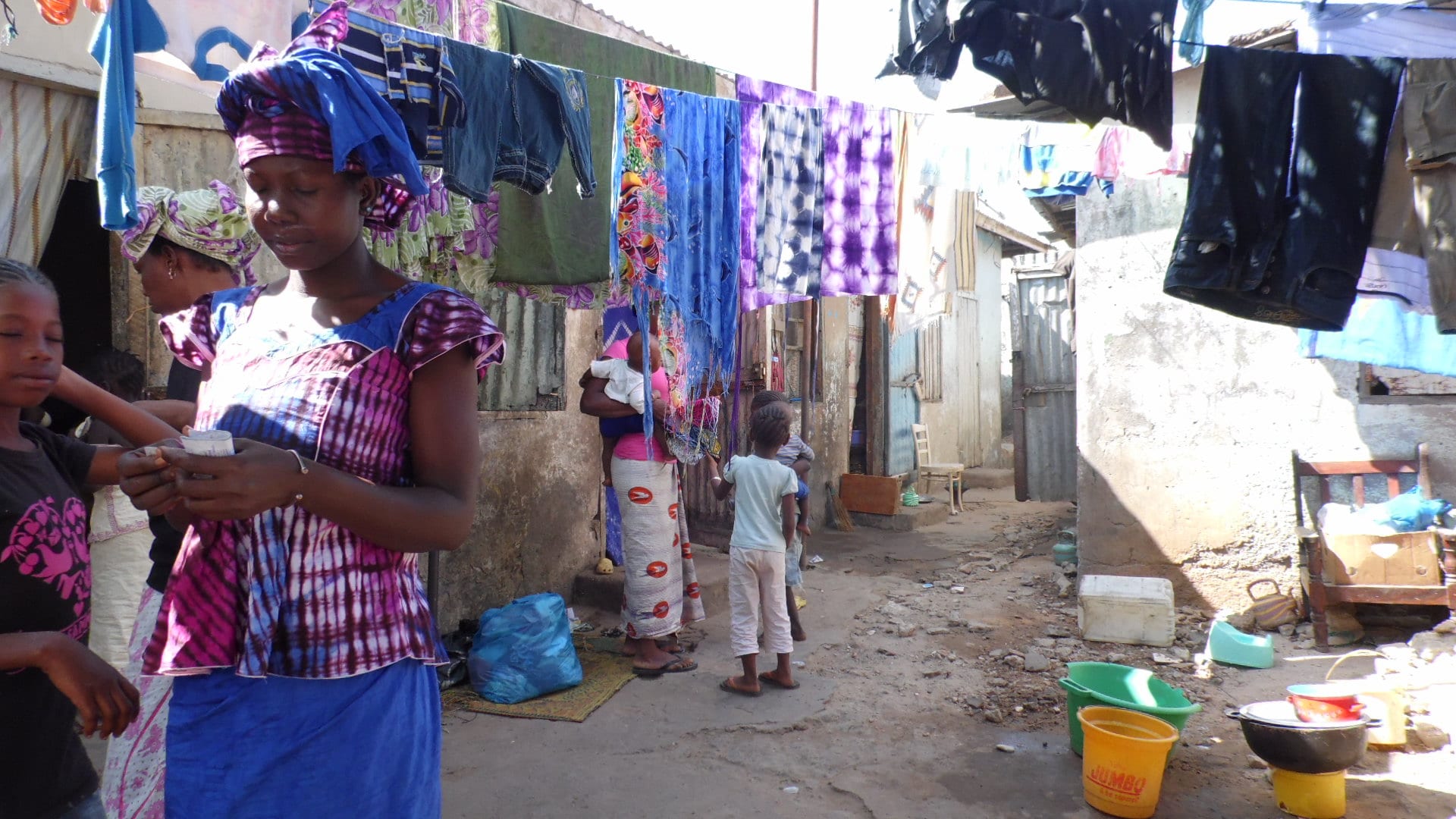
The core Gambian household is typically built around a family head, his wife or wives, and their unmarried children, often alongside other close relatives under the same roof or within the same walled compound. Polygyny is legally recognised and has long been common in an overwhelmingly Muslim country. Within the household, work often divides along gender lines, with women doing much of the day-to-day farming and tending garden plots, and children learning household and farm tasks by helping from an early age.
Work, school and the rhythm of the day
Most of the country still works the land or the water: groundnuts, long the national cash crop, along with rice, millet and vegetables, are planted and harvested around the single rainy season that runs from about June to October or November, which means the agricultural calendar, not a fixed office year, sets the pace for a large share of Gambian households. Along the coast, a well developed package-holiday economy built around the dry-season tourist season provides a very different kind of work, in hotels, restaurants and craft markets, running opposite the farming calendar upcountry. Formal employment with fixed hours is concentrated in Banjul, Serekunda and the coastal resorts; away from them, informal trade, fishing and farming, done on the land's own schedule rather than a clock, are how most days are actually organised.
Community life and public spaces
With around 96 per cent of the population Muslim, the mosque and Friday prayers punctuate the week nationwide, and the call to prayer is one of the few things heard in common from Banjul to the smallest upcountry village. Markets are the other constant: Albert Market in Banjul and smaller markets in every town are where food, cloth and household goods are bought and where much of the day's news and conversation actually travels. Getting around depends on shared "gelli-gelli" minibuses and bush taxis rather than any fixed public transport network, and along the river itself, boats remain a genuine way to get from one place to another, not just a tourist excursion.
Free time and weekends
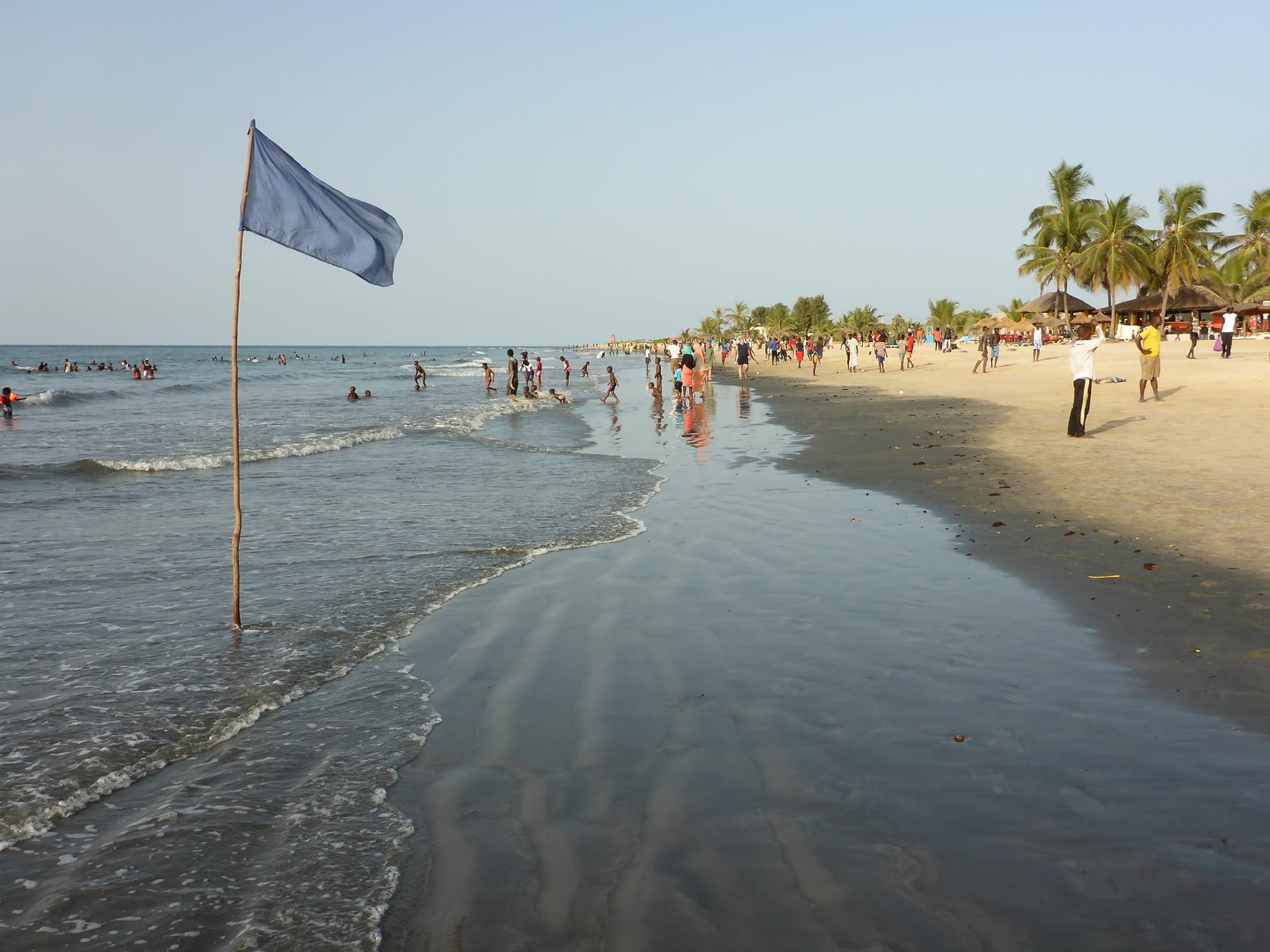
Friday, the main day of communal prayer, shapes free time as much as any weekend does, with extended family visits and shared meals following midday prayers. Where the coast is within reach, a trip to the beach is a common and inexpensive way to spend an afternoon, particularly for city families from Banjul and Serekunda. Wrestling, the national sport, draws big crowds, football is followed closely nationwide and watched together wherever a television and a signal can be found, and radio remains a widely shared source of news and entertainment.
A visitor's ordinary day
The Gambia runs on the dalasi, which cannot be bought outside the country, so changing money happens on arrival; euros, pounds and US dollars are all easily exchanged on the coast. Markets are busiest in the morning and many stalls stay open into the evening, though the pace slows noticeably around Friday midday prayers. Shared "gelli-gelli" minibuses and bush taxis cover the country cheaply but on no fixed timetable, leaving once they are full rather than at a set time, so agreeing a fare and having small notes ready in advance makes getting around considerably easier. Upcountry, away from the coastal resort strip, cash is essential and facilities are basic, so it is worth carrying more than seems necessary before heading inland.
What to take away
An ordinary day in the Gambia runs on things bigger than any single household: a river that decides where people live, a single rainy season that decides when they farm, and a shared faith that decides the shape of the week — with the extended family compound as the constant underneath all three.