Food · The Gambia
The Gambia: Food and the National Dish
A rich groundnut stew from a country built on peanut farming, rice dishes shared with Senegal, and a slice of West African coast wrapped almost entirely by one neighbour
By Worldlore Editorial · 16 September 2026
A narrow country with a shared West African table
The Gambia, a slender country wrapped almost entirely by Senegal along the banks of the Gambia River, shares much of its food culture directly with its neighbour: rice dishes, groundnut-based stews and a coastal seafood tradition that don't stop at the border. What sets Gambian food apart is less a different set of dishes than the country's own strong identity around one crop in particular — groundnuts, grown here for generations and central to both the economy and the kitchen.
The national dish: domoda
Domoda, a rich stew of meat simmered in a thick groundnut (peanut) sauce with tomatoes and vegetables, served over rice, is widely considered The Gambia's national dish. The same basic dish is cooked across the region, known as mafé in Senegal and beyond, but in The Gambia it holds a particular place given how central groundnut farming has long been to the country itself.
Groundnuts, rice and the everyday pantry
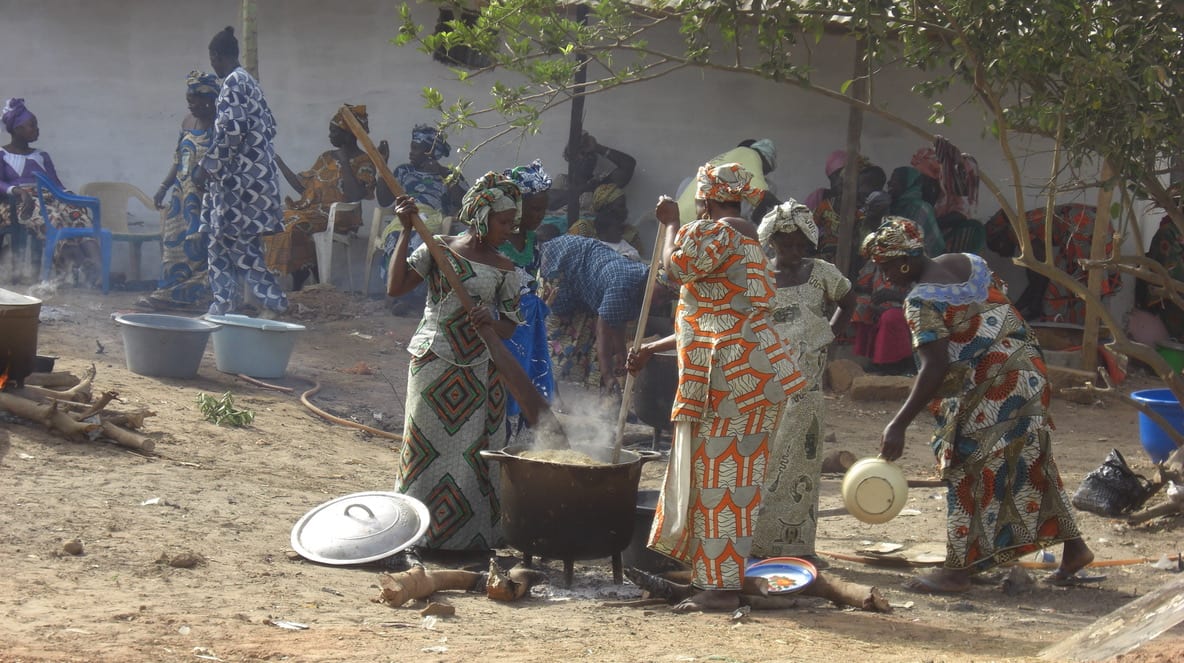
Groundnuts are grown so widely in The Gambia that they have long been the country's leading export crop, and they show up constantly in the kitchen, ground into sauces, roasted as snacks, or worked into stews beyond domoda itself. Rice, dried and smoked fish, and a range of leafy greens and vegetables round out the everyday table, alongside the Gambia River's own freshwater and coastal seafood.
History behind the groundnut trade
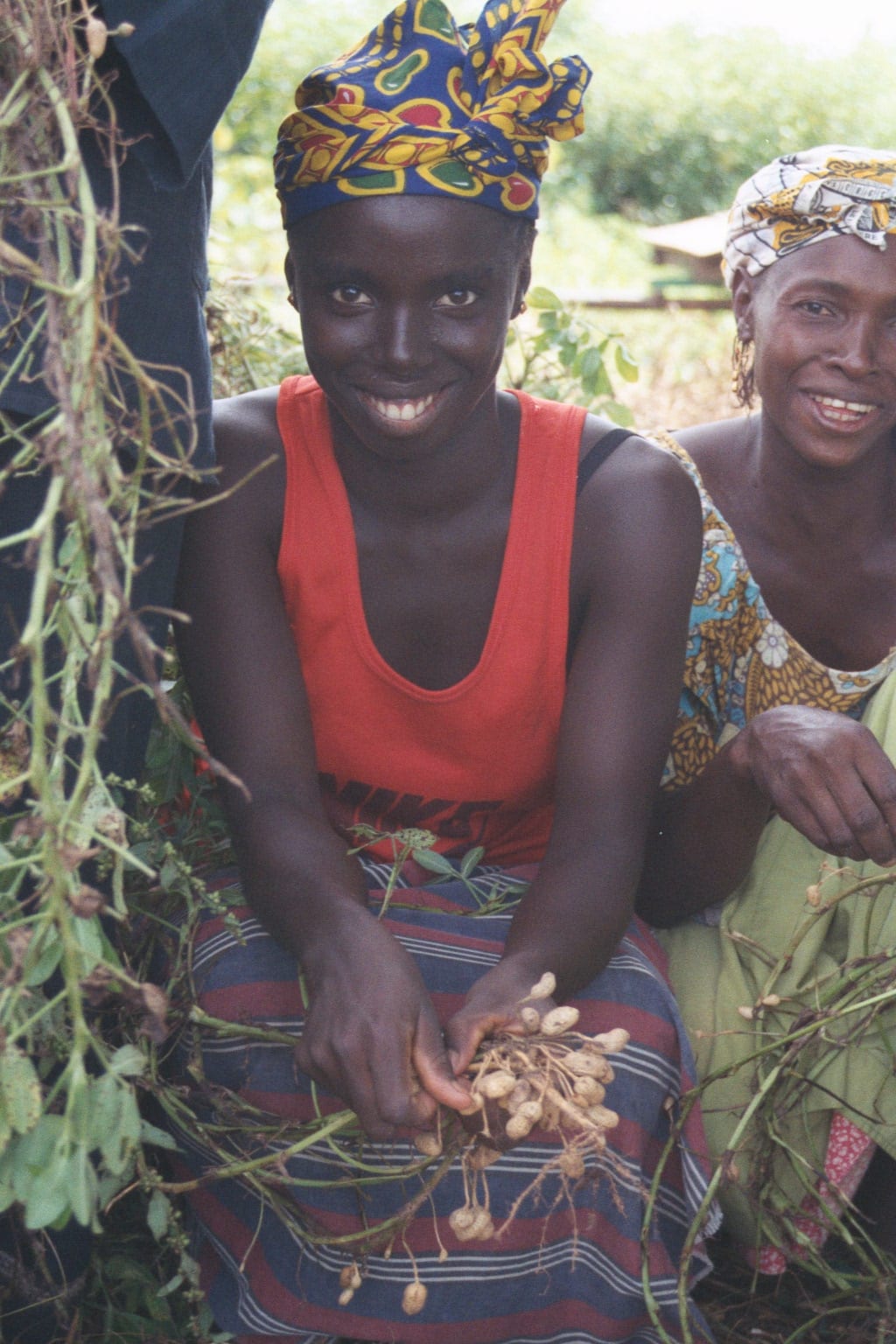
Groundnut farming took hold in The Gambia under British colonial rule, which built much of the territory's economy around the crop for export, a legacy that still shapes both the landscape and the national diet today. The country's position along the Gambia River has also long supported fishing communities whose catch feeds directly into everyday cooking, from the coast up into the interior.
Dishes to know
Five more to recognise across The Gambia:
- Benachin — a one-pot rice dish cooked with meat, fish and vegetables,
the Gambian relative of West African jollof rice.
- Yassa — chicken or fish marinated in lemon, onion and mustard, then
grilled or stewed.
- Plasas — a stew of leafy greens, typically bitter leaf or cassava
leaf, cooked with palm oil and fish or meat.
- Superkanja — an okra-based stew, often made with fish and palm oil.
- Roasted groundnuts — sold everywhere as a common everyday street
snack.
Drinks
Wonjo, a tart red juice made from hibiscus (sorrel) flowers, and baobab juice, made from the fruit of the iconic baobab tree, are two of The Gambia's most distinctive traditional drinks. Attaya, a strong, sweet green tea brewed and poured in several rounds, is a common social ritual much like it is across the wider Sahel region.
Eating as a traveller
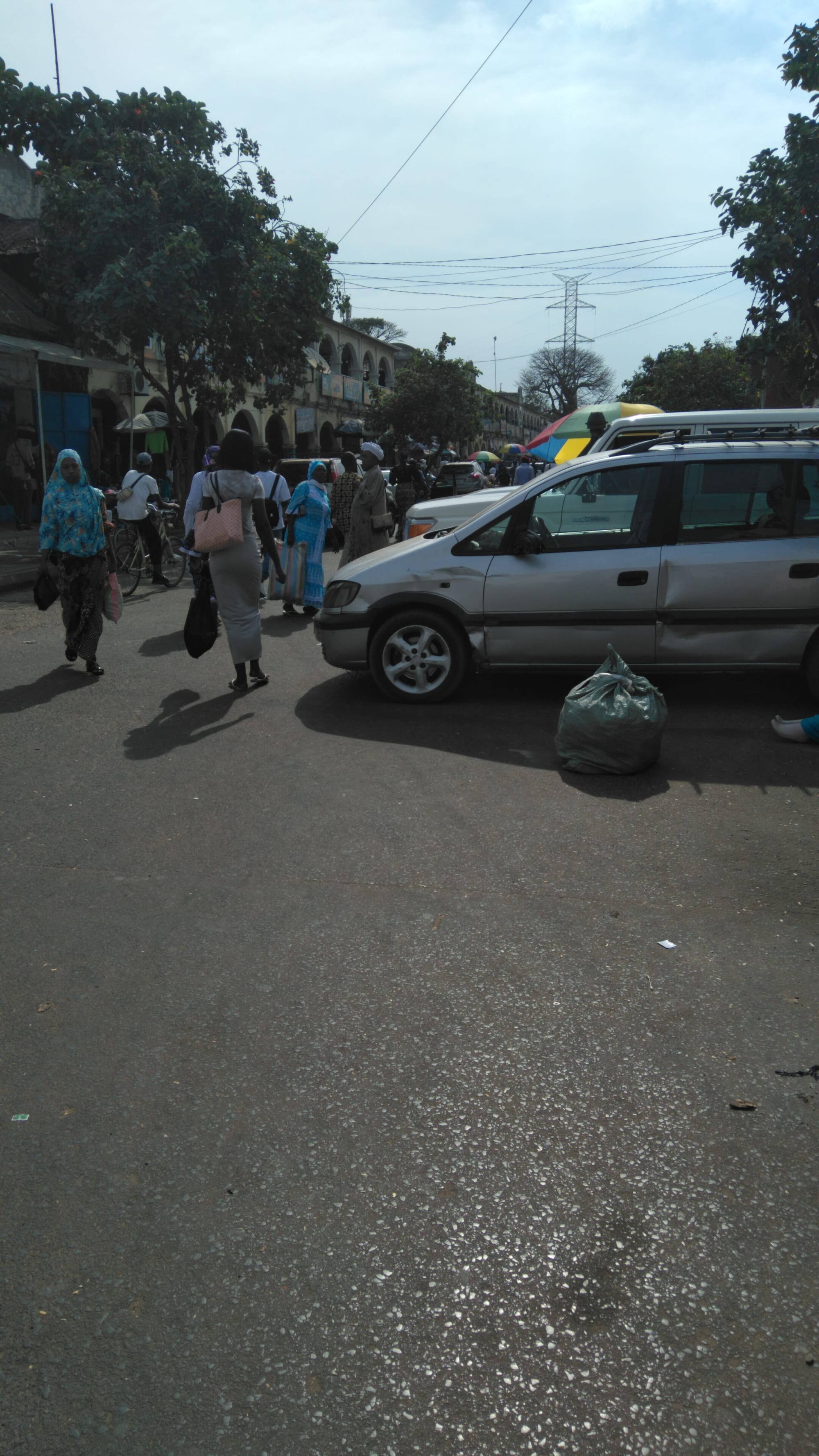
Vegetarians can rely on rice, groundnut sauces and vegetable-based plasas, though fish and meat appear in most traditional dishes. Tap water is not reliably safe outside major hotels; stick to bottled or boiled water. Banjul's Albert Market is a genuinely good place to see the country's groundnut, rice and fish trade in action before eating any of it cooked.
What to take from the table
Domoda, rich with groundnut sauce, is the dish that most directly explains Gambian food — a crop the country built its economy around, turned into the meal most Gambians grew up eating.