History · French Guiana
French Guiana: The Penal Colony and the Spaceport
A rainforest territory on the South American coast — a byword for deadly colonies and convict camps, and now Europe's gateway to space, all as a department of France
By Worldlore Editorial · 19 September 2026
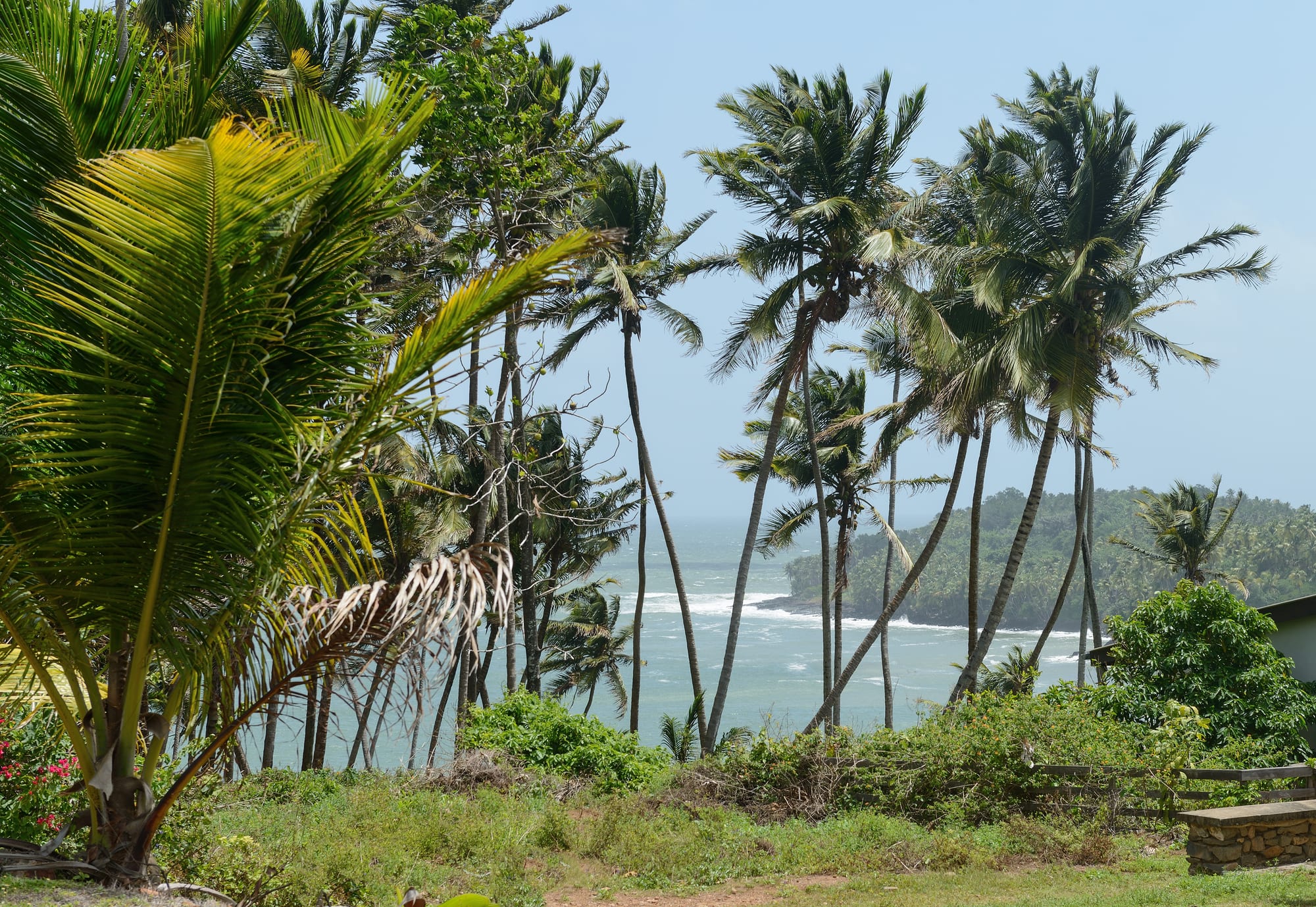
A piece of France in the Amazon
French Guiana sits on the north-eastern shoulder of South America, between Suriname and Brazil, and it is legally part of France: an overseas department since 1946, inside the European Union, using the euro, sending deputies to Paris. Rainforest covers about 96 per cent of it, and almost everyone lives on the narrow coast around Cayenne. Its history has two dominant themes, and they sit oddly together: a long reputation as a place Europeans went to die, and, since the 1960s, a spaceport that launches Europe's rockets.
A short history
- pre-1500
Indigenous peoples
Kalina, Arawak, Palikur, Wayana and others live along the rivers.
- 1643
Cayenne
The French found a lasting settlement after earlier failures.
- 1763–1764
The Kourou disaster
Around 11,000 of 12,000 settlers die within two years.
- 1848
Abolition
Slavery is ended for good; the plantation economy collapses.
- 1852–1953
The bagne
France transports about 70,000 convicts to Guiana.
- 1895–1899
Dreyfus
The wrongly convicted officer is held on Devil's Island.
- 1946
Departmentalisation
Guiana becomes a full department of France.
- 1968
The Space Centre
Kourou launches its first rockets.
- 2017
The general strike
A territory-wide shutdown wins a large aid package.
Failed colonies
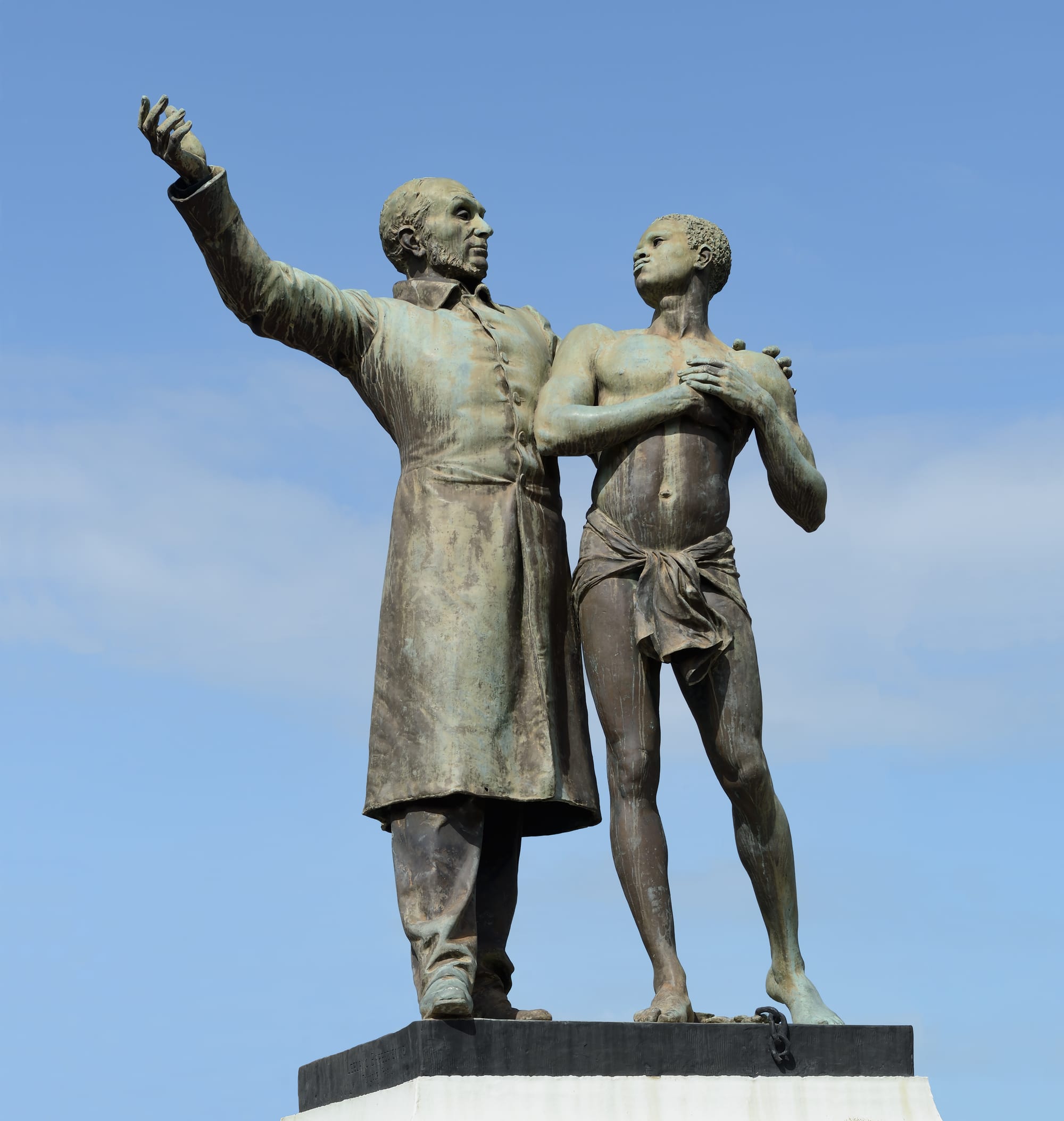
The coast was home to Kalina (Carib), Arawak, Palikur, Wayana and other peoples, thinned catastrophically by disease after European contact. France, competing with the Dutch and English for the "Wild Coast", settled repeatedly from the early 1600s and repeatedly failed — disease, conflict, and brief foreign occupations. The worst failure came in 1763, when France, having just lost Canada, shipped some 12,000 colonists to Kourou with almost no preparation. Within two years about 11,000 were dead of tropical fever. The "Kourou expedition" fixed Guiana in the French imagination as a graveyard.
A modest plantation economy of sugar, coffee, cacao and cotton did take hold, worked by enslaved Africans, but it was always small. Slavery was abolished in the Revolution, restored by Napoleon, and finally ended in 1848.
The bagne
From 1852, under Napoleon III, France turned Guiana into a penal colony. Over the next century roughly 70,000 convicts were transported there, to camps on the mainland around Saint-Laurent-du-Maroni and on the Îles du Salut offshore. Death rates from disease and overwork were enormous, and men who survived their sentences were often forced to remain in the colony for an equal number of years — a rule called doublage — so few ever went home.
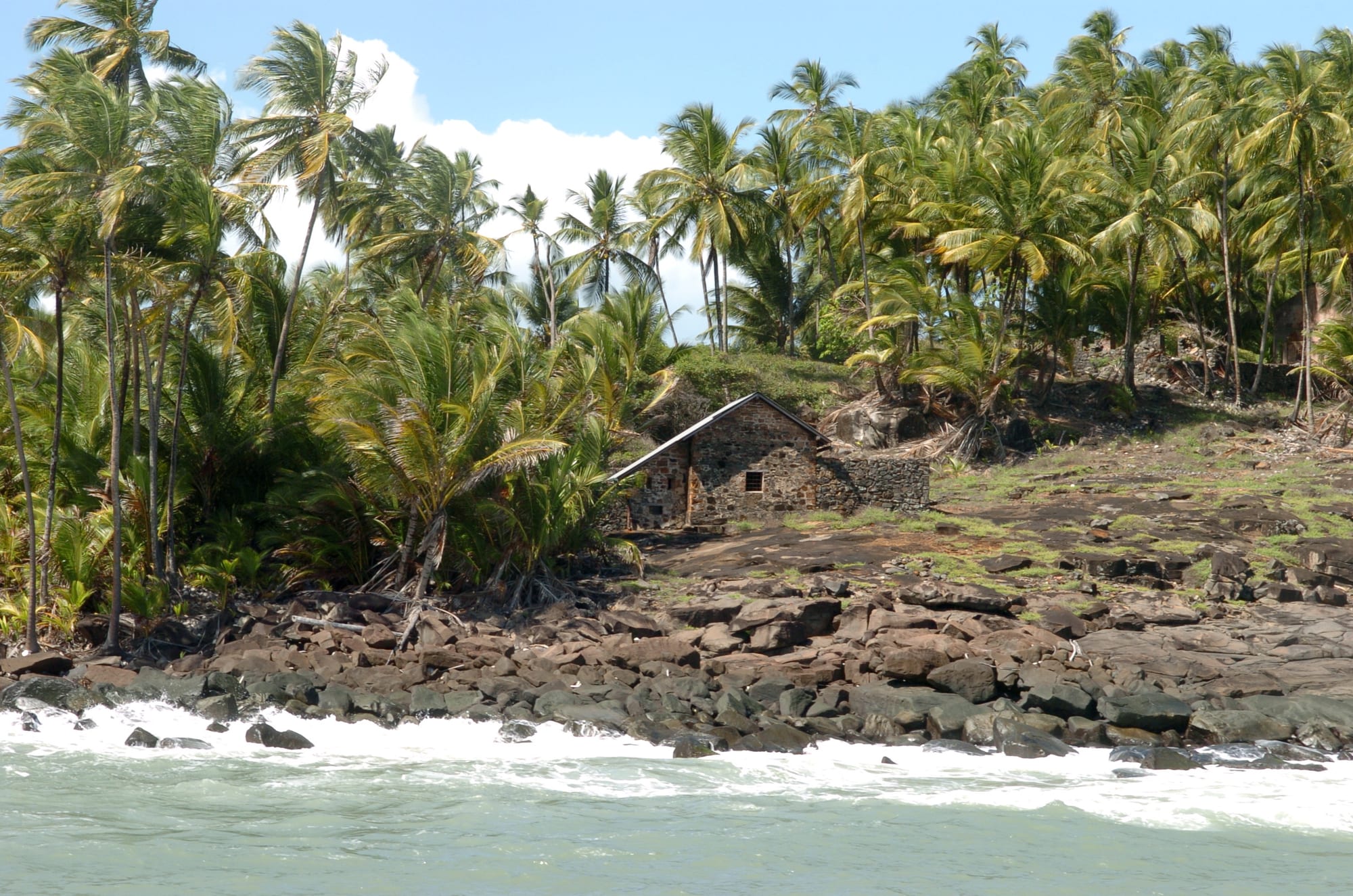
The penal colony gave Guiana its darkest fame — Devil's Island, the Dreyfus affair, later the memoir Papillon — and it also kept the territory poor and under-populated. Transportation was finally abolished in 1938 and the last camps closed in 1953.
Gold, and a border
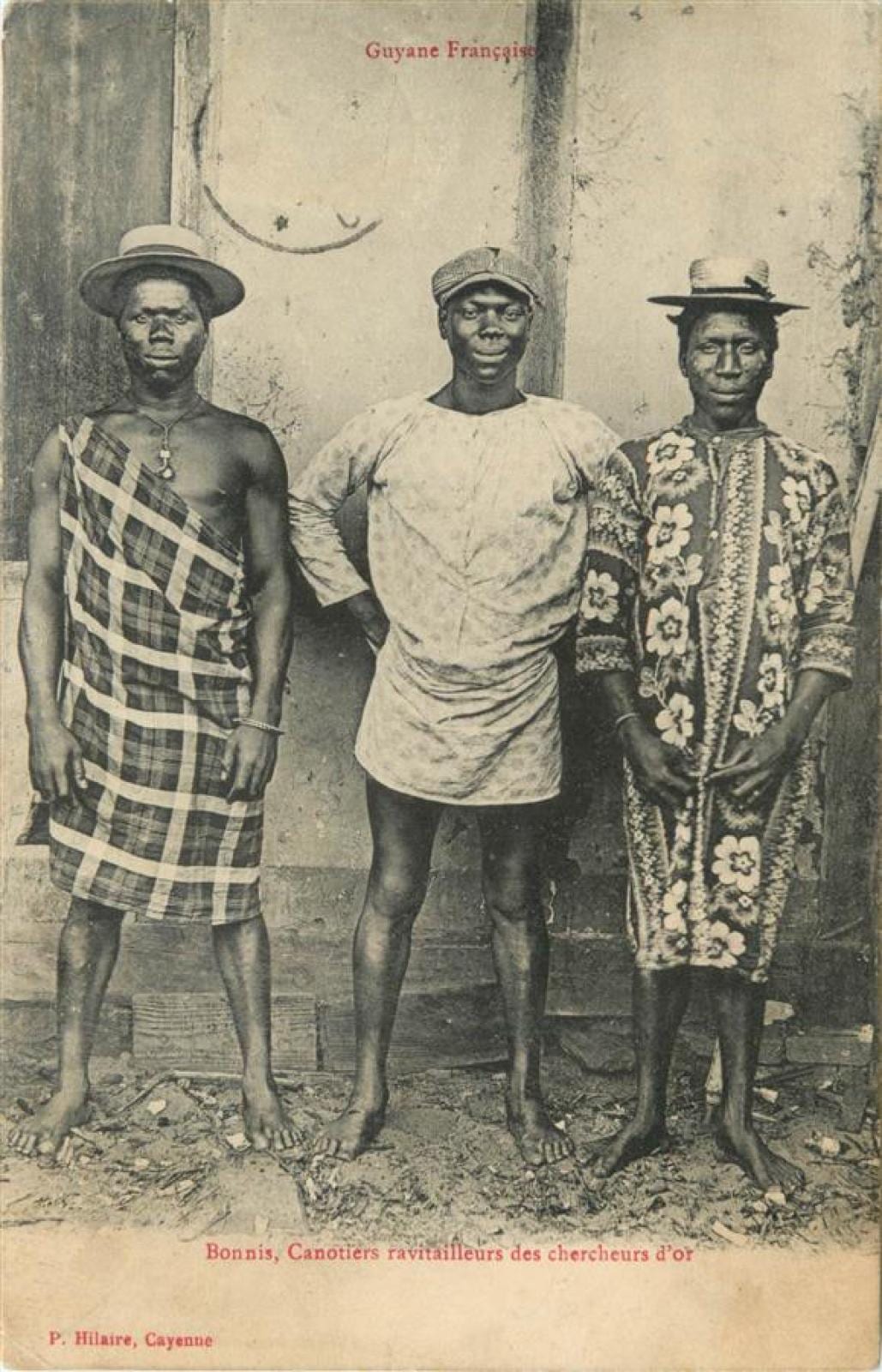
Gold was found in the interior in 1855, and rushes over the following decades drew prospectors and migrants from across the Caribbean. The goldfields also fuelled a long dispute with Brazil over a stretch of contested territory to the south-east, settled by arbitration in Brazil's favour in 1900.
Department and spaceport
On 19 March 1946 French Guiana, along with Martinique, Guadeloupe and Réunion, became a full overseas department of France. That brought French wages, schools and social benefits — and tied the territory's economy tightly to transfers from Paris.
In 1964 France chose Kourou for its spaceport, for its position near the equator, its clear launch path east over the ocean, and its small, stable population. The Guiana Space Centre opened in 1968 and, from 1979, launched the Ariane rockets of the European Space Agency.
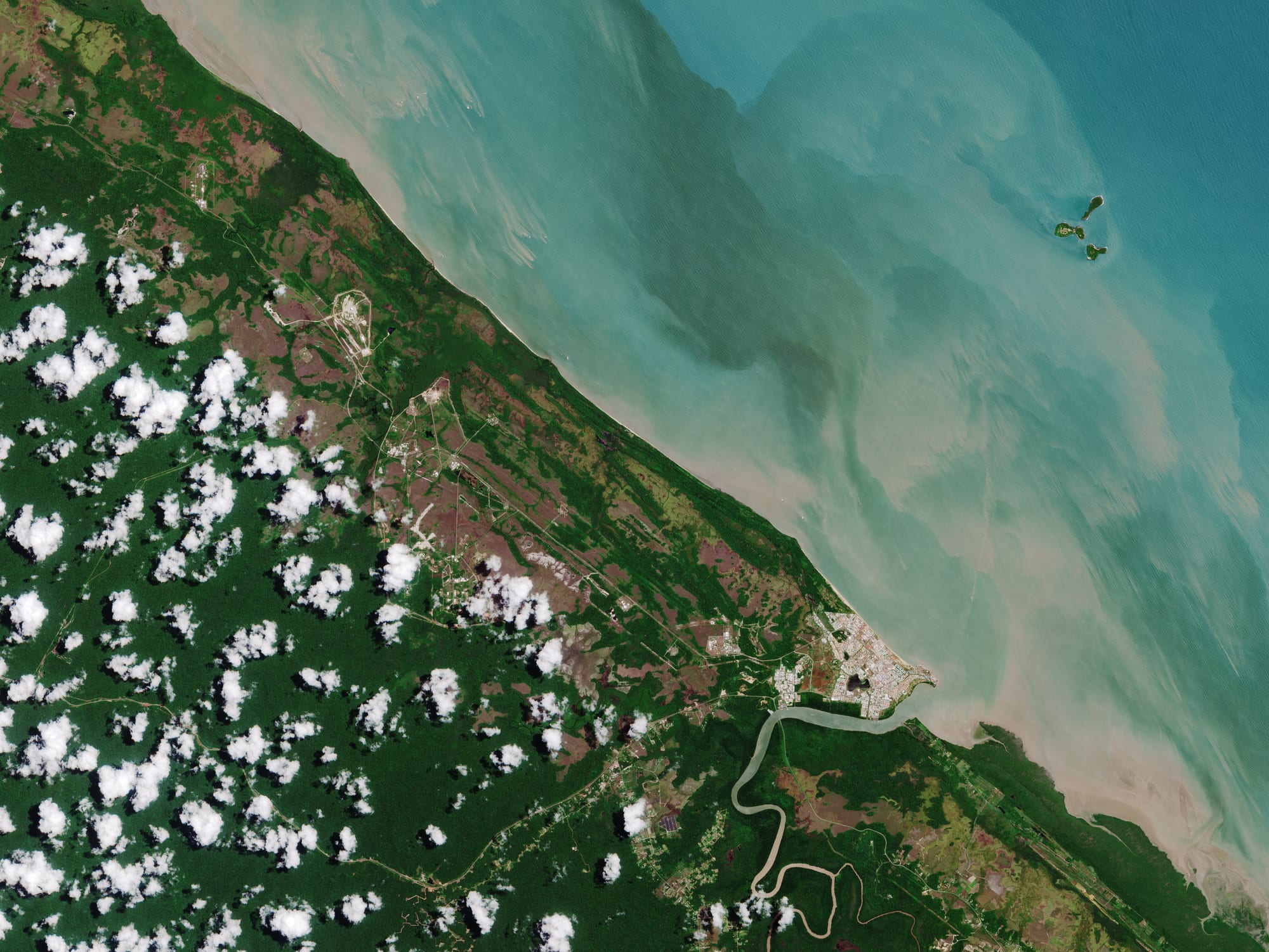
Departmentalisation did not close the gap with mainland France. Unemployment and the cost of living stayed high, the interior remained plagued by illegal gold mining and mercury pollution, and in 2017 a territory-wide general strike shut down Guiana — and the spaceport — for weeks, extracting a multi-billion-euro emergency package from the French government. A 2010 referendum on greater autonomy was rejected.
What French Guiana carries
French Guiana's two reputations — the deadly colony and the rocket base — are really the same fact seen twice: a place valued by France for what its geography could be made to do, first as a dumping ground far from home, then as a launch pad near the equator. In between, it became a department, with all the rights and all the dependence that status carries.