Food · French Guiana
French Guiana: Food and the National Dish
A rich Amazonian palm-fruit stew cooked once a year for Easter, and a food culture where Creole, Amerindian, Hmong and French tables all sit within the same territory
By Worldlore Editorial · 16 September 2026
Amazon rainforest meets a French department
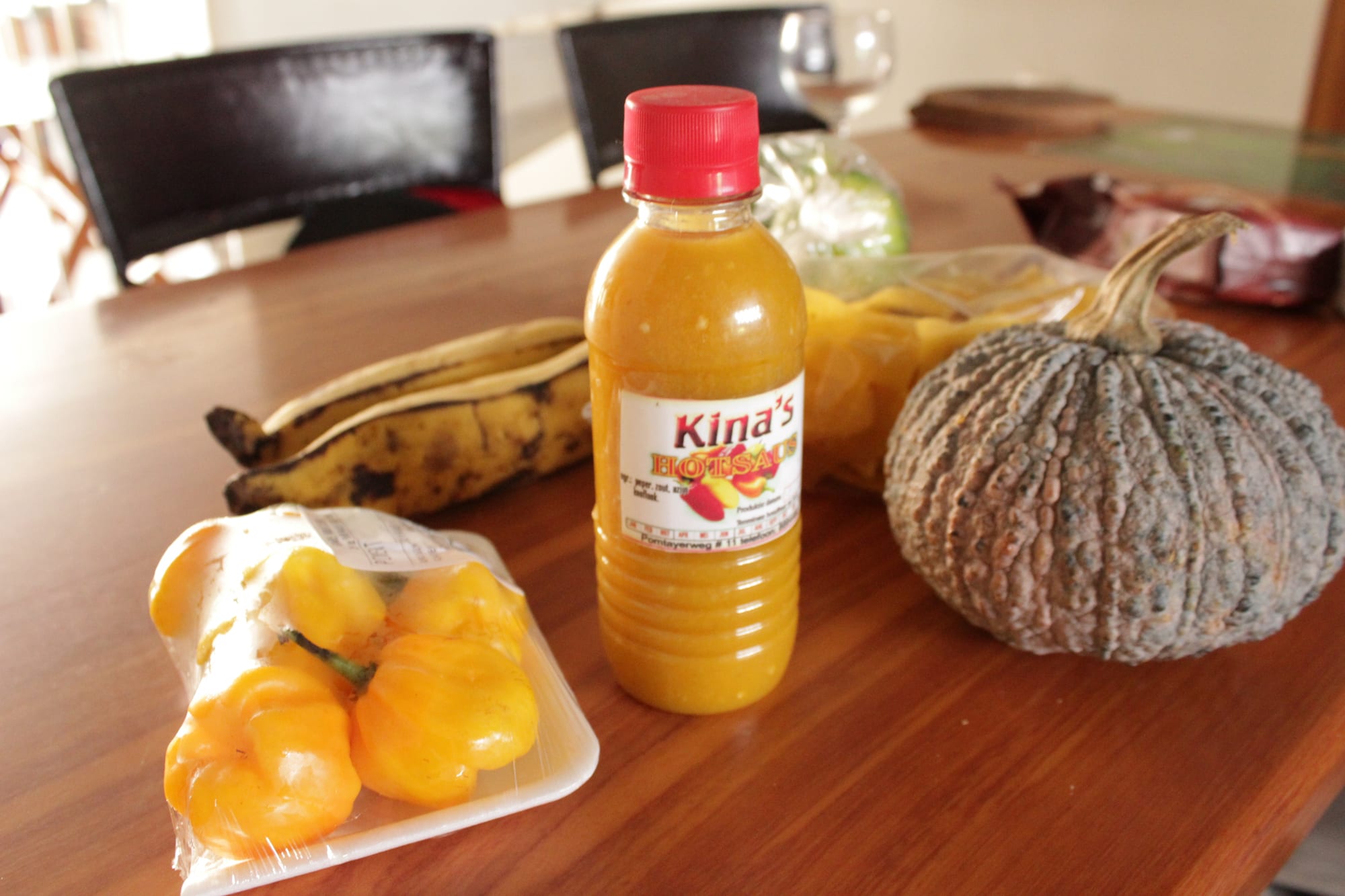
French Guiana is a French overseas territory on the northeast coast of South America, and its food reflects that unusual position directly: Amazonian rainforest ingredients and Amerindian and Maroon traditions sit alongside French bakery staples and European supermarket goods, all within a Creole culinary culture shaped further by Caribbean, Brazilian, Haitian and Hmong communities who have settled here.
The national dish: bouillon d'awara
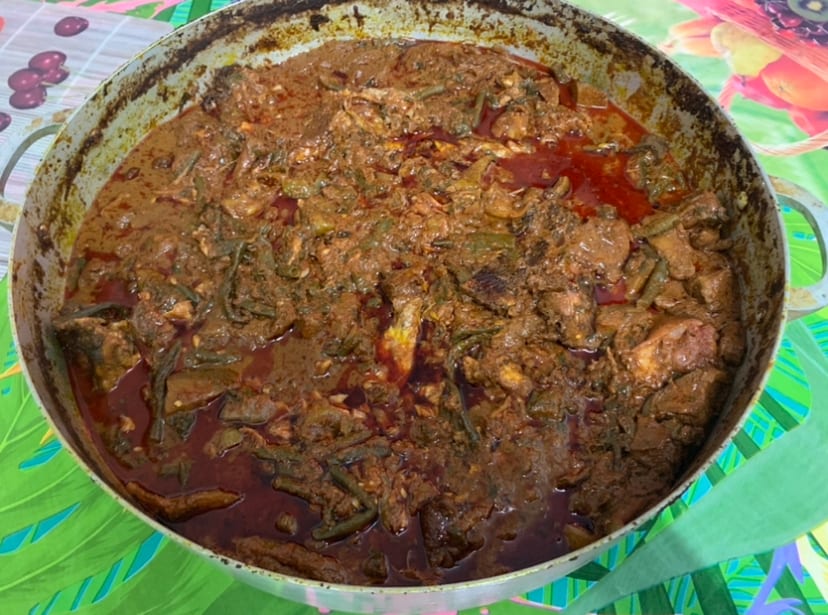
Bouillon d'awara, a rich, dark stew made from the pulp of the awara (or aouara) palm fruit cooked down and combined with smoked and salted meats, fish, and a long list of vegetables and spices, is French Guiana's most distinctive dish and its clearest food tradition. Traditionally prepared once a year for Good Friday and Easter, the dish takes an entire day to cook properly and is treated as much as a family and community occasion as a meal.
Cassava, fruit and the Amazonian pantry
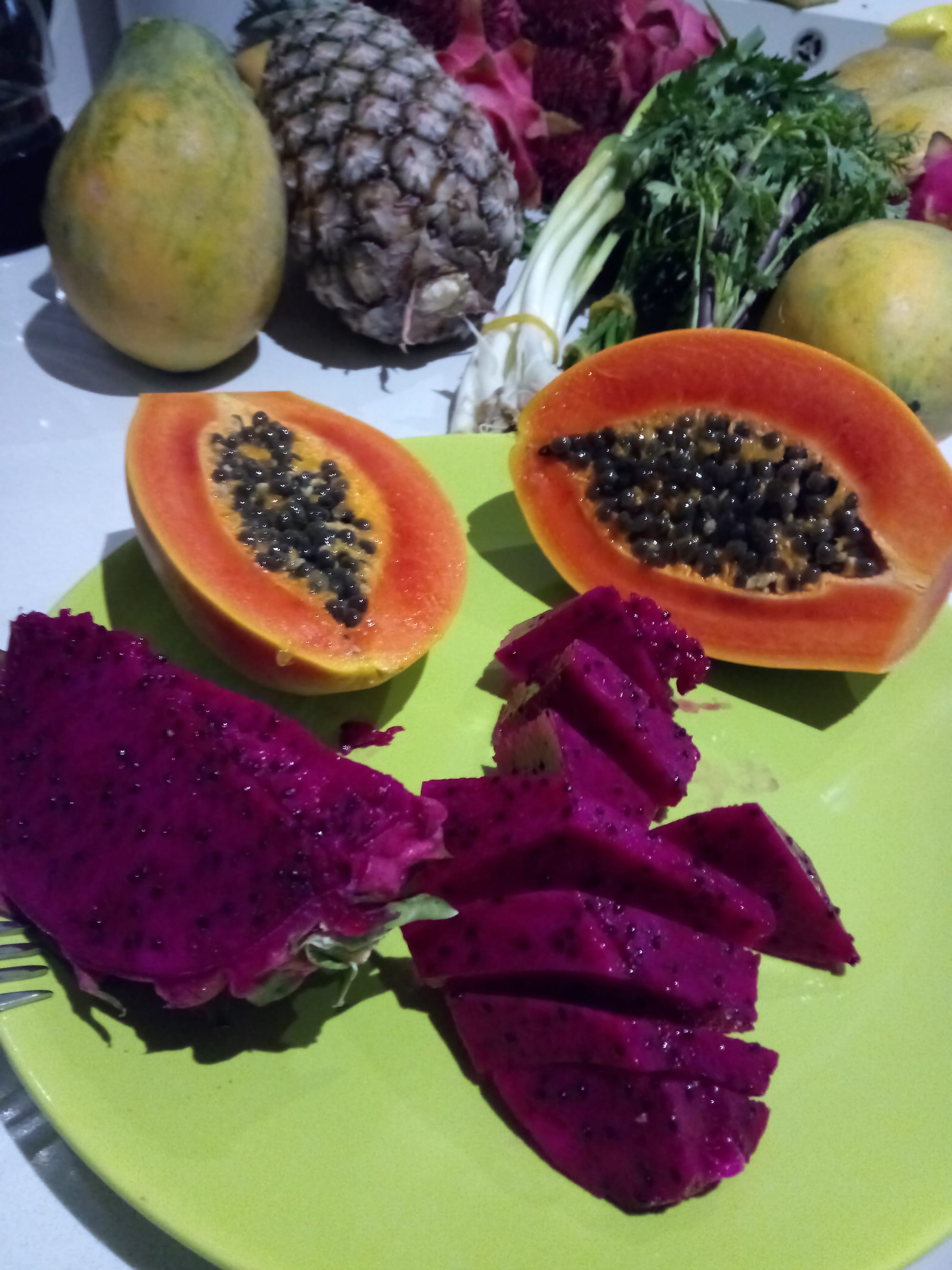
Cassava, prepared in forms including couac, a coarse toasted cassava flour that is a staple of both Amerindian and Maroon river communities, underpins much of the territory's everyday starch. Tropical fruit — pineapple, papaya, pitaya and many others — is abundant and sold fresh at markets across the territory, while game meat, river fish and coastal seafood round out a pantry that owes as much to the Amazon as to France.
A territory of distinct food communities
French Guiana's population includes a substantial Hmong community, whose families resettled here as refugees from Laos in the late 1970s and established market-garden villages, notably Cacao, that today supply a large share of the territory's fresh vegetables and are known for their own distinct Hmong cooking. Along the rivers of the interior, Amerindian and Maroon communities maintain food traditions built on cassava, game and fish that predate French settlement by centuries, while Cayenne and the coast lean toward Creole and French cooking.
Dishes to know
Five more to recognise across French Guiana:
- Couac — coarse, toasted cassava flour, a staple of Amerindian and
Maroon cooking along the territory's rivers.
- Colombo — a curry-style stew reflecting Caribbean and Indian influence,
usually made with chicken, goat or pork.
- Grilled gibier — game meat such as agouti or paca, a traditional
protein from the interior.
- Hmong market vegetables — fresh produce grown in Hmong villages such as
Cacao, sold at markets across the territory.
- Baguette and French pastries — a direct, everyday reminder of French
Guiana's status as part of France.
Drinks
Ti punch, a simple mix of rum, lime and cane sugar syrup shared across the French Caribbean, is the territory's most characteristic drink, and locally grown tropical fruit goes into a wide range of fresh juices. French wine, being an official part of France, is as easy to find here as in mainland French supermarkets and restaurants.
Eating as a traveller
Vegetarians will find fresh produce widely available, thanks especially to Hmong market gardens, though meat and fish dominate most traditional Creole and Amerindian dishes. Tap water is generally safe in Cayenne and the larger towns. Visiting during the Easter period, when bouillon d'awara is cooked across the territory, offers a rare chance to see the dish's full, day-long preparation in person.
What to take from the table
Bouillon d'awara, cooked once a year and worth planning a visit around, is the dish that best captures French Guiana's food identity — Amazonian at its base, and shaped further by every community that has settled here since.