History · Fiji
Fiji: Two Peoples, One Archipelago
A Melanesian island world of chiefs and war canoes, ceded to Britain in 1874, remade by Indian indentured labour, and shaken by four coups over who the country belongs to
By Worldlore Editorial · 10 September 2026
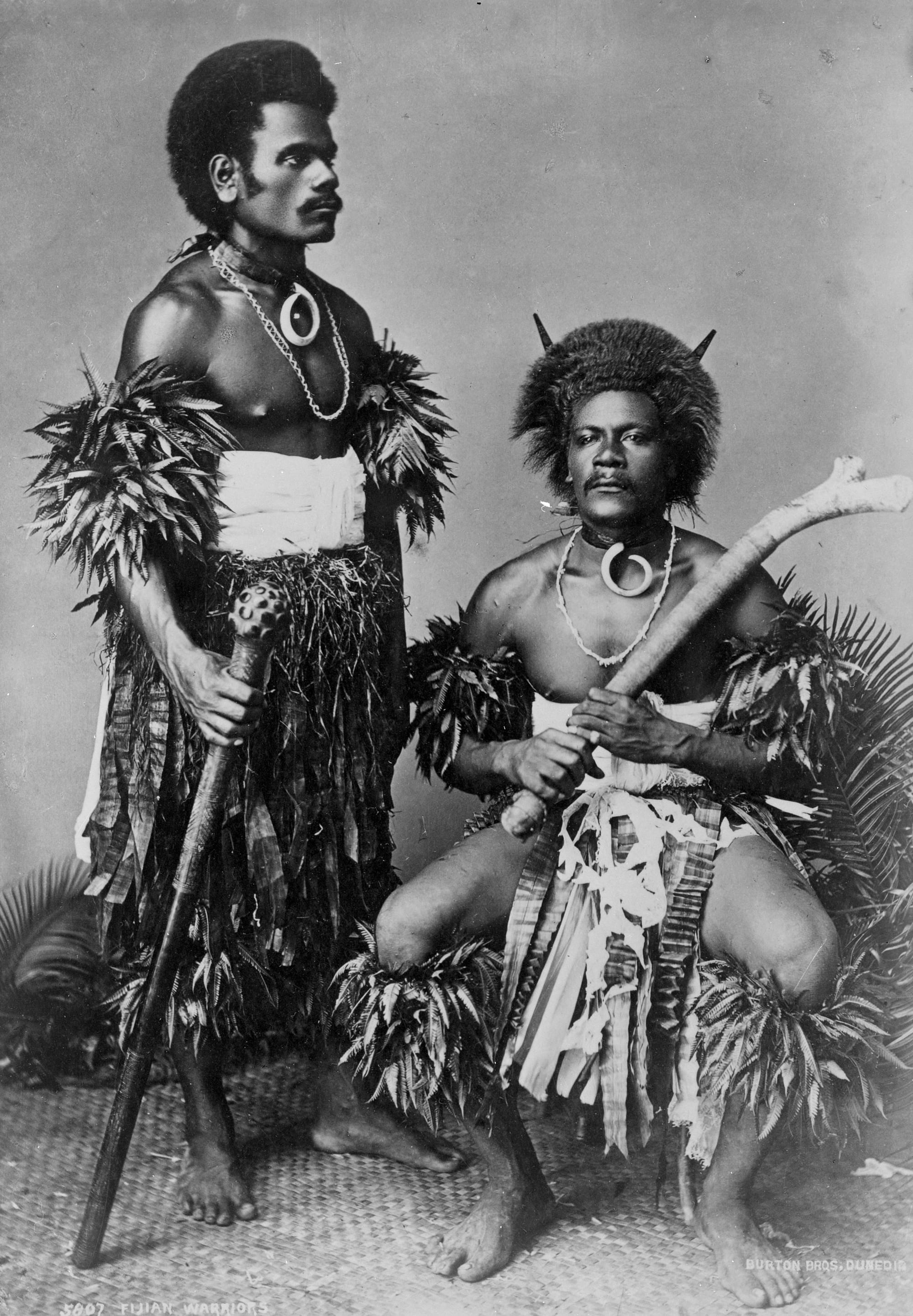
An archipelago with two histories
Fiji is a scatter of some 330 islands in the South Pacific, at the meeting point of Melanesia and Polynesia, with most of its people on the two big islands of Viti Levu and Vanua Levu. Its defining feature today is demographic: two large communities of roughly comparable size — the indigenous iTaukei, and the Indo-Fijians descended from labourers brought from India by the British. The relationship between them, and above all the question of who the country belongs to, has produced four coups since 1987.
A short history
- c. 1000 BCE
Settlement
Lapita voyagers reach Fiji; a Melanesian society develops.
- 1643
European sighting
Abel Tasman passes through.
- 1800s
Traders
Sandalwood and sea cucumber draw beachcombers, muskets and disease.
- 1854
Cakobau converts
The chief of Bau adopts Christianity and claims kingship.
- 1874
Cession
Fijian chiefs cede the islands to Britain.
- 1875
The measles epidemic
A quarter or more of the Fijian population dies.
- 1879–1916
Indenture
About 60,000 Indians are brought to work the sugar plantations.
- 1970
Independence
Fiji becomes independent on the anniversary of cession.
- 1987 / 2000 / 2006
The coups
Repeated seizures of power over ethnic and political control.
The chiefdoms
Fiji was settled around 1000 BCE by Lapita voyagers, the makers of a distinctive pottery, and over the following millennia a Melanesian society developed, shaped also by close contact with Tonga to the east. It was a world of chiefdoms bound by clan and land, of skilled potters and barkcloth makers, of huge double-hulled war canoes — and of a warfare and cannibalism that gave early Europeans the name they used for the group, the "Cannibal Isles".
Sustained European contact came with the traders: a sandalwood rush around 1804, then the sea-cucumber trade, bringing firearms, alcohol and epidemic disease. Wesleyan missionaries arrived in 1835, and a Christian Tongan prince, Enele Ma'afu, built a rival power base in the eastern islands.
Cakobau and cession
Seru Epenisa Cakobau, chief of the small but dominant island of Bau off Viti Levu, styled himself Tui Viti, "King of Fiji". He converted to Christianity in 1854 and, with Tongan military help, won the decisive Battle of Kaba in 1855 — but he was saddled with a large debt claimed by the United States and could not hold the islands together as settlers and chiefs fell out.
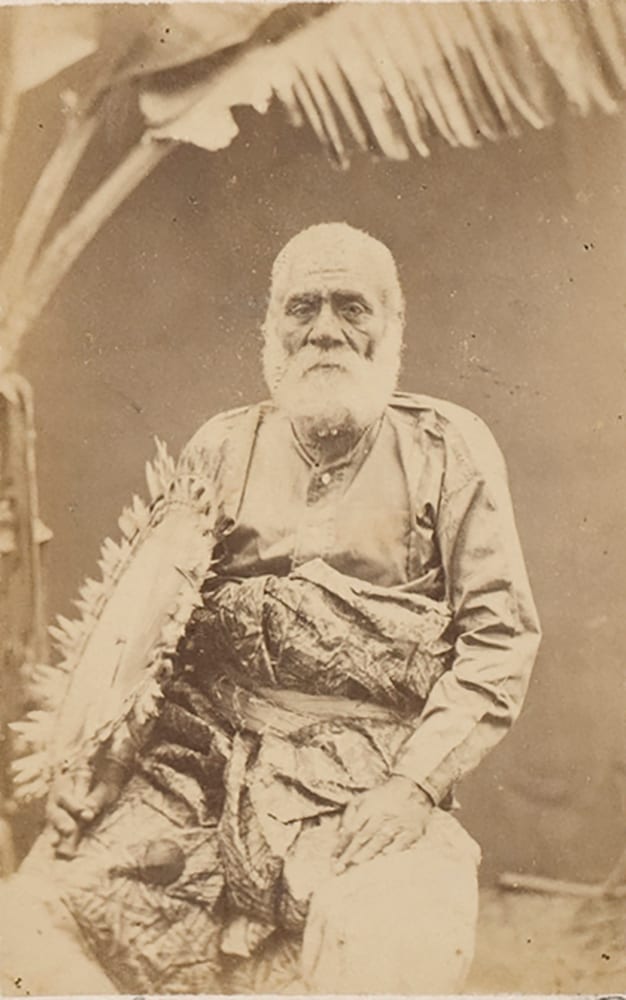
On 10 October 1874, Cakobau and a group of leading chiefs ceded Fiji to Britain by the Deed of Cession, partly to escape debt and disorder. The following year, a measles epidemic carried back from Sydney by Cakobau's own party killed roughly a quarter to a third of the Fijian population — perhaps 40,000 people — a catastrophe that still marks Fijian memory.
Indenture and sugar
The first substantive governor, Sir Arthur Gordon, set the pattern that shaped Fiji for a century. To protect Fijians, he banned the sale of their land — over 80 per cent of Fiji is still inalienable iTaukei communal land — and ruled Fijians indirectly through their chiefs. To grow a sugar economy without putting Fijians on the plantations, he imported indentured labourers from India.
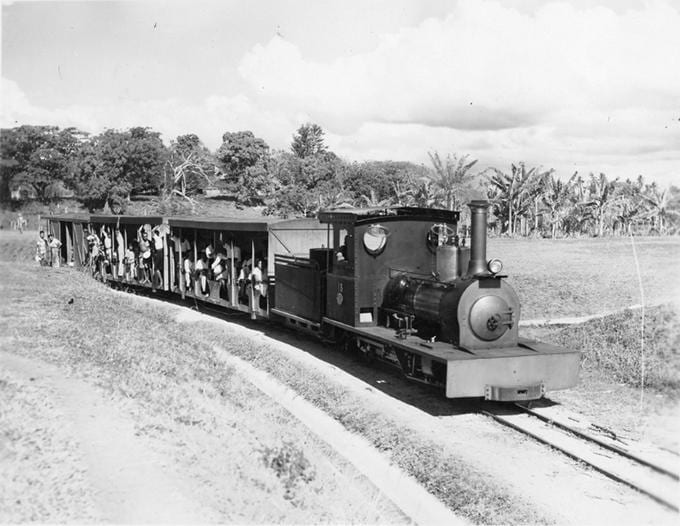
Conditions on the plantation "lines" were harsh. Indenture was abolished in 1920, and most labourers stayed, becoming tenant cane farmers on leased iTaukei land. By the mid-20th century Indo-Fijians were about half the population and the mainstay of sugar and commerce — but largely shut out of land ownership and political power.
Independence, then the coups
Fiji became independent on 10 October 1970, exactly 96 years after cession, with a constitution that entrenched iTaukei paramountcy in land and elected its parliament on racially separate rolls. The chiefly Alliance Party governed for the first seventeen years.
Then, in 1987, an election put a coalition backed by Indo-Fijian voters into office. Lieutenant Colonel Sitiveni Rabuka staged two coups that year, citing indigenous rights, scrapped the constitution and declared a republic. In 2000 a civilian-led putsch held the first Indo-Fijian prime minister and his MPs hostage for 56 days. In 2006 the military commander, Frank Bainimarama, overthrew the elected government himself, and then ruled by decree for eight years.
Coups and the ballot

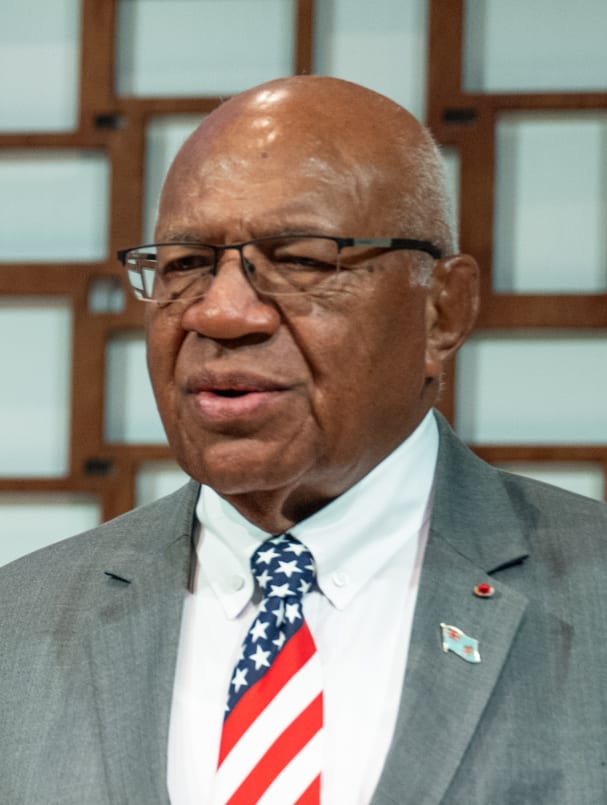
Fiji now
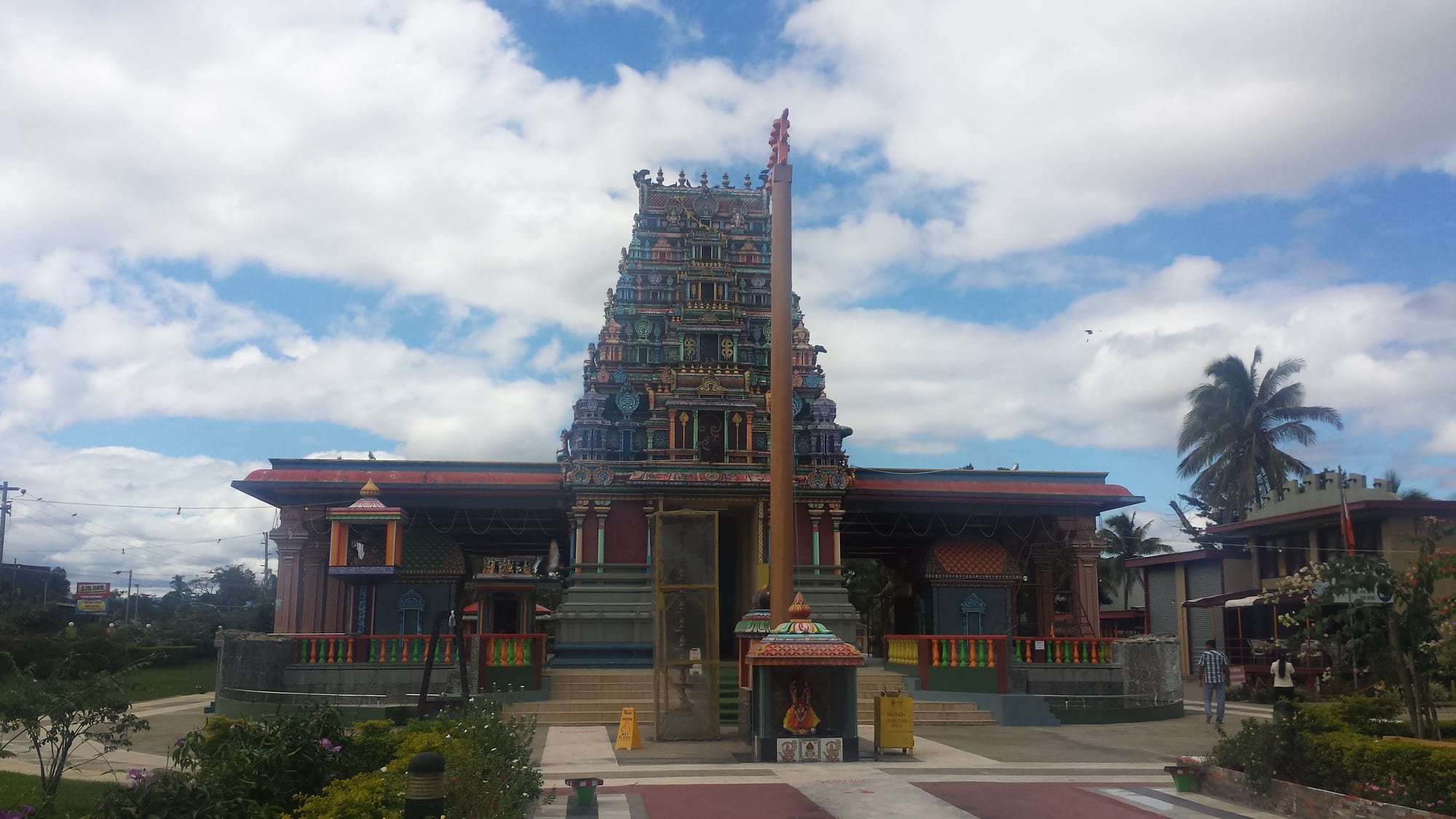
Bainimarama won elections in 2014 and 2018 under his new constitution, then narrowly lost in 2022, handing power peacefully to a coalition led by Rabuka. The Indo-Fijian share of the population has dropped below 40 per cent, as non-renewed land leases and coup instability drove emigration. Fiji is also a front-line state for climate change, already relocating coastal villages inland.
What Fiji carries
Fiji's history is the working-out of decisions made in the 1870s: to freeze Fijian land in communal hands, to rule through the chiefs, and to build the economy on imported Indian labour. Those choices preserved iTaukei land and identity and created a second nation alongside it — and the friction between the two has been the engine of Fijian politics ever since. The peaceful handover of 2022 is the country's bet that the ballot can now settle what four coups could not.