Daily Life · Fiji
Fiji: Two Communities, One Island Time
Village mornings organised around the mataqali and the church, cane-belt towns built by generations of Indo-Fijian farmers and traders, and a shared, unhurried pace that both call island time
By Worldlore Editorial · 30 September 2026
An ordinary day in Fiji runs at two different speeds depending on where it starts. In an Indigenous Fijian (iTaukei) village, the morning is organised around the extended family, the landowning clan, and the church; in the sugar-belt towns and farms where most Indo-Fijians live, it runs instead around a family business, a cane or vegetable plot, or a market stall, built up over generations since indentured labourers first arrived from India in 1879. Both communities, and the growing number of Fijians who live somewhere between the two, describe the underlying pace of the day the same way: island time, an unhurried tempo that visitors notice within a day of arriving and that locals treat as simply how things get done.
Family and home life
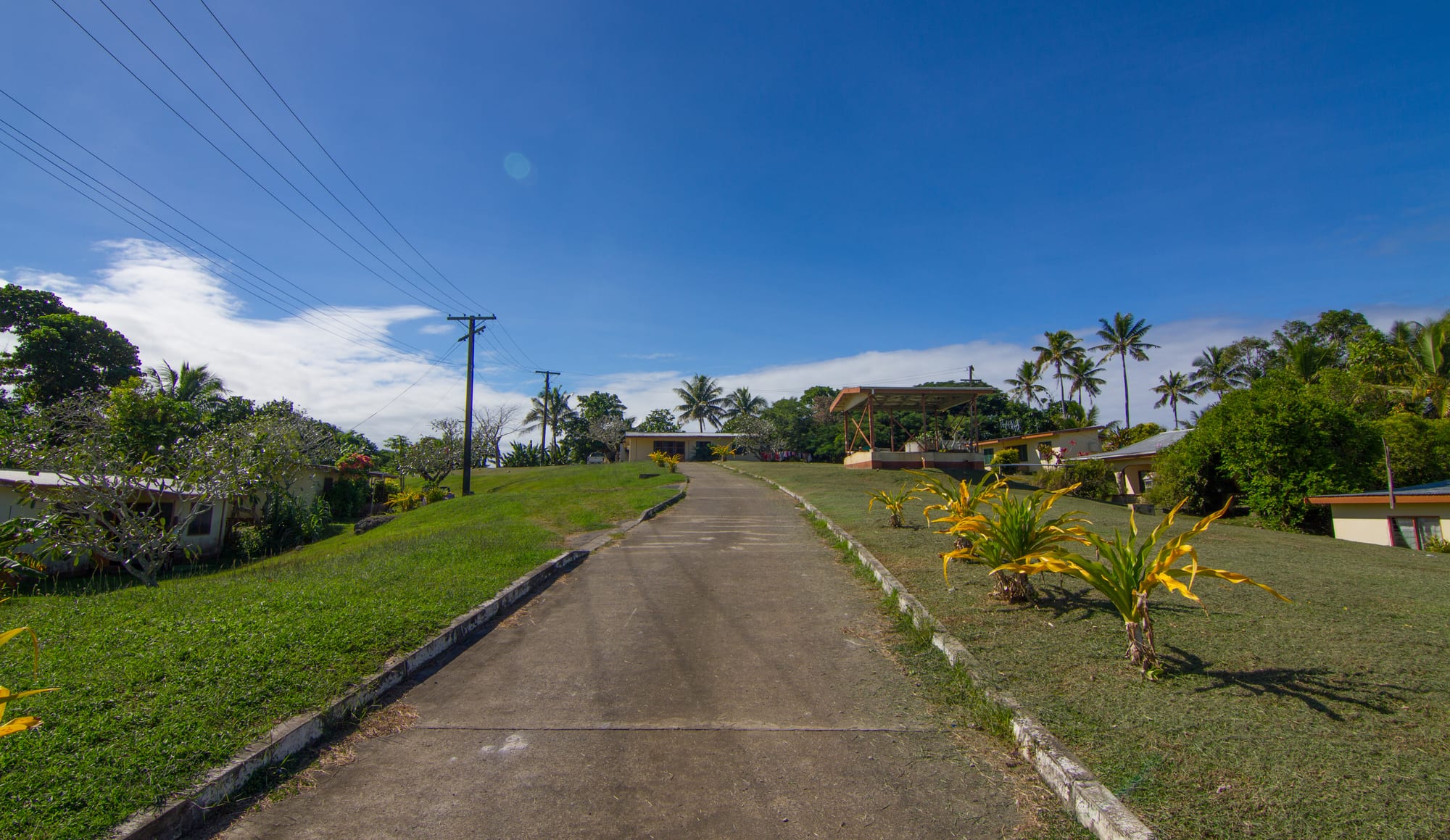
About three-quarters of Fiji's population live on Viti Levu, the main island, split between the drier west around Nadi and Lautoka and the capital, Suva, on the wetter southeast coast. In iTaukei villages, houses are grouped around land held communally by the mataqali, the landowning clan, and extended family, often three generations, commonly share a household or live within the same small cluster of houses. Indo-Fijian households, concentrated in and around the towns of the cane belt, are typically organised around the immediate family and a family farm or business; because most land in Fiji is owned communally by iTaukei clans and can only be leased, many cane farms stand on long-term leases rather than on land the family owns.
Work, school and the rhythm of the day
Tourism is one of the country's main sources of foreign exchange, concentrated in the resort areas of the west, alongside sugar, bottled water, fishing, and money sent home by Fijians working abroad, including in the British armed forces. Village life still leans heavily on subsistence farming and fishing alongside any wage work, while many Indo-Fijian livelihoods have been built around cane farming, market gardening, and small trade, historically concentrated in the sugar towns their ancestors were brought to work. Sunday is widely treated as a day of rest, especially in iTaukei areas, and shops and transport noticeably quieten down; church attendance on Sunday is common among the Methodist and other Christian majority, much as Friday prayers and major Hindu and Muslim festivals structure the week for many Indo-Fijian households.
Community life and public spaces
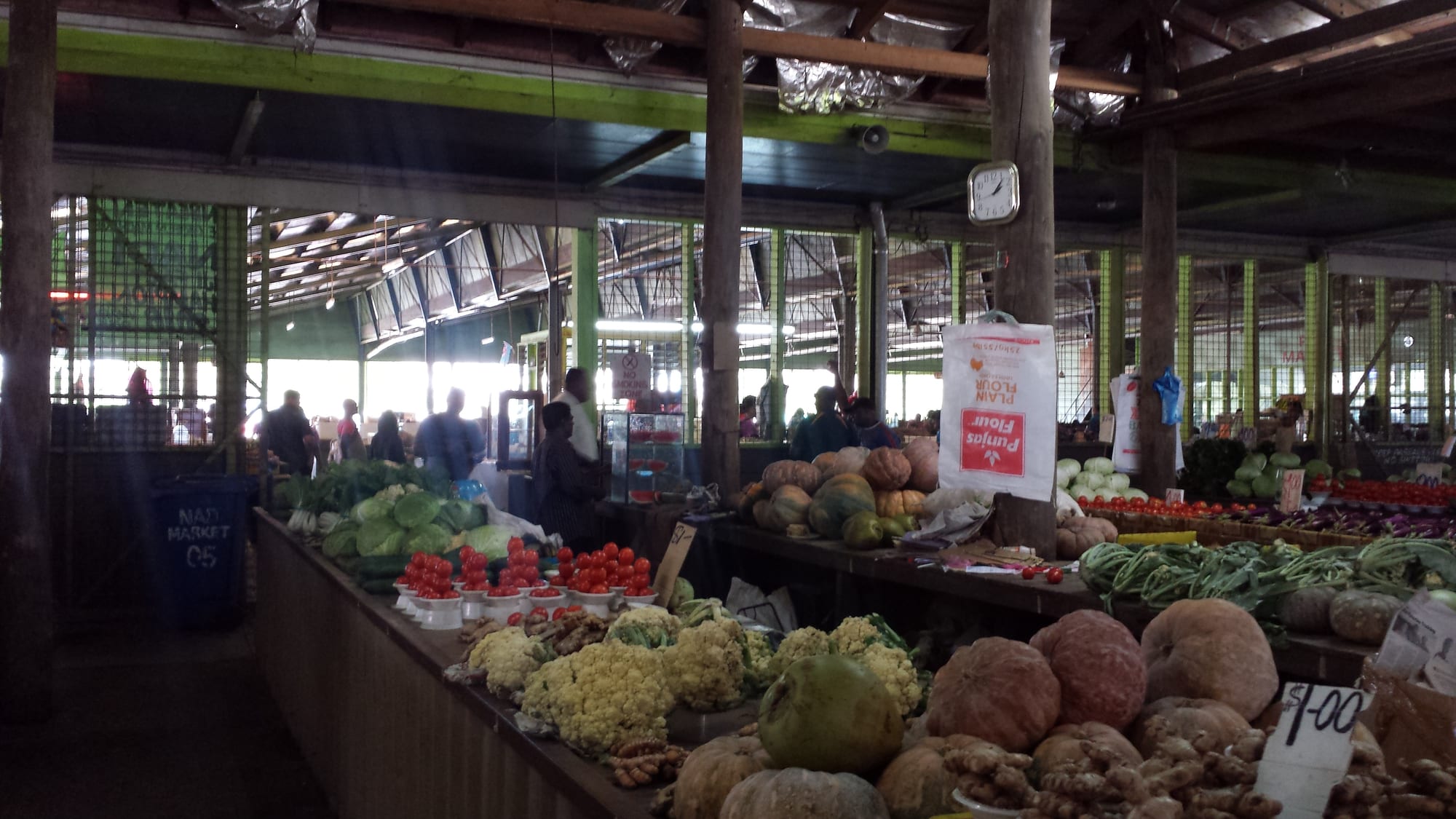
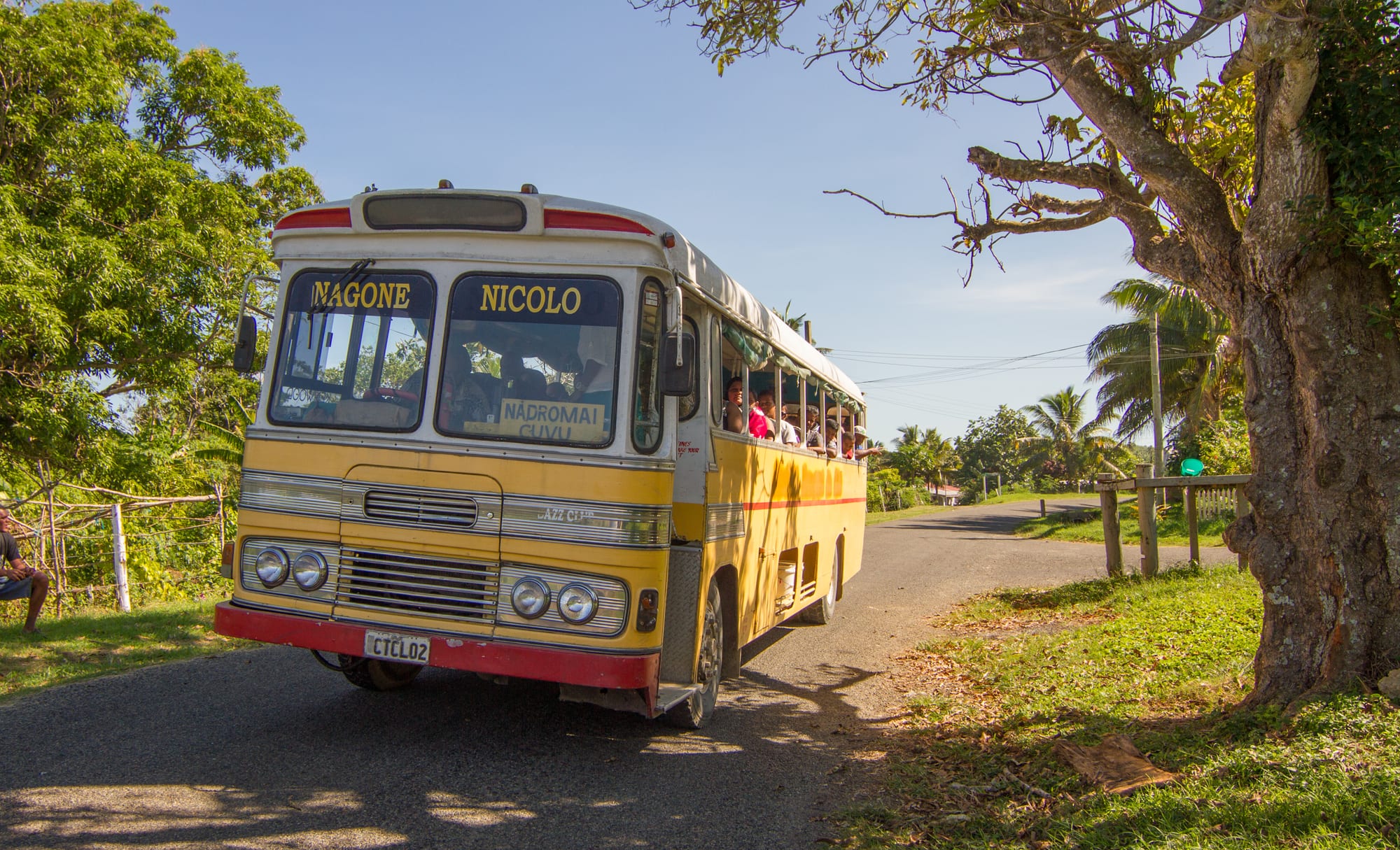
Markets are the place the two communities meet most directly: produce grown by iTaukei farmers and Indo-Fijian market gardeners is sold side by side in covered municipal markets in Suva, Nadi, and every sizeable town, alongside roti, curry, and other Indo-Fijian food sold cheaply from stalls. Suva's produce-and-craft market is among the largest and busiest, but even small towns hold a version of the same thing. Local buses, often old, brightly painted, and open-sided to let the breeze through, are the standard way to travel within Viti Levu outside the main towns, and inter-island transport runs on catamarans and smaller ferries; Fiji's only railway is a sugar-cane line closed to passengers.
Free time and weekends
Rugby, and rugby sevens especially, commands genuine national attention; village and town greens fill with informal games, and a televised international match is a shared event followed in homes and kava circles alike. Weekends otherwise centre on family: extended visits in the villages, church or temple attendance, and, for those near the coast, time in the water that is as ordinary a part of life as it is a drawcard for visitors. In town, many families spend weekend time around a family business or visiting relatives in neighbouring towns along the cane-belt roads.
A visitor's ordinary day
Cards work at resorts and in Nadi and Suva, but cash is needed in villages, on local buses, and at markets, and ATMs thin out fast once you leave the main towns. Catamarans run daily from Denarau to the outer island resorts, while buses and shared taxis cover Viti Levu itself far more cheaply than a rental car, if less predictably timetabled. Because island time runs genuinely slower than a visitor's home-country pace, building slack into transfers and tours, rather than planning tightly back-to-back activities, avoids most of the frustration first-time visitors report.
What to take away
What defines an ordinary day in Fiji is less any single custom than the coexistence of two communities, iTaukei and Indo-Fijian, each with its own rhythm of family, land, and work, meeting daily at the market, the bus stop, and on the rugby pitch, at a pace both call island time.