Culture & Customs · Fiji
Fiji: The Kava Bowl and the Whale's Tooth
Village protocol built on the chief and the shared bowl, a culture of sharing summed up in one word, Hindu, Muslim and Christian holidays on one national calendar, and firewalkers, drums and dances that keep old traditions alive
By Worldlore Editorial · 30 September 2026
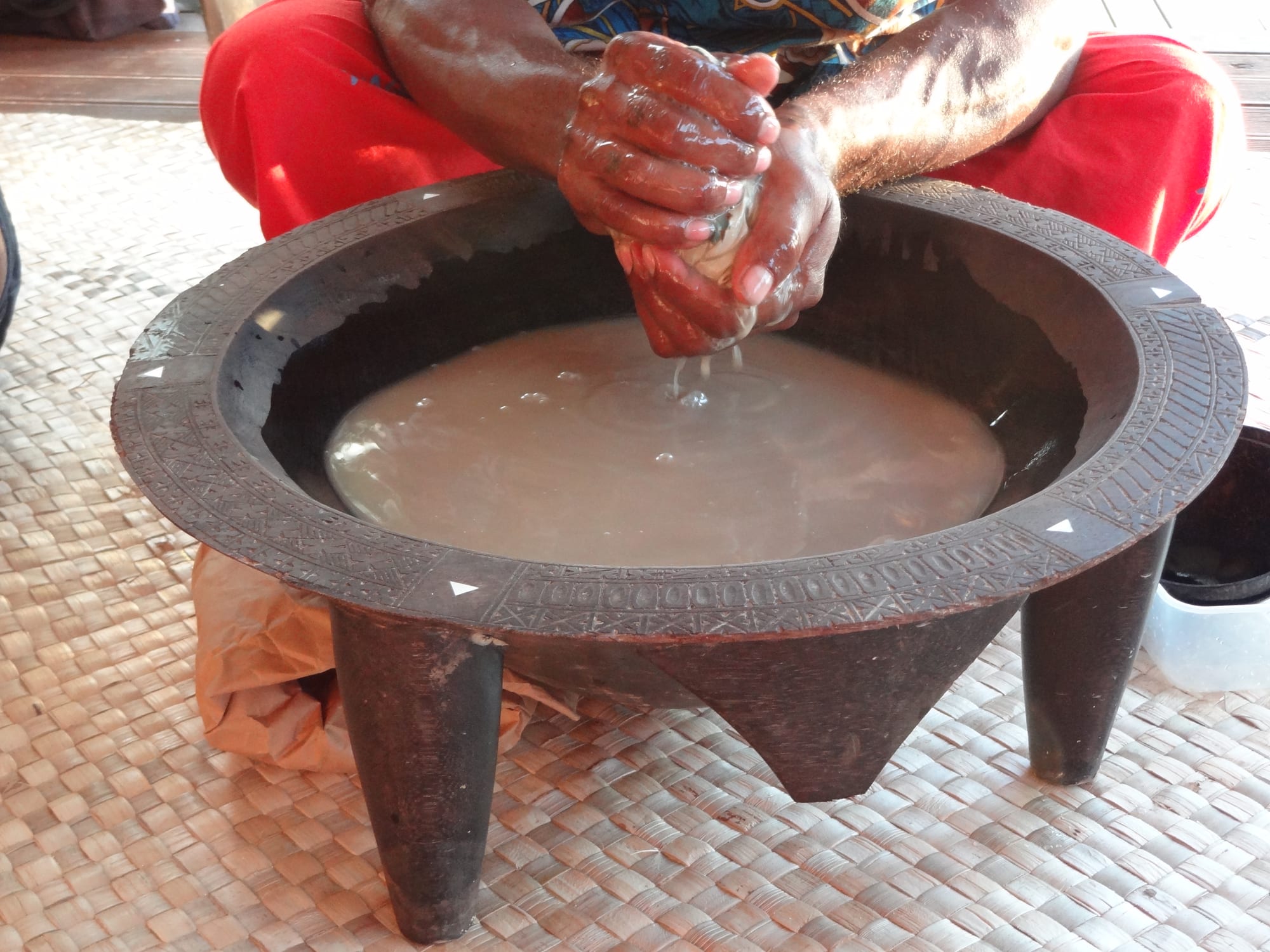
A small group of visitors stops at the edge of a village. Hats come off, and the women have wrapped a sulu, a length of cloth, round their waists to cover their knees. They are led to the house where the village headman is waiting and, stooping low, take their places cross-legged on the woven mats. A bundle of kava root is placed before him, and a spokesman speaks the formal words of respect and gratitude that ask permission for the strangers to be received. Only then does the wooden bowl begin to do its work. The ceremony is called the sevusevu, and in a few quiet minutes it turns outsiders into guests of the village. Much of what matters in Fijian culture is there in miniature: hierarchy, courtesy, the shared bowl, and a welcome that has to be asked for properly before it is freely given.
Faith, identity and values
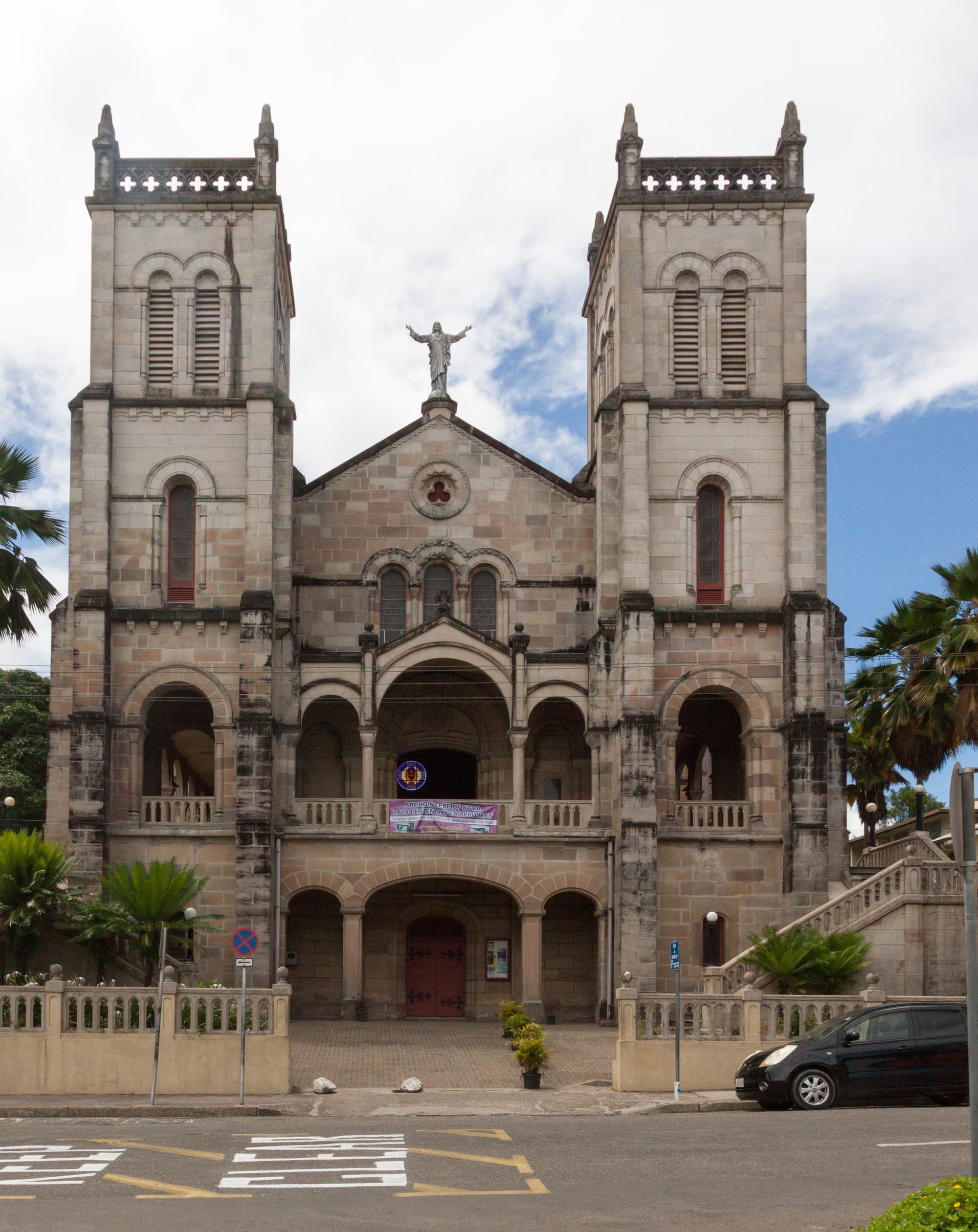
Fiji is a deeply religious country, and faith largely follows community. At the 2007 census, 64.5 per cent of Fijians were Christian, 27.9 per cent Hindu and 6.3 per cent Muslim, with a small Sikh minority; very few people reported no religion at all. Among Indigenous Fijians, the iTaukei, the Methodist Church is the largest denomination, its growth dating back to nineteenth-century missionaries, and Catholicism is also strong. Most Indo-Fijians, descendants of labourers brought from India under indenture and their successors, are Hindu, with a Muslim minority. Sunday is kept for worship, family and community, and church events fill much of the week for many families. Fijians also commonly join in the holidays and celebrations of faiths other than their own.
Communal life is the foundation of iTaukei society. Villages are run by chiefs, who keep order and harmony, and they function as extended kin groups in which outsiders who accept village standards can come to be treated almost as family. Indigenous Fijians have a secure sense of belonging rooted in ancestral land, and alongside it a strong tradition of tolerance towards other communities and faiths. The custom of kerekere captures the spirit of sharing: a relative or neighbour may ask for something they need, and the request is expected to be granted willingly, on the principle that nothing is really one's own until it has been shared. A certain easy fatalism runs through daily life too, summed up in the phrase "sega na leqa", roughly "no worries", while "Fiji time" gives people and relationships priority over the clock.
Chiefly rank still carries weight. People of high status use the titles Ratu for men and Adi for women, placed before the first name. Fijians speak softly and calmly and rarely raise their voices, and visitors who do the same are appreciated.
Greetings and meeting people
"Bula", literally "life", is the everyday greeting, called out with a wave and heard everywhere. A handshake is the more formal greeting; Indigenous Fijians often shake once up and down and then keep holding the other person's hand for some time. Women greeting one another may hug and kiss or sniff lightly on the cheek, and a woman will typically wait for a man to offer his hand before offering hers. Between people of very different status, a respectful nod with a spoken greeting may take the place of a handshake. Many Indo-Fijians, especially in rural areas, greet with "namaste", palms pressed together in front of the chest and a slight bow.
Introductions often come with personal questions about family and home, which are simply part of getting acquainted. Direct eye contact is normal. A quick raise of the eyebrows means "yes". Pointing with a finger is avoided in favour of an open hand, and people beckon with the palm facing down. Above all, the head is regarded as sacred, and touching someone's head, even a child's, is a serious breach of manners. Public displays of affection are discouraged.
Hospitality and being a guest
An entire village, not just its houses, is considered private space, and a visitor should make their arrival known rather than wander in. Modest dress is expected: shoulders and knees are covered, and a sulu wrapped round the waist is an easy solution that can be taken off on leaving. Hats are removed, since wearing one in a village is taken as an insult to the chief, and sunglasses and bags slung over the shoulder are also best avoided. The first call is on the turaga ni koro, the village headman, to present the sevusevu. Kava is the customary gift, though food, books or school supplies are also welcome, and gifts are valued for being useful. Behaviour in the village should be calm: no shouting, running or rowdiness.
Inside a home, shoes come off at the door. Guests wait to be shown in, sit down near the entrance, shake hands with everyone present, and sit cross-legged on the floor. At meals, no one starts eating until the food has been blessed.
Kava, called yaqona, is the heart of iTaukei hospitality. It is mixed in a large wooden bowl, the tanoa, and drunk from a bilo, a cup made from half a coconut shell, with the lowest-ranking person in the circle usually doing the serving. Guests sit cross-legged, follow the lead of their hosts, and clap once before drinking and three times afterwards. It is polite to accept, though a respectful refusal is also acceptable.
Festivals and life's big moments
Fiji's public holidays reflect its mix of faiths. Alongside New Year, Easter and Christmas, the national calendar marks Girmit Day, Ratu Sir Lala Sukuna Day, the Prophet Muhammad's birthday, Fiji Day on 10 October, and Diwali. Diwali has been celebrated in Fiji since indentured labourers first arrived from India in 1879, and Fiji is one of a small number of countries where the Hindu festival of lights is a public holiday. It has become a statement of social cohesion as much as a religious feast, a tribute to the Indo-Fijian community that makes up about a third of the population.
Firewalking is one of the most arresting traditions in the country, and it exists in two separate forms. At South Indian Hindu temples, devotees walk across beds of hot embers at annual festivals, often in fulfilment of a vow to the goddess Amman, after a period of fasting and self-discipline during which they give up meat and alcohol. Separately, the Sawau people of Beqa island have their own Indigenous firewalking tradition, passed down over generations, which is also performed for visitors.
Marriage is traditionally regarded as the joining of two families. Parents weigh a prospective match carefully, and a son-in-law must win the approval of the bride's family; if a couple elopes, the husband's family is expected to make amends with apologies and gifts. In iTaukei custom, a tabua is presented when asking for a woman's hand. Tabua also mark other milestones, and they are among the gifts presented when a family is in mourning. Indo-Fijian Hindu weddings unfold over several days, with the telwaan and bhatwaan ceremonies, in which a paste of turmeric, oil and sandalwood is applied to the bride and groom, followed by mehndi, dancing at the sangeet, and the vows themselves, taken beneath the decorated four-posted mandap.
Deaths in iTaukei families are marked by formal presentations of condolence, known as the reguregu, when friends and extended family come to pay their respects before the burial. Mourning traditionally lasts 100 nights. During that time close relatives may let their hair or beard grow and give up something they enjoy, such as alcohol, kava or seafood, and the lifting of mourning at the end of the period is marked with a feast.
Arts, crafts and music
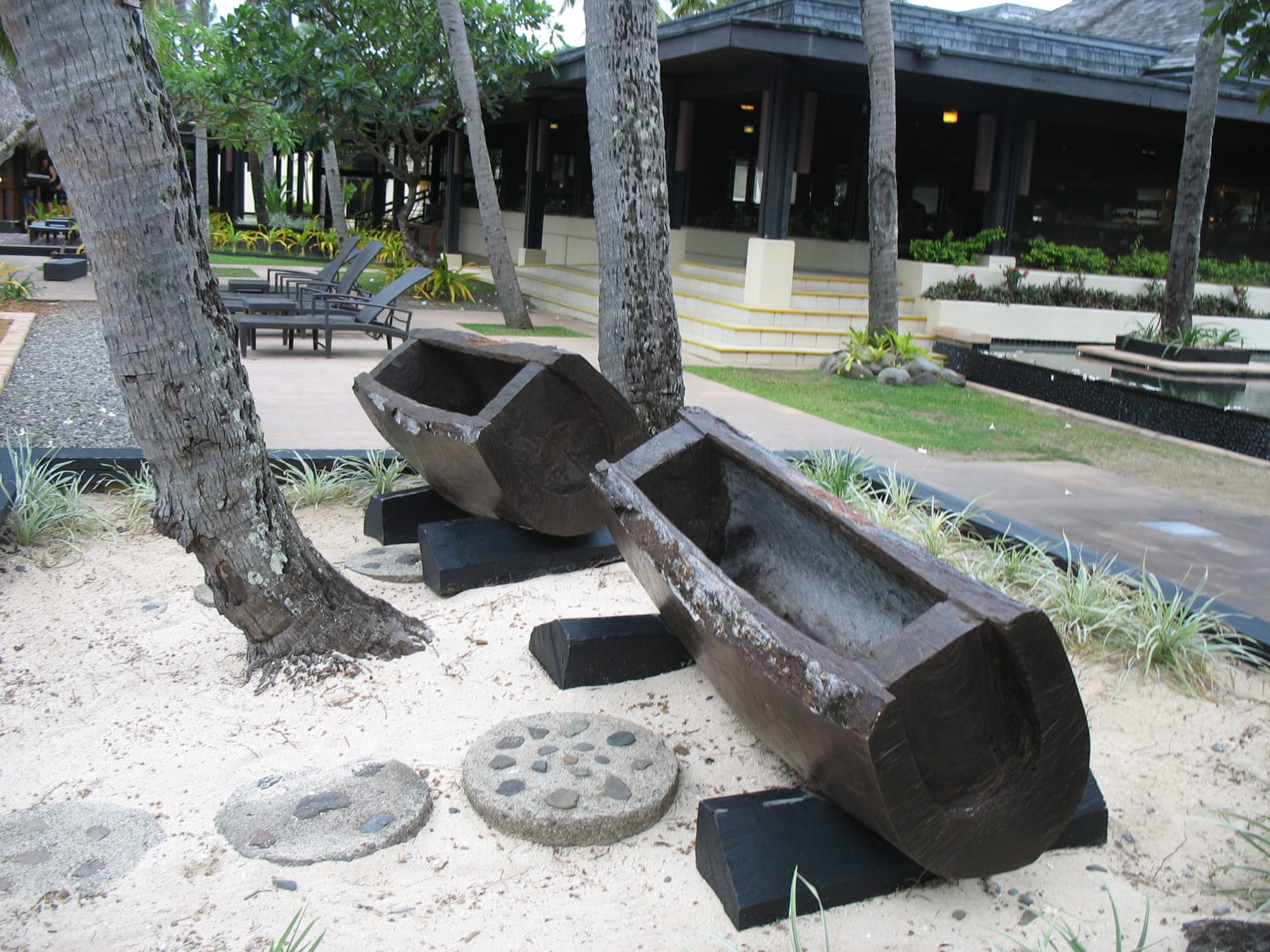
The meke is the great performance art of Indigenous Fiji, telling stories of gods, ancestors and events through song and dance. Dances are traditionally performed by groups of men or groups of women, standing or seated, to sung verses and a steady beat. The rhythm often comes from the lali, a slit drum carved from dense, resonant timbers such as dilo, tavola and vesi. A smaller form, the lali ni meke, accompanies dances, while larger lali, often played in pairs, are beaten with wooden sticks.
Masi, Fiji's bark cloth, is made from the paper mulberry tree and hand-stamped with patterns in black and brown natural dyes, with motifs that vary from one region to another. It is usually worn only on special occasions and is often passed down through families. Mat weaving and pottery also remain living crafts.
Indo-Fijian arts have their own deep roots. In the South Indian community, the dance drama known locally as ti-ri-ku-tu, which tells stories from the religious epics through song and dance, is performed by men at temple festivals, while Bollywood music and dance are part of almost every Indo-Fijian wedding celebration.
Dos and don'ts for visitors
- Do cover shoulders and knees in a village; a sulu wrapped round the waist is ideal.
- Do take off hats and sunglasses when entering a village, and carry bags in the hand rather than over the shoulder.
- Do bring a sevusevu of kava for the village headman, ideally presented with the help of a guide or host.
- Do sit cross-legged, stoop low when moving past seated people, and clap once before and three times after drinking kava.
- Do take shoes off before entering a home, and wait for the meal to be blessed before eating.
- Don't touch anyone on the head, including children.
- Don't shout, run or behave boisterously in a village.
- Don't point with a finger; use an open hand instead.
What to take away
Fijian customs are built around respect for rank, the land and one another, and visitors who ask for their welcome properly, with covered knees, a bundle of kava and a quiet voice, will find it given warmly and without reserve.