Food · Fiji
Fiji: Food and the National Dish
Raw fish cured in coconut milk and citrus, a whole feast cooked underground in banana leaves, and a peppery ceremonial drink that opens almost every important gathering
By Worldlore Editorial · 16 September 2026
Two culinary traditions on one set of islands
Fijian food reflects the country's dual heritage as clearly as anywhere in the Pacific: an indigenous Fijian tradition built on fish, root vegetables, coconut and communal feasting, alongside a substantial Indo-Fijian tradition brought by indentured labourers who arrived from India from 1879 onward to work Fiji's sugar plantations. Both remain genuinely everyday food rather than one displacing the other.
The national dish: kokoda
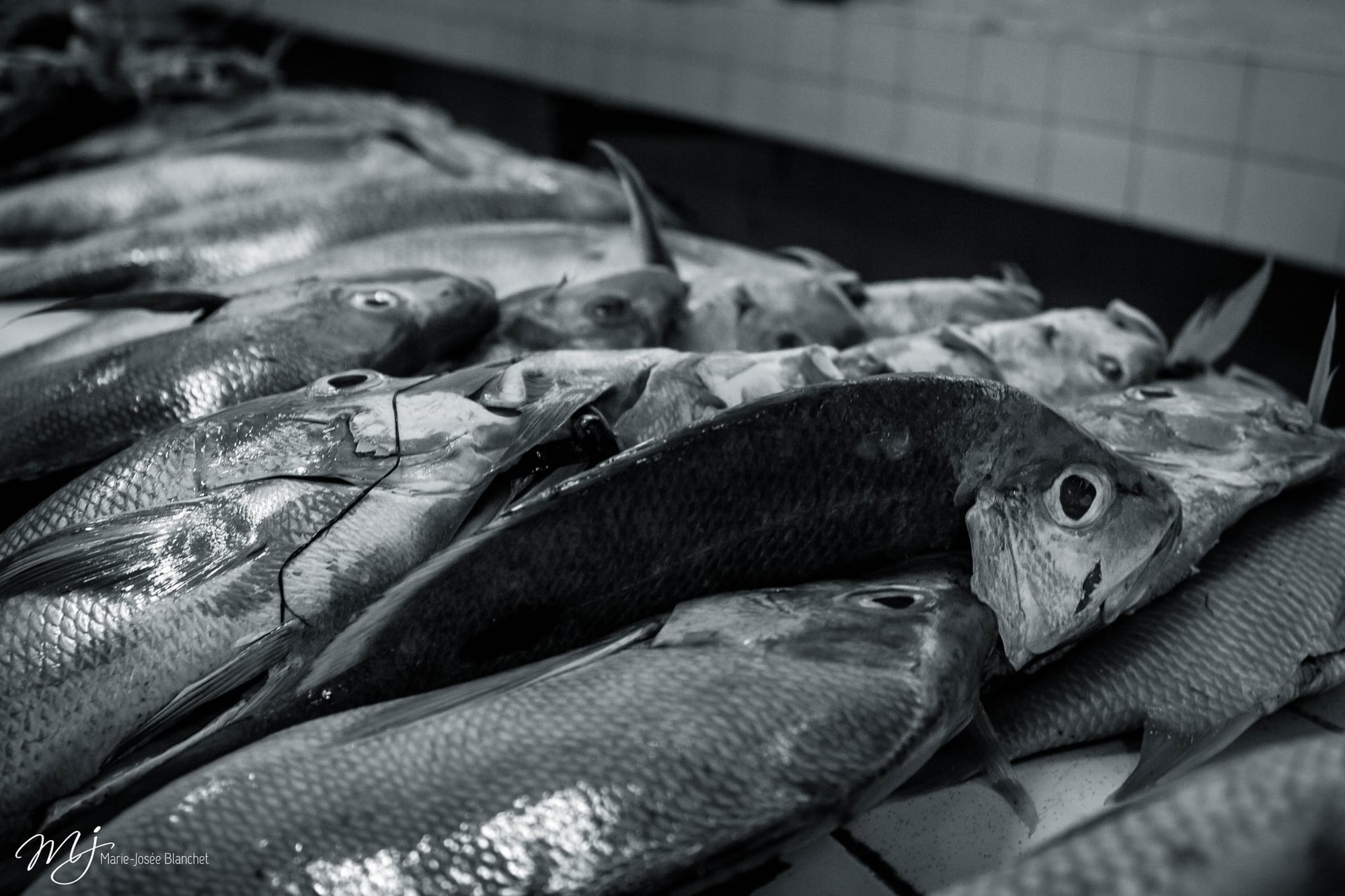
Kokoda, raw fish cured in coconut milk and citrus, chilli and diced vegetables, is Fiji's best-known dish internationally and its closest equivalent to a national dish. The fish, typically a firm white variety, "cooks" through the acid in the citrus much as in Latin American ceviche, and the finished dish is often served in a half coconut shell — a genuine showcase of Fiji's fish and coconut pantry in one plate.
The pantry: fish, coconut and root vegetables
Fish, coconut in every form, and root vegetables — cassava, dalo (taro) and sweet potato — form the base of indigenous Fijian cooking, while rice, lentils, and a full range of Indian spices anchor the Indo-Fijian side of the table. Rourou, taro leaves cooked down in coconut cream, and duruka, a native Fijian stalk vegetable sometimes described as Fijian asparagus, are both distinctly local ingredients that show up across many dishes.
The lovo: an underground feast
Lovo, an earth oven in which meat, fish and root vegetables wrapped in banana or taro leaves are cooked for hours over heated stones buried in the ground, is Fiji's traditional way of feeding a large gathering and remains central to celebrations, church events and village life. The smoky, slow-cooked results, unwrapped together at the end, are as much a communal event as a cooking method.
Dishes to know
Five more to recognise across Fiji:
- Lovo-cooked pork or chicken — meat cooked for hours in an underground
earth oven, wrapped in leaves.
- Rourou — taro leaves cooked in coconut cream, often with corned beef or
fish.
- Duruka — a native Fijian stalk vegetable, cooked in coconut cream as a
seasonal delicacy.
- Roti and curry — everyday Indo-Fijian food, reflecting the descendants
of 19th-century Indian indentured labourers who remain a large share of Fiji's population.
- Cassava and dalo — boiled or roasted root vegetables, the starchy base
of most indigenous Fijian meals.
Kava and the ceremony behind it
Eating as a traveller
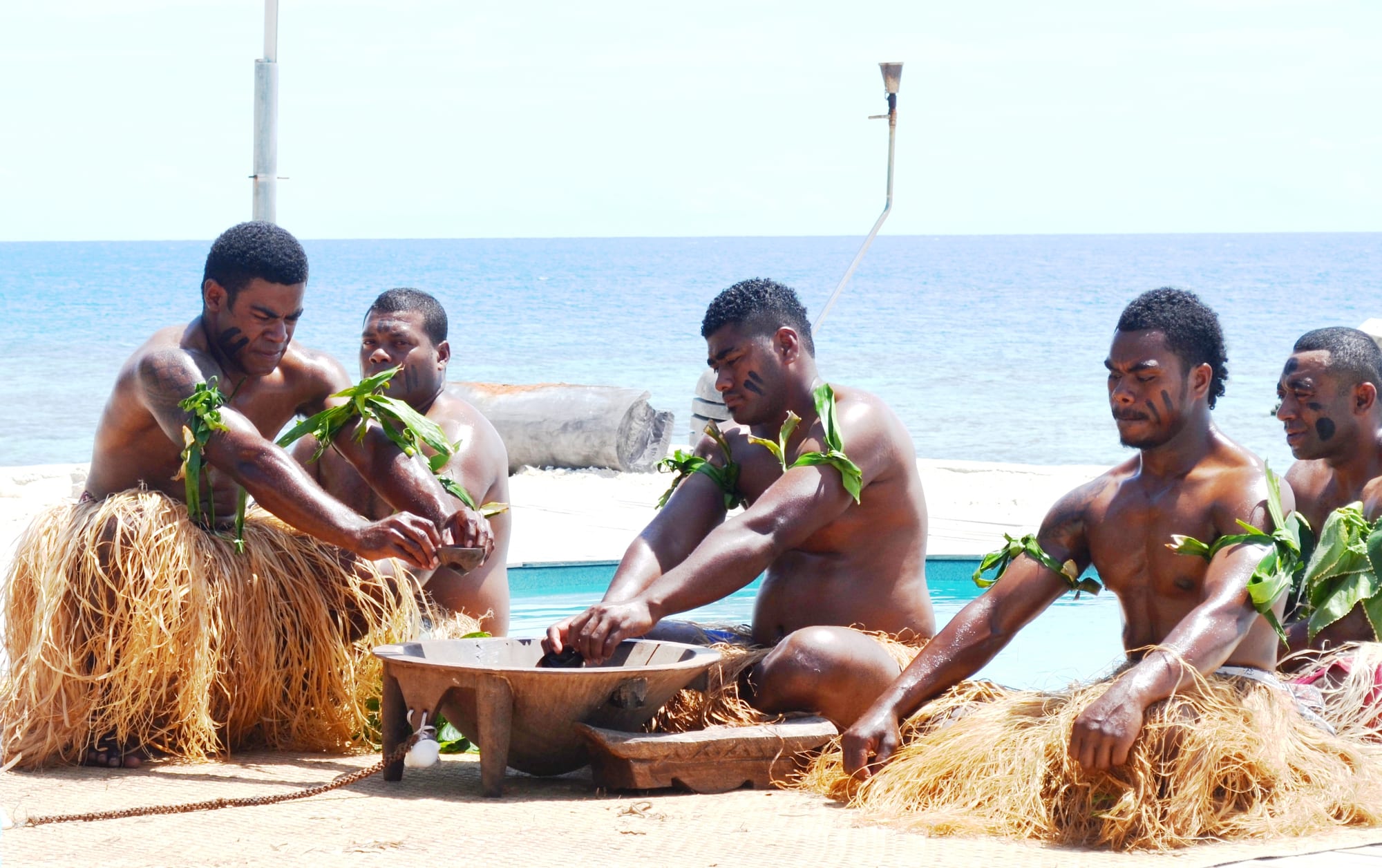
Vegetarians eat well thanks to Fiji's strong Indo-Fijian vegetarian cooking, alongside root vegetables and coconut-based dishes on the indigenous Fijian side. Tap water is generally safe in Suva and the main resort areas, though bottled water is a common precaution elsewhere. If offered kava, accepting with both hands and a single clap before drinking is the customary way to receive it, a small gesture of respect that goes a long way.
What to take from the table
Kokoda, fresh and bright with citrus and coconut, is the dish to try first, but a genuine lovo feast, unwrapped from its underground oven at the end of a long slow cook, best shows how central communal food remains to Fijian life.