Attractions & Natural Wonders · Fiji
Fiji: Nine Attractions and Natural Wonders
Three hundred islands of white sand and reef, a valley of thatched chiefly houses, a colonial port town frozen in the 1870s, and a lagoon where divers hand-feed bull sharks
By Worldlore Editorial · 19 September 2026
An archipelago in the South Pacific
Fiji is a nation of more than 300 islands (about a third inhabited) in the heart of the South Pacific, halfway between the Americas and Australia. Most visitors land on the main island, Viti Levu, and quickly transfer to a smaller island or a coastal resort. The culture is a mix of indigenous iTaukei Fijian — with its chiefly system, kava ceremonies, and meke dance — and a large Indo-Fijian population descended from indentured labourers, whose temples and food are part of the fabric.
The nine below span the resort islands, the wetter "garden island" of Taveuni, and the historic and cultural sites on Viti Levu and Ovalau. It is warm year-round; May to October is the drier, cooler season.
1. The Mamanuca and Yasawa Islands
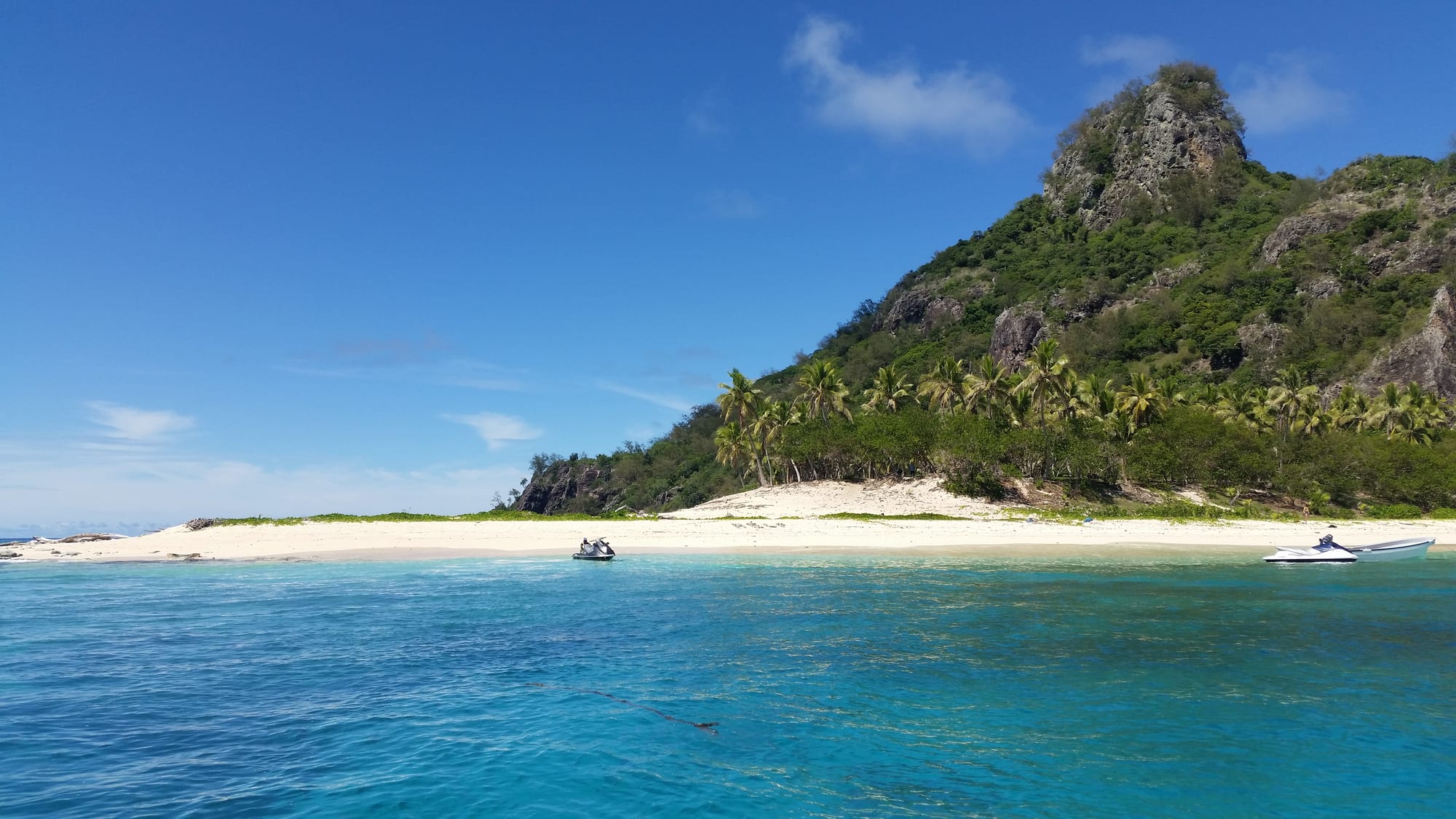
The two island chains off western Viti Levu are Fiji's classic beach experience. The Mamanucas, closest to Nadi, are a scatter of small resort and day-trip islands with reliable sun, including Monuriki of Cast Away fame and the "Cloud 9" floating bar. The Yasawas beyond are longer, more rugged islands with everything from backpacker dorms to luxury lodges, reached by the daily catamaran that lets you island-hop.
Snorkelling with manta rays (May–October, around Nanuya Balavi and Barefoot Manta) is a highlight of the northern Yasawas.
2. Taveuni and Bouma National Heritage Park
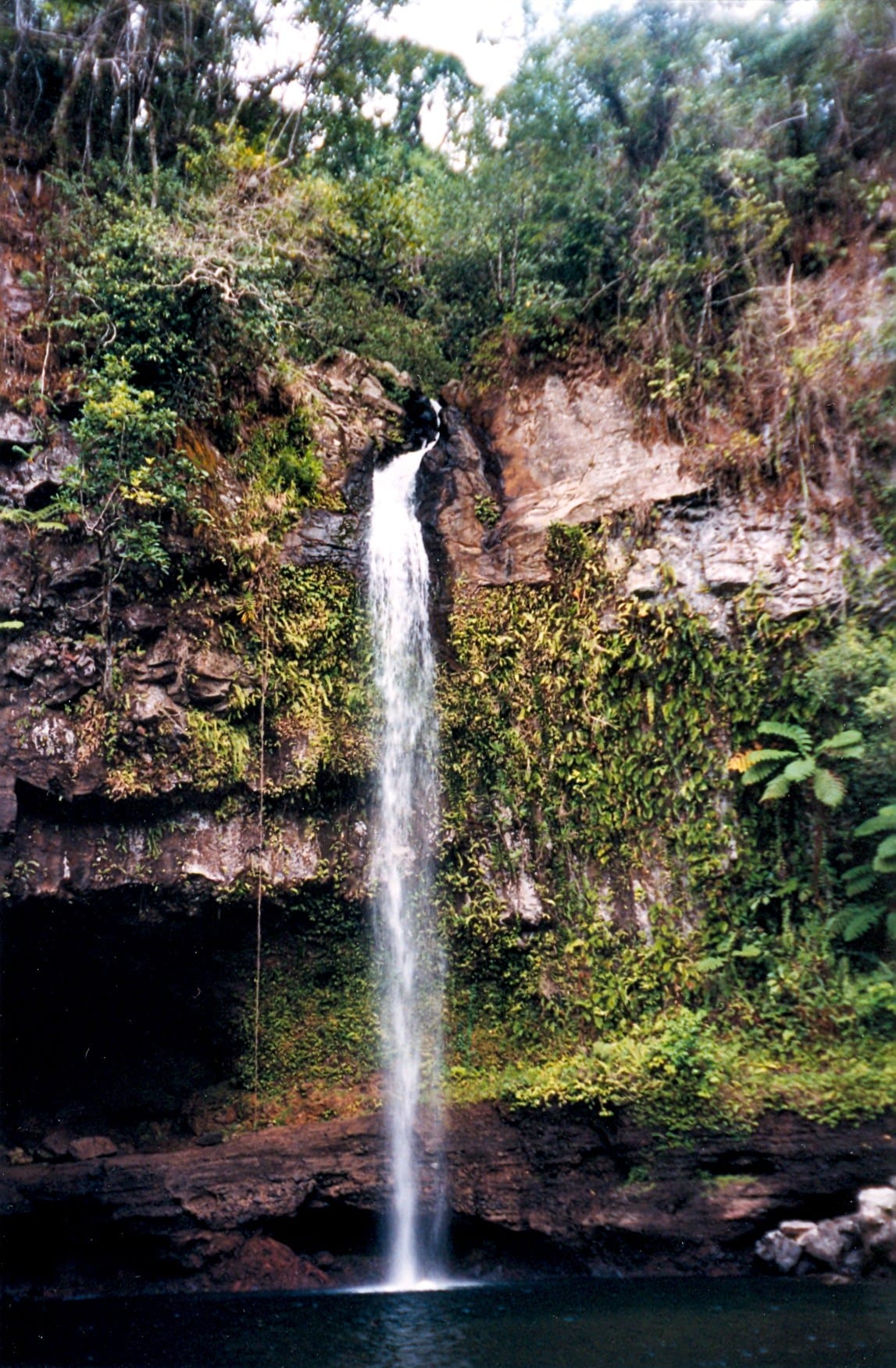
Taveuni, the "garden island", is Fiji's third largest — wet, green, and volcanic, with rainforest running down to the reef. The Bouma National Heritage Park, run by local villages, protects the forest and the three-tiered Tavoro (Bouma) waterfalls, linked by a walking trail with pools to swim in, plus the coastal Lavena walk and the ridge-top Vidawa rainforest hike.
Offshore, the Rainbow Reef and the "Great White Wall" in the Somosomo Strait are among the best soft-coral dives in the world; the 180th meridian runs through the island.
3. The Sigatoka Sand Dunes
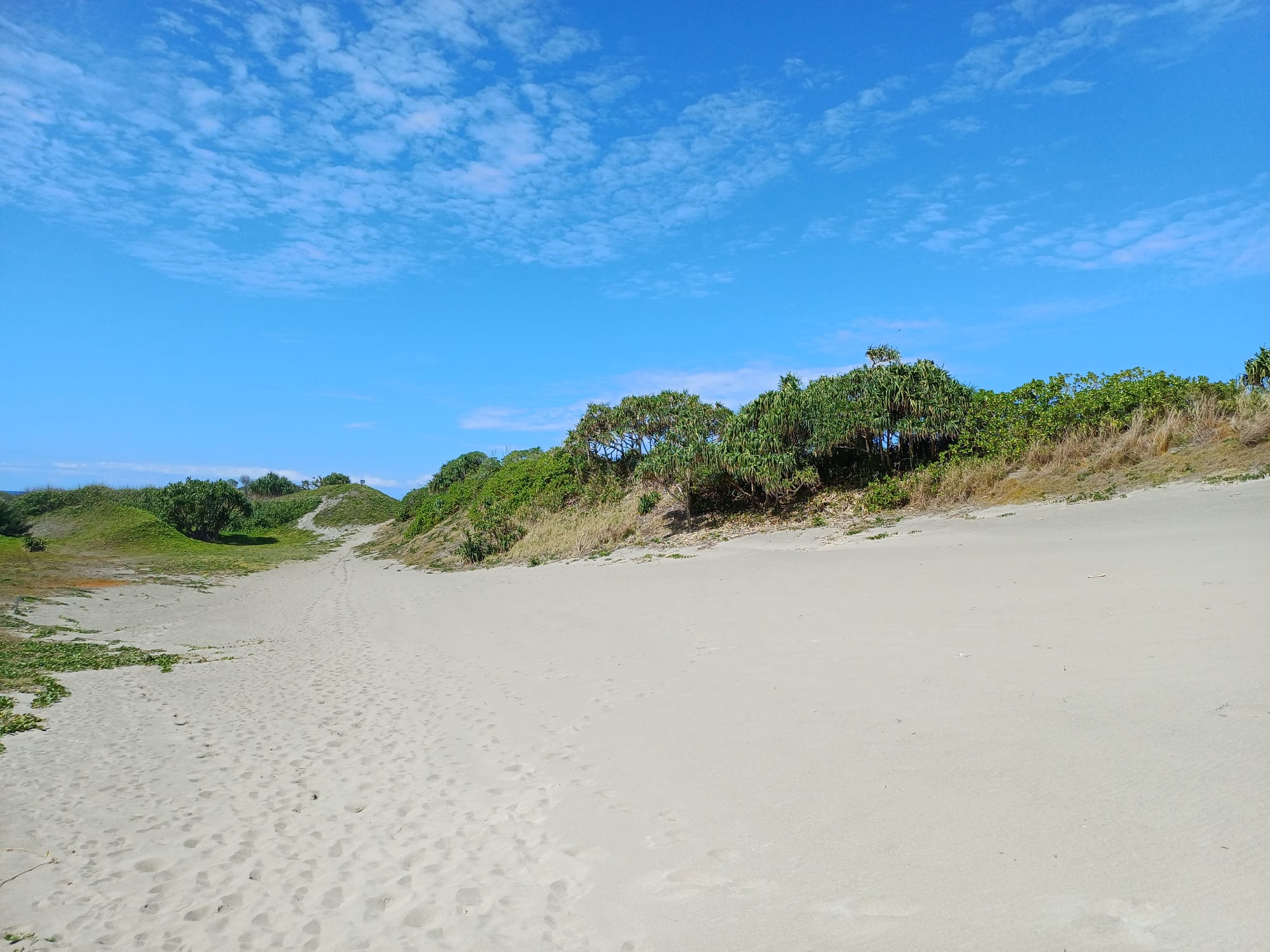
At the mouth of the Sigatoka river, on Viti Levu's south coast, wind has piled up a field of dunes 20 to 60 metres high over several kilometres — a strange sight in tropical Fiji, and the country's first national park (1989). Pottery shards and human burials thousands of years old keep eroding out of the sand. A one- or two-hour walking loop crosses the dunes to a wild, surf-pounded beach.
It is an easy stop on the drive along the Coral Coast.
4. Navala village
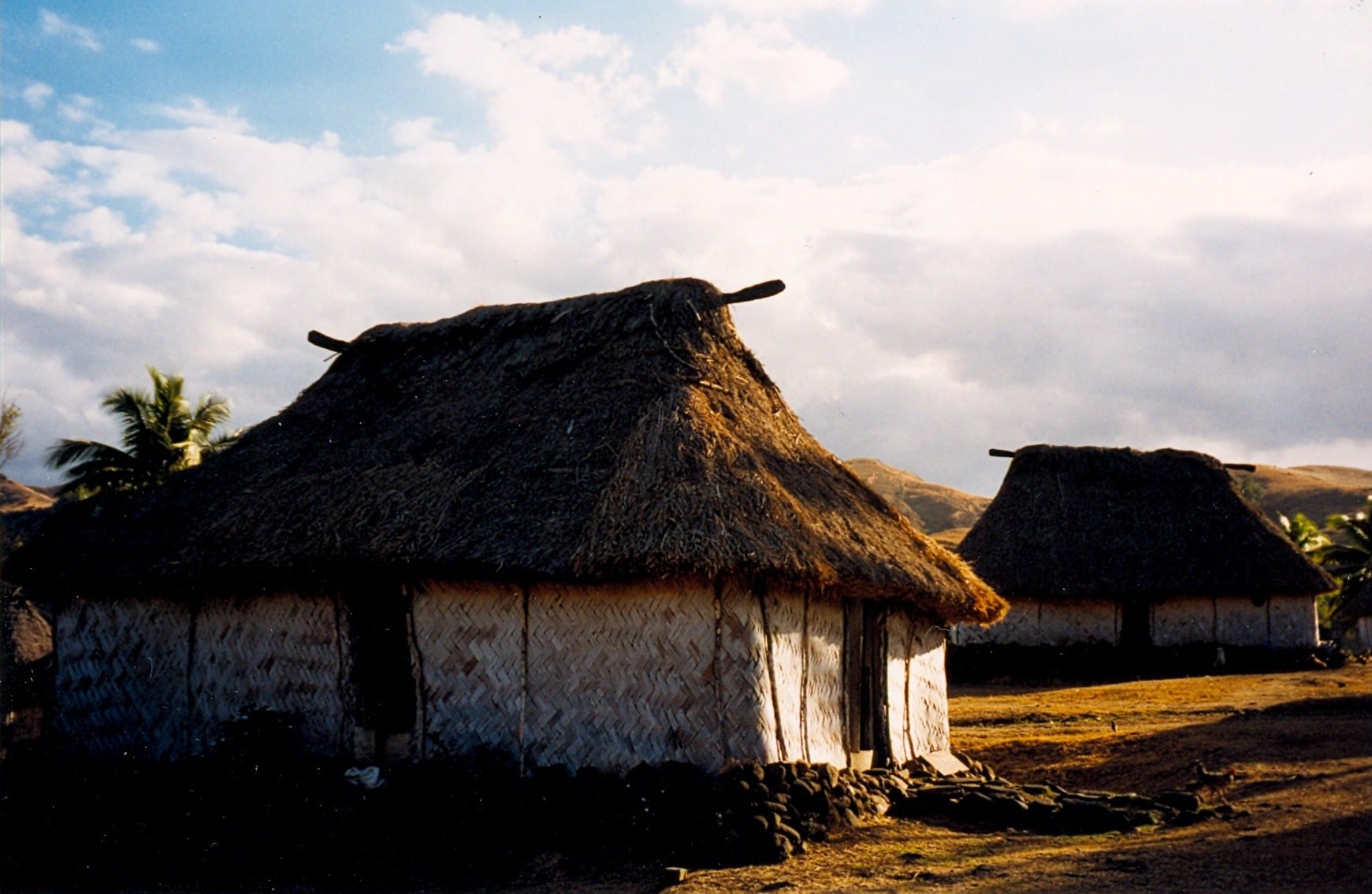
Navala, in the Nausori Highlands above Ba, is the one village in Fiji where, by the chief's decree, every home is still a bure — a timber-framed house with a steep thatched roof — laid out in ordered rows along a river. Visitors are welcome by prior arrangement, presenting a gift of kava (sevusevu) to the chief, and some families offer homestays.
The drive up into the highlands, on rough roads through cattle country, is part of the experience.
5. Nadi and the Indo-Fijian heritage
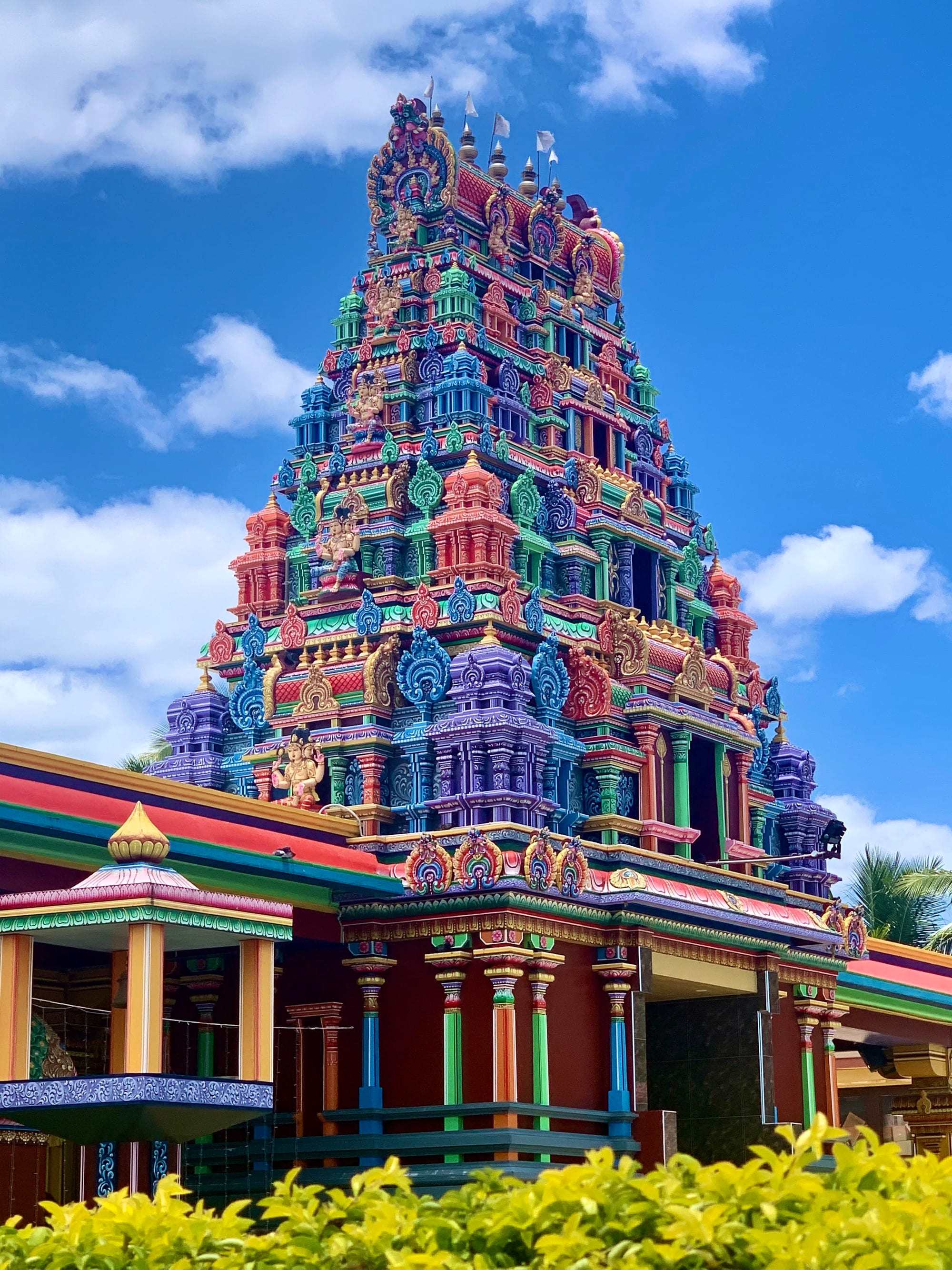
Nadi, the gateway town by the international airport, is where most visitors land and where the Indo-Fijian presence is most visible. Its Sri Siva Subramaniya temple, in bright Dravidian style with a carved and painted gopuram gateway, is the largest Hindu temple in the southern hemisphere and open to respectful visitors. Nearby are the Garden of the Sleeping Giant orchid garden and the Sabeto mud pools and hot springs.
Nadi itself is a workaday town rather than an attraction, but a good base for the first or last night.
6. Levuka
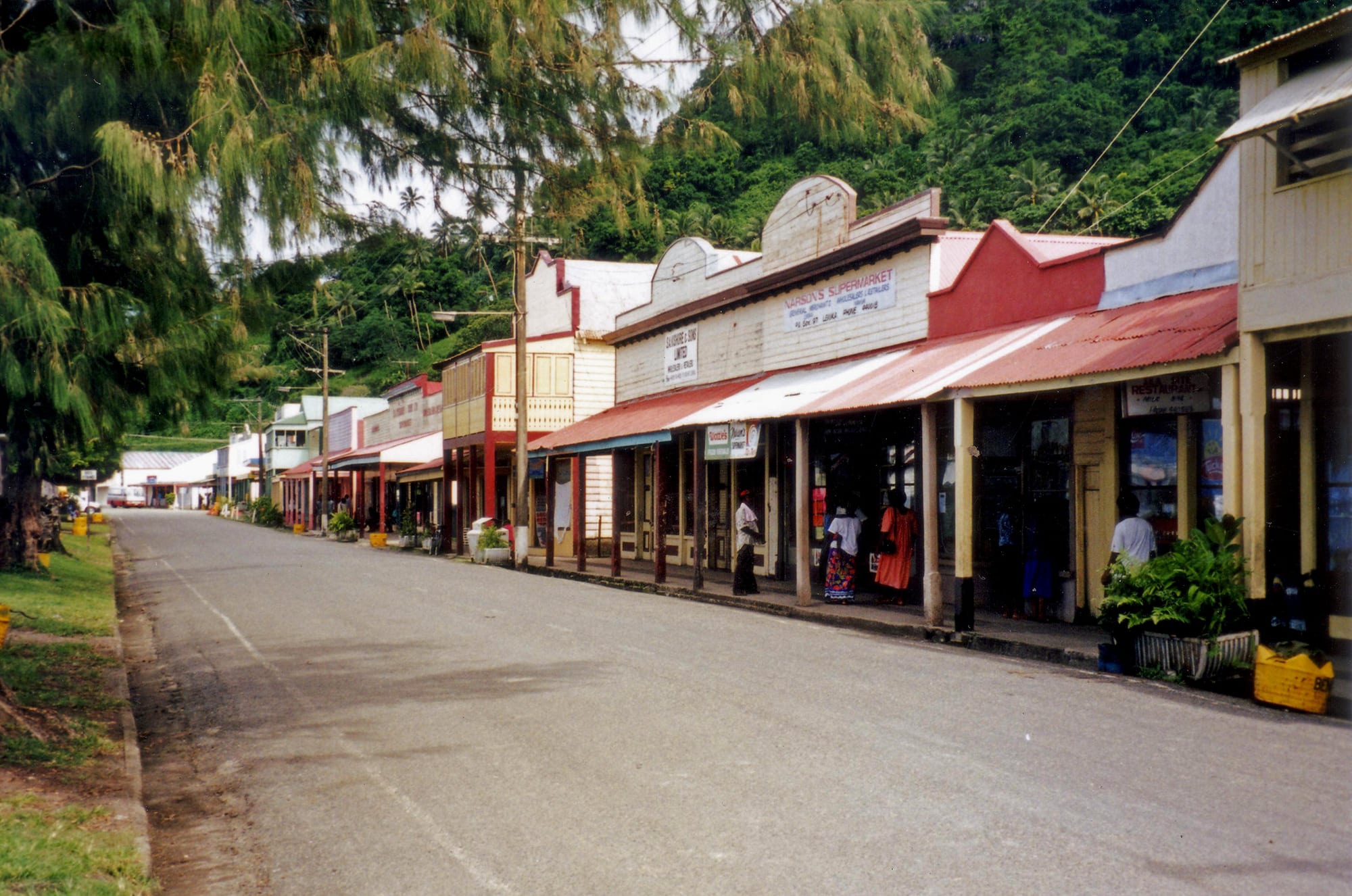
Levuka, on the island of Ovalau east of Viti Levu, was Fiji's capital from 1874, when the country was ceded to Britain, until 1882, when the government moved to Suva. Because it was then left behind, it kept its 19th-century wooden main street of trading stores, churches, and pubs squeezed between the sea and a green ridge — a rare surviving Pacific port town, and Fiji's only UNESCO World Heritage Site.
It is reached by a bus-and-ferry combination or a short flight from Suva, and sees few visitors.
7. Suva
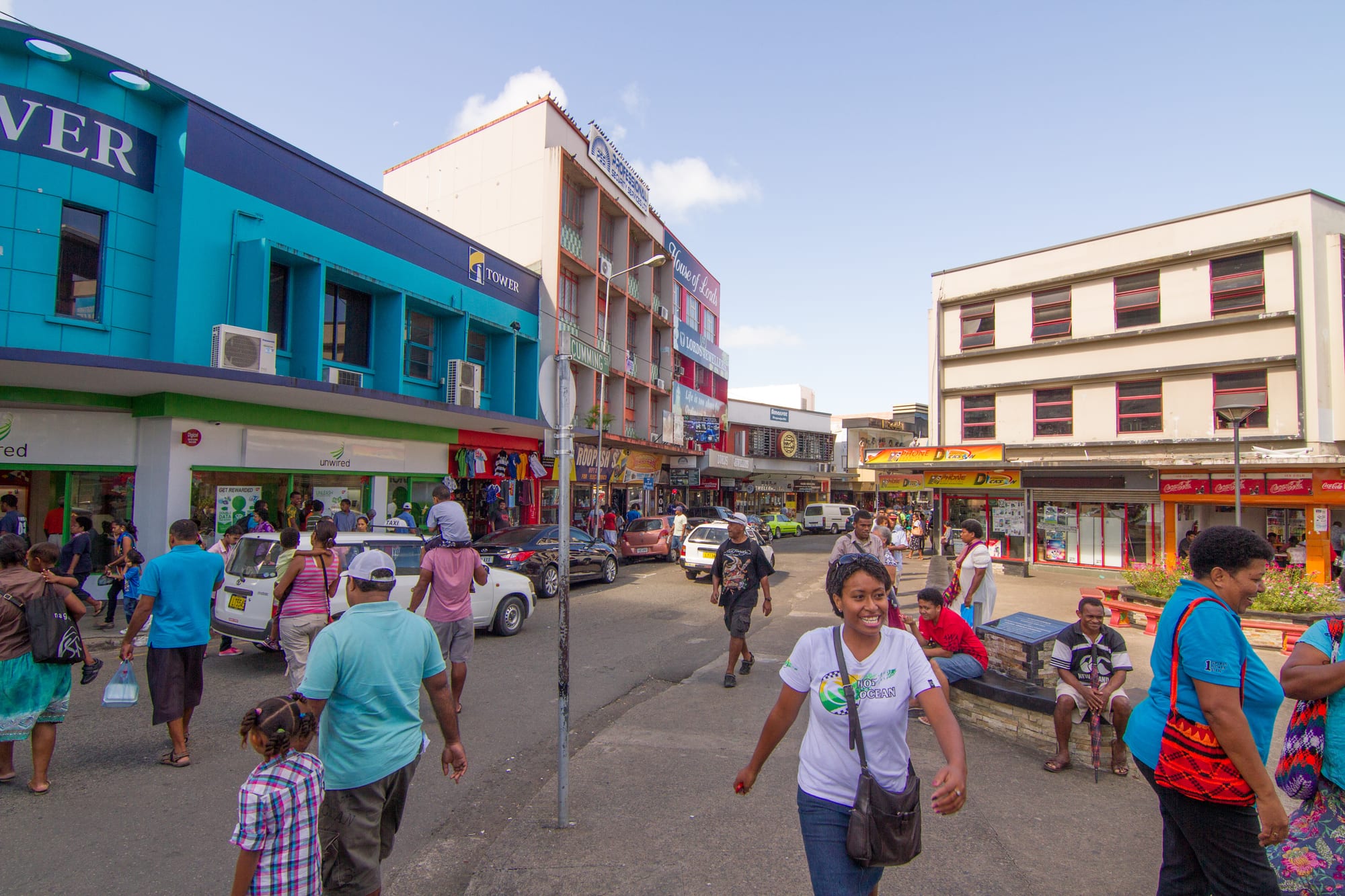
Suva, on the wetter southeast side of Viti Levu, is the capital and the region's biggest city — a lively, multicultural place of colonial buildings, a big covered market, the Fiji Museum (with the Ratu Finau, the last great oceangoing Fijian canoe), and the campus of the regional University of the South Pacific. It rains a lot here.
Most beach-bound visitors skip it, but it is the real working Fiji and the gateway to the eastern islands.
8. The Coral Coast and Beqa Lagoon
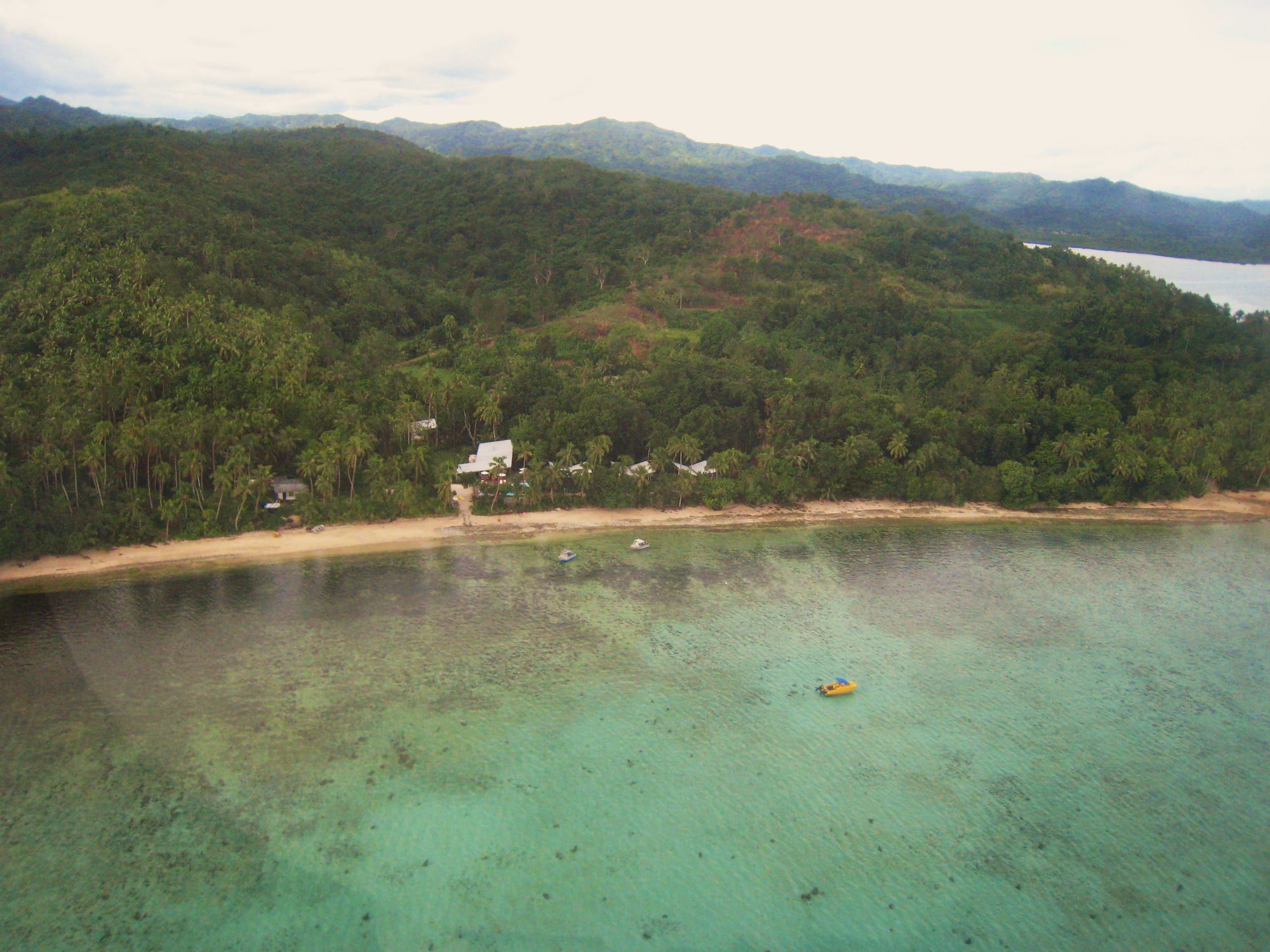
The Coral Coast, the southern shore of Viti Levu, is the mainland resort belt — reef-protected beaches (better at high tide), village visits, and the Kula wildlife park. Off it lies Beqa Lagoon, famous for two things: the world's most intense organised shark dive, where guides hand-feed bull sharks and, sometimes, tiger sharks in the open water; and the Beqa villages that practise vilavilairevo, the traditional firewalking on white-hot stones, performed at some resorts.
9. Diving, snorkelling, and the outer islands
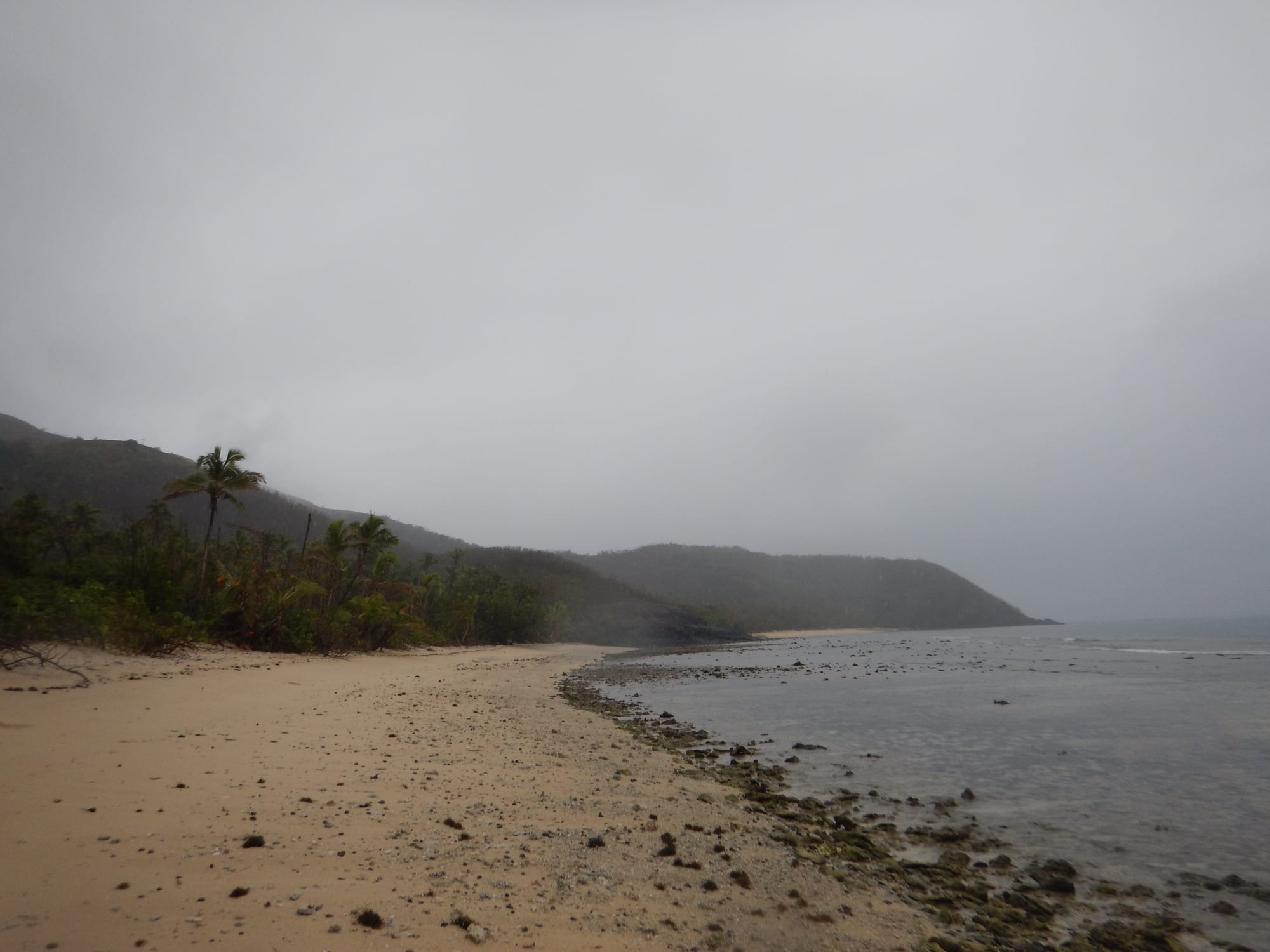
Beyond the headline spots, Fiji is a diving and snorkelling destination through and through: the Great Astrolabe Reef off Kadavu (one of the largest barrier reefs in the world), the soft corals of the Bligh Water and Namena, and the manta season in the Yasawas. The remote Lau group in the east and the highland Namosi region on Viti Levu (whitewater rafting on the Navua) reward travellers with more time.
Wherever you go, expect a warm bula welcome, a kava bowl, and a slower clock — "Fiji time".
Fiji is easy: fly into Nadi, then pick an island or a coast and settle. A week covers a resort island plus a couple of Viti Levu day trips; two weeks lets you add Taveuni or Kadavu for the diving.